How To Water Your Christmas Cactus In Pennsylvania For A Bloom-Filled Holiday Season
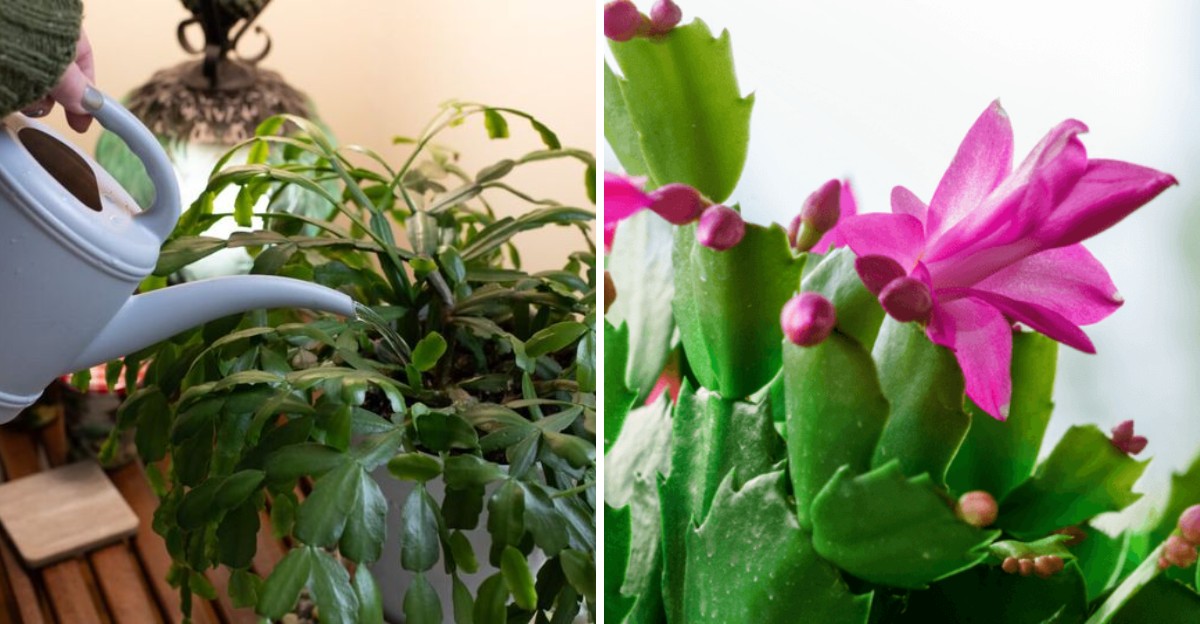
A cactus that hates the desert sounds like a joke. Yet this holiday favorite grows wild on mossy tree branches in the misty mountain forests of southeastern Brazil, far from any sand dune.
Its roots cling to bark and soak up quick rain showers, then dry out fast in the breezy air. That odd lifestyle explains why so many of us get the watering wrong. I can’t imagine a plant more often loved a little too much with the watering can.
Here in Pennsylvania, our furnaces roar from November to March, and indoor air can get surprisingly dry. Your plant feels that change long before you notice it. Buds can drop, stems can sag, and the big December show can fizzle.
Personally, I think the fix is easier than most people expect. So how much water does a jungle cactus really want?
1. That Christmas Cactus Is Secretly A Tree-Dwelling Jungle Plant
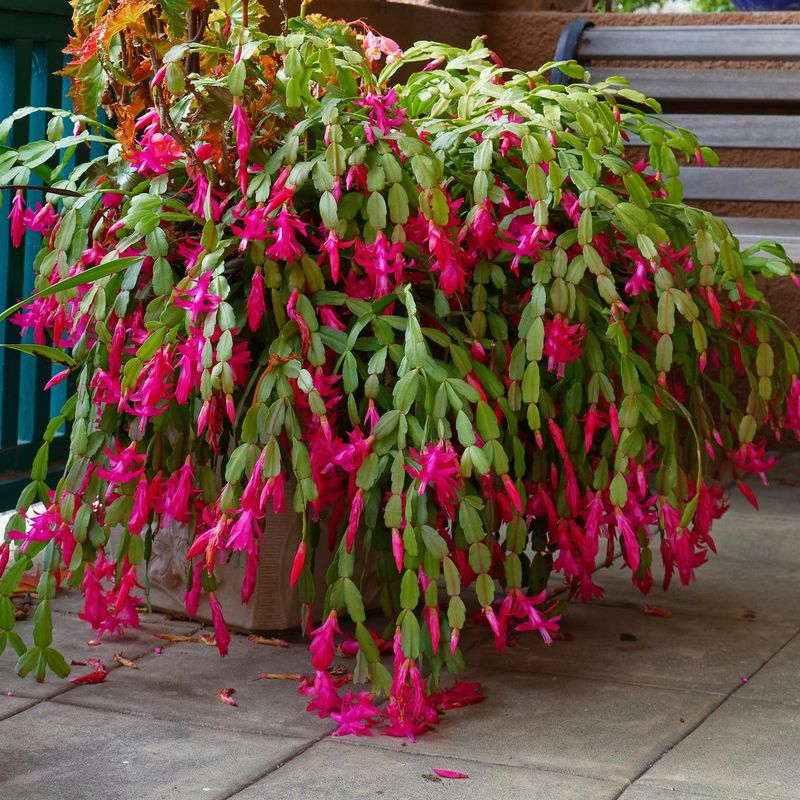
Most folks bring home a Christmas cactus expecting it to act like a desert plant. That guess causes more trouble than almost anything else. This plant is an epiphyte, which means it grows on trees instead of in the ground.
In the wild, Schlumbergera hangs from branches in the cool, cloudy forests of Brazil. Rain soaks the moss and bark around its roots, then drains away quickly. The roots get a good drink, then plenty of air, again and again.
That rhythm is your watering blueprint. Your plant wants moisture that comes and goes, not a constant swamp and not a long dry spell.
A cactus from Arizona might handle weeks without water, but this one would wrinkle and drop its buds.
I like to picture those mossy branches every time I reach for the watering can. It reminds me that the goal is fast drainage and steady, moderate moisture. Penn State Extension and many botanical gardens describe the same balance.
Once you think of it as a jungle plant that happens to look like a cactus, everything else starts to make sense. Watering, humidity, soil, and even bloom timing all trace back to that rainforest home.
2. Push Your Finger Into The Christmas Cactus Soil Before You Pour
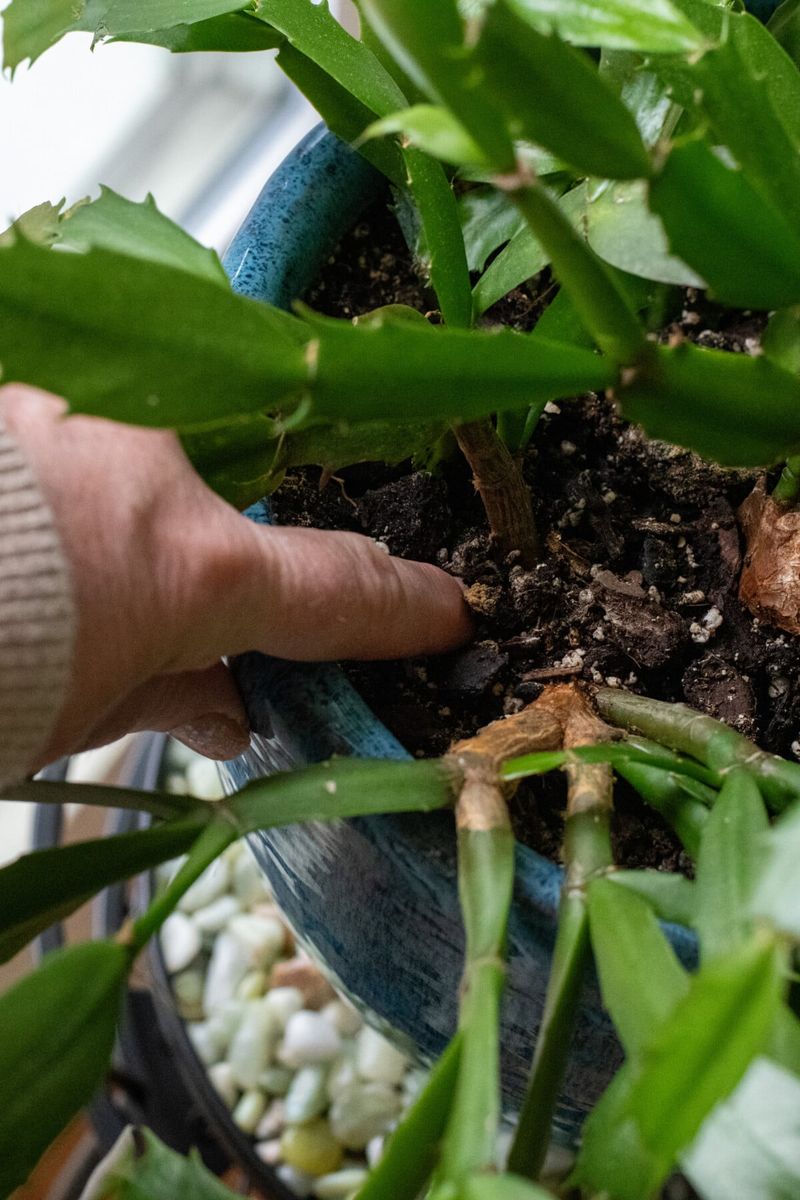
Your index finger is the best moisture meter you own. Calendars and weekly schedules often lead you astray because homes dry out at different speeds. A finger test takes five seconds and tells the real story.
Press your finger about an inch into the potting mix. If it feels dry at that depth, it is time to water. If it still feels cool and damp, wait a day or two and check again.
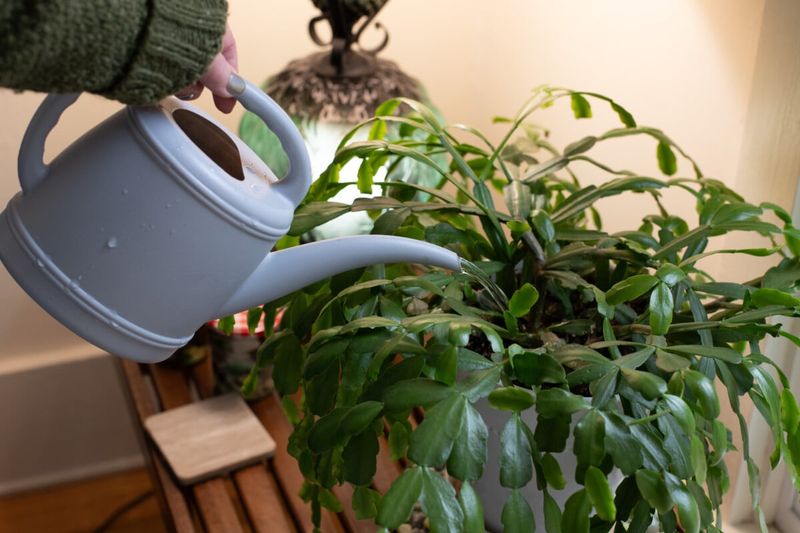
When you do water, go deep. Pour slowly until water runs out of the drainage holes, which means the whole root ball got wet. Then empty the saucer after about 15 minutes so the roots are not sitting in a puddle.
In a heated Pennsylvania living room, many people find this works out to about once a week in winter.
A cooler sunroom might stretch that to ten days or more. Small clay pots dry faster than big plastic ones, so adjust as you learn.
Room-temperature water is the kindest choice. Icy tap water straight from a cold winter pipe can shock tropical roots. I fill my watering can the night before so it warms up naturally.
3. Fat Flower Buds Need Steady Moisture Until They Open
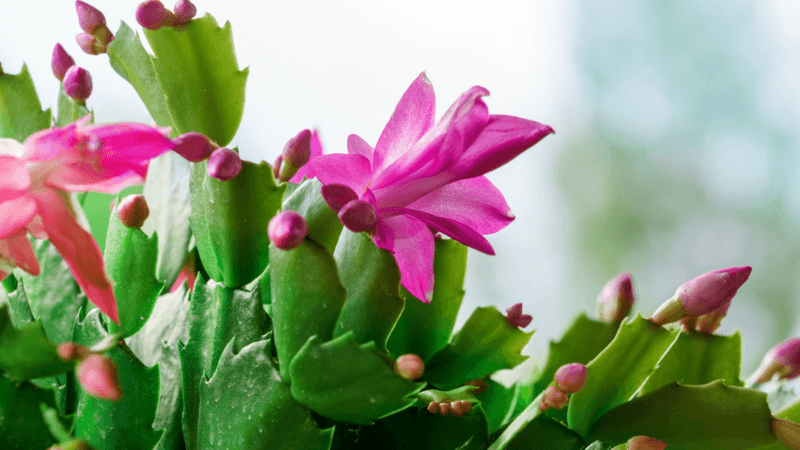
Few things sting like watching a dozen plump buds tumble onto the windowsill. Bud drop is one of the most common Christmas cactus complaints. Uneven watering is often part of the cause.
Once buds form, usually in late fall, the plant is pouring energy into flowers. Keep the soil evenly moist during this stretch, letting just the top inch dry between drinks. Big swings from bone dry to soaking wet can make the plant shed buds.
Watering is only one trigger, though. Sudden temperature changes, cold drafts from a door, and blasts of heat from a radiator can do the same thing. Moving the pot around a lot while buds are forming can also upset it.
My advice is simple. Pick a bright spot away from vents and outside doors, set the plant there, and leave it alone. Check the soil every few days and water consistently.
Blooms usually last longer in cooler rooms, around 60 to 65 degrees. A cooler spot also slows how fast the soil dries. You get a longer show and fewer emergencies with the watering can.
4. Mushy Stems And Limp Segments Often Point To Too Much Water
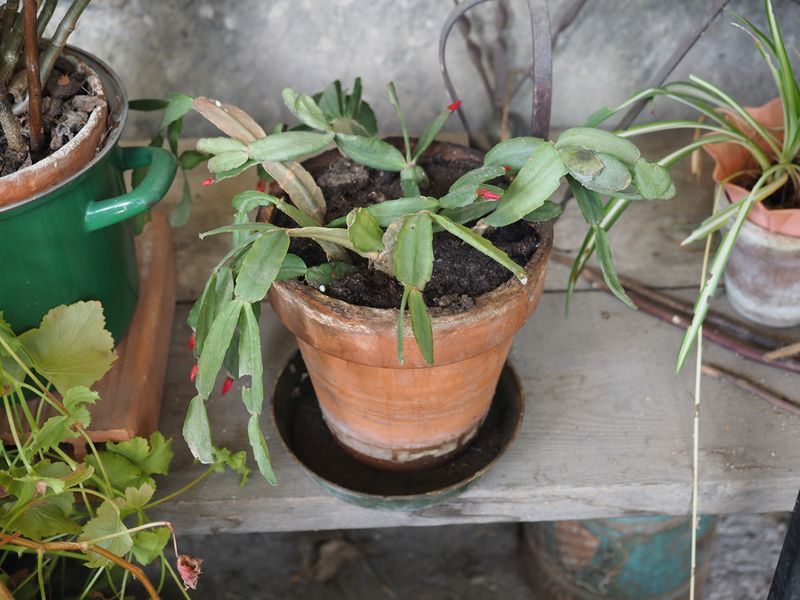
Here is a twist that surprises plenty of gardeners. A wilting Christmas cactus can look thirsty when it actually has too much water. Soggy soil starves roots of oxygen and leads to root rot.
Watch for soft, mushy segments near the soil line, yellowing stems, or a sour smell from the pot. Healthy roots look white or tan and feel firm. Rotted roots turn brown or black and fall apart when you touch them.
If you suspect rot, slide the plant out and look. Trim away the soft roots with clean scissors, then repot in fresh, fast-draining mix. Hold off on water for a few days so the cut roots can heal.
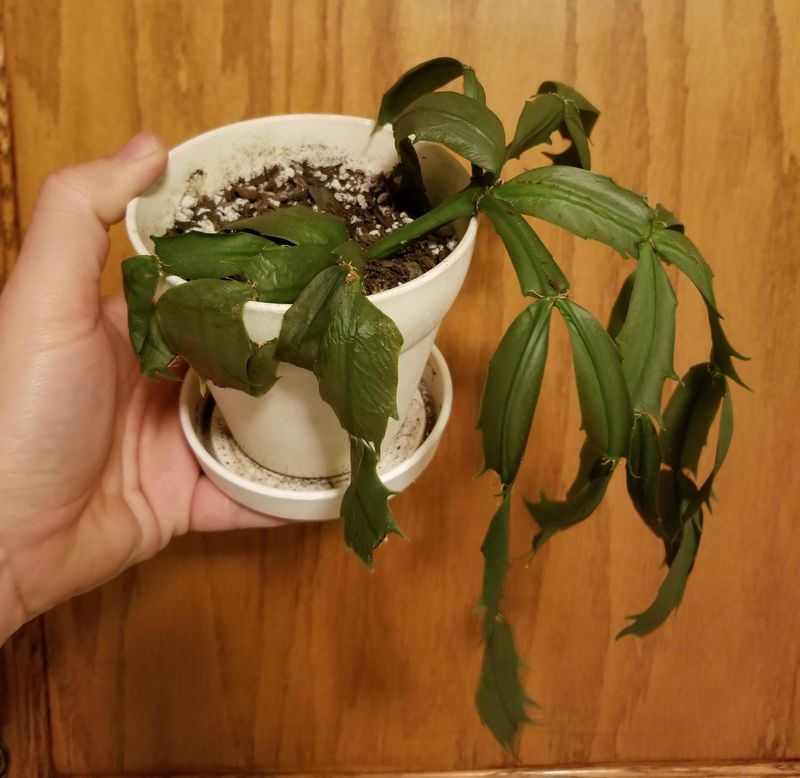
Underwatering looks different up close. Segments turn thin, wrinkled, and leathery, and the soil pulls away from the pot edges. A good soak usually perks the plant back up within a day or two.
Reddish or purple-tinged segments can show up too. That color often comes from strong sun or cool temperatures rather than water. Knowing these clues helps you respond with the right fix instead of guessing.
5. A Chunky, Fast-Draining Potting Mix Keeps Christmas Cactus Roots Breathing
Even perfect watering habits fall flat in the wrong soil. Heavy garden dirt or dense potting soil holds water too long for these tree-loving roots. Think airy and loose instead.
A simple homemade blend works well. Mix about two parts regular potting soil with one part perlite and a handful of orchid bark. Many gardeners also use a bagged cactus mix with extra perlite added for drainage.
Drainage holes are non-negotiable. Decorative pots without holes trap water at the bottom, right where roots rot first. If you love a fancy cover pot, slip a plain nursery pot inside it and pour out any extra water.
Terra cotta pots breathe and dry faster, which helps if you tend to overwater. Plastic holds moisture longer, which can suit a hot, dry Pennsylvania apartment. Both can work once you match your watering to the pot.
Christmas cactus actually likes being a bit snug in its container. Repotting every three years or so is plenty, ideally in spring after flowering ends. Move up just one pot size so excess soil does not stay soggy.
6. Furnace-Dry Air Makes Your Holiday Cactus Thirstier Than You Expect
Winter air inside many Pennsylvania homes can feel as dry as a cracker. Forced-air heat often drops indoor humidity well below what this rainforest native enjoys. Your plant notices, even if you only notice static shocks.
Christmas cactus does best with moderate humidity, roughly 50 percent or higher. Dry air pulls moisture from the segments and the soil faster. That means you may need to check the pot more often from December through February.
A pebble tray is my favorite easy fix. Fill a shallow tray with gravel, add water just below the top of the stones, and set the pot on top. As the water evaporates, it adds moisture right around the leaves.
Grouping houseplants together also helps, since they release moisture as a team. A small room humidifier works great too, and your skin will thank you. Light misting gives a brief boost, though the effect fades quickly.
Keep the plant away from heat registers and wood stoves. Hot, dry air blowing on the stems can trigger wilting and bud drop. A few feet of distance makes a real difference.
7. Fall Darkness And Cool Nights Set Up Those Christmas Cactus Blooms
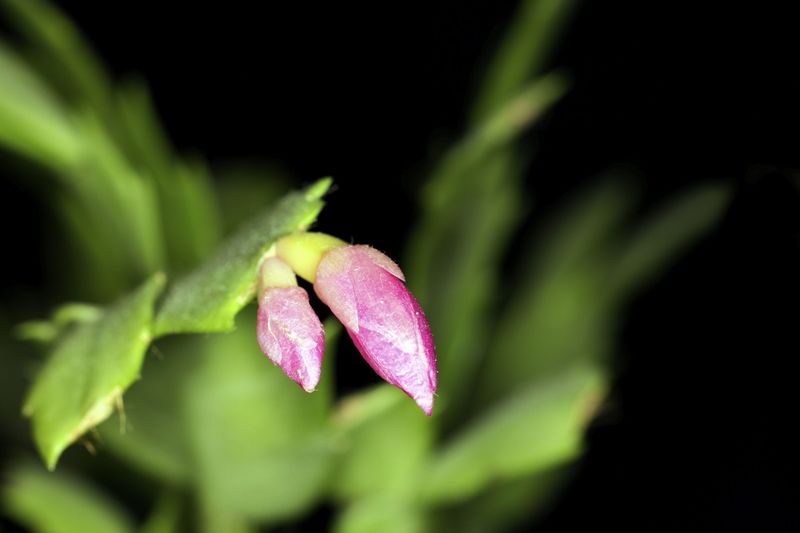
Long autumn nights do more than signal sweater weather. They tell your Christmas cactus it is time to make flowers. Watering supports the process, but light and temperature flip the switch.
These are short-day plants. They set buds after several weeks of long nights, around 12 to 14 hours of darkness, especially with nighttime temperatures near 55 to 65 degrees. Cool nights below about 55 degrees can trigger buds even without strict darkness.
Many Pennsylvania gardeners summer their plants outdoors in light shade. Bring them inside in early fall before temperatures dip near freezing, often by late September in the northern tier and a bit later around Philadelphia.
A cool spare room with no lamps at night works nicely afterward. Ease up on watering a little during this bud-setting stretch in October.
Let the top inch or two dry before watering, and skip fertilizer. That slight slowdown encourages the plant to focus on buds instead of new stems.
Once buds appear, return to steady moisture. A streetlight or late-night TV glow can interfere, so keep the plant in a darker corner. Patience here pays off in December.
8. Give Your Christmas Cactus A Winter Rest After The Last Flower Fades
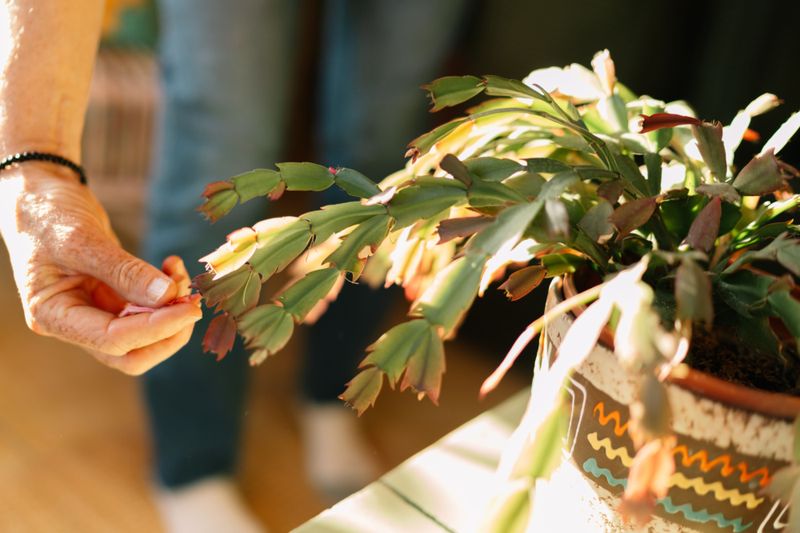
When the final flower falls, your plant deserves a break. A short rest after blooming helps it gather strength for next year. Think of it as a quiet nap before spring growth.
For about four to six weeks after flowering, water a little less often. Let the soil dry a bit deeper, about two inches down, before you water. Skip fertilizer during this rest period.
New growth in spring signals the end of the nap. Bright green segments popping from stem tips mean it is ready for regular watering again. Start feeding with a balanced houseplant fertilizer at half strength every few weeks through summer.
Spring is also a great time to pinch or twist off a few segments to shape the plant. Those pieces root easily in slightly damp mix. Grandma’s old plant can turn into gifts for the whole family this way.
Summer brings faster growth and thirstier roots, especially outdoors on a shady Pennsylvania porch. Check soil more often during heat waves.
Follow this yearly rhythm, and your cactus can bloom for decades, which explains why so many plants get passed down through generations.