Is Floodwater Dangerous for Your Florida Vegetable Garden?
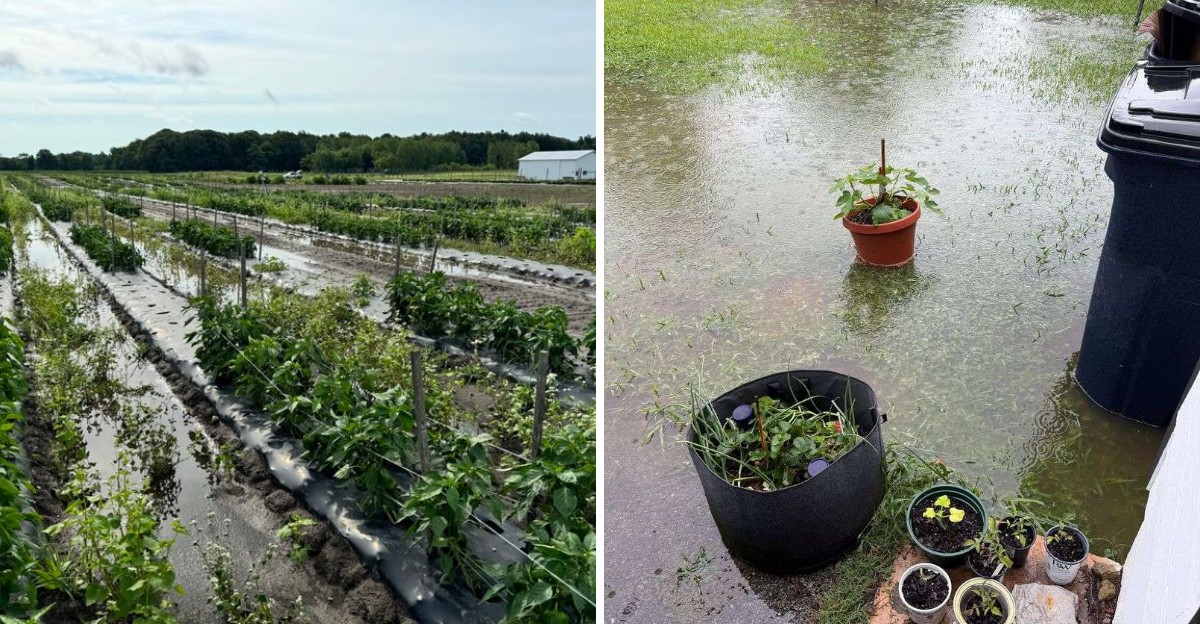
A tomato that spent one afternoon underwater can be ruled unsafe to eat, even if it looks perfect and washes up shiny. Federal food safety rules treat flooded produce as contaminated, no matter how good it looks.
What I find fascinating is how much hides in that brown water. Sewage, animal waste, fuel, and lawn chemicals can all hitch a ride into your beds during a big storm.
Here in Florida, heavy summer rain and hurricane surges make this a real concern for backyard growers. I’ve watched neighbors scrub soggy peppers in the sink, hoping for the best.
So what happens to the crops still standing after the water drains away? Some can be saved, some should go, and your soil has its own story to tell.
The answer might change how you plant your next fall garden.
1. That Muddy Water in Your Vegetable Beds Carries Hidden Passengers
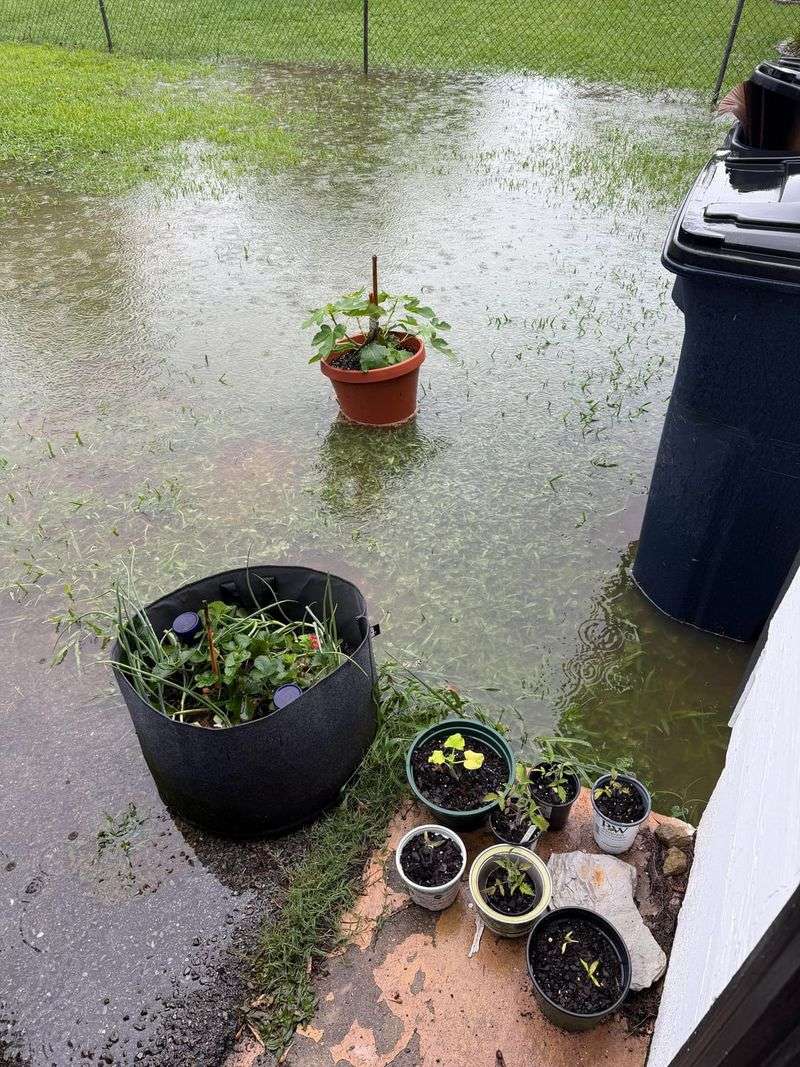
Floodwater looks like plain muddy rain, but it rarely is. As it rushes across streets, pastures, and yards, it picks up whatever it touches along the way.
Overflowing septic tanks and sewer lines can add bacteria like E. coli and Salmonella. Viruses such as norovirus and Hepatitis A can come along too.
Pet and livestock waste often joins the mix after heavy rain.
Chemicals are the second worry. Floodwater can carry gasoline, motor oil, pesticides, and heavy metals like lead from roads, garages, and older buildings.
Here’s what caught my attention in University of Florida guidance. Some of these contaminants can stay in garden soil long after the water drains.
Germs may linger for weeks or months, and certain chemicals can stick around even longer.
So yes, floodwater is a real risk for food gardens. The danger is not about dirt on your lettuce.
It is about tiny things you cannot see, smell, or rinse away easily.
Your location matters as well. A garden near a canal, farm field, busy road, or industrial site has a higher chance of picking up nasty extras.
A quick look around your neighborhood can tell you a lot about what your beds just met.
2. Toss Any Tomatoes, Greens, or Squash That Sat Underwater
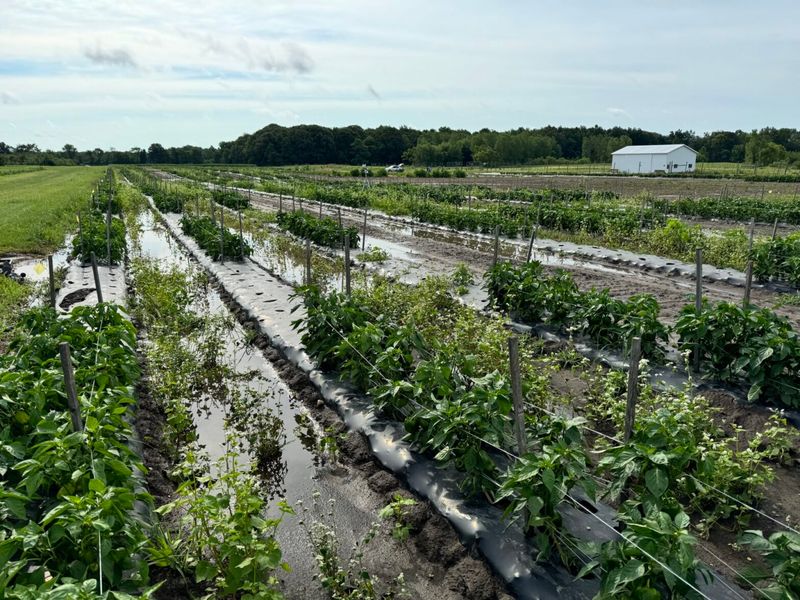
Saying goodbye to a full basket of veggies hurts. Still, food safety experts agree on one clear rule for home gardens.
If floodwater touched the part of the plant you eat, throw that produce out. The FDA considers it adulterated, which means unfit for food.
Florida extension agents give home gardeners the same advice.
This rule covers leafy greens like lettuce, kale, and collards. It includes tomatoes, peppers, beans, and strawberries.
Root crops such as carrots, radishes, and sweet potatoes count too, since they grew right in the soaked soil.
Even tough-skinned crops are not safe. Watermelons, cantaloupes, and winter squash can carry germs on the rind.
When you slice them, the knife drags contamination straight into the flesh.
Washing will not fix it. Germs can hide in tiny cracks and folds, and some can move inside plant tissue.
Cooking may reduce germs, but it does nothing for fuel or chemicals.
Wear gloves when you pull these crops, and bag them for the trash. I know it feels wasteful.
A lost harvest is much easier to recover from than a nasty stomach illness for your whole family.
3. Splashed Peppers and Pole Beans Might Still Be Worth Saving
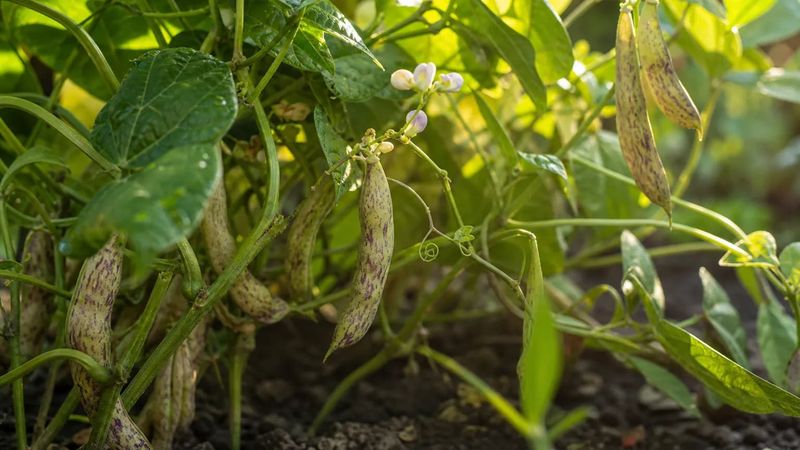
A little splash is not the same as a full soak. Plants on tall trellises or cages sometimes stay above the waterline, with only muddy droplets reaching them.
For these crops, there is a careful path forward. Extension experts suggest waiting at least 72 hours after the water leaves before you harvest anything.
That short break gives sunlight and drying time a chance to work on surface germs.
When harvest day comes, wear gloves and use clean tools. Wash each piece in clean drinking water, then peel it if you can.
Peppers, cucumbers, and similar crops handle this step well.
Now for the key part. Cook these vegetables fully before eating, and skip the raw salad this time.
Heat lowers the risk from bacteria and viruses.
Remember the limit, though. Cooking cannot remove oil, fuel, or chemical residue.
If the floodwater had a rainbow sheen or a strong gas smell, I’d toss the splashed produce too.
Leafy greens are a tougher call. Their wrinkled leaves trap grime easily, and most people eat them raw.
When splash marks show on lettuce or kale, many gardeners simply let it go and start fresh.
4. Give Waterlogged Garden Soil Time Before You Replant
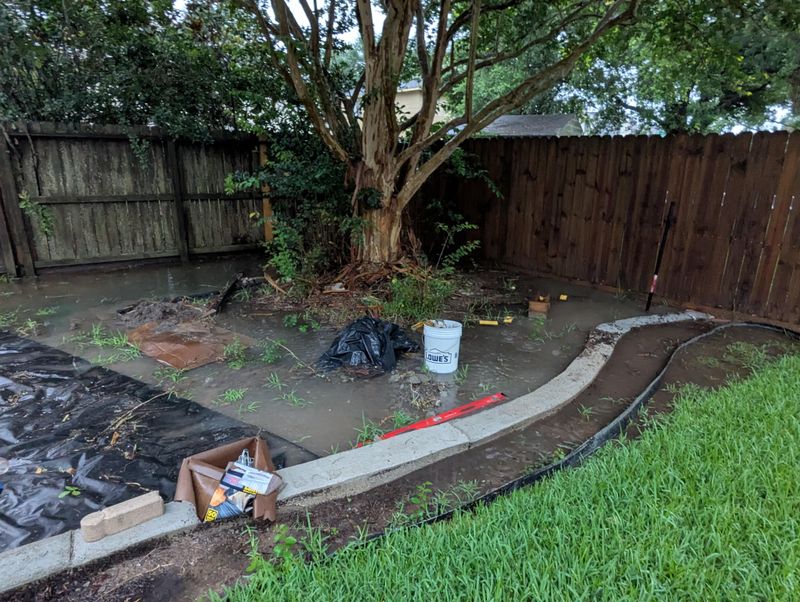
Patience might be the most useful garden tool after a flood. Your soil needs a rest before it grows food again.
Many extension services recommend waiting 90 to 120 days after flooding before harvesting new crops from the area. That timeline lets sunshine, heat, and soil microbes break down many of the germs left behind.
Florida’s warm weather helps this process along.
Root crops deserve extra caution. Carrots, beets, radishes, and sweet potatoes grow right inside the soil, so some guides suggest the longer end of that range before you harvest them.
You can plan around the wait. Quick crops that mature in 30 days may need to be timed so harvest lands after the safe window.
Or you can grow edibles in clean containers on a patio while beds recover.
The way I see it, this break can be a gift. It is a great time to fix drainage, add compost, and map out your next season.
Timing in Florida also helps. Many floods come during summer storms and hurricane season, which is already a slow time for most vegetables.
By the fall and winter planting window, your beds may be ready again.
5. Compost and a Soil Test Help Flooded Beds Bounce Back
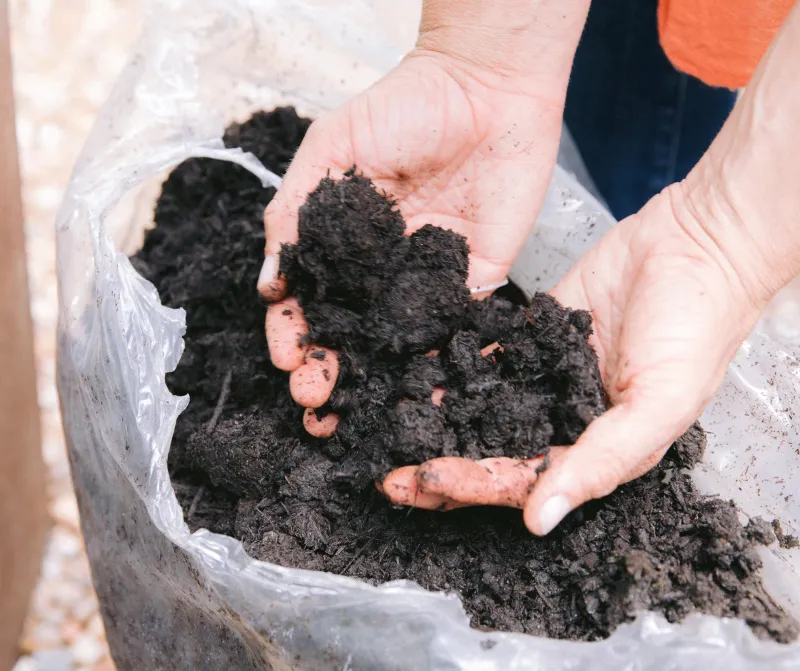
Soaked soil goes through a rough time. Water fills the air spaces roots need, and nutrients can wash away fast.
First, hold off on digging. Working wet soil squashes it into a hard, airless layer.
Wait until the top two to three inches feel dry and crumbly before you grab a shovel.
Next, think about a soil test. Your local UF/IFAS Extension office can explain how to sample and what to test for.
Floods can shift soil pH and drain away nutrients, and testing for lead or other metals makes sense if you live near roads or industry.
Then bring in the good stuff. I’m a big fan of adding plenty of compost, shredded leaves, or well-aged manure.
Organic matter rebuilds structure, feeds helpful microbes, and helps sandy Florida soil hold nutrients better.
Watch your remaining plants for trouble too. Waterlogged roots often develop root rot, which shows up as wilting even when the soil is wet.
Yellow leaves and soft, brown roots are clues.
Fun fact: a single teaspoon of healthy soil can hold millions of microbes. Feeding them with compost is one of the fastest ways to help a tired bed recover.
6. Storm Surge Leaves Salty Soil in Coastal Gardens
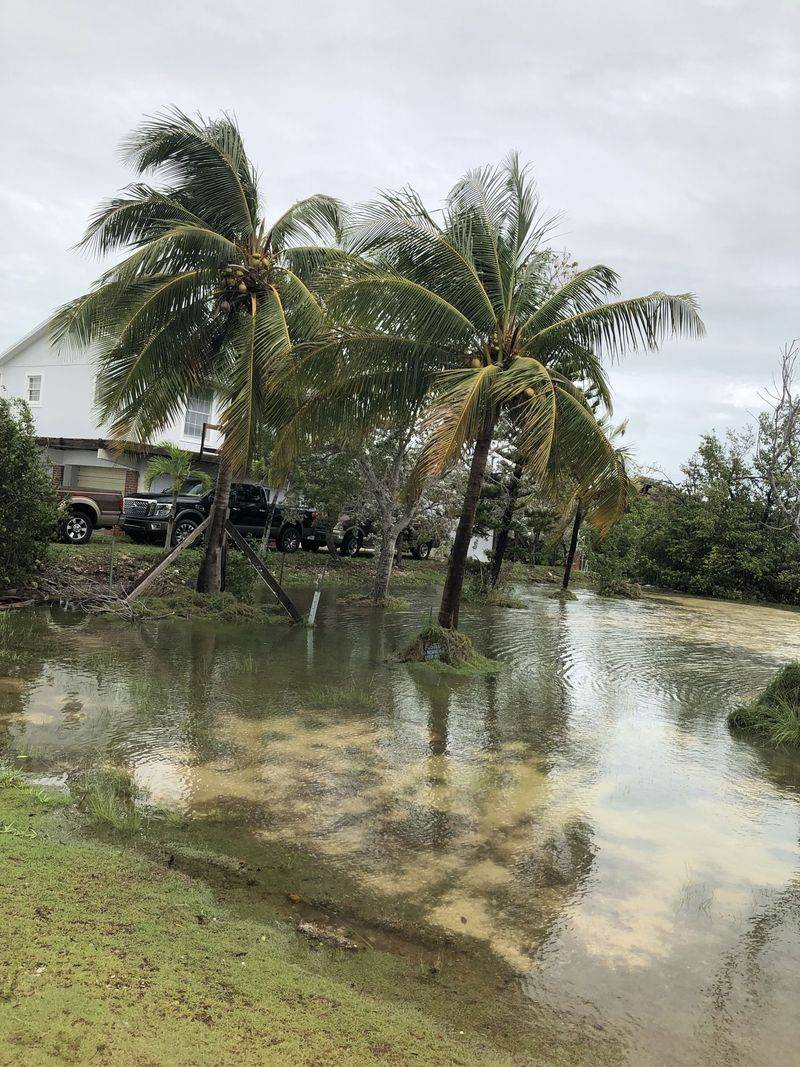
Coastal gardeners face a twist that inland growers usually skip. When a hurricane pushes seawater ashore, it leaves salt behind in the soil.
Most vegetables do not handle salt well. It pulls water away from roots, so plants act thirsty even in damp ground.
You may notice crispy brown leaf edges, stunted growth, or a white crust on the soil surface.
The best first step is fresh water, and lots of it. Deep, slow watering helps flush salt down past the root zone.
Luckily, our heavy summer rains often help with this job.
Gypsum can help in some soils, especially those with clay, because it helps push sodium out. Florida’s sandy soils often drain salt faster on their own.
A soil test, especially one that checks salt levels, can tell you which approach fits your yard.
Adding compost also supports recovery by improving structure and feeding soil life. Raised beds with fresh soil are another smart option.
In severe cases, replacing the top layer of soil may be the quickest fix. Saltwater flooding still brings the same germ and chemical concerns as any other floodwater, so the earlier safety rules still apply to your crops.
7. Keep Flood-Soaked Plants Out of Your Compost Bin
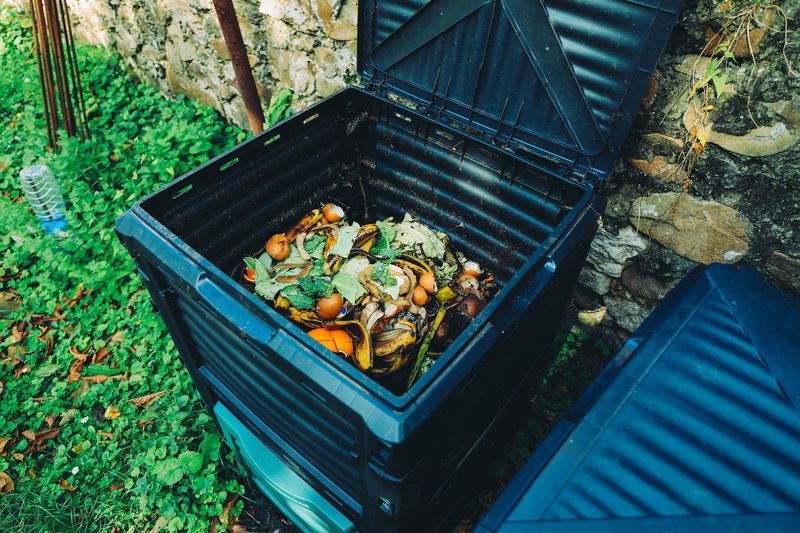
Composting is usually the hero of a healthy garden. After a flood, though, your compost pile deserves a break from storm debris.
Flooded plants, mud, and soggy mulch can carry the same germs and chemicals as the water itself. A home compost pile often does not stay hot enough, long enough, to reliably remove harmful bacteria.
Heavy metals and fuel residue do not break down in compost at all.
If you add that material now, you could spread it right back into clean beds months later. That would undo all your careful recovery work.
Instead, bag flooded plants and send them out with regular trash or storm debris pickup. Check your county’s guidelines, since many Florida counties set up special collection after hurricanes.
What about compost that was already in the bin when the flood hit? If water reached it, many experts suggest treating it as contaminated too.
That one hurts, I know.
Clean your tools afterward with soap and water, then a disinfecting solution. Wash gloves, boots, and hands well.
A little extra scrubbing keeps leftover flood germs from riding along to your next round of seedlings.
8. Raised Beds and Smart Drainage Keep Your Veggies Above the Water
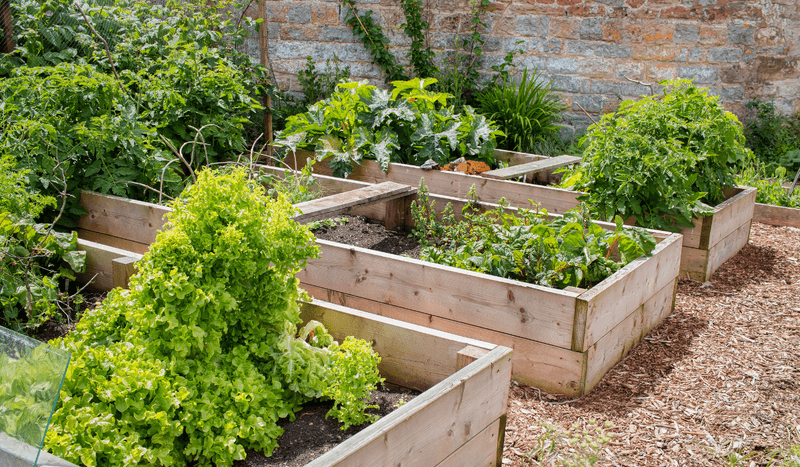
Every flood teaches a lesson, and height is usually the biggest one. Lifting your plants even a foot can make a huge difference during the next downpour.
Raised beds are a favorite among Florida gardeners for good reason. They drain quickly, warm up fast, and keep roots above shallow standing water.
Large containers work well too, and you can move them before a storm arrives.
Pick your garden spot carefully. Avoid low corners where water collects, and steer clear of areas near septic drain fields.
Watching where puddles form after a summer storm gives you a free map.
Around the garden, a rain garden planted with Florida natives can soak up runoff before it reaches your vegetables. Small berms, clean gutters, and downspouts pointed away from beds also help.
Before hurricane season, keep a simple plan handy. Harvest what’s ripe when a big storm is forecast, and move potted crops to higher ground.
I never get tired of seeing gardens come back after rough weather. With smart planning, the next flood becomes a short setback instead of a lost season.
Your future tomatoes will thank you for the extra effort.