Turn Store-Bought Blueberries Into Your Own Virginia Berry Bushes
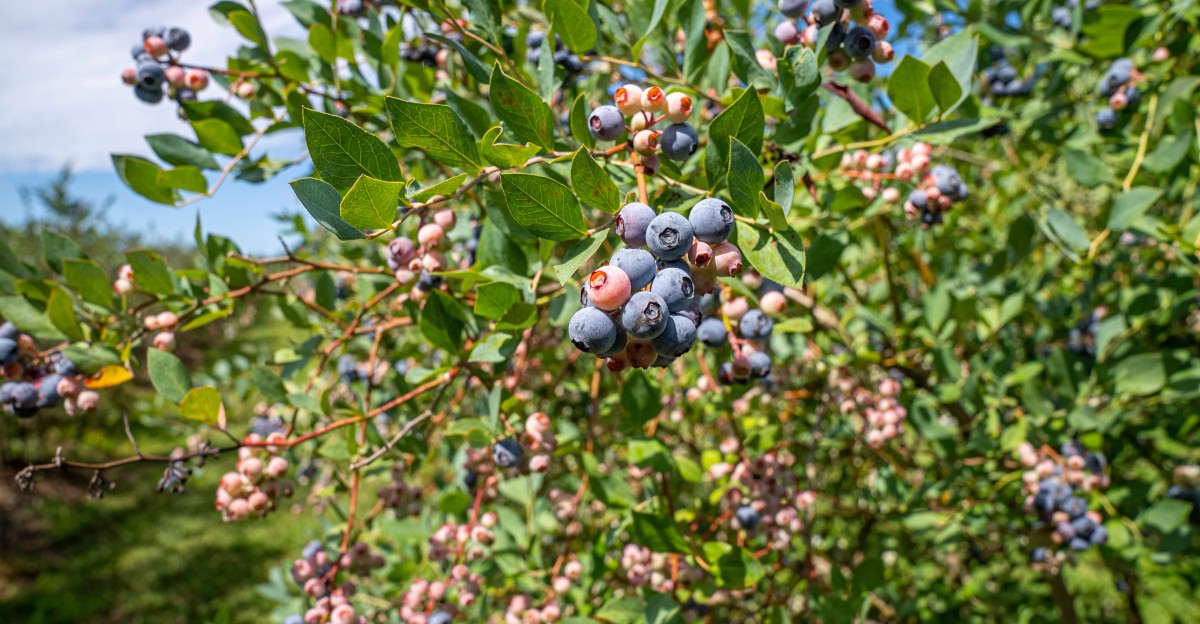
Every blueberry hides dozens of tiny seeds, each one a little genetic lottery ticket. Most of us swallow them without a second thought.
I love that a snack from the produce aisle could become a shrub taller than me. Wild relatives of this fruit already grow in Virginia woods and mountain balds, so the idea is not as wild as it sounds.
The catch? Grocery berries usually come from named hybrid varieties.
Their babies rarely taste exactly like the parent, which makes every seedling a fun surprise. You need patience, a fridge, and a sunny spot with sour soil.
I think the slow wait is half the charm. A bush you raised from a breakfast berry tells a better story than any nursery tag.
One of those little blue seeds could become your sweetest backyard success.
1. That Grocery Store Blueberry Hides a Surprise Inside
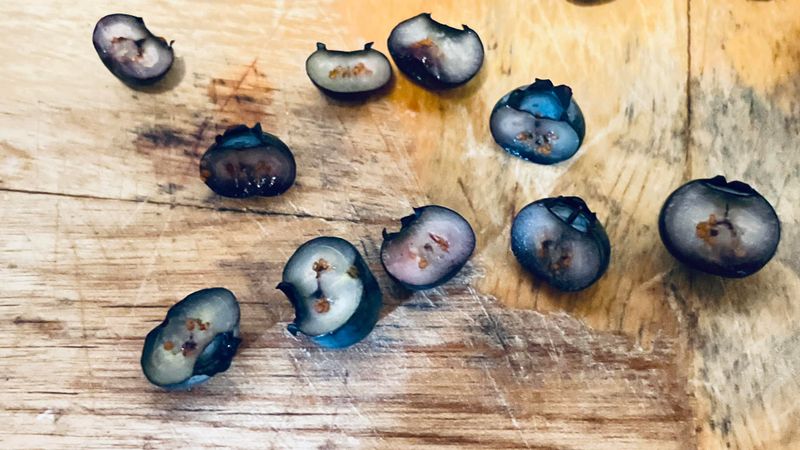
Slice a ripe blueberry in half and look closely. You will spot a cluster of tiny tan seeds tucked inside the pulp, often 20 or more per berry.
Every one of those seeds can grow into a plant. The twist is that commercial blueberries come from carefully bred cultivars, and blueberries mostly cross-pollinate.
That means the seed carries genes from two parent plants, not one.
Plant breeders call this not growing true to type. Your seedling may produce bigger berries, smaller berries, tarter fruit, or a bush with a totally different shape.
Some seedlings turn out vigorous, while others struggle and stay small.
I find that unpredictability exciting rather than disappointing. Real blueberry breeders start new varieties the same way, by growing thousands of seedlings and keeping the best few.
You are basically running a tiny breeding program on your windowsill.
Pick soft, fully ripe berries for the best seed quality. Organic berries are a popular choice, though conventional ones can sprout too.
Frozen berries are less reliable because freezing and processing may harm the seeds.
Fun fact for your next dinner party. Highbush blueberries were first tamed for farming in New Jersey in the early 1900s by Frederick Coville and Elizabeth White.
2. Mash, Soak, and Rinse to Rescue the Best Blueberry Seeds
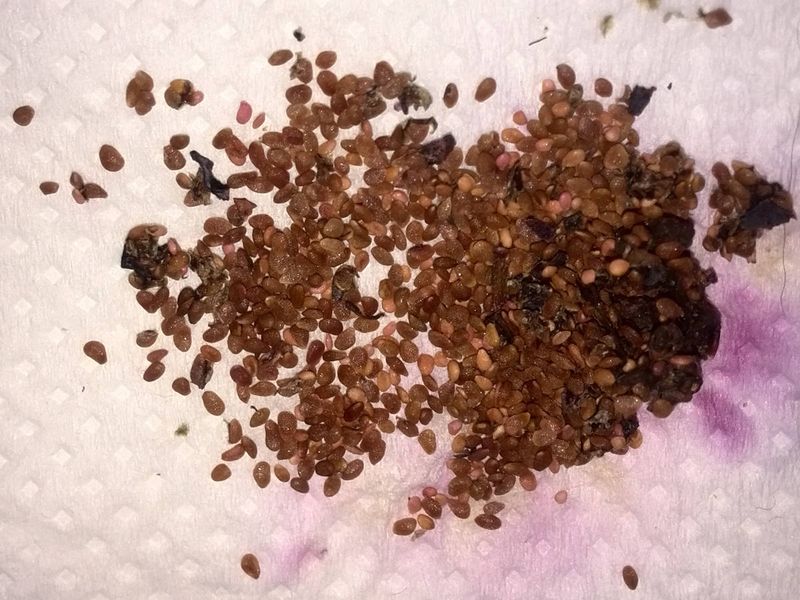
Grab a bowl, a fork, and a handful of berries. Seed extraction feels a little like a kitchen science lab, and kids love helping.
Mash the berries well, then cover the mush with water. Stir gently and let the bowl sit for a few minutes.
Viable blueberry seeds often sink during water separation, while pulp and skins tend to float, but floating or sinking alone does not reliably determine seed viability.
Pour off the floating mess slowly. Add fresh water and repeat until the water looks mostly clear and only seeds remain on the bottom.
A fine mesh strainer or coffee filter makes the last rinse much easier.
Got a big batch? Some gardeners pulse berries and water in a blender for a few seconds.
Keep it brief, because long blending can damage seeds.
Spread the clean seeds on a paper towel and let them air-dry for about a day. They are tiny and dark, so a white towel helps you see them.
Label everything with the date and where the berries came from. Trust me, after a few months in the fridge, you will not remember which bag held the farmers market berries and which came from the supermarket.
3. Your Refrigerator Gives Blueberry Seeds a Fake Winter
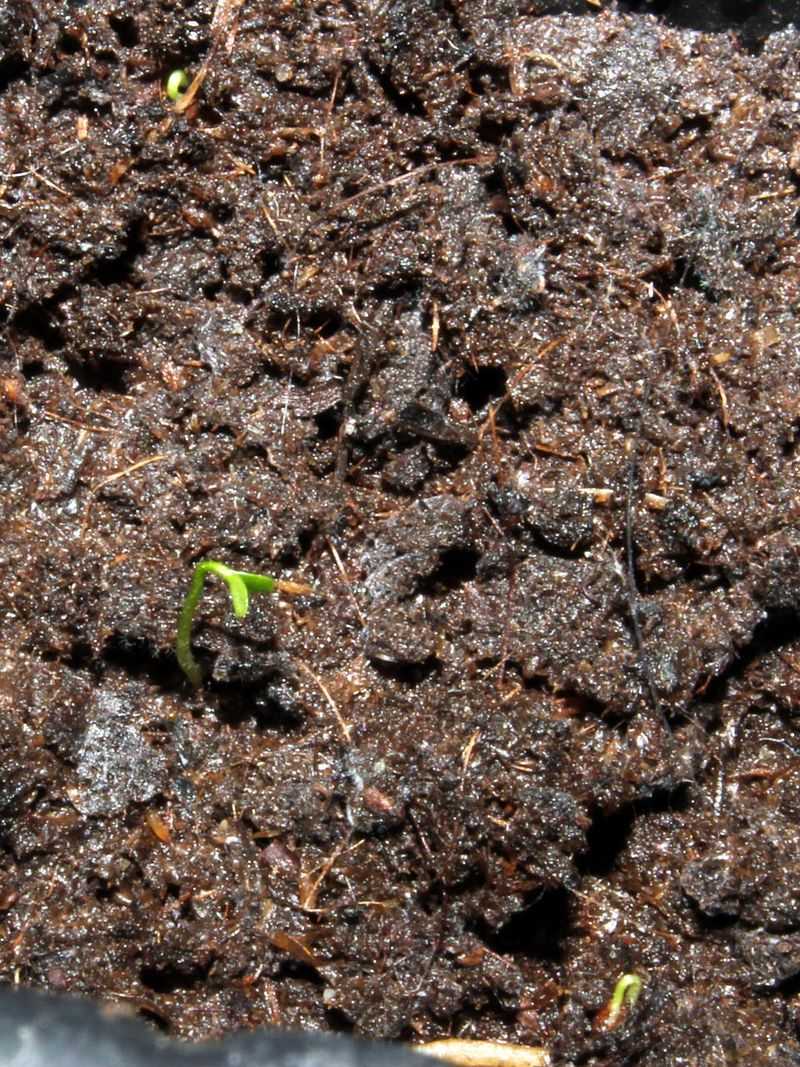
Blueberry seeds are picky sleepers. Out in the wild, they wait through a cold winter before sprouting in spring, and your fridge can copy that chill.
Gardeners call this cold stratification. Mix the dry seeds with a little damp sphagnum moss, damp sand, or fold them into a moist paper towel.
You want it about as wet as a wrung-out sponge.
Seal the mix in a labeled plastic bag or small container. Tuck it in the refrigerator between about 34 and 41 degrees Fahrenheit for roughly 8 to 12 weeks.
Keep it away from the freezer section and from ripening fruit, which gives off ethylene gas.
Check the bag every couple of weeks. If the moss feels dry, mist it lightly.
If you spot fuzzy mold, rinse the seeds and swap in fresh material.
Timing matters here in Virginia. Starting stratification in late fall or early winter lines your seeds up for indoor sowing in late winter.
That gives seedlings a long first season once warm weather arrives.
Some growers skip this step and still get sprouts. Still, research and experience suggest chilling improves germination, so I would not risk it.
4. Tiny Blueberry Sprouts Need Light, Peat, and Plenty of Patience
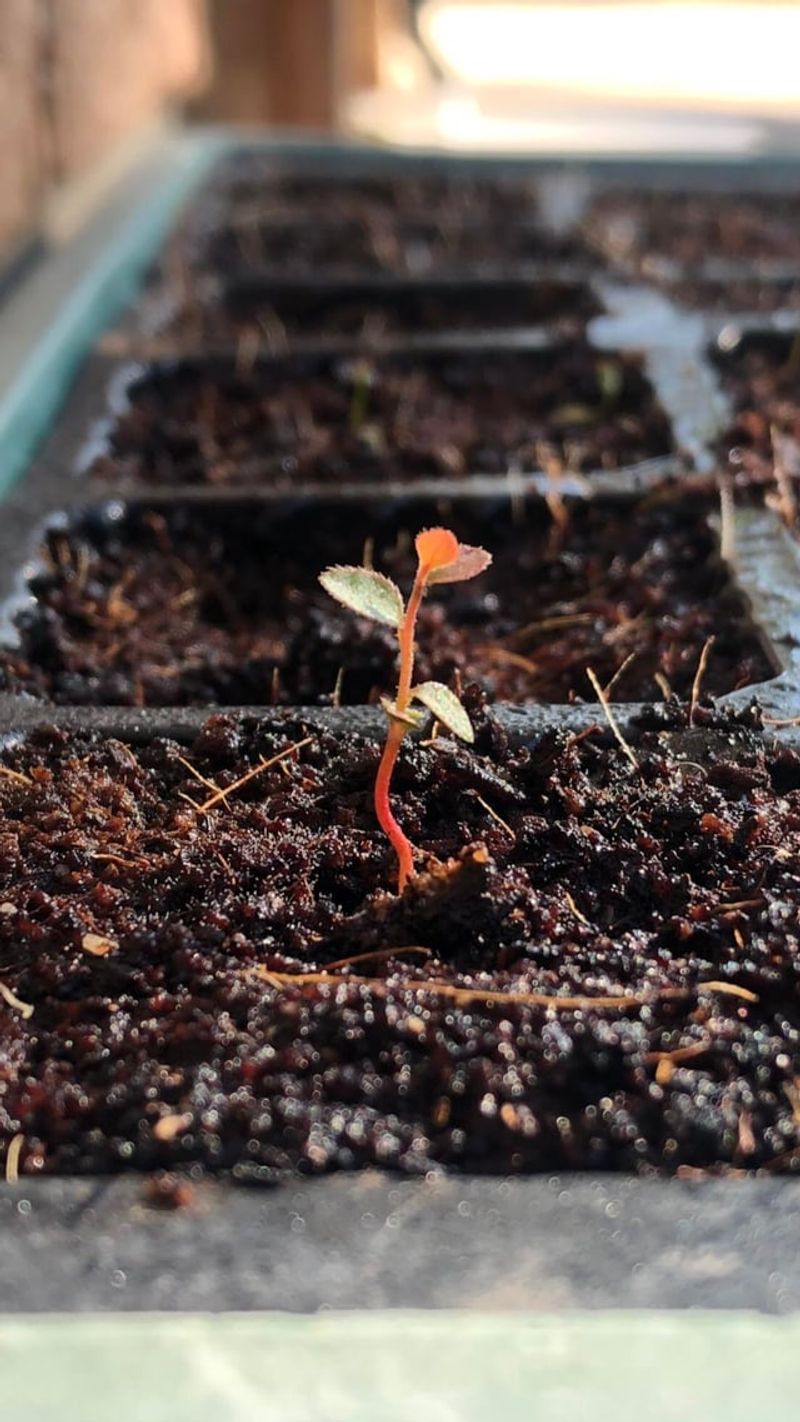
Here comes the fun part. After their chilly nap, the seeds are ready for a tray of fine, acidic seed-starting mix or milled sphagnum peat moss.
Scatter the seeds thinly on top and press them gently into the surface. Cover them with only a whisper of mix, because blueberry seeds like some light to sprout.
Burying them deep is a common reason nothing shows up.
Keep the mix evenly moist but not soggy. A spray bottle works better than a watering can for such tiny seeds.
A clear lid or plastic wrap holds in humidity until sprouts appear.
Aim for temperatures around 64 to 75 degrees Fahrenheit. Bright indirect light or a simple LED grow light a few inches above the tray works nicely.
Now the waiting game begins. Germination is slow and uneven, often taking 4 to 12 weeks, and a few stragglers may pop up even later.
Do not toss the tray too soon.
Once seedlings reach about 2 to 3 inches tall with a few true leaves, move each one into its own small pot. Use the same acidic mix and handle them by the leaves, not the fragile stems.
5. Blueberry Bushes Need Acidic Soil To Grow Well In Virginia
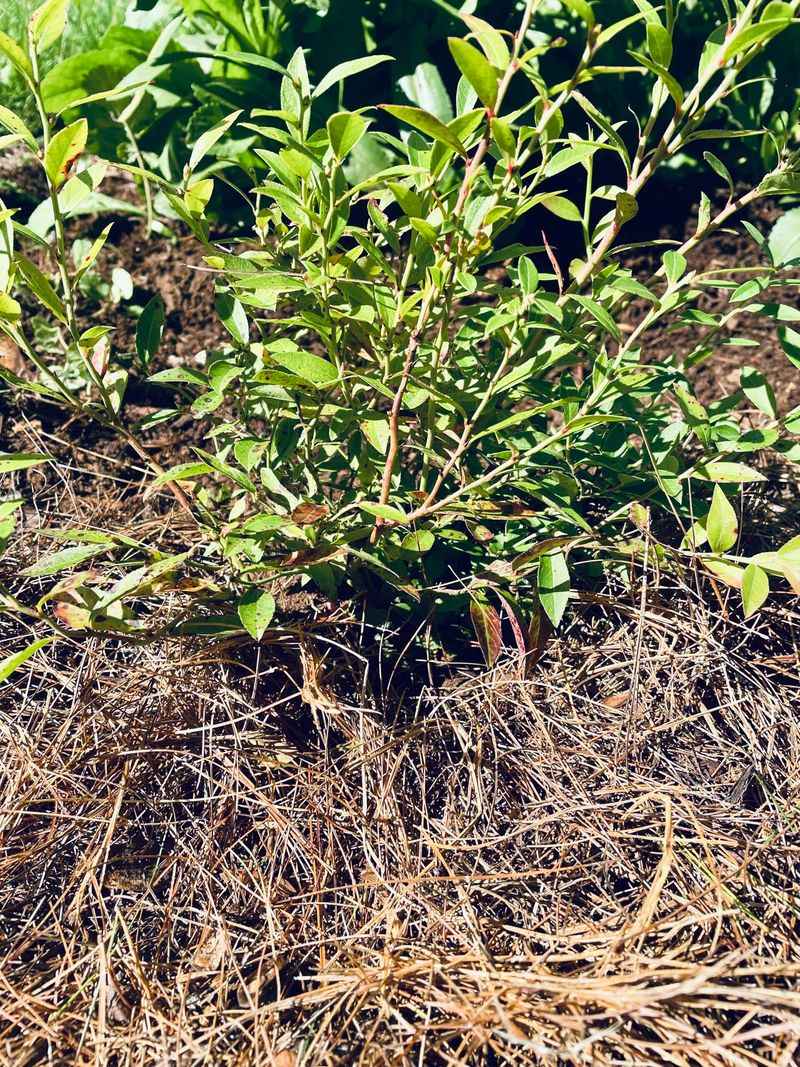
Soil is where most blueberry dreams succeed or flop. These shrubs want acidic ground, with Virginia Cooperative Extension suggesting a pH around 4.5 to 5.2.
Many lawns and garden beds in the state sit closer to 6 or higher, especially where lime has been added. Blueberries in sweet soil often show yellow leaves with green veins, a sign they cannot absorb iron well.
Start with a soil test through Virginia Tech’s lab, ideally a year before planting. If the pH is too high, work in elemental sulfur based on the test results.
Sulfur acts slowly, which is why early testing pays off.
Organic matter helps too. Mixing in peat moss, pine bark fines, or composted pine needles improves texture and supports the shallow, fine roots.
Heavy clay is common in the Piedmont, and soggy clay causes root trouble. A raised bed filled with an acidic blend is often the easiest fix.
Large containers also work well for a single bush.
Skip aluminum sulfate, since too much can harm roots. Mulch with 3 to 4 inches of pine bark or wood chips to hold moisture and keep roots cool.
6. Full Sun and Steady Water Keep Young Blueberry Plants Happy
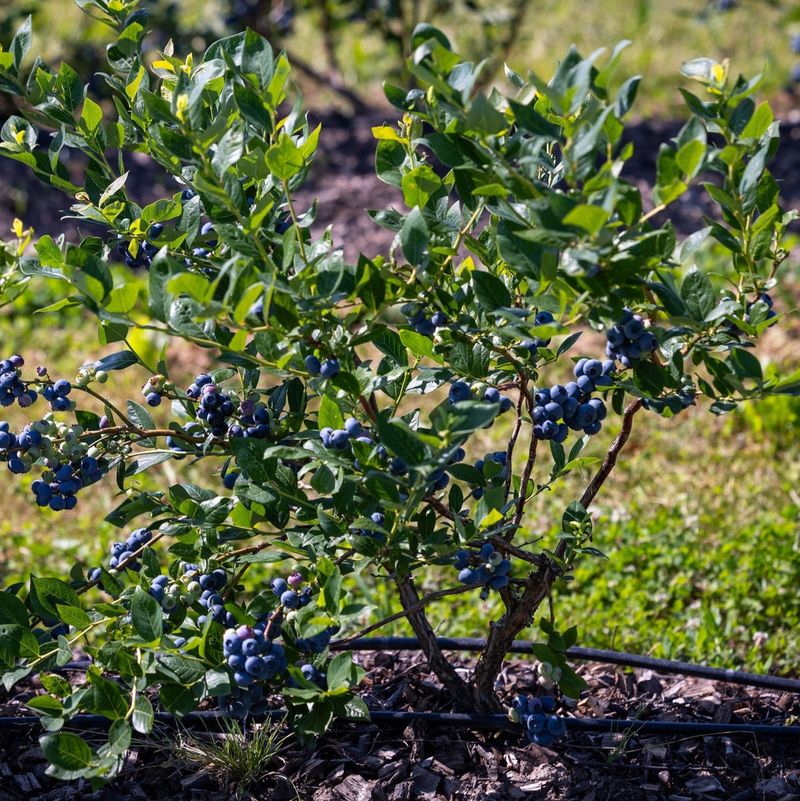
Picky about soil, easygoing about almost everything else. Give a blueberry plenty of sun and steady moisture, and it rewards you with glossy leaves and fall color that turns brilliant red.
Aim for at least six to eight hours of direct sun. Bushes in shade may grow fine, but they usually make far fewer flowers and berries.
Seedlings should spend their first year or so in pots. Harden them off slowly in spring by setting them outside for a few hours a day, then gradually longer.
Move them to their permanent spot once they are sturdy, usually in fall or early spring.
Watering is a balancing act. Blueberry roots are shallow and fine, so they dry out fast during a hot Virginia July.
Most bushes need about 1 to 2 inches of water per week from rain or a hose.
Rainwater is a great choice if you have a barrel. Some tap water is alkaline and can slowly raise soil pH over time.
Go easy on fertilizer. Young plants burn easily, so use small amounts of a product made for acid-loving plants, like azaleas, in spring.
7. Those First Blueberry Clusters Take a Few Summers to Appear
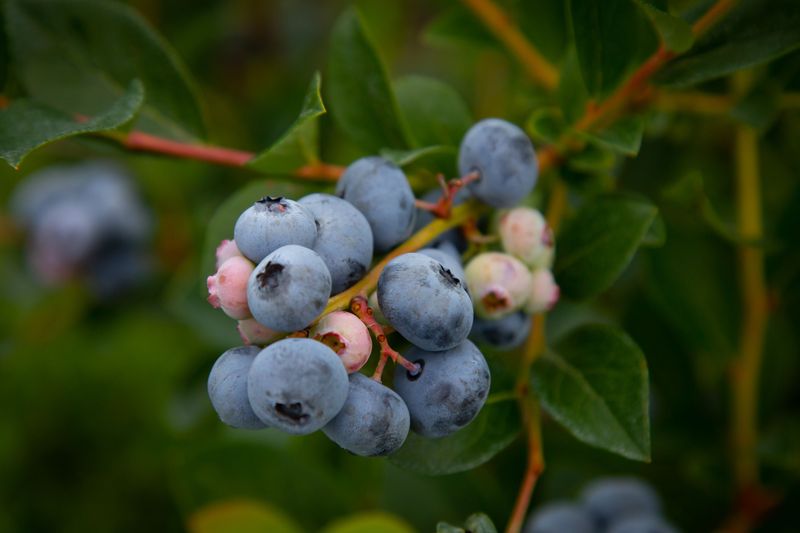
Honesty time. A blueberry bush grown from seed is a slow project, often taking three to four years to bloom and set a few berries.
Full production takes longer still. Many bushes reach their stride around six to eight years old, and a healthy plant can keep producing for decades.
Many growers pinch off flowers during the first year or two after planting outdoors. It feels painful, but it pushes the plant to build roots and branches instead of fruit too early.
When berries finally show up, taste them with an open mind. Your seedling might be a gem, or it might be a bit sour and seedy.
Either way, you will have a pretty shrub with white spring bells and blazing autumn leaves.
Plant more than one bush if you can. Even self-fruitful types tend to produce bigger, better crops with a neighbor for cross-pollination, and bees do the matchmaking.
Birds adore ripe blueberries as much as you do. Draping lightweight netting over bushes as fruit turns blue keeps catbirds and robins from beating you to the harvest.
8. Pick the Right Blueberry Type for Your Corner of Virginia
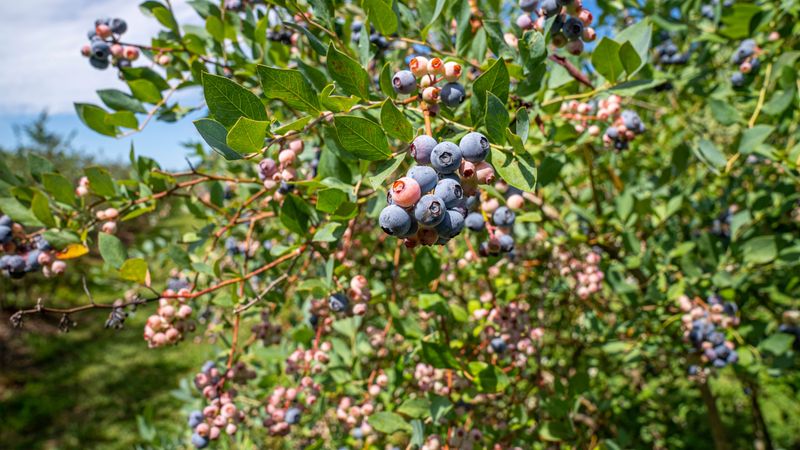
Virginia stretches from chilly mountain valleys to the warm Tidewater coast. That range, roughly USDA zones 5b to 8b, shapes which blueberries thrive where.
Northern highbush types need plenty of winter chill and usually shine in the western mountains and northern parts of the state. Southern highbush and rabbiteye blueberries handle heat better and often suit the Piedmont, Southside, and coastal regions.
Rabbiteyes are a favorite in warmer areas because they tolerate a wider range of soils. They do need two different rabbiteye varieties nearby for good pollination.
Check where your grocery berries came from if the label says. Fruit grown in Florida or Chile may carry genes better suited to mild winters than to a Blue Ridge January.
My advice? Treat your seedlings as a joyful experiment, and plant a couple of nursery bushes alongside them.
Named varieties from local garden centers fruit sooner and predictably, while your seed babies catch up.
Your local Virginia Cooperative Extension office can recommend cultivars proven in your county. Pair their advice with your homegrown curiosity, and you could be picking a blend of reliable berries and one-of-a-kind surprises.