The Simple Test That Tells You When Your Ohio Lawn Is Done Growing For The Year
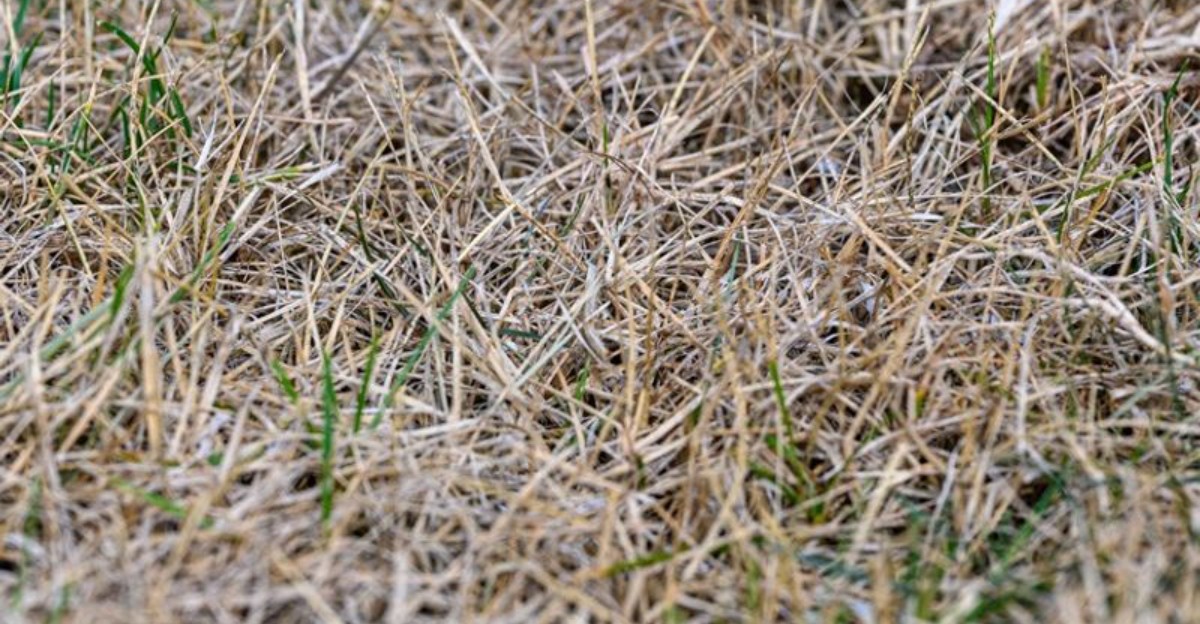
Grass blades can stop stretching upward while the roots underneath keep growing for weeks. I love that sneaky little split, because it means your yard is still busy long after it looks finished.
Most of us in Ohio guess when to park the mower. We pick a date, watch the weather, or wait for the first frosty morning.
I used to mow one extra time in November just to feel safe.
The trouble is that a calendar has no idea what your turf is doing. Your grass sends its own signal, and you can spot it with a cheap tool and a few minutes each week.
I believe this one habit can save you wasted gas, scalped spots, and some springtime regret. Learning to recognize your lawn’s final growth signals can help you know exactly when to put the mower away for the season.
1. A Ruler In The Grass Reveals More Than Any Calendar
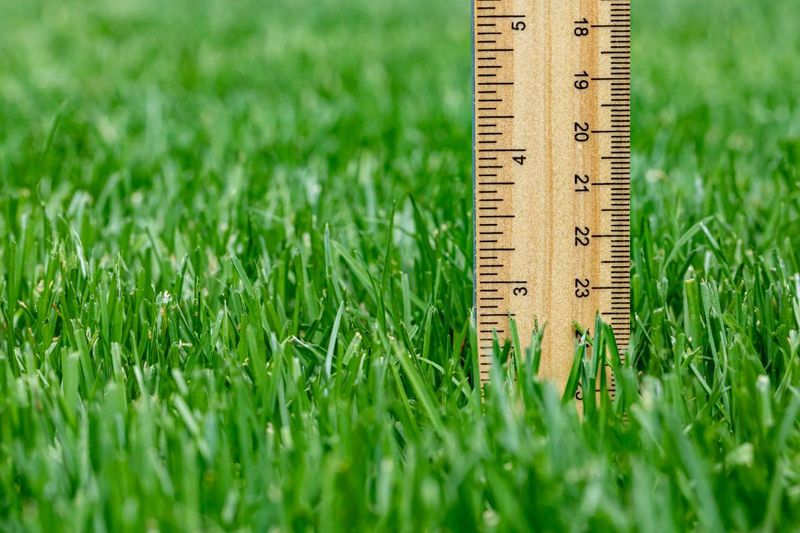
Grab a ruler, a paint stirrer, or even a pencil with a mark on it. That humble tool is the whole secret behind this test.
Right after you mow, push the ruler into a few spots of your lawn and note the height. Pick a sunny area, a shady area, and somewhere near the middle so you get a fair picture.
Check those same spots again about a week later. If the grass is clearly taller, it is still growing and needs another cut.
If the height barely budged, your turf is telling you it has slowed way down.
The real sign comes when the height stays about the same for two checks in a row during normal fall weather. Lawn care experts and Ohio State turf specialists agree on the main idea here.
You should keep mowing until growth stops, not until a certain date arrives.
I like this method because it takes the guessing out of autumn. You are not relying on a neighbor, a forecast, or a hunch.
Write your numbers on a sticky note or in your phone. By the second or third week, the pattern becomes easy to read, and you will know exactly when to retire the mower.
2. Cool-Season Grass Slows Down Once Days Hover Near 50 Degrees
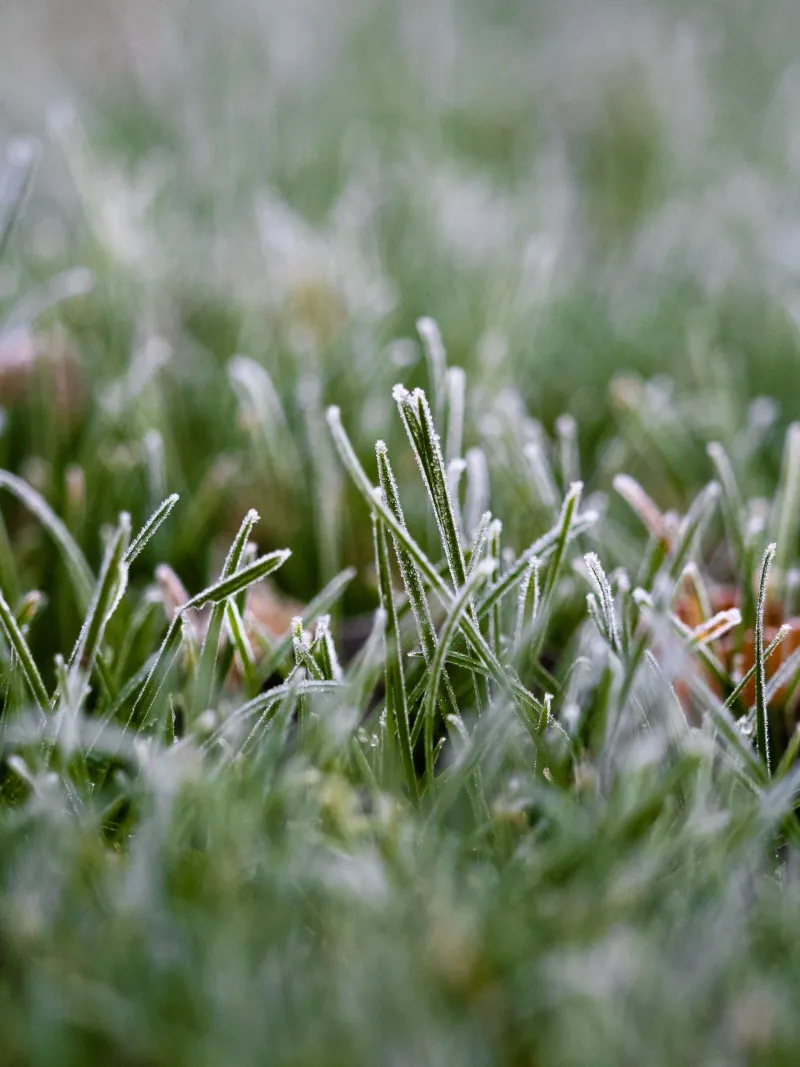
Kentucky bluegrass, tall fescue, and perennial ryegrass fill most lawns across the Buckeye State. All three are cool-season grasses, which means they love spring and fall weather the most.
Once daytime highs settle around 50 degrees or lower, top growth starts to drag. Many yards show a big slowdown by mid to late October.
When air temperatures stay below roughly 42 degrees for a stretch, blade growth nearly stalls.
Your ruler test and the thermometer work well as a team. If highs have been chilly for a week and the blades have not moved, you have strong proof that the mowing season is wrapping up.
Keep in mind that the state is not one big weather zone. Southern counties near Cincinnati often stay mild a little longer, while the snowbelt near Cleveland and the northeast cools off sooner.
Your timing could easily differ from a cousin a few hours away.
A warm spell in November can wake grass up briefly, too. That is normal and nothing to worry about.
So if you see a surprise burst of green after a sunny week, just measure again. One more trim may be needed before winter really arrives.
3. One Frosty Morning On The Lawn Is Not The Finish Line
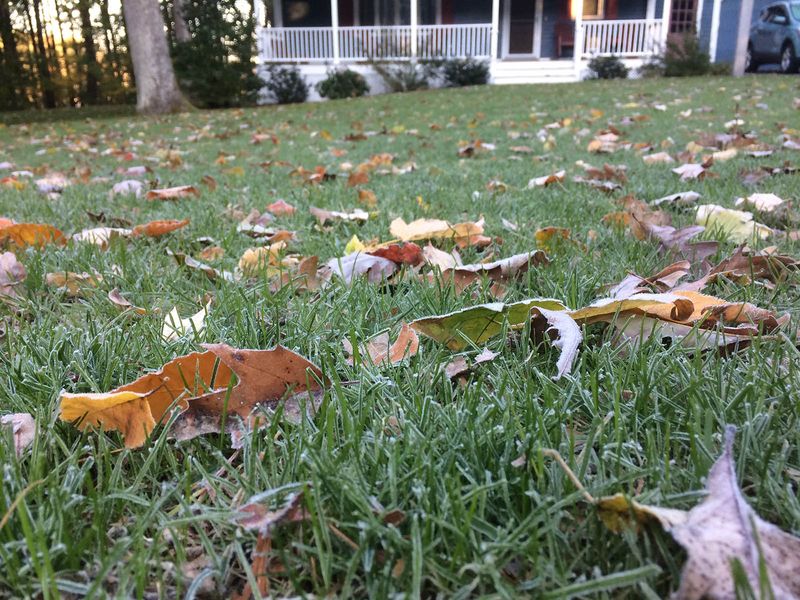
A silvery coat of frost on the grass looks like a clear goodbye from summer. In truth, that first frosty morning is more of a warning than a final word.
Plenty of Ohio lawns keep growing for days or even weeks after the first light frost. The ground still holds warmth, and a few sunny afternoons can push the blades upward again.
That is why the ruler matters more than the frost.
What really ends the season is a steady run of cold weather plus that flat, unchanged height you measured. A single chilly night simply does not count.
There is one rule you will want to follow on those frosty mornings. Stay off the lawn with the mower, and try not to walk on it much either.
Frozen blades are stiff and brittle, so they crack and bruise under feet and wheels. You might see brown footprints show up a day or two later.
Instead, wait until the sun melts the frost and the grass dries out. Late morning or early afternoon usually works best.
Your lawn stays healthier, and your mower deck stays cleaner too.
4. Grass Roots Keep Working Underground After The Blades Stall
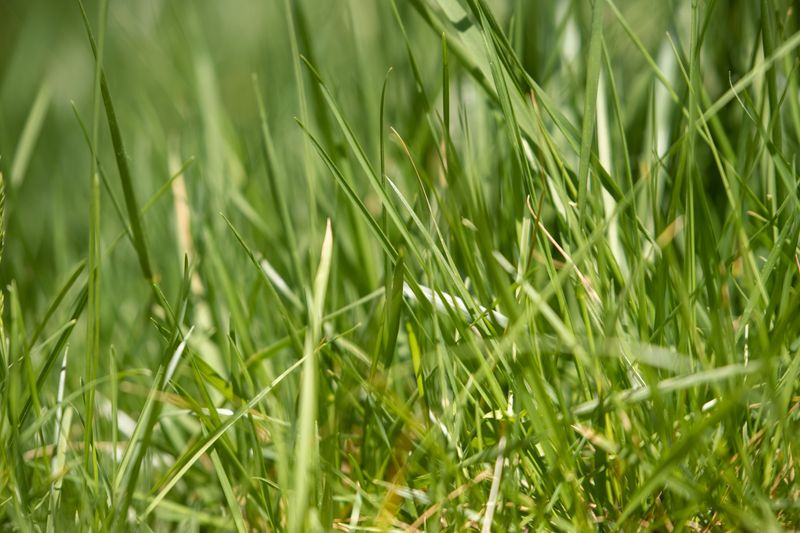
Down in the dirt, your lawn is still on the clock. Even after the blades stop getting taller, the roots often keep growing for weeks.
Cool-season grass roots do well when soil sits roughly between 50 and 65 degrees. Soil cools much slower than air, so it stays in that friendly range well into fall.
While the tops rest, the plant sends energy downward.
Those roots also tuck away carbohydrates, which act like a packed lunch for winter. That stored energy helps the grass survive cold months and green up quickly in spring.
I find this part of lawn care oddly comforting. Your yard may look sleepy on top, but it is busy getting stronger where you cannot see it.
This is also why fall is such a smart time to care for soil. Core aeration done earlier in the season gives roots more room to spread.
Watering during a dry fall spell helps too, as long as the ground is not frozen.
So when your ruler says the blades are done, do not assume the whole plant has clocked out. The hidden half is still preparing for next year.
5. Lower The Mower Deck Gradually For That Last Cut Of Fall
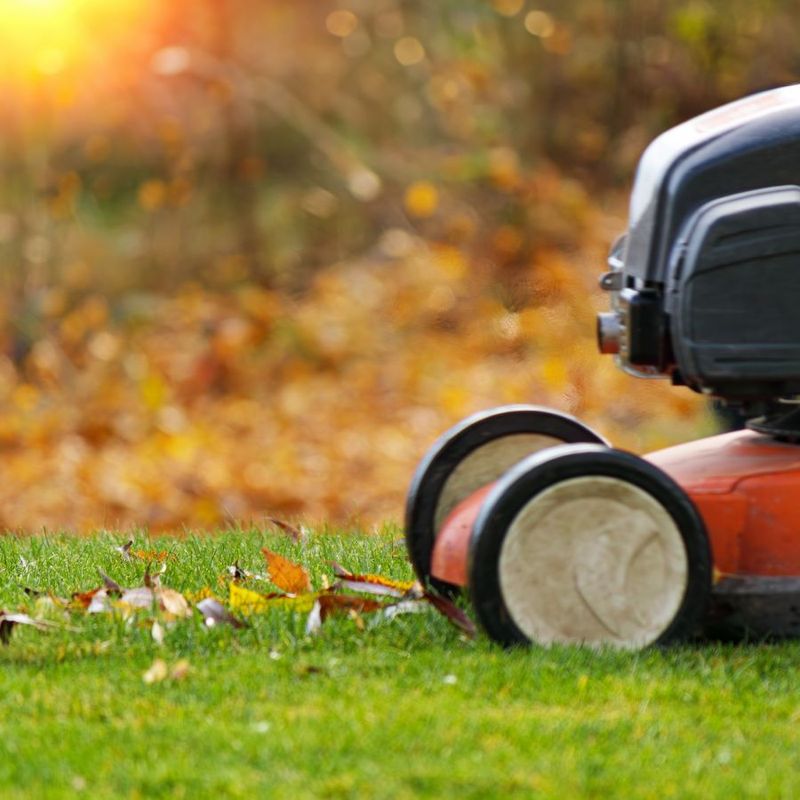
Once the ruler shows your lawn has stalled, the last mow of the season becomes a small celebration. I like to treat it as the closing scene of the yard year.
Many lawn pros suggest dropping the mower height a little over the final two or three cuts. Aim to finish around 2 to 2.5 inches for most cool-season lawns.
Going lower too fast can stress the grass, so take it slow.
A slightly shorter lawn has real perks in winter. It is less likely to mat down under snow, which lowers the risk of snow mold.
It also gives voles and mice fewer cozy hiding places.
Stick with the one-third rule, too. Avoid cutting more than about a third of the blade height in one pass.
Sharpen your mower blade before that last trim if you can. A dull blade tears the tips and leaves ragged, tan edges that heal slower in cold weather.
After you finish, clean grass clippings from under the deck. Then you can store the mower knowing the lawn went into winter neat, tidy, and ready to rest.
6. A Thick Blanket Of Fallen Leaves Can Smother Your Turf
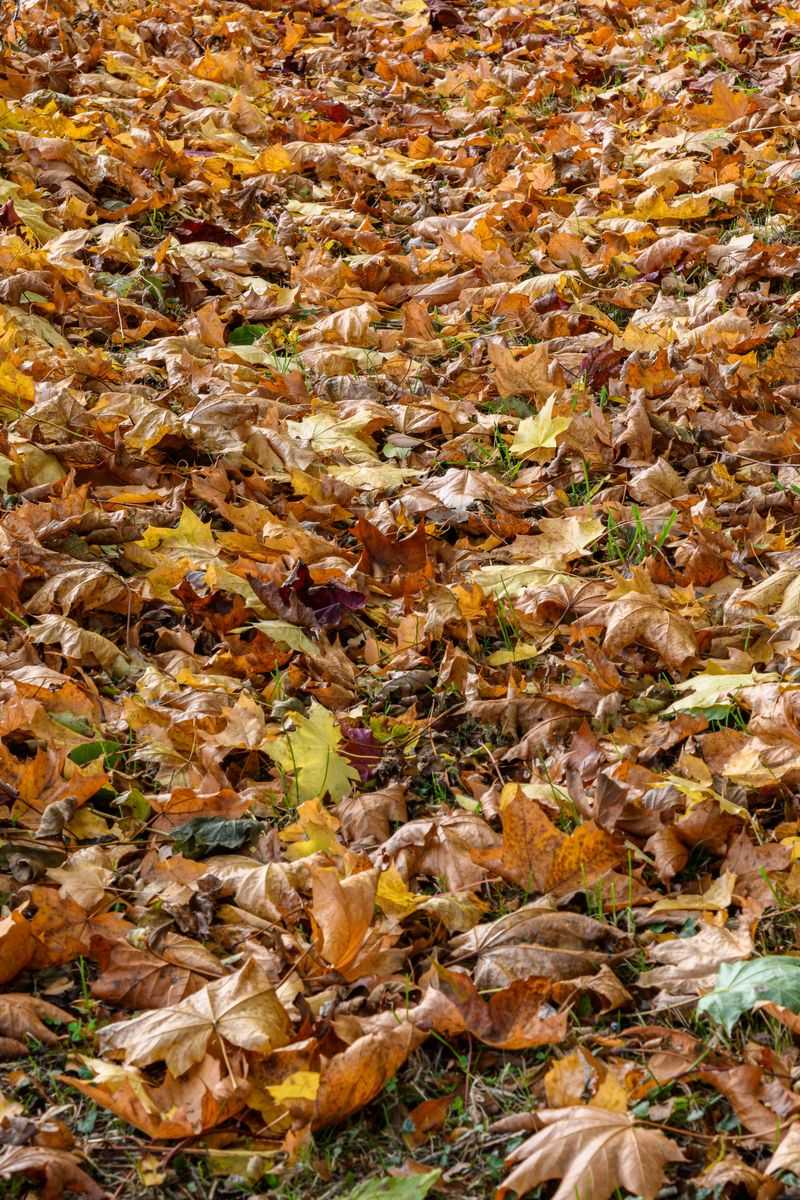
Maples, oaks, and sweetgums put on a gorgeous show, then dump it all on the lawn. That colorful mess can cause bigger problems than it seems.
A heavy, wet layer of leaves blocks sunlight and traps moisture against the grass. Over time, the turf underneath weakens and becomes more open to disease, including snow mold.
Bare patches in spring are a common result.
You do not need to bag every single leaf, though. A light layer can be shredded right into the lawn with a mulching mower.
The small bits break down and return nutrients to the soil.
The goal is simple. After mowing, you should still see plenty of green grass peeking through the shredded pieces.
If the leaves look like a thick carpet, rake or bag some of them.
Extra leaves make terrific mulch for garden beds or compost piles. Some Ohio towns also run curbside leaf pickup in fall, so check your city website for dates.
Keep at it until the trees are bare. Clearing leaves before snow arrives gives your grass the best shot at waking up healthy and green next spring.
7. Tan Dormant Grass In Winter Is Just Your Lawn Taking A Nap
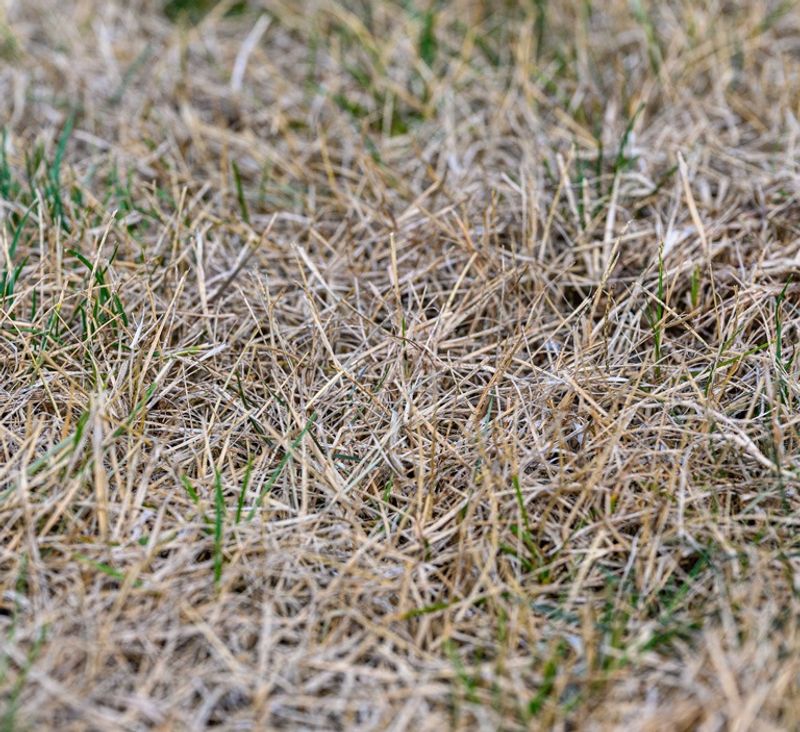
By late November or December, many Ohio lawns slip into winter dormancy. The grass often fades to tan or straw brown, and it may stay that way until about March.
Please do not panic when that color change shows up. Dormancy is a natural survival mode, and the crowns and roots stay alive below the surface.
Before the ground freezes, consider a late fall fertilizer feeding. Ohio State turf experts have long noted that late season nitrogen, applied while grass is still green, supports root strength and an earlier spring green-up.
Follow label rates and skip spreading on frozen ground.
Once winter settles in, light foot traffic is the kindest choice. Frozen blades snap easily, and worn paths can stay brown well into spring.
Try not to park cars or pile heavy snow in one spot.
Salt from driveways can also burn grass edges. Shoveling snow away from the lawn or using a lawn-safe deicer helps.
My favorite takeaway is simple. Keep your ruler handy each fall, trust what it tells you, and give your turf a quiet winter.
Next spring, it will reward you with a thicker, greener yard.