Heavy Fall Rain Can Bring Eastern Spadefoot Toads Out Of Hiding In Georgia
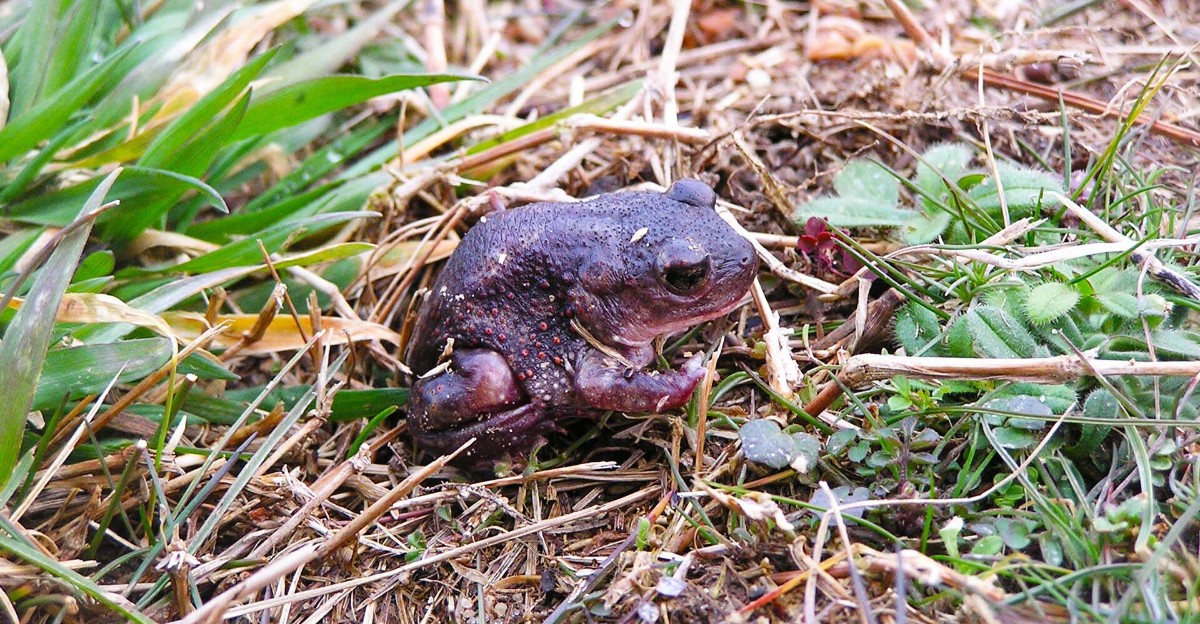
Some backyard amphibians can stay buried underground for months, barely moving, waiting for one very soggy night. When the right storm finally arrives, they can dig their way up to the surface and start calling within hours.
I love that a creature can live right under a flower bed without anyone knowing. Its eyes are golden with vertical pupils, a lot like a cat’s.
Its hind feet carry a built-in digging tool. I can’t think of a better reason to grab a flashlight after a storm.
In Georgia, these hidden neighbors live across much of the state, from sandy Coastal Plain yards to Piedmont woodlands. You need the right mix of warm air and a real soaking rain to spot one.
A light drizzle rarely does the trick.
Those wild, wet autumn nights can bring a surprising burst of activity as these secretive amphibians emerge from their underground hiding places.
1. That Golden-Eyed Toad After The Storm Has Been Waiting Underground
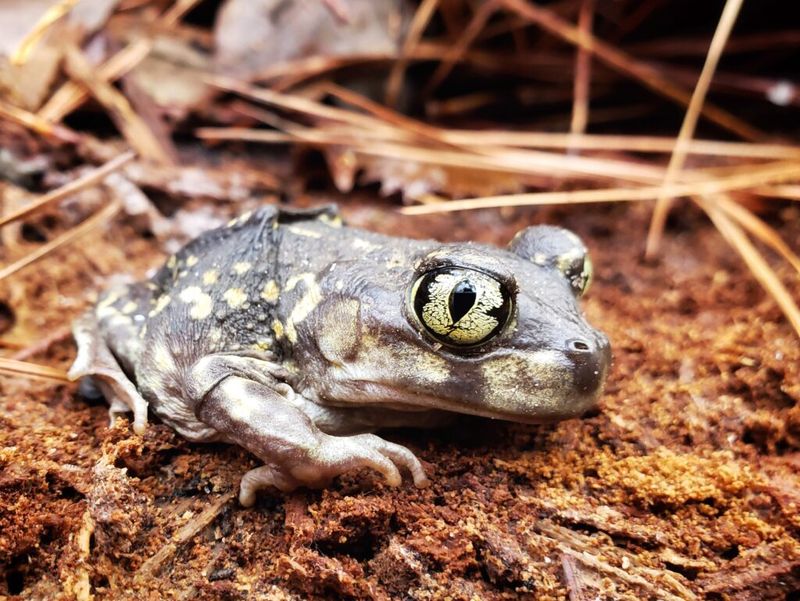
Most folks who spot one assume they found an odd little toad that wandered in from the woods. In reality, that critter was likely buried in your yard the whole time.
Eastern spadefoots spend most of their lives tucked into burrows, often just inches deep, though sometimes deeper during dry or cold spells.
Underground, they slow down and save energy. Their skin produces a protective layer that helps them hold on to moisture while the soil stays dry.
They may come up on damp, warm nights to snack, but a big breeding show needs a much bigger signal.
That signal is heavy rain. Researchers who study these toads note that light showers usually leave them snoozing below.
A downpour of an inch or more, especially with warm temperatures, can bring them up in large numbers on a single night.
I find it oddly comforting that a garden can hold secrets like this. You might water, weed, and mulch a bed for years without knowing a spadefoot is resting right below your trowel.
So if a strange toad pops up after a gully washer, give it a friendly nod. It has probably been a quiet tenant much longer than you realized.
2. A Soaking Downpour Triggers The Spadefoot Breeding Rush
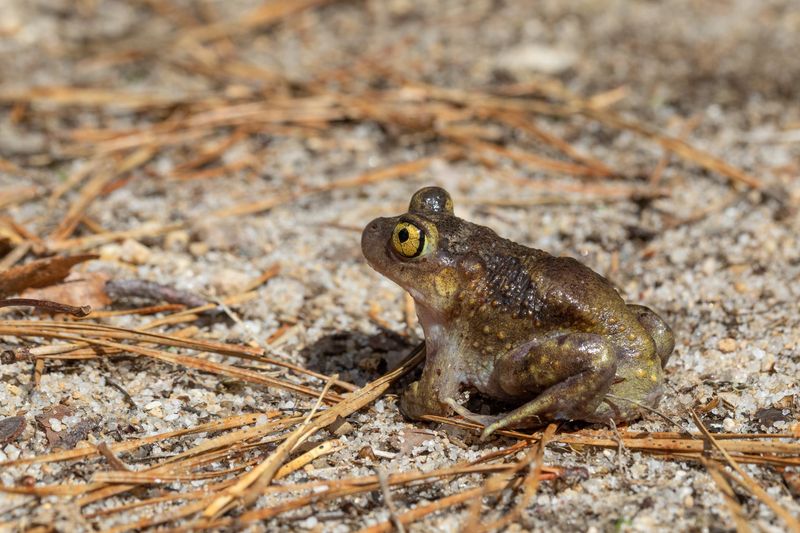
Scientists have a fun name for what happens next. They call it explosive breeding, and the label fits.
Within hours of a hard rain, dozens of spadefoots may gather at a fresh puddle, flooded ditch, or shallow woodland pool.
Timing matters because those pools are temporary. In Georgia, breeding can happen anytime from late winter through fall when warm rain arrives, so a strong autumn storm or tropical system can set things in motion.
Air temperatures that stay mild, often above the low 50s, help a lot.
Once the adults mate, females lay eggs in strings wrapped around plants or sticks underwater. Those eggs can hatch in just a few days.
The tadpoles then race to grow legs, sometimes leaving the water in about two weeks.
That speed is the whole secret. Fish-free rain pools rarely last long, so fast growth gives young toads their best chance before the water dries up.
Here in the South, fall storms bring big rain totals at times, which is why a soggy October night can surprise you. Not every heavy rain sparks breeding, though.
Temperature, soil moisture, and how long the toads have been waiting all play a part.
3. Listen For A Spadefoot Call That Sounds Like A Grumpy Crow
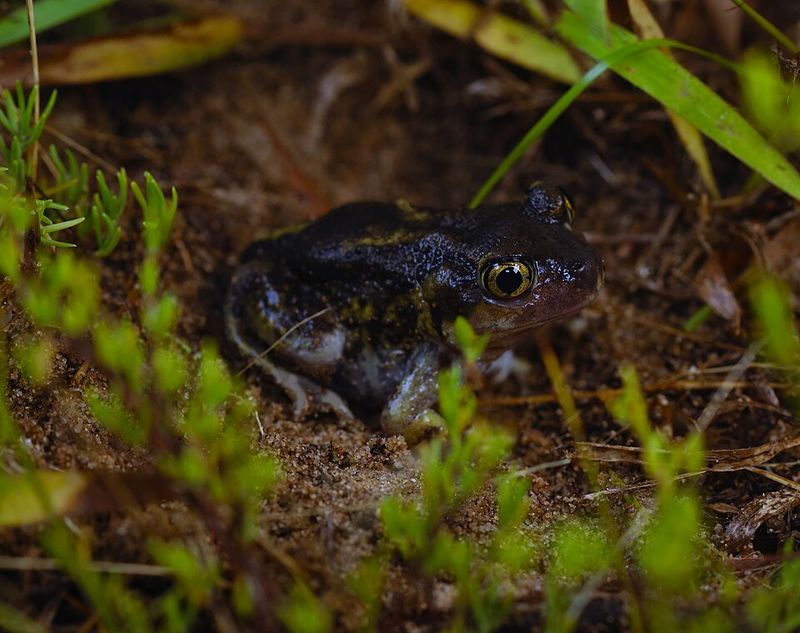
Your ears will often find these toads before your eyes do. Male Eastern spadefoots make a short, low, groaning call, often described as sounding like a young crow or a sad little “waaah.”
Each call lasts about a second and repeats every few seconds. When many males join in, the sound can carry a surprising distance across a quiet neighborhood.
Folks sometimes mistake it for a bird, a goat, or even a fussy baby.
Personally, I think it’s one of the strangest night sounds in the South. Spring peepers chirp, bullfrogs rumble, but spadefoots seem to complain loudly about the weather.
Want to try finding them? Step outside on a warm night right after a big storm and listen near low spots, ditches, or soggy fields.
Turn off porch lights to reduce disturbance, then listen quietly for calling spadefoots near temporary pools.
Recording the call on your phone is a smart idea. Free apps and programs like FrogWatch USA can help confirm what you heard, and your report may help local scientists track where these secretive toads still live.
Just remember to watch your step. The calling males might be sitting right at the edge of the driveway.
4. Cat-Like Pupils And Dark Foot Spades Set These Toads Apart
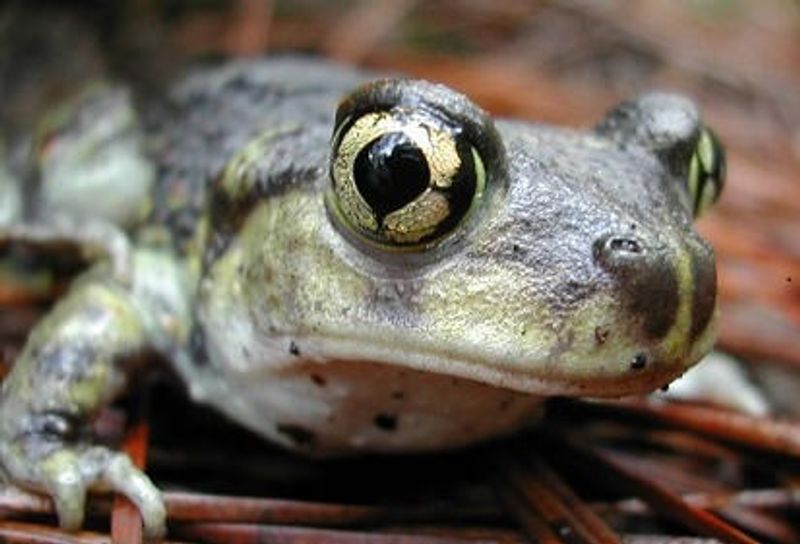
Flip over a regular toad in your mind and picture its eyes. Most common toads have round or horizontal pupils, but Eastern spadefoots have vertical pupils set in golden eyes.
That single feature is the quickest giveaway.
Next, look at the skin. Spadefoots have fairly smooth skin with tiny scattered bumps, not the big warty look of Southern or Fowler’s toads.
Many also show two pale lines on the back that curve into a loose hourglass or lyre shape.
The best clue sits on the hind feet. Each one carries a dark, hard, sickle-shaped spade.
Spadefoots use these to shuffle backward into the soil, sinking out of sight in a surprisingly short time.
They also lack the large bean-shaped glands behind the eyes that true toads carry. Adults stay small, usually around two to three inches long, and come in shades of brown, gray, or olive.
A fun fact for curious kids is that spadefoots aren’t true toads at all. They belong to a separate family.
So the next time someone calls one a toad, you can share that bit of trivia with a grin.
5. Sandy Soil In Your Georgia Yard Makes Perfect Burrowing Ground
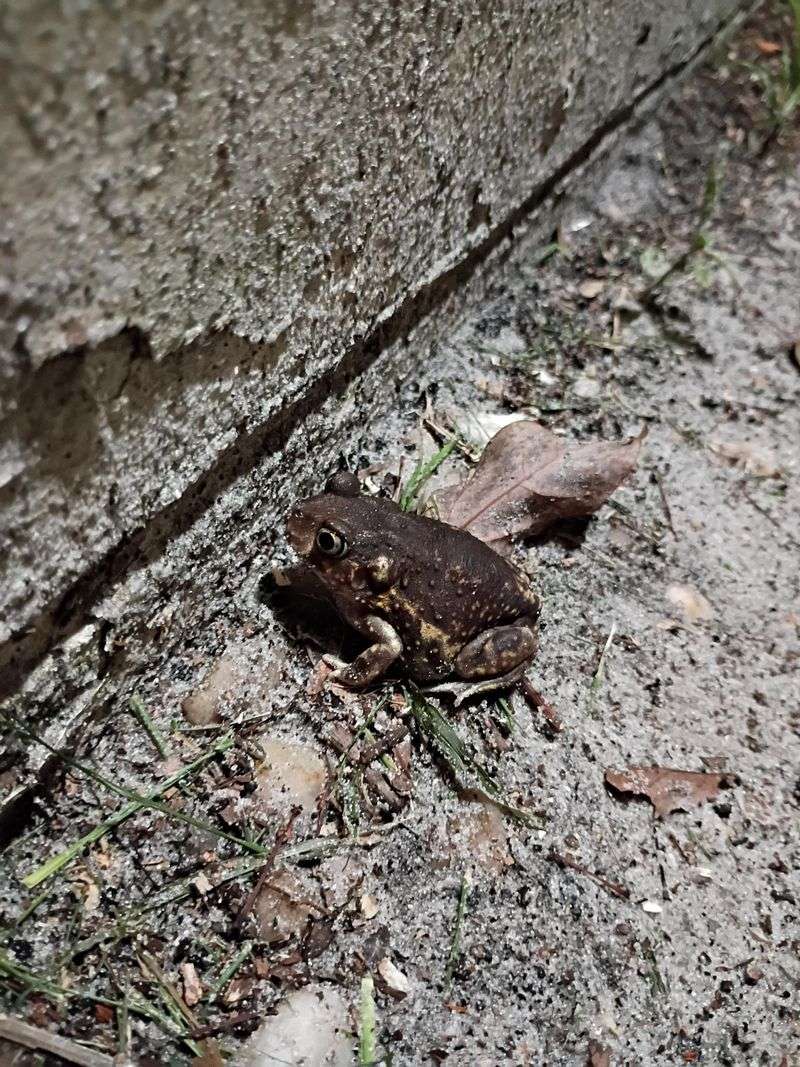
Ever notice how easy it is to dig a hole in sandy ground? Spadefoots notice too.
These toads strongly prefer loose sandy or loamy soils where burrowing takes less effort.
That preference explains where they show up. In Georgia, they’re widespread in the sandy Coastal Plain and Fall Line Sandhills, and they also turn up in parts of the Piedmont.
Heavy red clay is tougher for them, so they’re often less common in compacted spots.
Your garden can help. Leave some areas unpaved and avoid packing soil down with heavy equipment.
Mulch beds, leaf litter, and pine straw keep the ground moist and give toads a cozy place to forage at night.
Native plants matter as well. Wildflowers, shrubs, and grasses that fit your region attract insects, which means a ready food source for hungry amphibians.
Avoid raking every leaf in the fall. A loose layer under shrubs or along the back fence makes an easy shelter and cuts down on yard chores.
I like that this kind of gardening asks for less work, not more. A slightly wilder corner can turn into prime real estate for a spadefoot looking for a quiet place to wait out dry spells.
6. Rain-Filled Puddles Without Fish Become Spadefoot Nurseries
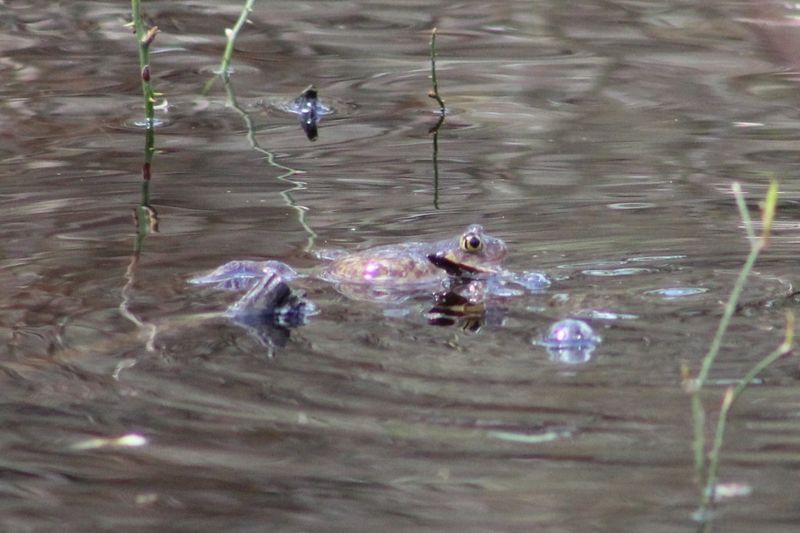
A muddy low spot in the lawn might look like a nuisance. To a spadefoot, it could be the perfect nursery.
These amphibians depend on temporary pools that fill with rain and dry up later.
Why not a permanent pond? Fish snack on eggs and tadpoles, so ponds with fish are risky.
Short-lived puddles stay mostly free of those predators, giving spadefoot young a safer start.
If you have a naturally soggy area, consider leaving it alone instead of filling it with dirt right away. A shallow rain garden can work too, as long as it holds water for a couple of weeks after a storm and has gentle edges.
Avoid applying conventional pesticides or fertilizers near breeding pools, and use mosquito-control products only according to their labels and local guidance.
Runoff can harm sensitive tadpole skin. Bacterial products made with Bti are often considered safer for amphibians when mosquitoes are a concern.
A friend of mine laughed when I got excited about a big puddle. Then we heard the calls that night and watched tiny tadpoles wiggle there a few days later.
Even a small backyard pool can support part of the next generation. Few garden projects offer that kind of payoff for so little effort.
7. Give That Spadefoot Space And Wash Up If You Touch One
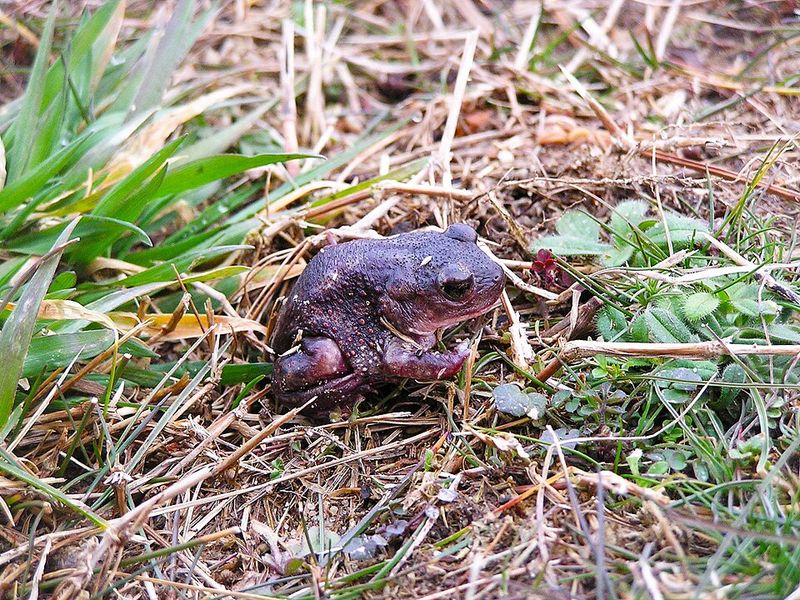
Finding a spadefoot feels like winning a small backyard lottery. Still, the kindest move is to watch, snap a photo, and let it go about its night.
Their skin gives off secretions that can irritate people. Some handlers report sneezing, watery eyes, or a peppery smell after touching one.
If you need to move a toad off the road, use damp hands or gloves and wash up afterward. Keep fingers away from your face.
Pets should stay inside on big rain nights. Dogs that mouth amphibians may drool or act uncomfortable, so call your vet if that happens.
Drive slowly on rainy evenings, especially near wetlands and sandy fields. Many toads cross roads to reach breeding pools, and careful drivers really can make a difference.
Spadefoots are not listed as protected in Georgia, but they face habitat loss in many places. Several states count them as a species of conservation concern.
Your best next step is simple. Keep some leaf litter, protect soggy spots, cut back on chemicals, and report sightings to groups like the Georgia Herp Atlas or iNaturalist.
A little patience after the next soaking storm may reward you with a golden-eyed visitor.