The Bright Red Berries Lighting Up Maryland Yards Right Now Aren’t Safe For Dogs
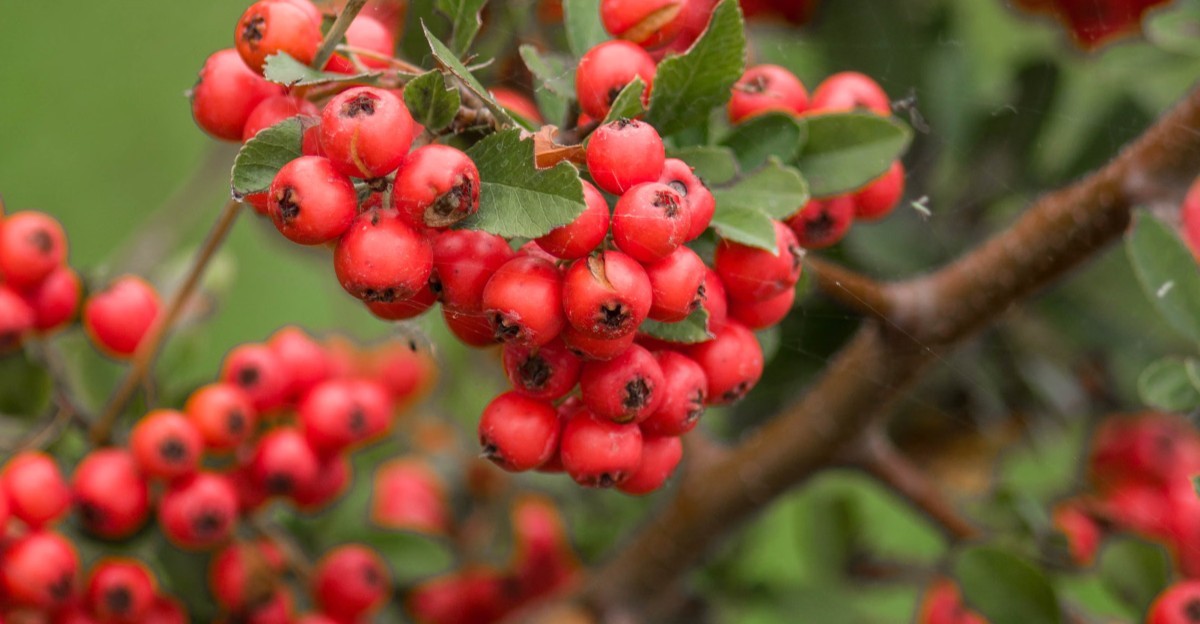
One of the prettiest shrubs in suburban yards can release cyanide when its berries are chewed. Not a typo. Its bright red clusters hang on all winter, right at snout height.
I’m a sucker for winter color, so this one stung. Those cheerful berries brighten gray Maryland mornings when almost nothing else is blooming. Birds pick at them, wreaths show them off, and nobody seems worried.
Dogs, though, explore with their mouths first. A bored pup in a frosty yard will sniff, lick, and sometimes gobble whatever rolls across the lawn. I learned that the hard way during one very long afternoon at the vet.
Some of these festive berries cause a mild tummy ache. Others are a genuine emergency, and they can look surprisingly alike from across the yard. So which bright red cluster near your back door deserves a closer look?
That Red Berry Shrub By Your Front Steps Might Be Nandina
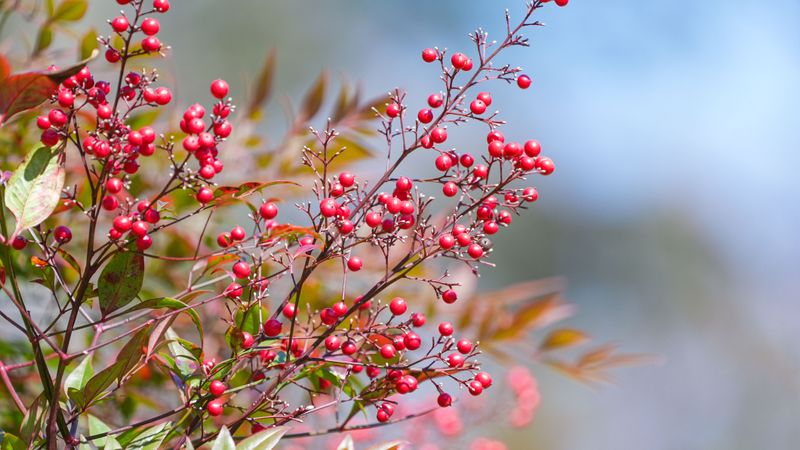
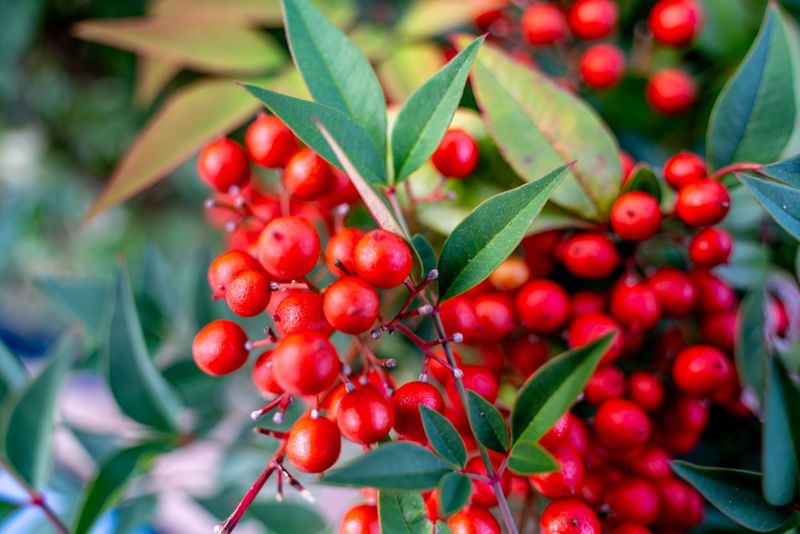
Walk down almost any Maryland neighborhood street in winter and you will spot it. Nandina, often sold as heavenly bamboo, carries big drooping clusters of glossy red berries from fall into spring.
Those berries are the reason this article exists. Nandina contains cyanogenic glycosides, compounds that can release cyanide when the berries are chewed and digested. The ASPCA lists nandina as toxic to dogs, cats, and horses.
Most dogs that nibble a berry or two end up with an upset stomach. Larger amounts can bring more serious trouble, including weakness, heavy panting, seizures, and bright red gums. Smaller dogs face higher risk simply because it takes fewer berries to matter.
Here’s what surprised me most. Many people grow nandina without knowing its name, because it came with the house. The shrub has narrow, bamboo-like leaves that turn reddish in cold weather, and most plants stand about four to eight feet tall.
Take a quick lap around your yard today. If you find drooping clusters of red berries on a plant with narrow, bamboo-like leaves, snap a photo and confirm the ID. Knowing what you have is the first step toward keeping a curious pup out of harm’s way.
Nandina Berries Deserve Serious Attention If Your Dog Snacks
Panic helps nobody, so let’s talk about what to actually do. If you see your dog eating nandina berries, call your veterinarian or a pet poison hotline right away, even if your pup seems perfectly fine.
Symptoms can show up within a few hours. Watch for vomiting, drooling, trouble breathing, wobbly walking, tremors, or gums that look unusually bright red. Any of those signs means you need care now, not tomorrow.
Two helpful numbers to save in your phone are the ASPCA Animal Poison Control Center at 888-426-4435 and the Pet Poison Helpline at 855-764-7661. Both are open around the clock, though they charge a consultation fee.
Do not try to make your dog vomit at home unless a vet tells you to. Home remedies like salt or hydrogen peroxide can cause their own problems when used the wrong way.
Bring a sprig of the plant or a clear photo with you. Estimate how many berries were eaten and when it happened. Those small details help your vet choose the right treatment faster.
Honestly, the calmest pet owners I know are the ones who planned ahead. Saving those numbers takes thirty seconds.
Holly Bushes Bring Holiday Cheer And Upset Tummies
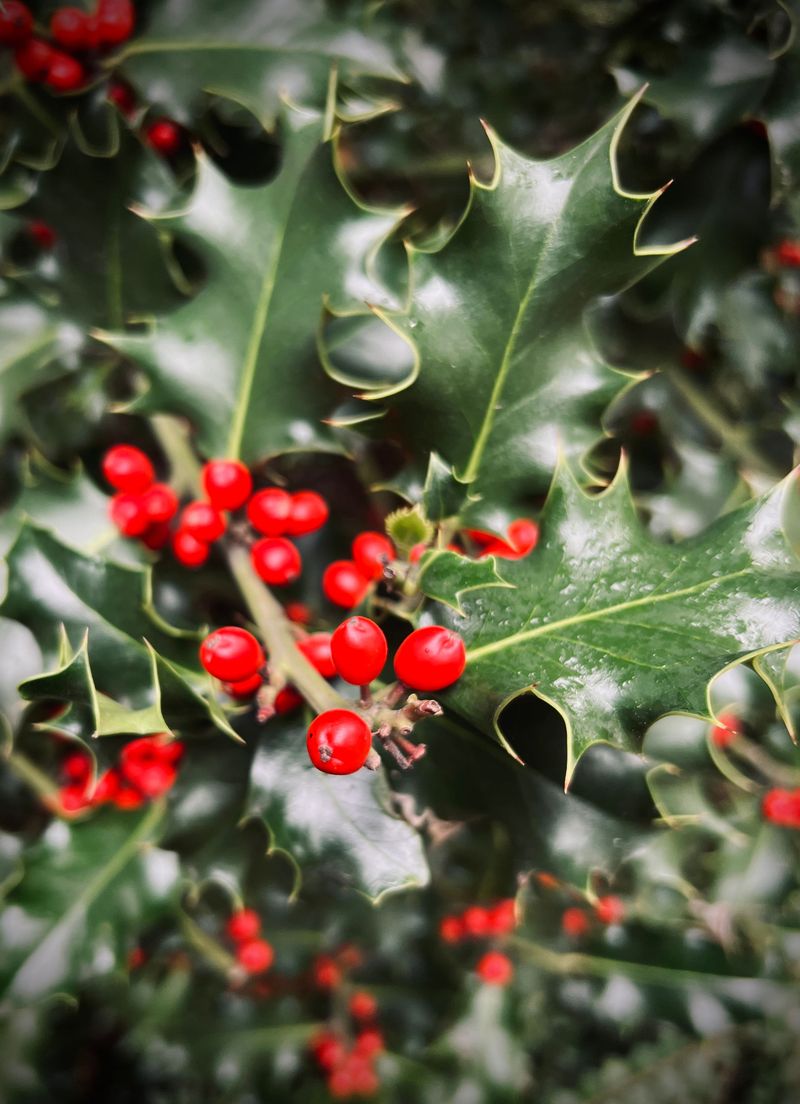
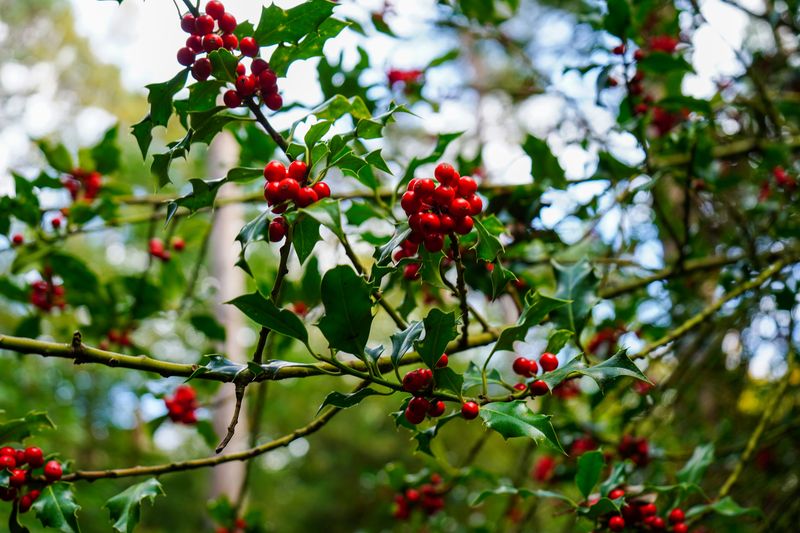
Nothing says December like a holly branch tucked on a mantel. American holly is a beloved native tree across Maryland, and its red berries feed birds all winter long.
Dogs are a different story. Holly berries and leaves contain saponins and other compounds that irritate the digestive tract. A pup who chews on them may drool, smack its lips, shake its head, vomit, or develop diarrhea.
The good part is that holly poisoning is usually mild. The spiky leaves often discourage dogs before they eat very much, and serious cases are uncommon. Still, a sick dog on a holiday weekend is nobody’s idea of fun.
Indoor decorations deserve a look too. Cut holly sprigs drop berries onto floors, coffee tables, and dog beds. Puppies especially seem to treat fallen berries like tiny rolling toys.
You don’t need to rip out a healthy native holly. Rake up fallen berries now and then, and keep decorations up high where tails and noses can’t reach. If your dog does eat a handful, a quick call to your vet will tell you whether to watch at home or come in.
Yew Shrubs Hide Their Real Danger Inside Those Red Cups
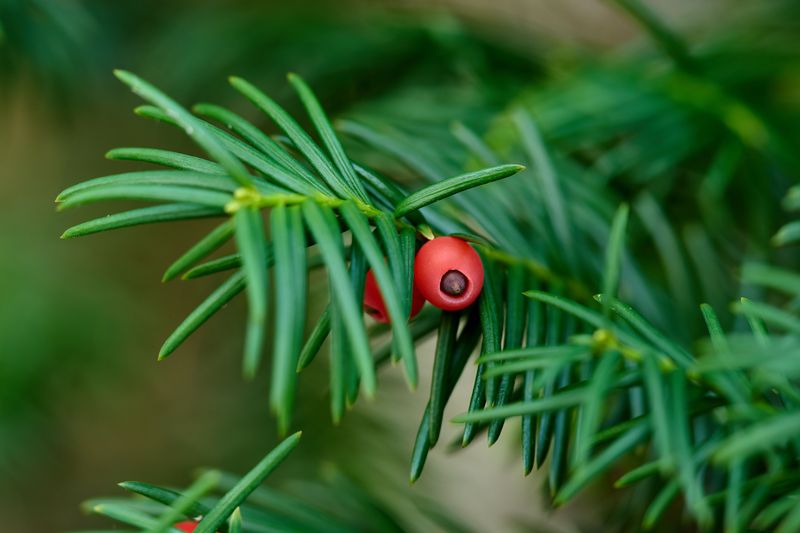
Yews might be the sneakiest plant on this list. These dark green evergreens line foundations all over Maryland, and in fall the female plants show off soft red cups called arils.
The red flesh itself is mild. The trouble is the seed tucked inside, along with the needles and bark. All of them contain taxine alkaloids, which can affect the heart and nervous system. The ASPCA rates yew as toxic to dogs, cats, and horses.
Signs can include trembling, weakness, trouble breathing, vomiting, and a slow or irregular heartbeat. Sudden collapse is possible with larger exposures. That makes yew a true emergency rather than a wait-and-see situation.
One detail many owners miss involves pruning. Fresh yew clippings left on the lawn or in a pile are just as risky as the living shrub, and some dogs love to chew sticks.
If you trim yews, bag the cuttings right away. Teach your dog a solid leave-it cue near foundation beds. And if your pup crunches into yew in any form, call your vet immediately and bring a sample along.
Firethorn Clusters Pack Thorns Along With Their Bright Berries
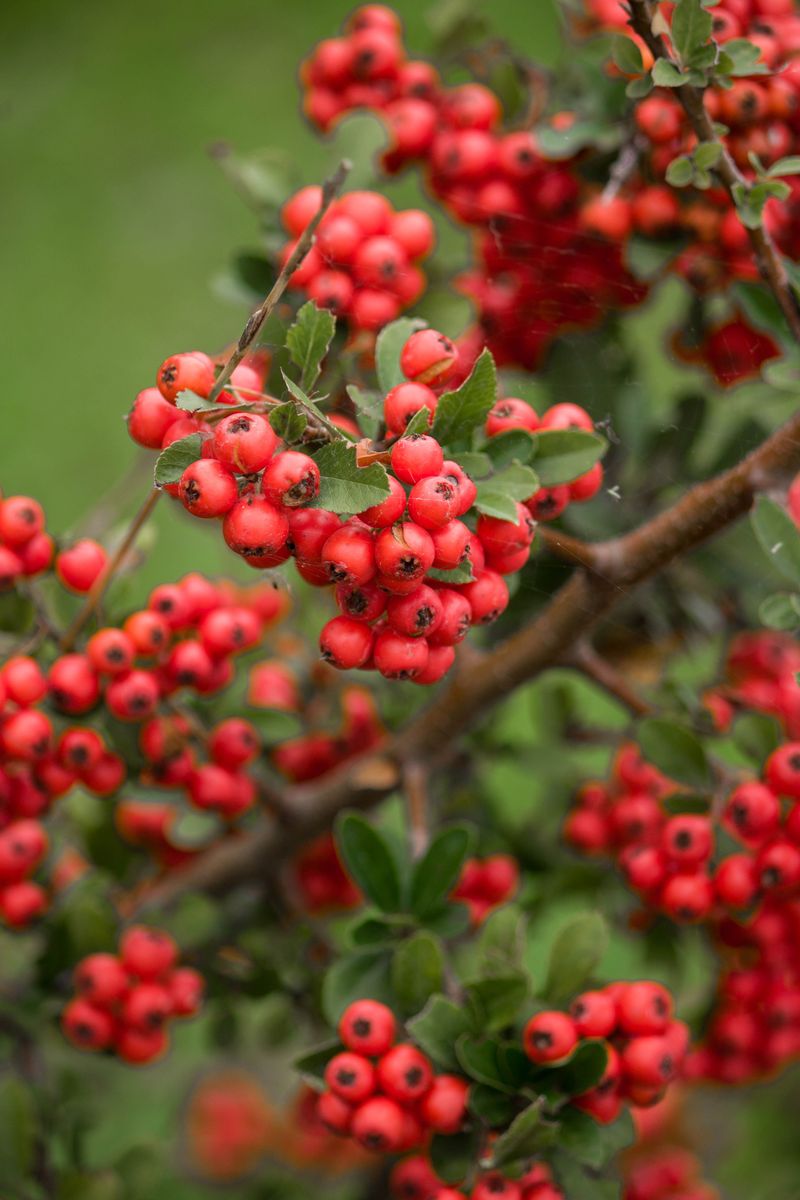
Ever brushed against a hedge and pulled back with a scratched arm? There’s a decent chance it was pyracantha, nicknamed firethorn for good reason.
This shrub is grown for its huge clusters of orange to red berries, which often hang on well into winter. You’ll find it trained along fences and walls in many older Maryland yards.
Compared to nandina or yew, firethorn is a lower concern. The ASPCA lists pyracantha as nontoxic to dogs, though the seeds contain small amounts of cyanogenic compounds. Eating a big pile of berries can still trigger vomiting or diarrhea, mostly from irritation.
The thorns are honestly the bigger headache. Long, needle-sharp spines can poke eyes, scratch noses, and lodge in paws. Dogs chasing squirrels through a firethorn hedge sometimes come out with cuts that need cleaning.
A few easy habits help here. Keep lower branches trimmed so the shrub isn’t at eye level for your dog. Check paws after play near the hedge. And if your pup gets a scratch near the eye, have a vet take a look, since eye injuries can worsen quickly.
Bittersweet Vines And Other Wild Red Berries Creep In Too
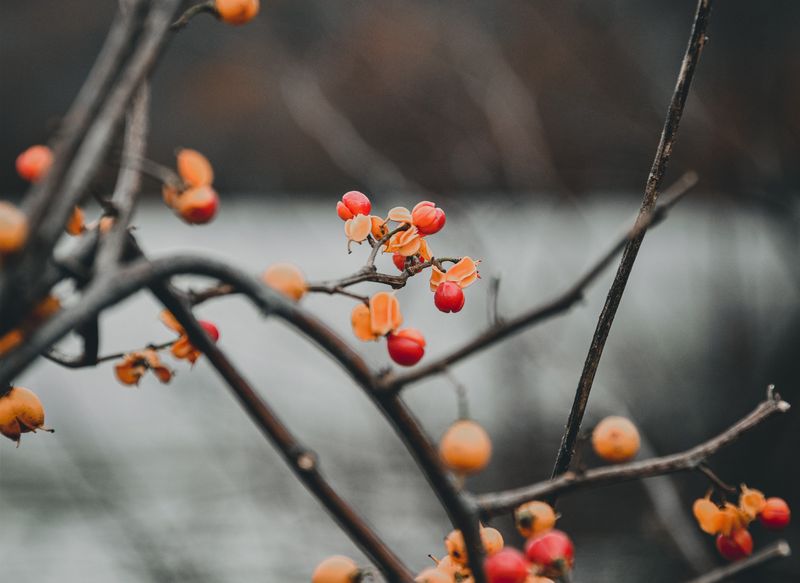
Not every red berry in your yard was planted on purpose. Birds drop seeds everywhere, so wild plants pop up along fences, woods edges, and forgotten corners.
Oriental bittersweet is a big one in Maryland. Its yellow husks split open in fall to reveal red-orange berries, and the vine is invasive across much of the state. Bittersweet is considered toxic to dogs and can cause vomiting, diarrhea, and weakness.
Bittersweet nightshade, a different plant, also turns up in damp spots. Its shiny red berries look a lot like tiny tomatoes, and they contain solanine, which upsets the stomach and nervous system.
Japanese barberry is another wild escapee with small red berries and thorny stems. It’s mainly a thorn and stomach nuisance, but it spreads aggressively in woodlands.
Here’s a fun bit of history. Oriental bittersweet arrived in the 1800s as an ornamental, then escaped and smothered trees across the East.
Removing these invasive plants helps your dog and your local woods at the same time. Pull young vines, cut larger ones at the base, and bag the berries so birds don’t spread them further.
Raking Up Fallen Berries Keeps Curious Puppies Safer
Trust me on this one. The berries still on the shrub are rarely the problem. The ones scattered on the ground are what dogs find.
Winter storms, hungry birds, and freeze-thaw cycles knock berries loose all season. A quick sweep with a leaf rake once or twice a week cuts down on temptation in a big way.
Fencing works well for plants you love but can’t fully trust. A short decorative border or a simple wire panel around nandina or yew keeps noses out without ruining your view.
Training matters just as much as tools. A reliable leave-it command has saved my sanity more than once. Practice it with treats indoors first, then try it near the shrubs.
Supervision is the final piece. Puppies and bored adult dogs are the most likely to graze, especially on short winter potty breaks when you’re rushing back inside.
Keep a small trash bag near the back door during berry season. Grab a few stray berries on your way in and out. It feels silly at first, then it becomes a habit you barely notice.
Native Winterberry And Red Chokeberry Can Replace Nandina
I’ll admit it. Pulling out my nandina felt sad until I saw what replaced it.
If you want to swap out a risky shrub, Maryland gardeners have great native options. Before choosing, check the ASPCA plant database, because some favorites still carry mild warnings.
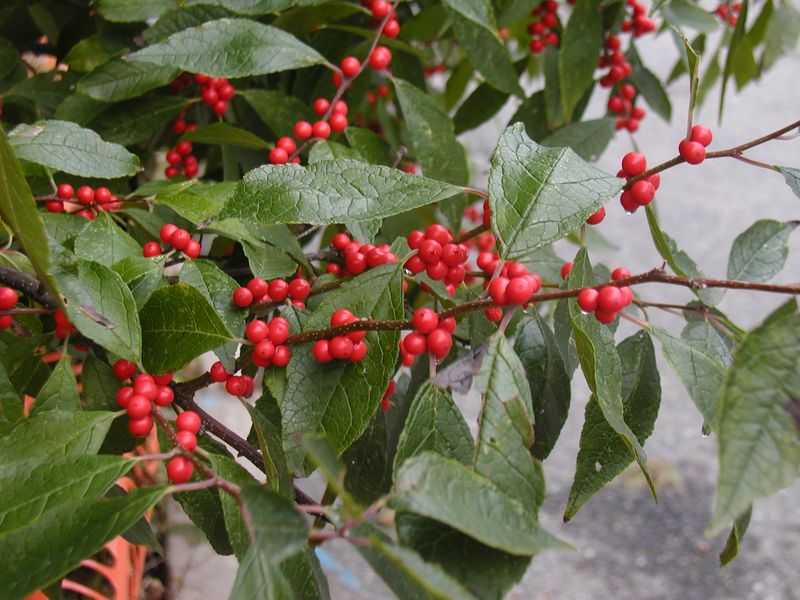
Winterberry holly is a showstopper with bare branches loaded in red. As a holly it can cause stomach upset, so it fits best in fenced beds or yards with dogs that ignore plants. You’ll need a male plant nearby for berries.
For a lower-worry choice, try red chokeberry. Its berries are mostly considered nontoxic to dogs, though eating lots may still cause a mild tummy ache. Its fall foliage glows scarlet too.
Removing nandina takes some effort. Dig out the roots fully, since pieces can resprout, and bag the berry clusters before tossing them.
Your local University of Maryland Extension office offers free advice on native plants for your region. Shore yards, Piedmont lawns, and western mountain gardens all have slightly different needs. One small swap this winter can give you red berries to admire without that nagging worry every time your dog heads outside.