What It Means When A Wild Turkey Visits Your California Yard
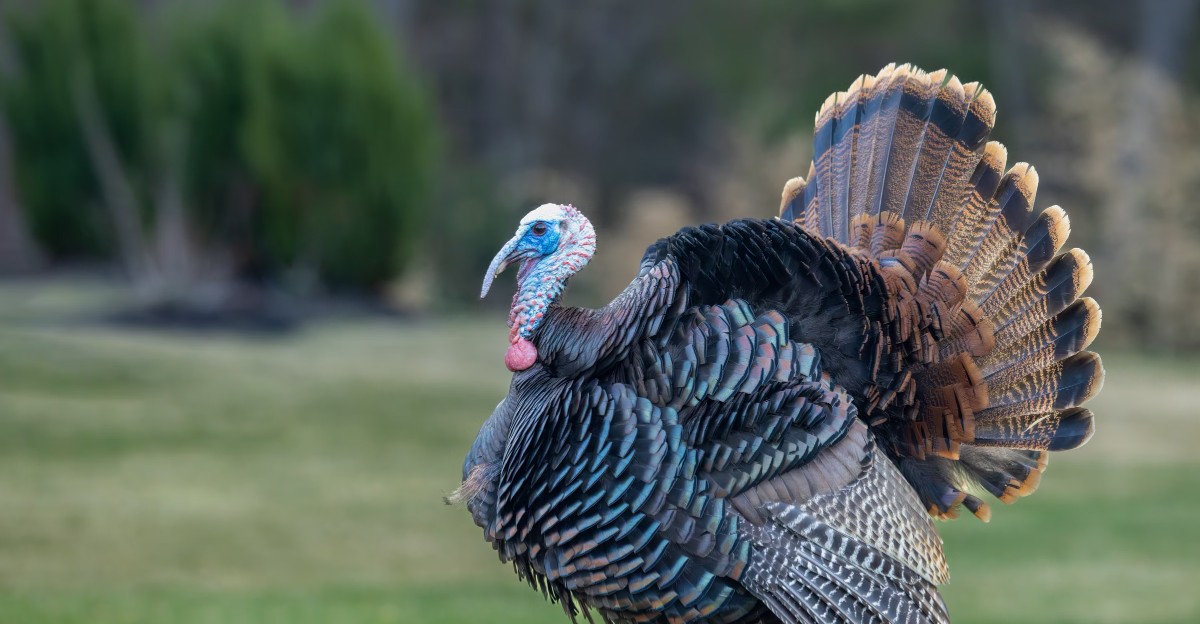
California once had its own native turkey, and it vanished from the landscape roughly 10,000 years ago. Fossils of that ancient bird still turn up in the La Brea Tar Pits in Los Angeles.
So who is strutting across your lawn today? I find the answer surprising, and it involves state biologists, hunters, and a few decades of quiet spreading.
These big birds now wander through suburbs, school fields, and vineyards. Personally, I love watching a flock march past like they own the place, even when they leave my mulch scattered everywhere.
You might feel thrilled, puzzled, or a little nervous when one shows up. Each reaction makes sense, because these visitors bring real benefits and some real headaches.
So what is your feathered guest actually telling you about your yard, and should you roll out the welcome mat or gently show it the gate?
That Big Bird Strutting Past Your Roses Has an Unexpected Backstory
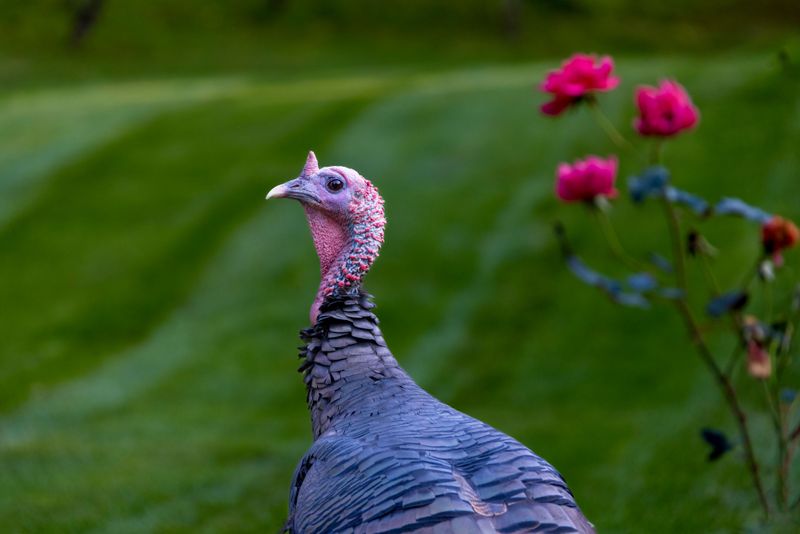
Funny enough, the turkey in your yard is a newcomer by historical standards. The original California turkey disappeared thousands of years ago, long before anyone planted a lawn here.
Today’s birds came later. State wildlife managers released wild turkeys in California starting in the early 1900s, and the bigger push came in the 1950s and beyond with the Rio Grande subspecies. The goal was to create hunting opportunities, and the birds took to their new home quickly.
Rio Grande turkeys handle dry summers and mild winters well. They spread through oak woodlands, foothills, farm valleys, and eventually into neighborhoods that sit next to open space. Smaller numbers of Merriam’s and hybrid turkeys live in some mountain areas too.
So a visit usually means one simple thing. Your yard sits close to good turkey habitat, often oaks, creeks, or grassy hillsides, and the birds are checking out the neighborhood.
Did you know? Wild turkeys can fly short distances surprisingly fast and often sleep high up in trees at night. That tall oak or pine near your fence might be their bedroom.
Once you understand they are adaptable explorers, their visits make a lot more sense.
Your Yard Looks Like a Turkey Snack Bar
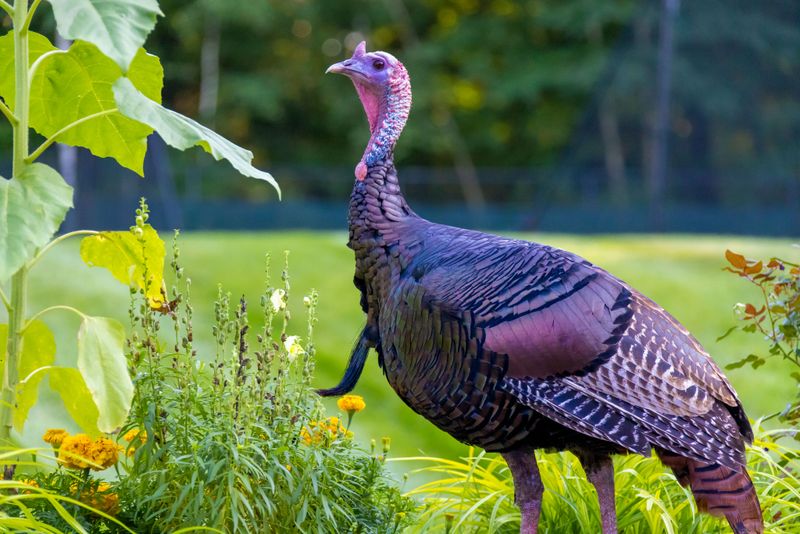
Hungry birds go where the eating is easy, and many backyards offer a buffet. In most cases, a returning turkey means it found food at your place.
Spilled birdseed under feeders is the top attraction. Turkeys happily clean up whatever finches and sparrows drop, and they remember the spot. Pet food left on a porch, fallen fruit, and open compost piles can pull them in too.
Watered lawns matter more than people expect. Moist soil brings bugs closer to the surface, and turkeys scratch through turf and mulch hunting for them. In dry California summers, your green yard can stand out like an oasis.
I check three things when turkeys start showing up daily:
Is there seed on the ground? Is any pet food or trash reachable? Is fruit dropping from trees and staying there?
Fix those, and visits often slow down. A single turkey wandering through once is just passing by. A flock arriving every morning at the same hour is following a reliable meal plan you may not know you’re offering.
Small cleanup habits make your yard far less exciting to them.
Feeding Wild Turkeys Breaks California Rules
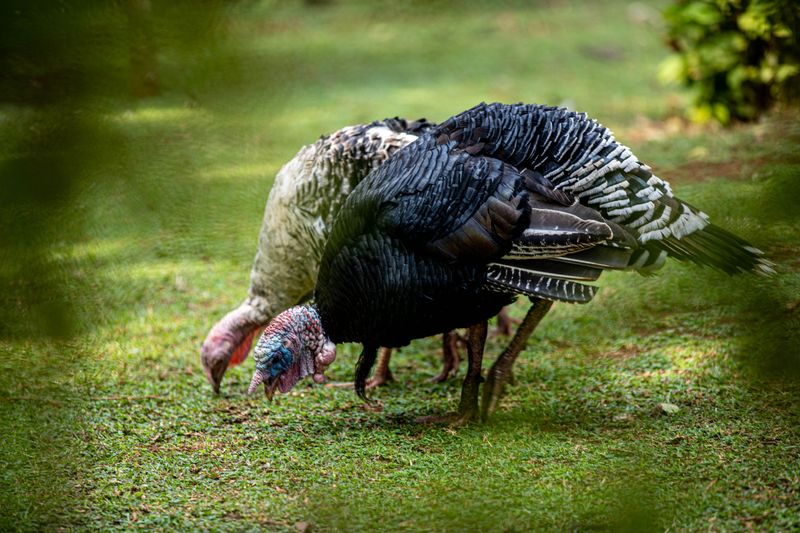
Tossing a handful of corn to a turkey feels harmless, even kind. In California, though, feeding big game animals is against state regulations, and wild turkeys fall into that category.
The rule exists for good reasons. Fed turkeys lose their natural caution around people. They start hanging around driveways, front doors, and sidewalks, waiting for the next handout.
That comfort can turn into trouble. Bold birds may peck at people, chase kids, and gather in large flocks that leave droppings everywhere. Crowded feeding spots can also help spread bird diseases between turkeys.
Accidental feeding counts as a problem too, even if it is not a citation risk for most people. A messy feeder or open bin of chicken scratch sends the same message as a deliberate handout.
If a neighbor is feeding turkeys, a friendly conversation helps more than a complaint. Many folks simply don’t know the rule or the problems it prevents.
Honestly, the kindest thing you can do is let turkeys stay wild. They are excellent foragers on their own, eating acorns, seeds, grasses, and insects. Your yard can stay a pleasant stopover instead of a permanent hangout.
Those Scratched-Up Flower Beds Might Be Turkey Work
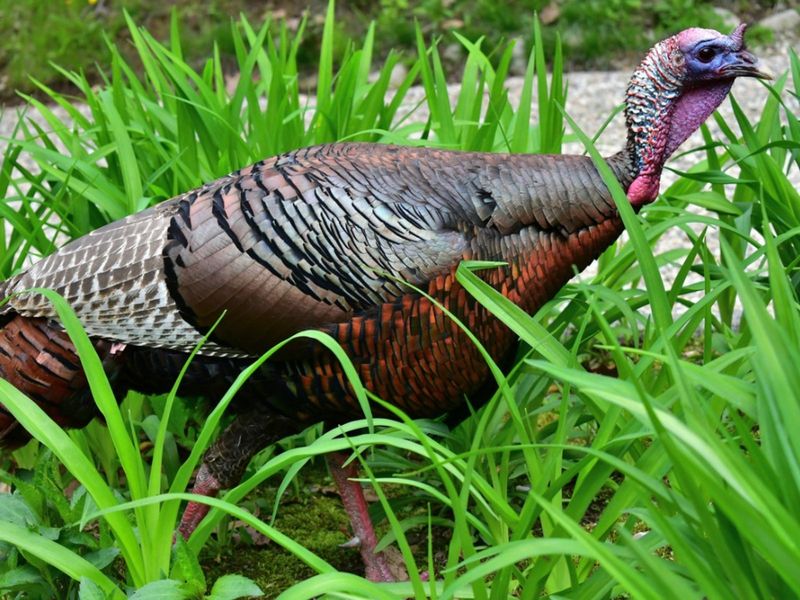
Ever walk outside and find your mulch flung onto the path? A turkey may have been bug hunting there.
Turkeys forage with strong feet, raking soil and leaves backward in a quick kick. That motion turns up beetles, grubs, and seeds. It also tosses wood chips around and can uproot small seedlings or freshly planted annuals.
Look for these clues to confirm your suspect:
Shallow scraped patches in mulch or lawn. Large three-toed tracks about four inches long. Droppings shaped like a J for males or a loose spiral for females. Pecked tomatoes, strawberries, or grapes.
Patios, decks, and car roofs can collect droppings quickly when a flock roosts or loafs nearby. Some homeowners also notice scratches on car paint where birds perched or pecked at reflections.
Not every torn-up bed points to turkeys, of course. Skunks and raccoons also dig for grubs, usually at night, leaving small cone-shaped holes instead of wide scrapes. Squirrels bury and dig up nuts in tidy little pits.
Matching the damage to the right animal saves you time and money. Turkey scrapes look broad and sweeping, like someone dragged a rake through your garden.
Puffed-Up Toms Get Pushy in Spring
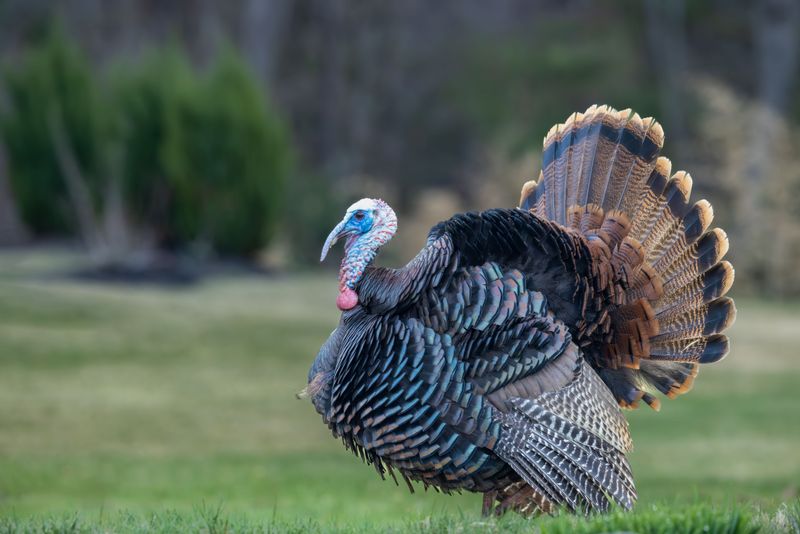
Late winter into spring is turkey breeding season in California, roughly February through May. That’s when the males, called toms, puff up, fan their tails, and gobble loudly to impress hens.
Hormones make some toms bossy. They may follow people, block sidewalks, or peck at their own reflections in car doors, windows, and shiny hubcaps. To a tom, that reflection looks like a rival.
Turkeys rank everything around them in a pecking order. A bird used to humans may decide you sit below it on the ladder, and it will test you.
Stand tall and don’t back away nervously. Wave your arms, use a firm voice, or open an umbrella toward the bird. A spray from a garden hose also works well and harms nothing.
For window pecking, cover the outside of the glass with netting or a temporary screen. Car covers help vehicles parked outdoors.
Small children and pets deserve extra attention during this stretch. Most turkeys are bluster rather than danger, but a big tom can be startling. By early summer, the drama usually fades, and hens start leading fluffy poults around instead.
Motion Sprinklers and a Little Noise Send Turkeys Packing
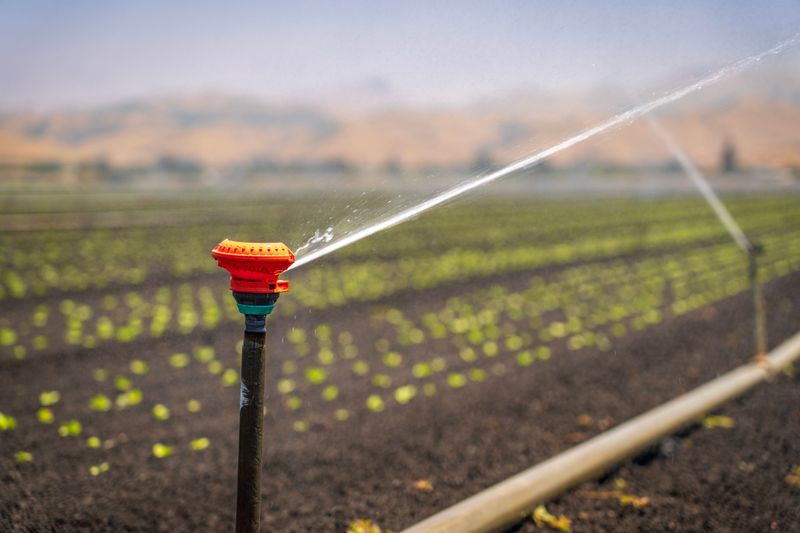
My favorite turkey tool costs less than a dinner out. A motion-activated sprinkler gives the birds a surprise shower, and most decide your lawn isn’t worth it.
Hazing simply means making turkeys feel unwelcome without hurting them. Wildlife experts say it works best when you start early and stay consistent. One loud day won’t undo weeks of easy snacking.
Try mixing these methods:
Clap, shout, or bang a pot lid when birds arrive. Open an umbrella quickly in their direction. Spray them with a hose. Let a leashed or supervised dog patrol the yard.
Turkeys learn patterns fast, so variety helps. Move the sprinkler around now and then, and switch up your noises.
Avoid anything that injures birds, and skip chasing them into busy streets. Harming wild turkeys outside legal hunting rules can bring penalties.
Scare balloons and shiny tape may work for a short time, but turkeys often grow used to them. Pair visual tricks with action for better results.
When neighbors team up, the effect grows stronger. A flock that gets hazed at every house on the block tends to move on toward open land.
Poultry Wire Keeps Turkeys Out of Your Veggie Patch
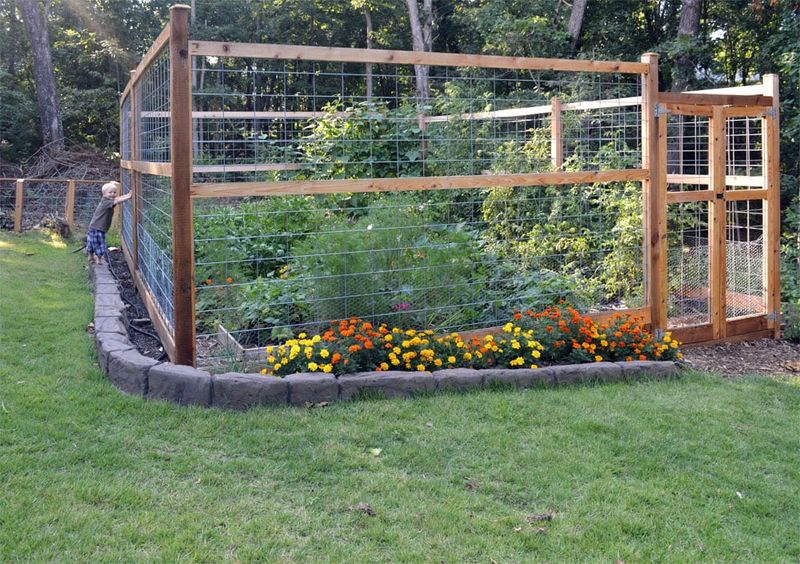
Ripe strawberries and tender lettuce sprouts look delicious to a turkey. Fortunately, a simple barrier solves much of the problem.
Poultry wire or hardware cloth around raised beds works well. Many gardeners build hoop covers or small cages over seedlings, which also block squirrels and birds. For larger plots, a fence about three feet tall often discourages casual foraging, though determined turkeys can fly over higher.
Bird netting over berry bushes and grapevines protects fruit in summer. Secure the edges so birds don’t get tangled.
Cleanup matters just as much as fencing. Pick up fallen fruit, keep compost in a closed bin, and store bird seed and chicken feed in sealed containers.
Consider pausing your bird feeder for a few weeks if turkeys keep gathering below it. Tray catchers under feeders can also reduce spilled seed.
Roosting turkeys prefer tall trees near open ground. Pruning low branches won’t stop them entirely, but blocking easy perches on fences and patio covers can help.
Fun fact: turkeys eat plenty of grasshoppers and other insects, especially young poults. A quick visit to your yard isn’t all bad news for your plants.
Living Peacefully With Wild Turkeys Next Door
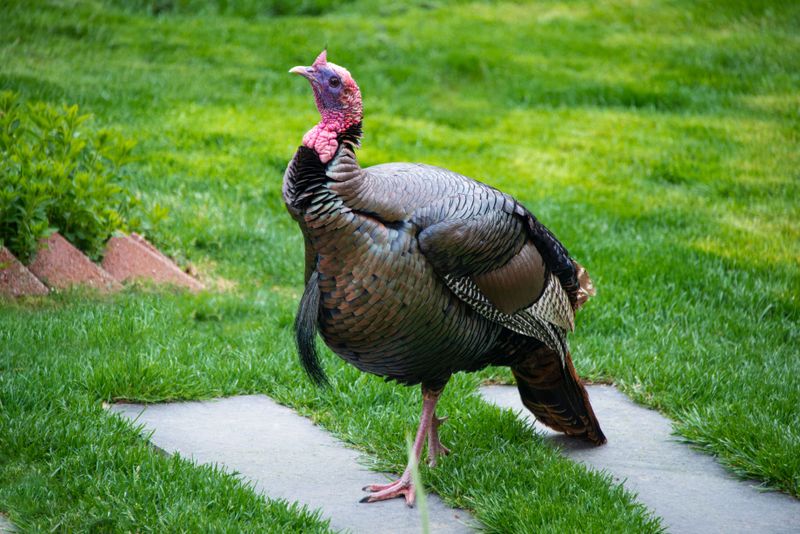
Sharing space with turkeys can be fun once you set some ground rules. I’ve grown fond of spotting hens leading a line of poults across the hillside each summer.
Your best long-term plan is simple. Remove food sources, protect key plants, and haze bold birds early. Turkeys that find nothing easy tend to wander back toward oaks and open fields.
For serious property damage, contact the California Department of Fish and Wildlife. Staff can offer advice, and in some cases a depredation permit may be possible. Local animal control and UC Cooperative Extension offices also share helpful guidance.
Keep a few safety tips in mind:
Drive slowly near flocks, since turkeys cross roads at their own pace. Don’t corner an injured bird yourself. Call a licensed wildlife rehabilitator instead.
Planting native oaks and grasses on larger properties can support many wildlife species, but it may draw turkeys too. Think about where you want birds to roam before you plant.
A turkey in your yard mostly means wild land sits nearby and your space offered something tempting. With a little planning, you can enjoy the show without losing your garden.