Your Virginia Christmas Cactus Needs These November Tweaks To Bloom Before Christmas
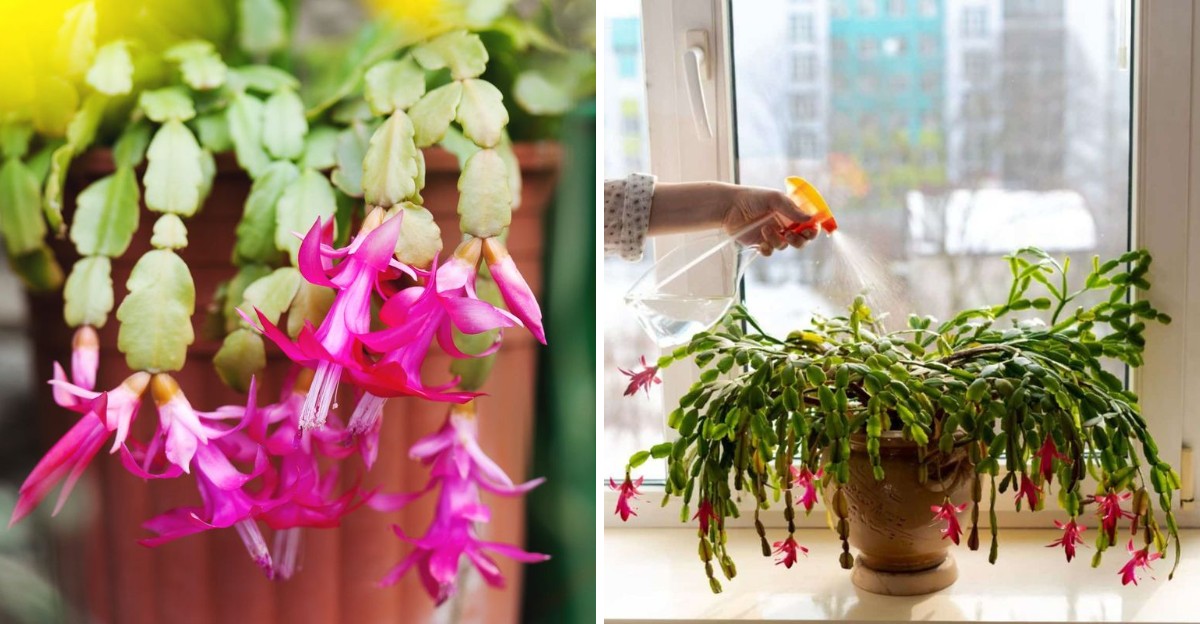
A plant from the misty mountain forests of Brazil grows on tree branches instead of in the ground. That same plant now sits on countless Virginia windowsills, quietly waiting for darker nights before it sets flower buds.
Its wild relatives live high in coastal mountains near Rio de Janeiro, clinging to mossy bark. Cool nights and long darkness there tell the plant that its blooming season has finally arrived.
I skipped one simple step last fall and got a pot of green stems with no flowers at all. After I tested a few small changes, the buds showed up in waves before the holidays.
You might notice your own plant sulking right now while the neighbors enjoy pink blossoms on theirs. So what small November changes in a Virginia home can turn those flat green stems into holiday color?
1. Give Your Christmas Cactus Long Dark Nights
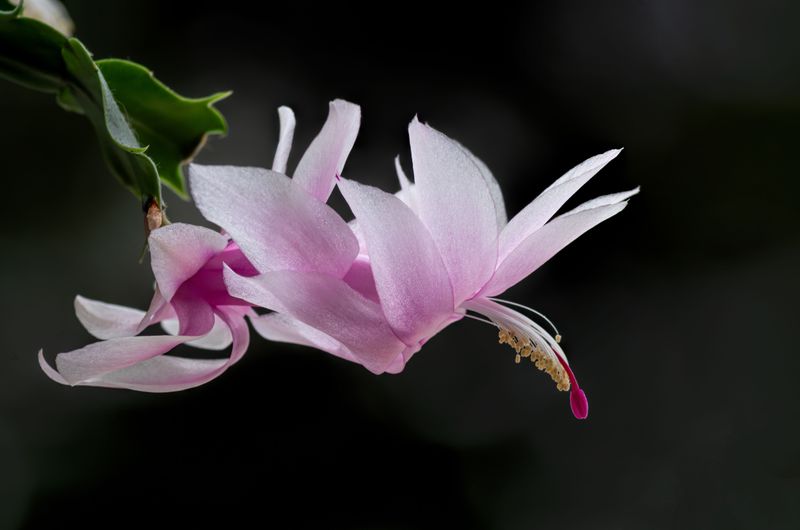
Darkness is the secret ingredient most people overlook, and this plant counts the hours like a careful timekeeper. Christmas cactus is a short-day plant, so long nights tell it that flowering time has come.
University extension experts, including those at Virginia Cooperative Extension, suggest giving the plant at least 12 hours of steady darkness every single night. Many sources recommend keeping that routine going for roughly six weeks, which fits nicely with a November start.
I learned the hard way that a single bright lamp each evening can confuse the whole bud process. My plant sat in the family room of our Virginia home, and the TV and ceiling lights kept it guessing for weeks.
Moving it to a spare bedroom that nobody used after dinner fixed the problem within about a month. You can also cover the plant with a loose cardboard box from early evening until the next morning.
Streetlights shining through a window can interrupt the dark period too, so check what happens after sunset. A closed curtain or a quieter corner of the house often solves the issue without any fancy equipment.
Remember to bring the plant back into bright daylight each morning so it still makes plenty of food. The goal is long darkness at night, not a plant hidden away in a closet all day.
Once buds form and grow larger, the strict nighttime routine matters less, and you can relax a bit. By then the plant has gotten its message, and those tiny pink tips are already on their way.
2. Cool Night Temperatures Help Christmas Cactus Set Buds
Chilly rooms sound like bad news for a tropical plant, yet this one actually welcomes cooler evenings. Its native mountain forests in Brazil get crisp nights, and the plant still remembers that pattern indoors.
Extension guides often recommend night temperatures between about 50 and 65 degrees Fahrenheit for good bud formation. Cool temperatures near 55 degrees can even encourage buds when the nights are not perfectly dark yet.
Many homes in this state run the heat hard by mid November, which can keep rooms too warm. Warm nights above roughly 70 degrees often slow bud formation or stop it before it really begins.
I keep my plant in a back room where the thermostat stays lower, and the difference surprised me. Buds appeared about three weeks sooner than they did when the pot lived beside our warm kitchen.
A cool windowsill can work well, but watch out for glass that gets icy during cold snaps. Leaves pressed against frosty glass can be damaged, so leave a few inches of space between plant and pane.
Keep the pot away from heating vents, space heaters, and fireplaces, since dry blasts of heat stress the stems. An inexpensive indoor thermometer helps you find which room in your house stays pleasantly cool after dark.
Freezing temperatures are a different story, so bring any plants summering outdoors inside well before frost. Most of the state sees its first frosts in October or early November, depending on your region.
3. Water Your Christmas Cactus Less Often In Fall
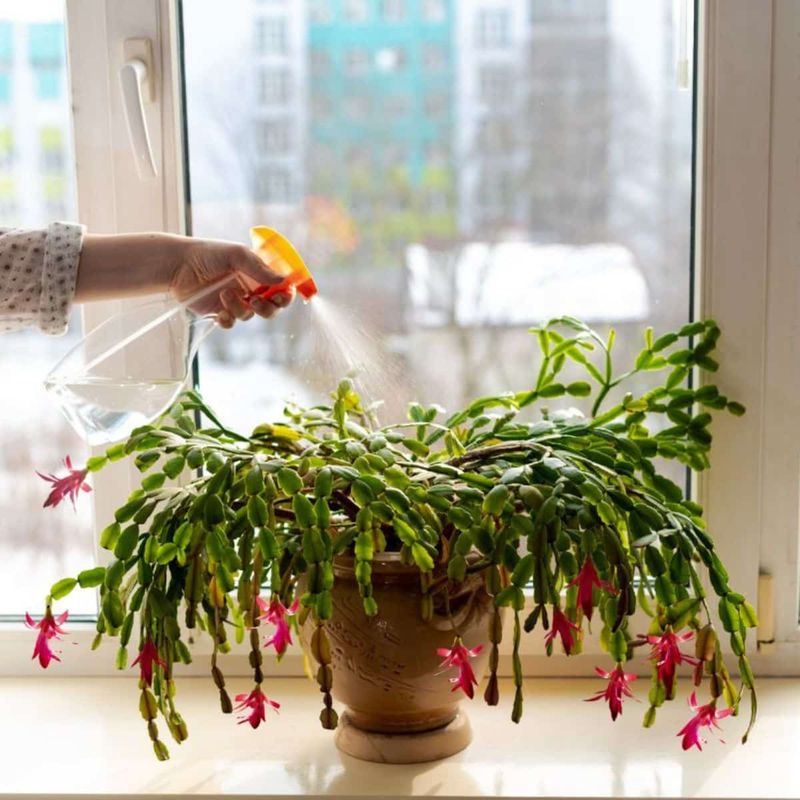
Thirsty or not, your cactus would probably prefer that you put the watering can down for a few extra days. A slightly drier fall routine helps the plant shift its energy from new stems toward flower buds.
Many extension sources suggest letting the top inch or so of soil dry before you water again. Poke a finger into the mix, and only water when it feels dry rather than cool and damp.
Unlike desert cacti, this plant does not enjoy being bone dry for weeks at a stretch. Its roots like light, steady moisture, but soggy soil can quickly lead to root rot and dropped buds.
I used to water mine every Sunday out of habit, rain or shine, and the stems turned limp. Switching to the finger test made the plant firmer, greener, and much happier within just a few weeks.
Drainage matters as much as the watering schedule, so use a pot with a hole in the bottom. Empty any water sitting in the saucer after about fifteen minutes so the roots do not stay wet.
Once you see buds forming, you can water a little more regularly to keep the soil lightly moist. Buds that dry out too much may shrivel, so stay steady instead of swinging between soaked and parched.
Room temperature water is gentler on the roots than icy tap water straight from a cold winter pipe. A small habit like that makes your care routine kinder without adding any extra work to your week.
4. Skip The Fertilizer On Your Christmas Cactus For Now
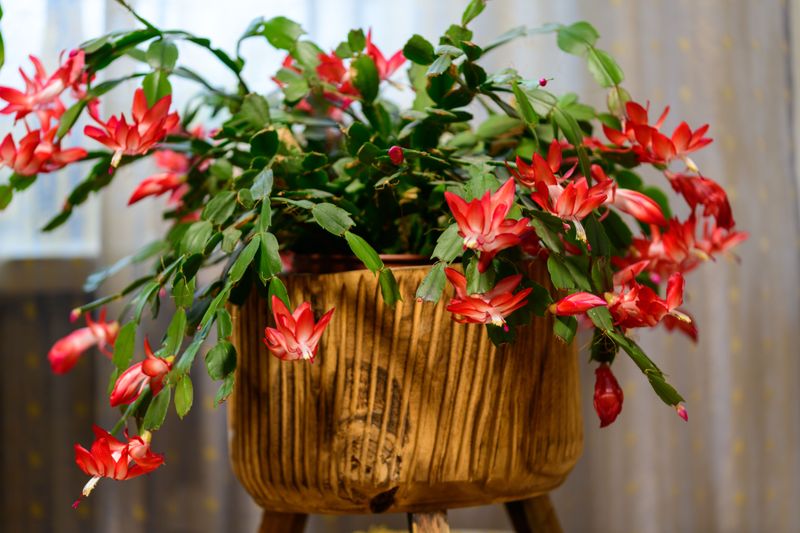
Hungry plants usually get a snack from us, but this cactus would rather rest during its bud season. Feeding it heavily in fall can push more leafy growth instead of the flowers you are waiting for.
Most extension guides suggest stopping fertilizer by late summer or early fall before buds start forming. By November, your plant should already be on a break from regular feeding until after blooming ends.
Honestly, this is my favorite tweak because it means one less chore during a busy holiday month. You simply set the fertilizer bottle on a high shelf and let the plant focus on its flowers.
Extra nitrogen tends to encourage soft new stem segments, which takes energy away from bud production. Leaving the plant unfed for a while helps it settle into the slower rhythm that flowering requires.
After blooming wraps up in winter, give the plant a short rest before you start feeding again. Spring and summer are better times for a balanced houseplant fertilizer mixed at about half strength.
Some growers also mention that these plants appreciate a little magnesium during the active growing season. If you try that idea, save it for warmer months and use a very light hand.
Salts from frequent feeding can build up in the soil and leave a white crust on the pot. Flushing the soil with plain water once in a while during spring helps keep the roots healthy and comfortable.
5. A Pebble Tray Keeps Christmas Cactus Buds Happy
Forest plants carry a little rainforest memory, and dry indoor air is not part of that happy story. Winter heating in many homes drops humidity low enough to stress the stems and the developing buds.
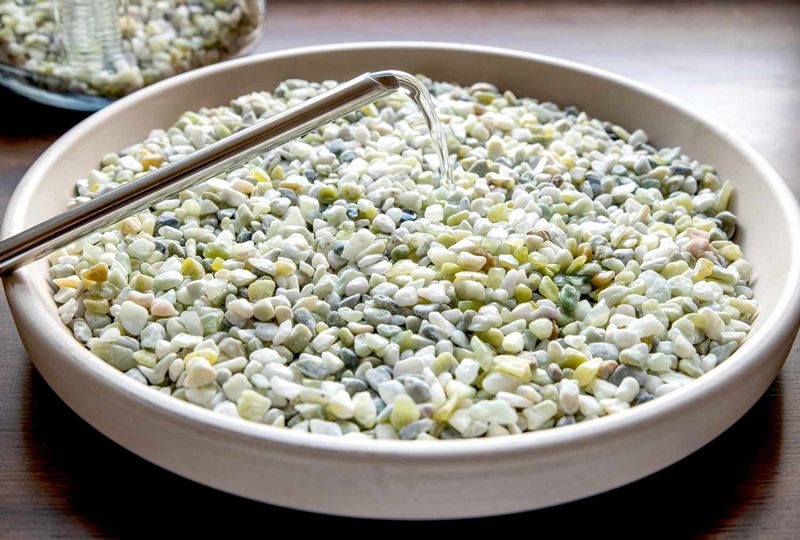
A pebble tray is one of the easiest fixes I have found, and it costs almost nothing to make. Fill a shallow tray with pebbles, add water just below the top, then set the pot on it.
Keep the bottom of the pot above the waterline so the roots are not sitting in moisture. As the water slowly evaporates, it adds a bit of humidity right around the plant where it helps most.
Grouping houseplants together also raises the moisture in the air around them in a gentle way. My Christmas cactus now shares a table with a fern and a pothos, and they all seem cheerful.
A small room humidifier works too, especially if your house gets very dry during cold January weather. You might notice fewer crispy stem tips once the air around your plant becomes a little softer.
Misting the leaves is popular, but the effect only lasts a short while before the water evaporates. I prefer the pebble tray because it works quietly all day without needing constant attention from me.
Refill the tray every few days and rinse the pebbles occasionally so algae does not build up. A clean, simple setup keeps the area tidy and gives your buds a more comfortable home through December.
6. Pick One Bright Spot And Leave Your Christmas Cactus There
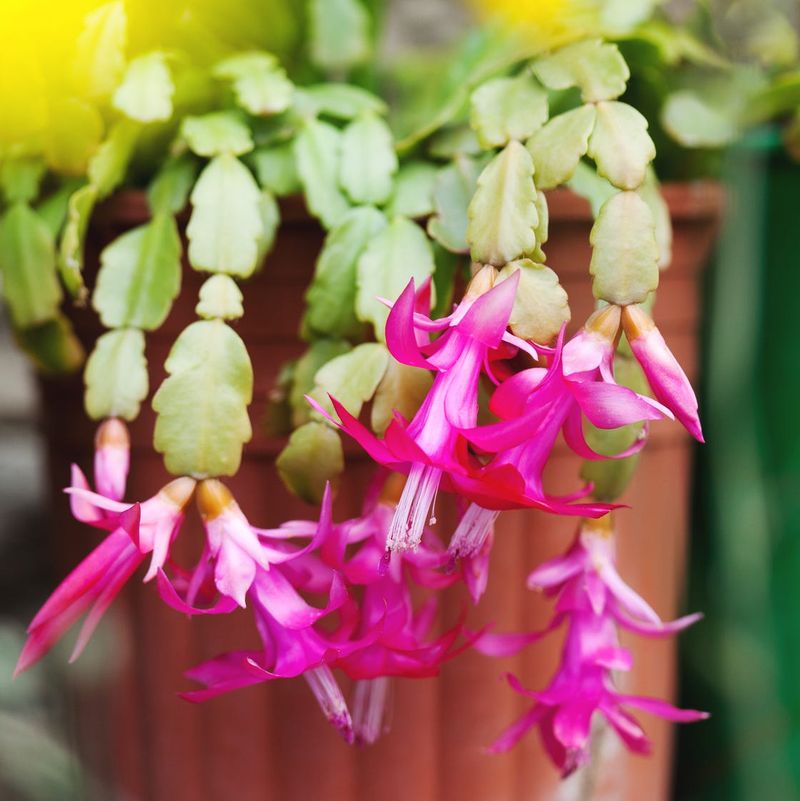
Moody might be the best word for a budding cactus that suddenly gets moved across the house. Big shifts in light or temperature can make the plant drop its buds before they ever open.
Choose your holiday display spot early, ideally before the buds grow larger than small bumps. That way the plant can settle into its new surroundings while the flowers are still in early stages.
Bright, indirect light works best, like a spot near an east window or behind a sheer curtain. Harsh afternoon sun through glass can scorch the stems and turn them reddish or pale in color.
I once moved my blooming plant to the dining table for a holiday dinner, and buds started falling. Lesson learned, so now the plant stays put, and guests come to admire it where it lives.
Watch for drafts from doors that open often, especially during busy weeks with lots of visitors. Cold air rushing in from outside can shock the plant and undo weeks of careful nighttime preparation.
Turning the pot also seems to bother some plants once buds are forming, so resist the urge. If you need to rotate it for even growth, do that long before the buds start showing up.
Patience pays off here more than any special product or clever trick from a store shelf. Leave the plant alone in its bright corner, and it will reward you with color when the time comes.
7. Look For Tiny Pink Buds On Christmas Cactus Stem Tips
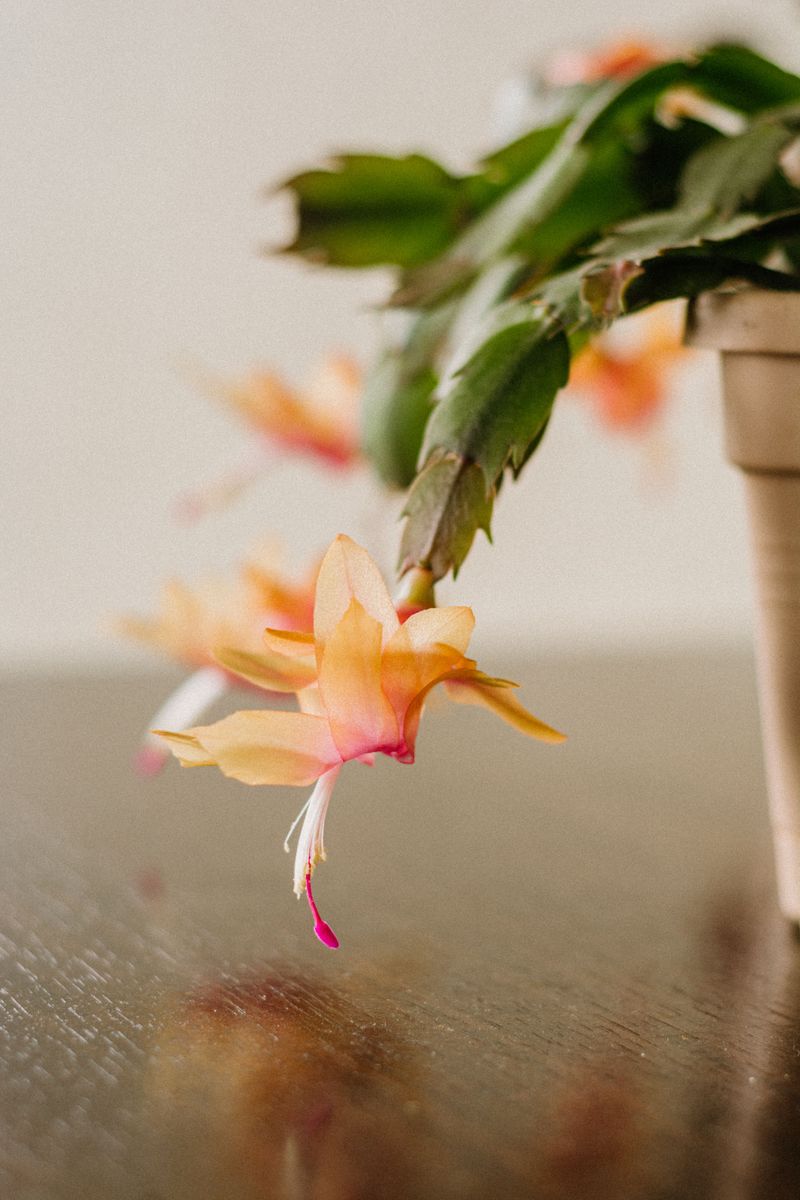
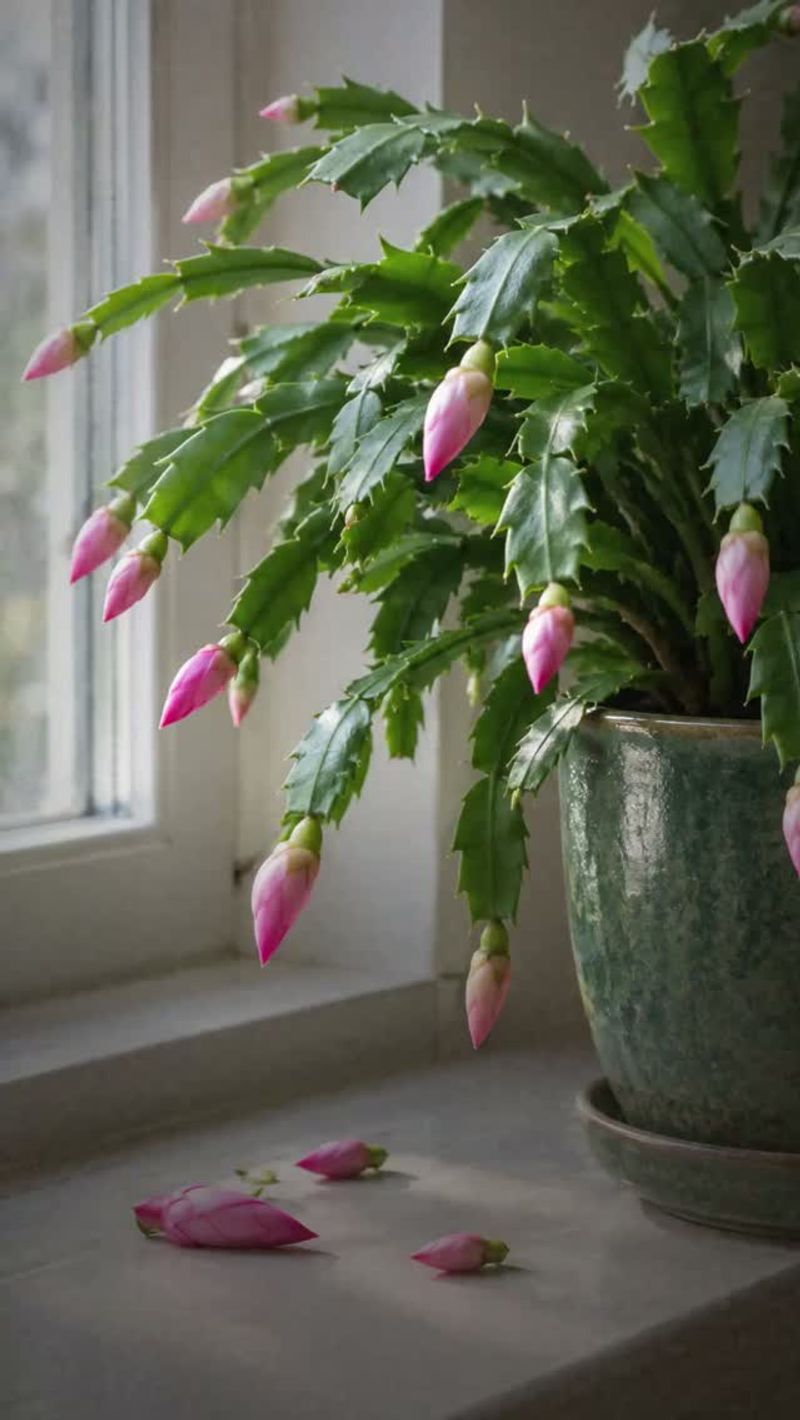
Spotting the first bud feels a little like finding a surprise gift tucked inside your houseplant. They show up as tiny bumps at the very tips of the flat, segmented stems, often reddish or pink.
Checking your plant every few days in November becomes a fun little ritual during chilly mornings. I grab my coffee, lean in close, and count new buds like a kid checking a calendar countdown.
Those early bumps mean your darkness and cool temperature tweaks have done their job well. From that point, buds usually need several weeks to swell, color up, and finally open into blossoms.
Keep your care steady once buds appear, since sudden changes are the biggest reason buds fall off. Light watering, bright daytime light, and a consistent room temperature help the buds stay attached and keep growing.
Some bud drop can still happen, and a few lost buds are not a reason to worry. Plants sometimes shed extra buds they cannot support, especially if the air is dry or the roots are stressed.
A fun detail is that each flower can last several days, and plants often bloom in waves. That means your display may stretch across a few weeks if the plant is healthy and well cared for.
If buds fail to show up by early December, review the lighting and temperature in that room. Small adjustments now can still help, even though blooms may arrive a bit later than you hoped.
8. Check Whether You Own A Thanksgiving Or Christmas Cactus
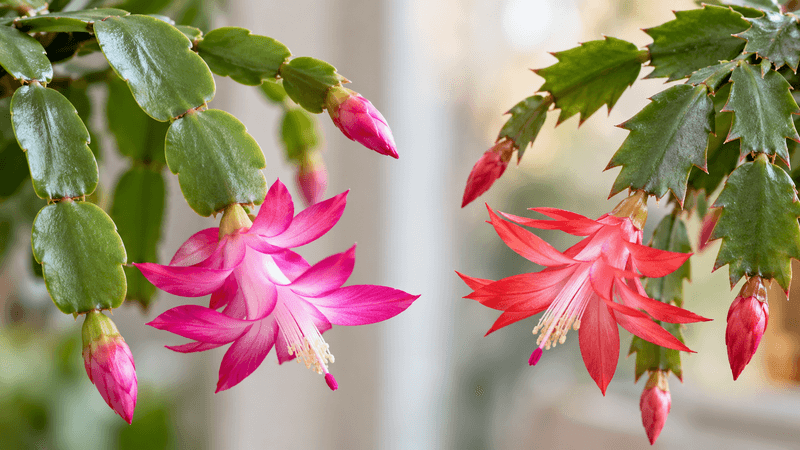
Plot twist, many plants sold as Christmas cactus are actually Thanksgiving cactus with a different bloom schedule. Garden centers often label them loosely, so your holiday plant may have its own ideas about timing.
Thanksgiving cactus, Schlumbergera truncata, has stem segments with pointed, claw-like teeth along the edges. True Christmas cactus, Schlumbergera x buckleyi, has smoother, rounded, scalloped edges on each flat stem segment.
Easter cactus is another cousin with a spring bloom time and bristly stem edges that look different. Checking the leaf shape takes about ten seconds and explains a lot about when your flowers will appear.
I laughed when I realized my so-called Christmas cactus had pointy claws and bloomed in mid November. It was never late at all, and I had simply been expecting the wrong plant to perform.
Thanksgiving cactus often flowers earlier, which means it may already be blooming during the November care routine. True Christmas cactus usually blooms later, closer to December, and benefits most from these steady autumn adjustments.
Both types respond well to long nights, cool rooms, and moderate watering, so the care stays similar. Knowing which one you own simply helps you set realistic hopes for the calendar and enjoy the wait.
Both plants are generally listed as nontoxic to cats and dogs by the ASPCA, which many families appreciate. That makes either one a friendly holiday houseplant for homes in Virginia with curious pets nearby.