8 Ways To Use Fallen Leaves In A Small New York Yard Or Community Garden
Back in 2009, New York banned the old autumn ritual of burning leaves statewide. That smoky smell many grandparents remember is now mostly a memory, and a fine waiting to happen.
So what happens to the crunchy flood that drops from city maples and oaks every single fall? Plenty of it ends up in plastic bags at the curb, which feels like tossing away free groceries.
I used to haul my own bags out every weekend until a gardening friend laughed at me. She pointed at her plump, dark soil and told me the secret had come straight off the sidewalk trees.
You can copy her trick in a tiny Brooklyn backyard or a shared plot across New York. So which of these clever moves will you try first when the next pile lands at your feet?
1. Shredded Leaf Mulch Tucked Around Garden Beds
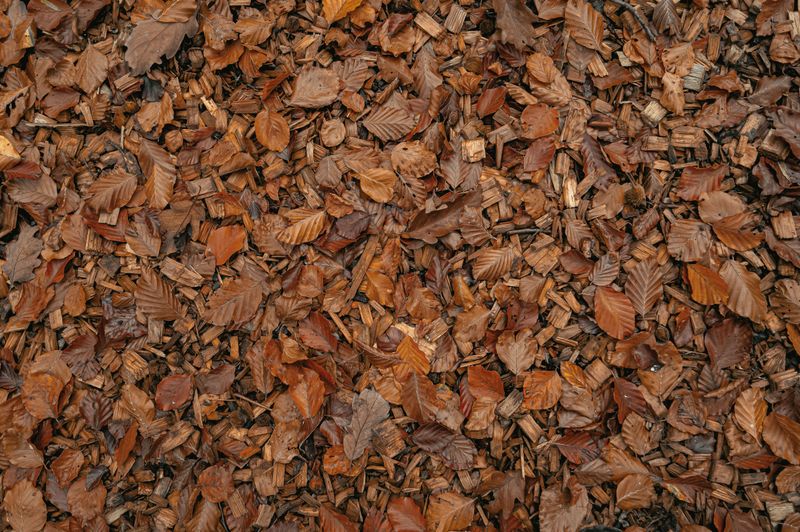
Crunchy oak and maple leaves turn into fluffy confetti once a mower or shredder chews through them. I love how that brown blanket smells like a forest floor after rain when you rake it out.
Shredded pieces matter because whole leaves often mat together into a soggy sheet that blocks water and air. Smaller bits stay loose, so moisture slips through while weeds struggle to push up toward the light.
Spread a layer about two or three inches deep around perennials and shrubs in your small beds. Keep the mulch a few inches away from stems and trunks so rot and rodents have less to enjoy.
Timing helps more than most people expect, especially in a climate with sharp swings between thaw and frost. Many extension experts suggest adding winter mulch after the ground freezes, which keeps soil temperatures steadier until spring.
That steady chill protects roots from heaving out of the soil during those warm January afternoons. I stash bagged leaves behind the shed in November, then spread them once the soil turns hard.
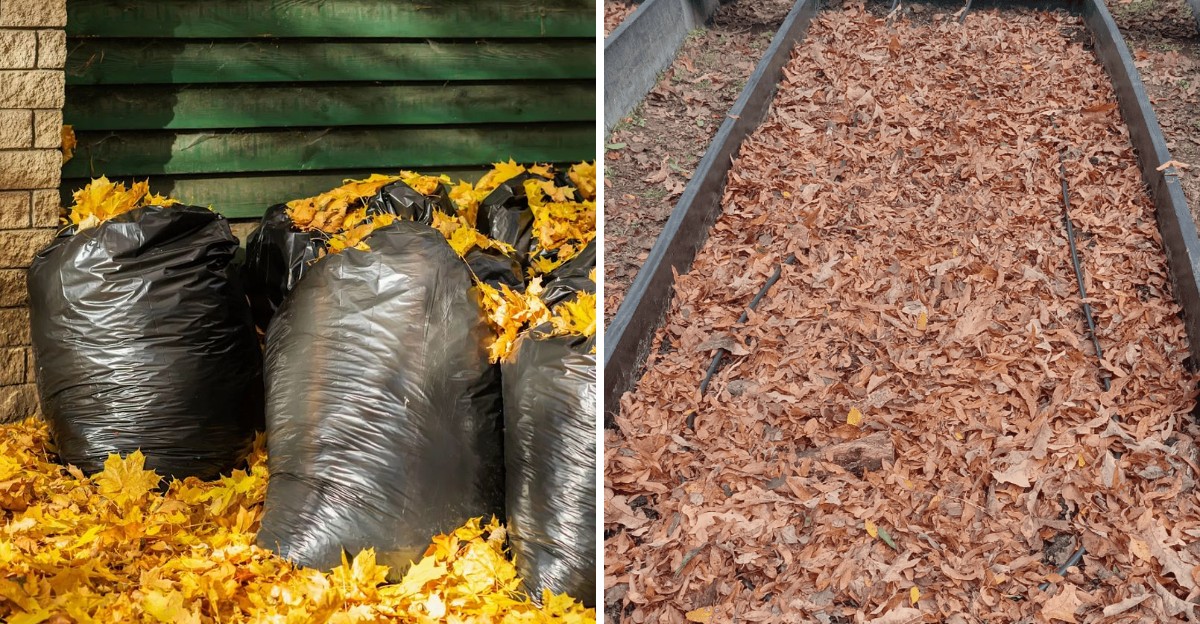
Empty vegetable beds can handle a thicker layer, roughly three to six inches, to shield bare soil. Garlic planted in fall especially appreciates a cozy straw or leaf cover over its cloves through winter.
As the pieces slowly break down, they add organic matter that feeds earthworms and helpful soil microbes. Come spring, simply pull the mulch back from emerging shoots and let the sun warm the ground.
2. Brown Leaves Balancing a Backyard Compost Bin
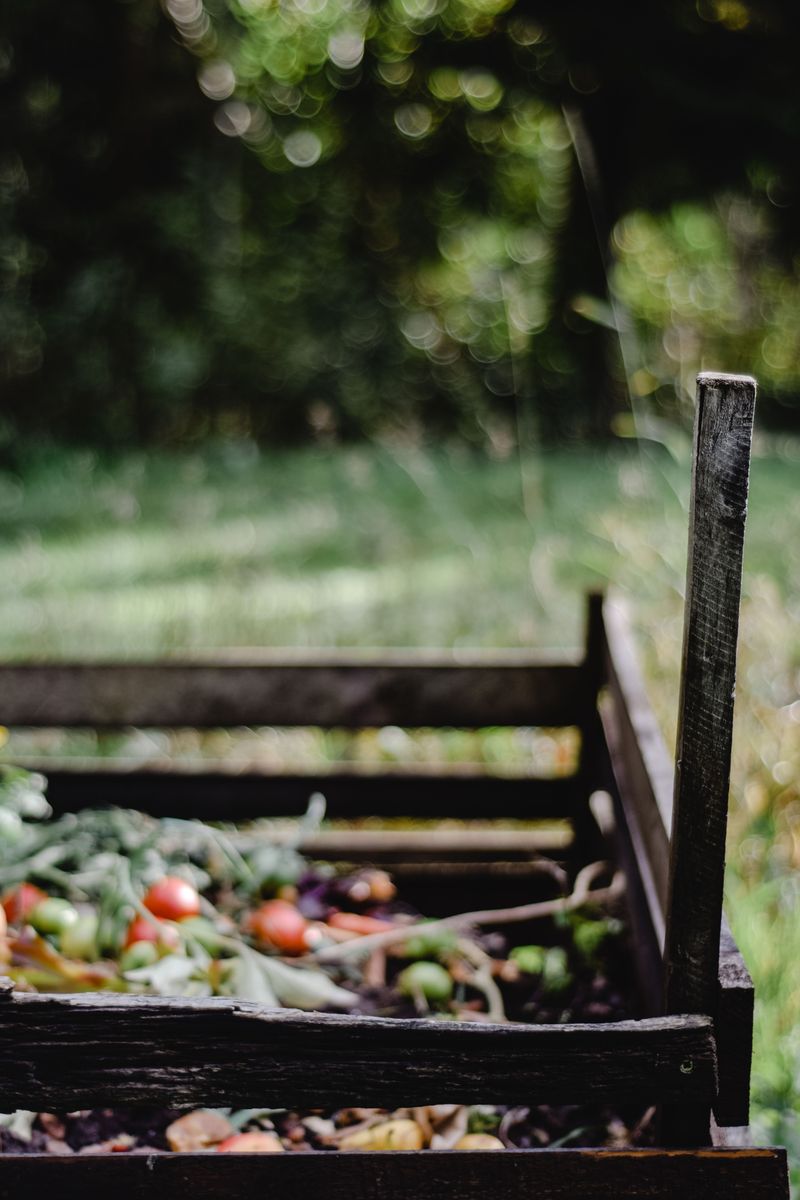
Your compost bin is secretly starving for carbon, and autumn delivers the biggest free shipment of the year. Leaves count as browns, the dry ingredient that balances juicy greens like coffee grounds and vegetable peels.
A pile made only of kitchen scraps tends to turn slimy and smelly within a few short weeks. Mixing in plenty of leaves fixes that, since the carbon soaks up extra moisture and feeds busy microbes.
Many guides suggest roughly two or three parts browns for every one part greens by volume. I eyeball it, tossing a big armful of leaves over each bucket of scraps I carry outside.
Shredding first speeds things up because microbes have far more edges and surfaces to munch on. A few passes with a lawn mower over a dry pile does the job in minutes.
Small yards and community plots do well with a simple wire hoop or a compact rotating tumbler. Keep the pile about as damp as a wrung-out sponge, and turn it every week or two.
Save a few extra bags of dry leaves beside the bin to use through spring and summer. A fresh layer over new scraps hides odors and makes the pile far less tempting to curious critters.
Finished compost looks dark and crumbly and smells like a walk in the woods after a shower. Spread it on beds before planting, and you return those leaves to the soil that grew them.
3. Leaf Mold Piles Slowly Turning Into Rich Soil
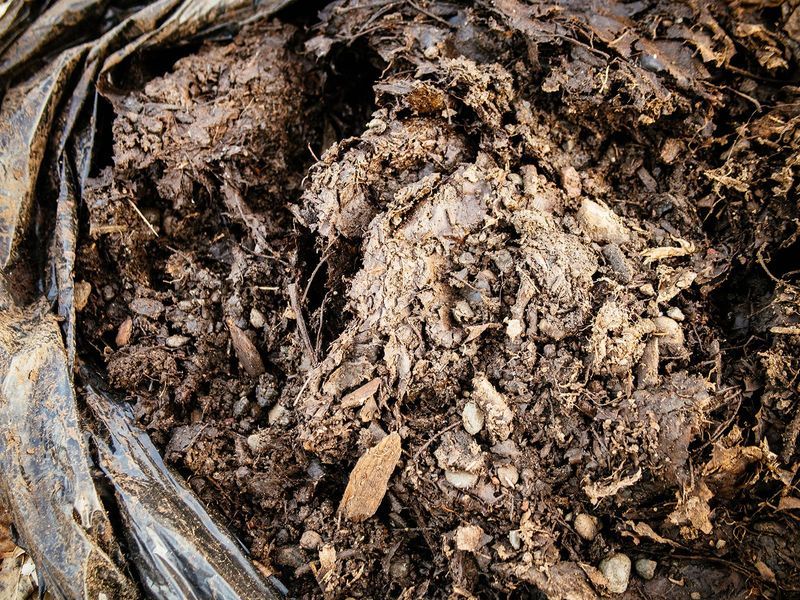
Leaf mold sounds a little gross, yet it ranks among the most treasured soil boosters in old gardening books. Fungi do the work here, slowly softening leaves into a dark, crumbly material that feels like chocolate cake.
Unlike compost, leaf mold needs only leaves and moisture, so it suits busy gardeners with tiny spaces. You skip the careful recipe of greens and browns, and you rarely need to turn anything at all.
Pack damp leaves into a ring of chicken wire, or fill large bags and poke a few holes. Tuck your setup into a shady corner where it stays moist and out of the way.
Patience pays off, since whole leaves can take a year or two to fully break down. Shredded leaves often finish much faster, sometimes in less than a year when the moisture stays steady.
Gardeners prize leaf mold because it holds a remarkable amount of water, much like a kitchen sponge. Mixed into sandy soil, it helps beds stay moist longer during those hot, dry weeks of August.
Heavy clay benefits too, since the spongy texture opens tiny pockets for air and draining water. I also sift it into homemade potting mix for seedlings, and they seem to love it.
Leaf mold carries fewer nutrients than compost, so think of it mainly as a soil conditioner. Pair it with compost or a gentle organic fertilizer when hungry crops like tomatoes need an extra meal.
4. Mulching Mower Chopping Leaves Into the Lawn
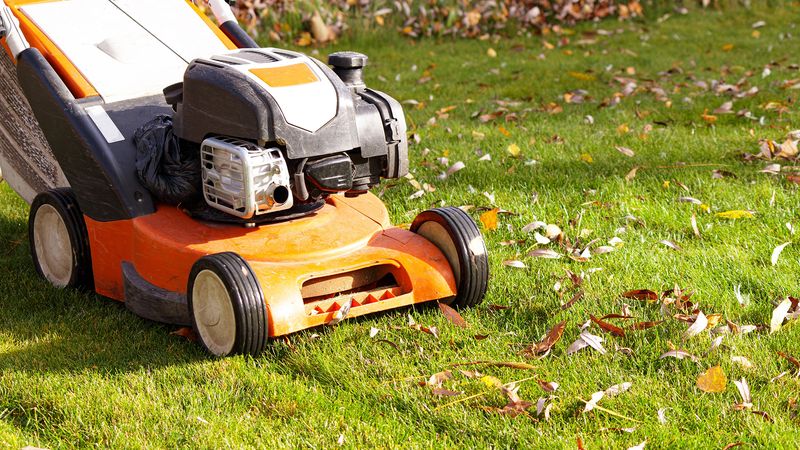
Raking might be the most overrated chore of autumn, at least according to turf scientists in Michigan. Researchers at Michigan State University found that mowing leaves into grass did not harm the lawn.
Some of their test plots even showed fewer dandelions after several seasons of shredded maple leaves. That result surprised me, and it made my old weekend rake feel a lot less important.
The trick is running the mower over dry leaves until the pieces shrink to roughly dime size. Those tiny flakes sift down between grass blades, where worms and microbes quickly pull them into the soil.
Thick layers of whole leaves are a different story, since they can smother grass and invite fungal trouble. Aim to see green blades poking through after you mow, which shows light and air can still reach.
During heavy leaf drop, mowing once or twice a week keeps the job manageable rather than overwhelming. A mulching blade helps, though a regular mower usually works fine with a few extra passes.
Small city lawns are perfect candidates because there is often nowhere handy to store huge piles. You save hours of bagging, and your back will thank you by the time the last oak lets go.
If leaves pile up faster than your mower can handle, rake the extras into beds or compost. Your grass keeps a light dusting, and the rest heads somewhere just as useful for next season.
5. Leaf Litter Corners Where Bumblebees and Fireflies Overwinter
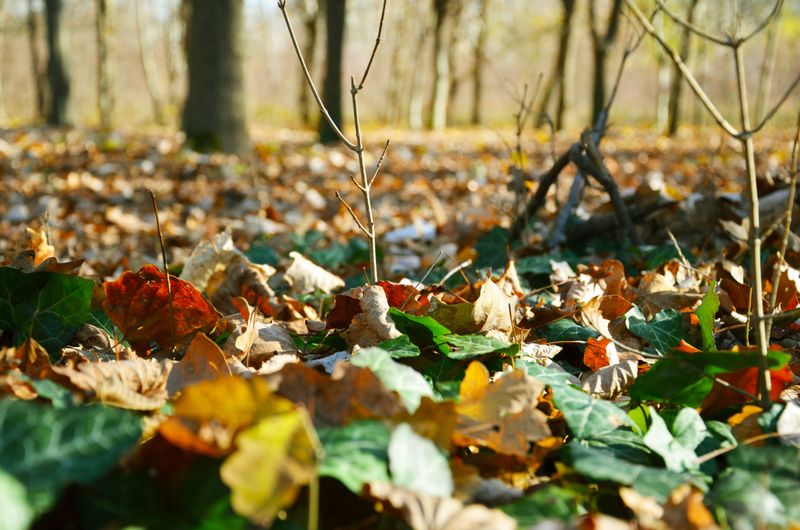
A messy corner of fallen leaves might be the busiest hotel in your whole neighborhood this winter. Under that crunchy roof, all sorts of tiny guests are sleeping through the cold until spring wakes them.
Mated bumblebee queens dig shallow burrows just below the soil surface, and leaf litter helps insulate them. Many moths and butterflies spend the colder months snugly hidden in leaves as caterpillars or chrysalises.
Firefly larvae are another fan, hunting snails and worms in damp leaf litter for much of their lives. I like knowing that summer sparkle in my yard may start with a pile I chose to skip.
You do not need to leave the whole yard shaggy to make a real difference for wildlife. Pick an out-of-the-way spot under a shrub or along a fence and let leaves stay put.
In community gardens, ask fellow members to agree on a small habitat strip near the edge. A simple sign explaining the purpose keeps tidy volunteers from bagging it up during cleanup day.
Come late winter, robins and sparrows often flip through leaf piles searching for insects and seeds. Watching them scratch around like busy little chickens has become one of my favorite cold-weather shows.
Hold off on clearing that corner until daytime temperatures stay reliably mild, often by mid spring in the region. Your sleeping guests then have time to wake up and wander off before the rake comes out.
6. Bags of Leaves Insulating Potted Plants and Root Crops
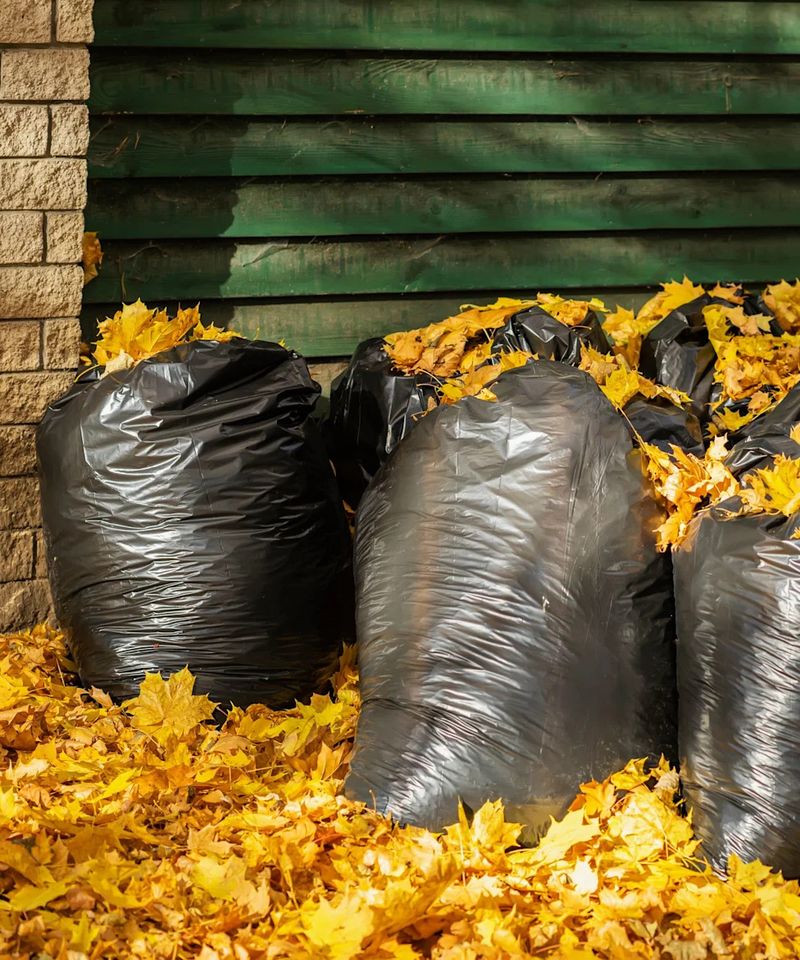
Plants in pots feel winter more harshly than their cousins in the ground, because cold air hits every side. Roots in a container lack the deep, steady warmth of soil, so they can freeze much faster.
Leaves make cheap insulation for this problem, and you probably have a pile within a few steps. Cluster your pots together against a sheltered wall, then pack loose leaves around and between them.
Another clever trick uses plastic bags stuffed with dry leaves as puffy walls around a pot group. I line mine up snugly on my small patio, and the whole setup looks oddly cozy all winter.
Root crops benefit too, since carrots and parsnips can often stay in the soil well into winter. A thick leaf blanket, often around a foot deep, helps keep the ground soft enough for easy digging.
Parsnips even taste sweeter after frost, since cold weather encourages them to convert starch into sugar. Pulling one from under a crunchy leaf pile in January honestly feels like finding buried treasure.
Mark your rows with tall stakes before the leaves go down, or you may forget where everything grows. Snow can also hide the spot, so a bright ribbon on each stake makes searching much easier.
Tender perennials near the edge of their hardiness range also appreciate a loose leaf collar after the ground freezes. Remove the cover gradually in spring once hard frosts pass, so new growth does not get a shock.
7. Shredded Leaves Dug Into Raised Bed Soil
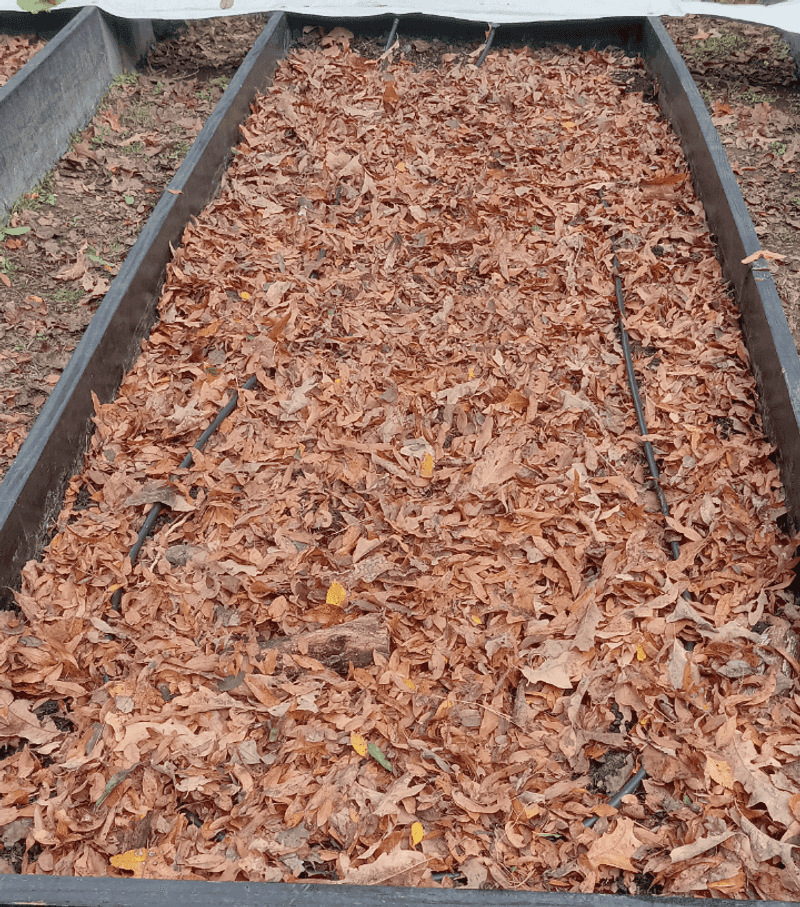
Compacted city soil can feel like brick, and shredded leaves are one of the easiest ways to soften it. Working them straight into empty beds is a form of in-place composting, and it happens right where plants grow.
Fall is the best time for this, since the leaves have all winter to break down quietly. By spring planting, much of that material has softened into darker, crumblier soil that roots can explore.
Spread a few inches of shredded leaves over the bed, then mix them into the top several inches. A garden fork works well for this, and it is gentler on soil life than heavy tilling.
Earthworms show up quickly to feast, leaving behind castings that improve structure and fertility over time. I counted more worms in my raised bed after one season of leaves than in the previous three years.
Heavy clay gains tiny air pockets, so water drains better and roots push through with less struggle. Sandy soil benefits differently, since the extra organic matter helps hold moisture that would otherwise slip away.
One caution matters if you work leaves in shortly before planting in spring rather than in fall. Fresh leaves can borrow nitrogen from the soil as they decay, which may leave young plants looking pale.
Adding a nitrogen source like composted manure or a little blood meal helps balance that temporary dip. For community plots in New York, this trick turns a bare autumn bed into a richer home next year.
8. Leaf Covered Pathways Between Community Garden Beds

Muddy paths between garden beds can turn a quick watering trip into a messy slip and slide. A thick carpet of shredded leaves fixes that problem and gives the whole plot a cozy woodland look.
Shredding matters here even more than elsewhere, since whole wet leaves can become surprisingly slippery under boots. Smaller pieces knit together into a firm, springy surface that mostly stays put during windy autumn afternoons.
Lay down cardboard first if weeds are a big problem, then pile four to six inches of leaves on top. The cardboard blocks light while the leaves hold it in place and hide the brown boxes nicely.
Paths also get stomped constantly, which means leaves there break down quickly into soft, dark crumbs. Every spring, I rake that rich path material onto neighboring beds and lay fresh leaves on the walkway again.
Community gardens in particular benefit, since many members share paths and nobody wants to buy wood chips. A collective leaf drive in late fall can stock enough material for every walkway in the plot.
New York City gardens can also tap programs like the NYC Compost Project for advice on handling leaves. Check with your garden coordinator, since some sites set rules about where leaf piles may sit.
Leaf paths look a little rustic, but I find that charm suits a vegetable garden far better than concrete. Refresh them whenever bare soil peeks through, and your boots will stay much cleaner all season long.