The Virginia Watering Habit That Helps Christmas Cactus Bloom by Christmas
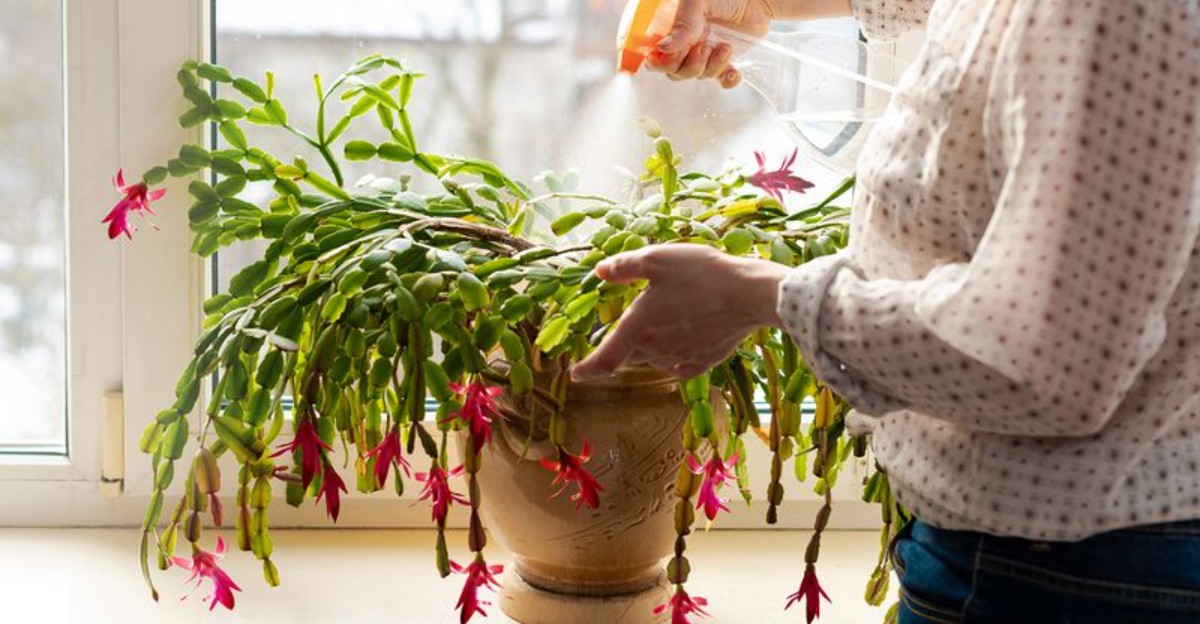
A rainforest plant that grows on tree branches is a popular holiday gift in America. It hails from the coastal mountains of Brazil, where it clings to bark instead of soil.
I was surprised to learn how much its flowers depend on a slower fall routine. Shorter days and cooler nights do part of the work. A thirstier pot does the rest.
Here in Virginia, our autumn nights cool down at just the right time. That gives indoor gardeners a natural advantage, if we pay attention.
You might notice your plant looks perfectly content all summer and still refuses to bud by December, even in a sunny Virginia living room.
After I tested a lighter hand with the watering can, my own pot finally cooperated. The change felt almost too simple. So what exactly happens inside that pot when the soil dries a bit between drinks?
That Christmas Cactus Pot Wants a Different Drink Schedule in Fall
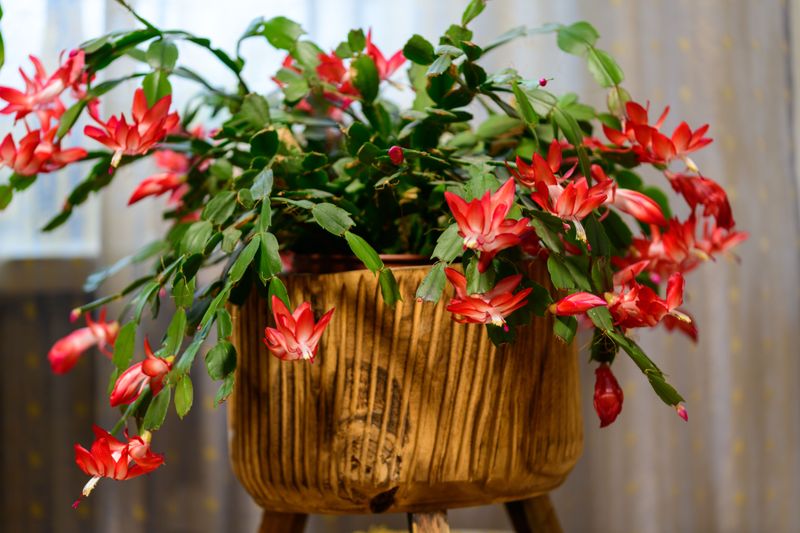
Summer care and fall care look surprisingly different for this plant. During warm months, a Christmas cactus grows new flat green segments and likes steady moisture. Once mid-September or October arrives, that rhythm needs to shift.
Extension horticulturists explain that flower buds form under short days and cool nights. A slightly drier root zone supports that process.
It tells the plant to stop pushing out new leafy growth and start thinking about flowers instead.
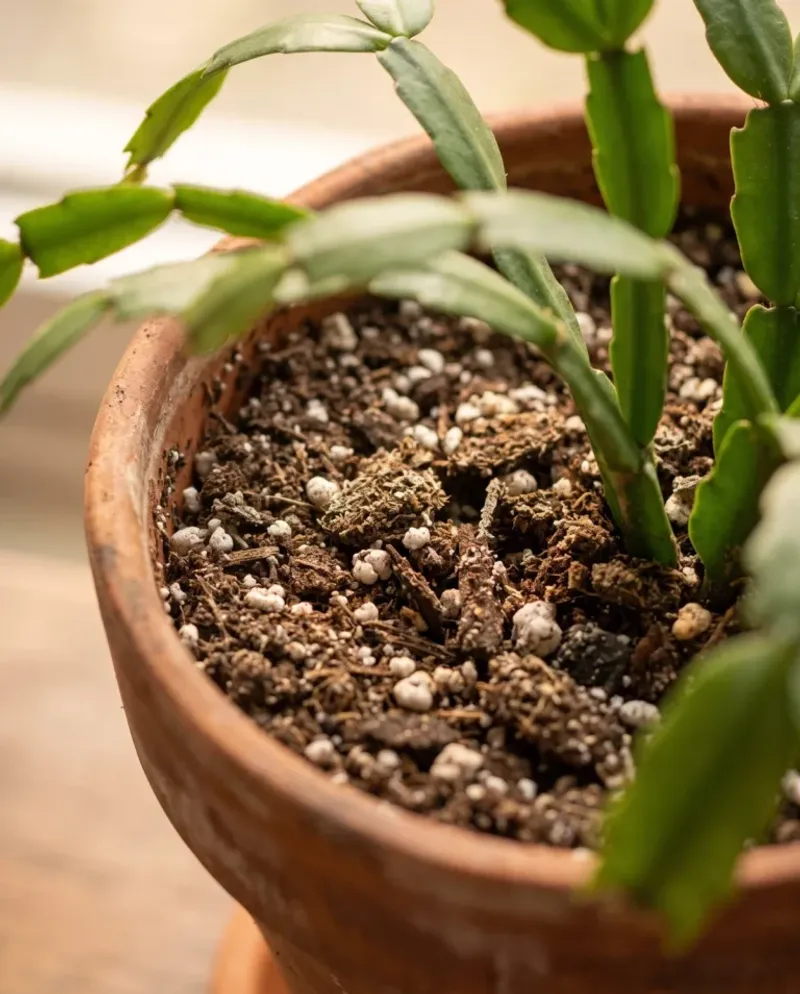
The habit itself is easy. Water less often in fall, and let the top inch or so of soil dry before you water again. You are not starving the plant. You are simply slowing things down.
Think of it as a seasonal signal rather than a setback. In its native Brazilian mountains, the plant grows on trees where rain comes and goes. Roots dry quickly between showers there.
Many gardeners water on autopilot every few days all year. That habit keeps the cactus green and leafy, but it can delay or reduce blooms.
A small change in timing often makes a noticeable difference by December, especially when it lines up with the other cues covered below.
Let the Top Inch of Soil Dry Before You Reach for the Watering Can
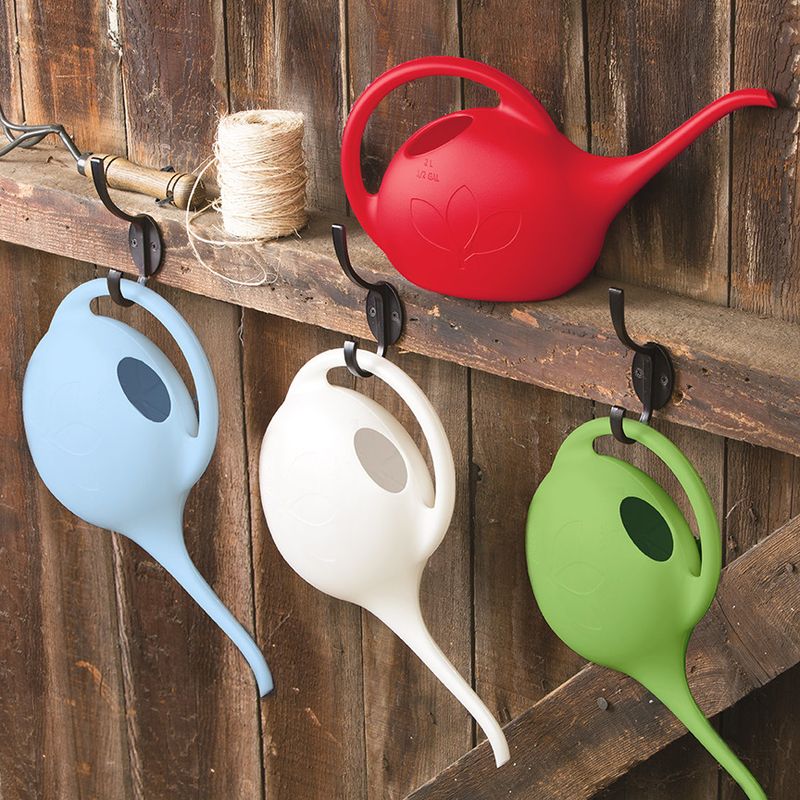
My favorite tool for this job costs nothing. It is my index finger. Push it about an inch into the soil, and you will know right away whether the plant needs a drink.
If the soil feels dry at that depth, water slowly until a little drains from the bottom. If it still feels cool and damp, wait another day or two.
In most Virginia homes during fall, that works out to roughly once every one to two weeks, though every house is different.
Pot type matters too. Terracotta dries faster than plastic or glazed ceramic. A small pot also dries quicker than a large one, so check often instead of guessing.
Always empty the saucer after watering. Standing water around the roots is one of the fastest routes to trouble for this plant.
Try to water in the morning with room-temperature water. Cold tap water can shock the roots a bit, and morning watering gives extra moisture time to evaporate.
A light, thorough soak followed by a dry-down period beats frequent small sips. Small sips keep the surface wet while the deeper roots stay confused.
Long Dark Nights Team Up With Drier Soil to Set Buds
Watering alone rarely does the trick. Light and temperature are the other two partners in this bloom routine.
University extension guidance suggests about 12 to 14 hours of uninterrupted darkness each night for roughly six weeks. Cool nights between about 50 and 65 degrees also help.
In fact, temperatures around 50 to 55 degrees can trigger buds even without strict darkness.
Indoor lighting causes more problems than people expect. A lamp in the living room or a glowing television can interrupt the dark period. A spare bedroom or a quiet room with closed blinds often works well.
Fall in Virginia gives gardeners a handy shortcut. Some folks leave the plant on a sheltered porch in September and early October while nights stay above freezing. That natural chill can kickstart the process nicely.
Bring it inside before frost, though. Temperatures near freezing can harm the tender segments.
Mountain areas in the western part of the state cool off much sooner than Tidewater, so watch your local forecast.
Start this routine in mid-September or early October for December flowers. Late starts often lead to January blooms instead.
Soggy Roots Can Turn Healthy Segments Limp and Pale
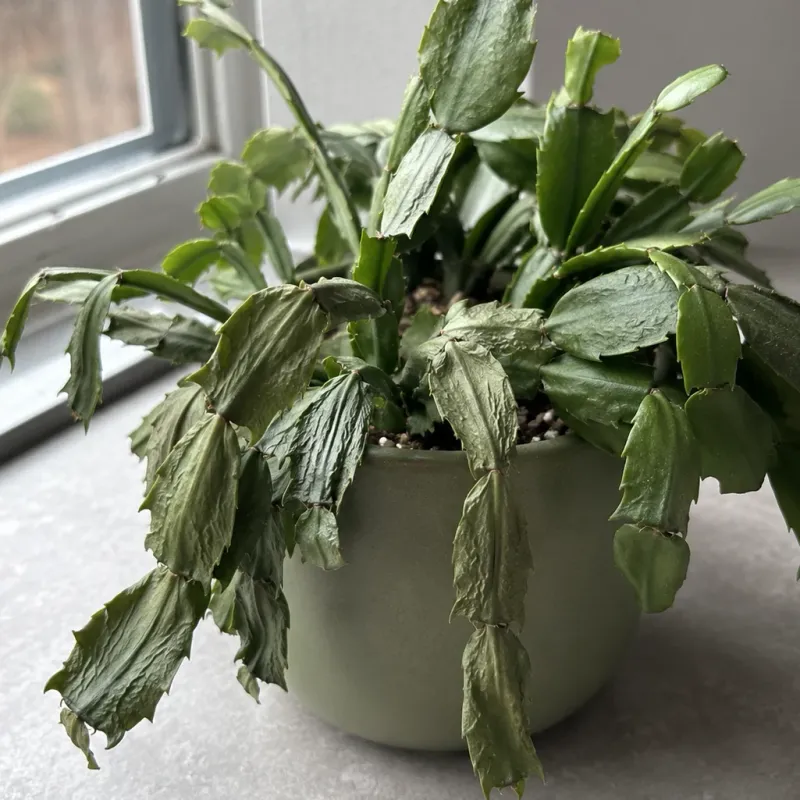
Overwatering causes more Christmas cactus trouble than almost anything else. The roots of this plant evolved to grab moisture and then breathe in airy, loose material.
Wet, heavy soil pushes out that air. Roots begin to rot, and the plant can no longer move water upward.
Oddly enough, the segments may look wrinkled and thirsty even though the pot is soaked. Watch for these signs: Limp or droopy segments that do not perk up after watering. Dark, mushy spots near the soil line. A sour smell coming from the pot.
If you spot these problems, stop watering and let the pot dry well. Gently slide the plant out and check the roots. Healthy roots look white or tan, while rotten ones look brown and soft.
Trim away damaged roots with clean scissors and repot in fresh, fast-draining mix. A blend made for cacti or succulents, with some added bark or perlite, works nicely.
Healthy segments can also be rooted as cuttings if the base is badly damaged. That simple backup plan has saved more than one family heirloom plant.
Bone-Dry Pots Make Flower Buds Drop Too
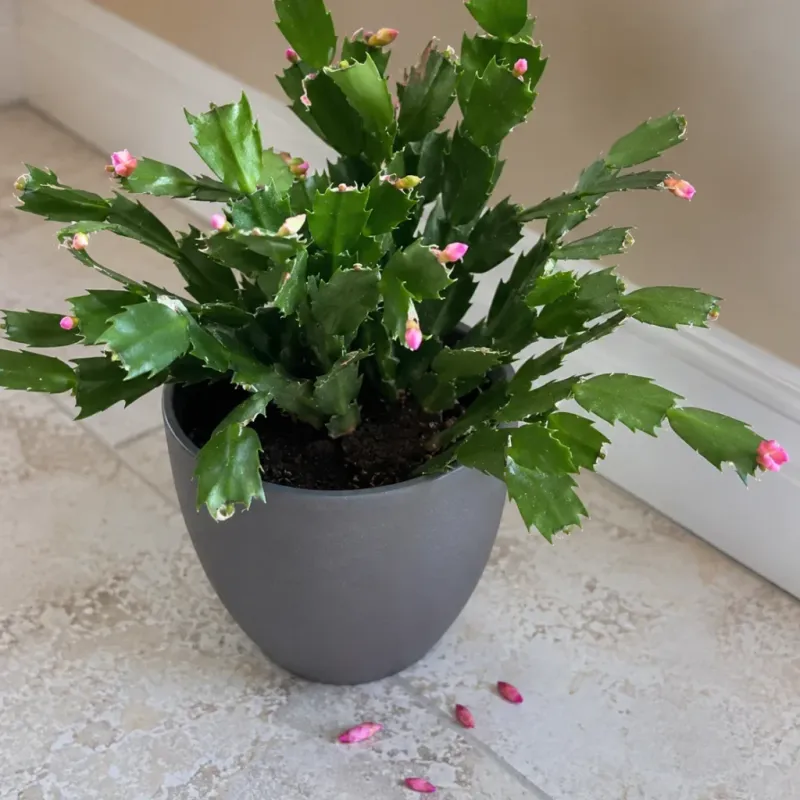
Going too far the other way creates its own headache. A drier fall routine is helpful, but a pot left parched for weeks can stress the plant. Stressed plants often drop buds.
Bud drop frustrates gardeners more than almost any other issue. You see tiny pink or red tips forming, then one morning they are scattered on the table.
Uneven moisture is a common cause. Swinging between soaked soil and cracked, dusty soil confuses the plant. Aim for steady habits, not extremes.
A good target in fall is soil that stays barely moist below the surface. The top layer can dry, but the deeper root area should not turn powdery. If the pot feels unusually light when you lift it, it probably needs water.
Lifting the pot is a smart habit to build. After a few weeks, you learn how a watered pot feels compared with a thirsty one.
Other bud drop triggers include sudden temperature changes, drafts, and moving the plant around. Keeping water consistent removes one big stress, which gives those buds a better chance to open.
Once Pink Buds Appear, Give the Plant a Little More Water
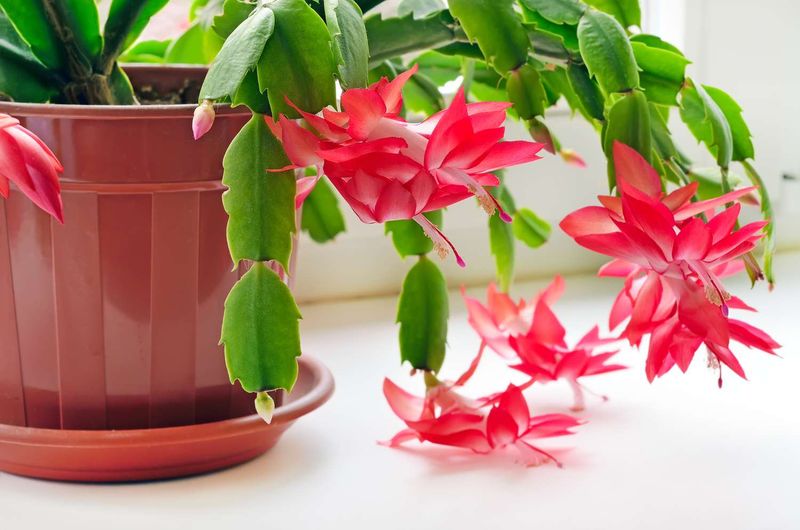
Spotting the first buds feels like a small holiday gift. Those little bumps at the tips of the segments mean the hard part is over.
Now the watering routine changes again. Developing flowers use more moisture, so you can return to a steadier schedule. Water when the surface feels dry to the touch, and keep the soil lightly and evenly moist.
Drainage still matters just as much as before. Empty the saucer every time, and do not let the pot sit in water.
Try not to move the plant once buds form. I learned this one the hard way after shifting a pot to a sunnier table. Half the buds dropped within a week.
Bright, indirect light suits the plant well now. Keep it away from heat vents, fireplaces, and drafty doors. Those spots can dry out buds quickly.
You can also stop the long-night routine at this stage. Normal room lighting is fine once buds are clearly visible.
With steady care, blooms usually open over several weeks. A healthy plant can stay in flower well into the new year.
Winter Furnace Air Can Shrivel Christmas Cactus Blooms
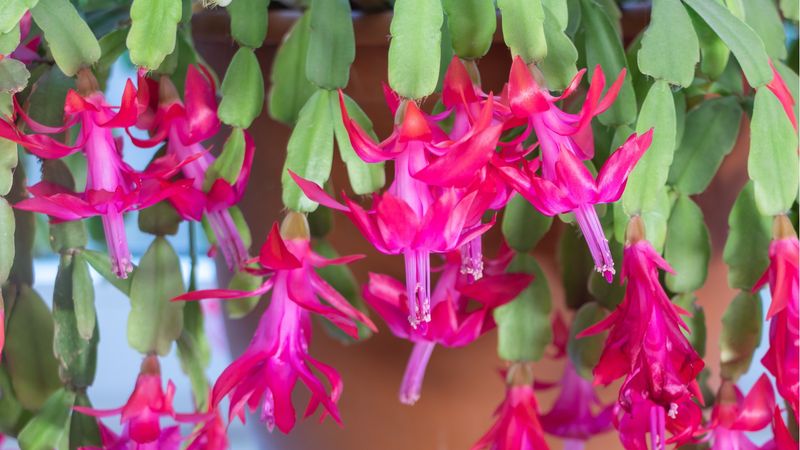
Fun fact for curious gardeners: Christmas cactus is an epiphyte, much like many orchids. In the wild, it lives in humid mountain forests, not dry deserts.
That background explains why indoor heating can cause trouble. When furnaces kick on across Virginia in late fall, indoor humidity often drops quite low. Dry air can shrivel buds and shorten bloom life.
A pebble tray is an easy fix. Fill a shallow tray with pebbles, add water just below the top of the stones, and set the pot on top. As water evaporates, it raises humidity around the plant.
Grouping houseplants together also helps. Plants release moisture through their leaves, creating a slightly damper pocket of air.
A small room humidifier works well if your home gets very dry. Many experts suggest keeping humidity around 50 percent for comfortable plant growth.
Misting is less helpful than people think. The water evaporates within minutes, so the effect fades fast.
Humidity is not a replacement for proper watering. It works alongside your soil routine, giving buds an easier time as they swell and open.
Rest the Christmas Cactus After Blooms Fade, Then Repeat the Routine
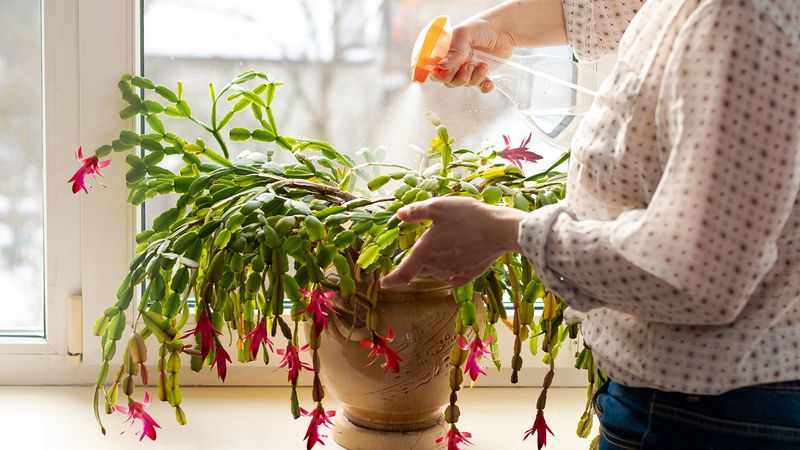
Here comes the satisfying part. A well-cared-for Christmas cactus can live for decades, and some families pass plants down through generations.
After flowers fade in winter, give the plant a short rest. Keep watering on the light side for about six weeks while growth slows. Hold off on fertilizer during this quiet stretch.
Spring is the best time for a light trim. Pinch or twist off a few segments to encourage a fuller, bushier shape. Those pieces root easily in damp potting mix, so you can share them with friends.
From spring through summer, return to regular watering and feed with a balanced houseplant fertilizer about once a month. Many gardeners move their pots outdoors to a shady porch once nights stay warm.
Bright shade works best, since strong afternoon sun can redden or scorch the segments. Then, as September cools, start the cycle again. Cut back on water, give long nights, and enjoy cooler air.
Write your fall start date on a calendar. That small reminder helps turn one lucky bloom season into a dependable holiday tradition year after year.