Most Texas Gardeners Don’t Realize What Squirrels Do For Their Yards
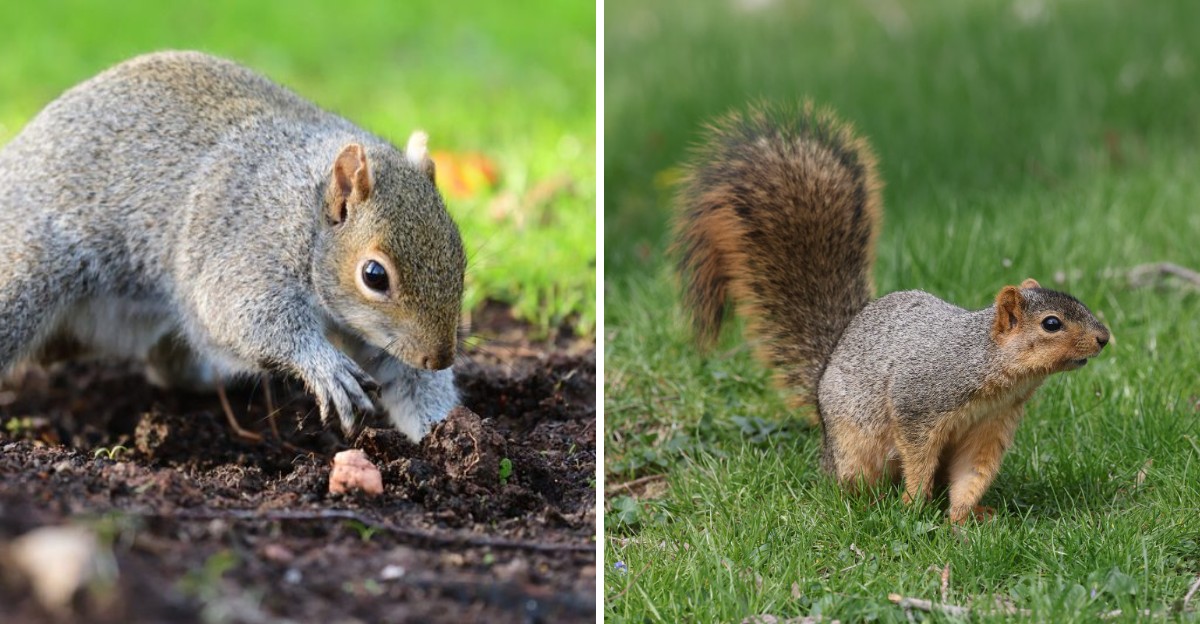
A single furry backyard gardener can bury several thousand acorns and pecans across one Texas fall season. Plenty of those buried snacks get forgotten, and some of them quietly sprout into young trees by spring.
I have to admit, I once blamed this bushy-tailed digger for every little hole in my flower beds. Then I learned those little holes help rainwater soak deeper, and my grudge started fading pretty quickly.
You might notice these acrobats chasing each other along fences, yet miss the quiet work they do daily. Their busy routines reach far beyond the bird feeder, quietly touching soil and trees across Texas neighborhoods.
Personally, I think every gardener deserves to know what these furry neighbors are really up to out there.
1. Fox Squirrels Plant Oak And Pecan Trees
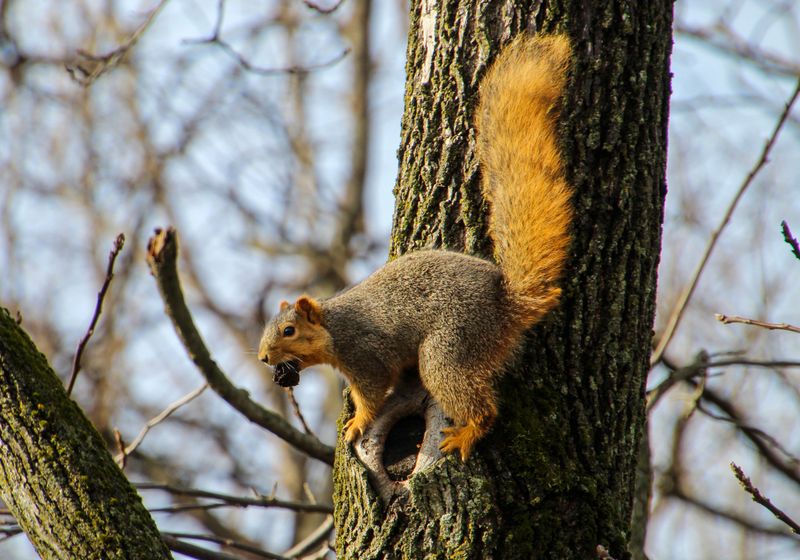
Some of the biggest oaks in your neighborhood may have started as an acorn a squirrel simply forgot about. I love that a snack hidden decades ago can turn into shade over a backyard picnic table today.
Fox squirrels and gray squirrels are scatter hoarders, which means they bury nuts one at a time in many spots.
That habit spreads seeds far from the parent tree, where young seedlings face less crowding and more sunlight.
Researchers who study tree squirrels have found that a share of buried nuts goes unrecovered each year.
Those leftovers are the ones that sprout, especially acorns tucked about an inch under leaf litter.
Pecans and walnuts get the same treatment, so many native nut trees benefit from this quiet planting service. In my yard, little oak seedlings pop up in flower beds most springs, right where the digging happened.
You can decide which volunteers stay, since a mature oak needs plenty of room away from foundations. Gently pull unwanted seedlings while they are small, because older taproots grip the soil surprisingly hard.
To encourage keepers, leave a lightly mulched corner where sprouting seedlings can grow without the mower passing over.
Native choices like live oak and bur oak suit much of the state and support hundreds of insect species.
A healthy oak feeds caterpillars, which in turn feed nesting songbirds through the busy spring season. Not bad for a forgetful critter with a bushy tail and a serious nut habit, right?
2. Digging Squirrels Loosen Compacted Yard Soil
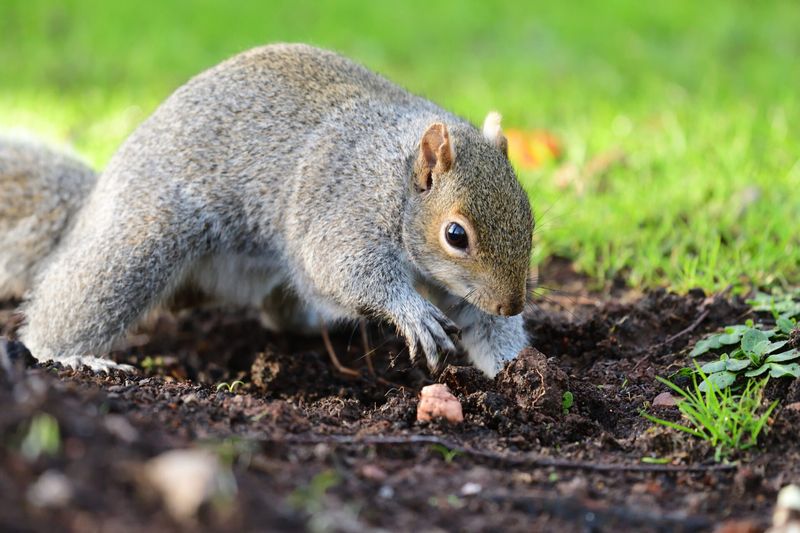
Every tiny hole a squirrel digs is like a mini core aeration job you did not have to pay for. Sure, those divots look messy, but they let air and rain slip past the hard crust on top.
Many yards across the state sit on heavy clay that packs down tight after summer heat and foot traffic. Water often runs off packed clay instead of soaking in, which leaves grass roots thirsty and shallow.
Squirrel digging is small scale, so it will not replace real aeration on a large lawn by itself. Still, those scattered pockets help water and organic matter reach a bit deeper into the root zone.
Buried acorns and leaf bits also break down over time, adding a little organic material back into the ground. Earthworms and soil microbes appreciate that extra food, and healthy soil life usually means sturdier plants.
I have learned to rake the loose soil back into place instead of grumbling at every fresh hole. A quick pass with a rake takes seconds and keeps the lawn looking neat for passing neighbors.
If they keep digging up newly planted bulbs, lay chicken wire over the bed and cover it with mulch. That simple trick protects your bulbs while letting the squirrels dig freely in less precious parts of the yard.
For tougher clay, pair their efforts with fall or spring core aeration and a thin layer of compost. Together, your work and theirs can slowly turn stubborn ground into soil that drinks rain more easily.
3. Squirrels Spread Helpful Mushroom Spores Around Trees
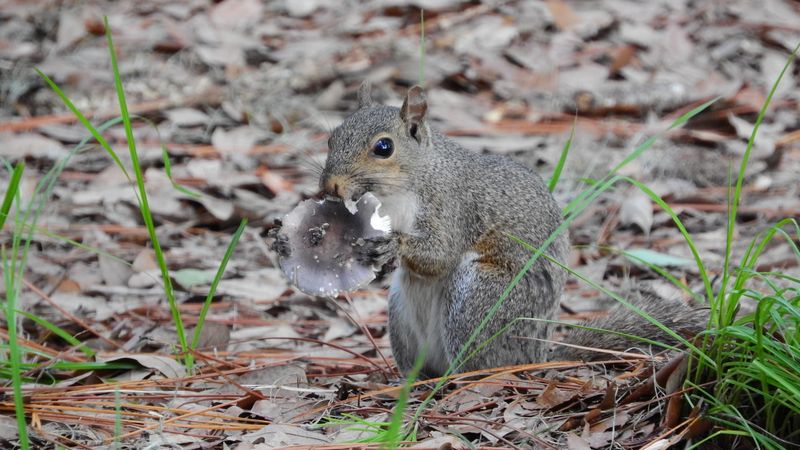
Mushrooms might be the last thing you expect on a squirrel menu, but they eat them quite happily. Tree squirrels nibble on many wild fungi, including underground truffle-like fungi that grow near tree roots.
Many of these fungi are mycorrhizal, meaning they partner with tree roots to trade nutrients and water.
Oaks and pines lean heavily on these partnerships, especially when soil is poor or summer rain is scarce.
Spores from eaten fungi can survive the trip through a squirrel’s gut and come out ready to grow.
Scientists have documented this spore spreading in several squirrel species, with flying squirrels getting special attention in research.
Southern flying squirrels live in wooded parts of East Texas, though most people rarely spot them. They glide quietly between trees at night, so their fungus snacking happens while most of us are asleep.
Personally, I find it amazing that an animal this small helps build underground networks that feed giant trees. You cannot see the benefit right away, but young oaks often grow better with the right fungal partners.
Before you rush to rake up every backyard mushroom, remember that many are harmless decomposers doing useful work.
Keep pets and kids away from wild mushrooms, though, since some species can make them seriously sick.
Skipping heavy fungicide use around established trees gives these helpful soil fungi a better chance to thrive. Leaving some leaf litter under trees also helps, because fungi love that cool and damp layer of cover.
4. Hungry Squirrels Snack On Garden Insects
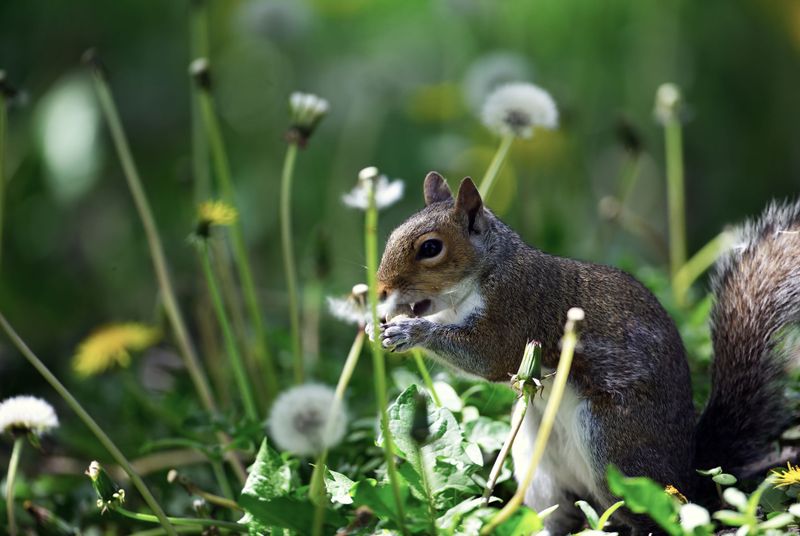
Nuts get all the fame, but plenty of squirrels happily crunch on beetles and caterpillars when they get the chance. I once watched one pluck a fat grub from loose mulch and eat it like a tiny burrito.
Tree squirrels are mostly plant eaters, so insects make up a modest part of their overall diet. Ground squirrels are a different story, and some species eat a surprising amount of insect prey.
The Mexican ground squirrel, found in western and southern Texas, feeds heavily on insects during warmer months.
Grasshoppers and beetle larvae are common targets, which can help ease pressure on nearby grasses and garden plants.
Squirrels will not solve a major pest outbreak, so keep your expectations realistic and your eyes on plants.
Think of them as one helpful member of a larger team that includes birds, lizards, toads, and beneficial insects.
You can support that team by easing up on broad-spectrum insecticides that harm helpful creatures along with pests. Spot treating only the problem plants keeps more natural hunters active and fed in your yard.
A shallow water dish placed near shrubs gives squirrels and birds a reason to linger and forage nearby. Refresh the water every couple of days to keep mosquitoes from using it as a nursery.
I enjoy watching them flip leaves and poke around mulch on summer mornings, hunting for a protein boost.
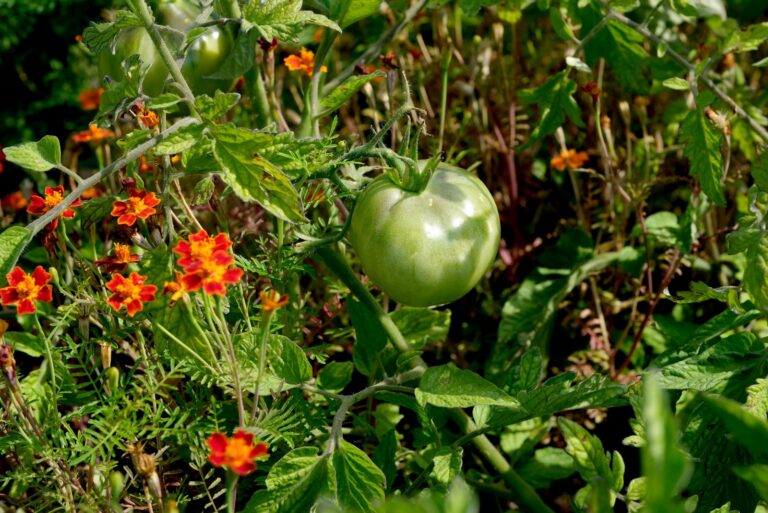
It feels good knowing some of those crunchy snacks were bugs that might have chewed my tomato plants.
5. Hawks And Owls Count On Squirrels For Dinner
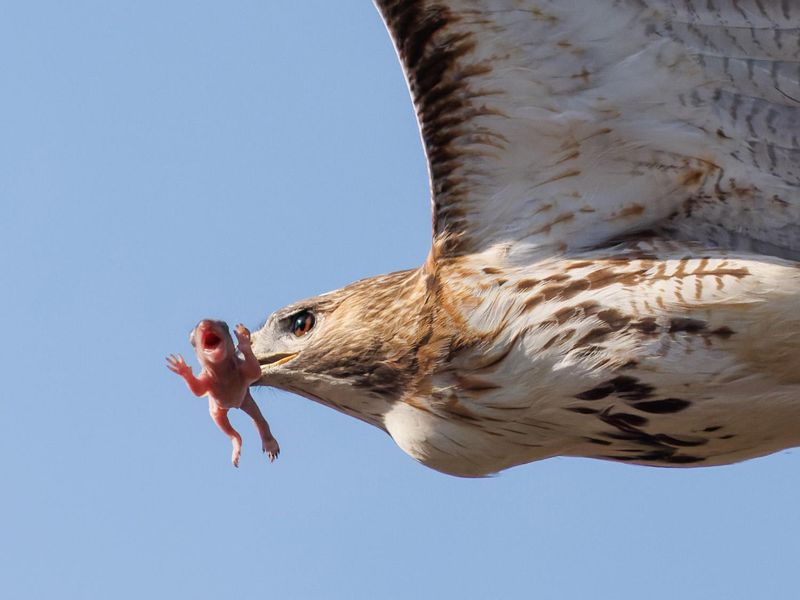
A red-tailed hawk perched on a light pole is often watching for one thing, and it has a fluffy tail. That dramatic moment reminds me that squirrels hold a key spot near the middle of the backyard food web.
Red-tailed hawks and great horned owls both hunt squirrels, and these raptors are common across much of the state.
On the ground, bobcats and gray foxes also take squirrels whenever an easy chance comes along.
Rat snakes can climb trees and raid nests, so even young squirrels play a part in feeding wildlife. Without plenty of prey animals, those predators would struggle to raise their own young each spring.
I know it can feel sad to watch, but predators help keep squirrel numbers in check naturally. Balanced numbers mean fewer squirrels chewing on attic wiring or stripping bark from your favorite young trees.
You can welcome these hunters by keeping some tall trees and open sightlines where raptors can scan for prey.
Please skip rodent poisons, since hawks and owls can become sick after eating animals that swallowed the bait.
Owl nest boxes are another fun project, and barn owls often move into well placed boxes in open areas. Check local guidance for box size and height before mounting one on a sturdy pole or tall tree.
Personally, I love spotting a hawk overhead, because it tells me my yard supports more than pretty flowers. Every squirrel scampering along the fence line is part of that bigger wild story playing out nearby.
6. Old Squirrel Nests And Burrows Shelter Other Wildlife
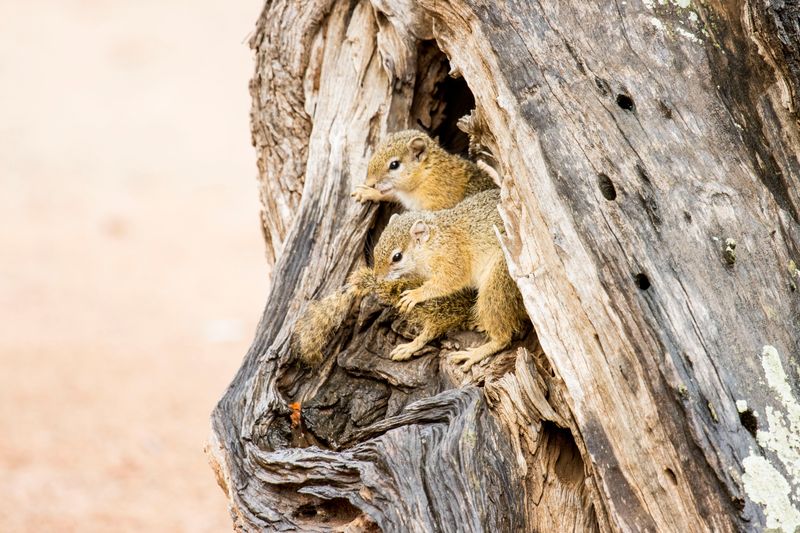
That messy ball of leaves high in your pecan tree is called a drey, and it is surprisingly sturdy. Squirrels weave twigs and leaves into a waterproof outer shell, then line the inside with soft shredded material.
Many squirrels also use tree cavities, especially old woodpecker holes, for raising babies during colder weather. When a family moves on, those cozy spaces can become shelter for other small creatures looking for cover.
Insects and spiders often settle into abandoned leaf nests, turning them into tiny hideouts high above the yard.
Cavities that squirrels have cleaned out may later attract screech owls, which hunt insects and mice at night.
Ground squirrels dig burrows, and burrowing owls in West Texas commonly move into old burrows dug by other animals. Those little owls rarely dig their own homes there, so ready-made tunnels are a real gift to them.
In your own yard, keeping a few mature trees standing gives squirrels and their future tenants good homes.
Hollow limbs that pose no safety risk can stay, though an arborist should check anything hanging over roofs.
Try to schedule big tree trimming outside of late winter and summer, when many squirrels have babies tucked inside nests.
A quick look into the canopy before cutting can save everyone a stressful surprise and a frantic rescue call.
Leaving brush piles in a back corner can add even more shelter for lizards and wintering birds. I like thinking of my yard as an apartment complex where squirrels quietly handle much of the construction.
7. Busy Squirrels Signal A Healthy Wildlife Yard
Whenever I see a squirrel stash a pecan, I take it as a little thumbs up for my yard. Squirrels need mature trees and steady food, so their presence hints that your landscape is doing plenty right.
Their planting and spore spreading ripple outward, supporting plants and animals well beyond the squirrels themselves.
More native trees mean more caterpillars, and more caterpillars mean more food for nesting birds each spring.
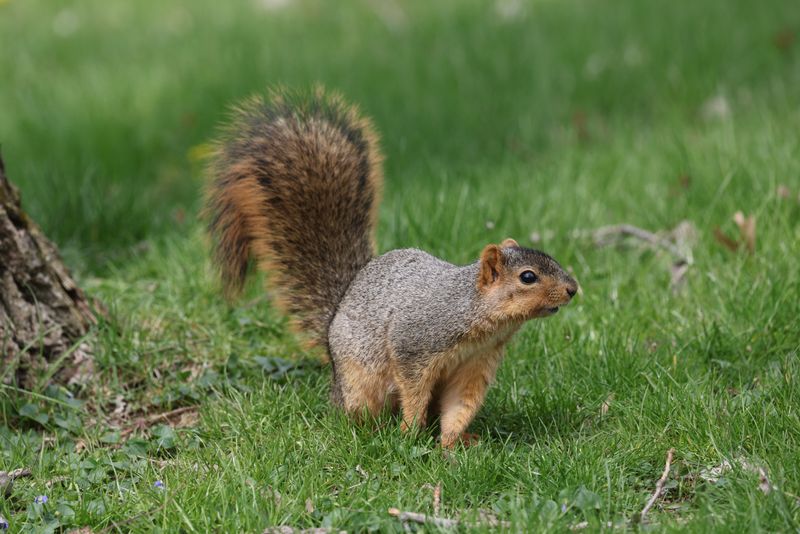
Texas has several native squirrel species, including the eastern fox squirrel, which is the one most yards host. Its rusty orange belly makes it easy to recognize as it bounces across lawns and fences.
To keep things balanced, plant a mix of native trees such as live oak and cedar elm where space allows. Those trees offer food and nesting spots while handling local heat better than many imported options.
Avoid feeding squirrels heavily, because extra food can draw large crowds that start chewing on outdoor furniture.
Baffles on bird feeders and netting over fruit trees help you share space without losing your whole harvest.
Honestly, a few nibbled tomatoes feel like a fair trade for free tree planting and soil loosening services. You might even start cheering for the little diggers instead of chasing them away with a broom.
Next time one scolds you from a branch, give it a nod for all the hidden yard work. Those twitchy tails belong to some of the hardest working neighbors your garden will ever have.