Things You Should Never Do To Your Texas Flower Beds In November
Gardeners in the Panhandle often see their first freeze by late October, while Brownsville may barely see one some winters. That wild spread makes November the trickiest month for flower beds across Texas, and I learned it the hard way.
Cool mornings fool us into thinking the garden has gone to sleep for the whole season. Underground, roots keep growing in the still-warm soil, quietly building strength for a big spring show.
I have to admit my old fall routine involved sharp shears and far too much eager confidence. You might notice the same itch to tidy everything once the summer heat finally breaks for good.
A few well-meant chores this month can quietly undo the spring blooms you worked so hard for. So which common Texas habits deserve a rest before you grab the garden tools again this weekend?
1. Cutting Back Every Coneflower And Seed Head
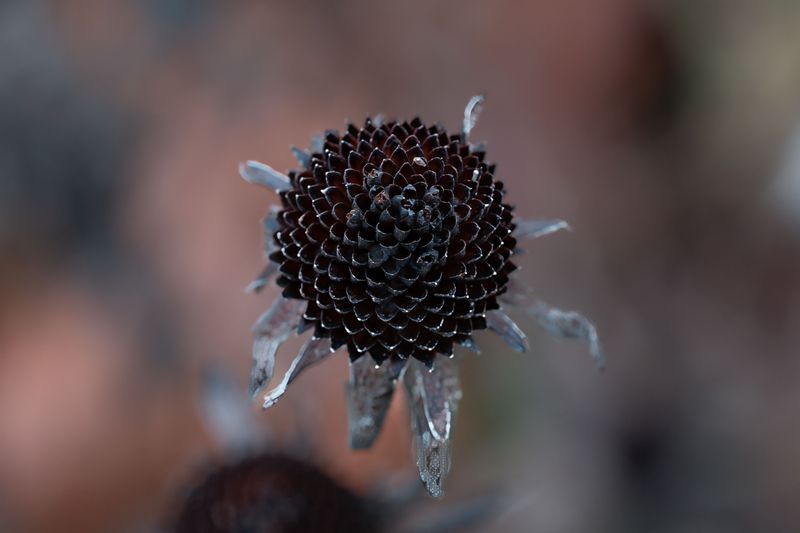
Goldfinches love to perch on purple coneflower heads in late fall, picking out seeds like tiny feathered snack hunters. I grin every time I spot one, and it convinces me to leave those brown stems standing.
Hollow and pithy stems also shelter some native bees, which may spend the cold months tucked inside. Chopping everything to the ground right now evicts these helpers just as they settle in for winter.
Old foliage does a quiet job too, trapping fallen leaves that help shield the plant crown from cold. Bare crowns sit more exposed when a sudden blue norther sweeps through and temperatures plunge overnight.
Fall bloomers like asters and mums are a fair exception once their flowers fade and turn brown. Trim those back if they look messy, but leave the sturdier seed heads elsewhere in the bed.
Black-eyed Susans and little bluestem grass look striking when a light frost coats their seed heads. Personally, I think a winter bed with some texture beats a flat patch of bare mulch any day.
Wait until late winter, around February in many central areas, to cut perennials back for fresh growth. Shrubby bloomers like lantana and esperanza can be trimmed then to a few inches above the soil.
Diseased or broken stems are the one thing worth removing now to keep problems from spreading. Toss them in the trash rather than the compost pile, and let the healthy stems stay put.
2. Heavy Nitrogen Fertilizer Pushes Tender Fall Shoots
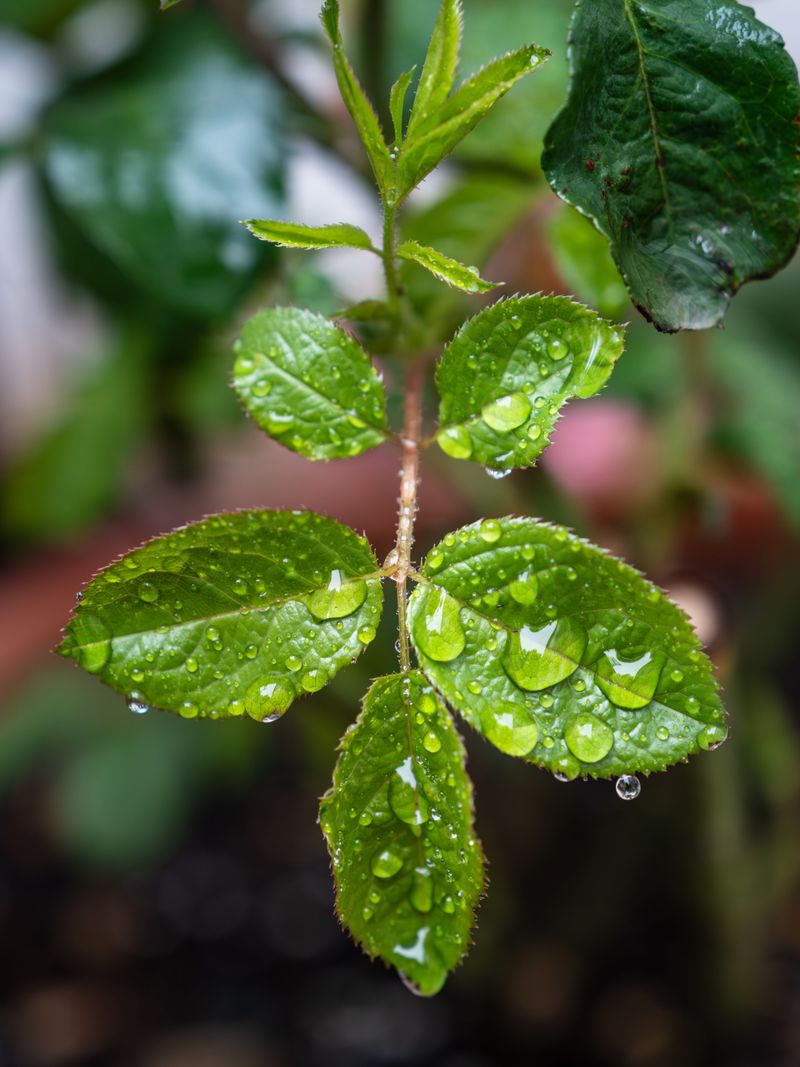
A bag of lawn fertilizer looks like a cheap pick-me-up for tired flower beds after a long summer. Sadly, that quick burst of nitrogen sends plants the wrong message right before the chilly weather arrives.
Nitrogen fuels soft leafy growth, and plants should be slowing their top growth as days get shorter. Fresh tender shoots have little time to toughen up before the first frost nips them hard.
Damaged new growth turns mushy and black after a freeze, leaving the plant weaker heading into spring. I made this mistake once with a row of salvias, and they sulked well into the following April.
Roots, on the other hand, keep working in warm fall soil and benefit from gentle care instead of force. Healthy roots now mean stronger plants that handle summer heat better when it returns next year.
Most experts suggest wrapping up quick-release fertilizer feedings about six to eight weeks before your first frost. That date varies widely here, so check your county extension office for reliable local freeze averages.
A thin layer of finished compost is my favorite swap for synthetic fertilizer at this time of year. It feeds soil microbes slowly, so nutrients trickle out without forcing a flush of fragile leaves.
Cool-season annuals like pansies are the main exception, since they grow and bloom right through winter. Give them a light, balanced feeding at planting, and save the heavy meals for the big spring growth season.
3. Mulch Piled Against Plant Stems Invites Rot
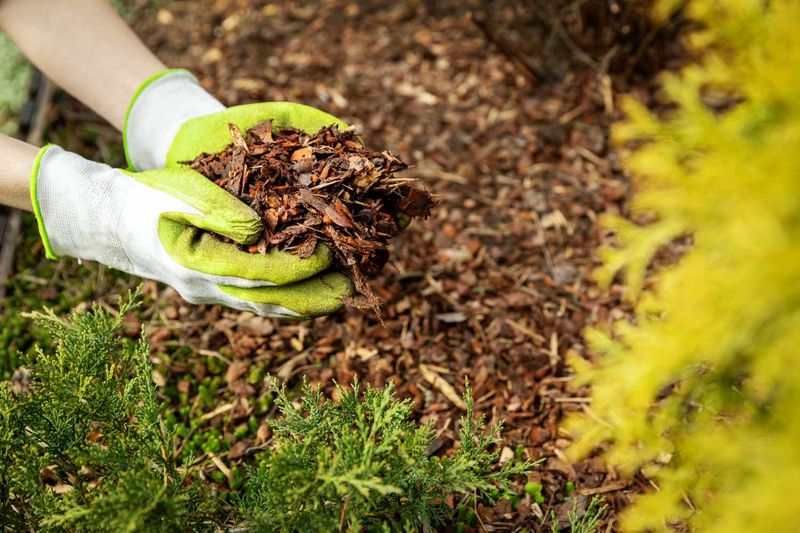
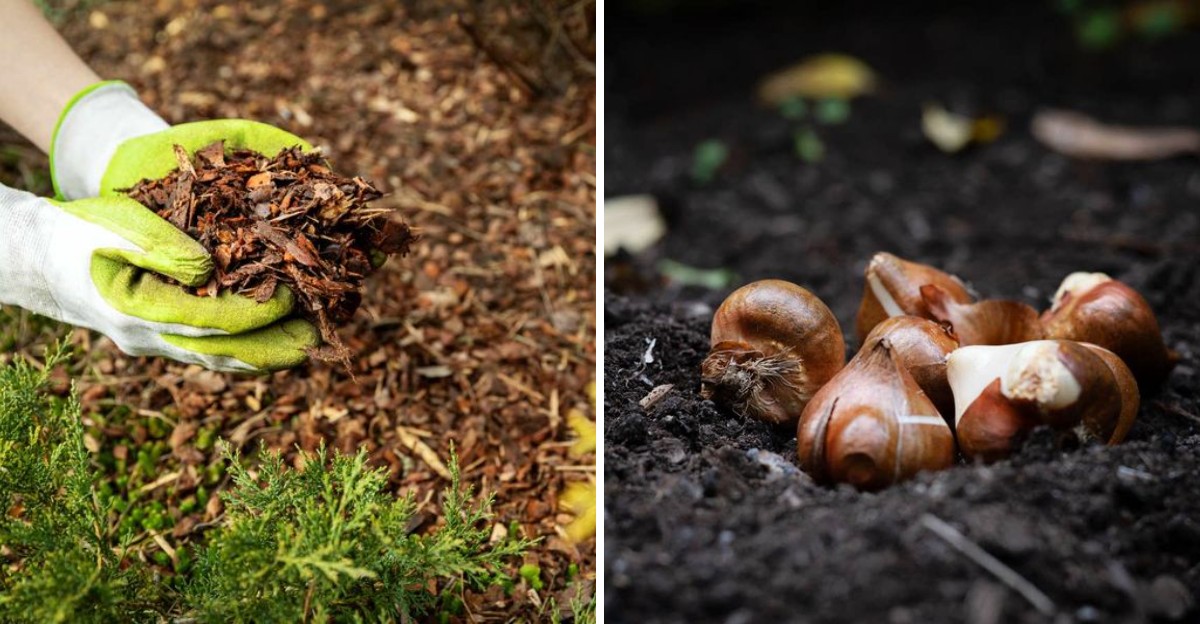
Garden centers sometimes call it a mulch volcano, that tall cone of wood chips heaped against a trunk. It looks tidy from the street, but the bark underneath stays soggy for weeks and starts to rot.
Wet mulch pressed against stems holds moisture right where fungi and hungry insects love to move in. Pull it back several inches from stems and crowns so air can reach the base of each plant.
Depth matters just as much, and two to four inches of mulch is plenty for most flower beds. Anything thicker can keep rainwater from soaking through and may smother the crowns of smaller perennials.
Timing deserves a little thought too, since a thick blanket spread early can hold summer warmth longer. Many gardeners wait until the soil cools noticeably before adding a fresh layer for winter protection.
Water the bed deeply first, because mulch works best at locking in moisture that is already there. Spreading it over bone-dry soil can leave roots thirsty under a layer that looks deceptively comfortable.
Shredded leaves and hardwood mulch both work beautifully, and they break down into rich organic matter over time. I love how my clay beds crumble a little easier each spring after a season under mulch.
Rake old mulch lightly before adding more, since a crusty top layer can shed water like a roof. A quick fluff with a hand rake lets moisture and air move freely down to the roots.
4. Tropical Hibiscus Planted Outdoors Before A Freeze
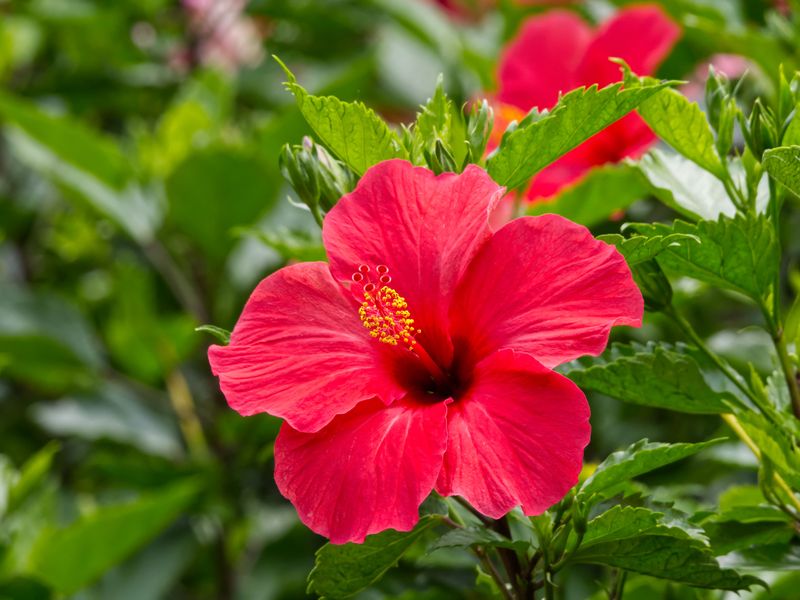
Those dinner-plate blooms on tropical hibiscus look irresistible on a nursery bench in mild November sunshine. Sale tags make them even more tempting, and I confess I have carried a few home myself.
Tropical hibiscus, Hibiscus rosa-sinensis, comes from warm regions and suffers badly when temperatures dip near freezing. Planting one in the ground now gives its roots little time to settle before the first cold snap.
Mandevilla vines fall into the same trap, since they thrive in heat and sulk once nights turn chilly. Both do better in containers you can roll into a garage or sunny room on frosty nights.
Gardeners near the coast and in the Rio Grande Valley have more wiggle room with tender tropical plants. Even there, a rare hard freeze can surprise everyone, as the February 2021 storm proved across the state.
Cool-season annuals make a much smarter choice right now, and most local nurseries stock plenty of them this month. Pansies and snapdragons handle frosty mornings well and keep blooming happily through many mild winter stretches.
Ornamental kale adds bold purple and cream rosettes that actually look brighter after a cold spell. Calendula is another cheerful pick, with sunny orange petals that brighten a sleepy bed on gray winter days.
Save the tropical shopping for spring, once the danger of frost has safely passed in your part of the state. Your wallet and your hibiscus will both thank you when those huge blossoms open in summer.
5. Thirsty Soil Before A Hard Freeze Hurts Roots
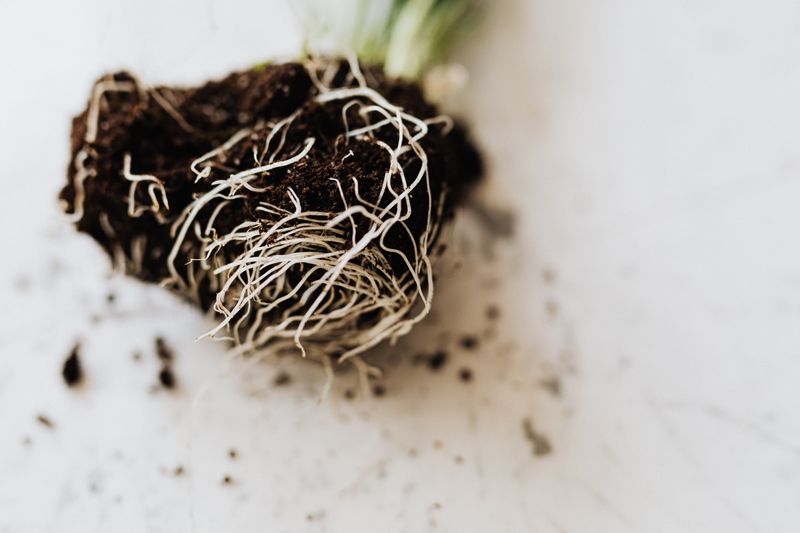
Moist soil holds heat better than dry soil, which surprises a lot of people when they first hear it. That simple bit of physics turns a watering hose into one of your best tools before a freeze.
Fall rain in many regions can be spotty, and dry northern winds pull moisture from leaves and soil. Shutting off irrigation just because the air feels cool can leave beds parched for weeks at a time.
Evergreen shrubs keep losing water through their leaves in winter, so they need a drink during dry spells. Water them deeply a day or two before a predicted freeze, ideally while temperatures are still above freezing.
Too much water causes trouble of its own, especially when cool weather slows how fast soil dries out. Soggy beds invite root rot, and I have watched cheerful pansies collapse after a week of overwatering.
A long screwdriver makes a handy moisture tester that costs nothing and takes seconds to use. Push it into the soil, and if it slides in easily, the bed probably has enough water.
Turn down automatic sprinkler timers this month, since summer settings often deliver far more water than plants need. Many water utilities suggest watering lawns and beds much less often once cooler weather settles in.
Fresh fall plantings deserve a bit more attention until their roots spread out into the surrounding soil. Check them every few days, and water whenever the top inch feels dry to your fingertip.
6. Bagging Every Fallen Oak Leaf From The Beds
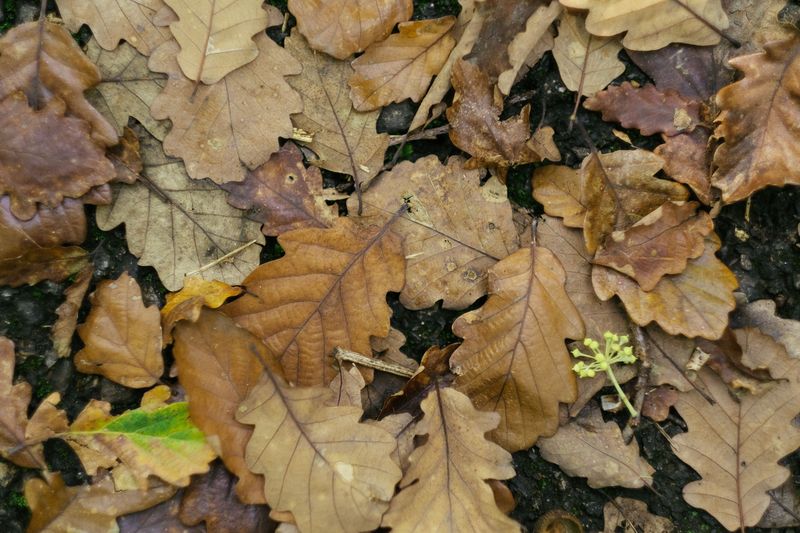
Those crunchy oak leaves drifting into your beds are basically free mulch delivered straight from the sky. Raking every last one into plastic bags sends valuable organic matter to the curb for pickup instead of the garden.
Many moths and some butterflies spend winter in leaf litter, tucked out of sight as eggs or chrysalises. Fireflies also rely on leafy, moist ground where their larvae hunt for small snails and slugs.
Bagging the leaves hauls those future pollinators away before they ever get the chance to emerge in spring. I love knowing my messy corners might hold next year’s butterflies, even if they look a bit scruffy.
Leaves also break down into rich organic matter that improves soil structure and helps it hold moisture. Earthworms pull them underground over winter, and that slow feast works quiet wonders on heavy clay soils.
A thick, soggy mat can cause problems, though, smothering small plants and holding too much water. Run the mower over large piles first, since shredded leaves settle loosely and let air reach the soil.
A layer around two inches deep is usually perfect for tucking around perennials and shrubs in beds. Extra leaves can go straight into the compost pile or a simple wire bin to use next spring.
Leaves from plants with obvious disease problems should be bagged and removed rather than spread around. Healthy leaves, though, belong right back in the garden doing their quiet work through the cool months.
7. Planting Tulip Bulbs Before They Get A Cold Chill
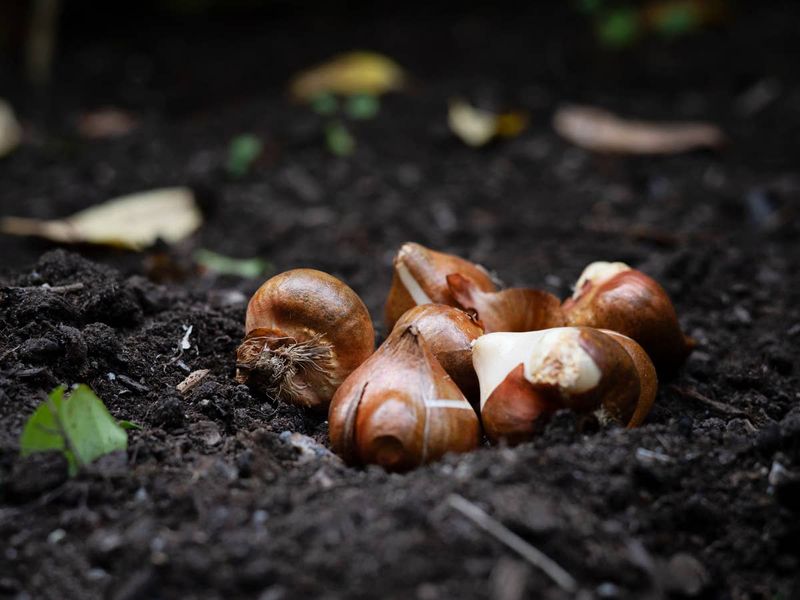
Tulips come from regions with long, cold winters, and mild winters across much of Texas rarely give them enough chill. That explains why tulips planted straight from the bag in fall often send up short, stubby flowers.
Texas A&M AgriLife experts recommend chilling tulip bulbs in the refrigerator for about six to eight weeks first. Then plant them in late December or early January, when the soil has finally cooled down enough.
Keep chilling bulbs away from apples and other ripening fruit, since the ethylene gas can harm flower buds. I use a paper bag labeled in big letters so nobody mistakes them for onions at dinner.
Most gardeners treat tulips as annuals here, since they rarely rebloom well after one warm summer. Enjoy the show for a season, then pull the bulbs and plan fresh ones for next year.
Daffodils are far more forgiving, and many types naturalize happily without any refrigerator time at all. Varieties like ‘Grand Primo’ and ‘Carlton’ are popular picks that come back reliably year after year.
November is also a fine time to scatter bluebonnet seeds, though early fall sowing gives them a head start. Their tough seed coats can delay sprouting, so some seeds may wait a year or more to grow.
Rake seeds lightly into bare soil with good contact, and water them in gently to get things started. By March or April, you could be admiring a bright blue patch that makes the whole neighborhood stop.