The Meaning Behind Seeing More Yellow-Rumped Warblers In Texas Yards This Fall
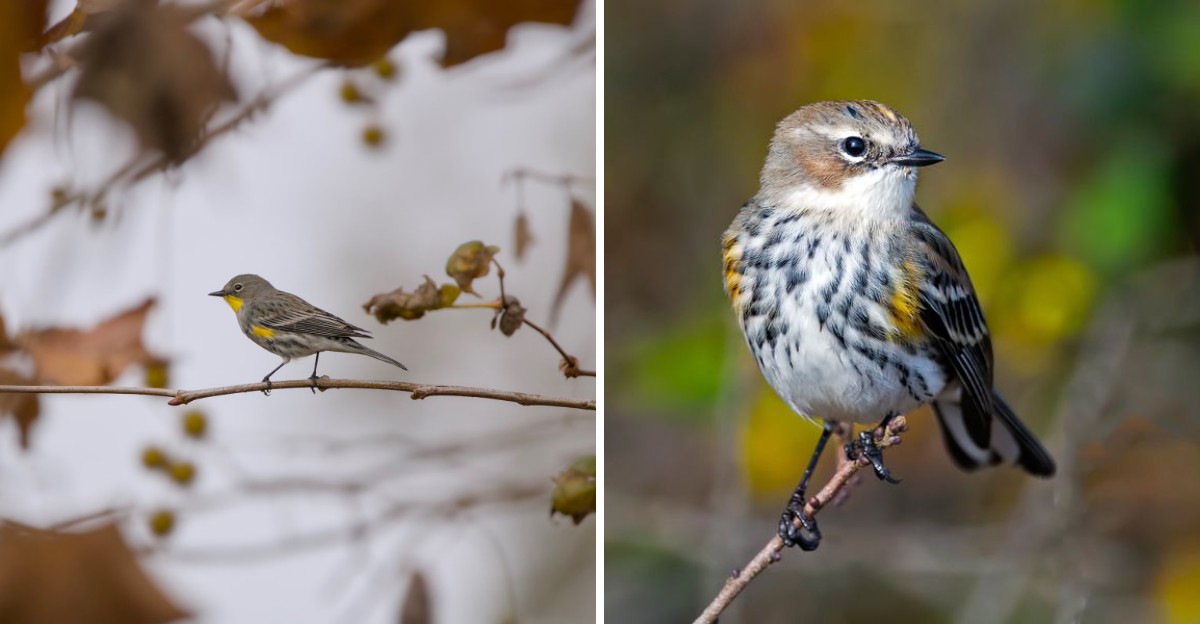
A tiny songbird that weighs about as much as two quarters can digest the waxy coating on bayberries. Most of its relatives cannot handle that tough wax, so they must fly much farther south for winter.
That odd stomach trick lets this little bird linger in places where other warblers rarely spend the cold months. Birders even gave it a silly nickname that points straight at a bright patch of color near its tail.
I love how a quiet fall morning suddenly fills with soft chip notes from the shrubs along my fence line. You might notice small brownish birds flicking between branches, flashing a surprising splash of yellow as they move.
Personally, I think these busy visitors tell us something important about our yards here in Texas each autumn.
1. Those Yellow Rump Patches Mean Butterbutts Have Arrived
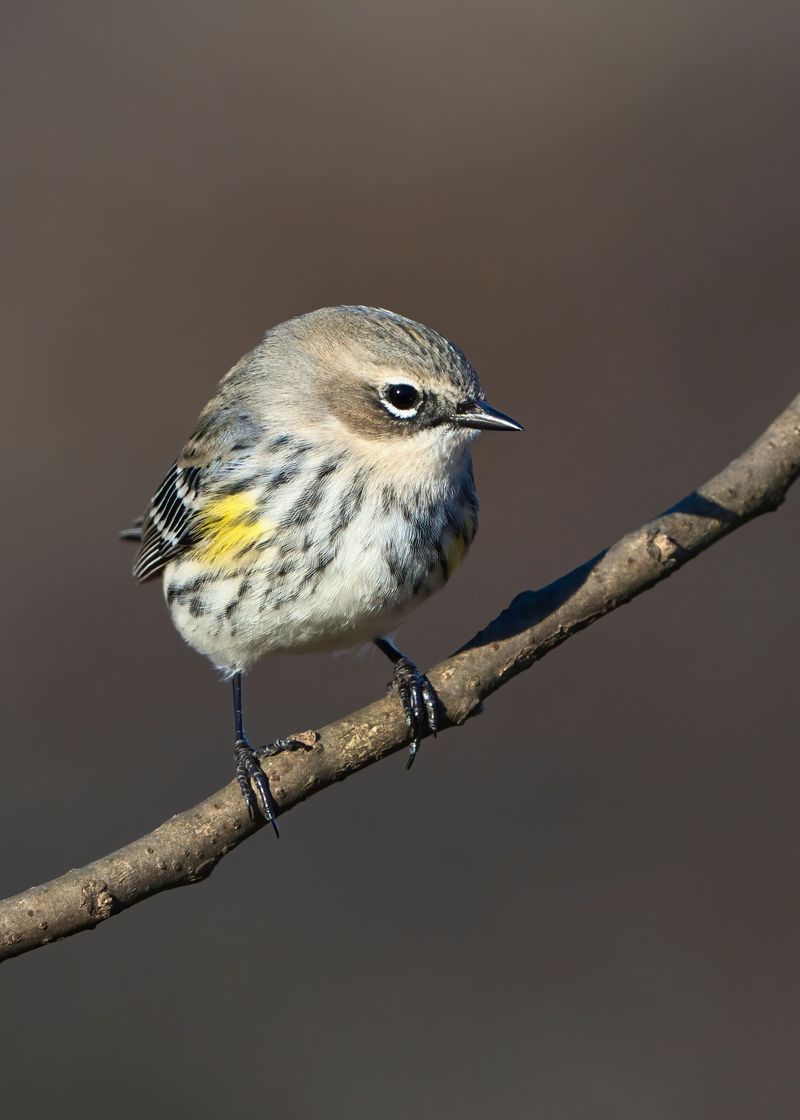
Birders across the country lovingly call this bird the Butterbutt, and one quick look at its tail explains why. A bright yellow patch sits right above the tail, flashing like a tiny porch light whenever it flies.
I have to admit the nickname makes me grin every single time a flock drops into my yard. The official name is Yellow-rumped Warbler, and scientists know it as Setophaga coronata in their field guides.
In fall, these birds look a lot plainer than they do in spring breeding season. Their feathers turn a soft brownish gray with streaks, so you might mistake them for sparrows at first.
Look closer, though, and you can spot small yellow patches on their sides near the wings. That yellow rump stays easy to see, especially when the bird turns away or darts off a branch.
Adult males in spring also show a yellow crown patch, which explains the coronata part of the scientific name. Coronata means crowned, a fitting detail for a bird that carries little gold accents in several spots.
You need a pair of basic binoculars near the kitchen window to enjoy these visitors fully. Watch for the yellow flash as birds fly away, since that rump patch is the most reliable clue.
Listen too, because their sharp check notes often give away the flock before you ever see a feather. Once you learn that sound, you will start noticing these cheerful little visitors on many cool mornings.
2. Fall Migration Brings Warblers Back Right On Schedule
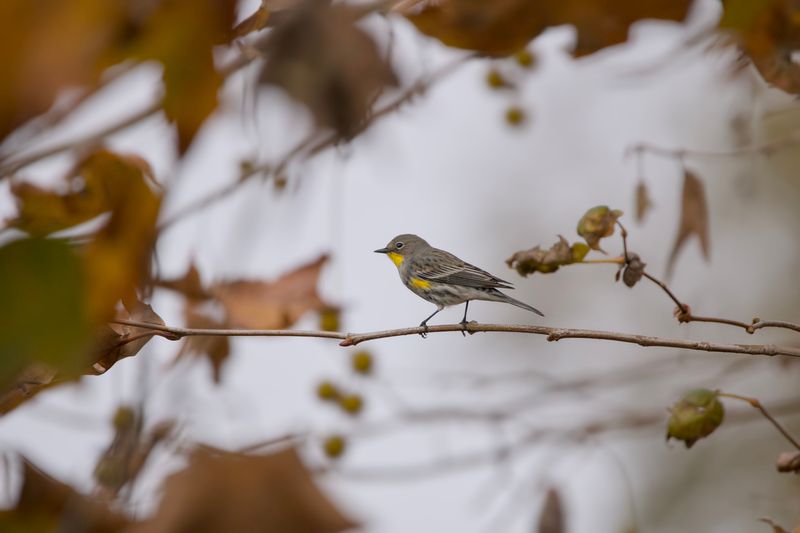
Seeing more of these birds lately is not a mystery or a strange omen at all. Their arrival follows a steady seasonal rhythm that bird experts have tracked for many years across the region.
Yellow-rumped Warblers usually start reaching Texas in September, when only a few early birds trickle into yards.
Numbers climb fast from October into early November, which is why your shrubs suddenly seem busy with them.
I believe this timing is one of the most comforting signs that the seasons are finally turning. After a long, hot summer, those chip notes feel like a small welcome mat for cooler weather.
Many of these birds will stay put through the winter instead of continuing much farther south. They typically head north again by April, returning to forests in Canada and the northern United States to nest.
So a bigger crowd in your yard mostly reflects normal migration rather than any unusual population boom. Weather fronts can push larger waves through at once, making one week feel much busier than the last.
You can enjoy the show by keeping a simple notebook with dates and rough counts of birds. Over a few years, you might notice your own yard pattern, which feels surprisingly rewarding to track.
Free apps like eBird let you share sightings with scientists who study migration across North America. Your quick backyard counts can add real value to research, and it only takes a few minutes.
3. Waxy Wax Myrtle Berries Fuel These Hungry Warblers
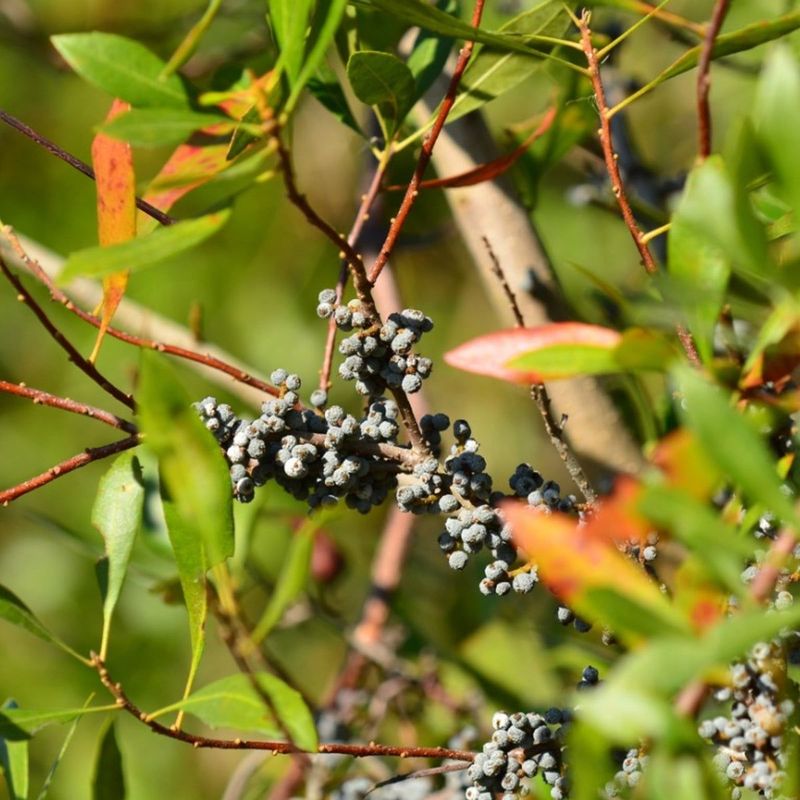
Few songbirds can eat the waxy berries of wax myrtle, yet this warbler gobbles them up with ease. Its digestive system can break down the tough wax coating that most other warblers simply cannot process.
Personally, I find that little stomach superpower one of the coolest facts in the entire bird world. It explains why these warblers can spend winter farther north than most of their colorful insect-eating cousins.
Wax myrtle, known scientifically as Morella cerifera, is a native evergreen shrub across much of East Texas. It grows well in USDA zones 7 through 10 and handles both moist soil and fairly dry spots.
Female plants produce clusters of small gray-blue berries, so you need one nearby male for good fruiting. Plant several shrubs together, and you will build a dependable winter buffet right outside your window.
Fall is a smart planting season here, because cooler temperatures help roots settle before summer heat returns. Water new shrubs deeply once or twice weekly until they look established, then cut back gradually.
Wax myrtle can reach ten to fifteen feet tall, so give it space along a fence or property edge. Its dense evergreen leaves also offer shelter from cold winds, which birds appreciate during chilly winter nights.
If your yard gets crowded, you can prune it into a small tree shape with one main trunk. The birds will still find the berries, and you will enjoy a tidier look along your garden border.
4. Bright Red Yaupon And Possumhaw Berries Draw Flocks
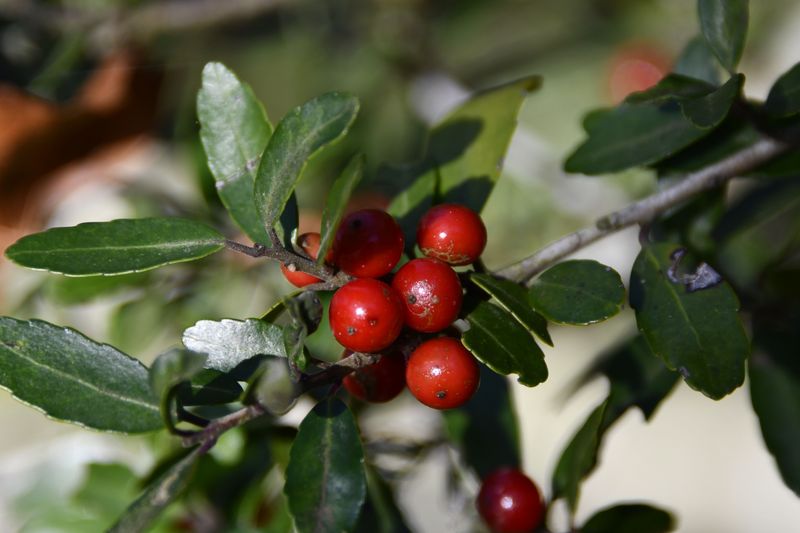
Nothing brightens a gray winter yard quite like a holly loaded with glossy red berries and busy birds. Native hollies give these warblers a reliable snack when insects grow scarce during the cooler months.
Yaupon holly, or Ilex vomitoria, is an evergreen native that thrives across much of central and eastern Texas. It tolerates drought, clay, and sandy soil, which makes it a forgiving choice for busy home gardeners.
Possumhaw, or Ilex decidua, drops its leaves in fall and leaves bare stems covered with shiny red fruit. I love how those berries glow against winter skies, almost like someone strung holiday lights on the branches.
Like wax myrtle, both hollies need male and female plants, since only females carry the colorful berries. Ask your local nursery for labeled female plants, and make sure at least one male grows somewhere nearby.
Avoid planting nonnative hollies or invasive berry shrubs such as Chinese privet or nandina in your landscape.
Native choices support local wildlife much better and will not spread aggressively into nearby woods and creeks.
Plant hollies in full sun to part shade for the heaviest berry crops over the years. Mulch around the base to hold moisture, keeping the mulch a few inches away from the trunk itself.
Many birds share these berries, including robins and cedar waxwings, so expect a lively crowd later in winter. Your warblers may need to compete, which makes for some entertaining moments to watch from inside.
5. Oak And Cedar Elm Trees Keep Insects On The Menu
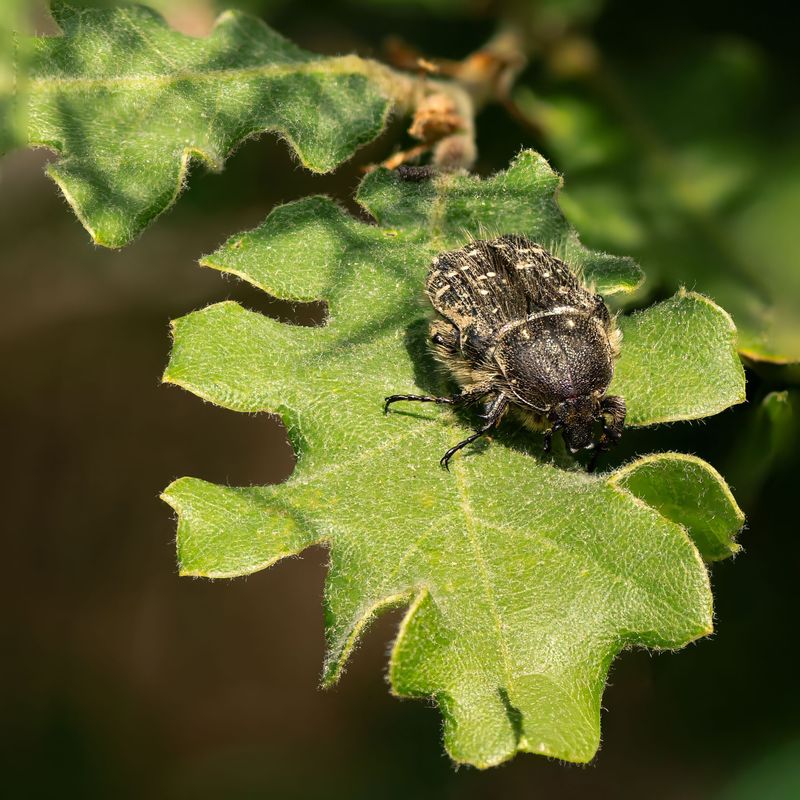
Berries get most of the attention, yet these warblers still hunt insects whenever the weather stays mild. In fact, bugs make up most of their diet during warmer months, and they keep searching in fall.
You might notice them hovering near leaves, picking at bark, or flying out to snatch gnats midair. They are flexible hunters, adjusting their style to whatever food sits closest on any given chilly morning.
Native trees like oaks and cedar elms host huge numbers of caterpillars, aphids, and other small insects. That steady supply of bugs turns a mature shade tree into a busy diner for hungry migrating birds.
Cedar elm, or Ulmus crassifolia, handles heat and drought well across much of the state once established. Live oak and other native oaks grow slowly, but they reward patient gardeners with decades of wildlife value.
I can’t imagine a bird-friendly yard without at least one solid native tree anchoring the space. If you lack room for a big tree, smaller native shrubs still host plenty of insects for visiting birds.
Skip broad insecticide sprays, since they remove the very food these little birds need to stay healthy. A few chewed leaves are a small price for a yard full of lively, hard-working warblers.
These birds also sip sap from sapsucker holes and eat sweet honeydew left behind by aphids. That surprising sweet tooth shows how creative they get when finding energy during cooler stretches of weather.
6. White Throats And Yellow Throats Reveal Two Warbler Types
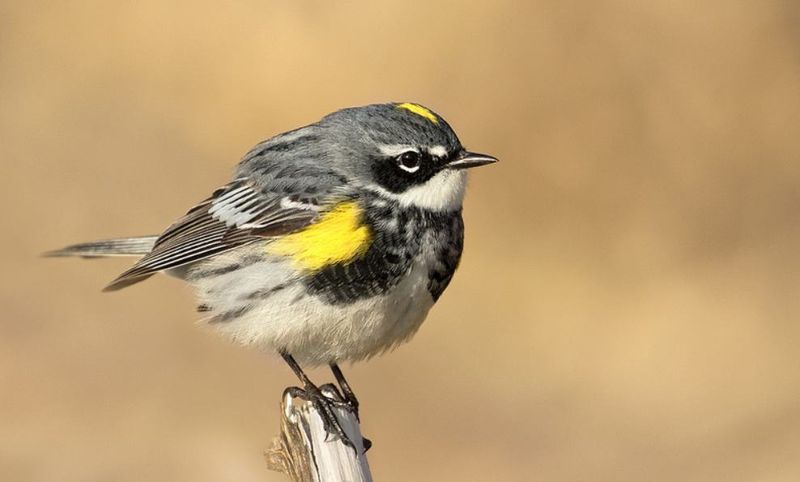
Take a careful look at the throat, because that small spot reveals which group just visited your feeder. Two main types of Yellow-rumped Warblers spend fall and winter in this huge and varied state.
The Myrtle Warbler comes from the east and wears a clean white throat with a curving pale border.
It shows up most often across the eastern two-thirds of Texas, including big cities like Houston and Dallas.
Audubon’s Warbler comes from the western mountains and sports a yellow throat that stands out nicely.
Birders see it more often in the Trans-Pecos, the Panhandle, and the South Plains during the cooler months.
I like how this simple clue turns a quick glance into a fun backyard detective game. Some areas in the middle of the state may host both types, so keep your binoculars handy.
Fall birds can look washed out, which makes the throat color harder to judge in dim light. Try to observe on sunny mornings, when the light shows soft yellow tones more clearly than gray skies.
Taking a quick photo with your phone through binoculars can also help you check details later. Many local Audubon groups happily help beginners identify tricky birds from simple, slightly blurry backyard pictures.
Scientists still debate whether these groups should count as separate species, so the naming may change someday.
For now, both types share the same official name, and both bring plenty of charm to winter yards.
7. Suet Feeders And Dripping Birdbaths Invite Warblers Closer
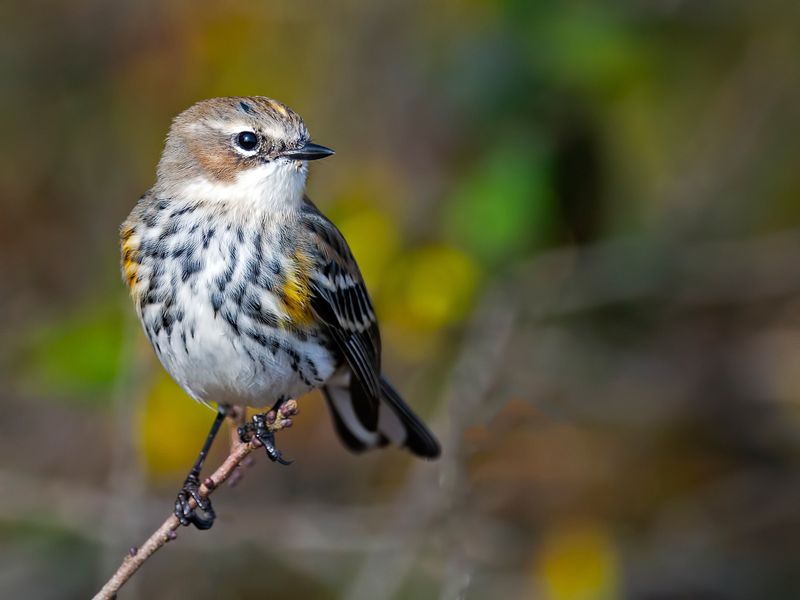
Unlike many warblers, this bird will happily visit backyard feeders when natural food runs a little low. That friendly habit gives you a front-row seat to watch their quick moves up close.
Suet cakes are a favorite, and peanut butter mixes often bring them in during chilly winter mornings. Some folks also report visits to sunflower chips or soaked raisins, though results vary from yard to yard.
You’re in for a big surprise when you add moving water to a simple shallow birdbath. A small dripper or bubbler catches their attention, since the sound and sparkle signal fresh water nearby.
Keep the water only one or two inches deep, because small birds prefer shallow spots for bathing. Scrub the bath every few days with a stiff brush to keep algae and germs under control.
Place feeders and baths near shrubs, so birds can dash into cover when hawks pass overhead. Leave about ten feet of space, though, so lurking cats cannot ambush birds from hidden spots.
In summer heat, suet can melt and spoil, so offer it mainly during the cooler months. Buy no-melt suet blends if your area warms up during sunny winter afternoons, which happens often here.
Remember that feeders help, but native plants do the heavy lifting for wild birds over time. A yard with berries, insects, water, and shelter tells passing warblers they found a safe winter home.