The Golden Rule For When To Stop Mowing Your Pennsylvania Lawn This Fall
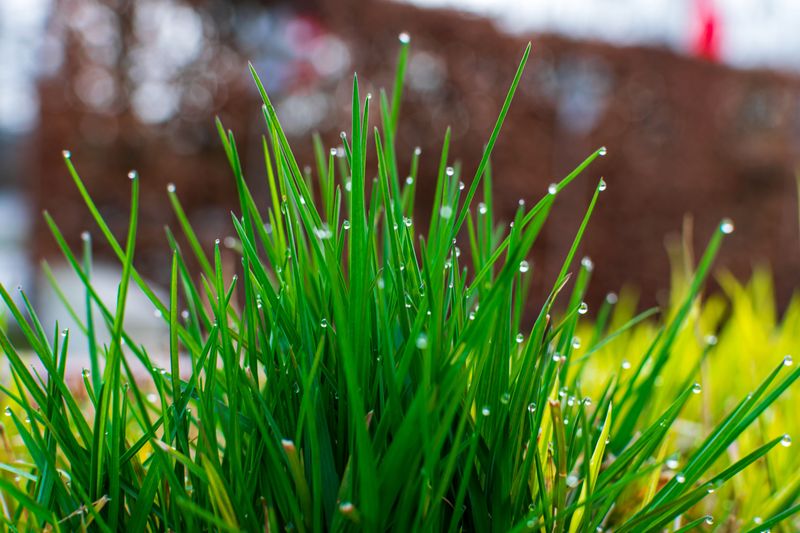
Grass blades keep growing at their base, not their tips. That quirky fact explains why your lawn can still need a trim in chilly November, long after the maples have dropped their last leaves.
I used to park the mower on a random weekend and call it done. Then spring arrived with matted, crusty patches that looked like someone spilled pancake batter across the yard. Lesson learned the hard way.
Here in Pennsylvania, the true signal has little to do with the calendar. Your yard drops hints, and the thermometer drops even bigger ones. You just need to know which clues matter.
Personally, I find this part of the season oddly satisfying. The air smells like woodsmoke, the grass slows to a crawl, and one final cut sets the stage for a greener April. So how do you know when that last pass has truly arrived?
Your Grass Blades Start Dropping Hints Weeks Before The Last Mow
Back in midsummer, your lawn probably needed a trim every five or six days. By late October, that pace usually slows to a lazy shuffle. Paying attention to this slowdown is the first step toward timing your last cut well.
Most Pennsylvania lawns are filled with cool-season grasses like Kentucky bluegrass, tall fescue, and perennial ryegrass.
These grasses love fall, and they often keep growing well into the season. Once daytime temperatures settle into the 50s, though, their top growth tapers off as they shift energy into roots and stored sugars.
A simple way to track this is to note how many days pass between mows. When you find yourself waiting ten days or more and the blades look barely taller, your lawn is easing toward rest. That is your cue to start planning, not to quit cold.
Try a quick test. Push a ruler into the turf after a mowing and check it again a week later. If the grass has grown less than half an inch, growth has slowed a lot.
I like this method because it uses your own yard as the guide. Every lawn has its own pace, and yours will tell you plenty if you watch.
Keep The Mower Running Until Your Lawn Stops Growing
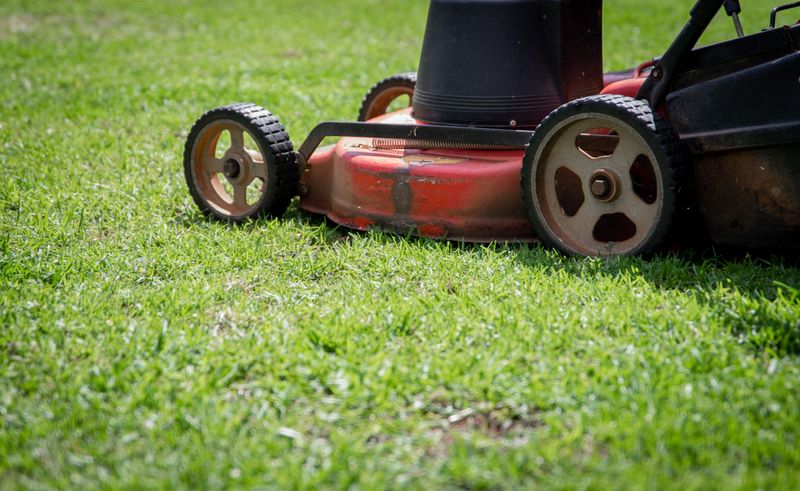
Simple as it sounds, the golden rule works like this. Keep mowing at your normal height for as long as the grass keeps growing, then make one final cut right before it goes dormant. Penn State Extension and other turf experts point to growth, not a date, as the real signal.
For cool-season grasses, top growth mostly stops once average daytime temperatures hover around 40 to 45 degrees for days at a time.
In much of the state, that lands somewhere between mid-November and early December. Northern counties and higher elevations often get there sooner than Philadelphia or Pittsburgh suburbs.
Stopping too early leaves tall, floppy grass heading into winter. Stopping too late isn’t much better, because mowing hard, frozen blades can bruise and crush them.
My own approach is easy to follow. I keep an eye on the ten-day forecast, and when highs look stuck in the 40s with a hard freeze approaching, I schedule that final mow.
If the grass sneaks back into growth during a warm spell, I simply mow again. Flexibility is the whole secret here. Your lawn doesn’t read calendars, so your mowing plan shouldn’t depend on one either.
Frosty Grass Is A Clear Signal To Leave The Mower Parked
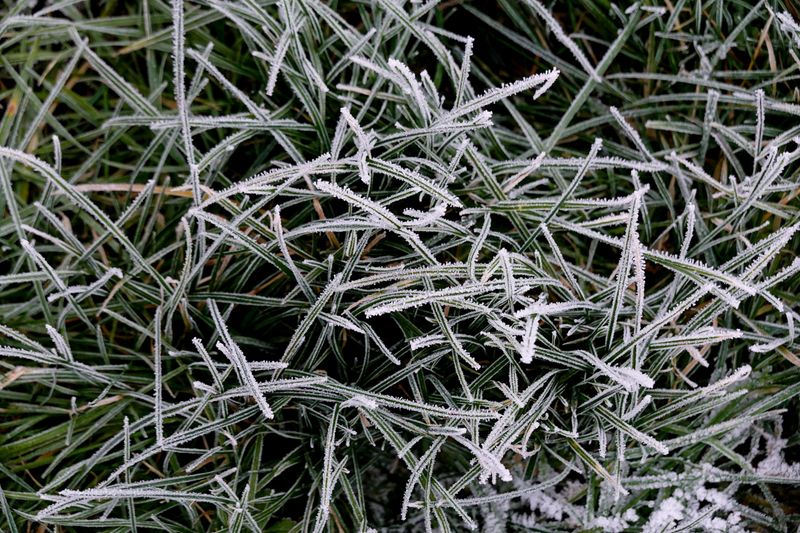
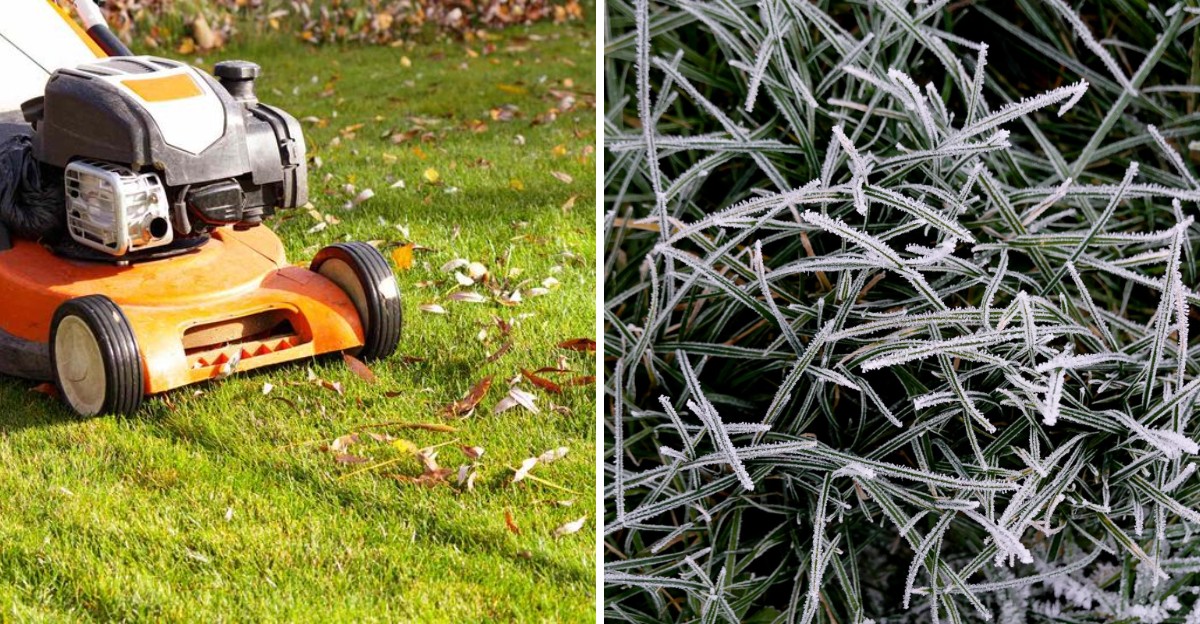
Those sparkly white mornings look lovely from the kitchen window. Walk across frosted grass, though, and you’ll often spot dark footprints showing up later that day. Frozen blades are brittle, and pressure cracks the plant cells inside them.
Mowers do the same kind of harm, only on a bigger scale. Heavy wheels crush the frosty grass, and the spinning blade shreds tissue that can’t flex. The result is often browned streaks and stressed crowns heading into winter.
A smart habit is to wait until frost melts and the grass feels dry before cutting. On many fall days, that means waiting until late morning or early afternoon. Wet grass also clumps and clogs the deck, so patience pays off twice.
Watch for the first hard freeze too, when temperatures drop to about 28 degrees or lower. Plan your final mow a few days before that night if you can. The National Weather Service posts frost and freeze alerts that help with timing.
Personally, I treat frost as a gentle reminder from nature. The season is wrapping up, and my lawn needs fewer visits from me. A thermos of coffee and a little patience go a long way.
Dropping The Mower Deck A Notch Keeps Snow Mold Away
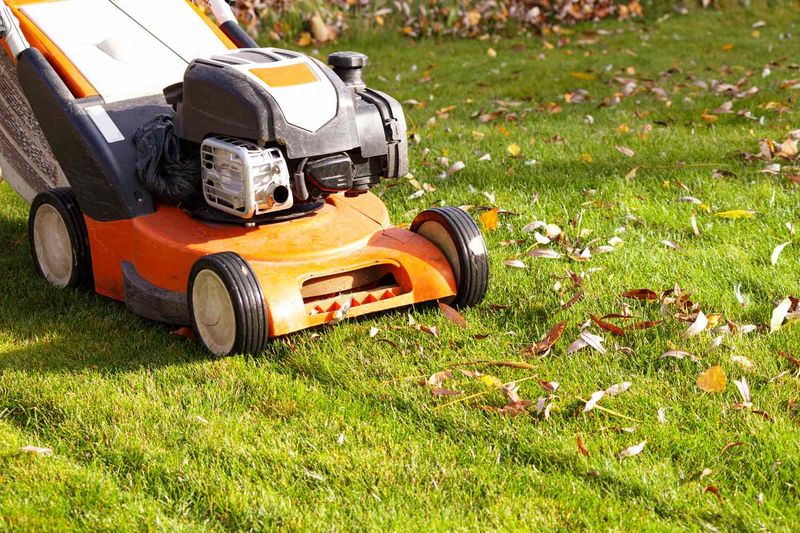
Snow mold sounds like something from a science fiction movie. In reality, it shows up as circular patches of matted, straw-colored grass after snow melts, sometimes with a fuzzy gray or pinkish coating.
Long grass flopping over under snow gives this fungus a cozy home. For your final cut, lower the mower deck slightly from your summer setting.
Many turf experts suggest leaving cool-season grass around 2 to 2.5 inches tall, while some are comfortable with up to 3 inches. That height stands up better under snow and dries out faster in spring.
Going too short brings problems of its own. Scalping exposes the crown, which is the growing point near the soil, and leaves it open to cold stress. Stick with the old one-third rule and avoid removing more than a third of the blade at once.
If your lawn got shaggy during a rainy stretch, take it down in two steps. Mow once a notch lower, then lower again a week later.
Most snow mold damage is cosmetic and recovers in spring with light raking. Still, a little prevention now saves you from staring at blotchy patches in March.
Meadow Voles Love A Shaggy Lawn All Winter Long
Spring thaw sometimes reveals odd, winding trails across the yard, almost like tiny highways.
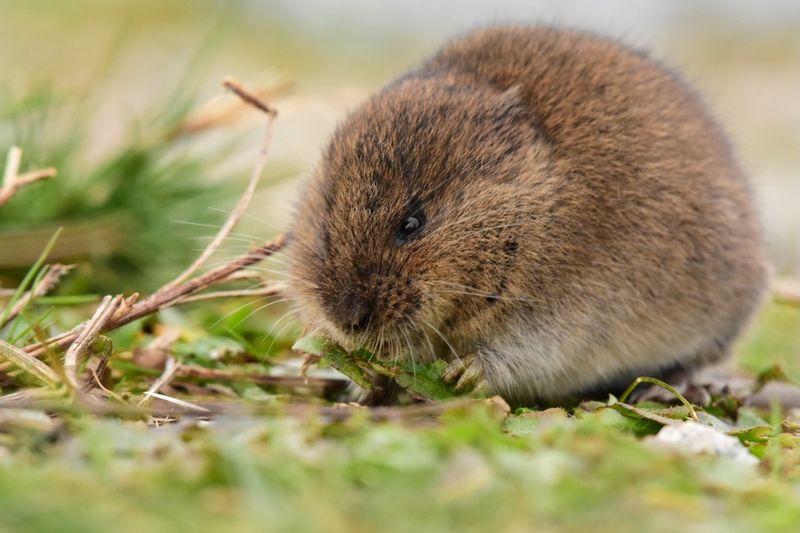
Those paths usually belong to meadow voles, small brown rodents that are common across Pennsylvania. They thrive in tall grass, where they hide from hawks, owls, and foxes.
Under a blanket of snow and shaggy turf, voles stay busy all winter. They nibble grass blades and roots, carving shallow runways along the surface. Damage often shows up in March as narrow brown trails about two inches wide.
Shorter grass makes your lawn far less appealing to these critters. A tidy final mow removes much of their cover, which helps reduce winter activity. Trimming tall grass along fence lines and garden beds helps too.
Funny enough, voles are often blamed on moles, but the two animals are quite different. Moles eat grubs and earthworms, while voles are plant eaters.
Most lawns bounce back from vole trails once the grass starts growing again. Gently rake the runways, add a sprinkle of seed in thin spots, and nature handles the rest.
I find it oddly charming to spot their little maps, even if I’d prefer they settled in a meadow instead.
Zoysia Lawns In Southern Pennsylvania Quit Much Earlier
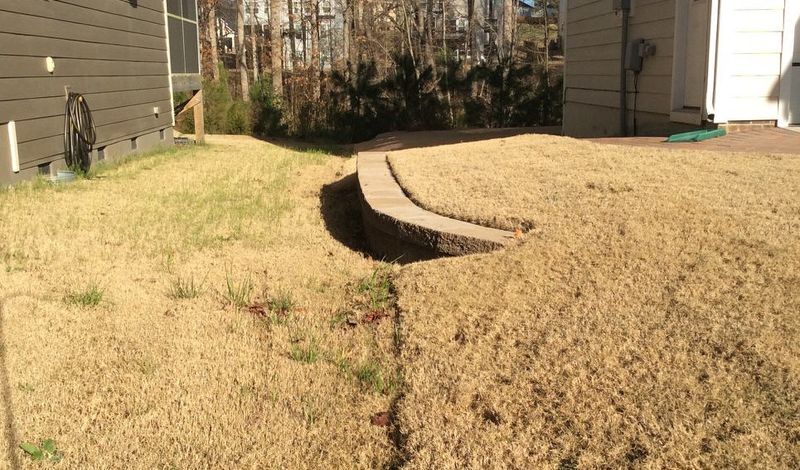
Ever notice a neighbor’s lawn turning tan in October while yours stays green? Odds are good that yard contains zoysiagrass.
This warm-season grass shows up in some southern and southeastern Pennsylvania lawns, especially around Philadelphia and nearby counties.
Zoysia follows its own clock. It loves summer heat and slows down sharply once temperatures cool, often going dormant after the first frosts. Its straw-colored winter look is normal, so there’s no need to panic.
For zoysia, the final mow usually comes earlier, often in October or early November. Once daytime highs settle below about 50 degrees and the grass begins browning, you can put the mower away. Mowing dormant zoysia adds little benefit.
Many zoysia owners keep their grass between 1 and 2 inches during the season. For the last cut, staying in that range works well and helps limit thatch buildup.
One caution worth sharing is that zoysia can creep into flower beds and neighboring lawns. If you’re thinking about planting new turf, cool-season grasses tend to suit most of the state better. They stay green longer and handle cold winters with ease.
Fallen Oak And Maple Leaves Need Attention Before Snow Arrives
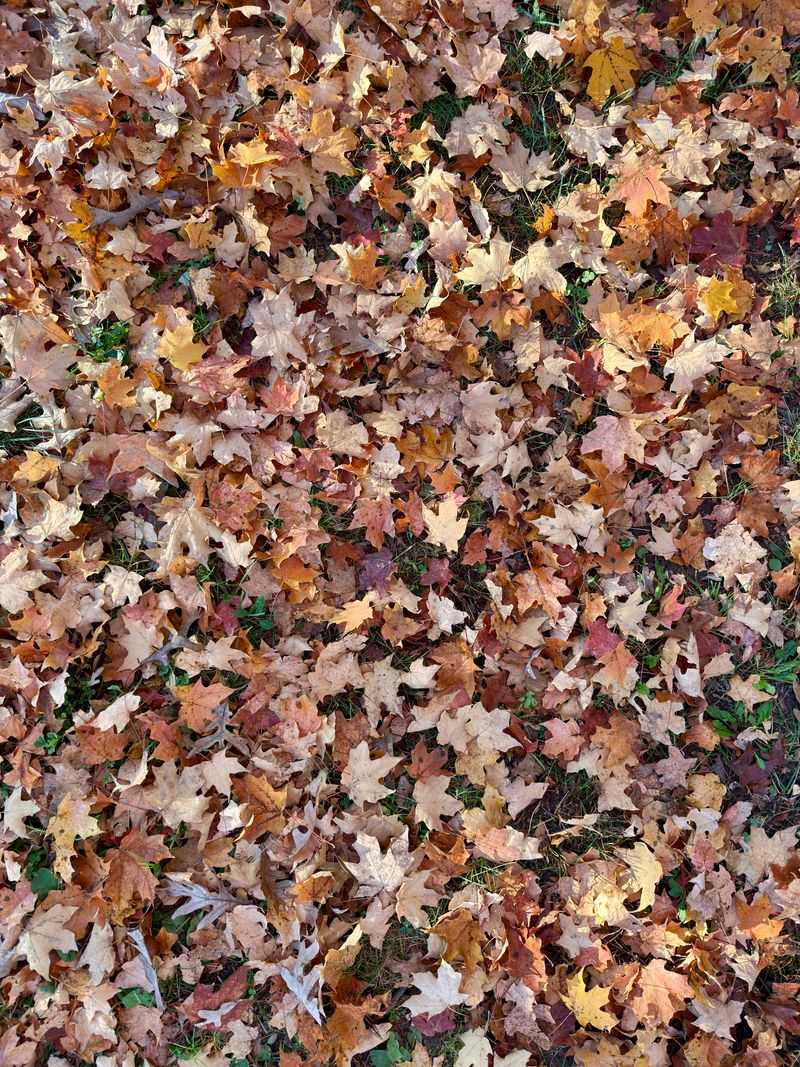
Pennsylvania forests put on a famous fall show, and plenty of that color lands right on your lawn. A thick mat of soggy leaves blocks sunlight and traps moisture. Grass underneath can thin out and invite disease by spring.
Your mower can actually help here. Mulching leaves into small pieces lets them break down quickly and feed the soil.
Research from Michigan State University found that mulched leaves didn’t harm turf and may even reduce some weeds.
Aim to mulch when leaves are fairly dry and the layer isn’t too deep. If you can still see grass through the chopped pieces, you’re in good shape. Heavier piles may need raking or bagging first.
Extra leaves make wonderful compost or garden bed mulch. Many towns across the state also offer curbside leaf pickup, so check your municipality’s schedule.
I like to time my final mow after most of the trees have dropped their leaves. That way, one pass handles both jobs at once. Oaks often hang on longest, so a quick cleanup in late November or December can still be worth it.
A Sharp Blade And Clean Mower Deck Set Up A Greener Spring
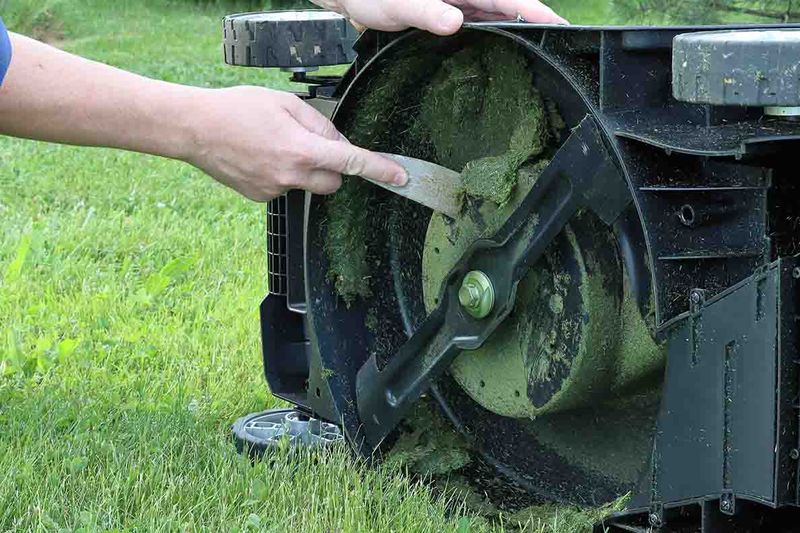
Once that last cut is done, your mower deserves a little care before its long rest. Spending thirty minutes now saves frustration on the first warm Saturday in April. Your lawn benefits too.
Start by disconnecting the spark plug wire for safety. Scrape caked grass from under the deck, since damp clippings hold moisture and encourage rust. A plastic scraper and a garden hose usually do the trick.
Next, check the blade. Dull blades tear grass, leaving ragged, brown tips that lose more water and invite disease. Sharpen it yourself with a file or take it to a local shop, which often has shorter lines in fall.
Gas left in the tank can go stale over winter. Either run the engine until the tank is empty or add a fuel stabilizer and run it for a few minutes.
Battery-powered mowers just need their batteries stored indoors, away from freezing temperatures.
Fall is also the ideal time to fertilize cool-season lawns and pull a soil test through Penn State Extension. Put those steps together, and your final mow becomes the first chapter of a healthier lawn next year.