8 Signs Your New York Apartment Plants Need a Grow Light This Winter
At noon on the shortest day of the year, the sun hangs about 26 degrees above the New York skyline. That low angle means a sunny window from July can feel like a dim hallway by the holidays.
Neighboring towers and grimy window glass steal even more brightness before it reaches your leafy roommates. What I find interesting is how quickly plants notice, often long before we spot anything wrong with them.
I spent one winter blaming my watering habits, when the real trouble was hiding right outside the window. You might be surprised by how many apartment growers in New York make that exact same mistake each year.
Your plants are sending signals right now, and some of them are surprisingly easy to read once you know.
So which clues are your green friends quietly giving you from that chilly windowsill this season?
1. Leggy Pothos Stems With Big Gaps Between Leaves
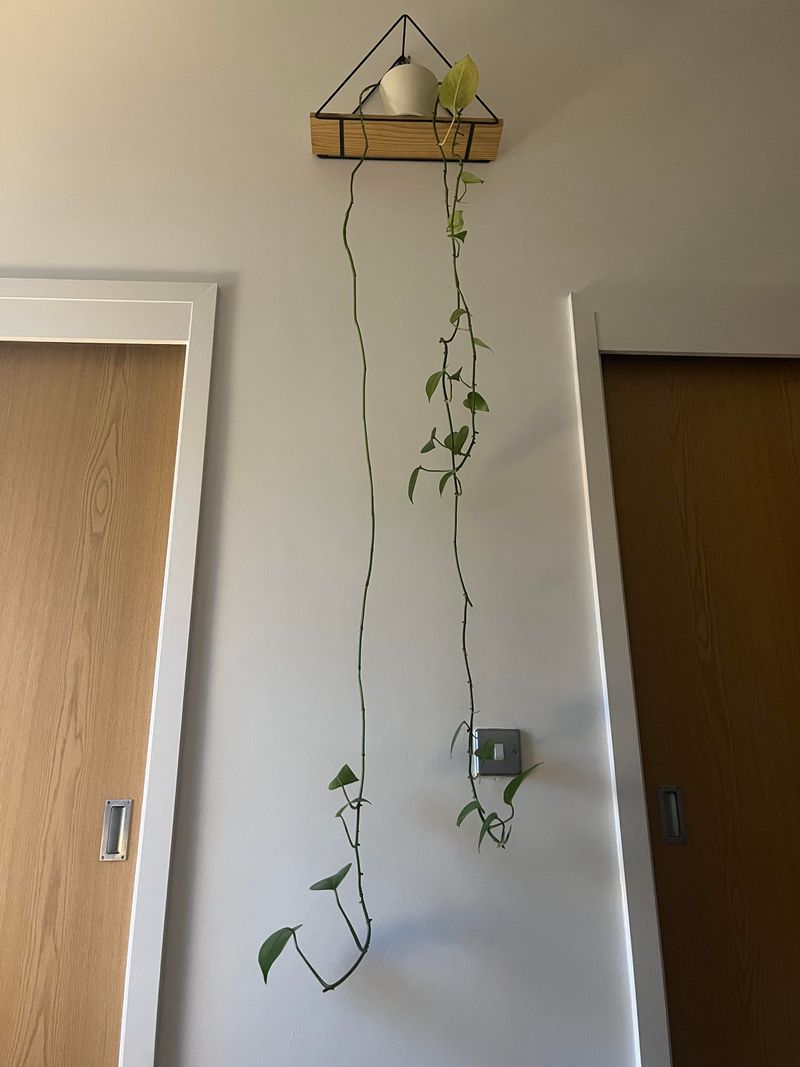
My pothos once grew a vine so long and bare that it looked like a green shoelace. Botanists call this stretching etiolation, and it happens when a plant hunts desperately for brighter light sources.
The plant pours its limited energy into longer stems, hoping to reach a sunnier spot somewhere nearby. Sadly, a radiator shelf in a shaded apartment offers nowhere to go, so the stretching just keeps going.
Look closely at the spaces between leaves, which gardeners call internodes, on your newest growth this month. If those gaps look much wider than the older sections, your plant is probably starving for light.
Leggy stems often feel thin and floppy, and they may struggle to hold up their own leaves. Herbs like basil and succulents like echeveria show this stretching especially fast during short, gray winter days.
Unfortunately, stretched stems will not shrink back to their old compact shape once better light finally arrives. The way I see it, the smart move is stopping the problem before even more lanky growth appears.
A full spectrum LED grow light placed about twelve inches above most foliage plants can help a lot. Run it for roughly twelve to fourteen hours daily, and new growth should come in tighter and sturdier.
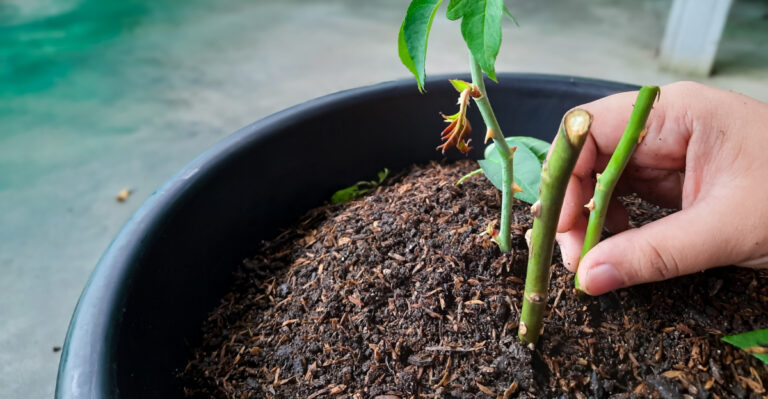
Once the plant perks up, you can trim those long, bare vines back to encourage fuller, bushier branching. Pothos cuttings even root easily in water, so your leggy mistake can become a brand new plant.
2. Houseplants Leaning Hard Toward The Window Glass
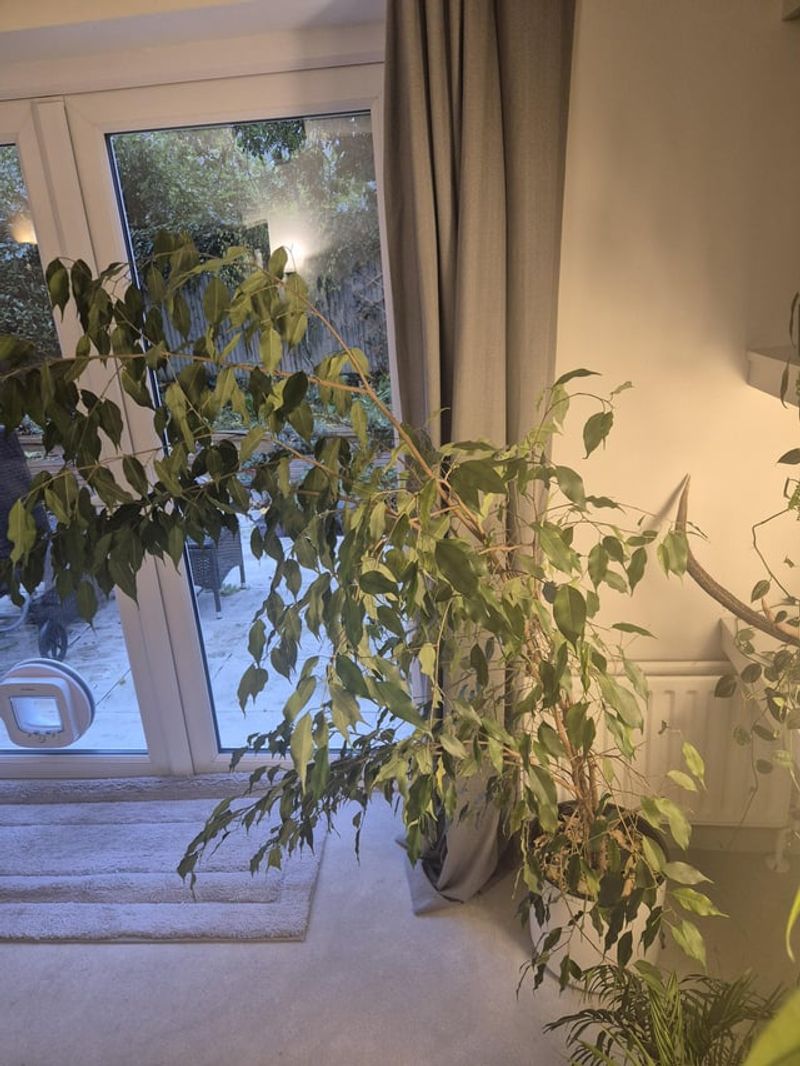
Every morning my peace lily seemed to tilt a little further toward the glass, like a nosy neighbor. That leaning has a name, phototropism, and it shows your plant is chasing every bit of available light.
Plant cells on the shaded side of a stem grow longer, which bends the whole stem toward brightness. A hormone called auxin drives this clever trick, gathering on the darker side and fueling that extra growth.
Some leaning is normal near any window, but a dramatic lean in winter tells a bigger story. Your plant may be getting just enough light on one side while the back side goes hungry.
Over time, the side facing the room can look thin and bare compared with the crowded window side. You might find it hard to believe, but a lopsided plant is basically drawing you a map.
Rotating the pot a quarter turn each week helps, and it is a habit I recommend year round. Still, turning the pot only spreads around the light you have, rather than adding any more of it.
A grow light mounted directly above the plant gives it a reason to stand up straight again. Overhead light reaches all sides evenly, which encourages balanced growth instead of a stretch toward one direction.
Clip-on lamps with flexible necks work well for small apartments where floor space is precious real estate. Within a few weeks, fresh leaves should start facing upward instead of pressing against that frosty pane.
3. Small Pale New Leaves Unfurling On A Monstera
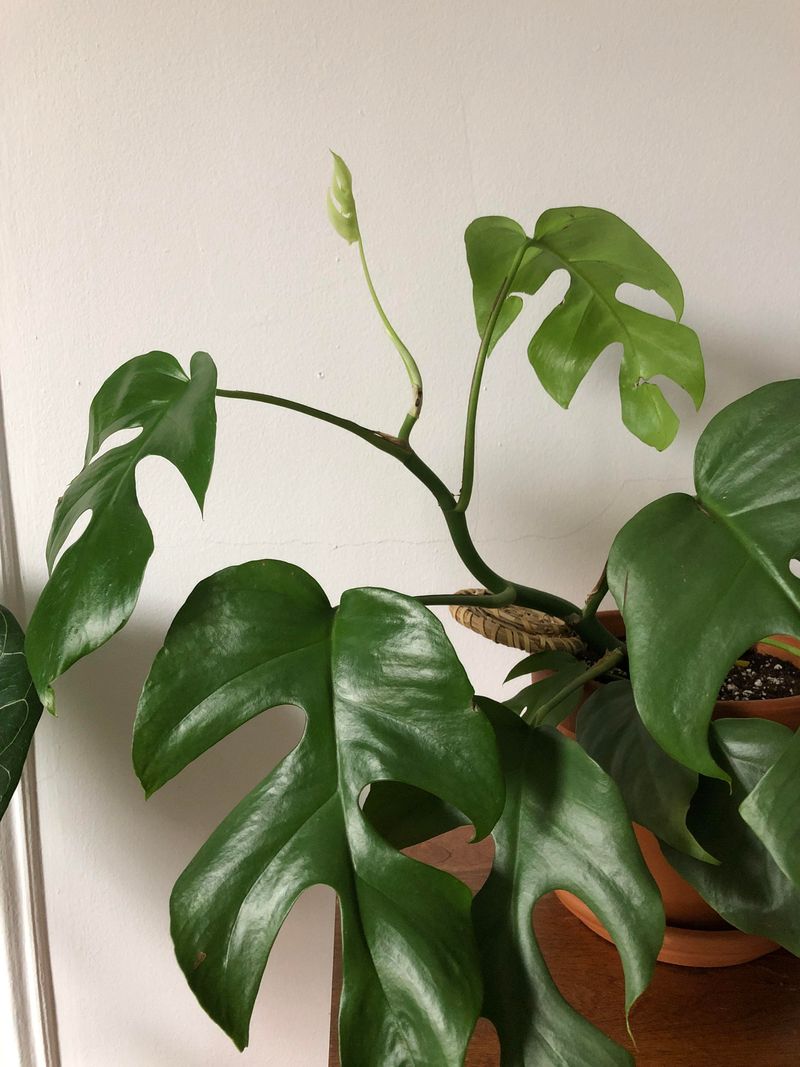
Nothing deflates a plant parent faster than a brand new leaf that looks like a shrunken, washed-out copy. I remember waiting weeks for a monstera leaf, only to watch a pale little thing unfurl instead.
Leaves are basically solar panels, and building big ones takes a lot of energy from sunlight. When winter light runs short, the plant cuts corners and produces smaller leaves that it can afford.
Color tells part of the story too, since healthy green comes from chlorophyll inside each leaf cell. Low light can leave new growth looking lime or yellowish rather than the deep green you expect.
Monsteras in dim corners also tend to skip their famous splits, producing smaller solid leaves for a while. Those signature holes depend partly on plant maturity and partly on steady bright light, according to growers.
Before blaming light, rule out hungry soil, because a missing nutrient like nitrogen can cause pale leaves. If you fed the plant this past summer and it still looks faded, light is the likely culprit.
A grow light offering steady brightness can help the next round of leaves come in larger and greener. Existing small leaves will stay small, so judge your progress by what emerges over the coming weeks.
Hold off on extra fertilizer during winter, since a plant short on light cannot use much food anyway. Give it brighter days first, then resume gentle feeding when spring growth picks up its pace again.
4. Variegated Leaves Turning Plain Solid Green
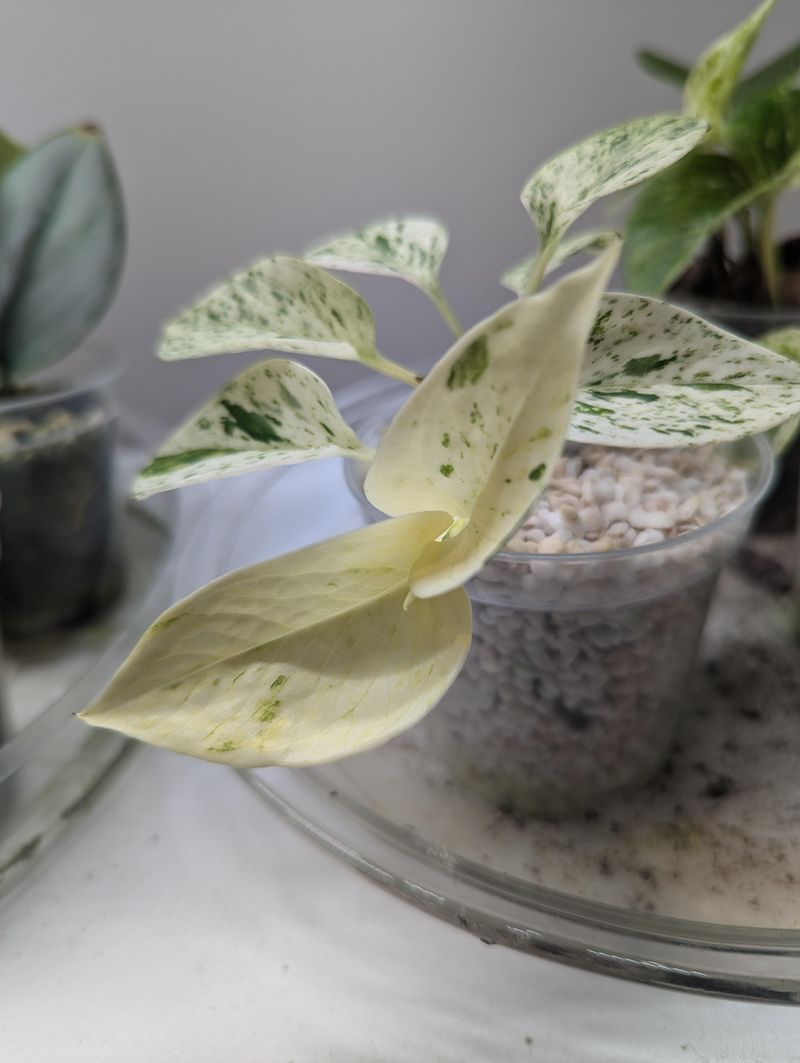
Those creamy swirls on a marble queen pothos are gorgeous, but they come with a hidden energy cost. White and cream patches hold little or no chlorophyll, so they cannot help the plant make food.
In dim winter light, some variegated plants respond by producing greener leaves with fewer pale markings. More green means more chlorophyll, which helps the plant capture whatever weak light trickles through your window.
I find it fascinating how practical plants can be, trading beauty for survival without any fuss at all. Still, losing those patterns feels like watching a favorite sweater slowly fade in the wash each week.
Colorful plants such as crotons and coleus can also turn dull and muddy when light runs low indoors. Their bright reds and oranges often need strong light to show up, so dim rooms mute them quickly.
Check the newest leaves first, because older leaves usually hold onto the patterns they already formed. A noticeable shift toward solid green on fresh growth is your clearest hint that light is lacking.
Some variegation shifts are genetic reversions, which brighter light may not fix, so manage expectations a bit. Pruning a reverted stem back to a variegated section can help keep the pattern going in future growth.
For light-related fading, a grow light set to a consistent daily schedule can help restore lively color. Pair it with a simple outlet timer, and your striped beauties get the steady brightness they crave.
5. Fiddle Leaf Figs Stuck Without A Single New Leaf
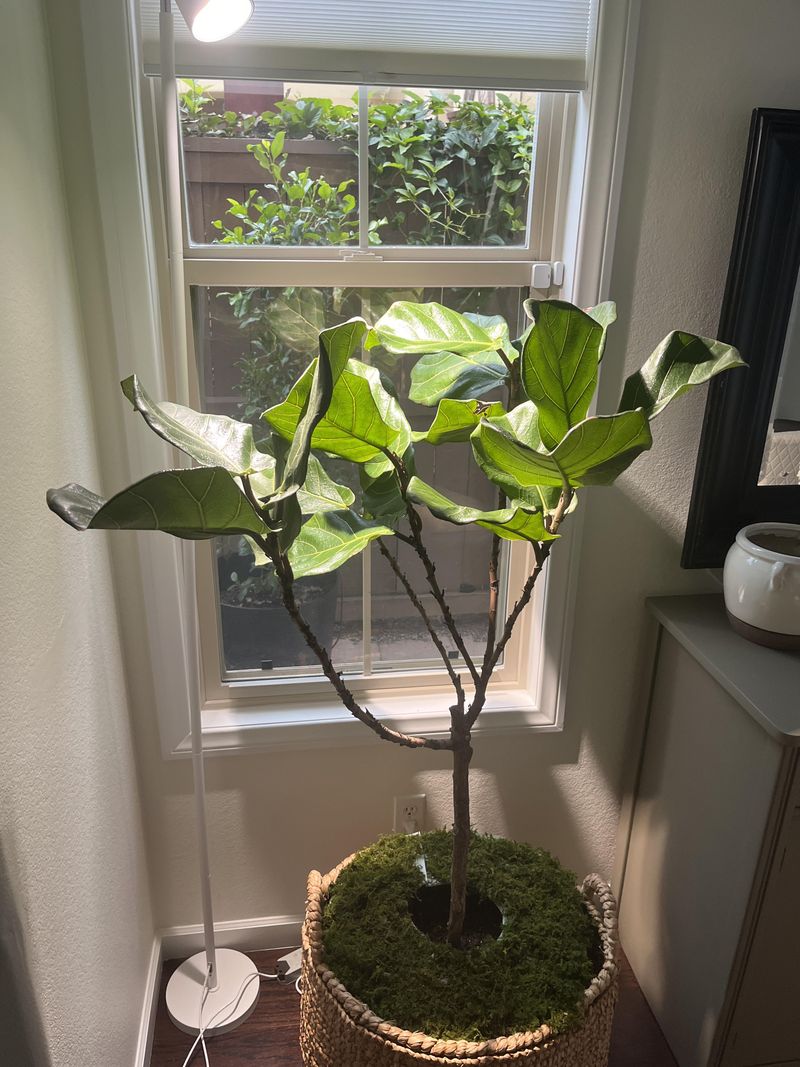
Weeks can drift by without a single new leaf, and the plant just sits there like a statue. My fiddle leaf fig pulled this stunt one January, and I nearly checked it for a pulse.
Some slowdown is normal, since many houseplants naturally rest during shorter, cooler months in the chilly Northeast. I wouldn’t necessarily panic over slower growth, but a frozen plant with zero progress deserves a closer look.
Plants build new leaves and roots using sugars made through photosynthesis, and that process runs on light. When light drops too low, the plant barely makes enough energy to maintain itself, let alone grow.
Roots suffer quietly too, because underground growth also depends on sugars sent down from the leaves. A plant with weak roots struggles to drink properly, which can lead to more trouble down the line.
Try snapping a quick photo every two weeks, since slow changes are easy to miss day to day. Comparing pictures side by side shows whether your plant is resting peacefully or stuck in a rut.
Fiddle leaf figs are notorious light lovers, so they often stall first when apartment windows turn gloomy. Adding a strong grow light can nudge them back into action, sometimes within a month or so.
Keep the plant away from blasting radiators while you experiment, since hot dry air adds extra stress. Once a fresh bud finally appears at the tip, you can celebrate with a little happy kitchen dance.
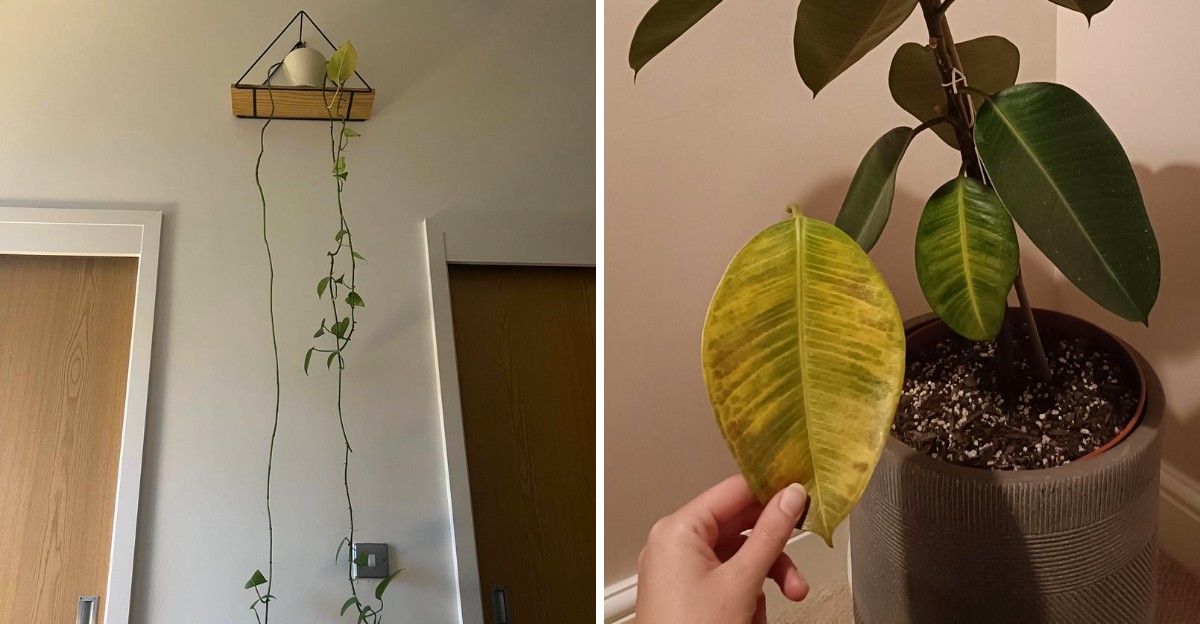
6. Yellow Leaves Dropping Off The Bottom Of A Rubber Plant
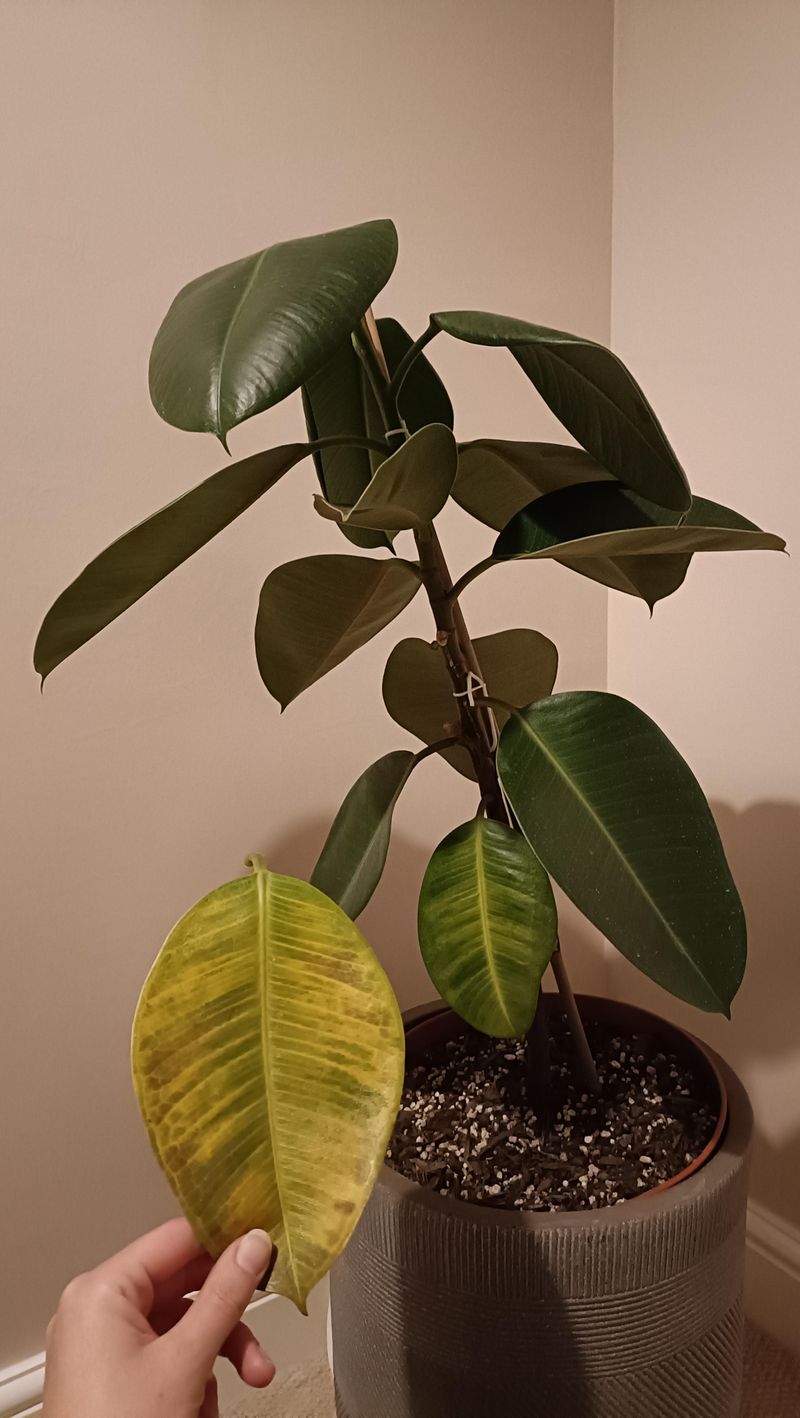
A pile of yellow leaves on the floor can make your heart sink faster than a broken subway escalator. Before you panic, look at where those leaves came from, because location matters a great deal here.
Low light often makes plants drop their oldest, lowest leaves first, since those get the least brightness. The plant pulls useful nutrients out of those leaves and sends them upward to the newer growth.
I can see why gardeners call this triage, because the plant is making tough choices to stay healthy. Losing one old leaf now and then is normal, but a steady stream of drops signals trouble.
Rubber plants and weeping figs are famous for dropping leaves when their light suddenly decreases indoors. Moving them indoors in fall or shifting them away from a bright window can trigger a leafy shower.
Overwatering causes yellow leaves too, so press a finger into the soil before blaming your window. Soggy soil plus yellowing suggests a watering issue, while normal moisture and yellowing points more toward light.
Gently remove fully yellow leaves, since they rarely turn green again and can invite fungal problems. Clean scissors or a quick tug usually does the job without harming the stems still holding on.
Positioning a grow light so it reaches the lower canopy, not just the top, can slow the shedding. Tall plants sometimes benefit from a second lamp angled from the side to brighten those hungry bottom leaves.
7. African Violets Holding Back Their Purple Blooms
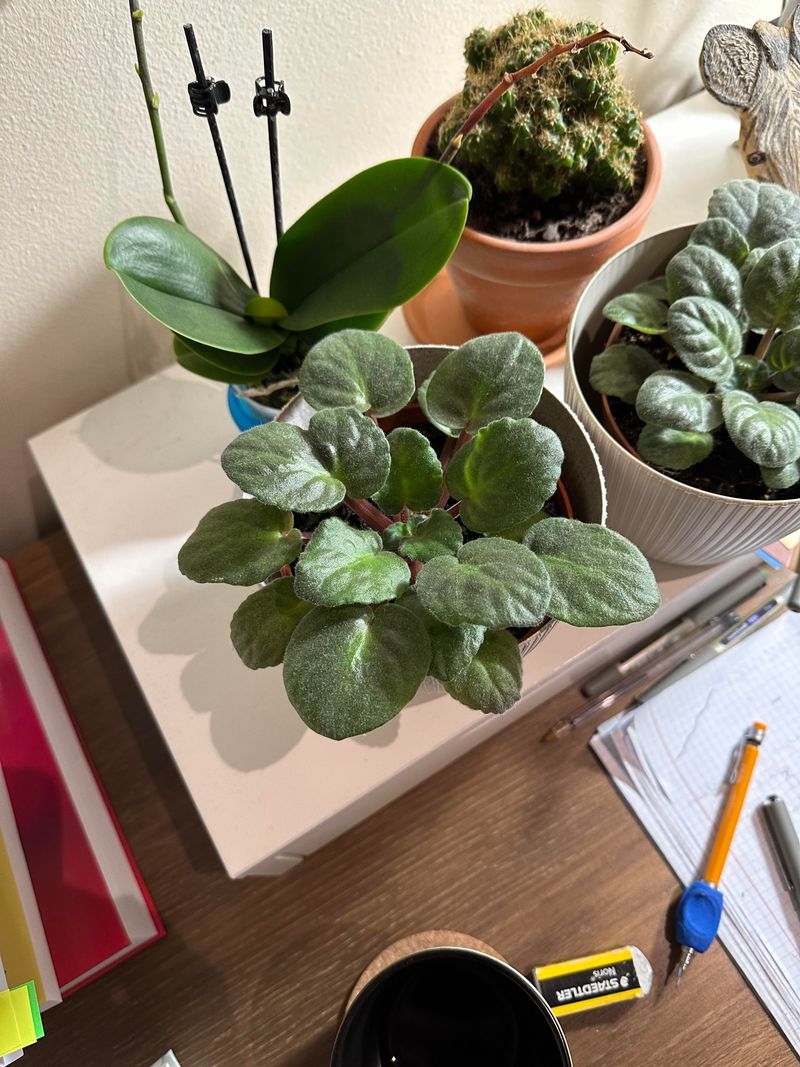
African violets can bloom almost year round indoors, so a bare plant in winter raises an eyebrow. Mine went flowerless for two months until I realized its favorite window had become a shadowy cave.
Flowering takes a huge amount of energy, and plants usually need brighter light to bloom than to survive. A plant that looks perfectly healthy but refuses to flower is often telling you it needs more light.
Any blooms that do appear might be sparse or fade quickly compared with the generous summer show. Buds may also form and then shrivel before opening, which feels like a party canceled at the door.
African violets are famous for thriving under artificial light, and many hobby growers raise them on shelves under lamps. Extension experts often suggest placing fluorescent or LED tubes about a foot or so above the leaves.
A daily schedule of around twelve to fourteen hours of light helps encourage steady flowering for many violets. Give them a break at night, though, since plants need darkness too for healthy growth patterns.
Not every bloomer wants extra hours, so you might want to think twice before lighting up a holiday cactus. Christmas cactus sets buds in response to long nights, and evening lamplight can actually prevent flowering.
Check your plant’s preferences first, then match the lighting schedule to what that specific bloomer enjoys. Get it right, and those fuzzy violet leaves might soon be wearing a crown of purple blossoms.
8. Potting Soil Staying Soggy For Days After Watering
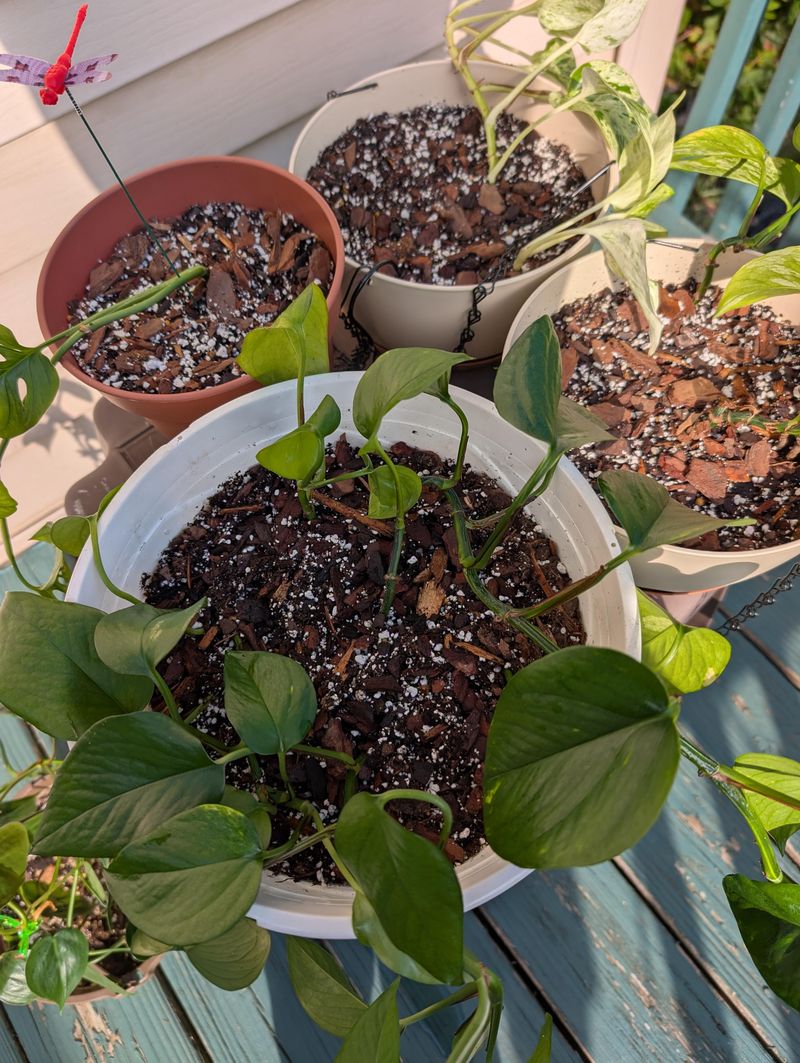
Soggy soil might seem like a watering problem, yet it often hints at a lighting problem hiding underneath. I learned this the hard way when my pots stayed damp for nearly two weeks one gray February.
Plants pull water up through their roots and release much of it through their leaves as they grow. With less light, that process slows, so the potting mix holds moisture far longer than it did in summer.
Wet soil that lingers can starve roots of oxygen and open the door to root rot. Overwatering ranks among the most common reasons houseplants decline in winter, according to many extension specialists.
Steam heat in older New York buildings can make the air dry while the soil below stays wet. That mismatch confuses plenty of plant owners, who see crispy leaf tips and reach for the watering can.
Instead of watering on a strict schedule, poke a finger about an inch into the soil first. A cheap wooden chopstick works great too, since damp soil clings to it when you pull it out.
Adding a grow light gets your plant using water again, which helps the soil dry at a healthier pace. Pots with drainage holes and a chunky, airy mix also make a real difference during darker months.
I love watching a sluggish plant wake up once it finally gets the light it has been craving. Balanced moisture and fresh roots usually follow, and your windowsill starts looking like spring is close.