Deer Are Showing Up In Georgia Yards More Often This November
A buck in the middle of breeding season can lose a big chunk of his body weight in just a few weeks. He barely stops to eat because romance comes first.
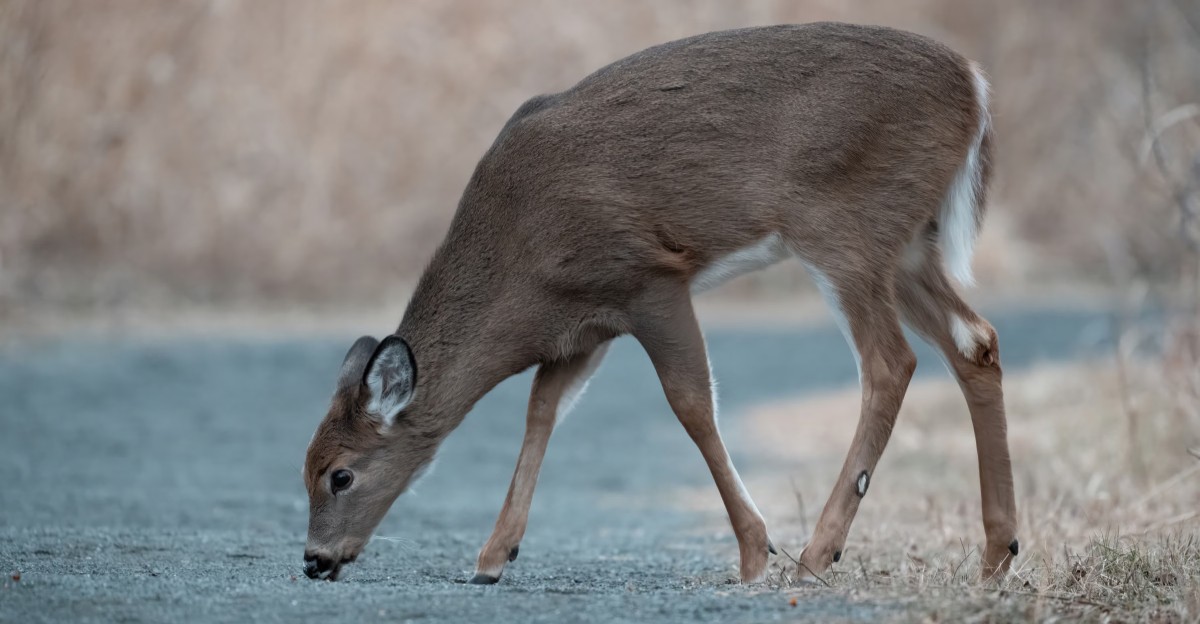
That wild energy spills right into our neighborhoods. Across Georgia, homeowners are spotting brown shapes at the edge of the lawn at dawn, at dusk, and sometimes at lunch.
I have seen one stroll past a mailbox like it was checking for letters.
You may also be finding chewed pansies, torn shrubs, or scraped bark on a young tree. I’ve always appreciated seeing wildlife up close, but I love my fall plantings too.
Something is drawing these shy woodland animals out into the open more often right now.
The answer has a lot to do with the calendar. It also has a lot to do with what is growing in your yard.
1. There’s A Reason Those White-Tailed Bucks Seem So Bold Right Now
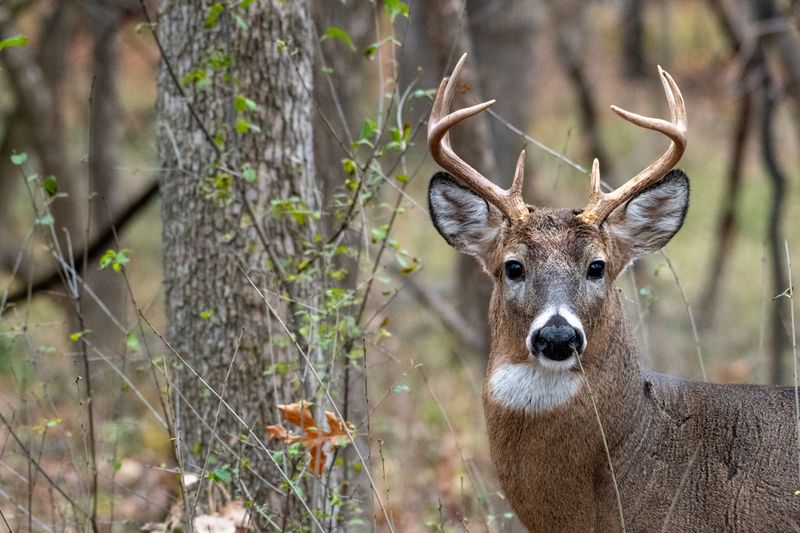
Love makes everyone a little reckless, and deer are no exception. Across most of Georgia, white-tailed deer reach the peak of their breeding season, called the rut, between late October and late November.
During the rut, bucks travel far more than usual while they search for does. They cross roads, cut through backyards, and move during daylight hours they would normally avoid.
Does get pushed around too, so the whole herd seems busier.
Timing varies across the state. The Georgia Department of Natural Resources notes that rut dates can differ by region, with some coastal and southwestern areas peaking later, sometimes into December.
So your cousin in another county might see a different pattern than you do.
Food matters as well. Fall is when deer bulk up, and acorn crops change from year to year.
In a year with fewer acorns, deer often wander farther and lean harder on lawns, shrubs, and gardens.
So the extra sightings mostly reflect a normal seasonal rhythm, not a sudden population boom. Knowing that helps you plan.
You can expect this spike every fall and get your defenses ready in October next time, before the busy weeks begin.
2. A Tall Deer Fence Still Beats Every Other Trick
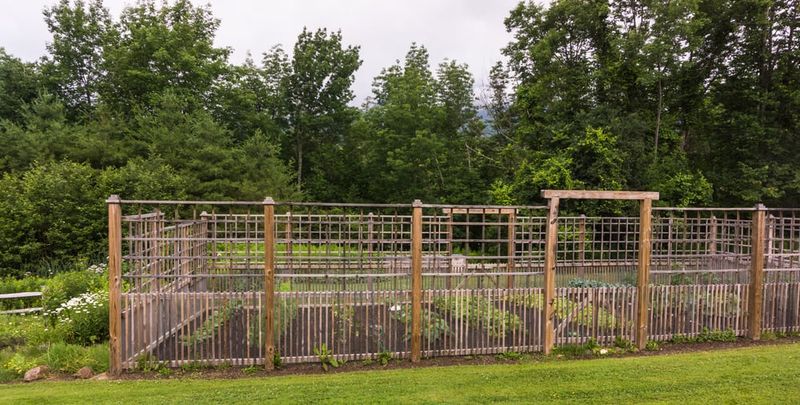
Ask any extension agent about deer, and fencing comes up fast. A physical barrier is the most dependable way to keep deer away from plants you care about.
Height is the big deal here. A healthy deer can clear a fence of six feet or more, so University of Georgia Extension and many wildlife experts point to fences around eight feet tall for solid protection.
Black polypropylene mesh or woven wire blends into the yard better than you might expect.
Not ready for a full perimeter fence? You have options.
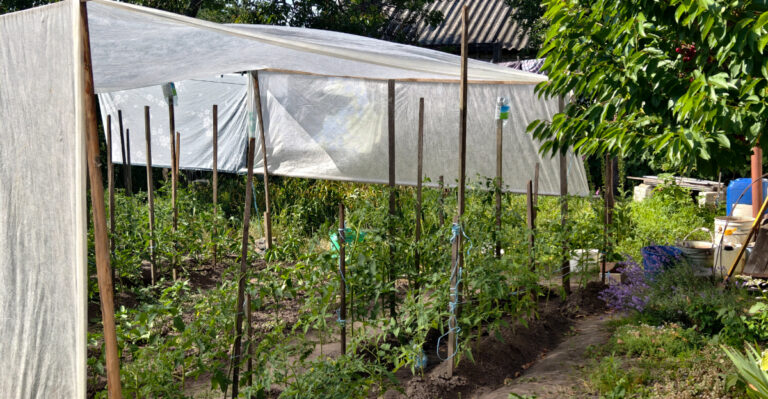
Smaller enclosures around a vegetable bed or a group of prized shrubs work well, because deer dislike jumping into tight spaces where they cannot see a clear landing.
Some gardeners use a double fence instead. Two shorter fences set about four or five feet apart confuse deer depth perception, and they often refuse to jump.
Before you build, check with your city or homeowners association. Many Georgia neighborhoods have rules on fence height, material, and placement.
A fence costs more up front, but it works day and night without sprays or batteries. For gardeners who lose plants every fall, it often pays for itself in a few seasons.
3. Smelly Deer Repellent Sprays Work Best When You Switch Them Up
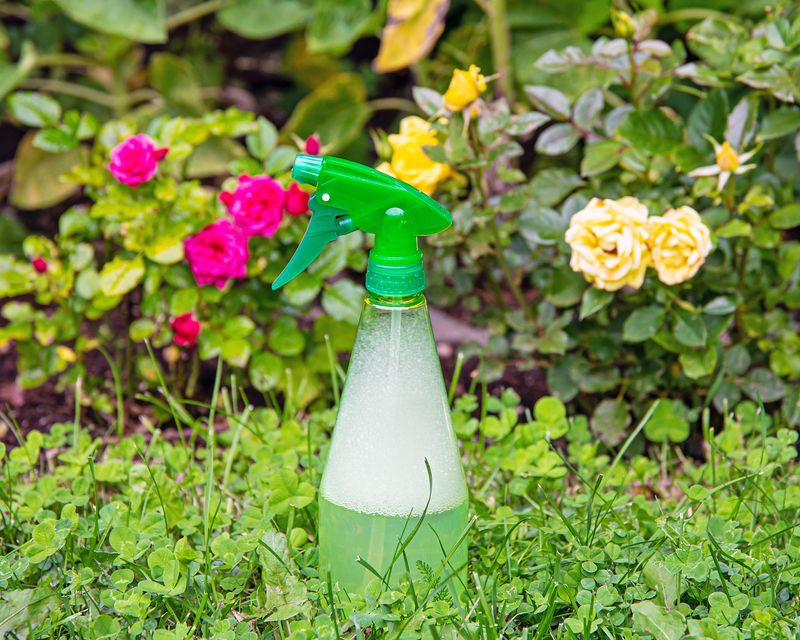
My nose still remembers the first time I opened a bottle of egg-based deer spray. It smells awful, and that is exactly why it works.
Research has shown that repellents made with putrescent egg solids are among the more effective options. Deer rely on scent to judge whether food is safe, and rotten egg odors seem to signal danger.
Other products use hot pepper, garlic, or bitter compounds to make leaves taste unpleasant.
Consistency is the secret. Most sprays need to be reapplied every few weeks and after heavy rain.
New growth also needs coverage, since untreated leaves are fair game.
Rotate products every so often. Deer can get used to one smell, especially when food is scarce, so switching between an odor-based spray and a taste-based spray keeps them guessing.
A few practical tips help a lot:
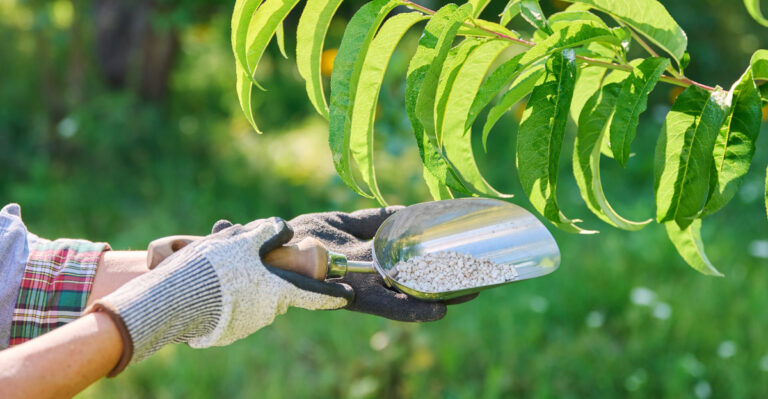
Spray on a dry day when temperatures are above freezing. Wear gloves, and keep the stuff off edible parts of vegetables unless the label allows it.
Start before deer form a habit. Repellents prevent browsing much better than they stop a deer that already treats your yard like a regular stop.
4. Hungry Deer Are Probably Eyeing Your Pansies And Hostas
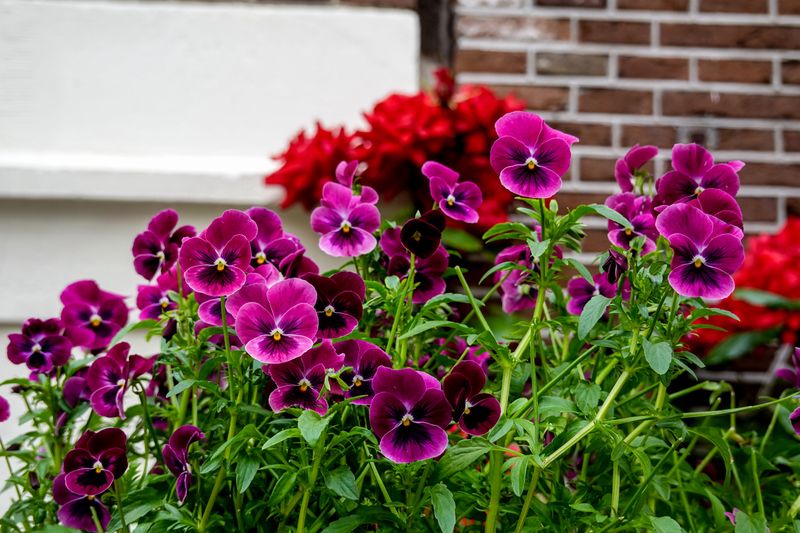
Fall planting season puts a fresh salad bar right in front of hungry deer. November is prime time for pansies and violas in Georgia, and deer find them delicious.
Some plants show up on the deer menu again and again. Hostas, daylilies, azaleas, English ivy, arborvitae, roses, and young fruit trees take heavy damage.
Freshly fertilized lawns and tender cool-season greens like lettuce and kale also attract attention.
How can you tell a deer did it? Deer have no upper front teeth, so they tear plants instead of snipping them.
Look for ragged, shredded leaf edges, often two to five feet off the ground. Rabbits leave clean, angled cuts much lower down.
Hoof prints and pellet piles nearby confirm your suspicions. You might also find matted grass where a deer bedded down overnight.
Try moving the most tempting plants closer to the house. Deer usually feel nervous near doors, lights, and activity, so beds by the porch tend to suffer less.
Container plantings on a deck are another clever option. Fill them with pansies and winter greens, and enjoy the color without feeding the neighborhood herd.
5. Rubbed Tree Bark Means A Buck Has Claimed Your Yard
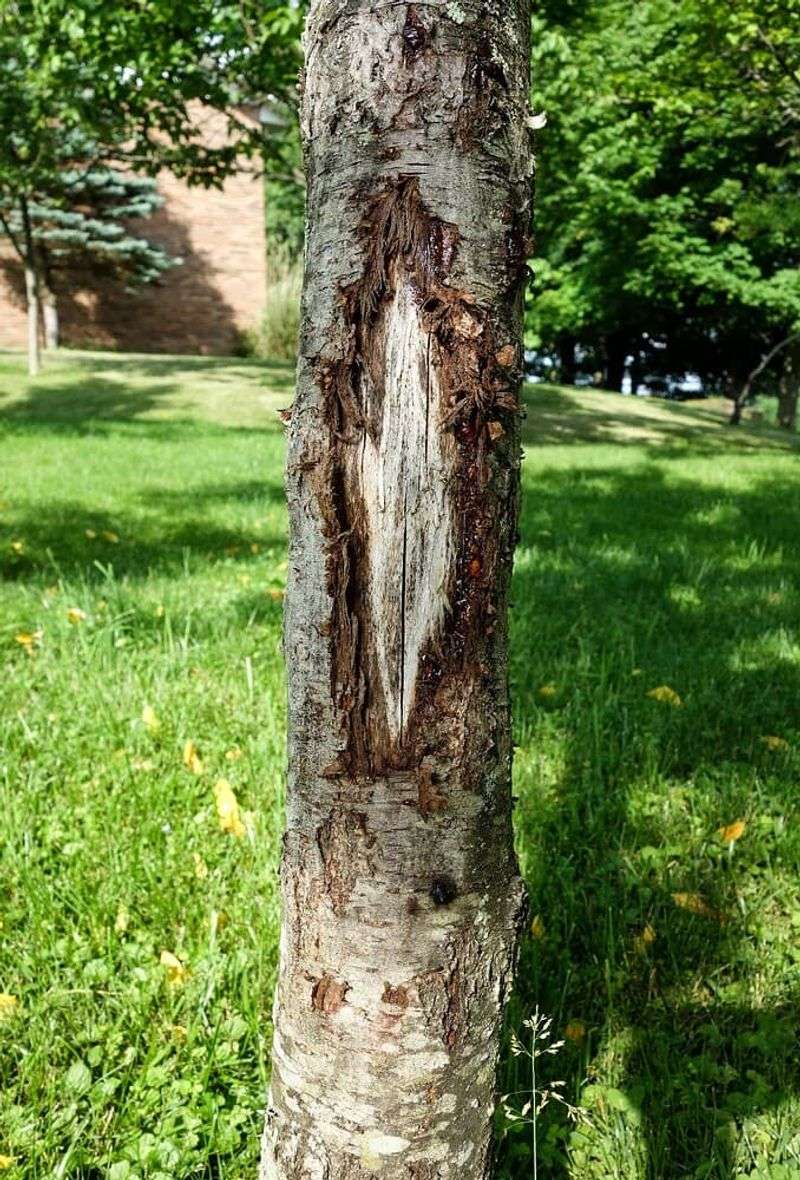
Torn bark on a skinny young tree is one of the clearest clues of the rut. Bucks rub their antlers against trunks to leave scent and mark territory.
Small trees with smooth bark, about one to four inches across, are favorite targets. Think young maples, dogwoods, cherries, and newly planted ornamentals.
The damage often appears as a shredded strip of bark a foot or two above the ground.
Unfortunately, this injury can be serious. If the bark is stripped all the way around the trunk, the tree may struggle to move water and nutrients and could decline over the next year.
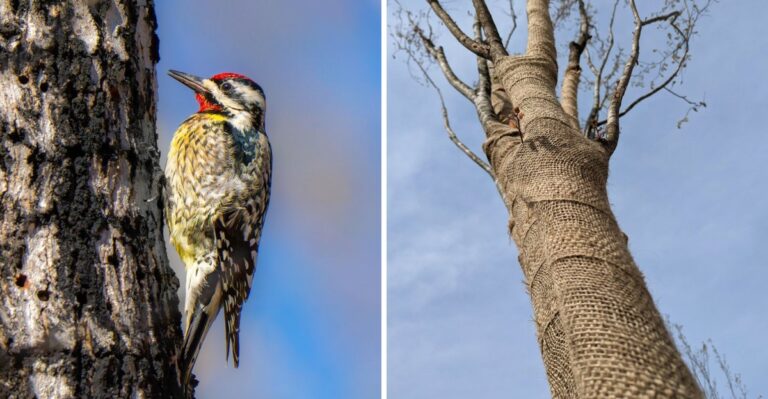
Protection is simple and cheap. Wrap young trunks with plastic tree guards, or circle each tree with a cage of wire fencing set a foot or two away from the bark.
Stake the cage so a pushy buck cannot shove it aside.
Already have a rubbed tree? Avoid cutting into healthy bark, and remove only pieces that are already loose or detached.
Skip wound paint, since experts say it rarely helps healing.
Keep guards in place through winter. Bucks may return to the same spots, and some rub again next fall.
6. Deer-Resistant Plants Like Daffodils And Rosemary Can Save Your Beds
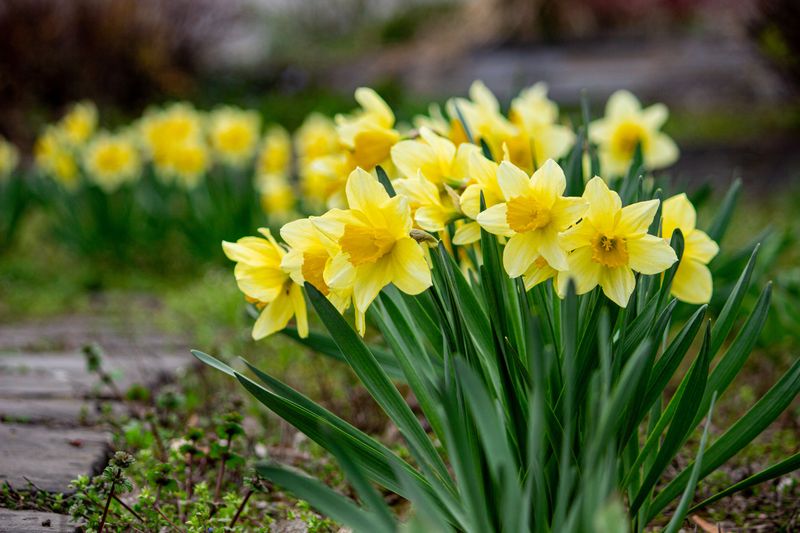
Planting smarter might be the most relaxing defense of all. Deer usually skip plants with strong scents, fuzzy leaves, bitter sap, or toxic compounds.
November is a great month to tuck daffodil bulbs into Georgia soil. Deer and rodents generally leave them alone because the bulbs and leaves contain toxic chemicals.
Pair them with hellebores, which bloom in late winter and rarely get touched.
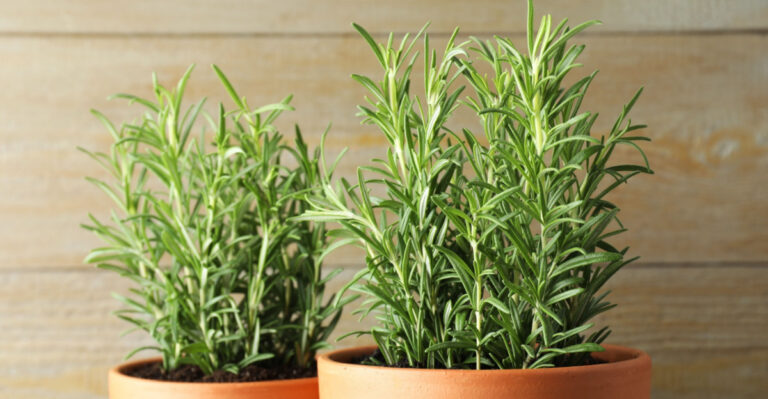
Aromatic herbs make another strong choice. Rosemary, lavender, and many salvias carry oils deer dislike.
Native options such as Eastern red cedar, wax myrtle, and Georgia natives like coreopsis and beautyberry often hold up better than tender exotics, though beautyberry may get nibbled now and then.
Boxwood, ornamental grasses, and lantana are common picks too. Just double-check that any plant fits your area, since the north Georgia mountains and the coast have very different winters.
A friendly warning belongs here. No plant is deer-proof, and a hungry deer in a lean acorn year will taste almost anything.
Use resistant plants along the outer edges of your yard. They work like a less tasty buffer and make the whole space feel less rewarding to explore.
7. Motion Sprinklers And Barking Dogs Keep Nervous Deer Moving
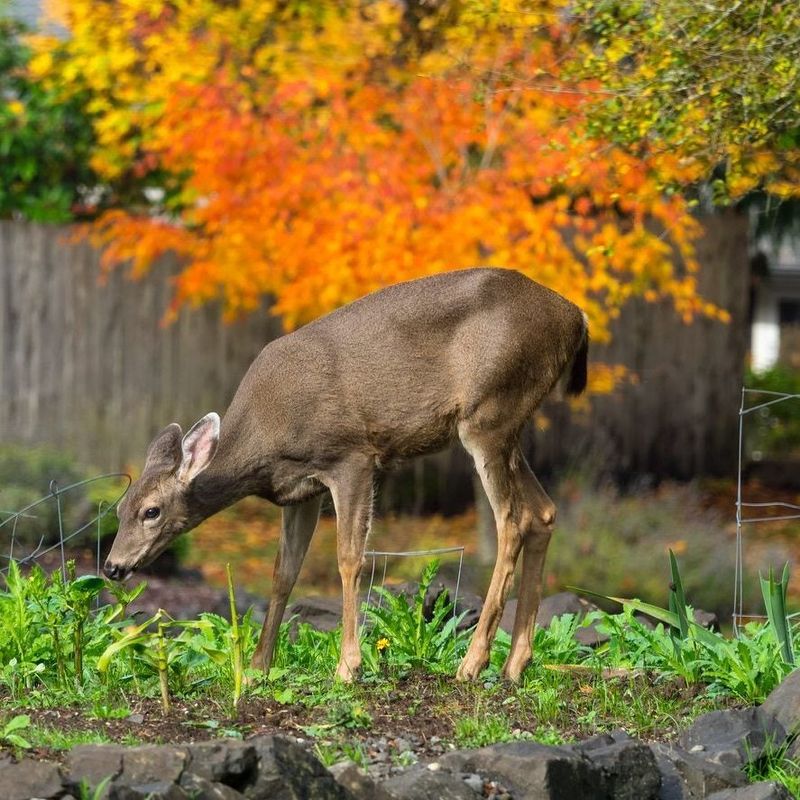
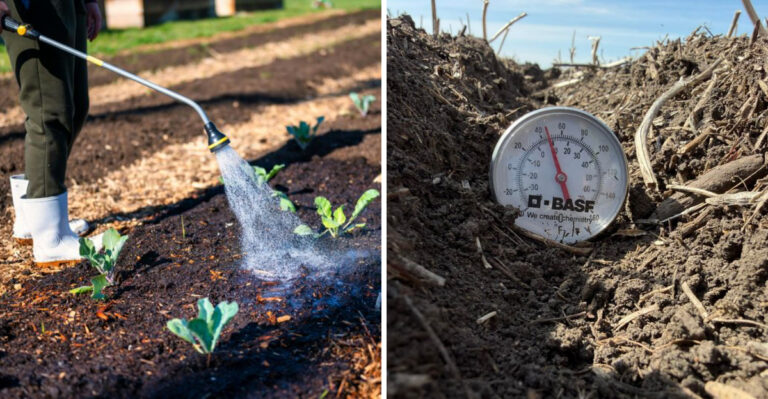
Few things send a deer bounding faster than a sudden blast of cold water. Motion-activated sprinklers are a favorite among gardeners who want results without harsh chemicals.
These gadgets detect movement and fire a quick spray. Deer startle easily, so the surprise often convinces them to look elsewhere.
Motion lights and noise makers can do similar work, especially at night.
There is a catch. Deer are smart and adjust quickly to anything predictable.
Move your devices every week or two so they keep that element of surprise.
Winter also brings freezing nights, especially in north Georgia. Disconnect sprinkler hoses on hard frost nights so pipes and valves do not crack.
Dogs can be wonderful helpers too. A dog that spends time outside leaves scent and noise that make deer uneasy.
Keep your pet safely inside a fenced yard, since chasing deer can lead to injuries or trouble with neighbors.
Shiny tape, wind chimes, and scarecrows offer short-term help at best. They tend to lose power within days.
For the strongest effect, combine scare tactics with repellents or fencing. Layers work far better than any single trick.
8. Watch For Deer On The Road And Stop Feeding Backyard Visitors
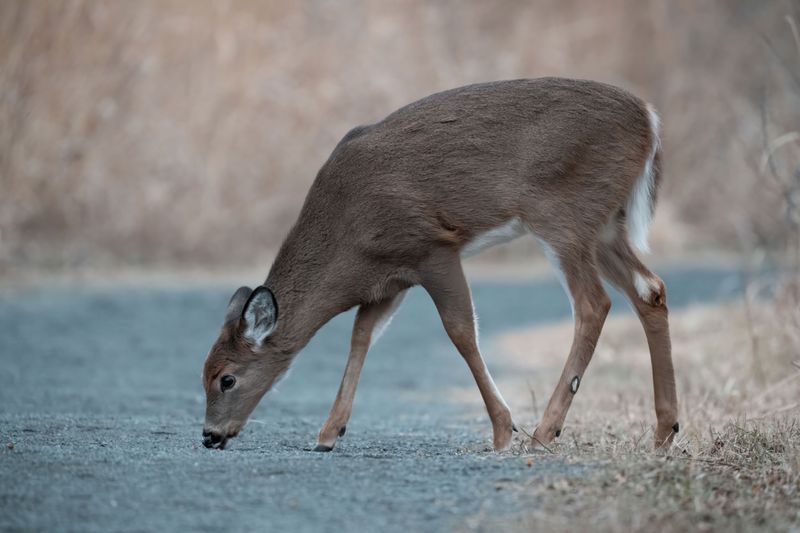
Here is a takeaway that goes beyond the garden. November is one of the riskiest months for deer collisions in Georgia, and insurance data regularly ranks the fall breeding season as the peak time for crashes.
Drive slower at dawn and dusk, and scan road edges for glowing eyes. When one deer crosses, slow down and expect another to follow.
Next, resist the urge to put out corn or treats. Feeding pulls deer closer to homes, raises damage to nearby gardens, and can spread disease when animals crowd together.
Some Georgia cities also restrict feeding wildlife, so check local rules.
If deer numbers in your community keep climbing, talk with neighbors. The Georgia Department of Natural Resources offers guidance on managing urban deer, and some areas use regulated programs to reduce herd size.
Keep a simple fall checklist for next year:
Install tree guards and fencing in early October. Start repellent sprays before plants get browsed, and plant daffodils and other resistant favorites along the edges.
Deer are part of what makes our state feel wild and lovely. With a little planning, you can enjoy the view and still keep your yard looking great.