The New York Fall Fix That Finally Stops Creeping Charlie From Returning
Settlers once brewed beer with this sneaky lawn invader before hops became common, and now it brews trouble in our yards instead.
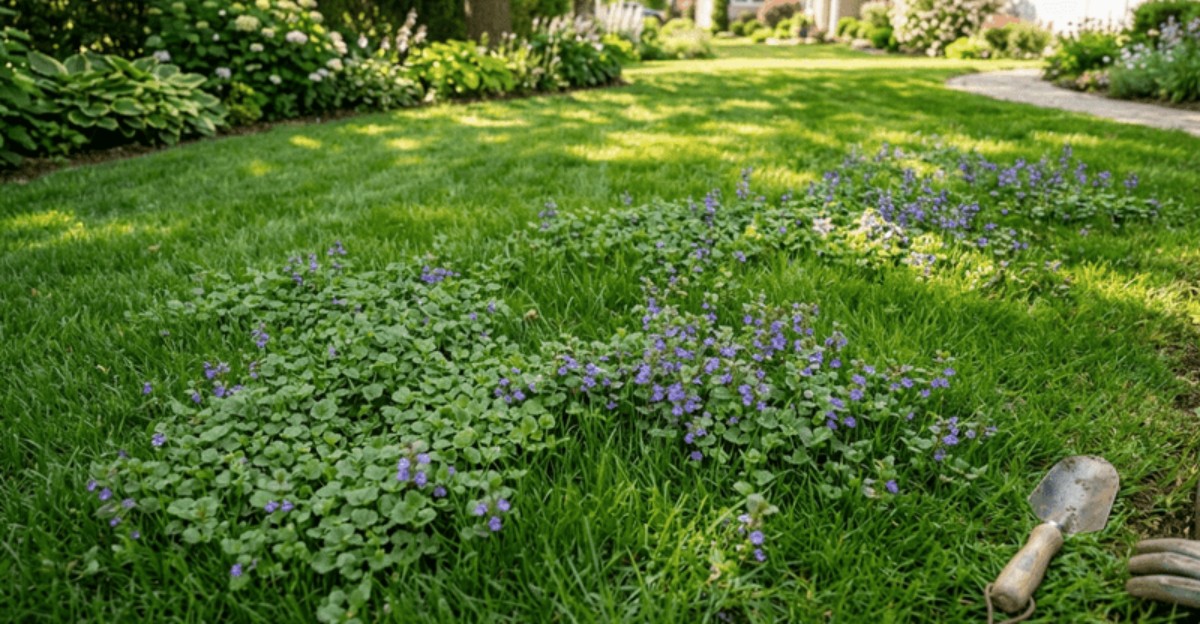
It belongs to the mint family, which explains a lot. Crush a leaf and you get a sharp, minty smell. Every stem that touches soil can sprout fresh roots, so one plant quietly turns into a whole carpet.
I spent three summers yanking it out of my shady side yard here in New York, feeling like a champion each time. Every spring, it came marching right back across the grass like nothing happened.
I get it if you feel the same frustration. Pulling and spraying in July often feels pointless. What if the real trick has more to do with your calendar than your muscles?
That Scalloped Leaf Carpet Has A Weak Spot In Autumn
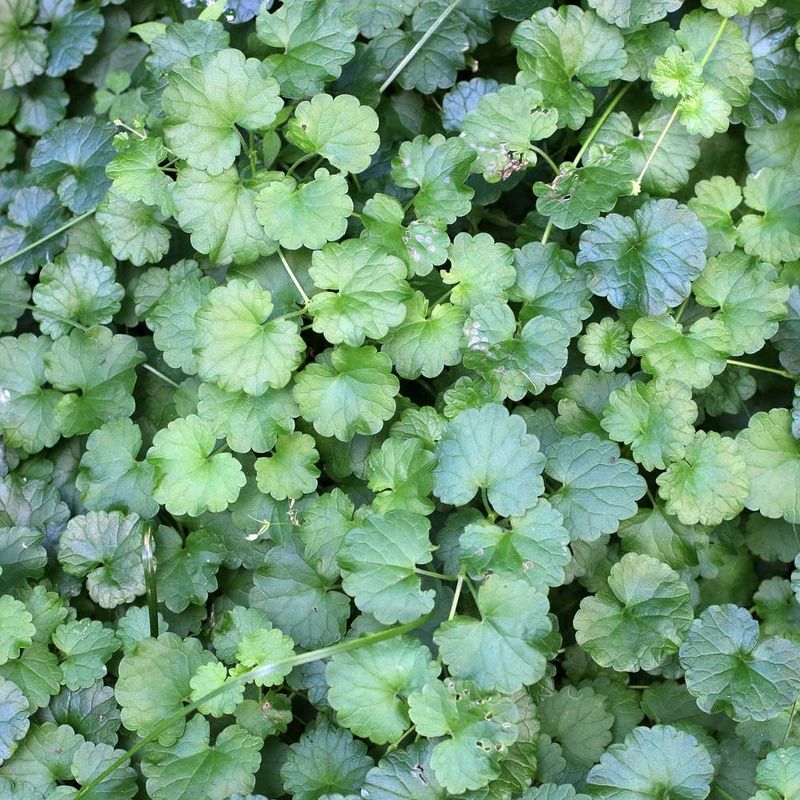
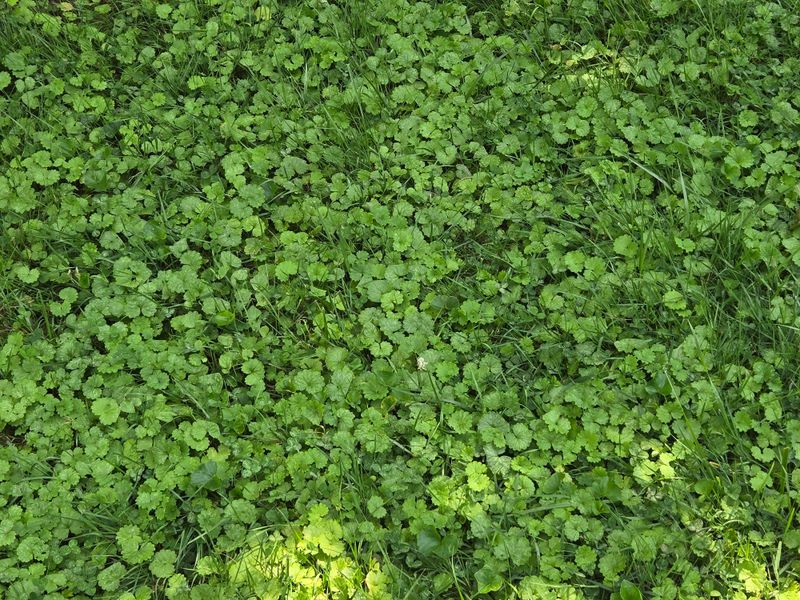
Creeping Charlie, known to botanists as Glechoma hederacea, came from Europe and Asia and settled in nicely across North America. You can spot it by its round, scalloped leaves, square stems, and tiny purple flowers in spring.
Its sneaky skill is spreading by stolons. Those are long runners that hug the ground and root at the nodes, which is why one small patch can cover a lawn edge in a single season.
Here is the twist that changed my approach. As days shorten and temperatures drop in fall, perennial weeds start moving sugars down from their leaves into their roots and runners. They are stocking the pantry for winter.
That downward flow is the weak spot. University extension experts, including Purdue and Iowa State, point out that systemic weed treatments ride along with those sugars when applied in fall. The product travels deeper into the plant instead of just scorching the top leaves.
In spring, the opposite happens. The plant pushes energy up into new growth, so treatments often burn leaves and leave roots untouched. That timing difference explains why so many summer battles end in a rematch next May.
Fall Timing For Ground Ivy Treatment Makes All The Difference
Mark your calendar for the weeks around your first frost, which can arrive anywhere from late September to November depending on where you live. Purdue Extension research found that treatments applied around the first frost gave much better control of ground ivy than spring work.
In New York, that window shifts depending on where you live. Folks in the Adirondacks and North Country may see frost in late September, while Long Island and New York City gardeners often wait until late October or even November.
The sweet spot comes after a light frost but before a hard freeze shuts the plant down. Ground ivy is tough and often stays green and active after that first chilly night, which works in your favor.
Watch the weather rather than the date. Daytime temperatures in the 50s or 60s are ideal, since plants need to be growing for the treatment to move inside them.
Many experts suggest two applications spaced about three to four weeks apart. The first round weakens the patch, and the second catches survivors before winter.
I keep a little note on my phone with my local average frost date. When the forecast shows that first frosty morning, I know it is go time for my lawn plan.
Triclopyr Is The Ingredient Creeping Charlie Hates Most
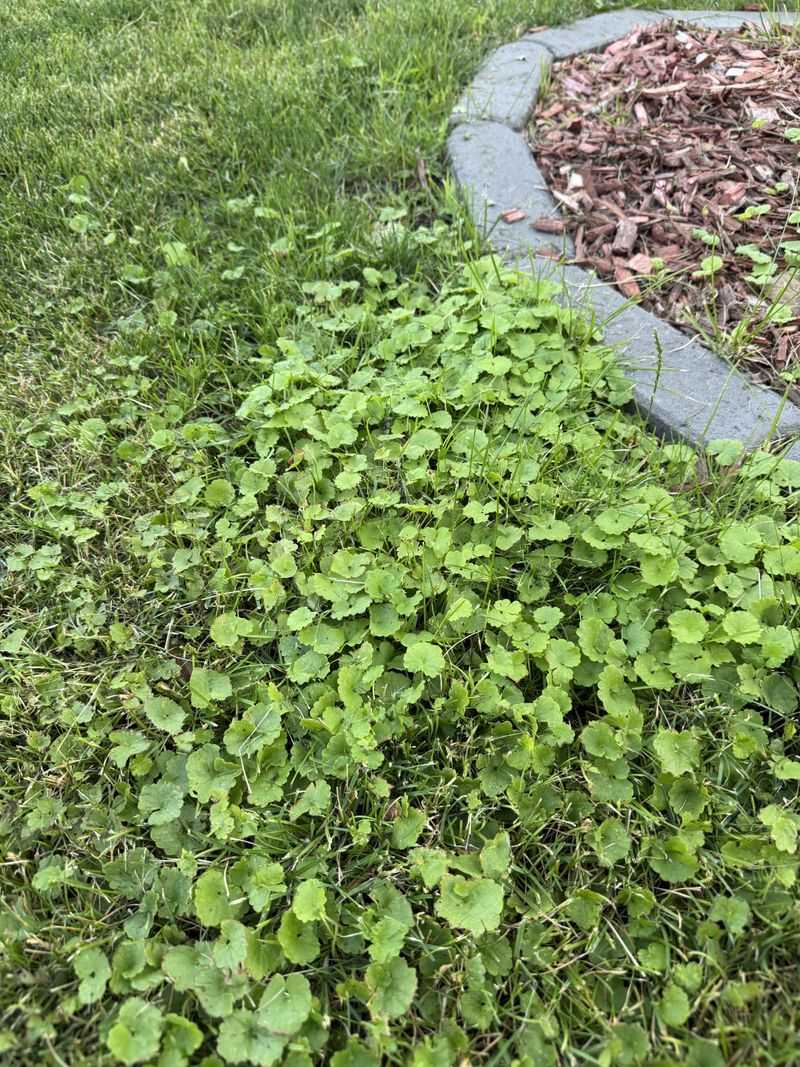
Not every weed spray works on this stubborn mint cousin. Extension specialists consistently name triclopyr as the most reliable active ingredient for ground ivy in lawns.
Triclopyr is a selective broadleaf herbicide, so it targets weeds like Creeping Charlie without harming most cool-season grasses. You will often find it mixed with 2,4-D, MCPP, or dicamba in lawn products, and those blends tend to perform well.
Read the label before you buy anything. The label is the law, and it tells you the right rate, which grasses it is safe for, and how long to keep kids and pets off the lawn.
For the best results, apply on a calm day so drift does not reach your garden beds or a neighbor’s tomatoes. Moist soil helps, and you want at least 24 hours without rain so the product can soak into the leaves.
Skip mowing for a couple of days before and after treatment. More leaf surface means more product absorbed.
Spot spraying patches is often smarter than blanket coverage. You use less product, save money, and protect helpful clover and pollinators in other parts of the yard.
Hand Pulling Ground Ivy Runners Works Best After A Good Rain
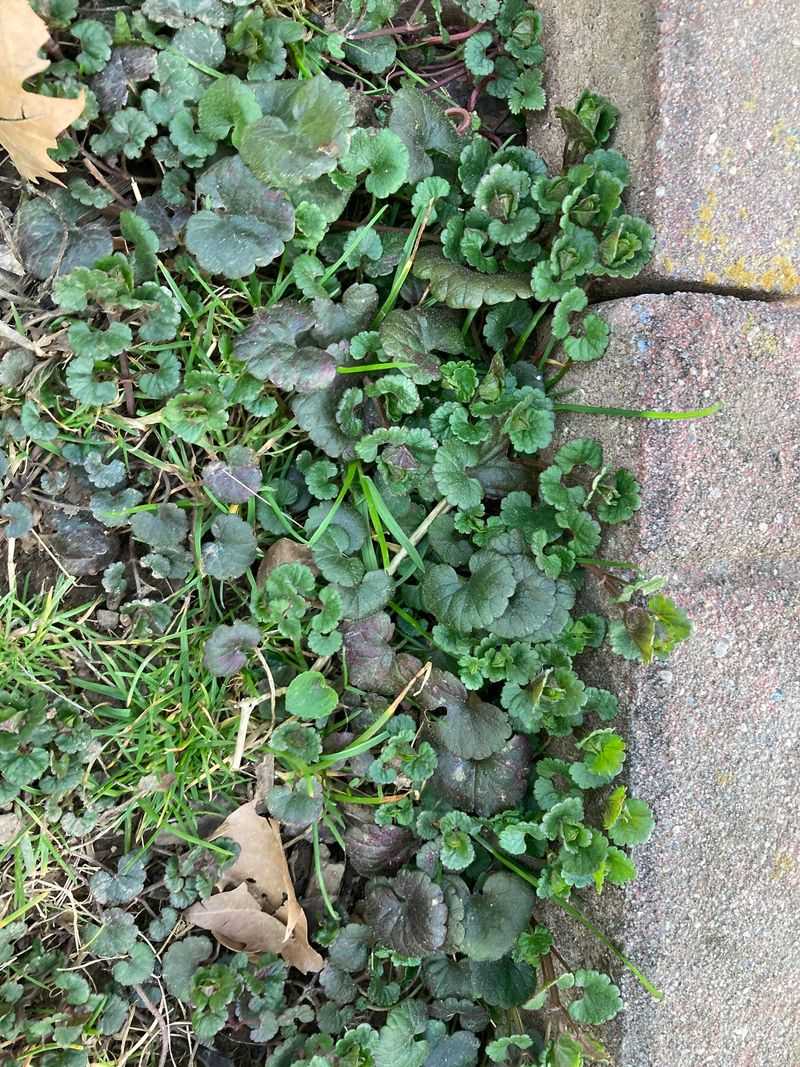
Sometimes the best tool is the pair of hands you already own. For small patches and flower beds where sprays are a bad idea, careful pulling can clear Creeping Charlie surprisingly well.
My favorite trick is waiting for a soaking rain. Soft, damp soil lets the runners slide out with their roots attached instead of snapping off.
Grab a runner and follow it slowly, like unspooling yarn. Every little node can root, so any piece left behind may become a fresh plant by spring.
A hand weeder or garden fork helps loosen the roots near the crown. Work in sections, and do not rush.
Bag the pulled plants instead of tossing them on the compost pile. Home compost piles often do not get hot enough, and those runners can happily root again.
Fun fact for your next weeding session. Old-time herbalists called this plant alehoof and used it to flavor and clear ale before hops took over. It also earned the name gill-over-the-ground.
Expect to return a few times. Checking the same spot every week or two in fall catches sneaky sprouts before they settle in for winter.
Shady Damp Lawn Corners Roll Out The Welcome Mat For This Weed
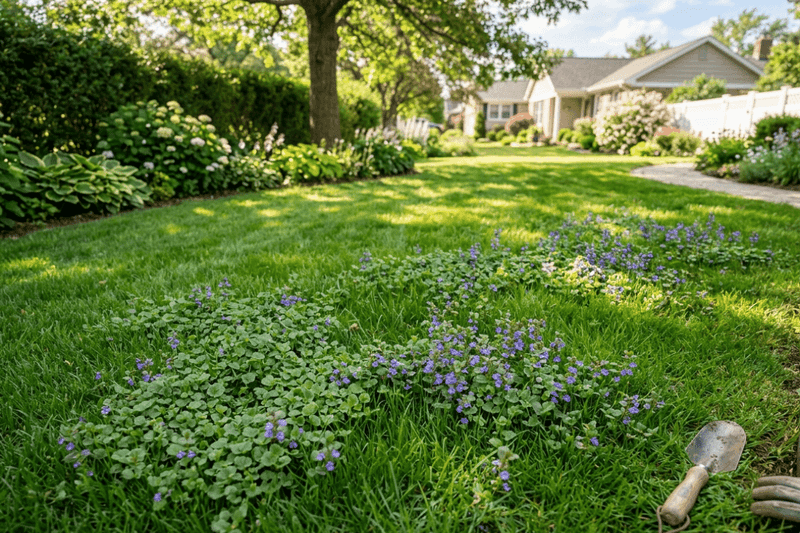
Ever notice where Creeping Charlie shows up first? It loves the spots where grass struggles, like under trees, along shady fences, and in soggy low areas.
The weed is basically an opportunist. Thin turf, compacted soil, and poor drainage give it open ground and moisture to spread without much competition.
Treating the weed without fixing the conditions is like mopping a floor while the faucet still drips. You might win this fall, but it will creep back.
Start by walking your yard after a rain. Puddles and squishy spots point to drainage trouble, and core aeration in early fall can loosen compacted soil so roots breathe and water soaks in.
Look up, too. Thinning lower tree branches lets more sunlight reach the grass, which helps it thicken up.
A soil test is cheap and useful. Cornell Cooperative Extension offices across the state can guide you on testing, and the results show whether your lawn needs lime or nutrients.
In deep shade where grass just will not grow, think differently. A native groundcover like wild ginger or a mulched bed may be a better fit than fighting nature.
Thick Fescue Turf Crowds Out Creeping Charlie Naturally
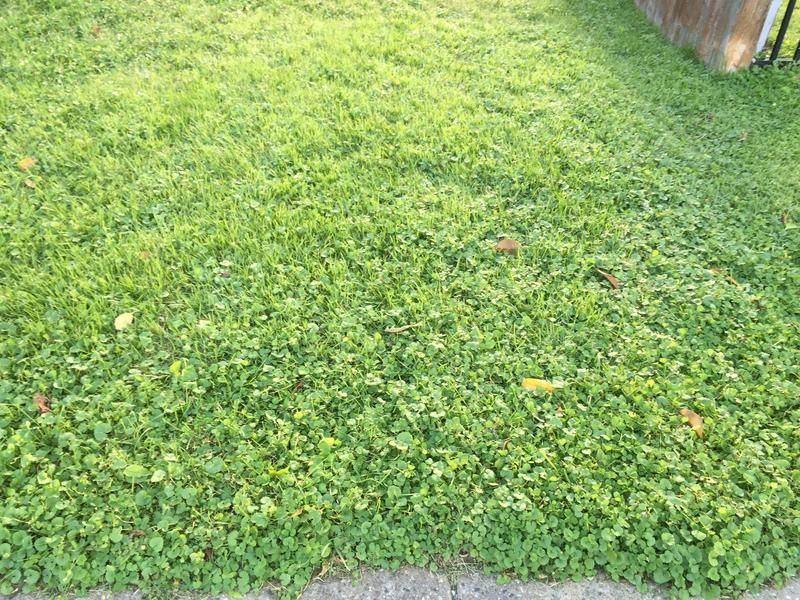
A thick lawn is the best bouncer at the door. When grass blades crowd every inch, Creeping Charlie runners have a hard time finding bare soil to root in.
In much of New York, late August through mid-September is prime time for overseeding cool-season grass. Warm soil and cooler air help seed sprout quickly.
Choose seed that fits your light. Fine fescues handle shade well, while tall fescue and Kentucky bluegrass prefer sunnier spots.
Plan around your herbicide schedule, since many weed products can harm young grass seedlings. Check the label for waiting times between spraying and seeding.
Mowing height matters more than most people realize. Keeping grass at about 3 to 4 inches shades the soil and makes it tougher for low weeds to thrive.
Fertilize in fall, not just spring. Cornell turf experts note that fall feeding helps cool-season grass build roots and density, which gives it an edge going into next year.
Water deeply but less often. Shallow daily sprinkling keeps the surface wet, which is exactly the kind of setting Creeping Charlie adores.
Borax And Vinegar Sprays Leave Ground Ivy Roots Untouched
Old garden folklore loves a kitchen cure. For years, people mixed borax into water to fight Creeping Charlie, and you can still find that tip online.
The trouble is the boron in borax. The amount needed to hurt the weed sits close to the amount that harms grass and other plants, and it can build up in soil over time. Extension specialists, including Iowa State, advise against it.
Vinegar sounds safer, but it disappoints. Household vinegar may brown the leaves, yet it rarely reaches the roots and runners, so the plant bounces back within weeks.
Stronger horticultural vinegar can irritate skin and eyes. It also harms any grass it touches.
Another myth involves plain 2,4-D. On its own, it gives weak results on ground ivy, so blends with triclopyr or dicamba work much better.
Dish soap mixes, salt, and boiling water also show up on social media. Salt can damage soil for a long time, and boiling water scalds everything nearby.
I fell for the vinegar trick once myself. The patch looked brown for a week, then turned green again, which taught me to trust science over shortcuts.
A Quick Spring Lawn Walk Keeps New Purple Flowers From Spreading
Winning this fall is great, but staying ahead of Creeping Charlie takes a simple habit. Short, regular lawn walks catch trouble while it is still tiny.
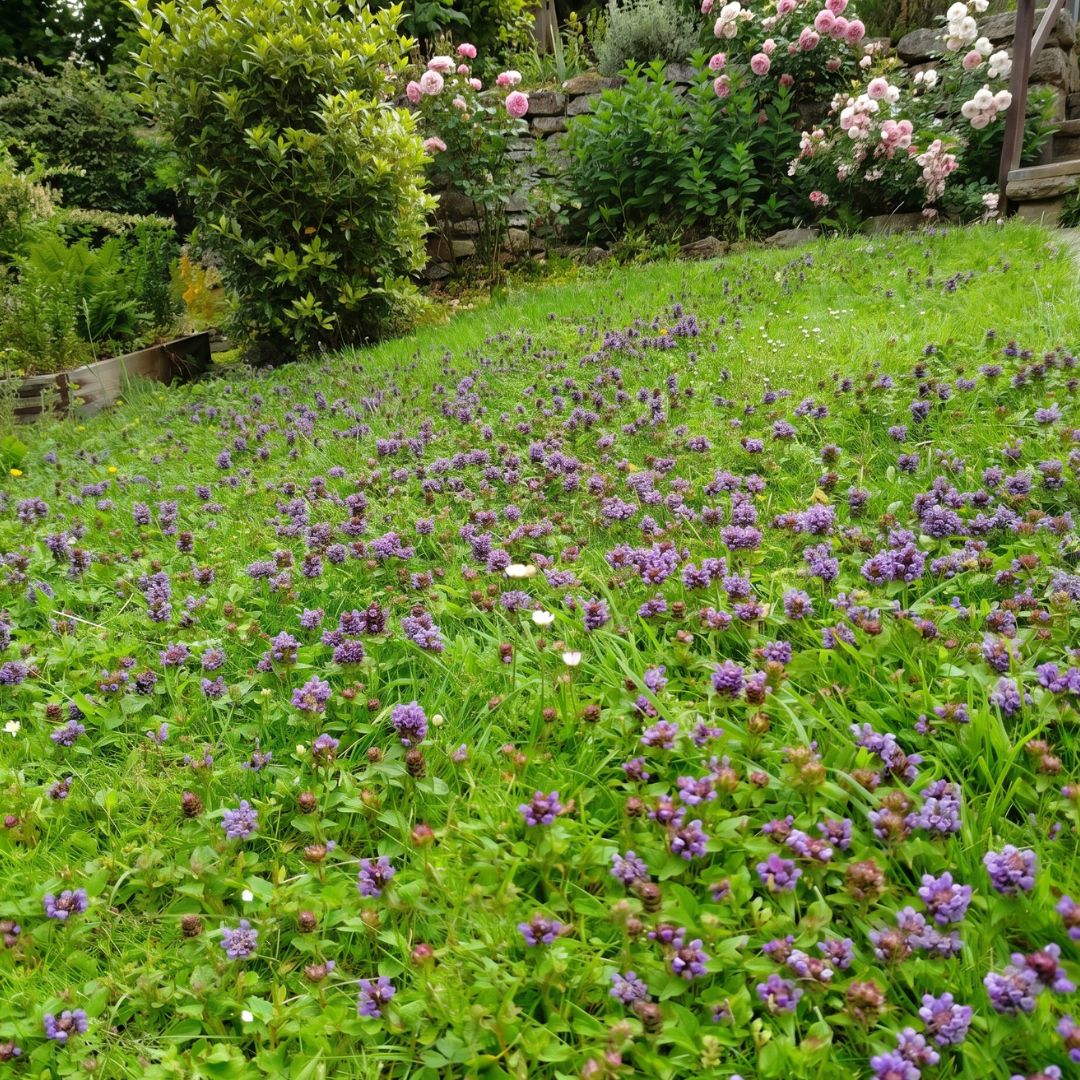
Spring makes spotting easy. Those little purple-blue flowers pop up in April and May, waving like flags over any patch that survived.
Pull or spot-treat new sprouts right away. A plant with three runners is far easier to handle than a mat the size of a picnic blanket.
Edges deserve extra attention. Creeping Charlie often sneaks in from neighboring yards, wooded borders, or under fences, so a strip of edging or a mulched buffer can slow its travels.
Keep a simple yard log. Jot down where patches appeared and what you did, because patterns become obvious after a season or two.
Bees do visit those spring flowers, which is worth knowing. If a small patch grows in a wild corner you rarely mow, leaving it there may be a fair trade.
Most of all, think of fall as your main event and spring as your check-up. Steady care, healthy grass, and smart timing keep this minty wanderer from moving back in.