What To Do If You Touch A Puss Caterpillar In Your Texas Garden
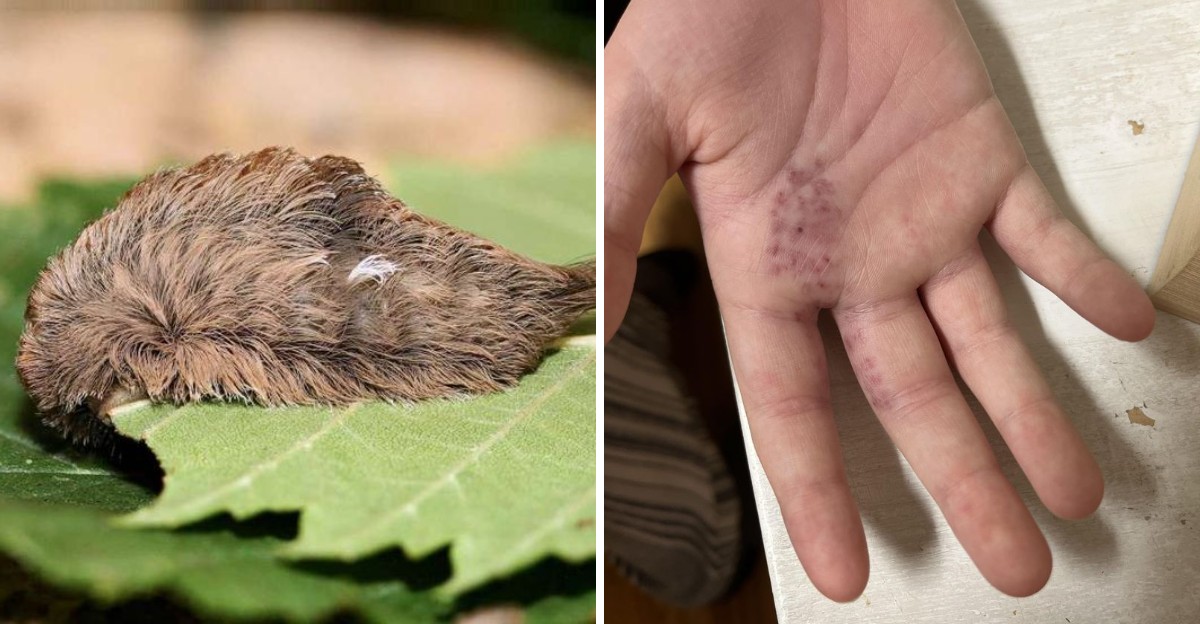
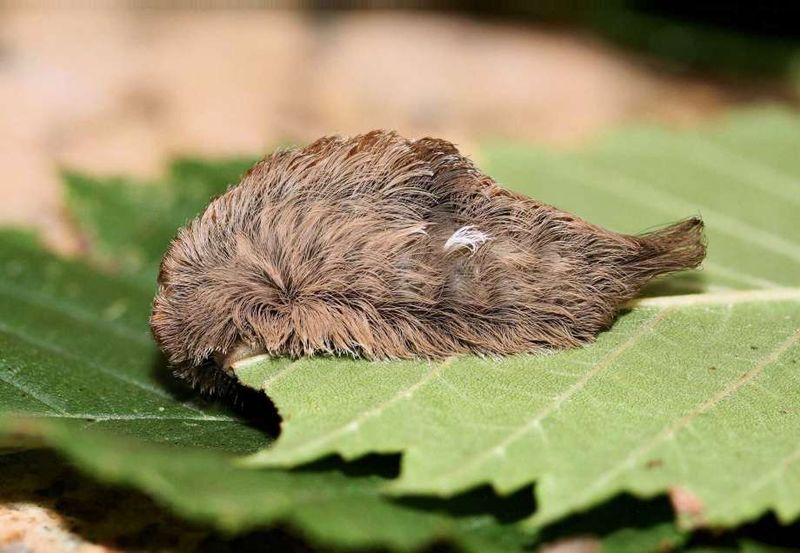
The most venomous caterpillar in North America looks like a tiny toupee that wandered off someone’s head. I’m not joking. It is soft, fluffy, and about the size of your thumb.
Under all that silky fur hide short, hollow spines packed with venom. One light brush can send a burning, throbbing pain racing up your arm within minutes. Some people compare it to a bad bee sting, and others say it’s much worse.
I used to admire these fuzzballs on my oak tree like little garden pets. Then a friend in Texas showed me the grid of red dots one left on her wrist. Nobody warned me that cute could hurt this much.
So what happens in those first few minutes after an accidental touch? Your quick choices can make a big difference in how the rest of your afternoon goes.
1. That Fluffy Little Tuft On Your Oak Leaf Carries A Hidden Sting
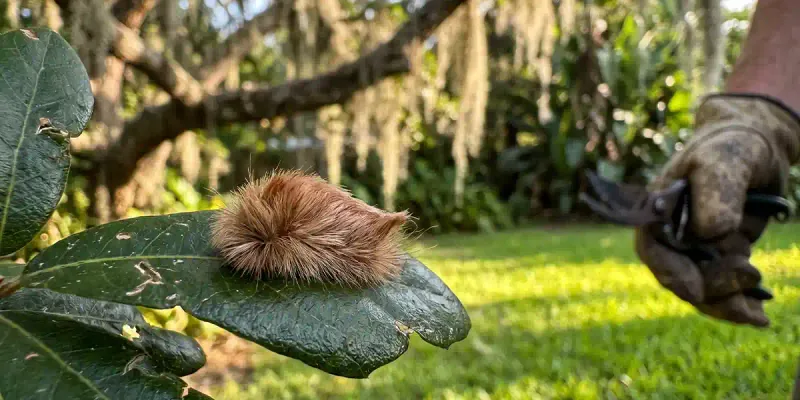
Gardeners in Texas often call it an asp, but the proper name is the southern flannel moth caterpillar. It earned the nickname puss caterpillar because it looks a lot like a tiny, fluffy cat.
Mature caterpillars grow about 1 to 1.5 inches long. They’re shaped like a teardrop and covered in long, silky hairs that can be yellow, gray, tan, or reddish-brown. Some even have a little crest of hair along the back, like a punk rock hairdo.
The soft hairs are the part that fools people. Tucked underneath are short, stiff spines connected to venom glands. When something presses against the caterpillar, those spines break off and lodge in the skin.
Here’s a quirky fact. The adult moth is completely harmless and pretty fuzzy too, with creamy wings and furry legs. Only the larva carries the sting.
I like to tell kids that this caterpillar is wearing a fur coat with thumbtacks hidden in the lining.
That picture tends to stick. Once you know what to look for, you’ll start spotting them on oak, elm, hackberry, and other shade trees.
Recognizing one is your first line of defense, and it makes the rest of this advice much easier to use.
2. Brush The Caterpillar Off Gently Without Squishing It
Your first instinct might be to slap at it. Please resist that urge. Crushing a puss caterpillar against your skin can press even more venomous spines into you.
If the caterpillar is still clinging to your arm, hand, or shirt, use something other than bare fingers to remove it.
A small stick, a leaf, a garden tool, or tweezers all work well. Heavy gloves are another solid choice if you happen to be wearing them.
Flick or lift it away with a calm, light motion. Let it drop onto the ground or into a container, then step back. You can deal with relocating or removing it later, once you’ve taken care of yourself.
Kids are especially likely to grab at a fuzzy bug on their skin. If you garden with little helpers, practice this ahead of time. A quick rule like “stick, not fingers” is easy for children to remember when they’re startled.
Also check your clothing carefully. Loose spines can hang around on sleeves and gloves. Take off anything that touched the caterpillar and wash it before wearing it again.
That simple step helps you avoid a second surprise sting later in the day.
3. A Strip Of Tape Pulls Out Those Tiny Venom Spines
Believe it or not, the most useful first aid tool for this sting might already be in your kitchen drawer. Plain adhesive tape is the trick that Texas A&M AgriLife experts and poison control centers recommend.
The broken spines in your skin keep releasing venom. Getting them out quickly can ease the pain. Press a strip of clear tape, duct tape, or packing tape over the sting site, then peel it off.
Repeat this several times with fresh pieces of tape. Each pull lifts out more of those tiny, nearly invisible spines. Many people notice relief within a few rounds.
Personally, I keep a roll of packing tape on the potting bench during summer and fall. It takes up no space and saves a frantic run indoors. Gardening friends I’ve shared this with now keep tape in their tool buckets too.
Avoid rubbing or scratching the area before you tape it. Rubbing can push the spines deeper and spread them around.
If you don’t have tape handy, gently press the sticky side of a bandage on the spot instead. Then head inside to wash up and move on to cooling the burn.
4. Soap, Water, And An Ice Pack Calm The Burning Sting

Once the spines are out, it’s time to clean up. Wash the area gently with mild soap and cool water. Pat it dry, or let it air dry so you don’t drag any leftover spines across your skin.
Next, grab an ice pack or a cold, wet cloth. Hold it on the sting for about 10 to 15 minutes at a time. The cold helps dull the throbbing and can reduce swelling.
A few over-the-counter options may add comfort. Calamine lotion, hydrocortisone cream, or a paste of baking soda and water can ease itching.
Some people find an oral antihistamine helpful, but check with a doctor or pharmacist first, especially for children.
Medical sources say regular pain relievers like aspirin often don’t do much for this kind of pain. That surprised me the first time I read it. Cold and spine removal tend to do more of the heavy lifting.
Skip old folk fixes like vinegar, meat tenderizer, or other kitchen experiments. Poison control specialists warn these can irritate the skin further.
For the most current advice, call Texas Poison Center Network at 1-800-222-1222. Calls are free, confidential, and answered around the clock.
5. Red Dots In A Grid Pattern Tell You What Stung You
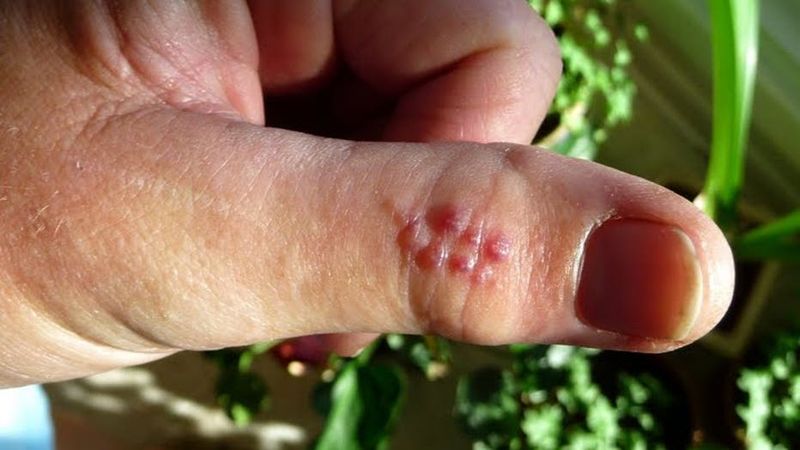
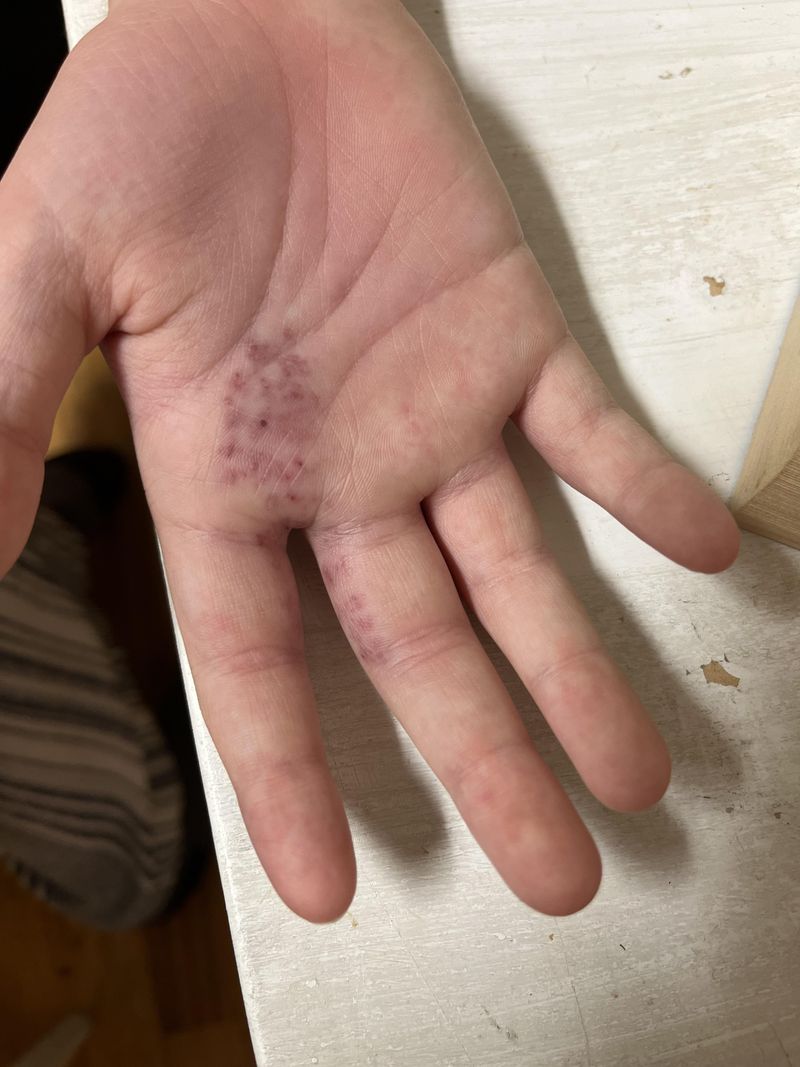
A puss caterpillar sting often leaves a calling card. Many people see a pattern of red spots in a grid or track, roughly the shape of the caterpillar’s belly. It’s a strange, almost tidy-looking mark.
Pain usually shows up within about five minutes. People describe it as intense, throbbing, and burning. Sometimes the ache spreads up an arm toward the armpit or into nearby areas.
Swelling, redness, and small blisters can also appear. For most folks, the worst of the pain fades within an hour or so. The red spots may hang around for a day or longer.
Some people feel more than just skin symptoms. Headache, nausea, vomiting, muscle cramps, swollen glands, and fever have been reported.
How strong the reaction is depends on the person, the sting location, and how thin the skin is there.
A sting on the soft inner arm or a child’s hand can feel worse than one on a tough palm. If you’re unsure what stung you, snap a photo of the caterpillar from a safe distance.
Doctors and poison control staff find that picture handy when they help you decide on next steps.
6. Trouble Breathing After An Asp Sting Means Calling 911

Most stings can be handled at home. A small number, though, call for emergency help right away. Knowing the warning signs ahead of time is a smart move for every gardener. Watch for signs of a serious allergic reaction.
These include trouble breathing, wheezing, chest tightness, dizziness, confusion, or swelling of the lips, tongue, face, or throat. Call 911 or head to the nearest emergency room if any of these show up.
Get medical care too if the sting is near the eyes or mouth. Spines in the eye can cause real harm, so don’t rub it. Rinse gently with water and get help.
Other reasons to see a doctor include blisters that keep getting worse, pain that won’t let up, or signs of infection. Redness that spreads, warmth, pus, or fever after a few days are clues.
Young children, older adults, and people with allergy histories deserve extra caution. I’d rather make an unnecessary phone call than ignore a red flag.
When in doubt, the poison center line at 1-800-222-1222 can help you figure out whether a trip to urgent care makes sense.
7. Pets Nosing Around Shrubs Can Get Stung Too
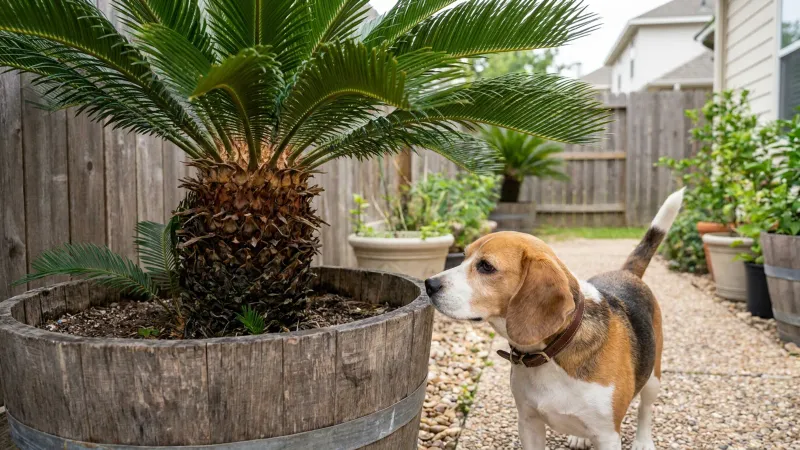
Dogs explore the world nose first, and that can lead to trouble. A curious pup sniffing a hedge or a cat batting at something fuzzy may end up with a sting on the face, paw, or mouth.
Signs in pets can include pawing at the face, drooling, swelling, whining, or sudden limping. Some animals rub their muzzle on the grass over and over. You might also notice vomiting or unusual restlessness.
Call your veterinarian right away rather than trying home fixes. Pets can’t tell you how bad it feels, and swelling near the mouth or throat needs a professional eye. Your vet can guide you on safe steps for your animal.
A little prevention goes a long way. During peak caterpillar months, take a quick look at low branches and fence lines before letting dogs roam.
Puss caterpillars often crawl down tree trunks and along walls when they’re looking for a spot to spin a cocoon.
I walk my yard every few days in late summer just to scan. It only takes a couple of minutes. Pulling a sniffing pup away from a hedge is far easier than an emergency vet visit on a Saturday night.
8. Long Sleeves And Garden Gloves Keep Fuzzy Caterpillars At Bay
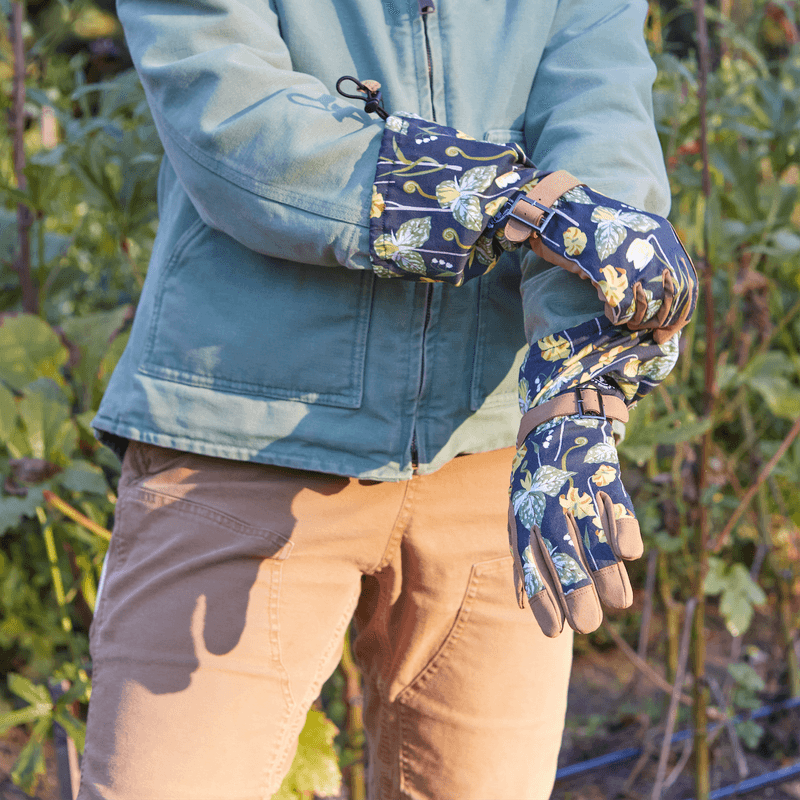
My favorite rule for the garden is short and sweet. If it’s fuzzy, don’t touch it. That goes for live caterpillars, their shed skins, and even old cocoons, since the spines can still sting.
In much of Texas, puss caterpillars show up from late spring through fall, with two generations common in many areas.
Late summer and early fall are often busiest. In the warmest southern regions, sightings can stretch from spring into December.
When pruning oaks, elms, hackberries, hollies, roses, or other favorite host plants, wear long sleeves, long pants, and sturdy gloves. Check the undersides of leaves before reaching in. Teach kids to look first and point instead of picking up.
Populations usually stay small and tend to be controlled by natural enemies like parasitic wasps and flies. Hand removal with tools and gloves often handles a few.
Texas A&M AgriLife notes products with Bacillus thuringiensis (Bt) can manage young caterpillars, though they affect butterfly larvae too, so use them sparingly and follow labels.
Heavy outbreaks are uncommon. If one happens around a playground or school, a licensed pest professional can help. Keep tape handy, stay alert, and enjoy your shady garden with confidence.