The Endangered Ohio Owl That Hunts Grasslands at Dusk Every Winter
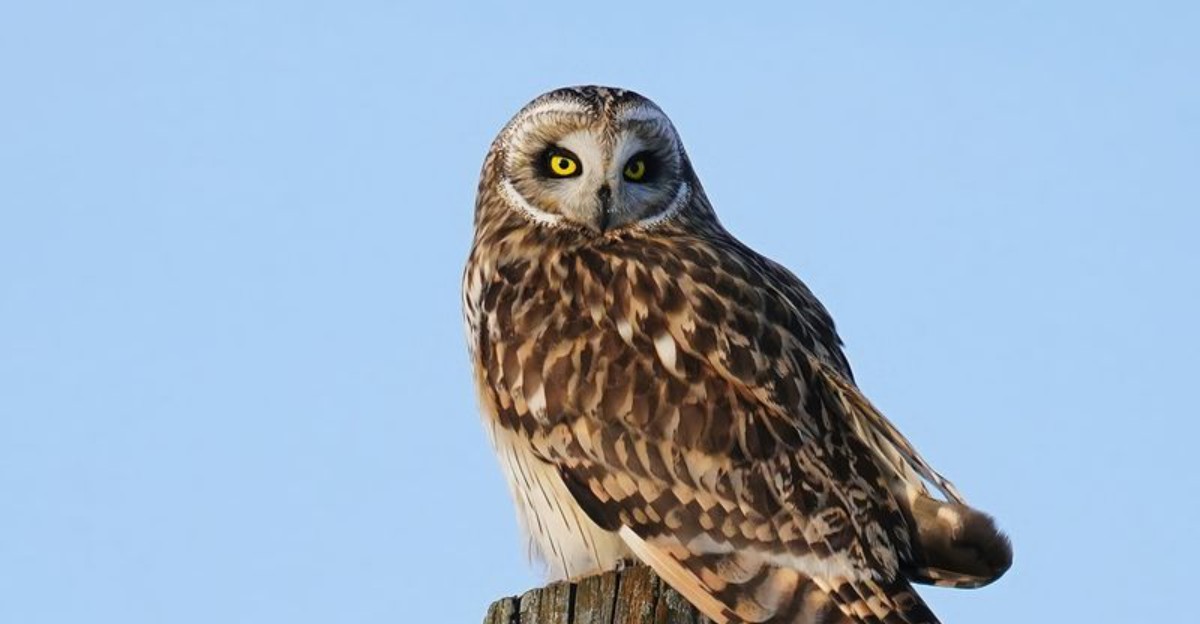
A wild owl in Ohio flies like a giant moth, flapping and floating over frozen fields before the stars come out. It nests on the ground, not in trees. It can show up by the dozen one winter and barely appear the next.
Personally, I could hardly believe a bird this rare hunts in plain sight at sunset. It does not need darkness to do its job, just open grass and a cold breeze.
The secret menu is small, furry, and probably tunneling under a lawn near you. Yes, the same chubby critters that nibble your tulip bulbs keep this hunter fed through the coldest months.
So what kind of owl skips the woods, works the evening shift, and depends on shaggy, unmowed grass? I bet the answer will change how you look at that quiet, empty field down the road this winter.
That Moth-Like Owl Over Frozen Fields Has a Surprising Story
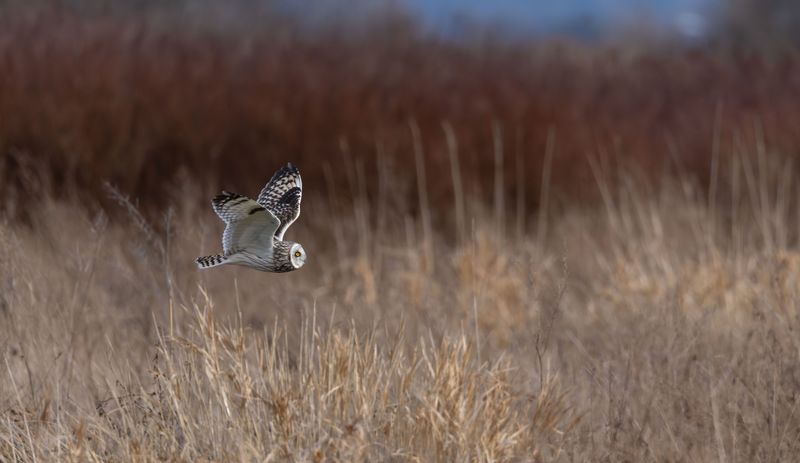
Most owls hide in trees all day, but the Short-eared Owl prefers to sit right on the ground in open grass. It’s a medium-sized, tawny owl with bold yellow eyes ringed in black, like it put on eyeliner for a night out.
Those ear tufts are tiny feathers you rarely notice.
Ohio’s Division of Wildlife lists it as a state endangered species. Globally, the bird is widespread and found on nearly every continent.
The trouble is local. Ohio sits near the southern edge of its breeding range, and nesting records here are rare and scattered.
Most owls you spot in winter are visitors from Canada and northern states. They drift south when snow and food shortages push them out, and numbers swing wildly from year to year.
Grassland loss is the biggest problem. Hayfields, prairies, and wet meadows have shrunk as land turns into row crops and housing.
A bird that nests and roosts on the ground needs big, quiet spaces.
I find it humbling that such a tough bird depends on something as simple as tall grass. When those fields vanish, the owls vanish too.
Saving open land is the most powerful thing anyone can do for them.
Meadow Voles Are the Reason Short-Eared Owls Hunt at Dusk
Small, round, and roughly the size of a hot dog bun, the meadow vole is the engine behind this whole winter show. Short-eared Owls eat other things now and then, including mice, shrews, and small birds.
Voles, though, make up the bulk of the menu.
Voles stay active all winter. They run through little tunnels in the grass and under the snow, popping out to feed.
Their busy periods overlap with dawn and dusk, so the owl matches its schedule to its dinner.
That’s why you see these owls hunting in daylight’s last glow while most other owls are still waiting for darkness. Scientists call this crepuscular activity, which simply means active at twilight.
Northern Harriers work the same fields by day, and the owls take over as the light fades.
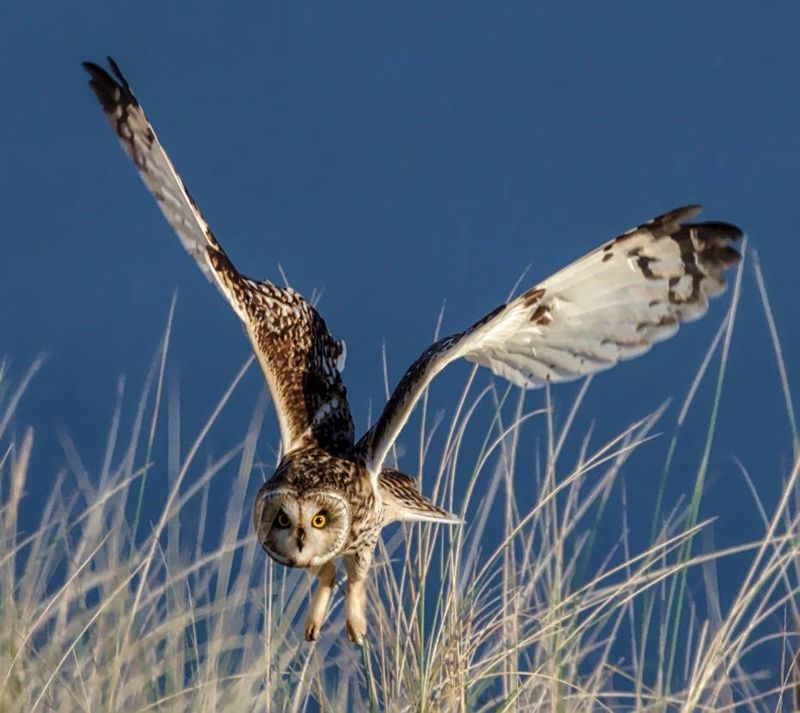
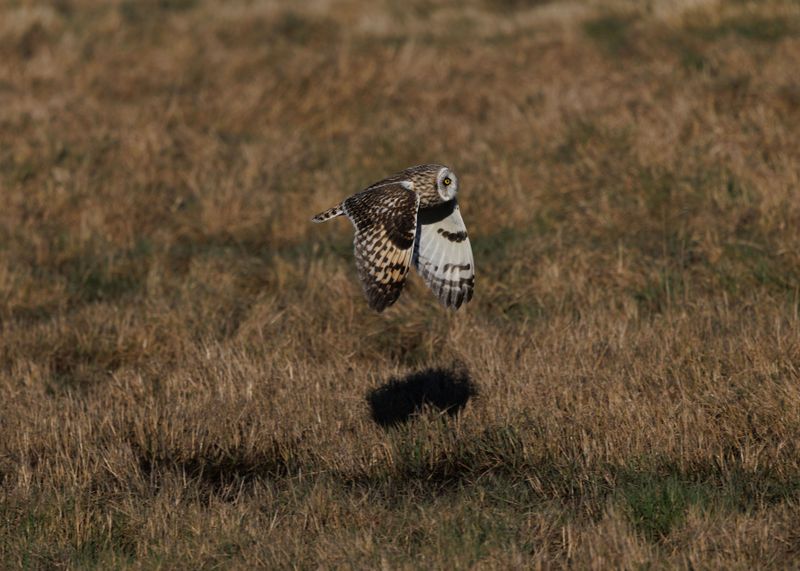
Hunting looks like a slow, bouncy flight just a few feet above the grass. The owl hovers, drops, and pounces feet first.
Sharp hearing helps it find voles hidden under matted stems.
Vole populations rise and crash in cycles. A big vole year can bring a crowd of owls to one field, while a lean year leaves the same field empty.
Gardeners who grumble about voles in their bulb beds might be surprised how much a grassland owl values them.
Reclaimed Mine Grasslands Are Where You’ll Find These Owls in Winter
Some of the best owl country in Ohio started as coal mines. After mining, many sites were reclaimed and planted with grasses, creating huge open spaces with few trees.
Those wide grasslands look a lot like the prairies and tundra edges these owls love.
The Wilds in Muskingum County is the famous example. Its rolling reclaimed fields draw winter birders hoping to see owls and Northern Harriers at sunset.
Nearby Tri-Valley Wildlife Area and other reclaimed lands in the southeast part of the state can host owls too.
Out west, Killdeer Plains Wildlife Area in Wyandot County is another classic winter spot. Its grasslands and marshes have hosted owls for many years.
Big hayfields, airports, and grassy reservoir edges sometimes attract a few as well.
Look for land that’s flat or gently rolling, mostly treeless, and covered in tall, tan grass. A single woodlot nearby is fine, but a forest edge on every side is a poor bet.
Owls want room to cruise.
Before you head out, check recent reports on eBird or a local birding group. Sightings move around depending on where voles are thick that winter, so last year’s hotspot might be quiet now.
Respect property lines, too, since many fields are private farmland.
Your Best Shot at Seeing a Short-Eared Owl Comes Right Before Dark
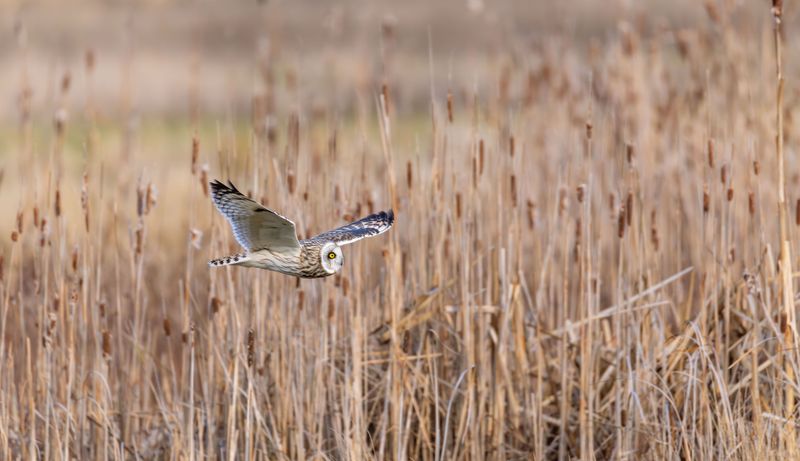
Bring a thermos of hot cocoa, because owl watching is a waiting game. Plan to arrive about an hour before sunset and settle in.
The action often starts in the last 30 to 45 minutes of light.
On cloudy, gray afternoons, owls may begin hunting earlier. Some even fly at midday when voles are scarce and they need extra time to eat.
Many birders find calm evenings easier for spotting than blustery ones.
Your car makes an excellent blind. Owls are often less bothered by a parked vehicle than by a person walking around.
Pull fully off the road, turn off the engine, and scan low over the grass with binoculars.
Watch for a pale, floppy flight with long wings and a big round head. Dark patches near the wrists show up well against the sky.
Owls sometimes squabble with harriers in midair, which is quite a show.
Peak months run from about November through March, with the best counts often in December through February. Snow cover can help, since a tan owl stands out against a white field.
Dress warmer than you expect to need, because standing still at dusk gets chilly fast.
Short-Eared Owls Roosting in Tall Grass Need Your Space
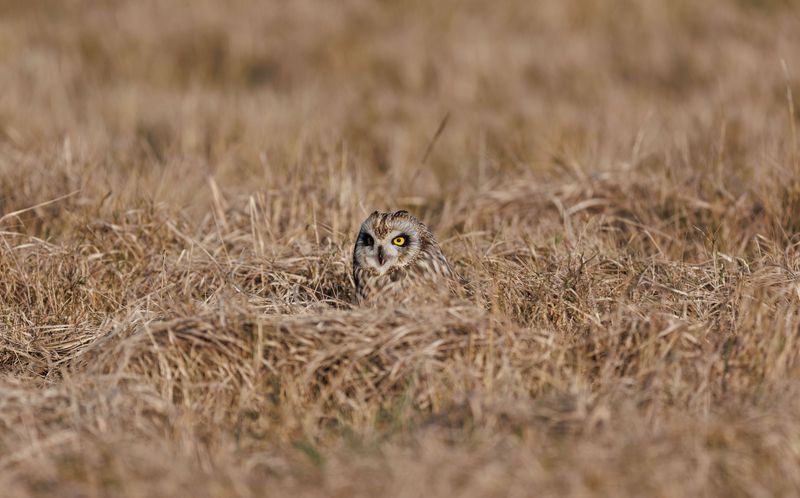
Sharing the field politely matters more than getting a close look. These owls spend the day roosting on the ground, tucked into clumps of grass.
Their streaky brown feathers blend in so well you could walk within a few yards without noticing.
Flushing a roosting owl costs it precious energy in winter. Every unplanned flight burns calories it needs to stay warm and hunt.
Repeated disturbance can push owls to abandon a good field.
Stay on roads, trails, and parking areas. Skip the urge to walk into fields for a better photo, and avoid playing recorded calls.
Many wildlife areas post seasonal guidance, so follow any signs you see.
Photographers should use long lenses and keep their distance. If an owl stares at you, changes position, or flies off, you’re too close.
A good rule is that the bird should behave as if you aren’t there.
Owls often roost together in winter, sometimes several in one area. That makes one careless walk especially disruptive.
Share sighting locations thoughtfully, too, since big crowds can overwhelm a small site.
Under federal law, native owls are protected by the Migratory Bird Treaty Act, so harassing them can bring legal trouble.
A Shaggy Patch of Native Prairie Grass Can Feed Owl Prey
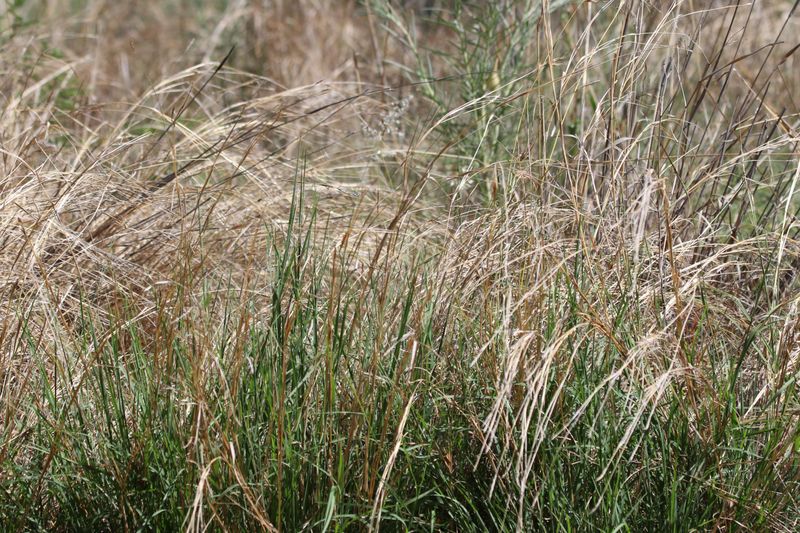
A tidy lawn feeds nobody, and that includes owls. Most backyard gardeners won’t host a Short-eared Owl, since they need big open acres.
Still, your yard can support the same grassland web that keeps them fed.
Turn a sunny corner into a small native meadow. Little bluestem, switchgrass, Indian grass, and prairie dropseed all suit Ohio and give voles and insects cover.
Mix in native wildflowers like purple coneflower, black-eyed Susan, and wild bergamot for pollinators.
Leave that patch standing through winter. Cut it back in early spring instead of fall, so seeds and shelter stay put during the coldest months.
Many birds rely on standing stems after the first snow.
Skip rodenticides outdoors. Poisoned voles and mice can pass that poison on to owls, hawks, and foxes that eat them.
Use traps or barriers around bulb beds and vegetable gardens instead.
Keep voles away from prized plants with hardware cloth around bulbs and a mowed strip near tree trunks. That way, you can welcome grassland life in one area and protect your garden in another.
If you own acreage, delaying mowing in big fields helps nesting grassland birds in summer too.
Counting Winter Owls Helps Protect These Grassland Hunters
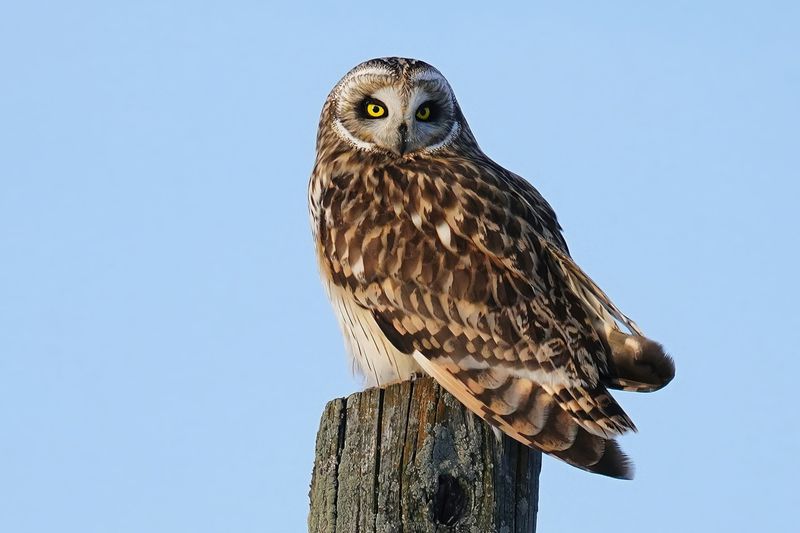
Every sighting you report becomes a tiny piece of a much bigger puzzle. Scientists track wintering owls through eBird, Christmas Bird Counts, and regional surveys.
Your notes on date, place, and number of owls add real data.
Join a local Christmas Bird Count in December or early January. Audubon chapters across the state organize them, and beginners are welcome.
Owl sightings at dusk are a highlight of many count days.
Private landowners can do even more. The state Division of Wildlife and county Soil and Water Conservation Districts offer guidance on grassland habitat.
Federal programs like the Conservation Reserve Program have helped landowners plant and keep grassland cover.
Support groups protecting big open spaces, like land trusts and wildlife areas. Buying a Wildlife Legacy Stamp sends money to programs for nongame and endangered species.
Even sharing respectful viewing tips online helps more people enjoy owls without stressing them.
Personally, I think the best takeaway is simple. Grassland owls need open grass, healthy vole populations, and a little peace and quiet.
Give them those three things and winter dusk stays a lot more magical.