7 Ways to Protect Young Tree Trunks From Sunscald and Rodents in Ohio
A sunny February afternoon can warm the southwest side of a thin-barked trunk far above the chilly air around it. That sneaky heat wakes up living cells, and a sharp nighttime freeze can then crack them open.
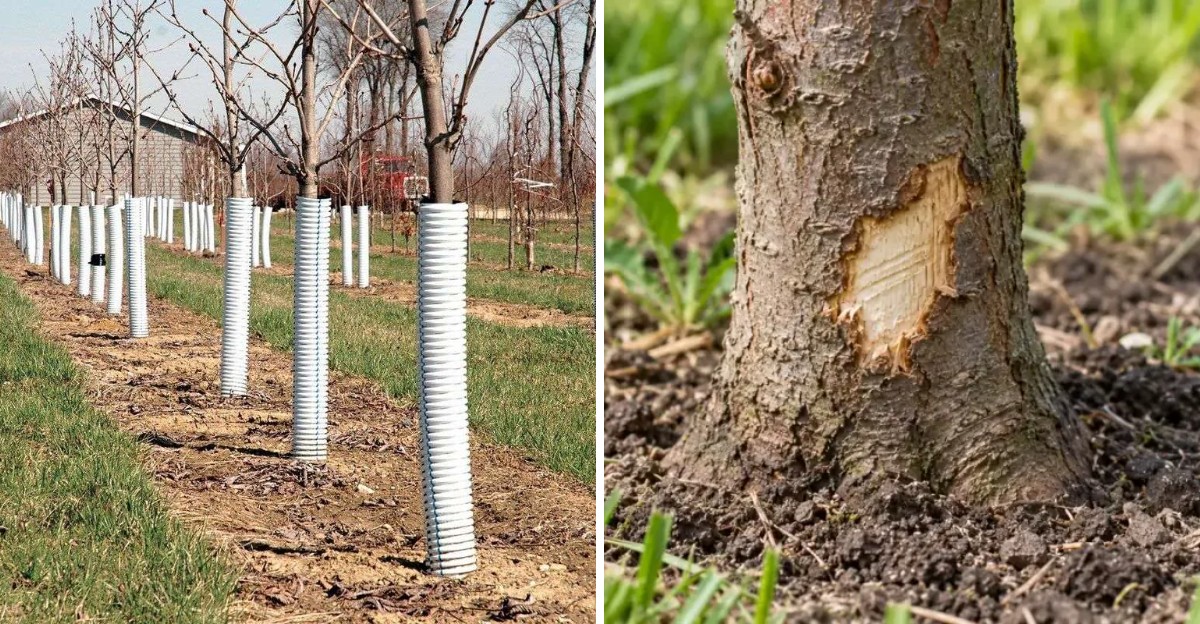
The damage often hides until spring, when long vertical cracks or peeling strips of bark finally show themselves. Meanwhile, hungry critters under the snow may quietly chew a ring around that same tender young trunk.
I have to admit, I once blamed my mower for scars that turned out to be tiny teeth marks.
Ohio winters bring plenty of bright snowy days, and those reflections can make bark even warmer than you expect.
You might notice that maples, fruit trees, and lindens seem to suffer the most during their first few winters. You’re going to love how little it takes to protect young trees from both winter sun and sharp little teeth.
1. Light Colored Tree Wraps Bounce Winter Sun Away
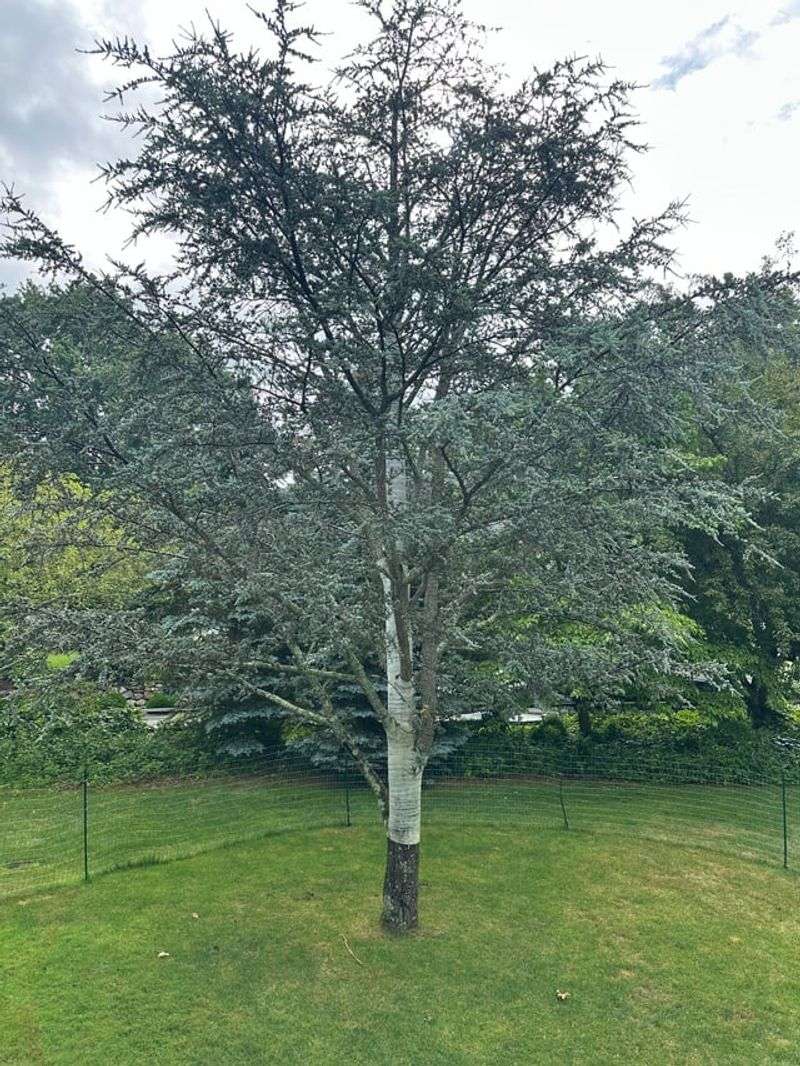
Bright winter sun works like a sneaky space heater on dark, smooth bark, especially along the southwest side of a trunk. Light colored wraps reflect that warmth, so the bark stays closer to the chilly air temperature around it.
I love how a simple roll of white or pale tree wrap can spare a young maple from ugly spring cracks. Thin-barked trees like maples, lindens, honeylocusts, and fruit trees benefit most during their first several winters in the ground.
You need to start wrapping at the base and spiral upward, overlapping each layer by about one third. Stop at the lowest main branches, since that stretch of trunk catches the strongest low-angle sunlight from late morning onward.
Timing matters as much as the wrap itself, so plan to put it on after the leaves drop in late fall. Many extension experts suggest waiting until about November, when the tree has finished most of its seasonal growth.
Removing the wrap in early spring is just as important, because leaving it on through summer can trap moisture and insects. I usually pull mine off once the hard freezes are behind us, often sometime around April in most areas.
Keep the wrap snug but not tight, since a choking band can damage the very bark you hoped to protect. Check it after Ohio windy storms too, because loose flapping wrap can rub tender bark and invite trouble before spring.
2. White Latex Paint Gives Fruit Tree Trunks A Bright Shield
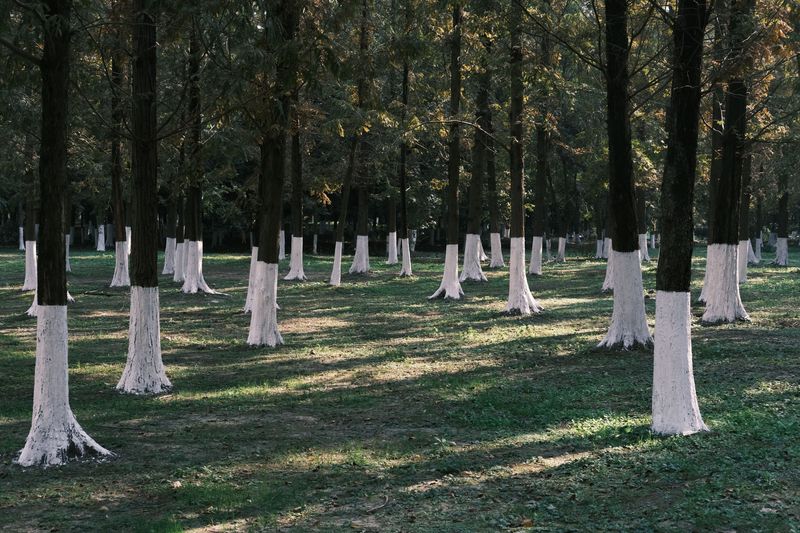
Old orchards often look like rows of trees wearing tall white socks, and that funny look has a smart purpose. Growers paint lower trunks white so the bark reflects sunlight instead of soaking it up on frosty winter days.
Personally, I think a painted apple trunk has a certain charm, almost like a picket fence that grew branches. The method works on the same idea as wraps, but you skip the yearly chore of wrapping and unwrapping.
Choose a white interior latex paint, since many extension services recommend water-based latex rather than oil-based products. Oil paints and some exterior formulas can contain ingredients that may harm living bark, so they are better left in the garage.
Many gardeners thin the paint with an equal amount of water, which makes it easier to brush into rough bark. Cover the trunk from the soil line up to the first branches, giving extra attention to the sunny southwest side.
One coat often lasts for a couple of years, though rain and growing bark slowly wear it down over time. You can touch up the trunk each fall once the leaves have dropped and the bark surface feels dry.
Paint does not stop chewing rabbits or voles, so pair it with a mesh guard if critters roam your yard. I like this combo because each tool handles a different problem without crowding the trunk with extra layers.
3. Hardware Cloth Cylinders Stop Rabbits And Voles Cold
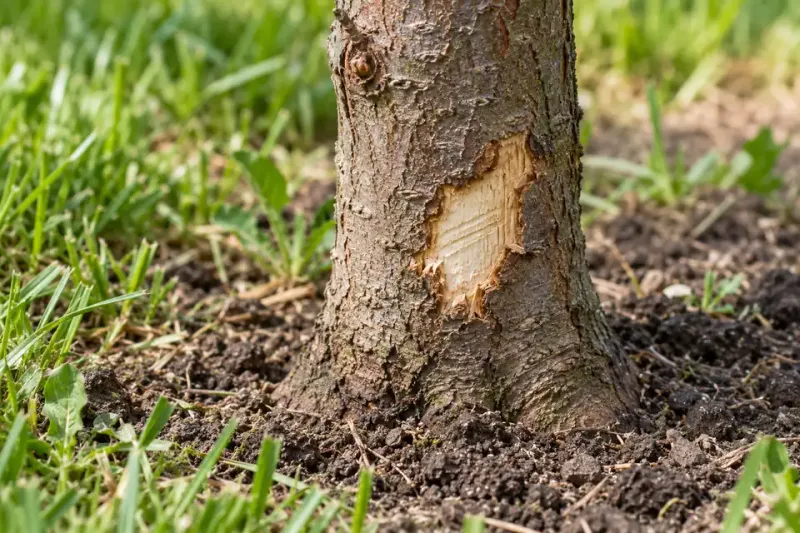
Rabbit teeth leave clean, angled cuts on bark, while voles leave messy little scratches that look like someone used tiny chisels. Both critters can chew all the way around a trunk, which cuts off the flow of water and nutrients.
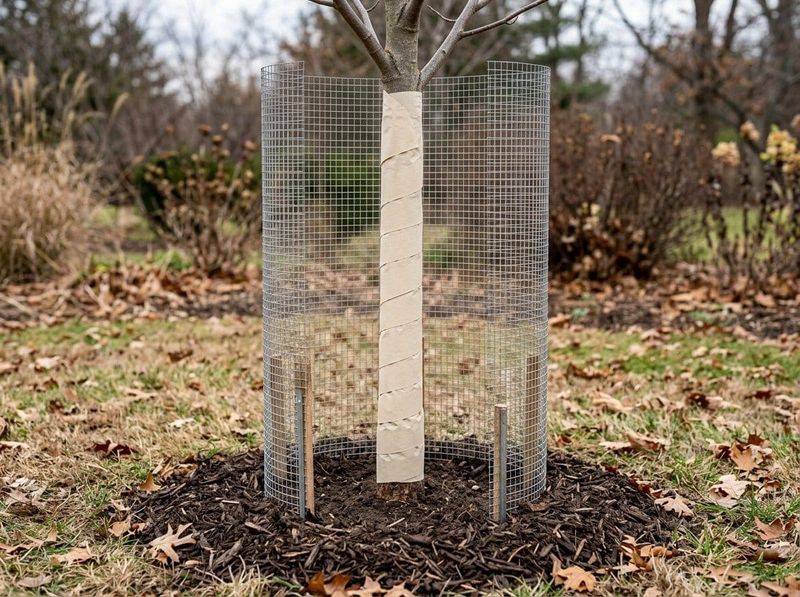
I can’t imagine a sturdier defense than a simple cylinder made from quarter-inch galvanized hardware cloth wrapped around the trunk. Those small openings keep out even skinny voles, which can squeeze through surprisingly narrow gaps in larger chicken wire.
You need the cylinder tall enough to rise above your expected snow depth, since rabbits stand on packed snow to reach higher. Many extension guides suggest at least eighteen to twenty-four inches above the snow line for solid rabbit protection.
Burying the bottom edge two to six inches into the soil stops voles from tunneling under the mesh. Some gardeners also use a few landscape staples to anchor the cylinder so wind and curious pets cannot shift it.
Leave a gap of one or two inches between the wire and the bark so the trunk can grow freely. I also check mine every spring to make sure the mesh is not pressing into the expanding trunk.
Wear gloves while cutting hardware cloth, because the snipped edges can scratch your hands quickly. A pair of tin snips and a few twist ties will help you build several guards during one cozy fall afternoon.
4. Spiral Plastic Tree Guards Coil Around Slim Saplings
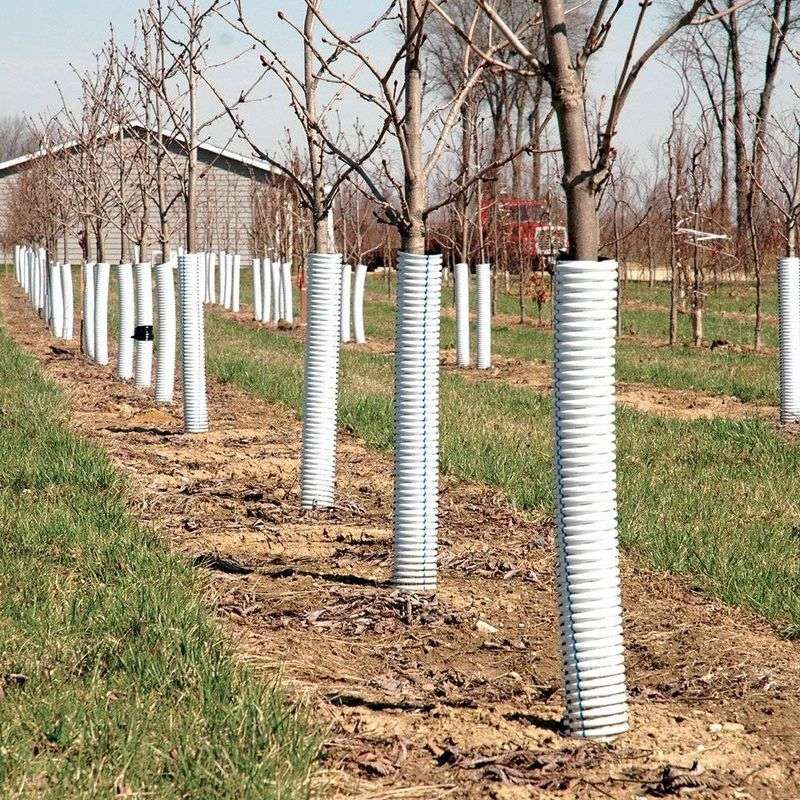
Spiral plastic guards remind me of oversized curly drinking straws wrapped around a skinny sapling trunk in the yard. They pop on in seconds and expand as the trunk widens, which makes them handy for busy weekend gardeners.
Look for white or light colored guards with small holes, since ventilation lets moisture escape instead of collecting against bark. Trapped dampness can encourage fungal problems or shelter insects, so airflow really matters during long wet seasons in Ohio.
These guards also protect lower trunks from string trimmers and mowers, which cause plenty of bark wounds on young trees. I have to admit, my own trimmer once nicked a cherry tree before I finally started using guards.
Push the bottom edge slightly into the soil or mulch so voles have a harder time slipping underneath the plastic. Most guards cover the lower eighteen inches or so, which protects the zone where many rodents like to feed.
Many experts suggest removing plastic guards during the growing season, then reinstalling them in fall when rodent pressure rises. Leaving them on year after year can create a humid hiding place for insects right against the bark.
Check each guard during spring cleanup to see whether it still fits loosely around the trunk as the tree grows. Once the bark thickens and roughens with age, many trees no longer need this kind of extra protection at all.
5. Pull Wood Chip Mulch Back From The Tree Trunk
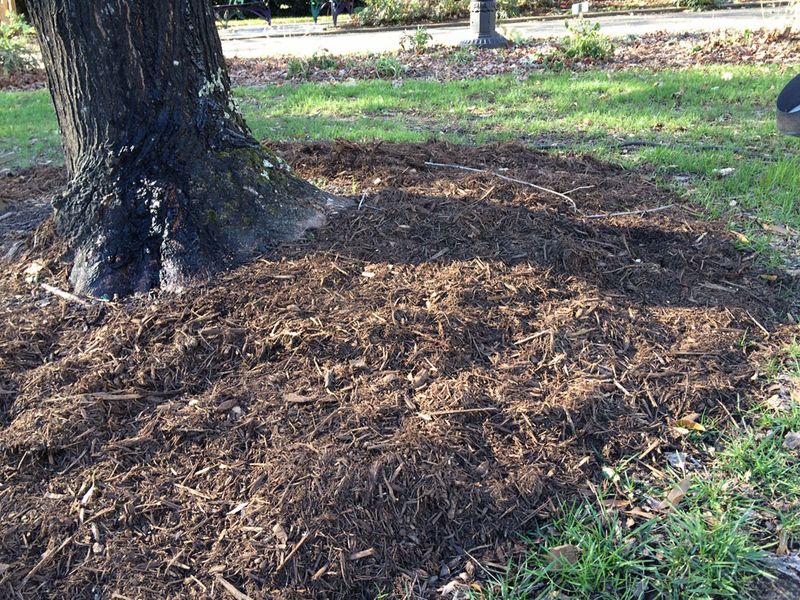
Voles think a deep pile of mulch hugging a trunk is basically a heated cabin with a snack bar inside. Those cozy layers hide them from hawks and foxes while they nibble bark right at the soil line.
Mulch still helps young trees in many ways, since it holds moisture and keeps soil temperatures steadier through the seasons. The trick is all about placement, so think of your mulch as a donut rather than a tall volcano.
Spread shredded wood or bark mulch about two to four inches deep in a wide circle around the tree. Then pull it back several inches from the trunk, leaving a small bare zone where bark meets the soil.
Personally, I use my gloved hands for this job because a rake can scrape tender bark near the base. Many extension services suggest keeping mulch at least three to six inches away from the trunk for best results.
Piled mulch against bark can also hold moisture that invites rot and other trouble over time. You might notice healthier root flares on trees where gardeners keep mulch pulled back and the trunk base visible.
In late fall, I check my mulch rings again because leaves and windblown debris often drift right back toward trunks. A quick tidy before snow arrives makes the area less tempting for voles looking for a winter home.
6. Short Mowed Grass Leaves Hungry Voles Nowhere To Hide
Meadow voles build little grass runways about the width of a garden hose, and they love tall cover. Those hidden paths let them travel safely from one tasty trunk to another without predators spotting them.
You can make your yard far less inviting by mowing grass short around young trees before winter sets in. A final low cut in late fall removes much of the shelter voles use during snowy months.
Clear away tall weeds, brush piles, and leftover garden debris that sit close to your trees as well. I like how much easier it becomes to spot runways and chew marks once the area looks neat and open.
Hawks, owls, foxes, and even neighborhood cats find exposed rodents more easily in open areas. Encouraging these natural helpers can reduce vole numbers without much extra work from you during busy months.
Keep an eye on snow piles too, since shoveled snow pushed against trunks can give rabbits a handy step stool. Spreading those piles away from young trees helps keep tender bark out of reach for longer.
What surprises me most is how quickly vole damage appears once snow melts after a long winter. Walking your yard in early spring lets you catch problems early, while there may still be time to help.
7. Deep Fall Watering Keeps Young Tree Bark Strong
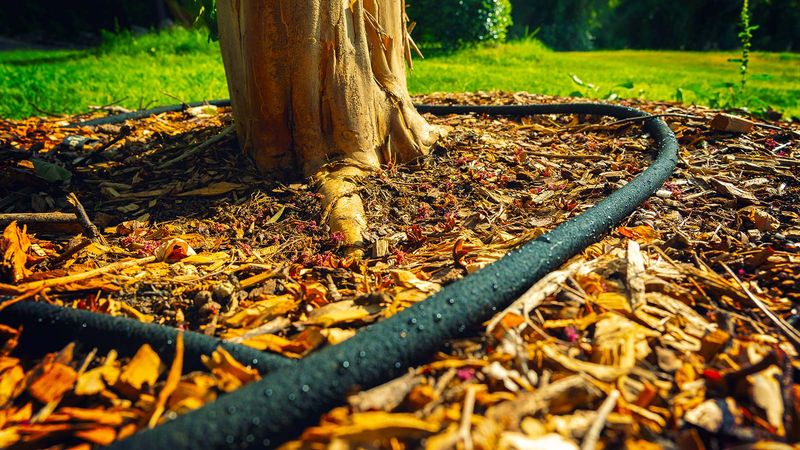
A thirsty young tree heading into winter is a bit like a hiker starting a long trail without water. Well-hydrated trees handle stress better, and that includes the sharp temperature swings that lead to sunscald.
You need to keep watering young trees through fall until the ground begins to freeze in your area. A slow soak that reaches roots several inches deep works better than quick sprinkles that only dampen the surface.
Many extension experts suggest about an inch of water each week when rain falls short during autumn. I like using a slow trickle from a hose or a soaker hose so water sinks in instead of running away.
Lower branches also help by casting shade across the trunk, so avoid removing them too early on young trees. Many arborists recommend keeping some lower limbs for the first few years, then removing them gradually as trees mature.
Planting thin-barked trees away from bright reflective walls or pavement can also reduce winter bark injury. Those surfaces bounce extra sunlight onto trunks, which may increase the heat building up on cold, sunny afternoons.
Healthy Ohio trees mostly recover from small wounds faster than stressed trees struggling with drought or poor soil. I believe a little extra care each fall gives young trees a stronger start for many winters ahead.