How to Fill Ruts and Washouts in an Arizona Yard After the Big Storm
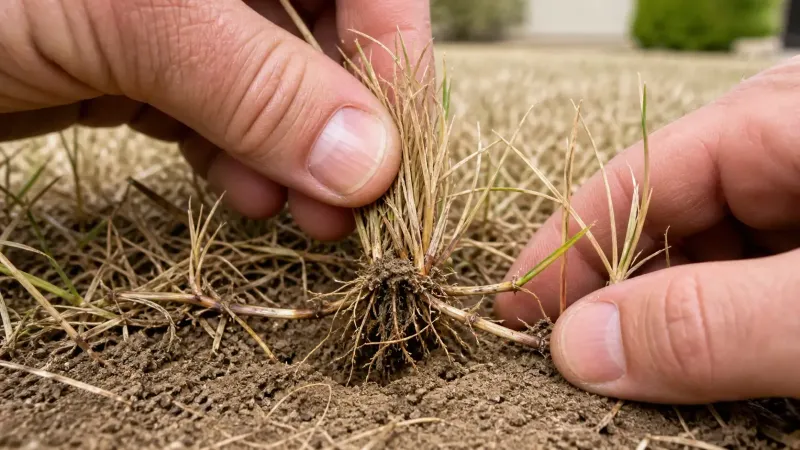
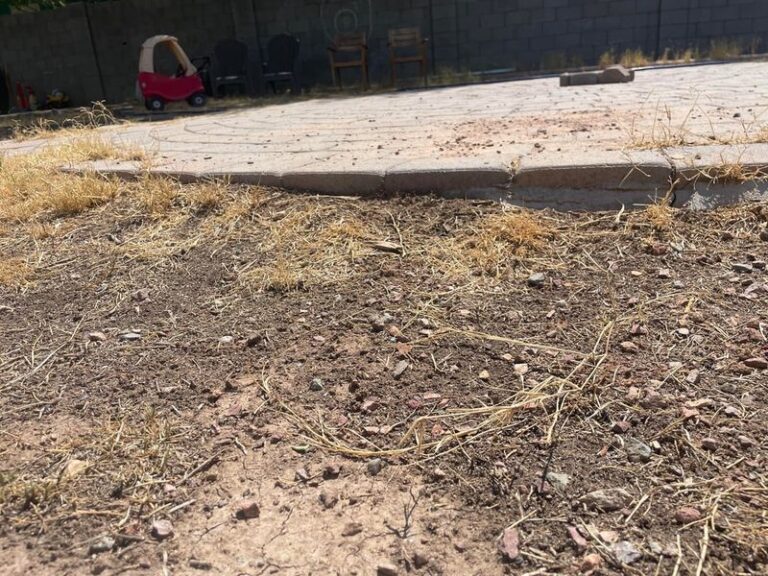
Heavy rain can carve a groove through a yard in just a few minutes. Then the sun comes out, and you spot a trench where smooth ground used to be.
Fixing it the right way takes a little patience and some detective work. Here is a safe, step-by-step way to handle it before you pick up a shovel.
Check Safety and Soil Before Starting
Your first job is staying safe, and that comes before any digging. Arizona’s Emergency Information Network advises staying out of moving floodwater and away from flooded channels.
Keep clear of downed power lines too, and avoid standing water that could be electrically charged. Stick to firm ground while you look things over.
Next, check the soil. Do not rake, till, or fill saturated soil, because wet ground compacts easily and turns into a sticky mess.
University of Arizona Cooperative Extension advises working soil when it is dry or slightly moist. A simple test helps: squeeze a handful, and if it crumbles instead of staying in a slick, muddy lump, it is ready for ordinary yard work.
If it smears or drips, give it more time.
If you plan to dig, even a small hole for a repair, call 811 first so buried utility lines get marked. It is a free, quick call that can prevent a very bad day.
Until the soil passes the crumble test, spend your time looking and taking photos instead of digging.
Trace the Water Before Repairing the Rut
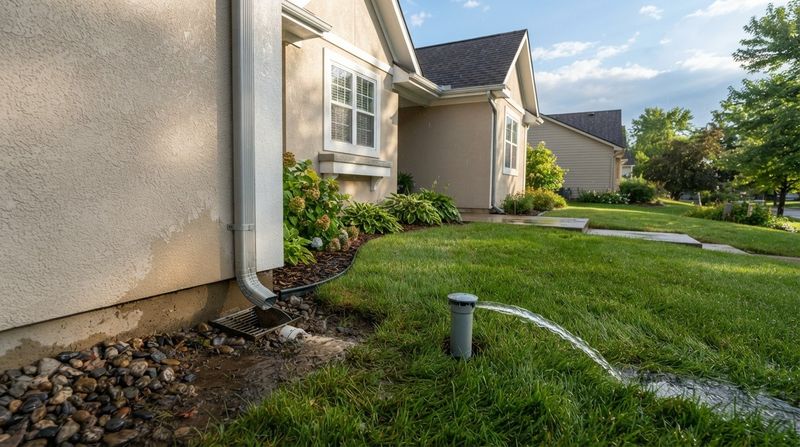
A rut is a symptom, so look for what sent the water there. Start with the roof.
Follow each downspout or roof edge and see where the runoff lands. Coconino County’s homeowner drainage guide says roof runoff should be able to flow away from the house, so check that yours is not dumping beside a wall or pooling near the foundation.
Next, look at irrigation. A broken line, a cracked fitting, or a stuck emitter can soak one strip of ground and cut a groove all by itself.
Run the system briefly and watch for geysers, soggy patches, or water traveling where it should not.
Then think about changed flow paths. Did a new pile of dirt, a fresh border, a tire track, or a shifted stone push water in a new direction?
Concentrated runoff can carve a repaired spot out again, so a fix that ignores the cause will not last.
Be careful with solutions. Do not send water toward a neighbor, a street, a structure, or a wash.
Maricopa County’s flood resource guide notes that washes and watercourses have their own restrictions.
Decide Whether It Is an Ordinary Yard Rut
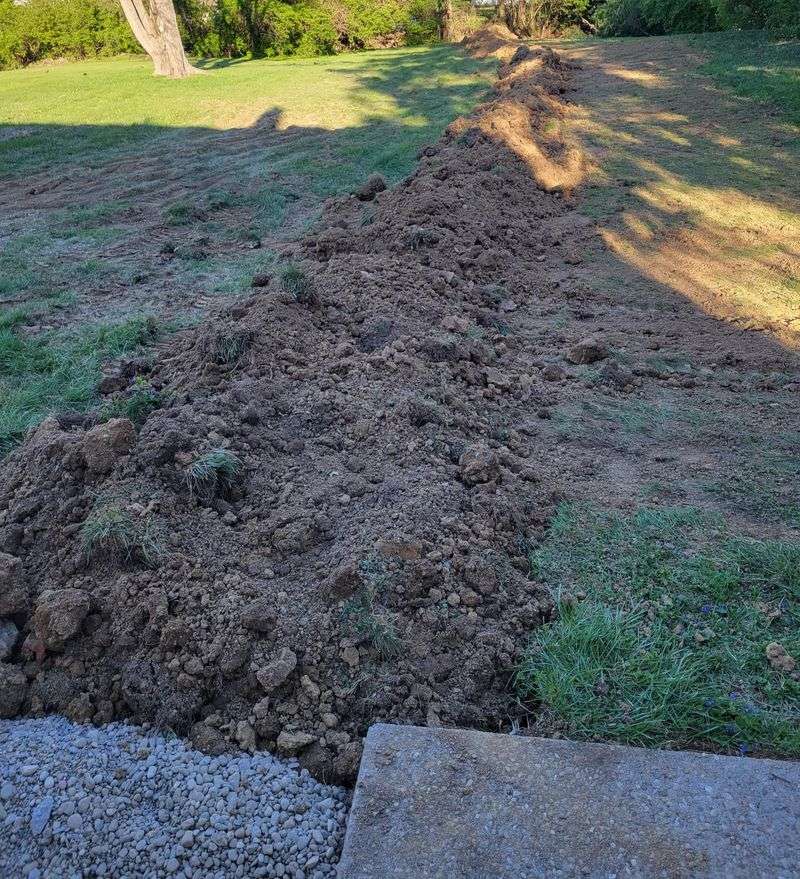
Not every groove is a simple yard problem. A shallow tire rut or small erosion line in a planted or graveled area is one thing.
A natural wash, watercourse, drainage easement, or floodplain is another. If water regularly flows through the spot, or the area looks like a channel with banks, treat it with more care.
Maricopa County’s guidance says washes must not be filled, blocked, or diverted. It also notes that vegetation along the banks may help protect against erosion, so leave it be.
Altering a wash can send water toward neighbors or buildings in ways you cannot predict.
Rules also differ from place to place. As one local example, the City of Phoenix drainage ordinance requires an approved plan and permit for certain drainageway changes, including berms that redirect flow.
That is Phoenix, not a statewide law, and your city or county may have different requirements.
Before changing anything about how water moves, check with your own jurisdiction. Look at your property plat or ask the local planning or floodplain office whether an easement or drainage feature crosses your lot.
Restore a Minor Rut Toward Its Original Grade
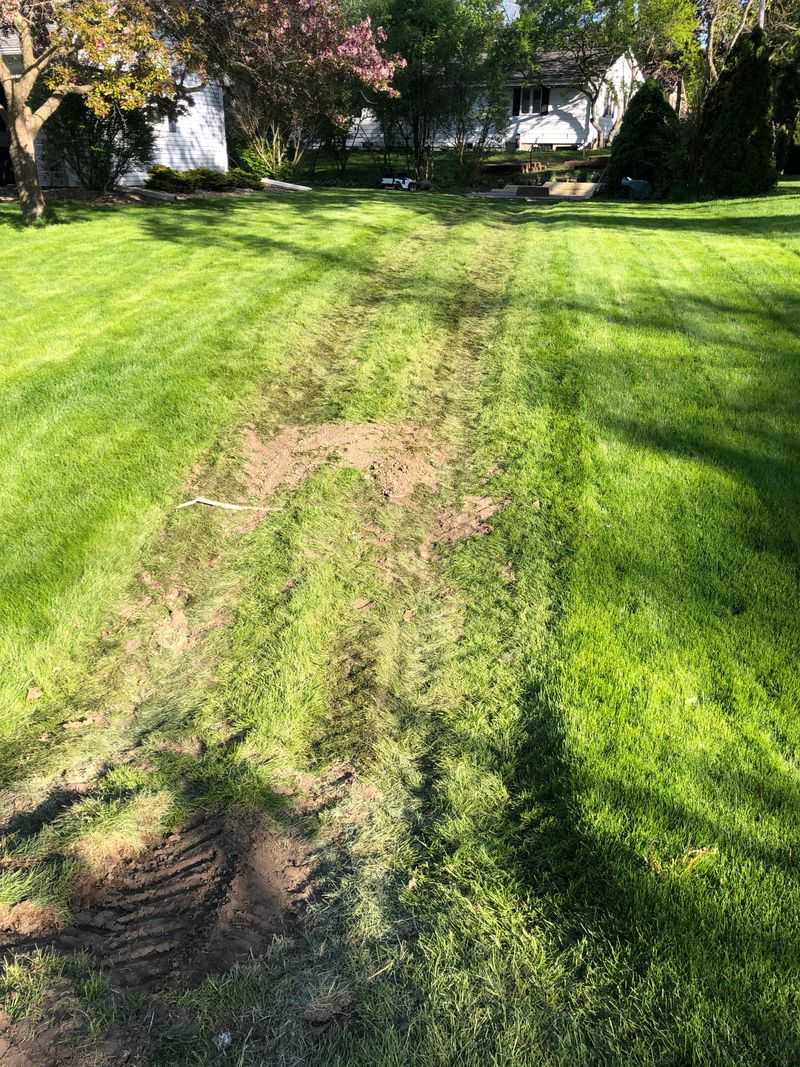
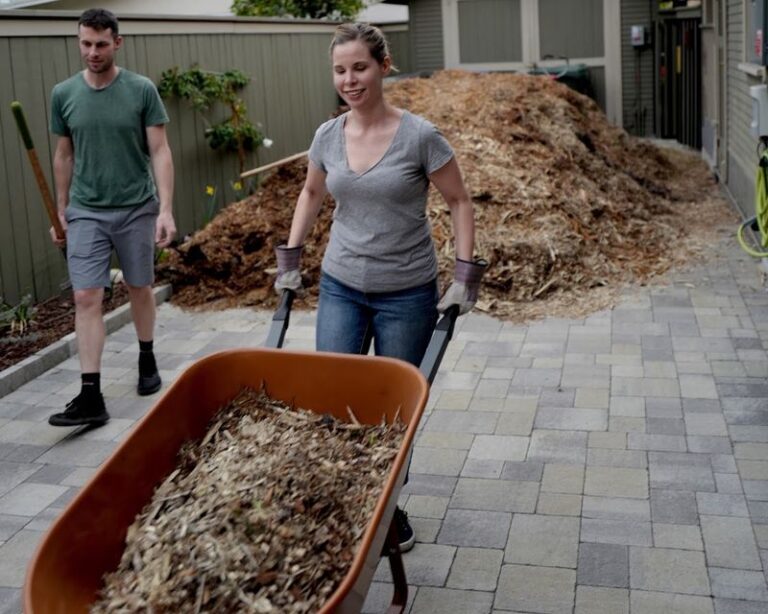
Once you know the cause, have dealt with it, and the soil crumbles easily, you can repair a minor rut on ordinary landscaped ground. Use the surrounding surface as your guide.
The goal is to bring the damaged strip back toward the shape it had before the storm, not to invent a new slope.
That idea matches advice from the Arizona Department of Transportation, whose soil stabilization guidance says to repair rills and gullies to re-establish a slope near its original condition. Keep in mind that this is transportation guidance, not a residential design standard, so use it as a sensible reference only.
Work in small, careful steps. Loosen the edges if they are hard, add soil in thin layers, and check your work against the nearby ground as you go.
Be mindful of compaction, since wet or overworked soil is harder for roots to use, as noted in the earlier Extension advice.
There is no single fill material, compaction method, or depth rule that suits every yard. Match the repair to your soil and your landscape, and avoid building a berm or trench that moves water somewhere new.
Protect the Repaired Soil

Bare soil is easy for rain to move. Raindrop impact loosens particles, and runoff carries them off, which is how small rills turn into gullies.
A freshly repaired strip is especially open to this, so cover it soon.
University of Arizona Cooperative Extension notes that rock, gravel, wood chips, bark, and mulch can reduce raindrop impact. These are possible protection measures, not guaranteed fixes, and intense rain can still produce runoff.
Choose what suits your site and your existing landscaping.
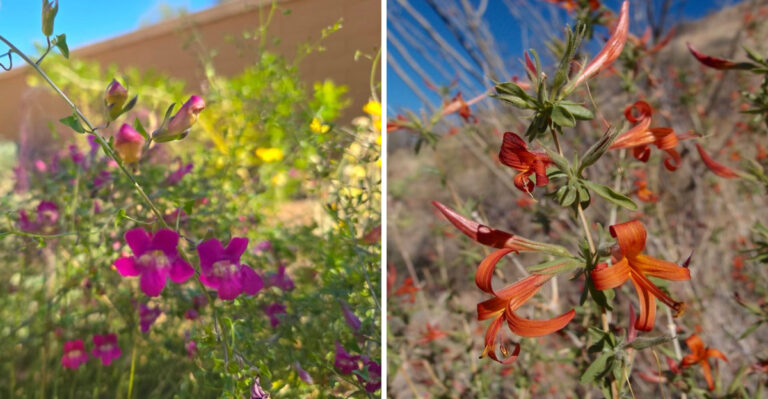
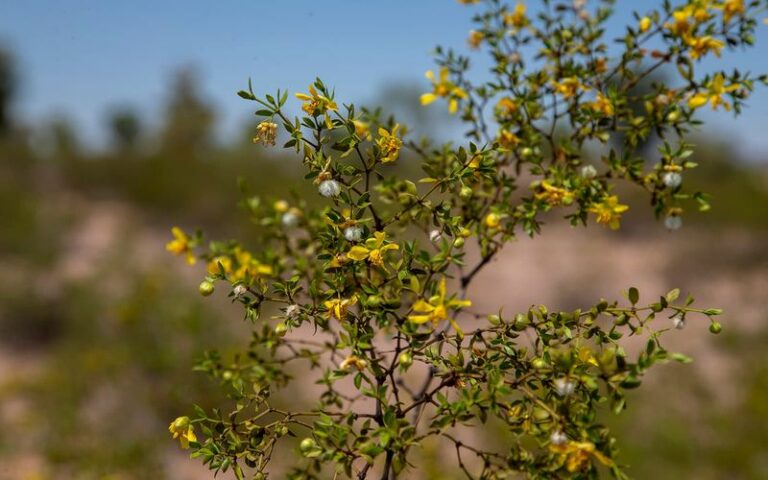
For a longer-term option, perennial grasses can help bind soil once they are established. Establishment takes care, such as watering and patience, and plant choice should match local conditions.
The native-grass advice in that Extension piece is specific to Yavapai County, so do not treat it as a statewide plant list.
Ask your local Extension office or a nursery that knows your area what grows well on your lot. Check the repair after the next rain, and top up the cover wherever it has shifted.
Know When a Fill Job Is Not Enough
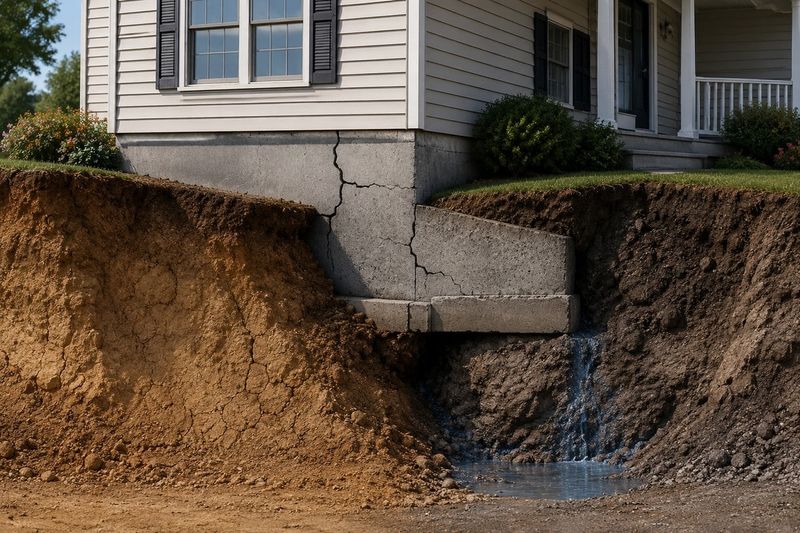
Filling a depression can hide the damage without fixing why it happened. If the same spot washes out again after storms, the water has a steady route, and the repair alone will not hold.
Pay close attention to flow near a foundation. Coconino County’s homeowner guide stresses moving runoff away from the house.
If you see water collecting against walls, or grooves leading toward the structure, the problem may be bigger than a rut.
The same goes for damage that involves a wash, easement, or other drainage feature. Maricopa County says washes should not be filled, blocked, or diverted, and Phoenix shows how some cities require permits for certain changes.
Your own jurisdiction sets the rules that apply to you.
When the flow route or property impact is unclear, check local requirements and ask for a local or professional assessment. Not every small rut needs a contractor, though.
A shallow groove with a clear cause is often a manageable weekend project.
Check Root-Zone Moisture Before Adjusting Irrigation
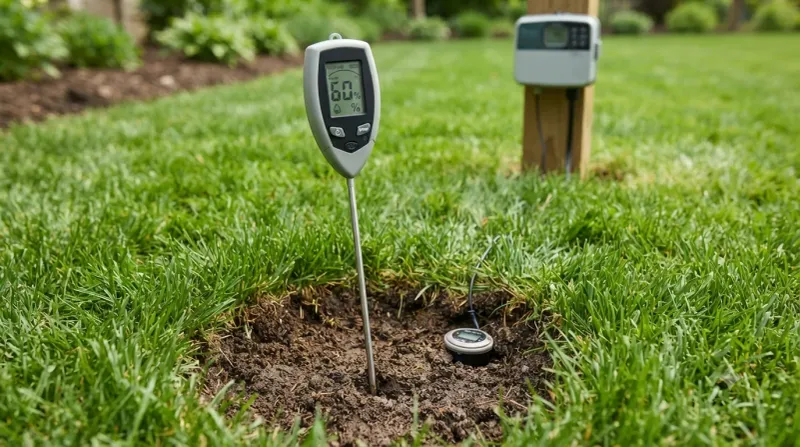
A big shower can feel like a free deep watering, but the soil may tell a different story. University of Arizona Cooperative Extension explains that how far water soaks in depends on soil texture, compaction, organic matter, and salts.
In some desert soils, rain may only wet the top layer.
That means rainfall alone does not prove plant roots got enough. Do not shut off irrigation just because it rained.
Instead, check how deep the moisture actually went.
A soil probe, or even a long screwdriver, makes this easy. Push it into the ground near the plants and note how deep it slides before it meets dry, hard soil.
Check where the roots actually live, since a trees root zone sits deeper than a flower bed’s.
Then think about what each plant needs. Thirstier plants may want water sooner than drought-adapted ones.
Adjust your irrigation based on what the probe and the plants tell you, and treat this as a separate decision from the rut repair.
Treat Flooded Edible Beds as a Separate Safety Issue
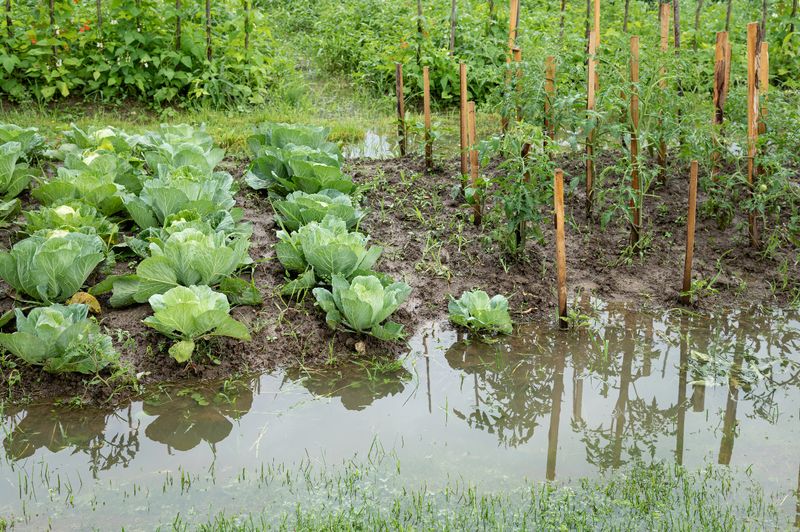
Fixing ruts is about soil and water flow. Food safety is a different question.
If floodwater crossed your vegetable or herb beds, handle that on its own track before you harvest or replant anything.
NC State Extension explains in its guide on floodwater and garden produce that floodwater can carry biological or chemical contaminants. Where it came from and what it passed through matter.
That does not mean all stormwater is contaminated, only that flooded edible beds deserve extra caution.
Your best move is to contact your local public-health office or your county Cooperative Extension office. They can tell you what applies where you live, and what to do before eating or replanting.
Avoid guessing at waiting periods or cleanup steps, since the right answer depends on the situation.
Meanwhile, keep produce from the affected beds out of the kitchen until you hear back. Wash your hands after working in flooded areas.
A repaired rut is a satisfying fix, but a safe dinner plate matters more.