Can Your Arizona Neighbor Cut Branches Hanging Over Their Wall?
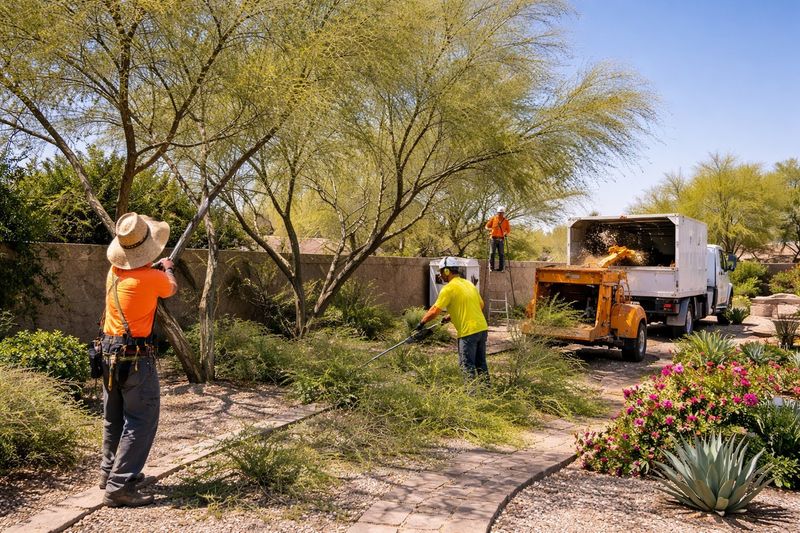
A tree can grow on one side of a wall and drop its shade, leaves, and branches on the other. That raises a fair question for Arizona homeowners.
Can a neighbor trim what crosses over, and where does the cutting have to stop? The short answer comes with a few limits worth knowing before you pick up the saw.
Yes, But Only to the Property Line
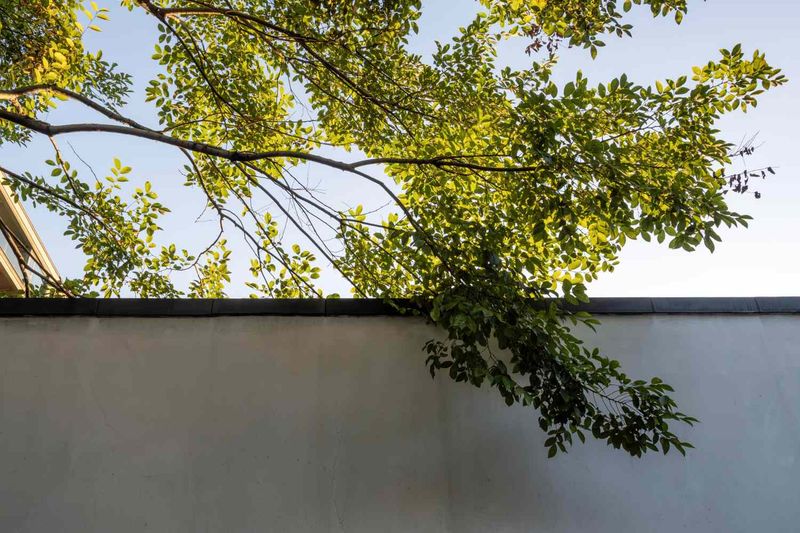
Generally, yes. An Arizona neighbor may cut encroaching growth back to the actual property line.
The general rule comes from Arizona’s appellate case Cannon v. Dunn, which says a landowner whose property is invaded may cut the growth at the boundary.
Here is the catch that matters. Cannon was about eucalyptus roots, not branches hanging over a wall.
So the court did not decide a branch-trimming dispute. Its stated general rule about encroaching growth is the best guide Arizona has, and it is a sensible one to follow.
The rule has a clear edge. It lets you cut at the boundary, not past it.
A branch that reaches into your airspace can be trimmed back to the line, but nothing in the case lets you reach into the tree owner’s yard or take off limbs that grow on their side.
Think of the property line as an invisible fence. Your trimming rights end right there, and the rest of this article is about finding that line and staying behind it.
A Wall Does Not Establish the Boundary
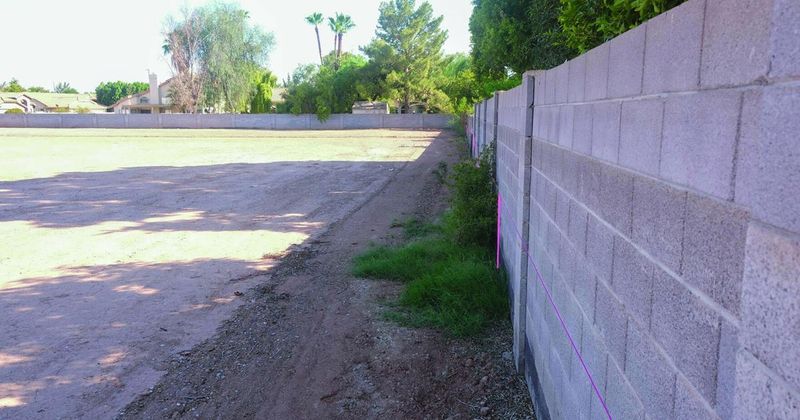
Walls are easy to see, so people treat them as the border. That is a risky habit.
Builders often place walls a bit inside or outside the real line, and a wall or fence may not tell you where your lot truly ends.
Parcel maps do not settle it either. Maricopa County says on its property search page that assessor maps are illustrative and not a substitute for a survey.
Pinal County’s FAQ points the same way, saying a registered land surveyor is how you verify property lines and corners.
So before you trim, check your recorded documents and look for survey pins or markers on your lot. If the tree is big or the line is unclear, hire a registered land surveyor.
A survey costs money, but it is cheaper than guessing wrong about where your cutting rights end.
No Advance Notice Does Not Remove Practical Reasons to Talk
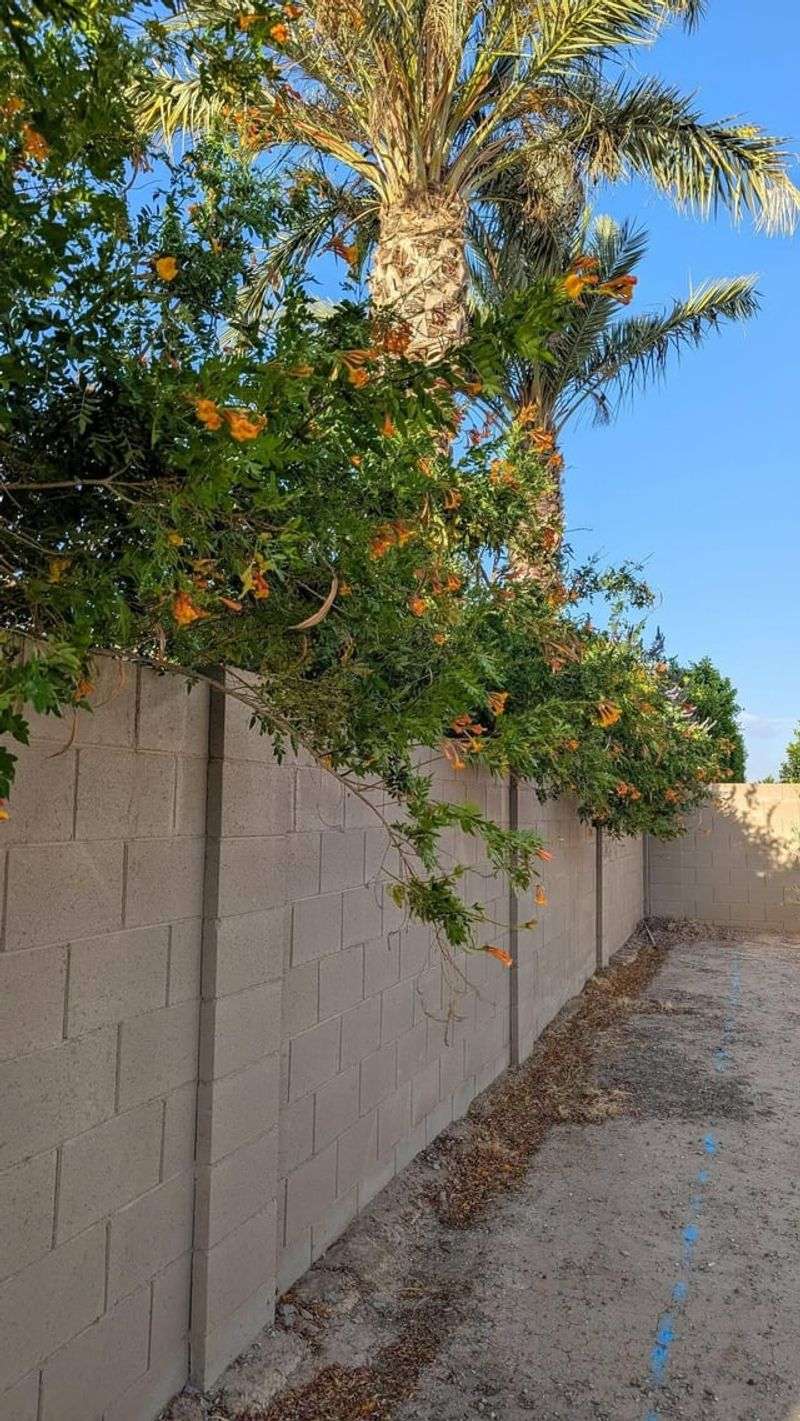
Cannon’s stated rule does not say you must warn the tree owner before cutting encroaching growth. Legally, the general rule lets a landowner cut back to the boundary without first giving notice.
That is the legal point, and it stands on its own.
Practical life is different. A quick chat can save you headaches, especially when the boundary is uncertain or you plan a heavy cut.
Your neighbor might even handle the trimming, or tell you the tree sits on a shared or managed strip.
The City of Mesa recommends seeking permission, respecting boundaries, and avoiding damage to a neighbor’s tree or property. A friendly knock on the door or a short note often keeps a small branch issue from becoming a long feud.
Crossing Branches Do Not Guarantee Damages or Removal
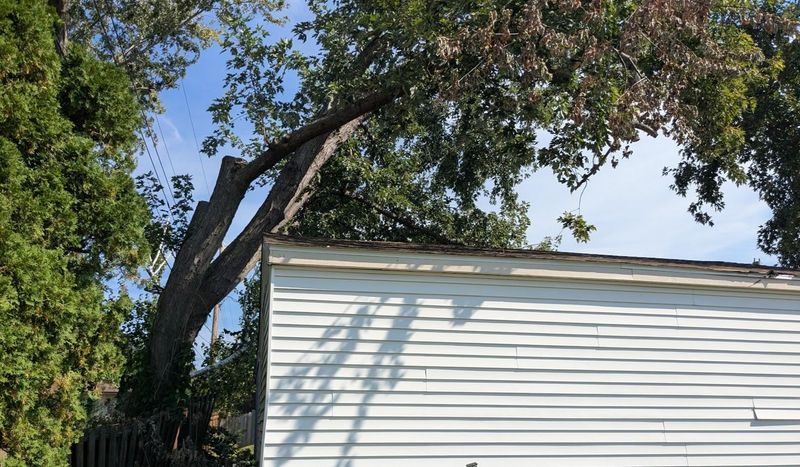
Being allowed to trim is not the same as being able to make a neighbor pay or remove a tree. Those are separate claims, and they carry a higher bar.
A branch crossing the line does not automatically entitle you to damages or a court order.
In Cannon, the court said a claim to abate a nuisance requires actual, sensible or substantial damage. The trial court found no actual damage from the roots, and the appellate court affirmed the refusal of damages and of an order to remove the tree.
Nothing in the opinion creates a rule that the tree owner must reimburse routine trimming costs. If branches are causing real harm, such as damaged property, talk with a qualified attorney about your options instead of assuming a result.
Keep Your Work on Your Side and Prune Carefully
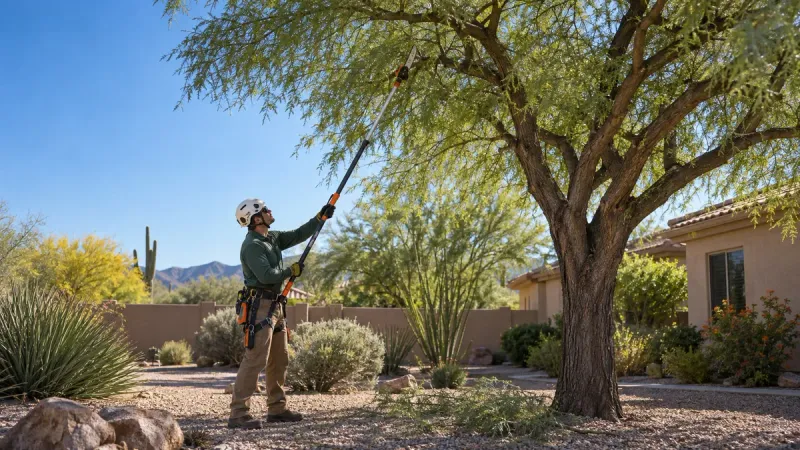
The right to trim back to the line is not a ticket to wander into your neighbor’s yard. Climbing the wall, leaning over it, or stepping onto their side goes beyond what Cannon describes.
Keep your feet, ladder, and cuts on your own property.
For big or awkward limbs, call a qualified tree expert. The University of Arizona Cooperative Extension advises asking for work that follows current ANSI tree-care and safety standards when you hire someone, and a good pro can reach the line cleanly.
How you cut matters too. Arizona’s Department of Forestry and Fire Management warns that flush cuts against the trunk or parent branch can harm a tree.
A cut that is proper and modest is kinder to the tree and easier to defend if the neighbor complains.
Shared Walls and Managed Trees Need Separate Steps
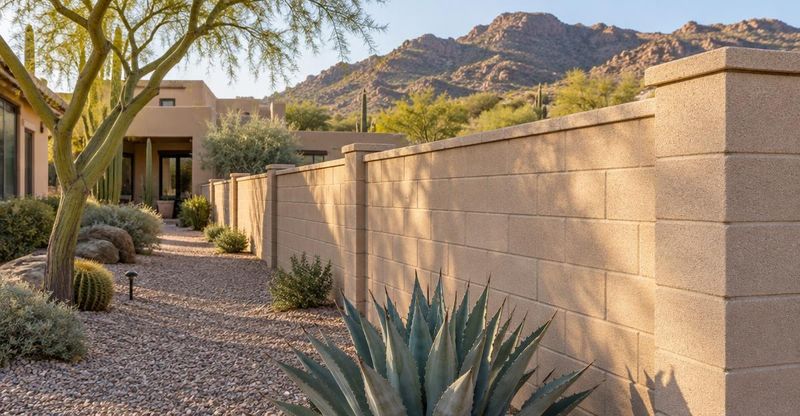
A common wall and an overhanging branch are two different problems. Mesa says neighbors are equally responsible for maintaining and repairing a common wall.
That tells you who handles wall upkeep, but it does not mean the wall sits on the surveyed property line.
So even with a shared wall, check the boundary before cutting. The wall may be a little off the real line, and branch rights follow the line, not the masonry.
Some trees follow another process entirely. If an HOA manages the landscaping, start with the HOA.
If the tree is on city land, Mesa advises residents to report it to the city instead of cutting it yourself.
Confirm the Line Before You Cut
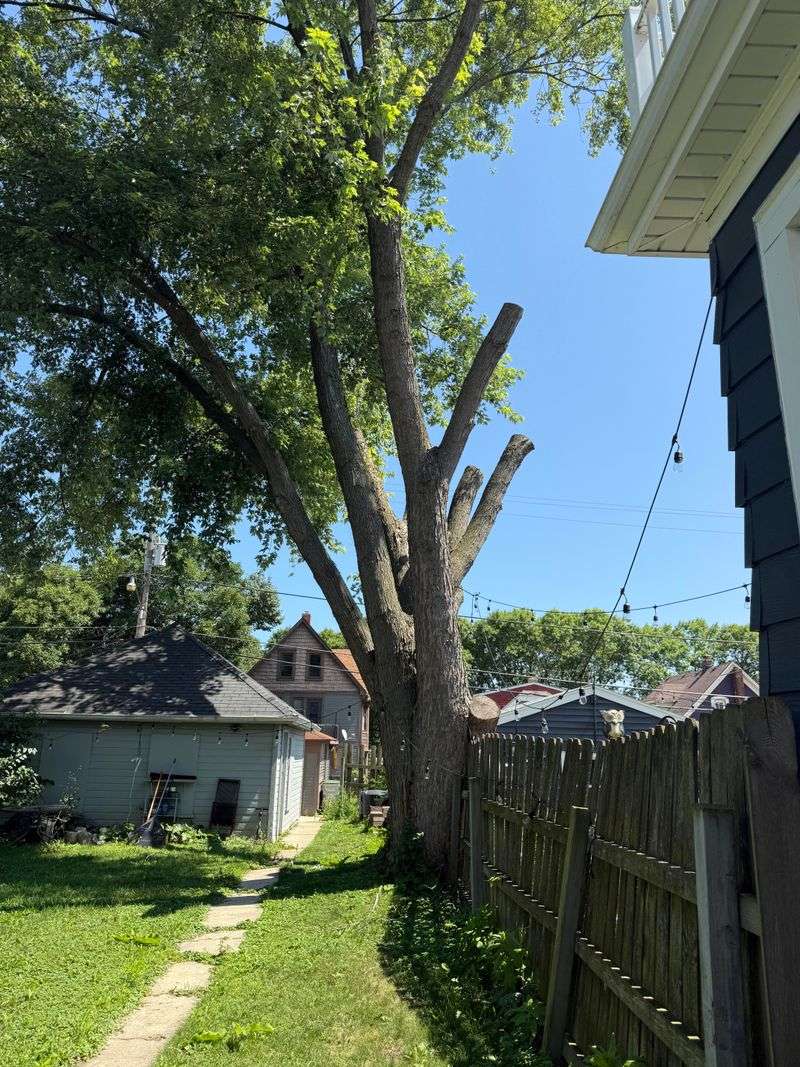
Start with the boundary. Parcel maps are only illustrative, so use a surveyor when it matters.
Keep every cut inside your side, as Cannon describes.
For heavy pruning or a touchy dispute, get a qualified tree pro or legal advice. A branch is easy to trim, but a bad cut is hard to undo.