The Popular Pennsylvania Landscape Plants That Cost The Most To Remove
A root scrap no bigger than your thumbnail can grow into a thicket taller than a basketball hoop. Nobody warned me that some of the prettiest yard plants carry a hidden bill that arrives years later.
Pennsylvania now bans the sale of several former nursery favorites that once lined driveways and shopping center lots. Many homeowners still have them growing near the porch, and removal crews charge plenty to dig them out.
I have to admit, I planted one of these troublemakers myself before I learned how stubborn it gets. You might notice the same shrubs in your yard, quietly sending roots and seeds far past the property line.
Removal costs climb fast once thorny branches or deep roots enter the picture across Pennsylvania lawns and woods.
1. Norway Maple
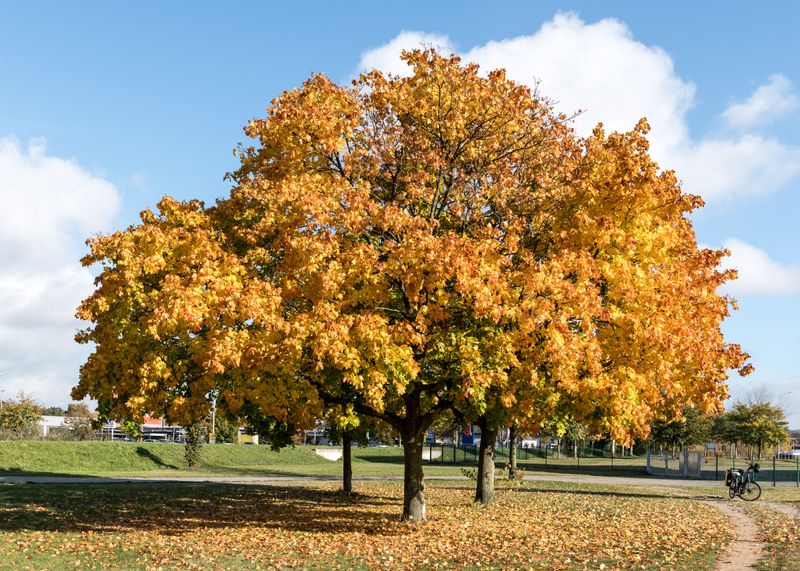
Those huge, pumpkin-yellow leaves in autumn hide a tree that refuses to share the yard with anything else. Snap a leaf stem and you will see milky white sap, a handy clue that separates it from sugar maples.
European settlers brought this tree over as a tough street shade tree, and it handled city life beautifully.
Trouble started when its winged seeds began twirling into nearby woods and sprouting under almost any conditions.
Personally, I find the deep shade under a mature Norway maple almost spooky, because grass simply gives up there.
Its shallow, crowded roots grab most of the moisture, leaving flowerbeds and lawns thirsty all summer long.
Removal gets pricey because mature trees can reach fifty feet or more and often sit close to houses. Crews may need climbing gear or cranes, plus stump grinding, which adds a separate charge to your bill.
Small seedlings are a different story, and you can pull them easily after a soaking rain loosens the soil. Grab them while they are knee-high, since saplings with established roots tend to resprout after a quick cut.
If a big one shades your Pennsylvania yard, get two or three written quotes before hiring any tree service.
Ask whether the price includes stump grinding and hauling, because those extras can surprise you on the invoice.
Once it is gone, native red maple or sugar maple can bring back that lovely fall color without the takeover. Your future self, and the wildflowers trying to grow in that shady corner, will thank you for it.
2. Tree Of Heaven
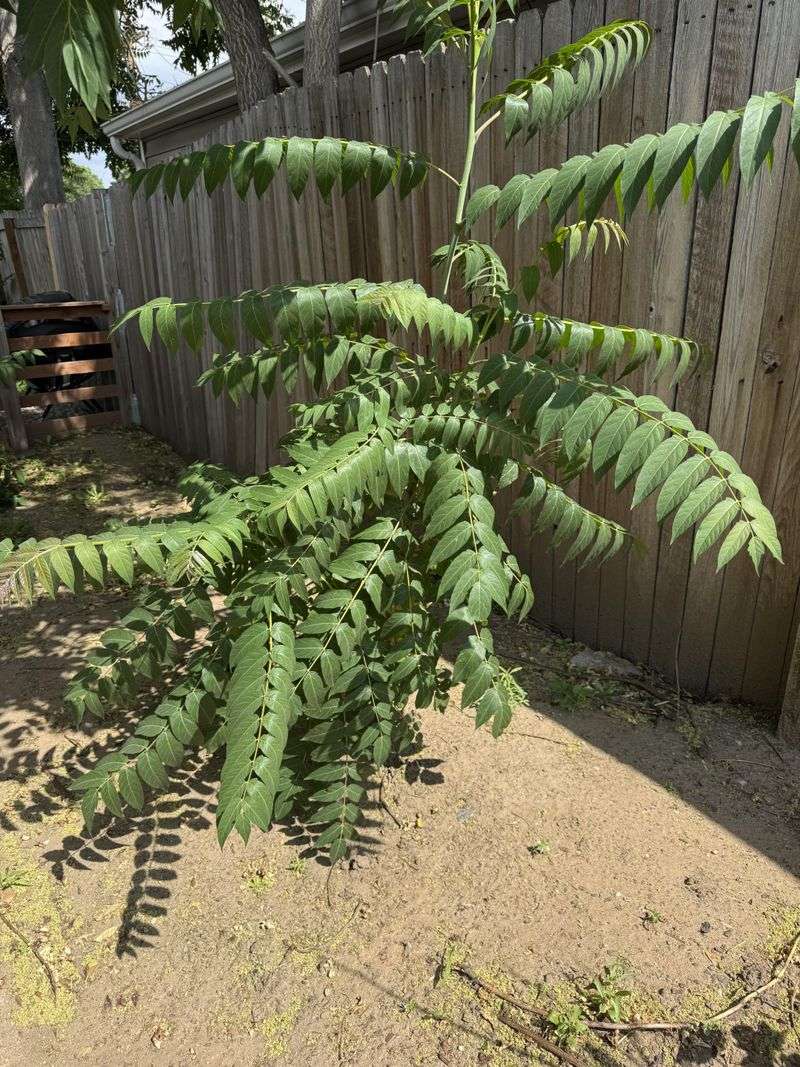
Crush a leaf from this fast grower and you will catch a smell many folks compare to rancid peanut butter. I still remember wrinkling my nose the first time, wondering how anything so stinky earned such a heavenly name.
Native to China, Ailanthus altissima can sprout from sidewalk cracks, rail yards, and the narrow gap beside your garage.
Young trees can shoot up several feet in one season, so a tiny sprout becomes a real tree quickly.
Cutting it down feels like the obvious fix, yet that move usually backfires in a big way. The roots answer by pushing up dozens of suckers, turning one trunk into a whole grove around your Pennsylvania yard.
Spotted lanternflies love this tree as a favorite host, which matters a lot in our lanternfly-weary state.
Removing it can help reduce the hungry insects that later crawl onto your grapevines and backyard maples nearby.
Penn State Extension often suggests herbicide treatment before cutting, giving the chemical time to travel down into the roots.
A method called hack and squirt targets the trunk directly and works best from midsummer into early fall.
Many homeowners hire licensed applicators for this job, since big trees and repeat visits push the cost higher.
Watch for look-alike native sumac and black walnut, which have similar leaflets but lack the small glandular notches.
Pull tiny seedlings by hand while the soil is moist, getting as much of the root as possible. Patience pays off here, because follow-up checks for new sprouts may continue for a couple of years afterward.
3. Callery Pear
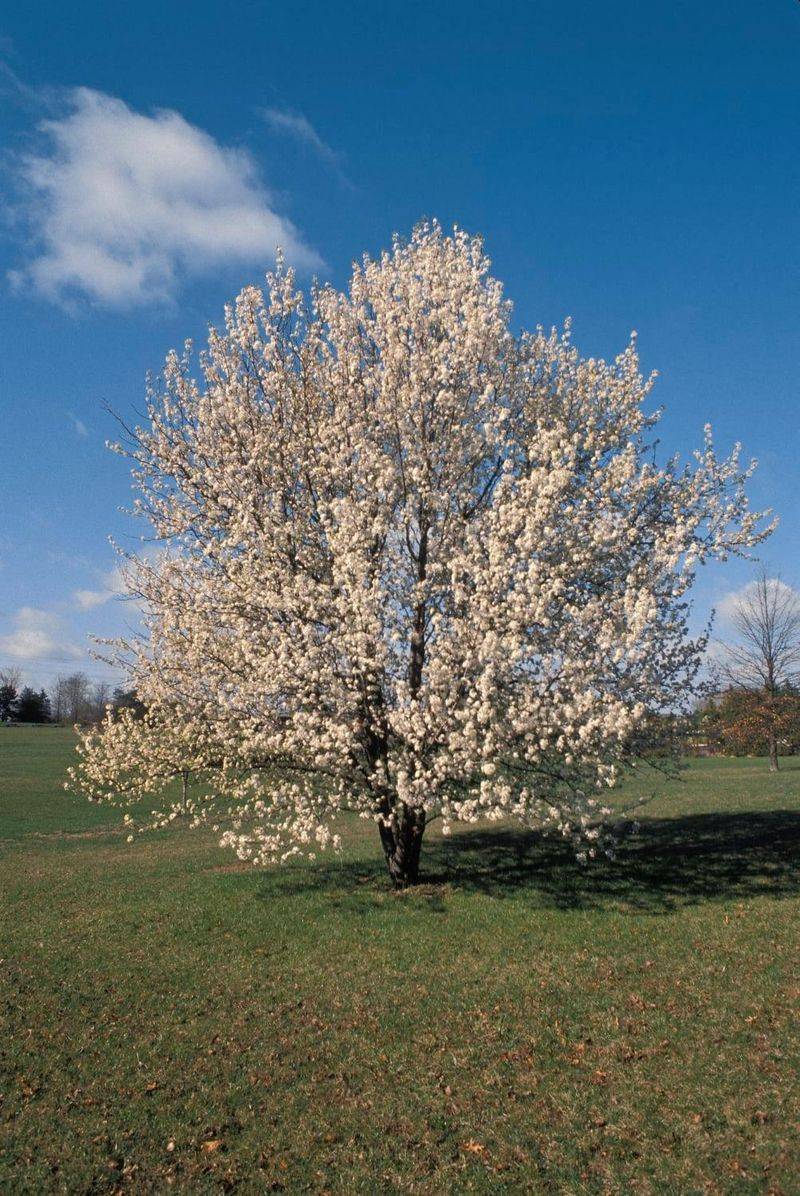
Every April, entire highway edges turn snowy white, and the smell drifting from those blossoms is famously unpleasant. Some neighbors joke that it resembles a fish market, and honestly, I cannot argue with them on that point.
Bradford pear was sold as a tidy street tree that would not produce fruit or spread anywhere else.
Cross-pollination with other Callery cultivars changed that, creating small fruits that birds happily carry into open fields.
Escaped seedlings often grow long, sharp thorns that can puncture tractor tires and make mowing those fields a chore. Dense thickets crowd out native shrubs, and clearing them takes heavy equipment and plenty of tough gloves.
Older Bradford pears also have weak branch angles that tend to split apart during ice storms or strong winds.
Cleaning up a shattered canopy before removal adds labor, and an emergency call usually costs more than planned work.
The state Department of Agriculture lists Pyrus calleryana as a noxious weed, and sales have been phased out.
You can keep an existing tree legally, but replacing it now stops more seedlings from popping up next door.
For small saplings, cutting followed by an herbicide on the fresh stump helps prevent the stubborn resprouting. Larger trees usually need a professional crew, so budget for both removal and stump grinding ahead of time.
Serviceberry makes a lovely swap, offering white spring flowers plus summer berries that birds and people both enjoy. I planted one last year, and watching cedar waxwings strip the fruit felt like a small personal victory.
4. Japanese Barberry
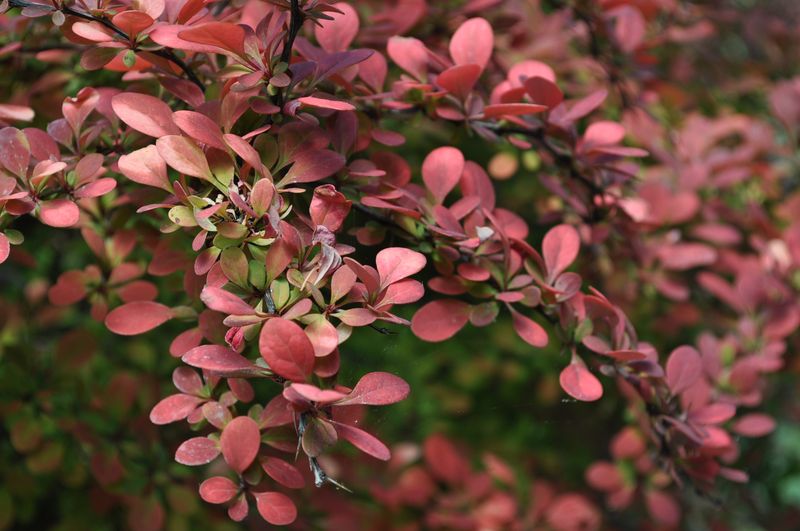
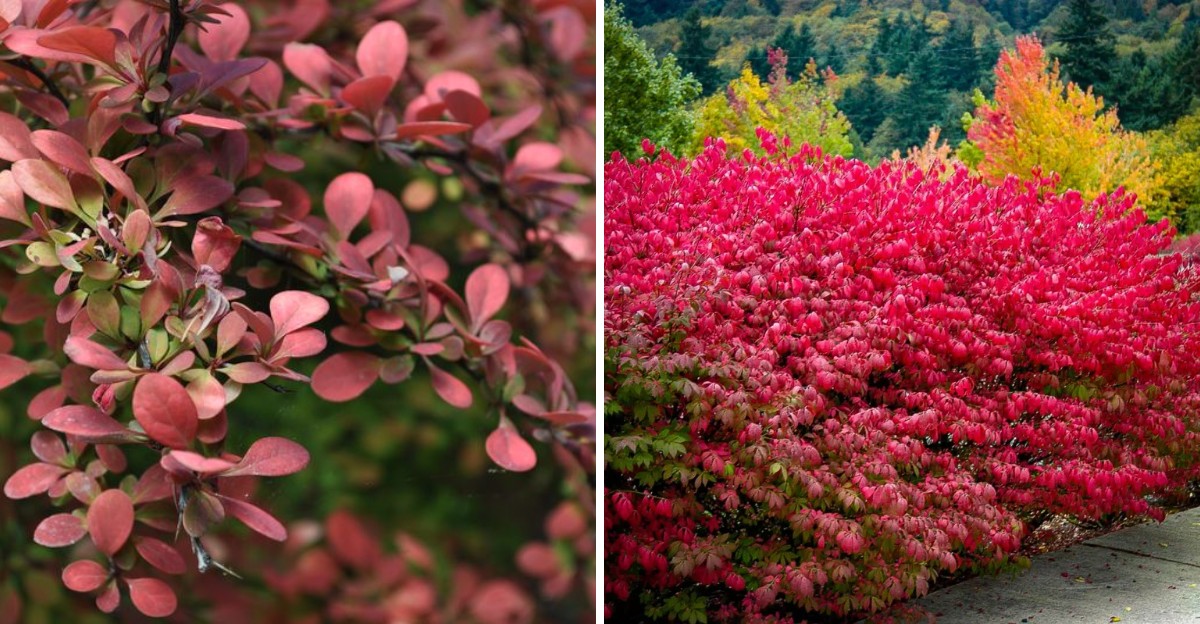
Anyone who has tried pulling barberry bare-handed knows those tiny spines feel like a cactus wearing a disguise.
Its glowing red and burgundy leaves made it a foundation planting favorite for decades in suburban yards.
Researchers in Connecticut found more blacklegged ticks in dense barberry patches, because the thickets hold humid air close.
Mice thrive in that shelter too, and they help carry the bacteria responsible for Lyme disease to ticks.
Birds eat the bright red berries in winter, dropping seeds into woodlands where shrubs form spiny walls. Branches that touch the ground can also root, so one bush slowly spreads into a sprawling colony.
Barberry joined the state noxious weed list, and nursery sales of the species ended after October 2023. You might still see older hedges everywhere, but replacing them now prevents birds from planting more nearby.
Removal costs add up because crews need heavy protective gear and extra time to work around spines. Shallow roots help, though, and a weed wrench or sturdy shovel can pop out medium bushes fairly well.
Early spring is a smart time to spot escaped plants, since barberry leafs out before most native shrubs. That bright green flush stands out in the woods, making it easier to find and remove seedlings quickly.
For a colorful replacement, try native ninebark, which offers peeling bark and handsome dark-leaved varieties instead.
Bag any berries you collect and toss them in the trash rather than your compost pile for safety.
5. Burning Bush
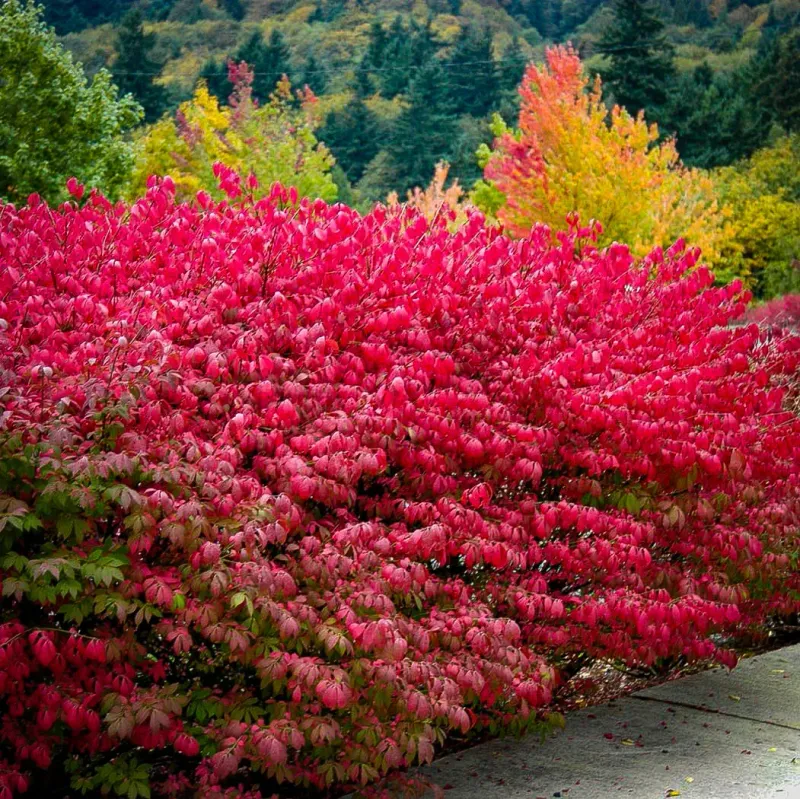
Few sights stop traffic in October like a hedge glowing hot pink, which explains why this shrub sold so well. The corky wings along the stems give it the name winged euonymus and add winter interest too.
Euonymus alatus came from northeastern Asia and became a go-to hedge around banks and new subdivisions.
Its orange-coated seeds dangle in fall, and birds spread them into woods where seedlings carpet the forest floor.
I used to walk right past those seedlings, assuming they were native shrubs, until I noticed the corky stems.
Thousands of tiny sprouts can crowd a woodland edge, shading out wildflowers that once bloomed there each spring.
Burning bush is not on the state noxious weed list right now, but experts strongly discourage planting it. Several neighboring states already restrict its sale, so it may face tighter rules here someday as well.
Big old hedges are the expensive part, since multi-stemmed root crowns resist shovels and quick pulling. Many crews cut the stems and grind or treat the stumps, because the roots love to resprout.
Small seedlings slide out easily from damp soil, especially in spring before roots grab hold more firmly. Check nearby woods each year, since seeds that fell earlier can keep sprouting for a while after removal.
Native blueberry or fragrant sumac can give you that blazing fall color without any of the wandering habit. Blueberries even reward you with summer snacks, which feels like a much better trade than an endless chore.
6. Japanese Knotweed
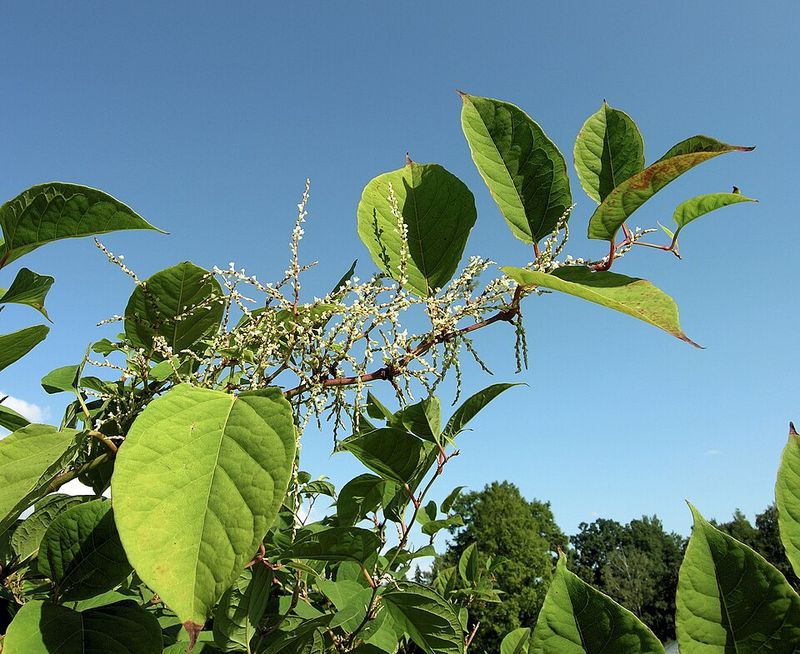
Hollow, speckled stems that look like bamboo can shoot up several feet in just a few spring weeks. Some gardeners planted it on purpose for privacy screens, and I truly believe many still regret that choice.
Reynoutria japonica spreads mainly through underground rhizomes that can stretch many feet away from the visible clump.
Tiny root fragments can start new plants, so a single mower pass can spread trouble down the road.
Shoots can push through cracks in pavement and exploit weak spots in walls, which worries homeowners near patios. In Britain, knotweed has affected mortgage approvals, a sign of how seriously people take its spread.
Removal is pricey because one season rarely finishes the job, and professionals often schedule visits over several years.
Herbicide treatments in late summer through early fall tend to work best, after flowering when energy moves downward.
Digging it out is possible but tough, since the rhizomes run deep and break easily into new pieces. Any soil you move may carry hidden fragments, which is why careful disposal matters so much here.
Keep stems out of your compost bin, because they can root again inside a warm, moist pile. Let them dry on a tarp or bag them for the trash, following your local disposal guidelines.
Repeated cutting every few weeks can slowly weaken the plant, though it demands real commitment from you. Once the patch fades, replant quickly with native shrubs so the bare soil does not invite it back.
7. Oriental Bittersweet
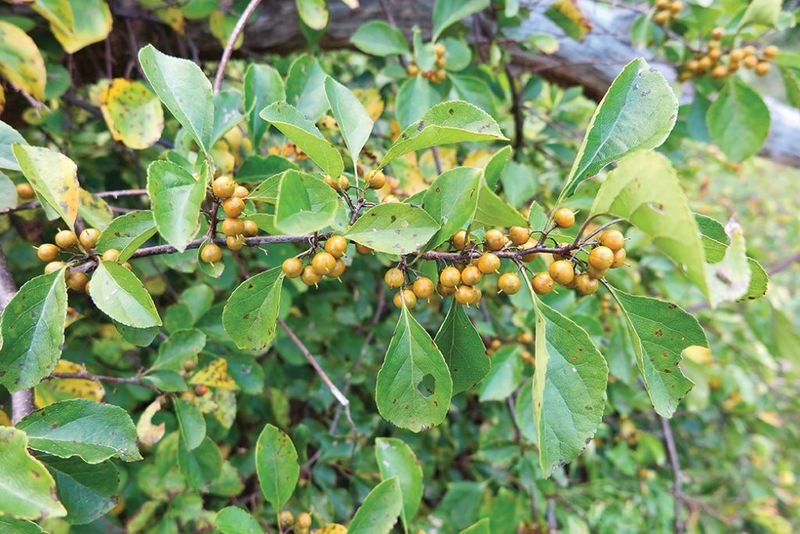
Those cheerful orange and red berry clusters look adorable on a holiday wreath, and that is partly the problem. Discarded wreaths tossed into the woods have helped spread this twisting vine far beyond the garden gate.
Celastrus orbiculatus wraps tightly around trunks, squeezing bark as both vine and tree grow thicker each year. The heavy tangles also add weight to branches, making host trees more likely to topple in winter storms.
Our native American bittersweet bears fruit only at the tips of its branches, which helps you tell them apart. The Oriental type carries berries tucked along the stems, and it can hybridize with the native vine too.
Seeing a beloved oak wrapped in thick bittersweet ropes once made me angry enough to grab my loppers. Cutting the vines near the ground is a great first step, because the upper portions lose their supply.
Removal costs grow when vines climb high into tree canopies, where pulling them down can damage the branches. Professionals often leave the upper vines to wither in place rather than risk yanking limbs onto your roof.
Rooted portions will resprout from cut stumps, so many land managers apply herbicide to the fresh cut surfaces. Orange roots are a giveaway, and pulling young plants from moist soil helps prevent a bigger mess later.
Bag those berry clusters instead of composting them, since birds and gardeners alike can move seeds around.
For autumn decorations, try dried native grasses or pinecones, which look festive without sending vines into nearby woods.