Why a Windy Freeze Hits North Carolina Plants Differently Than a Calm, Frosty Night
Frost on your windshield can be a sign of a gentler night for your garden. That sparkly coating often forms on calm, clear nights, while the roughest cold damage tends to arrive with a howling wind.
I know how frustrating it can be when two nights hit the same low and your shrubs react in opposite ways. One morning the azaleas look fine. A week later, after a gusty cold front, the hollies look scorched along one side.
North Carolina gets both kinds of cold, from breezy mountain ridges to still coastal plain valleys. Each one attacks plants through a different weak spot.
The real question is what the wind adds that the thermometer misses. The answer has more to do with water than with temperature, and it changes how you should protect your yard.
1. That Gusty Cold Front Is Pulling Water Out of Your Shrub Leaves
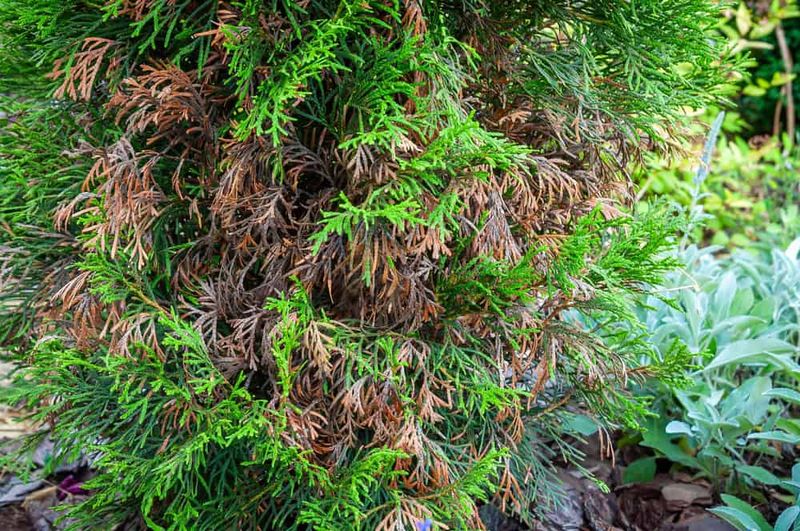
Wind on a freezing day works a lot like a hair dryer pointed at your plants. Evergreen leaves and needles keep losing small amounts of water all winter, even when growth has paused.
Moving air speeds up that water loss. It sweeps away the thin layer of humid air that normally hugs each leaf, so moisture escapes faster. Gardeners and extension specialists call the resulting damage winter burn or desiccation.
The tricky part happens underground. When the soil is frozen or very cold, roots struggle to pull up water to replace what the leaves lose. The plant ends up thirsty while surrounded by ice.
So a windy freeze often damages plants through dryness, not just chill. A calm night at the same temperature rarely strips water this quickly, which explains why your shrubs look so different after each event.
I tend to think of it as a slow leak with no refill. If you have ever seen a camellia or boxwood turn crispy brown after a gusty January week, you have watched this process in action.
Keep an eye on forecasts that pair temperatures below freezing with sustained winds. Those combinations deserve more attention than a quiet, frosty night, even when the low looks similar on paper.
2. A Still, Frosty Lawn Means the Cold Is Settling in Low Spots

Clear skies and zero wind create a very different kind of cold. On those nights, the ground and plants lose heat straight up into the open sky through radiation.
Without a breeze to mix the air, the coldest layer settles close to the ground. Cold air is heavier, so it slides downhill and pools in valleys, low corners of the yard, and dips near fences.
Gardeners call these spots frost pockets. A tomato seedling at the bottom of a slope can get nipped while a plant twenty feet uphill stays fine.
Here’s something you might not expect. Frost forms when moisture in the air freezes onto cold surfaces, and that process releases a little heat. It is a small effect, but moist air and damp soil help slow how far temperatures fall.
Calm frost still has risks. Tender annuals, early blooms, and fresh spring growth can be damaged when ice forms inside their cells.
Hardy evergreens, though, usually shrug off a radiation frost much better than a drying wind. Learn where frost lingers longest in your yard on still mornings, because those low spots are where tender plants should not go.
3. Watering Before the Freeze Gives Roots and Leaves a Fighting Chance
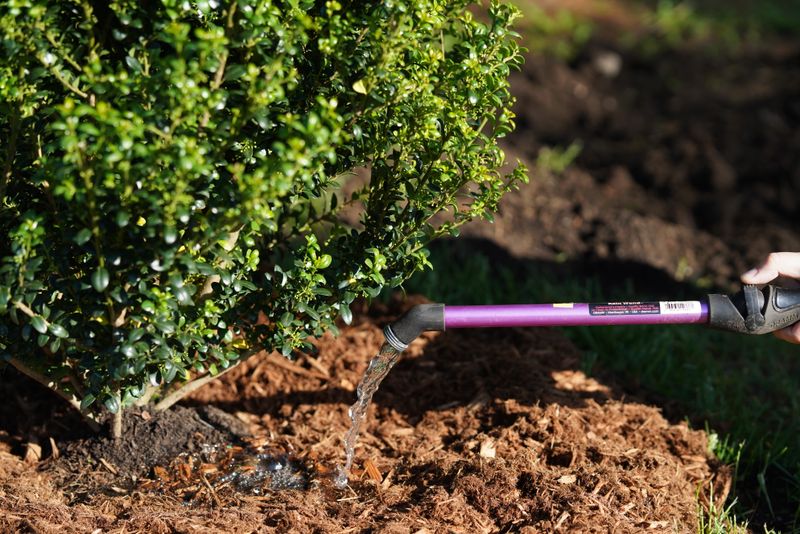
A deep drink before the cold arrives is one of the easiest moves you can make. Well-watered plants enter a windy freeze with full water reserves in their stems and leaves.
Moist soil also holds heat better than dry soil. It releases that warmth slowly overnight, which helps roots and the lower parts of plants. Dry, fluffy soil cools faster and lets cold reach deeper.
Extension services across the Southeast suggest watering evergreens during dry spells in fall and winter. If the soil is not frozen and rain has been scarce, water during the warmer part of the day so it can soak in before nightfall.
One thing I love about this tip is how simple it is. You do not need special gear, just a hose and a bit of timing.
Focus on newly planted shrubs, broadleaf evergreens like hollies and camellias, and anything in sandy soil. Coastal plain sands drain fast, so plants there can dry out quickly before a cold snap.
Skip watering when temperatures are already below freezing. Wet leaves and icy walkways create new problems, and frozen ground will not absorb the water anyway.
4. Burlap Windbreaks Can Save Your Hollies and Boxwoods
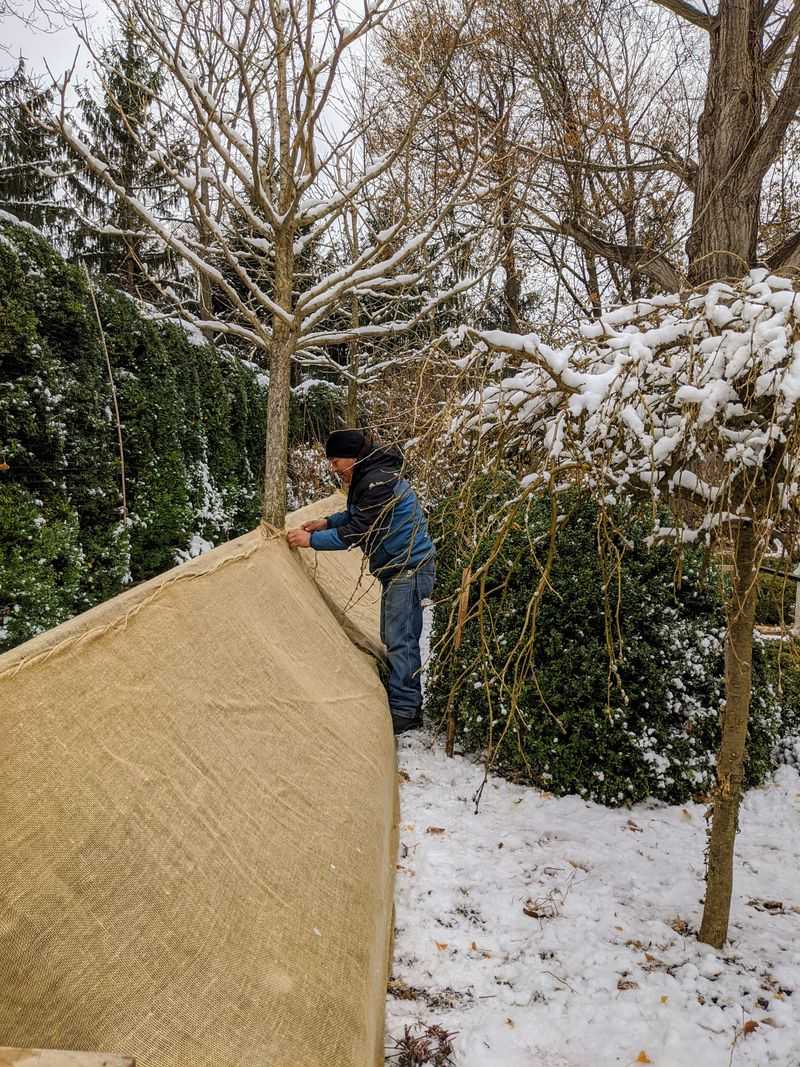
A simple screen of burlap can cut the wind long before it reaches your shrubs. Stakes and fabric on the windy side of a plant slow air movement and reduce water loss from leaves.
Leave a little space between the burlap and the foliage. Wrapping tightly can trap moisture and rub tender leaves, while a screen a few inches away lets air move gently.
Wondering which side to protect? In much of the state, harsh winter winds tend to come from the north and northwest behind cold fronts. Check where your damaged leaves showed up last year for a reliable clue.
Frost cloth and old bedsheets work well for calm frosty nights too. For those, drape the cover to the ground so it traps heat rising from the soil, and remove it the next morning once temperatures climb.
Avoid plastic sheeting touching leaves. It conducts cold and can damage foliage where it presses against the plant.
Long term, think about living windbreaks. Native evergreens such as American holly, wax myrtle, or eastern red cedar planted on the windward edge of your yard can shelter more delicate shrubs for years.
5. Browned Leaves on One Side of the Rhododendron Tell the Story
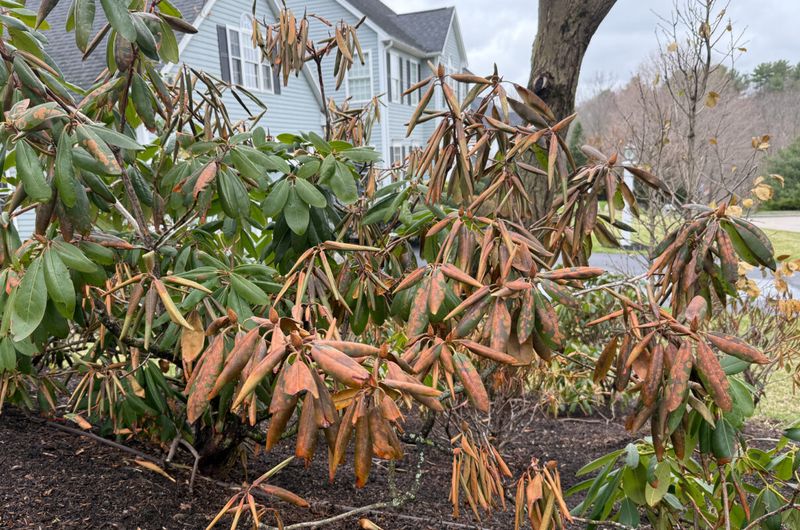
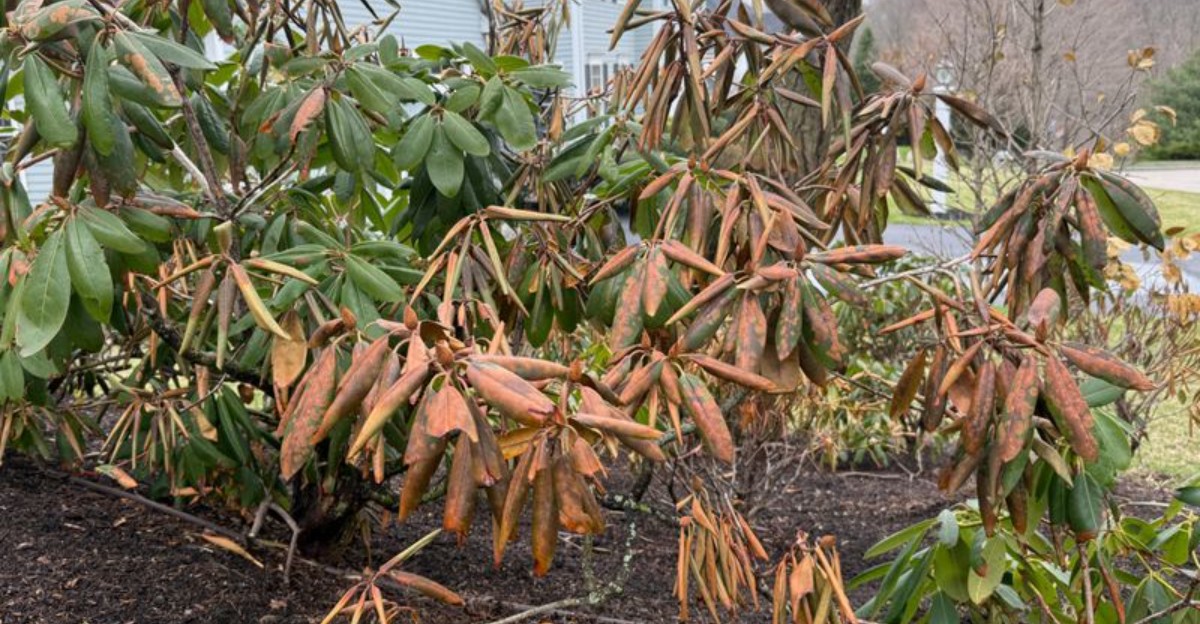
Your plants leave clues about which kind of cold hurt them. Windy freeze damage often shows up as brown or bronze leaf edges, mostly on the side facing the wind or the afternoon sun.
Needled evergreens like junipers and pines may show browning at the tips first. Broadleaf types such as hollies, camellias, and southern magnolias often get crispy margins or brown patches.
Calm frost damage looks different. Tender plants may turn dark, mushy, or water-soaked within a day, especially new shoots and flowers. The damage tends to be worst on the top and outer growth, or on plants sitting in low spots.
Curled rhododendron leaves can fool you, though. Those leaves roll up and droop on cold days as a normal response, then flatten again when it warms.
I can’t help but think that rhododendrons are the garden’s built-in thermometer. Tightly curled leaves mean it is cold out, not that the shrub is in trouble.
Remember that browning can also come from drought, root problems, or salt near roads and the coast. Look at the pattern and timing before blaming the weather.
6. Potted Plants on a Breezy Porch Feel the Cold First
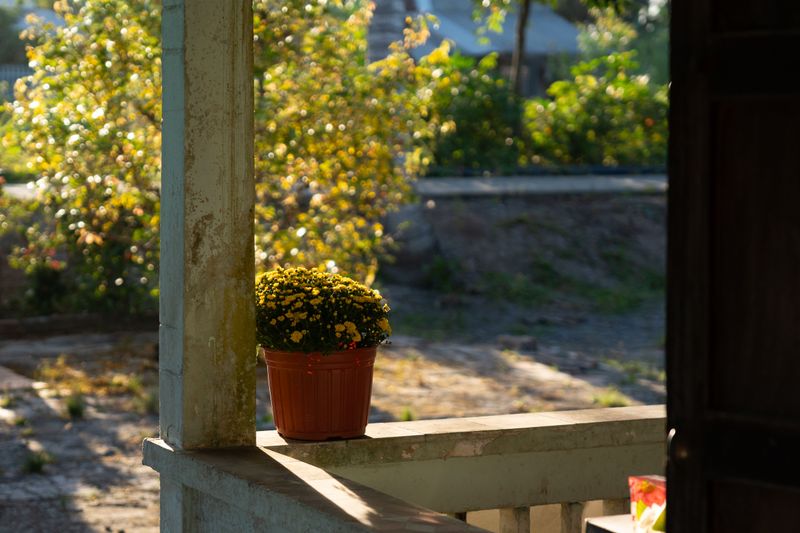
Containers have it rough when the wind picks up. Roots in a pot sit above ground with only a thin wall between them and the frigid air.
Plants in the ground get insulation from the soil around them. A pot does not, so cold air and wind hit the root ball from every side, and soil inside can freeze faster and stay frozen longer.
That means container roots often take damage at temperatures the same plant would handle fine in a bed. Frozen potting mix also blocks water uptake, adding to the drying effect of wind.
Small fixes go a long way: Group pots together against a house wall, ideally on the side away from the wind. Wrap larger containers with burlap or bubble wrap, and add mulch on top of the soil.
Move small or tender pots into a garage or shed before a hard, windy freeze. Bring them back out once the cold passes so they get light.
Water containers a day ahead if the mix is dry. Moist potting soil holds heat better and keeps the plant hydrated for the stretch ahead.
7. Mountain Ridges and Coastal Plain Gardens Face Different Cold
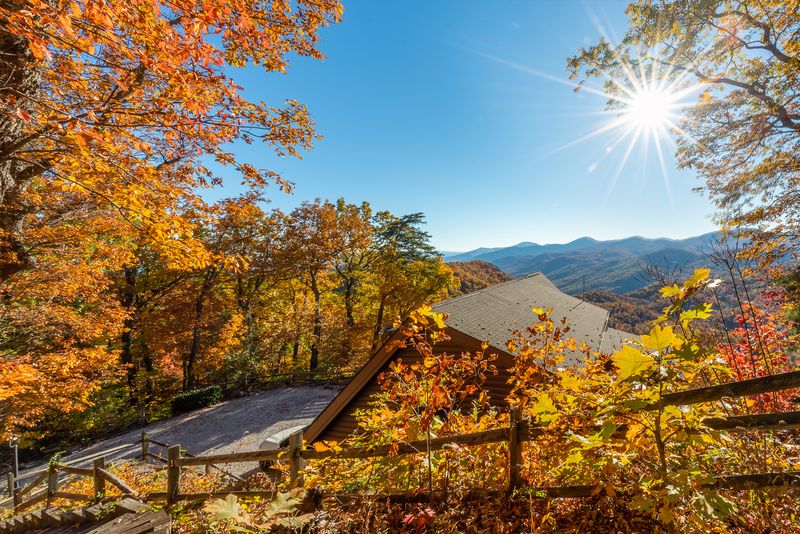
Location changes everything with winter cold. North Carolina stretches from USDA zone 6 in the highest mountains to zone 8 along the coast, and even 9a on parts of the Outer Banks, so the type of freeze you face varies a lot.
Western mountain gardens often deal with strong winds on exposed ridges. Higher elevations bring colder temperatures and more frozen soil, which sets up classic winter burn on evergreens.
Mountain valleys, on the other hand, can trap cold air on calm nights. A garden down in a hollow may see frost earlier in fall and later in spring than one partway up a slope.
The Piedmont gets a mix of both. Gusty fronts sweep through, then clear, calm nights follow with frost settling into low lawns and creek bottoms.
Coastal gardeners face wind from open water and salt spray, which can brown leaves in ways that resemble cold injury. Sandy soil there drains quickly, so plants may go into a freeze drier than expected.
Knowing your zone and your slope helps you pick plants wisely. Check the USDA hardiness zone map and NC State Extension resources for your county to choose shrubs suited to your local winters.
8. Hold Off on Pruning Those Brown Branches Until Spring Growth Shows
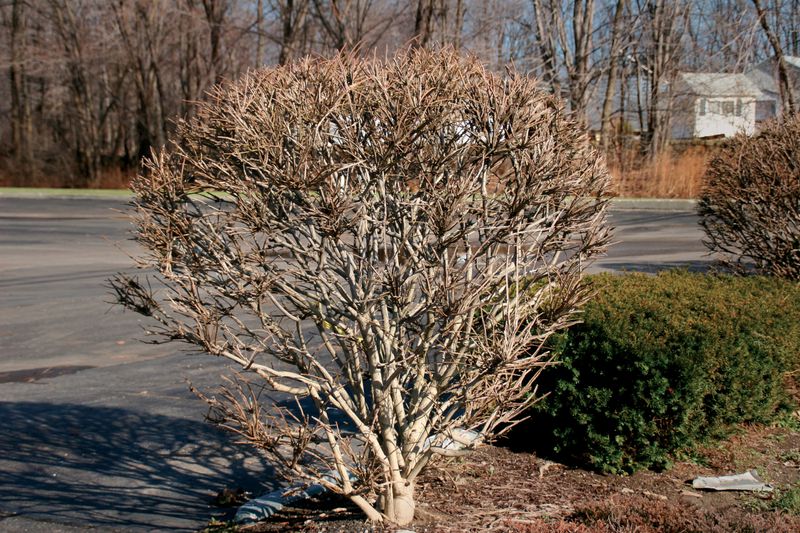
After a rough windy freeze, the urge to grab the pruners is real. Patience pays off here, so put the shears down for now.
Many shrubs with brown leaves still have healthy buds and stems underneath. Leaves may drop, but new growth often pushes out in spring from those living buds.
A quick test helps. Scratch a twig gently with your thumbnail, and green tissue underneath means that stem is still alive and working.
Waiting has another benefit. Browned foliage can shield inner branches from a late cold snap, which happens often enough in the state during March and early April.
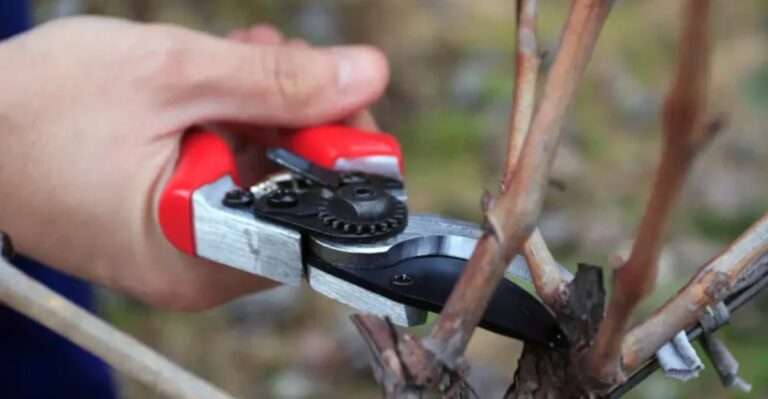
Once new shoots appear, you can see exactly where healthy growth starts. Trim back only the bare, brittle sections to just above a healthy bud or branch.
Skip heavy fertilizing right after a freeze too. Pushing tender growth early can set plants up for more injury if another cold night arrives.
The best takeaway is to plan ahead for next winter. Water before cold fronts, mulch around roots, shelter tender plants from wind, and keep tender things out of frost pockets. Your garden will thank you for it.