8 Georgia Evergreen And Magnolia Cuttings You Can Turn Into Holiday Decor For Free
Early settlers boiled tiny waxy berries from a coastal shrub and turned the floating wax into fragrant candles. Some of the best holiday supplies still grow quietly along backyard fences and shady creek edges.
One native tree drops leathery leaves with rusty velvet undersides that last for weeks inside a warm house.
Another shrub carries enough natural caffeine in its leaves that people still brew them into a mild tea.
I love how a single pair of pruners can fill my mantel without a trip to the store. You probably have several of these plants within walking distance and your landscape will thank you for the trim.
Georgia winters give us a long mild window for gathering greenery that stays fresh well past New Year’s Day. Some clippings make beautiful holiday decorations, while others need a little more caution before bringing them indoors.
1. Southern Magnolia
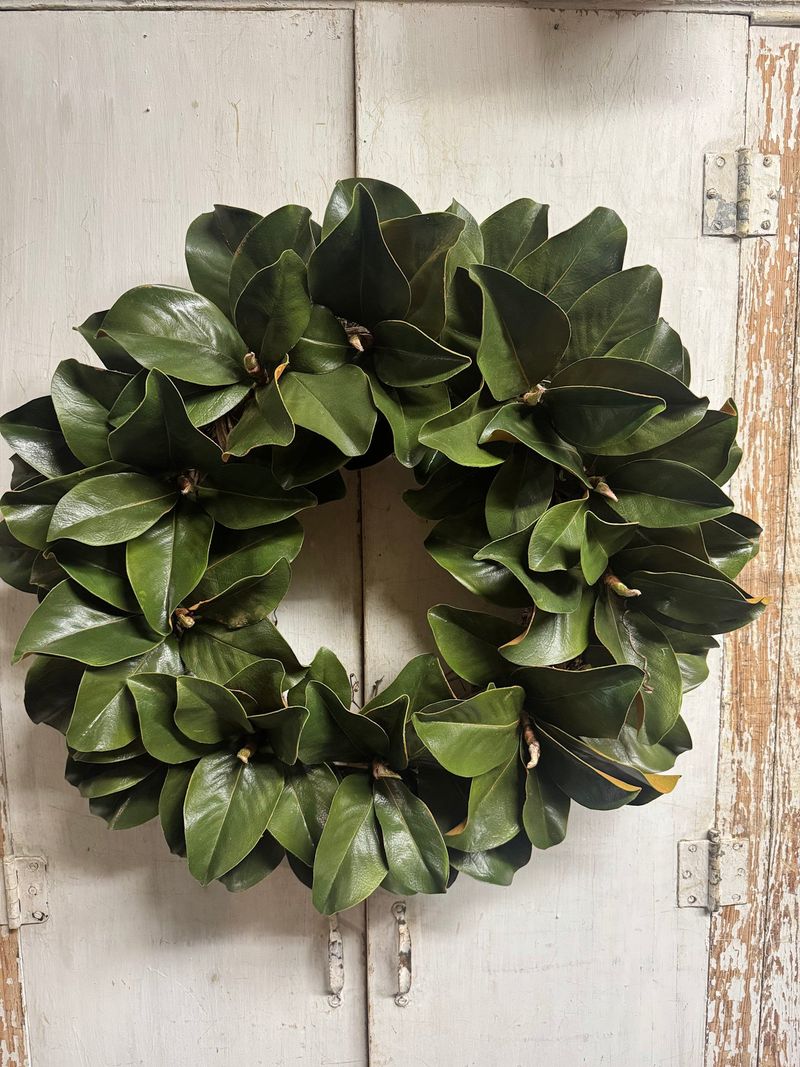
Few leaves can match a magnolia leaf, with its mirror-shine top and a fuzzy underside the color of cinnamon. I like flipping a few leaves over in a wreath so that warm brown side peeks through the green.
Magnolia grandiflora is native across the Southeast, and its stiff glossy leaves often reach five to ten inches long.
That leathery texture helps them hold their shape indoors, even after they slowly fade from deep green to bronze.
You get the best results by snipping small branches from the inside of the tree rather than the outer edge. Those hidden cuts leave the canopy looking full, and nobody driving past on the street will notice anything is missing.
Personally, I stick to light holiday snipping and save any heavy reshaping for late winter before new growth starts. Fresh cuts go straight into a bucket of cool water overnight, which keeps the leaves supple and bendable for longer.
Single leaves also work beautifully as dinner place cards, since a metallic marker writes clearly on that glossy surface.
Tuck a few behind candlesticks or along a stair rail, and the whole room suddenly feels like a Southern home.
The ASPCA lists southern magnolia as nontoxic to dogs and cats, which makes it a relaxed choice for coffee tables. Chewing piles of leaves can still upset a pet’s stomach, so keep nibblers from treating your garland like a snack.
2. Sweetbay Magnolia
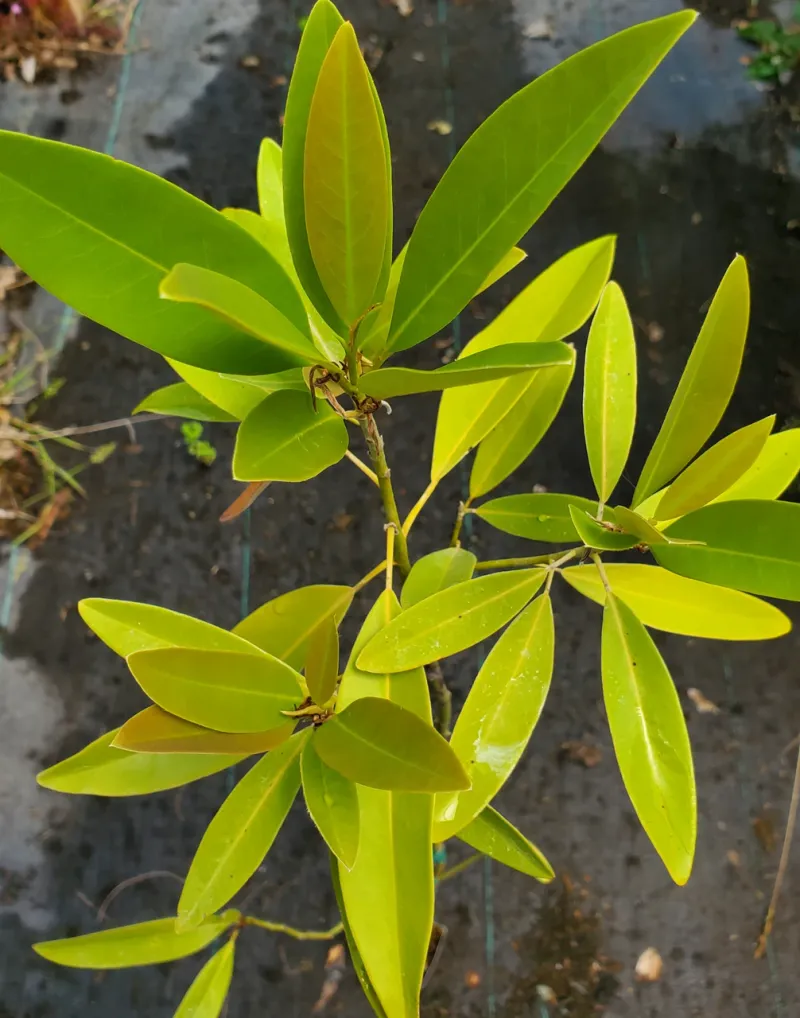
Turn a sweetbay branch in the breeze and the leaves flash silver, almost like someone dusted their undersides with frost.
I have to admit that this two-tone shimmer looks fancier in a wreath than most glittery store-bought silver picks.
Magnolia virginiana grows naturally in low wet woods and swamp edges, especially across the southern half of Georgia. In warmer areas it holds most leaves through winter, while colder spots may see it drop many of them.
The leaves run about three to five inches long, which makes them easier to tuck into small tabletop arrangements.
Crush one between your fingers and you may catch a light, pleasant spicy scent that gently hints at bay leaves.
Pair sweetbay with its big southern cousin, and the silver and copper undersides create a lovely mixed palette together. I also like single sprigs wired onto dinner napkin rings, because the slim leaves look tidy rather than bulky.
Sweetbay leaves are thinner than southern magnolia leaves, so they curl faster once they sit in a heated room. Keep stems in water when possible, or mist wreaths every few days to stretch their good looks a little longer.
Go easy on trimming, because each branch tip you cut may carry next year’s creamy white lemon-scented blooms. A handful of stems from different spots keeps the tree’s shape natural and leaves plenty of flowers for spring pollinators.
3. American Holly
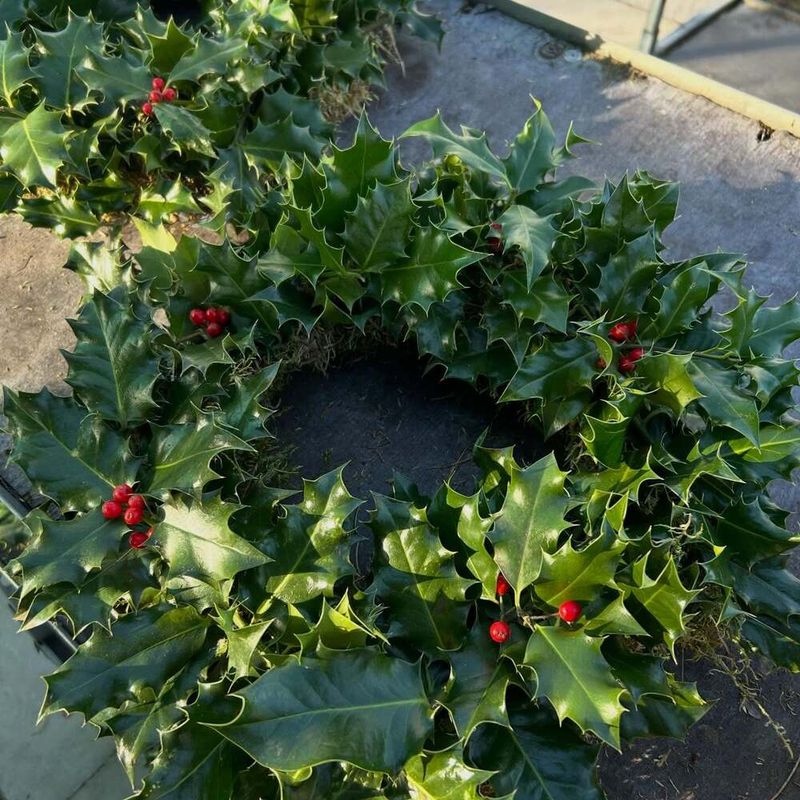
Only female American hollies produce those famous red berries, so the bare shrub by your mailbox may simply be male.
I love sharing that fact, because it ends a lot of frustrated questions about holly trees that refuse to berry.
Ilex opaca grows wild across Georgia, often quietly hiding as an understory tree beneath tall oaks and loblolly pines. Its spiny, dull-green leaves look less shiny than English holly, yet they read as pure Christmas in a wreath.
Holly tolerates winter pruning well, so cutting a few fresh berried branches in December doubles as useful yard work. Cut just above a leaf joint, and new shoots will fill that gap when the weather warms in spring.
You need sturdy gloves for this job, since those pointed leaf tips can poke right through thin cotton ones.
Leather garden gloves make wiring holly onto a grapevine wreath far more pleasant for your fingers and your mood.
Holly berries are toxic to people and pets, and swallowing just a handful can cause vomiting and an upset stomach. Keep berried branches on high mantels or outdoor doors, and sweep up any fallen berries before toddlers find them.
Cut stems last longest when you set them in water overnight and keep finished pieces away from heat vents. Outdoor holly swags on a shaded porch often stay bright well into January, which feels like a sweet bonus.
4. Yaupon Holly
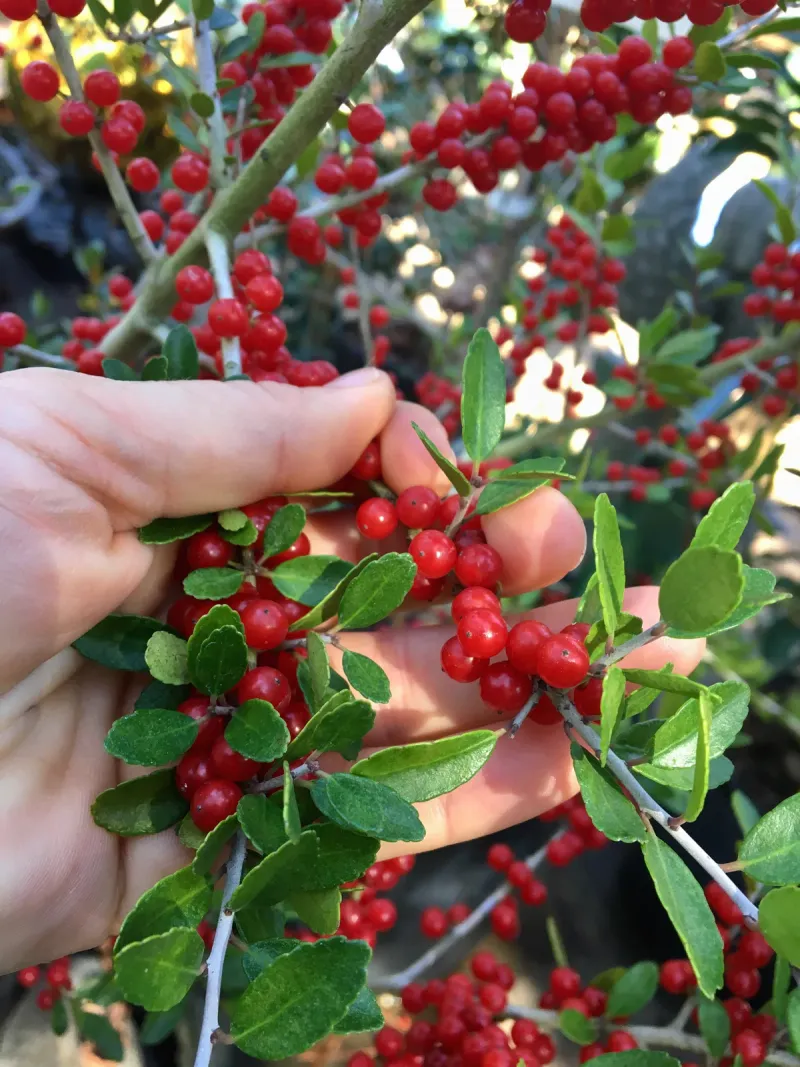
Yaupon is the only caffeine-containing plant native to the United States, and people still brew its leaves into tea.
Personally, I find that quirky history makes a yaupon garland feel like a conversation starter at every holiday dinner.
Ilex vomitoria carries small, tidy oval leaves with gently scalloped edges and no sharp spines to jab your hands. Female plants load up with tiny, glossy red berries that often cling to the stems through most of winter.
Yaupon hedges are common in Georgia yards, especially near the coast, and many of them welcome a light winter trim.
Those clipped sprigs make charming mini wreaths, and they slip easily into festive gift bows without scratching anyone’s fingers.
You might notice some yaupon cultivars bear yellow fruit, and those golden berries pair nicely with bright shiny brass candleholders.
Weeping and compact dwarf forms exist too, though popular dwarf types like Schillings rarely produce berries at all.
That alarming scientific name came from a mistaken belief about the tea, yet the berries can still upset stomachs. Keep berried sprigs away from curious pets and small children, who might mistake those shiny red dots for candy.
Leave plenty of berries on the shrub, because cedar waxwings and mockingbirds count on them during lean winter weeks. I like taking a little and leaving a lot, since sharing with the birds keeps the yard lively all season.
5. Eastern Redcedar
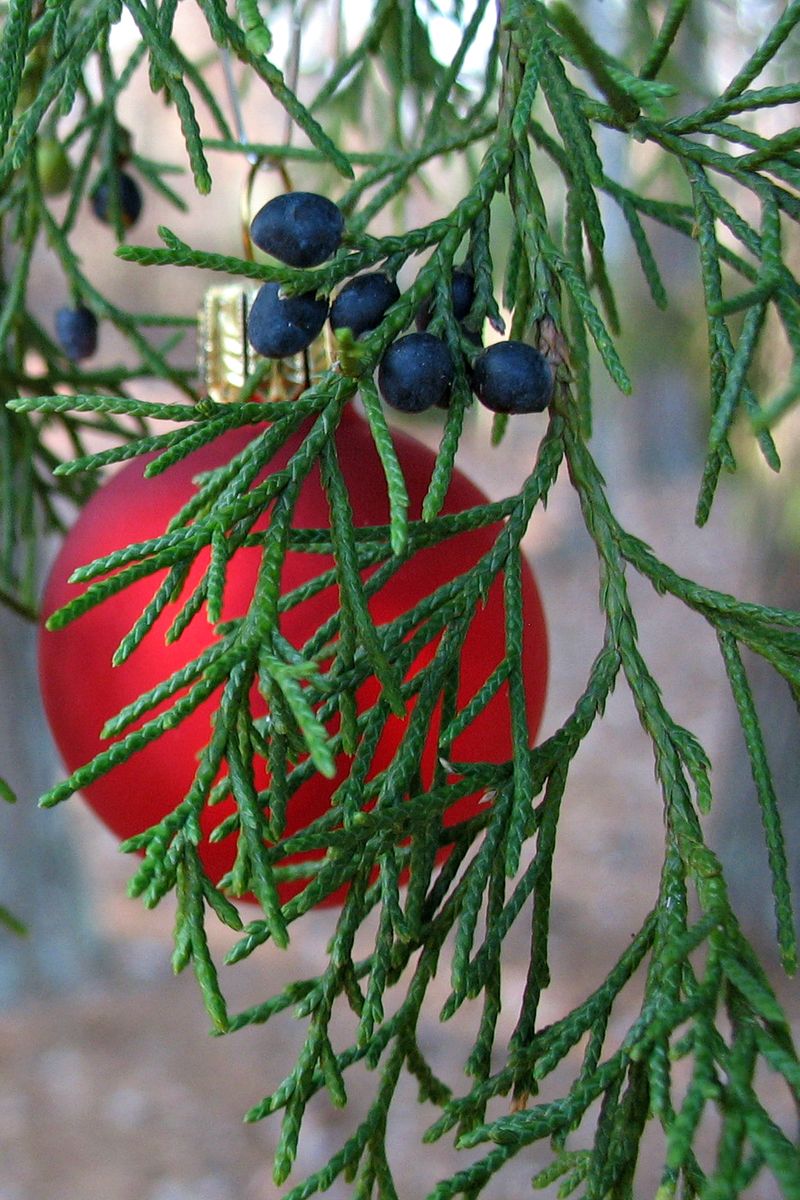
Snap a redcedar twig and the sharp woodsy scent smells just like a freshly sharpened pencil, and for good reason.
Eastern redcedar wood was the classic pencil material for decades, and I still grin whenever a garland smells like school.
Despite the name, Juniperus virginiana is actually a juniper, not a true cedar, and it grows across most of Georgia. Birds spread the seeds along fence lines and old pastures, so free cuttings are rarely hard to find nearby.
Female trees carry dusty blue, berry-like cones that look gorgeous against the deep green foliage in a simple outdoor swag. You might notice young growth feels prickly while older sprays turn soft and scaly, so mix both for texture.
Redcedar tends to dry faster indoors than pine, so I save my best pieces for porches and front doors.
Cool outdoor air often keeps the foliage fresh for several weeks, and a light misting helps during dry winter spells.
Watch for small hard brown galls on twigs, because redcedar hosts cedar-apple rust, which also troubles nearby apple trees. Snipping those galled twigs during winter decorating actually helps your orchard neighbors, so it counts as a little double duty.
The foliage and cones can irritate skin and upset stomachs, so gloves and a high hook make sense here. Keep sprigs away from pets that like to chew, and wash your hands after an afternoon of wiring garland.
6. Loblolly Pine
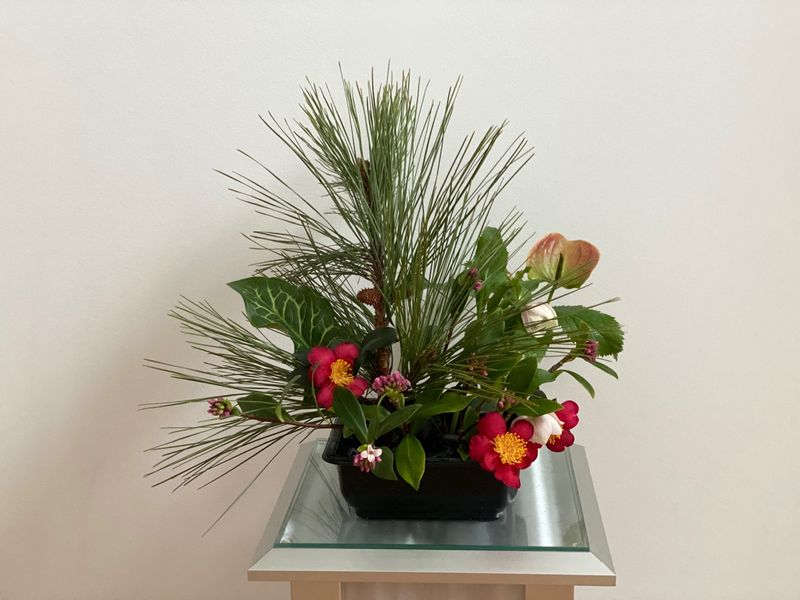
Loblolly pine is the most common pine in Georgia, so free bundles of long needles are probably waiting nearby. I love how a few cut branches in a tall crock make the whole kitchen smell like a winter walk.
Pinus taeda carries slender flexible needles about six to nine inches long, usually grouped in neat bundles of three.
Those long needles give garlands a loose, wild look that feels more relaxed than stiff boxed greenery from stores.
Fallen cones are a bonus, since their sharp-tipped scales open wide once they slowly dry in a warm kitchen. Bake gathered cones at a low oven temperature to drive out bugs, and watch closely because sap can scorch.
You need to expect sticky fingers, because fresh pine sap clings to skin and refuses to rinse off with water. A dab of cooking oil or hand lotion loosens the sap quickly, so keep some beside your workbench.
Most loblolly branches grow far overhead on mature trees, so focus on young saplings or fresh storm-dropped limbs instead. Volunteer seedlings popping up in your flower beds make perfect candidates, since they will need removing at some point anyway.
Pine needles can cause mild stomach upset and mouth irritation if pets chew or swallow them, according to many veterinarians.
Sweep up dropped needles often, and place bowls of cones where playful cats cannot bat them across the floor.
7. Southern Wax Myrtle
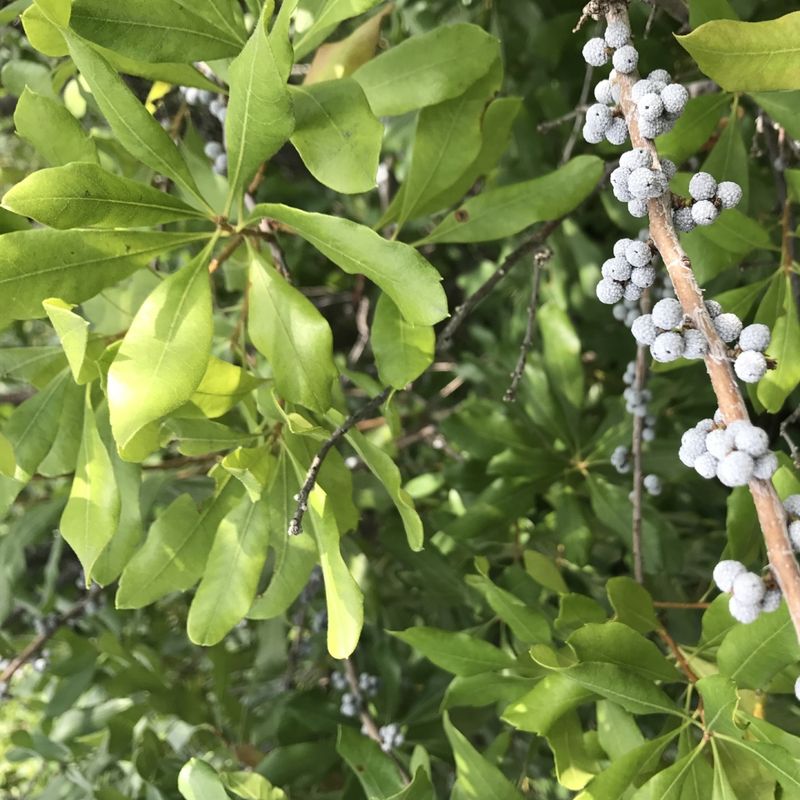
That candle-making shrub from colonial days is wax myrtle, and its gray berries still look charming in winter arrangements.
Settlers boiled the berries and skimmed the floating wax, and I find that thrifty story fits a free decorating project.
Morella cerifera is a native evergreen shrub that grows happily in wet ditches and dry sandy yards alike. Rub a leaf between your fingers and a clean spicy fragrance rises, much like the bayberry candles it once supplied.
Only female plants make the waxy blue-gray berries, so check before you plan a berry-studded wreath around one shrub. Male plants still offer plenty of fragrant leafy stems, which make excellent fluffy filler for garlands and mantel runners.
I like the slim, olive-toned leaves next to bright holly, because the softer green keeps arrangements from looking busy.
Wax myrtle also handles heavy pruning well, so cutting armloads of stems rarely leaves a lasting gap in the hedge.
Yellow-rumped warblers feed heavily on those berries in winter, since they can digest the wax that many birds cannot. Leave most berry clusters on the shrub, and you get free cheerful birdwatching outside the window all season long.
Cut stems last longest when you strip lower leaves and stand them in fresh water for a full day first. Keep berried pieces away from nibbling pets as a simple precaution, since few plants make good snacks for them.
8. Leyland Cypress
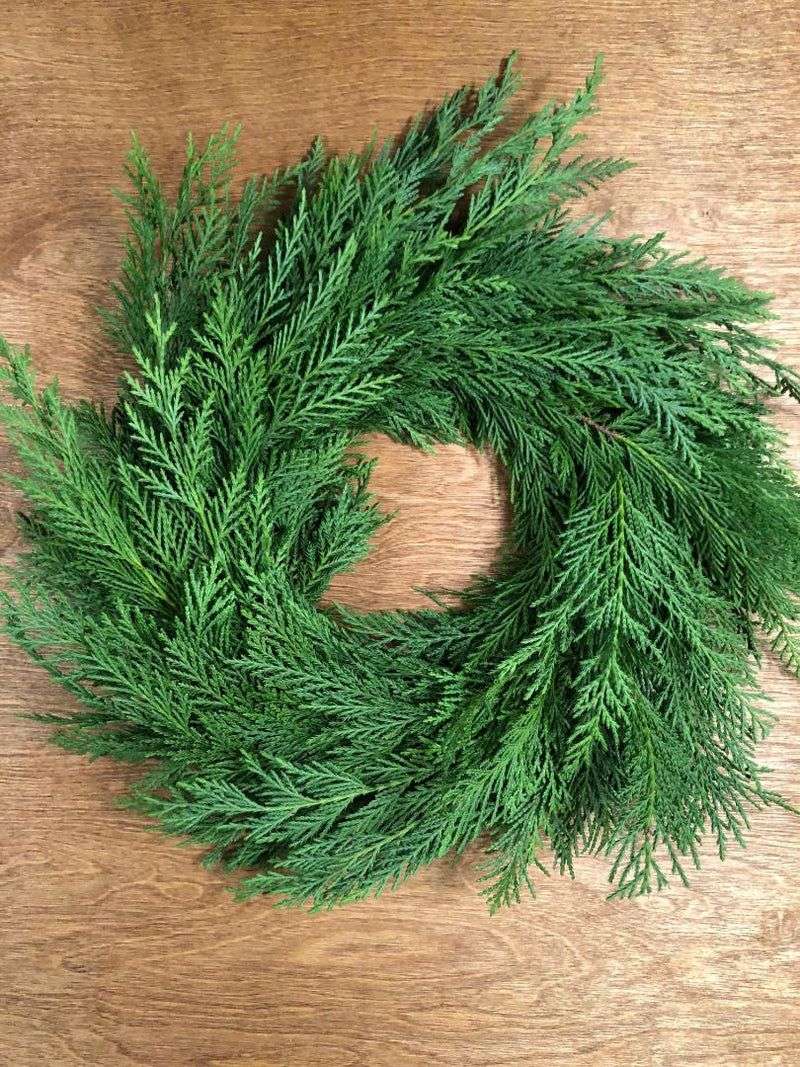
Plenty of Southern Christmas tree farms grow Leyland cypress, and those soft, flat sprays feel almost feathery in your palm. What surprises me most is how little it sheds indoors compared with pines I have hauled home over the years.
Leyland cypress is an accidental hybrid between Monterey cypress and Alaska cedar, first noticed on an estate in Wales.
That mixed parentage explains its fast growth, which is why so many yards use it for tall privacy screens.
Overgrown screens often need trimming anyway, so your holiday wreath can come straight from a hedge that crowds the driveway. Avoid cutting back into bare brown wood, because this cypress rarely sprouts new growth from those older sections.
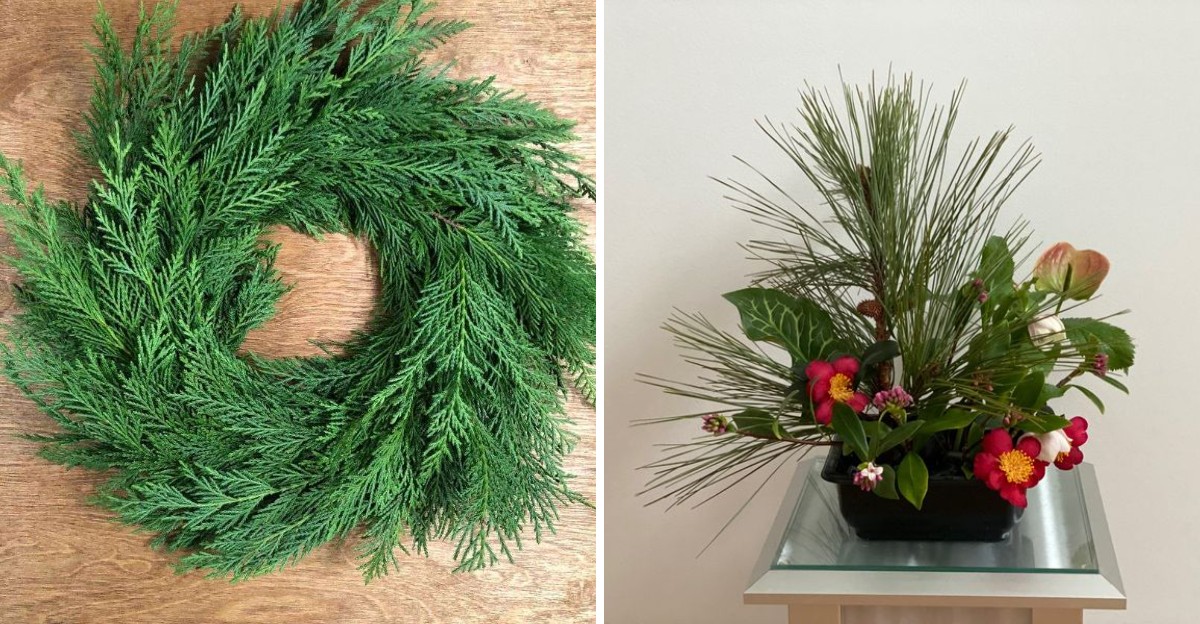
Its even, gray-green color makes a calm base layer, so red ribbon and pinecones can easily take center stage. I use it as the hidden backbone of most garlands, then tuck flashier magnolia and holly pieces on top for color.
Many southern Leyland plantings struggle with canker diseases and summer drought stress, according to several state extension specialists.
Skip branches showing brown patches or oozing sap, and clean your pruners afterward so you avoid spreading problems to nearby shrubs.
The sap can irritate sensitive skin, so a pair of gloves keeps your hands comfortable during long wreath sessions. Keep finished pieces where pets cannot chew them, and your hedge trimmings will brighten the house until New Year’s.