Eastern Mud Turtles In Georgia May Disappear From Ponds As November Temperatures Drop
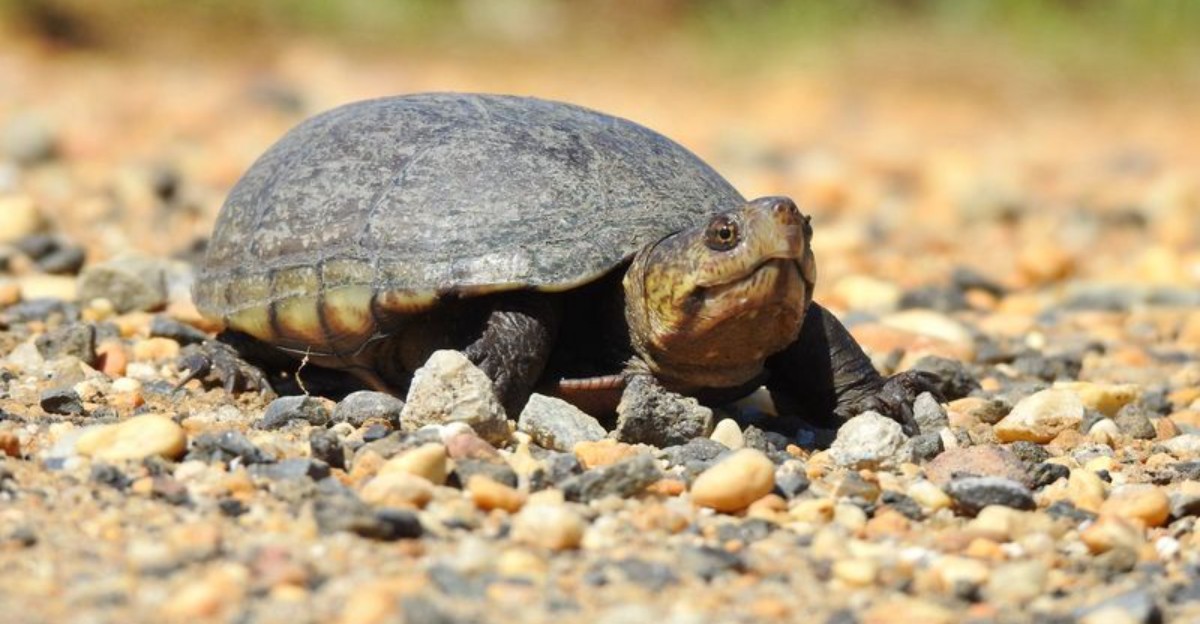
A turtle small enough to fit in your palm may spend the winter buried in the soil, sometimes a long walk away from the nearest pond.
That surprise found me while I wondered why my favorite backyard pond suddenly felt so quiet.
The little musky-smelling swimmers that poked their pointed snouts up all summer were nowhere in sight. I thought something had gone wrong.
In Georgia, many of them pack up as fall nights cool off. Some head for soft earth near the water’s edge, while others stay tucked in the muddy bottom.
Researchers have even found hatchlings that wait out the cold inside their nests.
I love a good backyard mystery, and this one has a cozy answer. Their winter hiding spots might be closer than you think, and what happens around your pond now could make a difference when spring arrives.
1. Those Pointed Little Turtle Snouts Are Missing From The Pond For A Good Reason
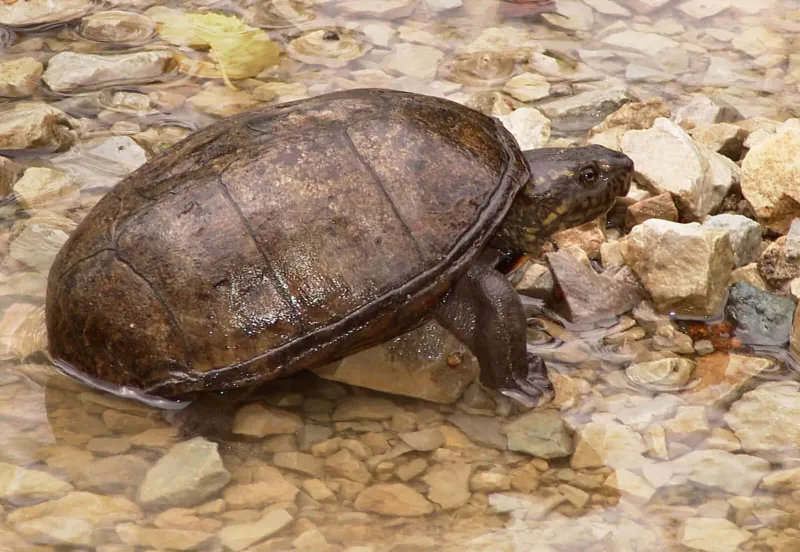
Last summer, I could count on spotting a tiny nose breaking the surface of the pond almost every evening. By mid-November, the water looked like nobody lived there at all.
Eastern mud turtles are small, usually about three to four inches long, with smooth, dark shells and a hinged lower shell they can partly close. They spend warm months creeping along shallow, muddy bottoms, hunting insects, snails, tadpoles, and bits of plants.
Because they rarely bask in the open like sliders do, they are easy to miss even in summer.
When the water cools, their bodies slow down too. Turtles are cold-blooded, so their energy, appetite, and movement depend on the temperature around them.
A chilly pond simply cannot support their usual busy routine.
So a quiet pond in November is usually a normal seasonal shift, not a sign of trouble. The turtles are settling into a winter rest that keeps them safe until warm weather returns.
Timing varies across Georgia. North Georgia ponds cool earlier, while turtles in the southern Coastal Plain may stay active longer and even pop up on mild winter afternoons.
If you notice them fading from view, you are watching a natural calendar at work.
2. Many Mud Turtles Crawl Out And Burrow Into Soft Soil Near The Water
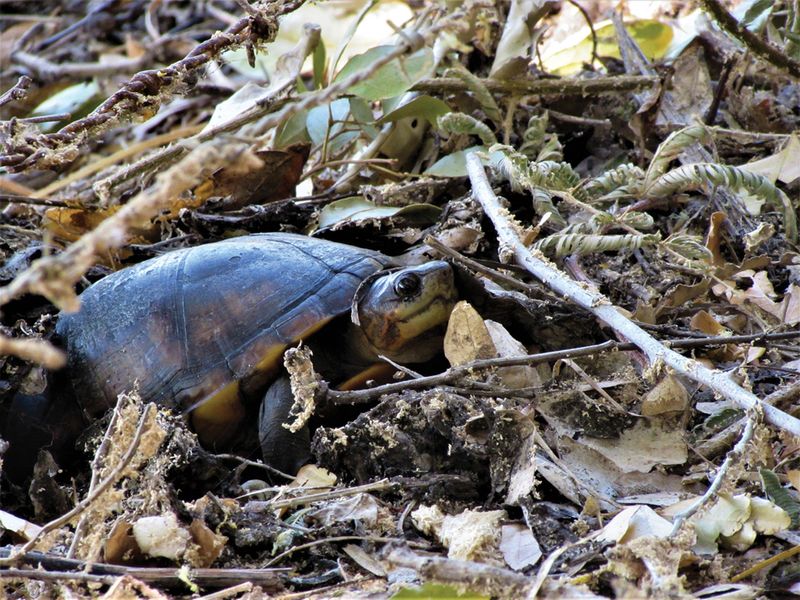
Here is the twist that surprised me most. Instead of sinking to the bottom like many pond turtles, a lot of eastern mud turtles walk right out of the water to spend the winter on land.
Field studies in the Southeast, including long-term research near the Georgia and South Carolina border, have found mud turtles burrowed into soil, sand, or thick leaf litter near wetlands. They dig in with their legs and snout, then rest just below the surface.
Loose, moist ground near ponds and ditches works well for them.
Not every turtle follows the same plan, though. Some individuals do stay in the water, tucked into soft mud or under plant debris along the bottom.
Biologists think the choice may depend on the habitat, water levels, and conditions in a given year.
Land-based resting spots also help in a pond that might dry out. Mud turtles are known for handling shallow, temporary wetlands that come and go, so staying flexible pays off.
For you, this means your turtles may be closer than you think. That soft bank or pile of leaves beside your pond might be a winter bedroom for a resident turtle right now.
3. Brumation Slows A Mud Turtle’s Heartbeat To A Gentle Crawl
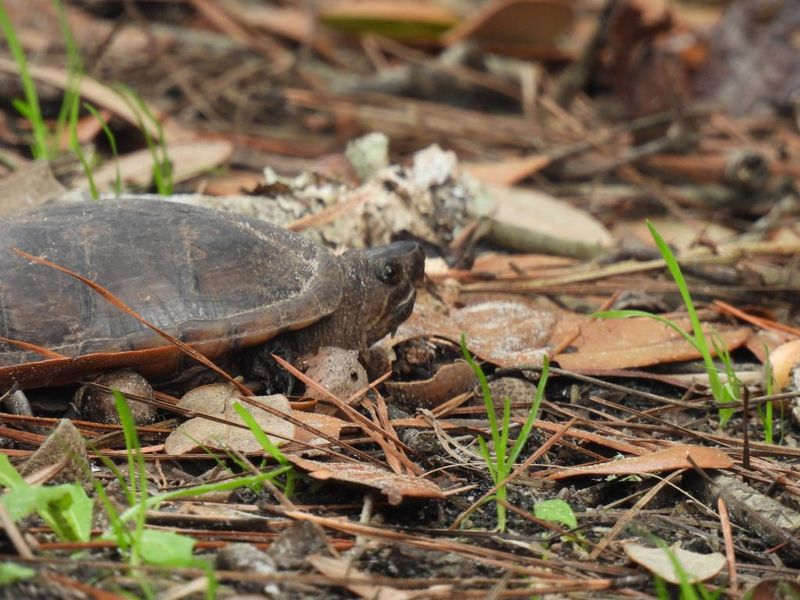
Bears hibernate, but turtles brumate. The words sound alike, and the idea is similar, yet reptiles handle the cold season in their own clever way.
During brumation, a mud turtle’s body temperature drops along with the ground around it. Its heart rate and breathing slow way down, and its need for food falls to almost nothing.
The turtle runs on fat reserves it built up while feasting through spring, summer, and early fall.
Brumation is not one long, unbroken sleep. On warm days, a turtle may shift position, move a little, or even surface briefly.
That is especially true in south Georgia, where winter often swings between chilly mornings and mild afternoons.
Fun fact for curious readers: turtles buried underground can take in very little oxygen during this resting state. Their slow metabolism makes a small supply stretch a long way.
Because of this, it helps not to dig up or disturb a turtle you stumble across in winter. Waking one up forces it to burn precious energy.
If you uncover one by accident while working outside, gently cover it back up with the same soil and leaves, right where you found it.
4. Some Turtles Hike Surprisingly Far From The Pond Edge
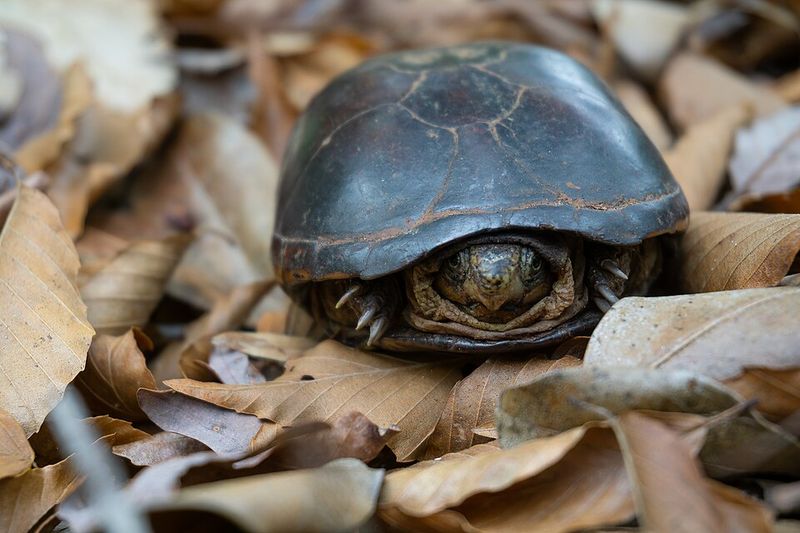
A turtle the size of a bar of soap does not seem built for long walks. Even so, mud turtles can wander a surprising distance when they leave the water for winter.
Some stay right near the shoreline. Others have been tracked traveling well into nearby woods or fields, sometimes hundreds of feet from the pond.
A few studies report trips of several hundred meters, which is a serious trek on such short legs.
Why go so far? Researchers suspect turtles are looking for just-right soil that stays moist, holds steady temperatures, and drains without flooding.
They also tend to return to the water in spring, showing they know their neighborhood well.
These journeys can cross lawns, driveways, and quiet roads. That makes late fall and early spring a good time to keep an eye out when you drive near wetlands or mow near the water.
If you spot a mud turtle crossing a road, you can help it across safely in the direction it was already heading. Moving it back toward the pond only sends it on the same trip again.
Lift gently by the sides of the shell, since these little turtles can nip.
5. Tiny Hatchling Mud Turtles Often Wait Out Winter Inside The Nest
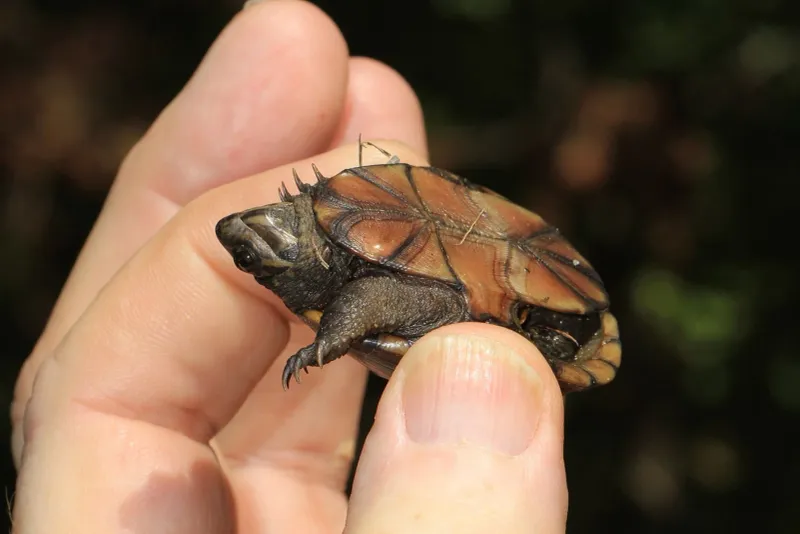
Baby mud turtles might have the coziest winter plan of all. Many of them hatch in late summer or fall, then simply stay put underground until spring.
Female eastern mud turtles usually lay a small clutch, often just a few eggs, in sandy or loose soil not far from water. Eggs develop through the warm months.
Instead of rushing to the pond before cold weather, a lot of hatchlings remain tucked inside the nest chamber for the winter.
Staying buried has real perks. The young turtles avoid hungry raccoons, birds, and snakes during a season when food in the pond is scarce anyway.
They also emerge when water is warming and insects are plentiful.
Each hatchling is about the size of a quarter, so it is easy to overlook them. In spring, you might catch one scooting across damp ground toward the nearest wet spot.
For gardeners, this is a gentle reminder to go easy with shovels and tillers near ponds during cool months. A sunny, sandy bank that looks empty could be sheltering a whole nest of tiny turtles waiting for warmer days.
6. Leaf Litter And Wild Pond Banks Make Perfect Turtle Bedrooms
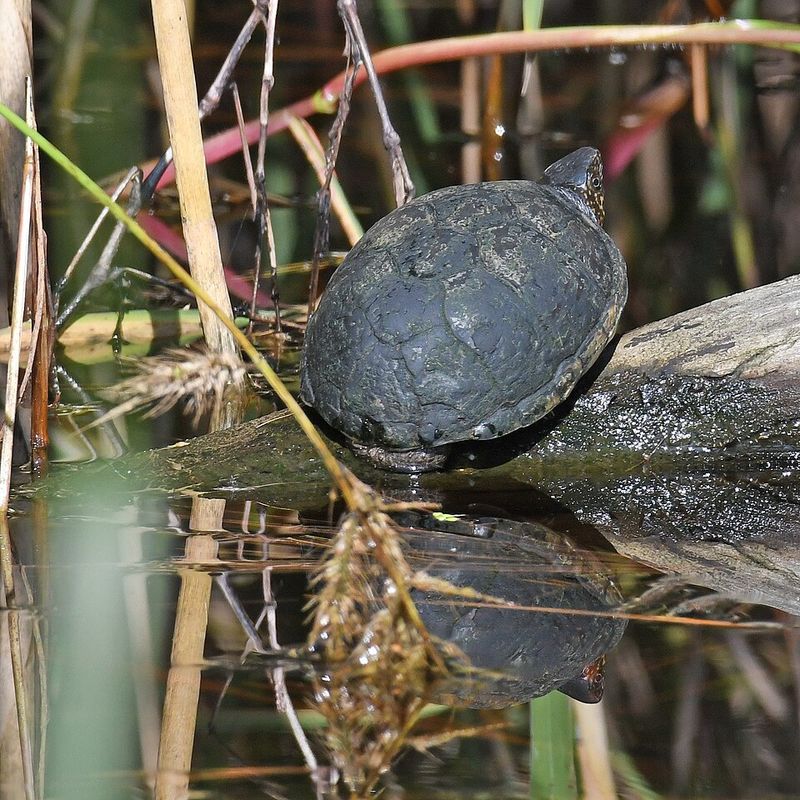
Good news for anyone who dreads fall cleanup: turtles appreciate a little mess. Those piles of oak leaves and tall grasses around a pond can double as winter shelter.
Try leaving a strip of natural ground, at least several feet wide, around your pond or wetland edge. Skip heavy raking there, and let leaves stay where they land.
Native grasses, sedges, and low shrubs help hold moisture and give turtles cover.
Mowing is another big one. Raising the mower deck or skipping the pond edge from late fall through early spring lowers the chance of hurting a turtle traveling to or from its resting spot.
Be careful with digging projects, too. Planting, trenching, or reshaping banks in winter can unearth turtles or nests.
If you have work to do, plan it for warmer months when turtles are back in the water and easier to avoid.
Finally, go light on pesticides and fertilizers near the water. Mud turtles eat insects and snails, and healthy water supports that whole food web.
A slightly wild border may not win a lawn contest, but it makes your Georgia yard a much friendlier place for turtles.
7. Spring Sunshine Brings Mud Turtles Back To The Shallows
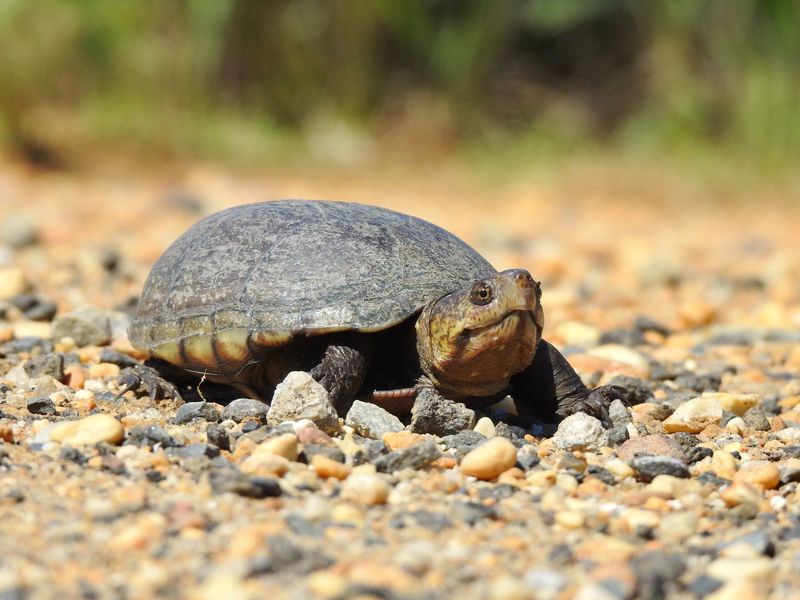
My favorite moment of the pond year comes on that first truly warm afternoon. A small, smooth shell slides past the cattails, and suddenly the pond feels lived in again.
Mud turtles usually return to the water as soil and water temperatures climb. In south Georgia, that can start in late winter or March.
Up in the mountains and Piedmont, activity may not pick up until April or later, depending on the weather.
Once back, they get busy fast. They hunt, look for mates, and begin preparing for nesting season in late spring and summer.
Shallow, weedy edges are the best places to watch for them.
While watching, enjoy them where they are. Georgia has rules on collecting native reptiles, so check with the Georgia Department of Natural Resources before ever taking a wild turtle home.
Native turtles also do best in the habitat they already know.
You can help science, too. Snap a photo and share sightings through community projects like iNaturalist, which helps researchers track turtles across the state.
Next November, when the pond goes quiet again, you will know exactly what your shy neighbors are doing.