Those Brown Wrinkled Balls On Maryland Cedars Aren’t Seed Pods
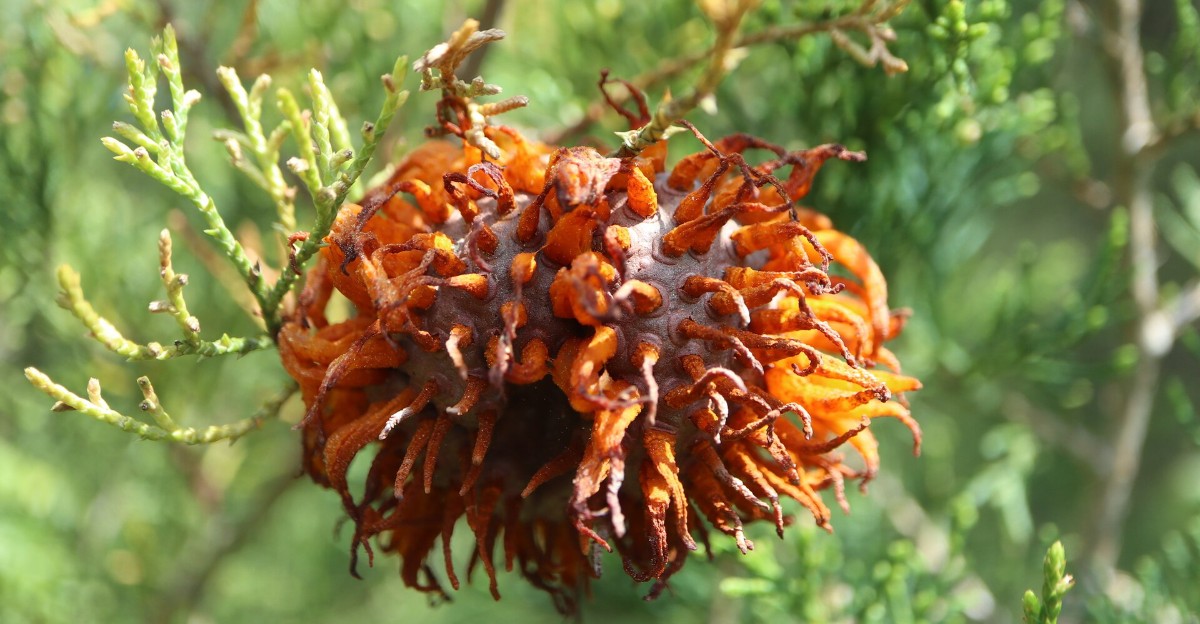
After a warm spring rain, some brown lumps on cedar twigs sprout slimy orange tentacles overnight. Not going to lie, the first time I saw one, I thought something had crawled out of a sci-fi movie.
Those wrinkled knobs look harmless most of the year. They hang on the branches like tiny shriveled walnuts, and plenty of folks in Maryland assume they are some kind of fruit or seed pod.
I used to think the same thing, but the truth is stranger. Each knob is a living factory with a long-distance partner, and that partner might be growing in your backyard right now.
Your apple tree, your crabapple, even your hawthorn could be part of the story. So what are these odd little balls really up to, and should you grab the pruners?
Those Wrinkly Cedar Twig Balls Are Hiding A Double Life
Don’t laugh, but I once tried to plant one of these hoping to grow a new tree. Spoiler alert, nothing sprouted.
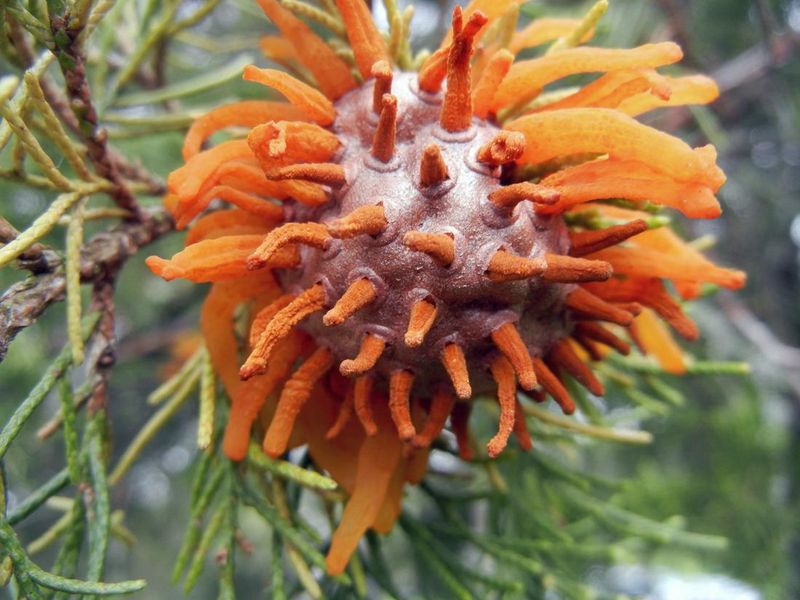
The brown, dimpled balls on your cedar are galls made by a fungus called cedar-apple rust. Its scientific name is Gymnosporangium juniperi-virginianae, which is quite a mouthful for something the size of a marble or golf ball.
Most of the trees Marylanders call cedars are actually eastern red cedars. Fun fact, eastern red cedar is a juniper, not a true cedar at all. The fungus moves into a twig, and the tree responds by forming a hard, woody knob.
That knob takes about two years to mature. During that time it grows larger and develops tiny pits on its surface, which give it that wrinkled, brain-like look.
Real juniper seed cones look very different. They are small, round, and dusty blue, more like little berries than lumpy brown knots.
So if you spot both on the same tree, you are seeing two separate things side by side. One is the cedar making seeds, and the other is a fungus making plans.
Those plans involve a second plant entirely, which is where things get personal for apple growers.
The Fungus Needs Both A Juniper And An Apple Tree To Survive
Some organisms are picky eaters. heteroecious rust is picky about where it lives, and it insists on two very different homes.
Scientists call this a heteroecious rust. That means the fungus has to move between two unrelated host plants to finish its life cycle.
The first host is the juniper, usually eastern red cedar in Maryland. The second host is a member of the rose family, most often apple or crabapple.
Hawthorn, quince, and serviceberry can also get involved, though related rust species tend to target those plants more. Cedar-apple rust in particular loves apples and crabapples.
Without both hosts nearby, the cycle breaks down. A lonely juniper with no apple trees around can’t keep the fungus going for long.
Distance matters here. Most infections come from junipers within a few hundred feet, yet wind can carry spores for miles in the right conditions.
That explains why your neighbor’s cedar row or a field of wild red cedars along a country road can affect your fruit trees. Eastern red cedar spreads easily across old pastures and roadsides around the state.
Knowing about this partnership changes how you look at your whole yard. The cedar and the apple are linked, even if they sit on opposite sides of the fence.
Spring Rain Turns Those Brown Galls Into Orange Jelly Tentacles
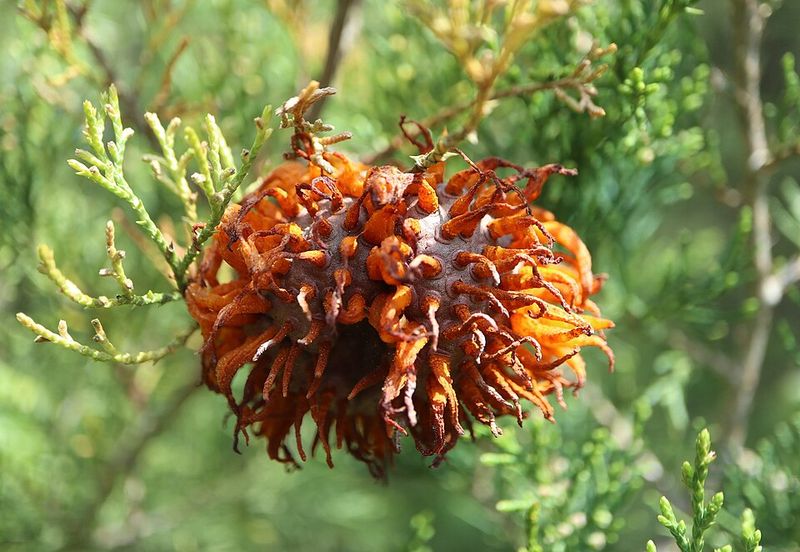
Trust me on this one, go outside after a warm April rain and check your cedars. You might find a sight straight out of an alien movie.
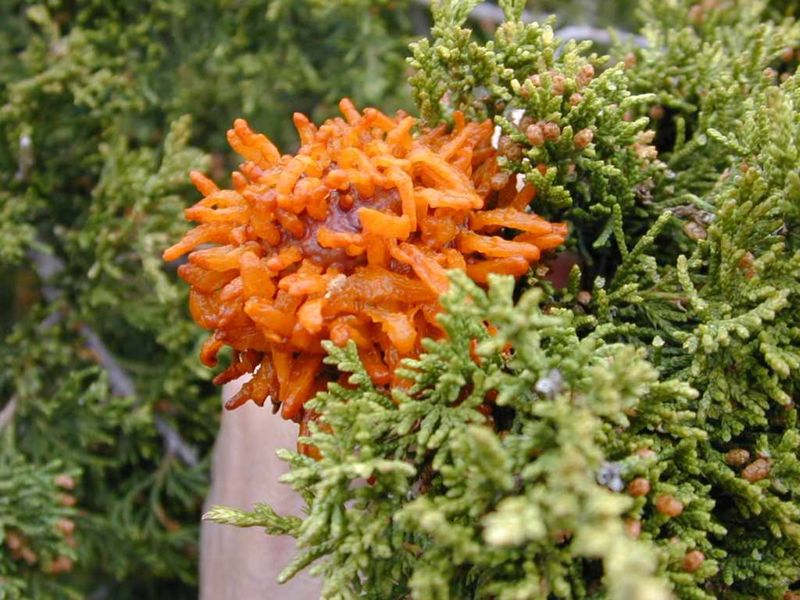
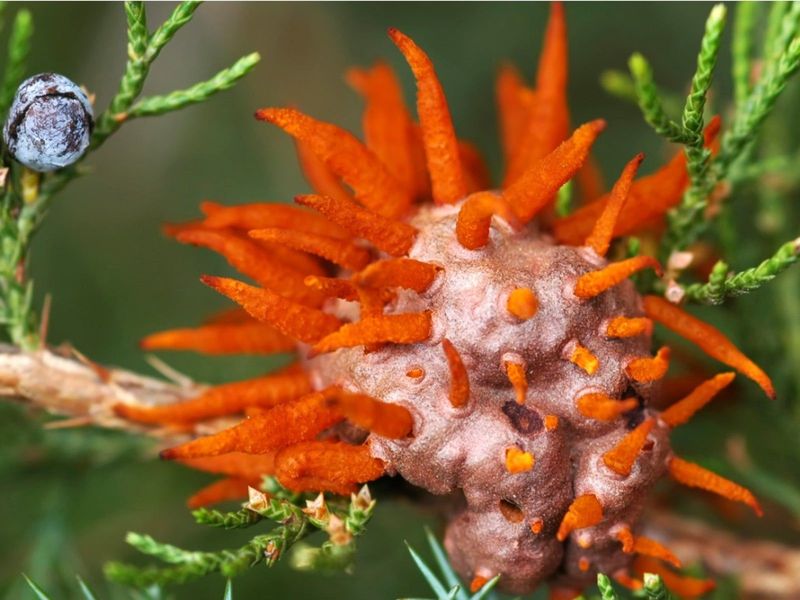
Once the galls are mature, they soak up moisture in spring. Within hours they swell and push out bright orange, jelly-like horns that can stretch an inch or more.
Kids often call them cedar flowers or orange octopuses. The fancy term is telial horns, and each one is packed with spores.
Those spores blow off in the wind and land on young apple and crabapple leaves. In Maryland, this usually lines up with apple bloom, roughly from pink bud through a few weeks after petal fall.
The horns can swell and shrink several times. Each rainy spell gives the gall another chance to release spores, so a wet spring often means more infection.
After the spore season wraps up, the horns dry into brown threads and fall away. The empty gall usually stops working after that single season.
Snap a few photos when you see them. Watching that transformation is one of the oddest shows in a backyard, and it tells you exactly when your fruit trees are most exposed.
Yellow-Orange Spots On Apple Leaves Show Where The Spores Landed
Here’s what gets me. The cedar barely notices the fungus, while the apple tree takes the bigger hit.
On junipers, the galls usually cause little harm beyond some twig dieback at the tip. Your cedar will likely shrug it off.
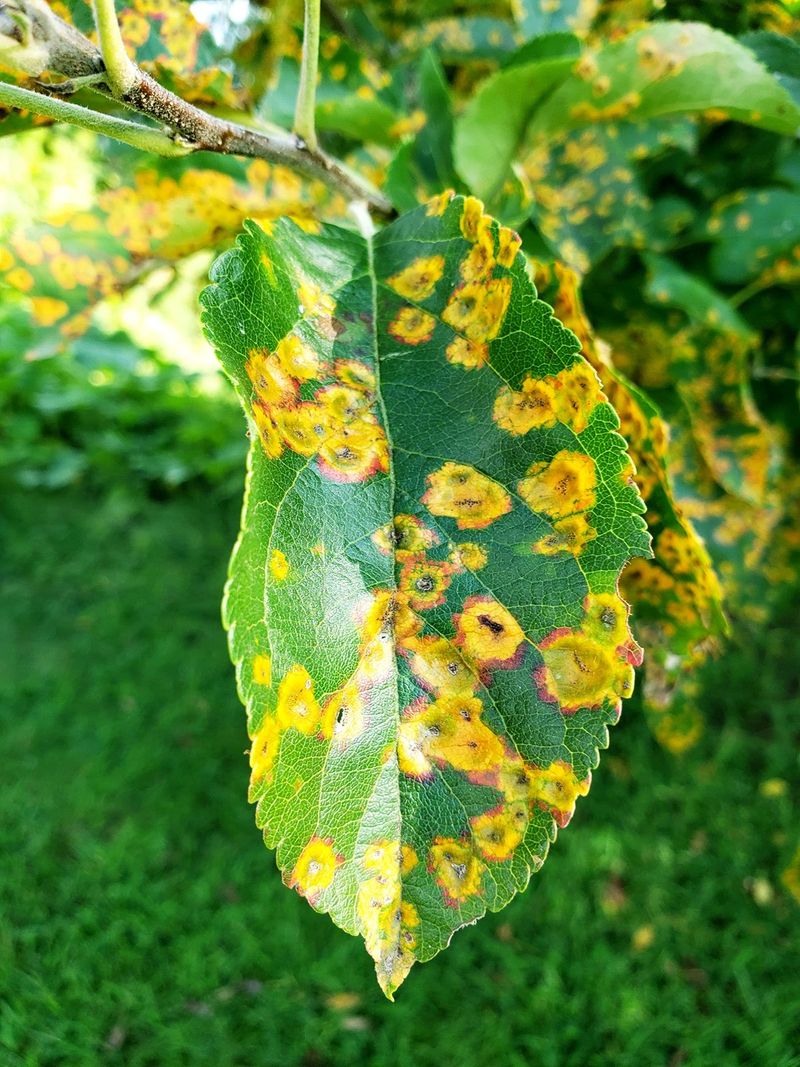
Apple and crabapple leaves tell a different story. About one to three weeks after infection, small pale yellow spots appear on the upper leaf surface.
Those spots grow brighter yellow-orange, often with a reddish edge. Tiny black specks show up in the center, and later little tube-like structures form underneath the leaf.
Heavy infections can make leaves yellow and drop early in summer. Repeated leaf loss weakens a tree over time and can reduce next year’s flower buds.
Fruit can get spots too, usually near the blossom end. The apples may look rough or misshapen, though they are still safe to eat once you cut away blemishes.
Late in summer, those leaf spots release a new batch of spores. These blow back to nearby junipers and start fresh galls, and the cycle begins again.
Check your apple leaves in late May and June. Early spotting tells you which trees need extra attention next spring.
Snip Those Hard Brown Galls Off Your Cedar In Late Winter
Grab your pruners on a dry, chilly afternoon. Late winter is the easiest window for gall patrol, since the knobs stand out against the green needles.
Cut a few inches below each gall and toss the clippings in the trash. Doing this before spring rains wakes them up removes those spore sources from your yard.
On small junipers and shrubs, this works well. On a tall cedar, you may only reach the lower branches, and that’s okay.
I’ll say this much, pruning helps but it isn’t a cure-all. Spores from other junipers down the street or across a field can still drift in.
Some folks wonder if they should remove every cedar on the property. Eastern red cedar is a valuable native tree for birds and wildlife, so most experts suggest other steps first.
Spacing helps when you’re planning new plantings. Keeping junipers and susceptible apples several hundred feet apart reduces the spore load.
Good airflow matters too. Prune apple trees to open up the canopy so leaves dry faster after rain, which gives spores less time to settle in.
Browning Juniper Tips Are A Different Problem Than Rust Galls
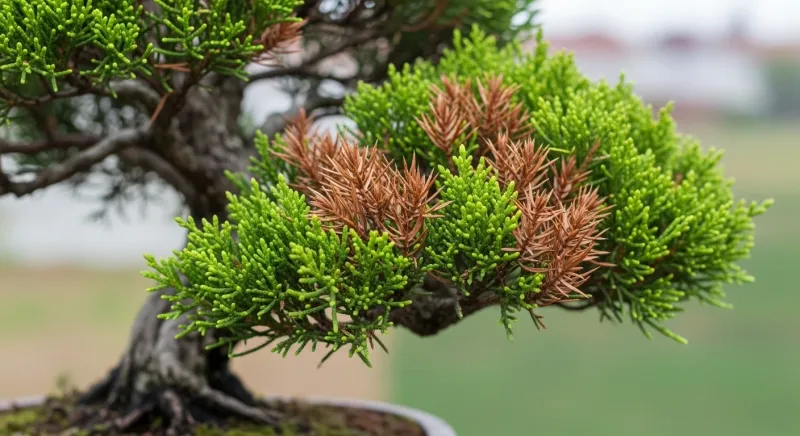
I’m the first to admit I’ve blamed rust for every brown spot on a juniper. Turns out several other troubles look similar from a distance.
Phomopsis tip blight hits new, soft growth in spring. The tips turn reddish-brown, then ash gray, and you may see tiny black dots near the base of the browned area.
Kabatina tip blight looks a bit similar but appears earlier, usually on last year’s growth in late winter or spring. Look for a small gray lesion where healthy green meets brown.
Salt damage is another common culprit along Maryland roads and sidewalks. Browning often shows up on the side facing the street after winter de-icing.
None of these form round, wrinkled galls. That’s the easy test.
If you see knobby brown balls, you’re dealing with a rust fungus. If the tips simply fade and brown, think blight or salt.
Related rusts can also form swollen spots or swellings on twigs. Cedar-hawthorn rust and cedar-quince rust both use junipers too.
When in doubt, snap clear photos and contact the University of Maryland Extension. Their Home and Garden Information Center can help identify the cause.
Rust-Resistant Apples And Crabapples Save You A Yearly Headache
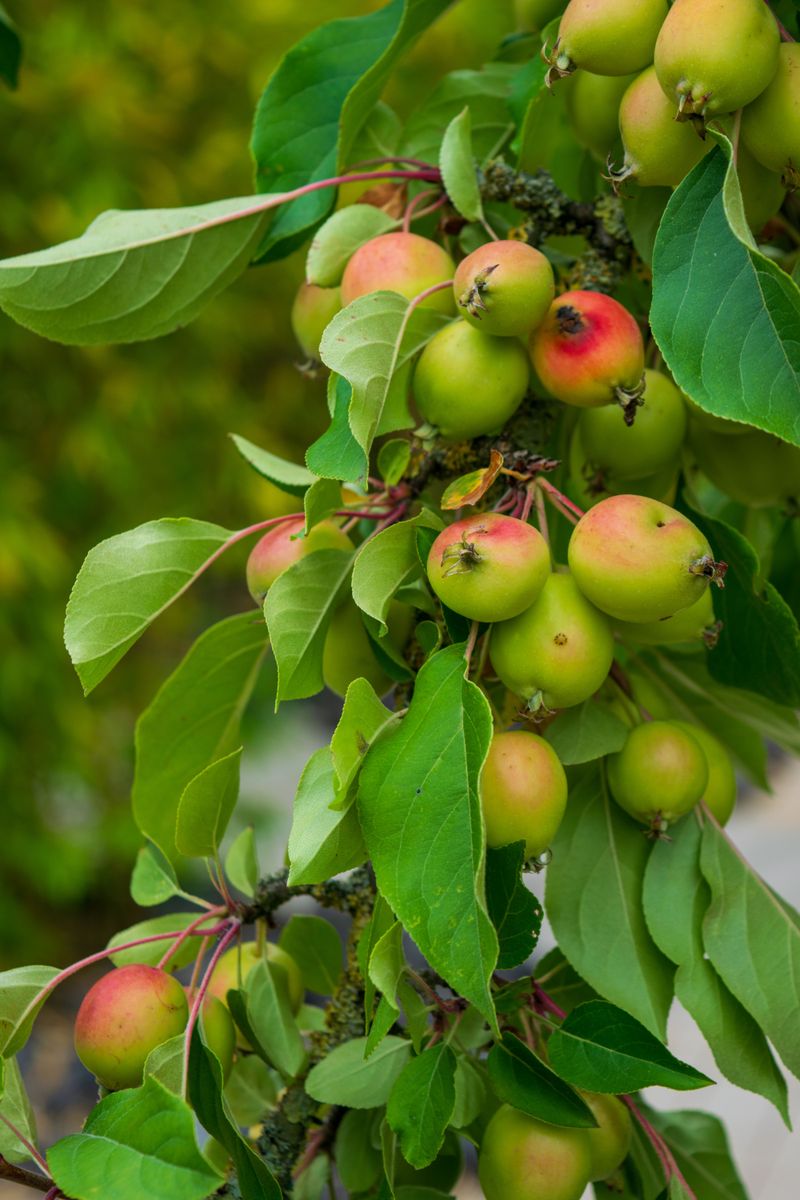
Planting smart beats fighting the same battle every spring. Resistant varieties are the best long-term fix for cedar-apple rust.
Plenty of apples handle rust well. Liberty, Enterprise, Freedom, Redfree, and William’s Pride are often listed as resistant, and several also shrug off apple scab.
Some popular apples struggle. Golden Delicious, Jonathan, and Rome Beauty are known to be quite susceptible.
Crabapples offer lots of choices too. Prairifire, Adirondack, and Sugar Tyme are good examples of resistant ornamental types.
Check plant tags or ask your nursery about rust resistance before you buy. A few minutes of questions now can mean years of cleaner leaves.
For trees you already love, fungicides can help. Products with myclobutanil are commonly used for home apples, applied from pink bud through early summer during wet weather, following label directions closely.
Timing is the key. Sprays protect new leaves, but they won’t fix spots that already formed.
So next time you spot those brown wrinkled balls, smile a little. You now know their secret, and you have a plan to keep your apples looking their best year after year.