How To Protect Potted Plants Before A Big California Storm
A single atmospheric river can carry more water than the Mississippi River pours into the Gulf. When one of those sky rivers parks over California, your patio pots feel every drop.
I learned this the hard way one January. A row of my favorite containers turned into tiny swimming pools overnight, and one tall pot ended up on its side in the herb bed.
Pots face storms differently than garden beds.
Their roots sit in a small, closed space with nowhere for extra water to spread out. Wind also treats a tall container like a sail, and a top-heavy plant can tip in seconds.
The clever part is how little effort it takes to stay ahead of the weather. A few minutes of prep on a calm afternoon can save plants you have babied for years. So what should you grab first when the forecast turns gray?
Those Pots On The Open Patio Need A New Spot Today
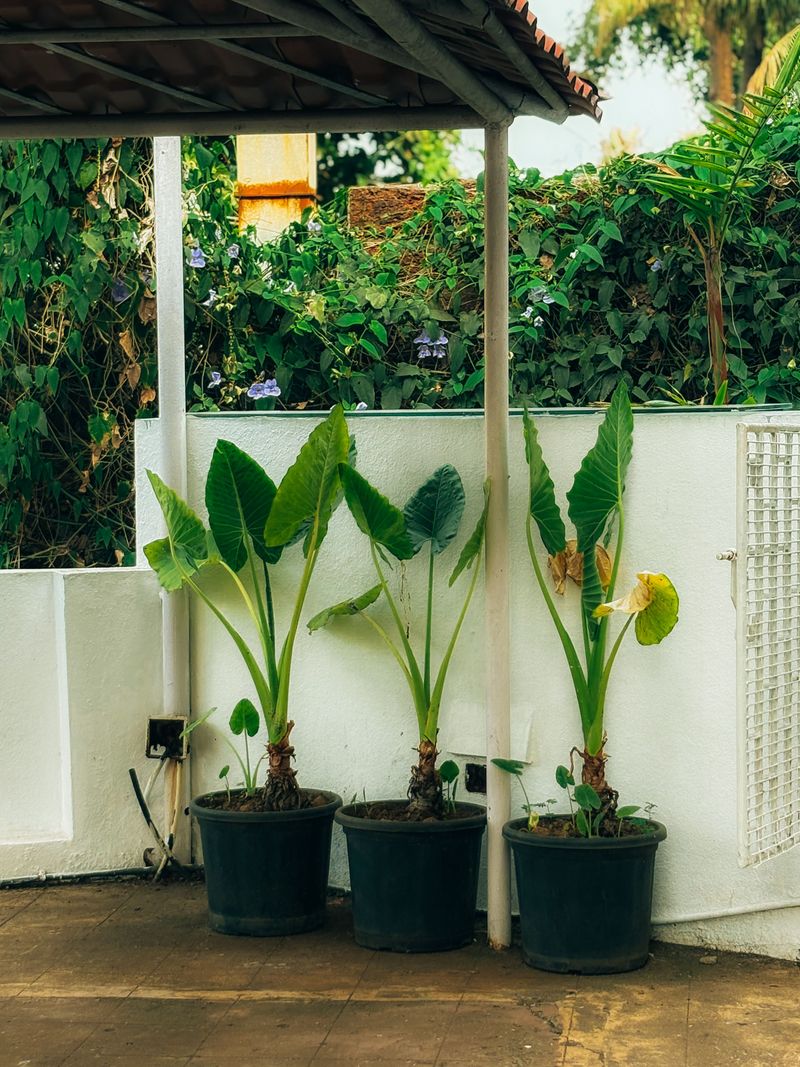
Moving pots is the fastest, most powerful step you can take. A container tucked under cover dodges most of the rain, wind, and flying debris that a storm throws around.
Start with the smallest and most delicate plants. Succulents, cacti, seedlings, and tender herbs do best in a garage, shed, or covered porch. Many succulents rot quickly when their soil stays soggy for days, so they deserve first place in line.
Larger pots can slide under roof eaves or a patio cover. Even a few feet of overhang blocks a surprising amount of rain. I like to use a hand truck or a plant caddy with wheels so my back does not complain later.
Grouping pots together helps too. A tight cluster against a sturdy wall breaks the wind and shields smaller plants tucked in the middle. Avoid placing them where roof runoff pours straight down.
Plants staying indoors for several days should sit near a bright window. A dim garage works for a short storm, but longer stays can leave plants pale and stretched. Move them back outside once the weather clears, since most outdoor plants prefer fresh air and steady light.
Clear Every Drainage Hole Before The Rain Starts Pounding
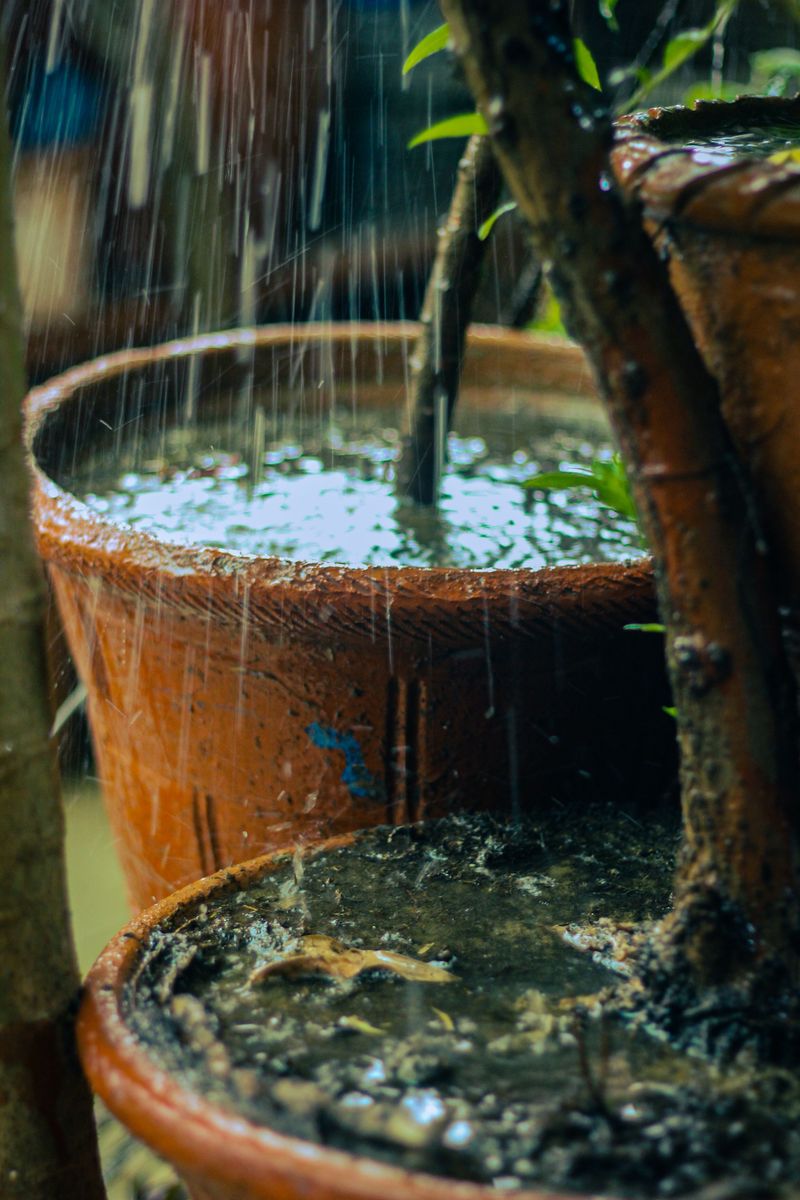
Roots need air as much as water. When a pot fills up and cannot drain, roots sit in soggy soil, run short on oxygen, and become easy targets for root rot.
Tip each container on its side and peek underneath. Soil, roots, or a stray pebble can plug a drainage hole without you noticing. A chopstick or pencil pushed gently through the hole usually clears it in seconds.
Decorative pots without holes are a common trap. Many people set a plastic nursery pot inside a fancy outer pot, which is fine on sunny days. Before a storm, lift the inner pot out or move the whole thing under cover so water cannot collect at the bottom.
Soil type matters as well. A loose, well-draining potting mix with perlite or pumice lets extra water flow through fast. Heavy garden soil packed into a pot acts more like a sponge.
UC Master Gardeners often remind folks that overwatering, not underwatering, sends many container plants into decline. Rain can do the overwatering for you. A clear exit path for water is your best insurance against that soggy problem.
Ditch The Saucers And Lift Pots Onto Pot Feet
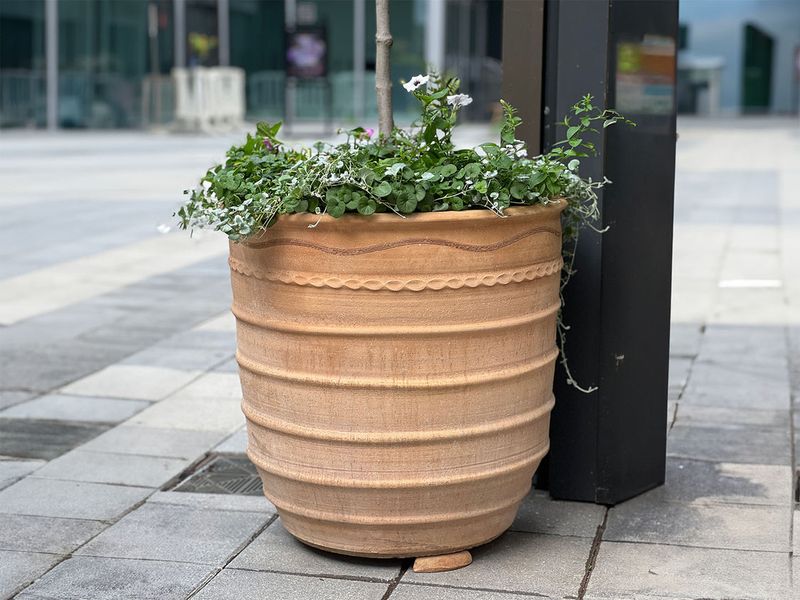
Saucers are handy in July and sneaky in January. They catch water that would otherwise drain away, and the soil soaks it right back up like a straw.
Pull saucers out from under every outdoor pot before a big storm. Stack them in the garage until the dry season returns. Your plants will thank you by keeping firm, healthy roots.
Pot feet are another simple fix. These small risers lift a container an inch or two off the ground, so water can escape from the drainage holes freely. Bricks, flat stones, or even scraps of tile work if you do not have store-bought feet.
Raising pots also helps on patios that collect puddles. A container sitting flat in standing water can stay wet for days after the clouds move on. Lifted pots dry out much faster.
One bonus surprised me the first time I tried it. Raised pots stain decks and concrete less, because water is not trapped underneath. Slugs and pill bugs also have fewer damp hiding spots right under your containers. Small change, big payoff.
Tall Pots And Leafy Plants Can Act Like Sails
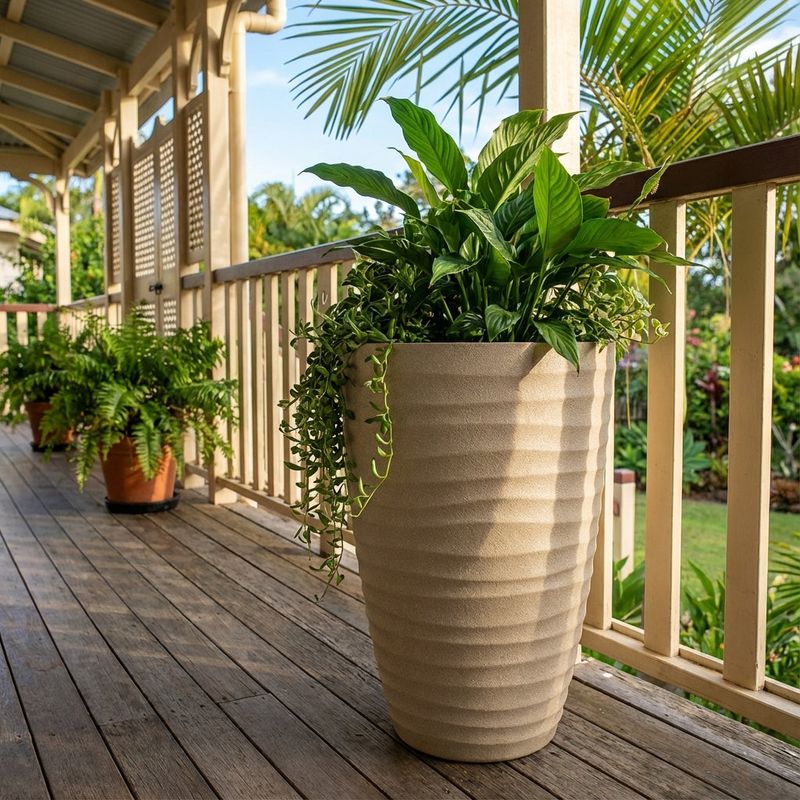
Gusts of 40 to 60 miles per hour are common in strong California storms, especially near the coast and in the mountains. A tall plant in a narrow pot catches that wind and goes over fast.
Move top-heavy containers next to a solid wall, fence, or railing. You can tie them in place with soft garden straps or bungee cords wrapped around the pot. Lay small, light pots on their sides if moving them is not an option.
Weight is your friend here. Wide, low pots made of concrete or thick ceramic resist tipping far better than lightweight plastic. Setting a few bricks around the base adds extra stability without much fuss.
Stake tall plants like young citrus, tomatoes, or tall grasses before the wind picks up. Push a sturdy stake deep into the soil and tie stems loosely with soft ties. A little sway is healthy, but snapped branches are not.
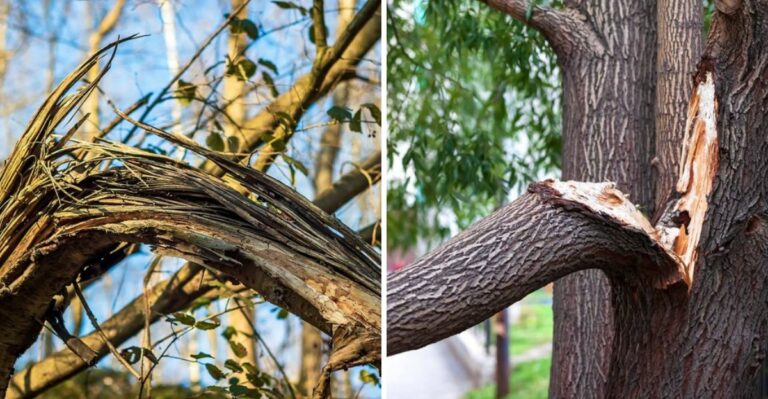
Trim weak or leggy stems ahead of time. Long, floppy growth often breaks in heavy wind. Removing it now gives you a tidier plant and fewer messes to clean up later.
Hold Off On Watering When Heavy Rain Is Coming
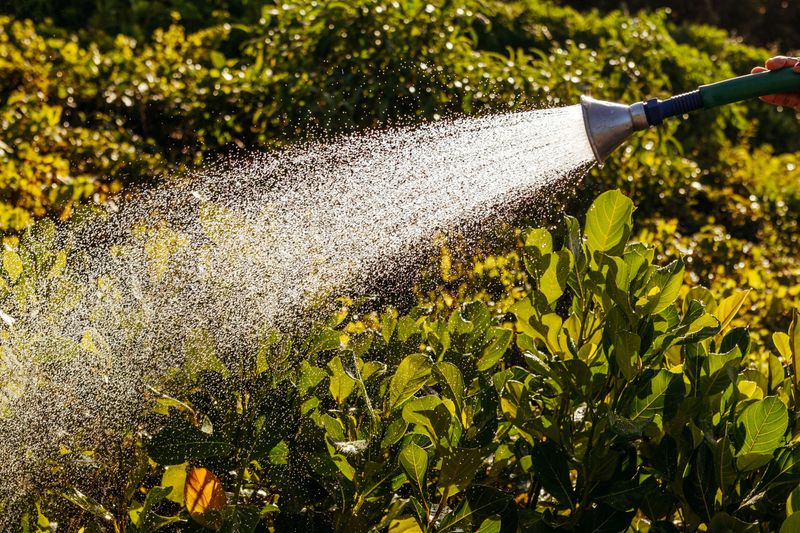
Turning off the hose feels strange for many of us who garden through long dry summers. Still, a forecast of several inches of rain means your pots will get plenty soon.
Skip your regular watering for a few days before a rainy storm. Soil that is already damp has less room to absorb more water, which raises the risk of soggy roots. Pause automatic drip systems on container lines too, since they keep running even during a downpour.
There is one useful exception. Before high winds alone, some gardeners water pots well to add weight and ballast. Before a cold snap, damp soil also holds heat better than dry soil. Check the forecast carefully to see whether rain, wind, or chill is the bigger threat.
After the storm, poke a finger two inches into the soil. Wait until it feels dry at that depth before watering again. Many pots stay moist for a week or more after a big soaking.
California water agencies often urge residents to shut off sprinklers during and after rain. Your water bill and your plants both benefit.
Cold Nights Behind A Storm Call For Frost Cloth

Clear skies after a storm can bring the coldest nights. Cold air often follows a winter system, and inland valleys, deserts, and foothills can dip near or below freezing.
Tender plants like bougainvillea, hibiscus, basil, and young citrus feel this chill first. Pots also get colder than garden beds because their roots sit above ground with less insulation. Grouping containers near a warm house wall helps a lot.
Cover sensitive plants with frost cloth, old sheets, or light blankets in the late afternoon. Let the fabric reach the ground to trap heat rising from the soil. Weigh down the edges with stones so wind cannot pull it off.
Skip plastic sheeting directly on leaves. Plastic can pass cold straight to the foliage and trap moisture that turns into frost damage. If plastic is all you have, drape it over a frame so it does not touch the plant.
Pull covers off the next morning once temperatures rise. Plants need sunlight and fresh air during the day. UC Agriculture and Natural Resources also suggests waiting until spring to prune frost-damaged stems, since the brown growth shields healthy tissue underneath.
Harvest Ripe Fruit And Clear Gutters Above Your Containers

Ripe lemons, tomatoes, and strawberries make easy targets for a rough storm. Heavy rain can split fruit, and strong wind can knock it to the ground before you get a taste.
Pick anything that is ready a day before the weather hits. Many citrus fruits hold well on the counter or in the fridge. Cut a few fresh flowers too, so you can enjoy them indoors instead of watching petals get battered.
Look up while you are out there. Clogged gutters overflow and pour sheets of water onto pots below. A quick cleanout keeps runoff heading to the downspout and away from your container garden.
Check the patio drains as well. Leaves and soil can block them and create puddles where your pots sit. Clearing them takes ten minutes and saves a lot of trouble.
Finally, tuck away loose items like empty pots, small trellises, and garden decor. Wind can toss these into your plants or windows. A tidy yard before a storm means fewer surprises when you step outside afterward with your morning coffee.
After The Clouds Clear, Check Soil, Stems, And Snails
Sunshine after a storm is the perfect moment for a quick garden walk. Your pots will tell you exactly what they need if you look closely.
Remove any covers and move sheltered plants back into the light once the weather settles. Check each container for washed-out soil or exposed roots. Add fresh potting mix or compost to bring the level back up.
Heavy rain flushes nutrients out of containers, especially nitrogen. A light top-dressing of compost or a gentle organic fertilizer helps plants recover. The upside is that steady rain also rinses away built-up salts from tap water, which many California pots collect over time.
Snip broken stems with clean pruners and re-tie any plants that leaned over. Set fallen pots upright and inspect them for cracks.
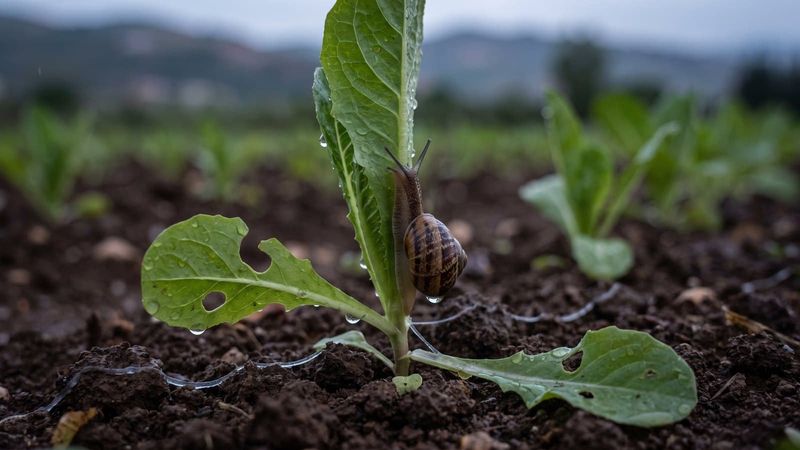
Snails and slugs love damp weather and come out in force after rain. Hand-pick them in the evening or use an iron phosphate bait, which UC IPM lists as a safer option around pets and wildlife. Keep an eye out for powdery leaves or mildew spots too. A few minutes of follow-up care helps your container garden bounce back fast.