What To Do With Acorns Covering Your Florida Lawn
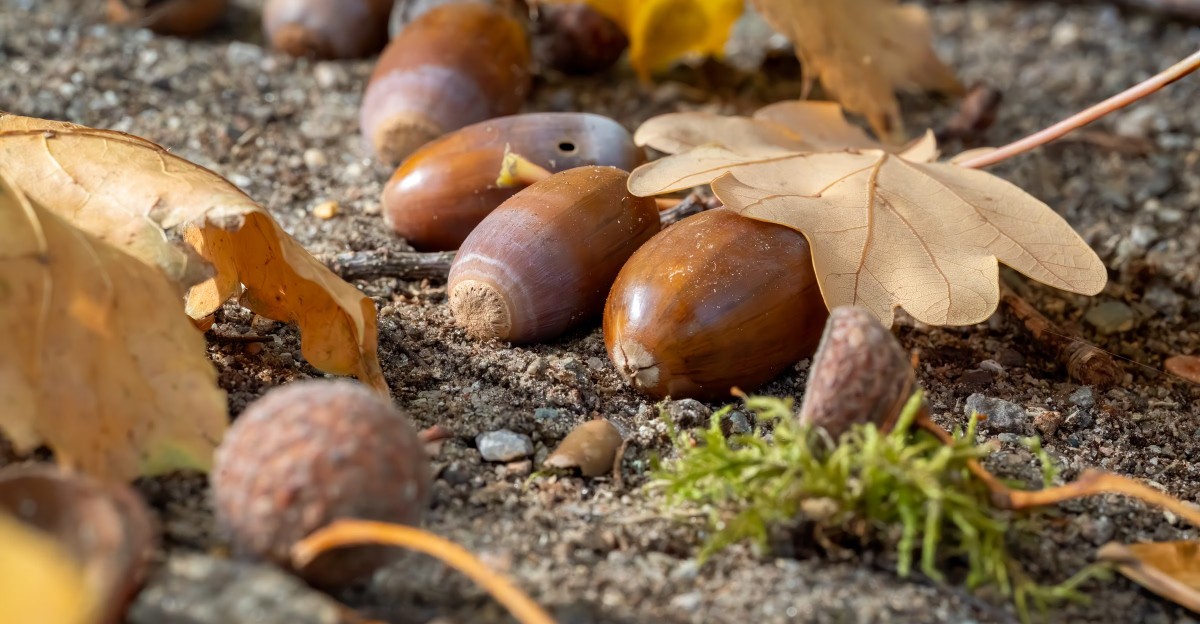
A single mature oak can drop thousands of nuts in one good year, and some years the trees go wild all at once. Scientists call those booming years mast years, and nobody can fully predict them.
I still remember stepping barefoot onto my patio one November morning. It felt like walking on a bag of marbles, and I said a few words my grandmother would not approve of.
Across Florida, oaks are some of the most common shade trees around. That means a lot of us are raking, sweeping, and grumbling right now. Hear me out, because those crunchy little nuggets deserve a second look before they hit the trash.
Some of them can feed your garden. Some can feed a whole crew of backyard visitors. A few can cause real trouble for your dog.
Sorting them takes less effort than you’d think, and your garden, your wild visitors, and your dog will all be better for it.
That Crunchy Carpet Under Your Oak Tree Has a Rhythm
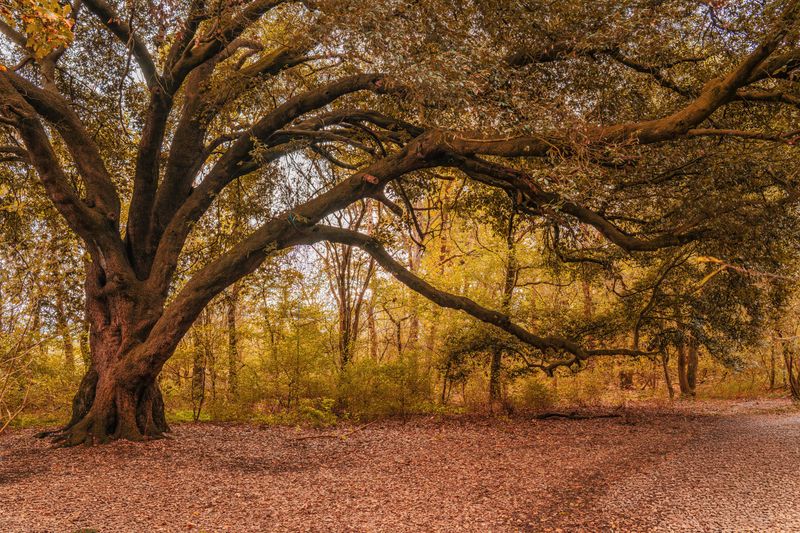
Oaks run on their own calendar, and once you learn it, the acorn storm feels a lot less random. Most Florida acorns ripen and fall from late summer through early winter, with live oaks often dropping heavily in fall.
Timing also depends on the oak family. White oak types, like live oak and swamp chestnut oak, ripen acorns in a single season.
Red oak types, like laurel oak and water oak, take about two seasons to mature theirs.
Then there are mast years. Every few years, oaks across a region produce a huge crop at once, followed by lighter years.
Researchers believe weather during spring flowering plays a big role, though the full pattern is still debated.
So if your yard looks buried this year, you probably did nothing wrong. Your trees are simply having a big season.
Knowing your oak species helps you plan. A quick look at the leaves usually tells you.
Live oaks have small, leathery, evergreen leaves, while laurel and water oaks have longer, thinner ones.
Once you know who is dropping what, you can guess when the heaviest fall will hit. That makes cleanup feel like a scheduled chore instead of a surprise attack.
Grab a Rake or Nut Gatherer Before the Grass Suffers
Clearing acorns is the main answer for most lawns, and it goes faster than you might expect with the right tool. A thick layer can shade grass, trap moisture, and make mowing rough on your blades.
For small yards, a stiff leaf rake works well. Rake when the grass is dry, since damp acorns tend to stick and smear into the turf.
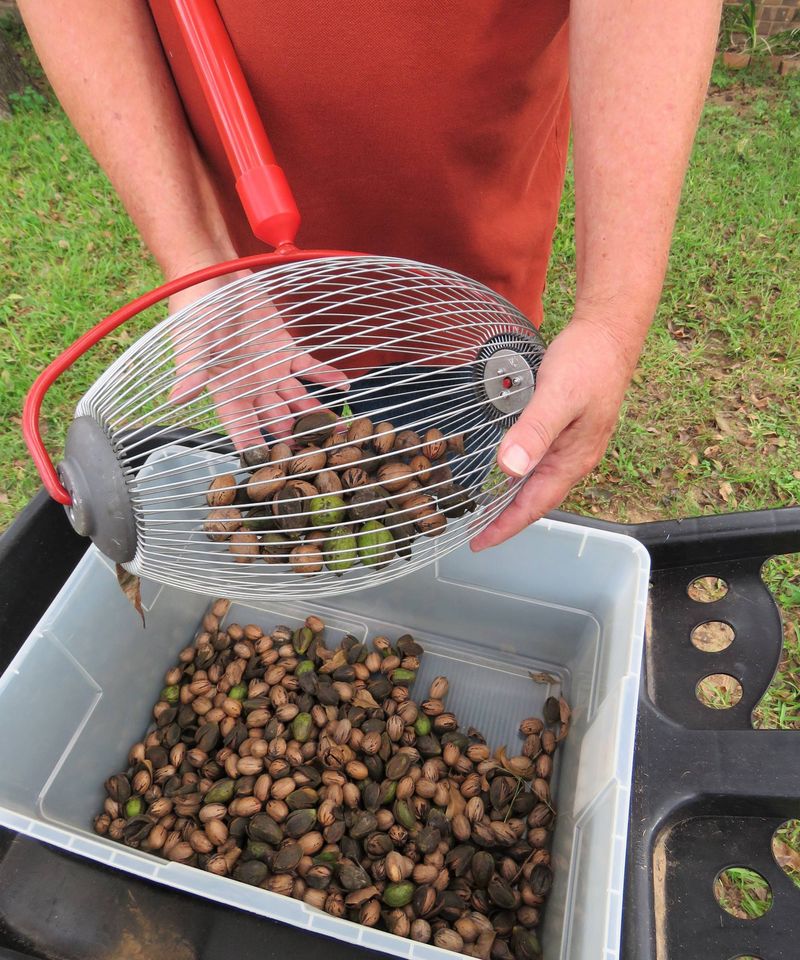
Rolling nut gatherers are my personal favorite. The wire cage rolls over the lawn and grabs acorns without any bending, which your back will appreciate after the third session.
Bigger lawns call for bigger help. A push or tow-behind lawn sweeper picks up acorns, leaves, and twigs in one pass.
A leaf blower can push everything onto a tarp for quick hauling.
Mowing with a bagger catches a light scattering. Keep the blades sharp and empty the bag often, because acorns are heavy and clog chutes fast.
Here is a sneaky trick. Spread an old tarp under a low branch before the heavy drop starts, then fold it up once a week.
Aim to clean up every week or two during peak season. Small, regular sessions beat one exhausting weekend.
Acorns Can Make Your Dog Seriously Sick
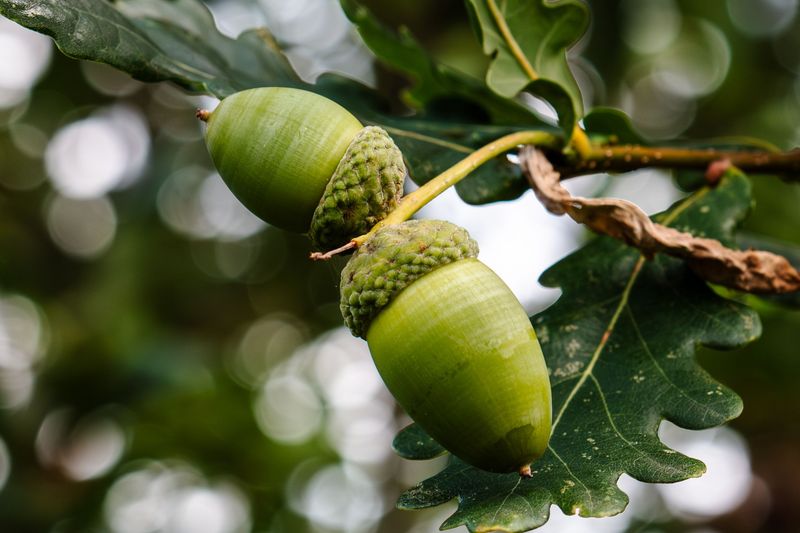
Dogs treat acorns like crunchy toys, and that habit can land them at the vet. Acorns contain tannins and other compounds that upset a dog’s stomach.
Common signs include vomiting, diarrhea, drooling, belly pain, and not wanting to eat. Large amounts may harm the kidneys or liver, according to veterinary sources, though serious cases are uncommon.
Size matters too. A whole acorn or its sharp cap can block a small dog’s intestines, which often requires surgery.
Puppies are the biggest worry. They chew everything and swallow fast, so a yard full of acorns is basically a snack bar to them.
Personally, I clear the spots my dog uses most first, like the path to the back gate. Then I tackle the rest of the lawn later.
Supervise playtime under oaks during peak season. Teaching a solid leave it command helps a lot.
If your dog eats acorns and acts sick, call your veterinarian right away. The ASPCA Animal Poison Control Center is another resource, though it may charge a fee.
Horses and cattle can also react badly to large amounts of green acorns. Livestock owners should keep pastures under oaks in mind during heavy drops.
Squirrels, Deer, and Turkeys See a Free Acorn Buffet
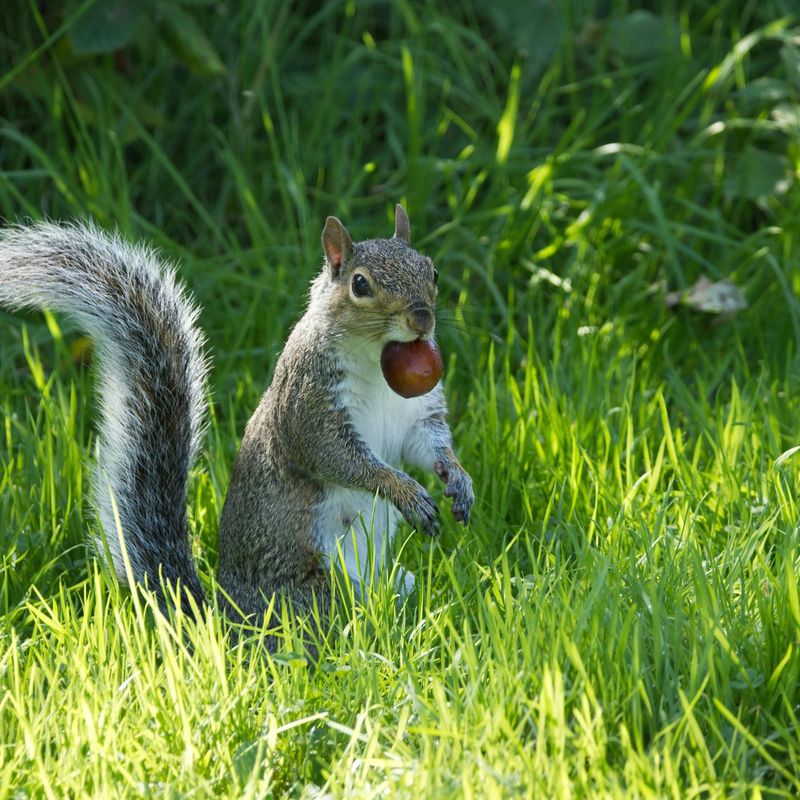
Ask any gray squirrel and it will tell you acorns are the best part of the year. In Florida, acorns are one of the most important natural foods for wildlife.
White-tailed deer, wild turkeys, raccoons, bobwhite quail, wood ducks, and blue jays all eat them. Florida black bears rely heavily on acorns in fall, too, according to state wildlife experts.
Fun fact: blue jays bury acorns and forget many of them. Scientists credit these forgetful birds with helping oaks spread across the landscape.
Many animals prefer acorns from the white oak group. Those nuts usually carry fewer bitter tannins than red oak acorns.
You can share a little without letting the lawn get buried. Rake acorns into a back corner, a wooded edge, or under shrubs where critters can find them.
One caution matters here. Do not pile acorns near the house if you live near bear country, since that may draw bears closer than you want.
The Florida Fish and Wildlife Conservation Commission urges residents to remove attractants in those areas.
Done thoughtfully, a small wildlife corner turns cleanup into front-row seats for some very entertaining backyard visitors.
Crushed Acorns Turn Into Rich Compost
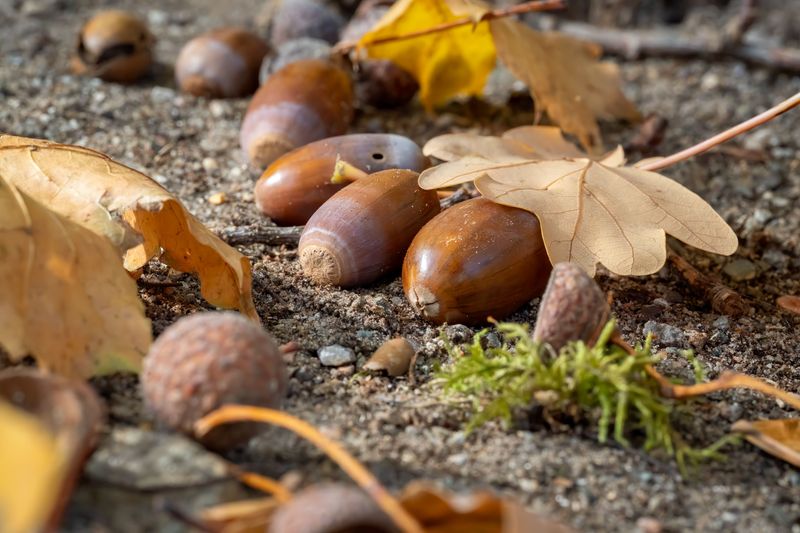
Compost lovers, rejoice, because your oak just handed you free brown material. Acorns add carbon to a pile, just like dry leaves and shredded paper.
The catch is that whole acorns break down slowly. Their tough shells can sit around for a long time, and whole nuts may even sprout in the pile.
Crushing them speeds things up. Some gardeners lay acorns on a driveway and run them over with the car.
Others use a mulching mower or shredder.
Mix crushed acorns with green materials like grass clippings, coffee grounds, and kitchen scraps. A balance of browns and greens keeps the pile working and helps prevent odors.
Florida heat is a real bonus here. Warm temperatures keep compost active most of the year, so turning the pile every week or two pays off quickly.
I like adding oak leaves at the same time. They come down in the same season, so the timing works out nicely.
What about tannins? In a well-mixed pile, they break down along with everything else.
Finished compost from acorns is safe for most garden beds.
Skip moldy batches if you have dogs who raid the bin.
Oak Seedlings Popping Up in Flower Beds Need Quick Pulling
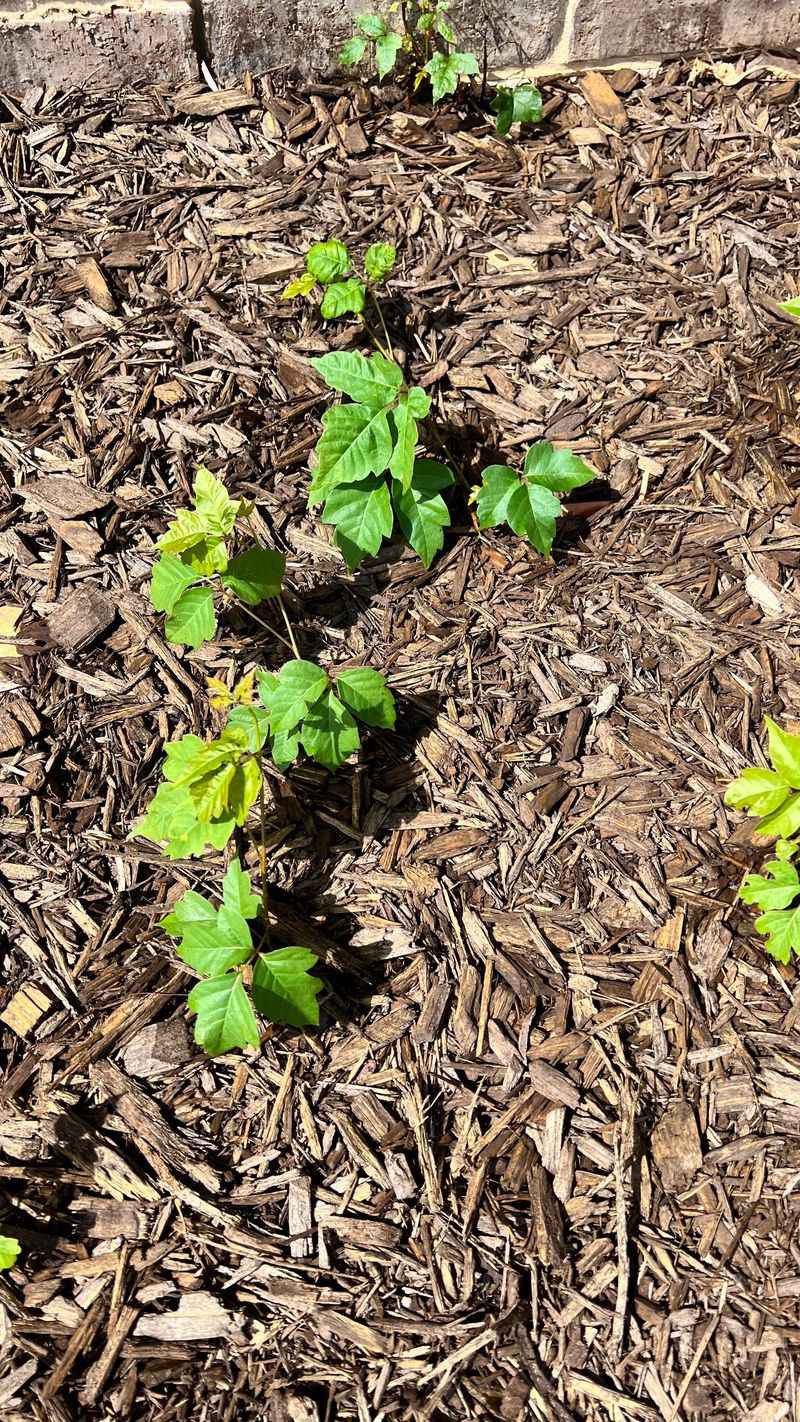
Missed acorns have a funny way of turning into tiny trees. A few weeks after a big drop, you may spot little oak sprouts in mulch, gutters, and flower beds.
Pull them early. Young seedlings slip out easily when the soil is moist, but oaks build a deep taproot fast.
Wait a season or two and you may need a shovel. A sprout left near a foundation or fence can grow into a real problem later.
Squirrels add to the fun. They bury acorns all over the yard and forget plenty, so seedlings often appear far from the parent tree.
Here is a happier twist. If you have space for a native shade tree, let one healthy seedling grow in a good spot.
Live oaks can grow huge, with wide branches, so give them plenty of room away from buildings, pipes, and power lines. University of Florida experts recommend thinking about mature size before planting any large tree.
Native oaks support hundreds of caterpillar species, which feed birds. Growing your own from a backyard acorn costs nothing.
Plant fresh acorns about one to two inches deep in a pot or prepared spot, then keep them watered.
Acorn Crafts and Kitchen Experiments Take Some Prep
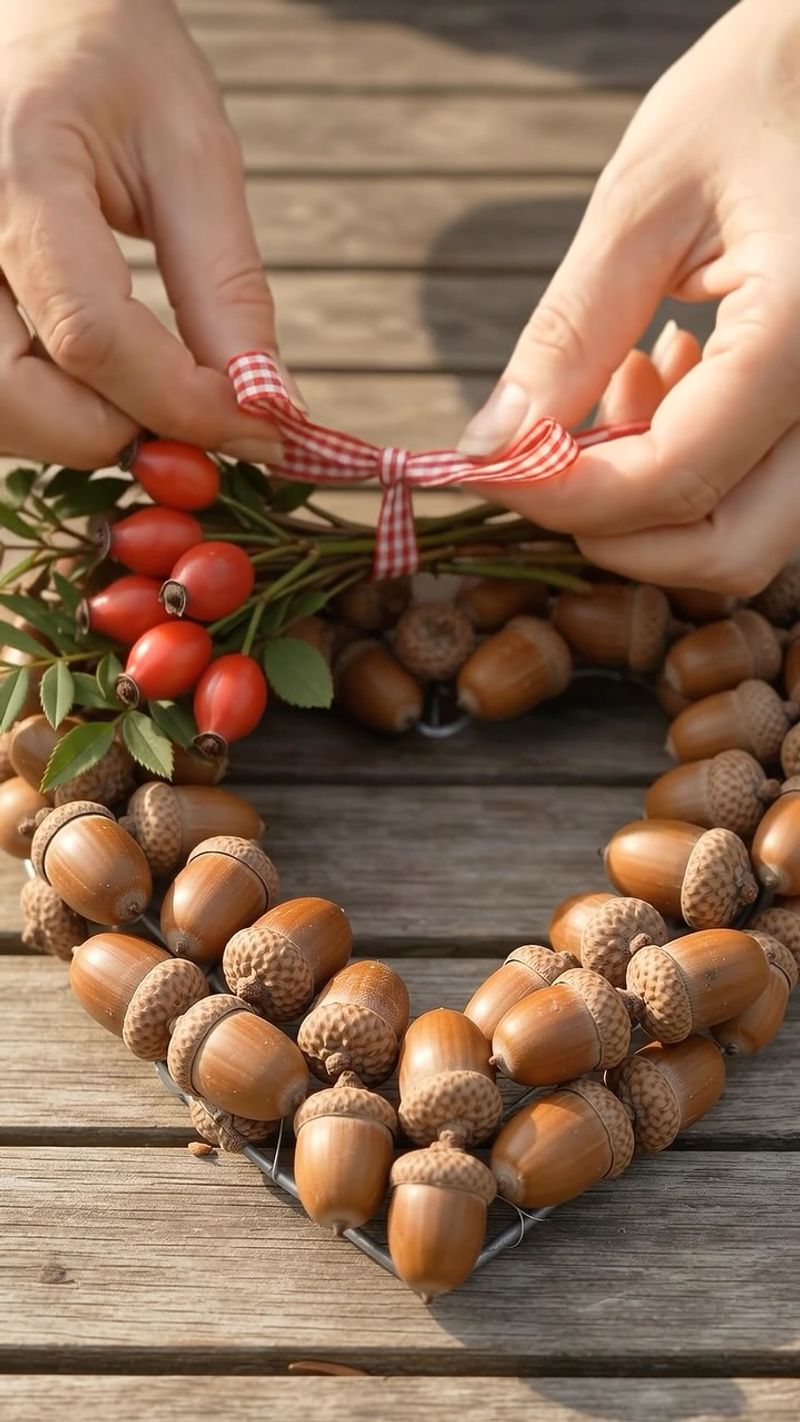
Crafty folks have a whole new supply closet sitting in the grass. Acorns make sweet wreaths, fairy garden pieces, ornaments, and table decorations.
Prep is key, though. Acorns often hide tiny weevil larvae, and those little guys can crawl out on your mantel later.
Soak the acorns in water first. Floaters often have damage inside, so toss those.
Next, bake the good ones on a sheet pan at a low temperature, around 175 to 200 degrees, for one to two hours. Watch them closely, since shells can crack.
Caps often pop off, so a dab of glue reattaches them.
Curious about eating acorns? Native peoples across North America relied on them as a major food for thousands of years.
Raw acorns taste bitter and can upset your stomach because of tannins. They need leaching first, usually by soaking or boiling in many changes of water until the bitterness fades.
After leaching, acorns can be dried and ground into flour for pancakes or bread. Start small and follow a trusted foraging guide.
Only collect from trees you can identify. Skip acorns from areas treated with lawn chemicals.
A Smarter Plan Under Your Oak Tree Saves Work Every Fall
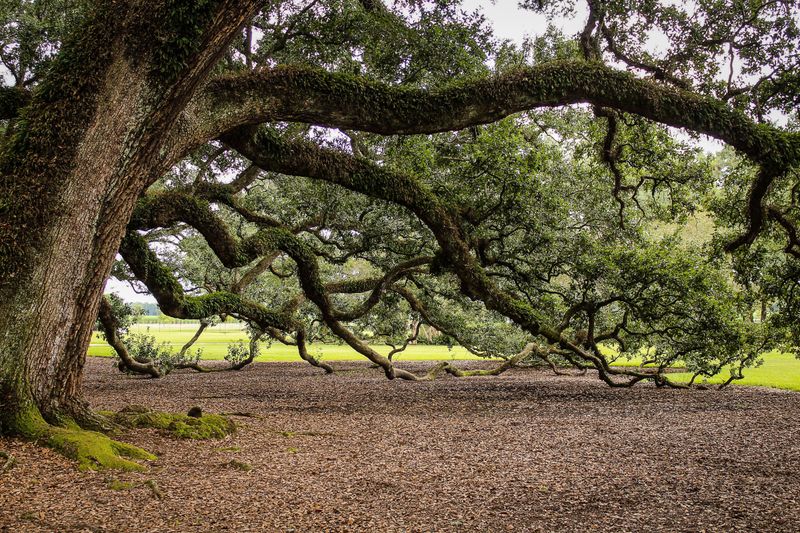
After years of raking, I finally changed the space under my oak instead of fighting it. Turfgrass struggles in deep shade anyway, and acorns just pile on the stress.
A wide mulch ring around the trunk makes a huge difference. Acorns that land in pine straw or leaf mulch blend in and need far less cleanup.
Keep mulch a few inches away from the trunk itself. Piling it against the bark can invite rot.
Shade-tolerant native groundcovers are another option. Ask your county UF/IFAS Extension office which plants suit your part of the state, since the Panhandle and South Florida grow very differently.
Avoid invasive choices like English ivy or wedelia. They spread aggressively and can escape into natural areas.
Please do not cut down a healthy oak just to stop acorns. Many Florida cities and counties require permits before removing large trees, so check local rules first.
Instead, enjoy the shade, the birds, and the cooler yard these giants provide. A little planning turns acorn season into a short chore.
Rake some, compost some, share some with wildlife, and protect your pets. That balance keeps both your lawn and your oak happy.