How To Water Your Texas Christmas Cactus For A Burst Of Holiday Blooms
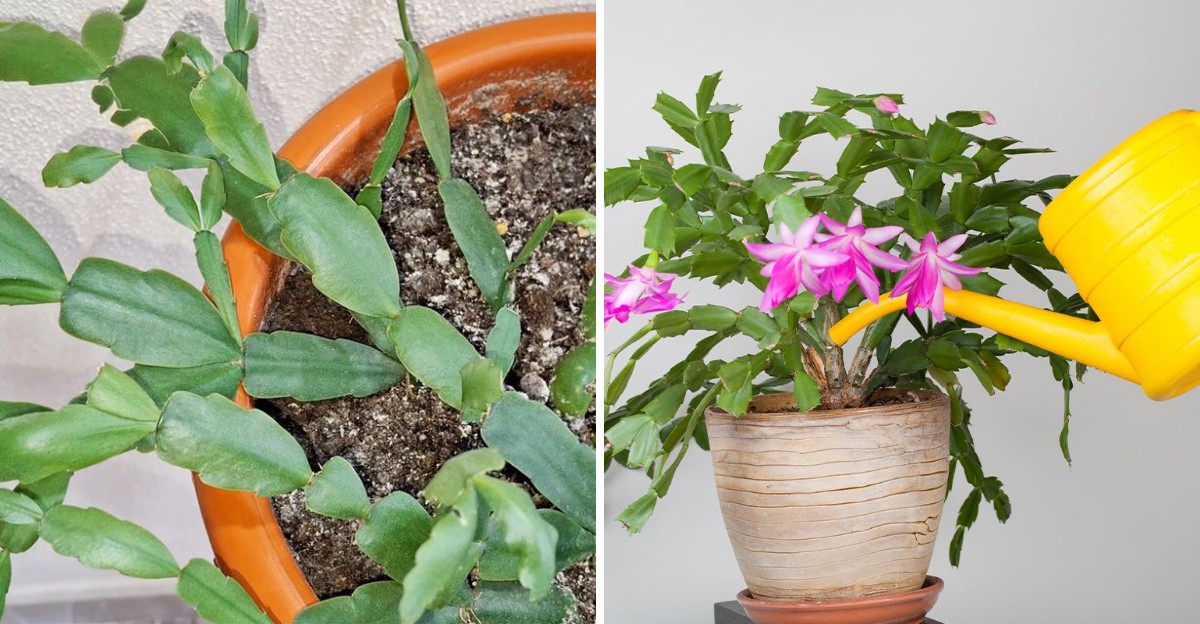
Believe it or not, the holiday plant on your windowsill comes from cloudy mountain forests in Brazil, where it grows on tree branches instead of in desert sand. It is a cactus with no sharp spines and a serious love for moisture.
I used to treat mine like a tough desert plant. Nobody warned me that this one wants a drink far more often than its prickly cousins in a Texas yard.
To my surprise, the secret to a crowd of pink and red flowers starts weeks before December. It begins with a change in how you pour, paired with cool nights and long stretches of darkness.
So what does a forest dweller really want from your watering can? The answer is simpler than you might expect, and the timing matters more than the amount.
1. Those Holiday Cactus Flowers Start With A Fall Signal
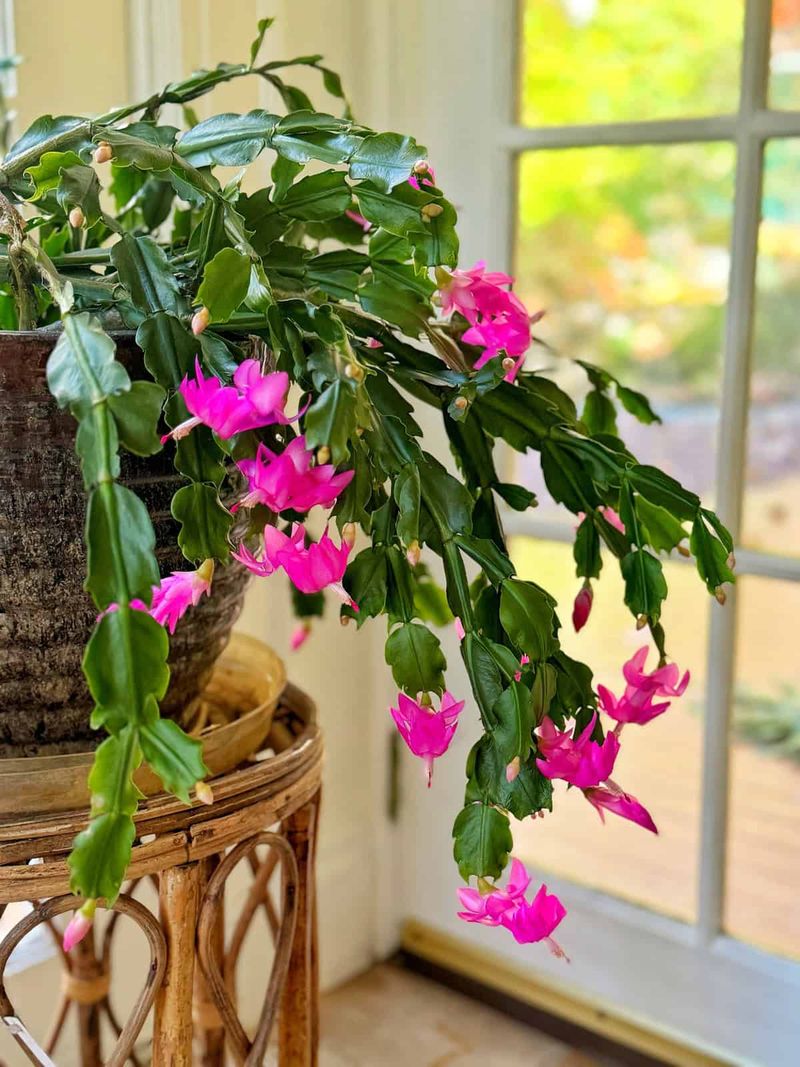
My first holiday cactus taught me a lesson the hard way. I watered it the same way all year and got green stems with zero flowers.
That plant was healthy, but it was not getting the message it needed. Christmas cacti set buds when days get shorter and nights get cooler.
Extension experts explain that the plant needs about 12 to 14 hours of steady darkness each night or cool temps around 50 to 55 degrees for several weeks. Watering plays a supporting role in this signal.
In early fall, a slightly drier routine helps tell the plant to stop pushing new leafy segments. Instead, it shifts energy toward forming flower buds at the tips. Think of it as a gentle nudge rather than a harsh drought.
Many gardeners in Texas miss this window because fall weather here can stay warm well into October.
Your plant may need help from a cool room or a dark closet at night. Pairing that with smart watering makes a big difference.
Once you understand this rhythm, the whole year makes more sense. Each season calls for a slightly different watering style, and the plant rewards you for following along.
2. Let The Top Inch Of Soil Dry Before Each Fall Drink
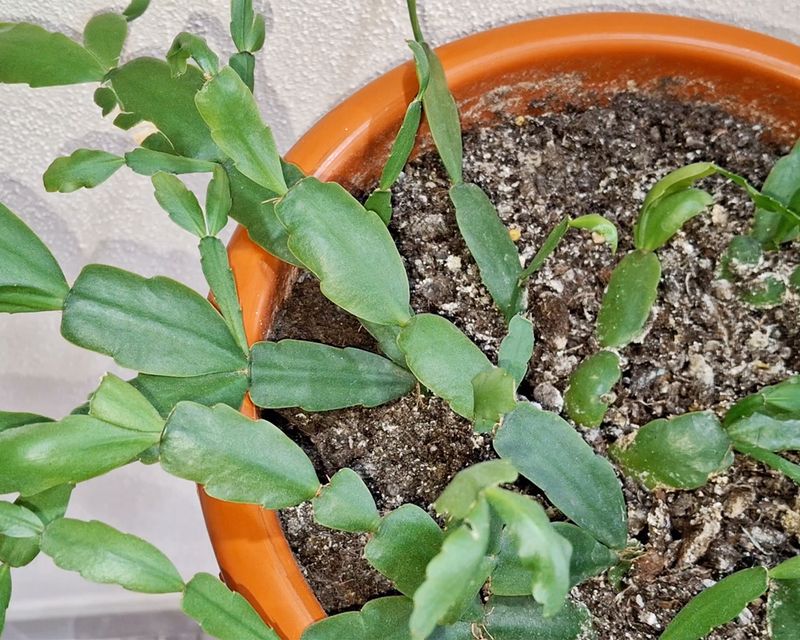
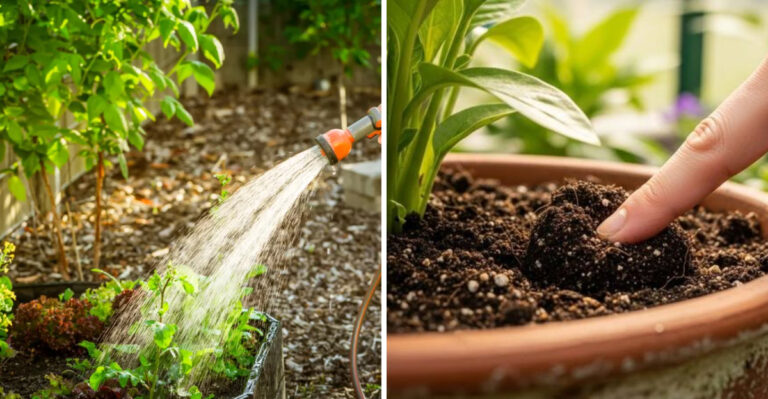
Grab your finger, because it works better than any fancy gadget. From mid-September through October, push it about an inch into the soil before you water. If that top layer feels dry, go ahead and give a drink.
During this bud-setting stretch, you want soil that stays barely moist below the surface. It should not be soggy, and it should not turn bone dry for days. A little restraint here encourages flowering without stressing the roots.
For most homes, that means watering about every one to two weeks, depending on pot size and room temperature.
Small clay pots dry faster than large plastic ones. Air conditioning, which often runs well into fall in Texas, can also speed up drying.
When you do water, pour slowly until a little liquid seeps out of the drainage hole. Then let the pot drain fully. A quick splash on the surface only wets the top and leaves the roots thirsty.
Personally, I keep a small note on my calendar during these weeks. It helps me check the soil regularly instead of guessing.
Consistent checks matter more than following a strict schedule, since every house dries plants at its own pace.
3. Plump Christmas Cactus Buds Need Steadier Moisture
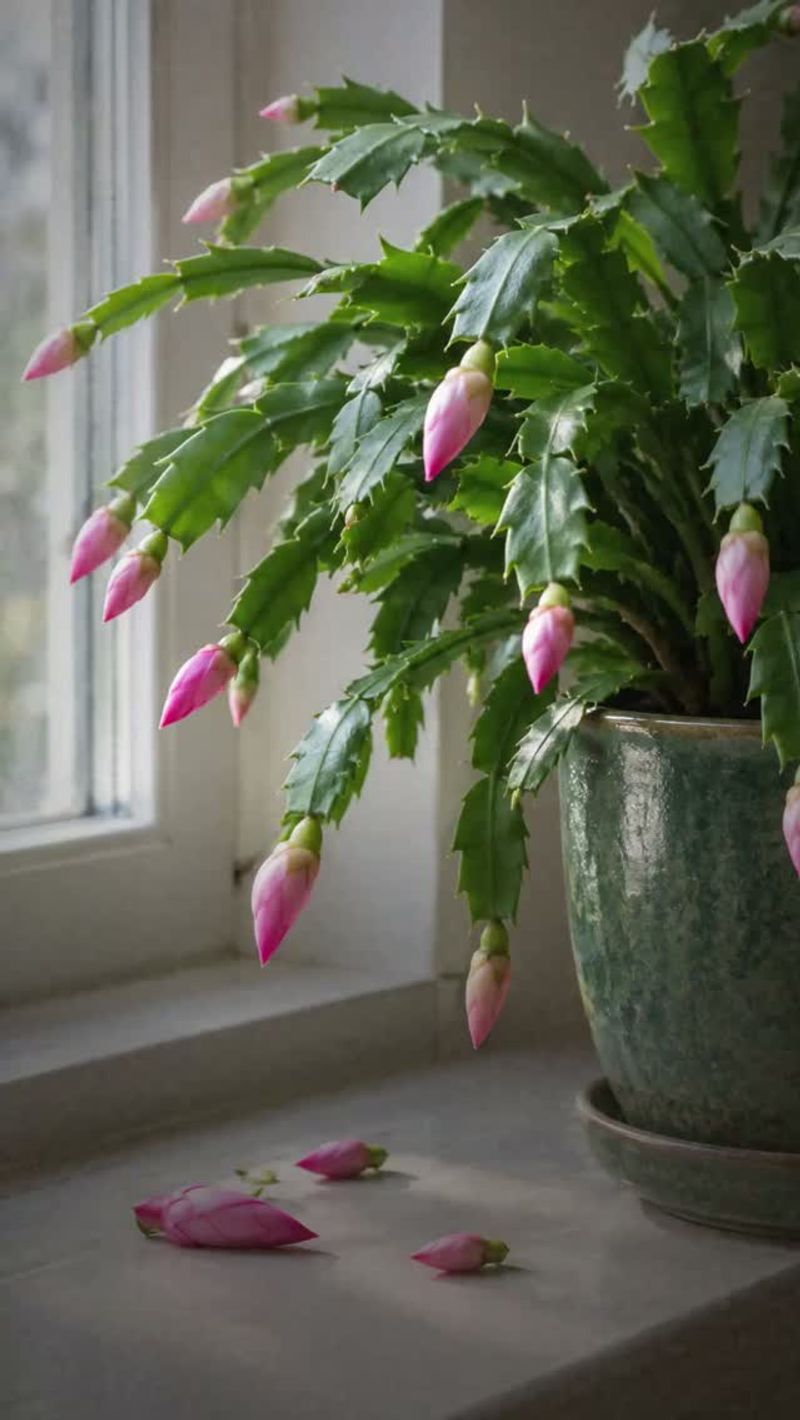
Plump, colorful buds are the moment every grower waits for. Once you spot them, it is time to change your watering habits again. The plant is now spending lots of energy to open those flowers.
Keep the soil lightly and evenly moist during this stage. Water thoroughly when the surface just begins to feel dry, then let the extra drain out. Bloom season often calls for a bit more frequent watering than early fall.
Room temperature water works best. Very cold water straight from the tap can shock the roots, especially in winter. I fill my watering can the night before so it sits at room temperature by morning.
Empty the saucer about 15 minutes after watering. Standing water around the base can lead to root rot, which is one of the most common problems with this plant. Soggy roots and open flowers do not mix well.
A steady routine is the main goal here. Big swings between wet and dry can make the plant drop buds before they open.
If you keep moisture consistent, you will likely enjoy flowers for several weeks through the holidays and sometimes beyond.
4. A Fast-Draining Potting Mix Protects Cactus Roots
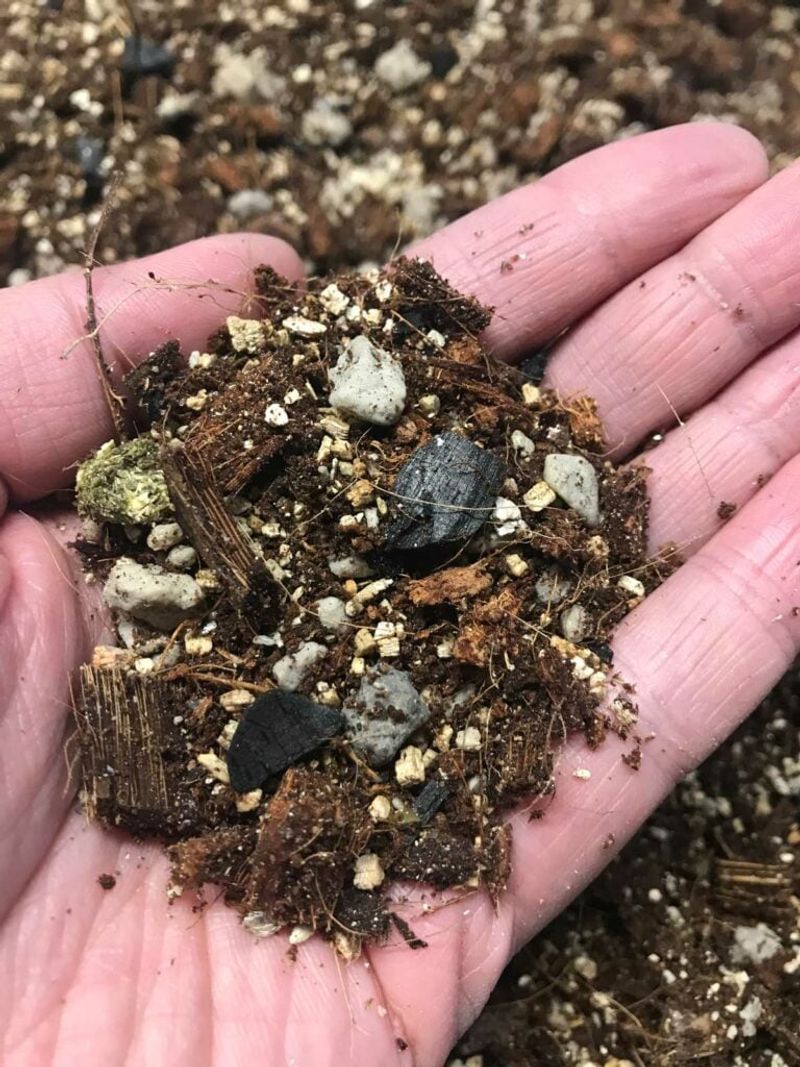
Here is a fun twist on the name. Christmas cacti are epiphytes, which means they naturally grow perched on tree branches. Their roots are used to airy pockets of leaf litter and moss, not heavy dirt.
That is why soil choice affects watering so much. A dense, regular potting mix holds water too long and can suffocate roots. A loose, fast-draining mix lets you water deeply without worry.
Many growers blend regular potting soil with perlite or orchid bark for extra air. A common recipe is about two parts potting mix to one part perlite. Some people add a little peat or coco coir to hold just enough moisture.
The pot matters too. Pick one with at least one drainage hole, and avoid oversized containers. These plants actually like being slightly snug in their pots, and extra soil holds extra water.
Repotting is best done in spring, after flowering ends. Doing it in fall can disturb the plant while it is setting buds.
If your current mix stays wet for many days after watering, mark your calendar and plan a soil upgrade once the blooms fade.
5. Limp Or Wrinkled Segments Reveal A Watering Problem
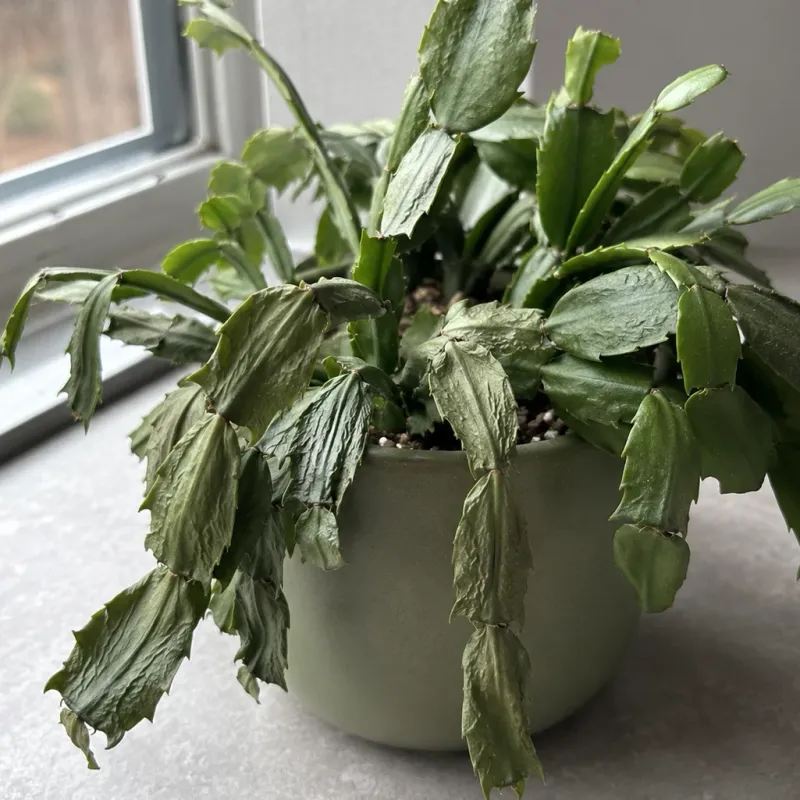
Your plant talks, and its stems do the talking. Those flat, jointed segments change texture when watering goes off track. Learning to read them saves a lot of guesswork.
Wrinkled, thin, or puckered segments often point to thirst. The soil may feel dry and pull away from the edges of the pot.
Sometimes the stems also turn reddish, though strong sun or cool weather can cause that color too.
Soft, limp, or mushy segments tell a different story. Too much water can rot the roots, so they cannot carry moisture up to the stems. Ironically, an overwatered plant may look thirsty because its roots stopped working.
To figure out which problem you have, check the soil first. Wet soil with droopy stems suggests rot, so let it dry and look at the roots for brown, mushy spots. Dry soil with shriveled stems usually just needs a deep, slow drink.
Healthy pieces from a struggling plant can be rescued. Snap off a few firm segments, let them dry for a day, and tuck them into fresh, slightly moist mix. They often root within a few weeks, giving you a backup plant.
6. Humidity And Darkness Help Your Holiday Cactus Bloom
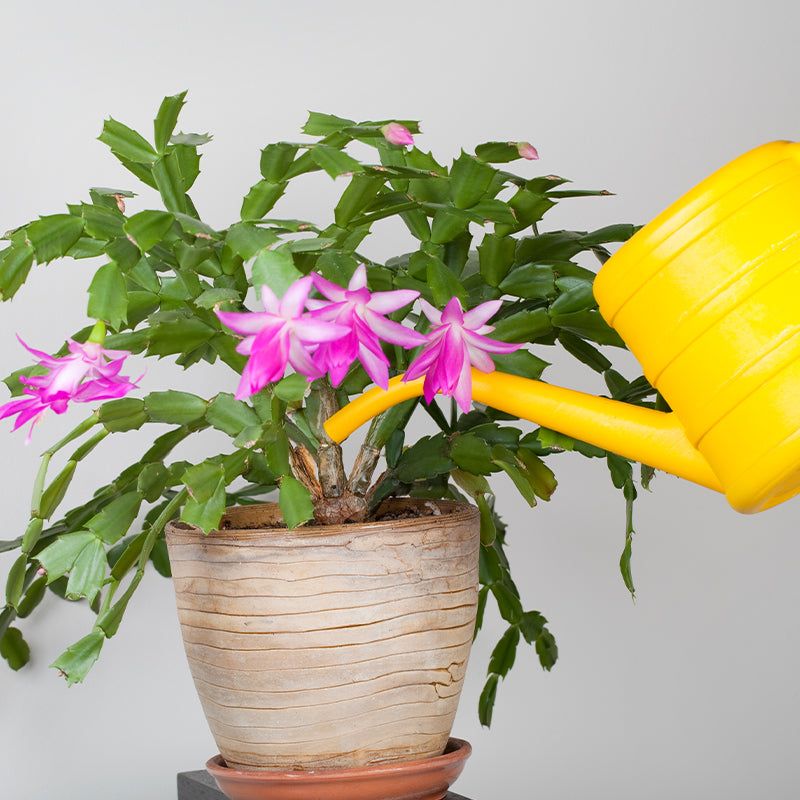
Water in the pot is only part of the moisture picture. Coming from humid forests, this plant enjoys air with some moisture in it. Heated homes in winter can feel surprisingly dry.
A simple pebble tray helps a lot. Fill a shallow tray with pebbles and water, then set the pot on top so it sits above the waterline. As the water evaporates, it raises humidity right around the leaves.
Grouping houseplants together also creates a small, humid pocket. Misting gives only a short boost, so trays tend to work better. Keep the plant away from heater vents, which blast dry air.
Light and darkness matter just as much in fall. Bright, indirect light during the day keeps the plant strong. At night, even a lamp switched on in the same room can interrupt the long dark period buds need.
Many people in Texas have success placing their cactus in a spare bedroom that stays dark at night. Others cover it or move it to a closet each evening.
Pair those dark nights with your fall watering routine, and buds usually appear in about six to eight weeks.
7. Falling Christmas Cactus Buds Often Point To Sudden Changes
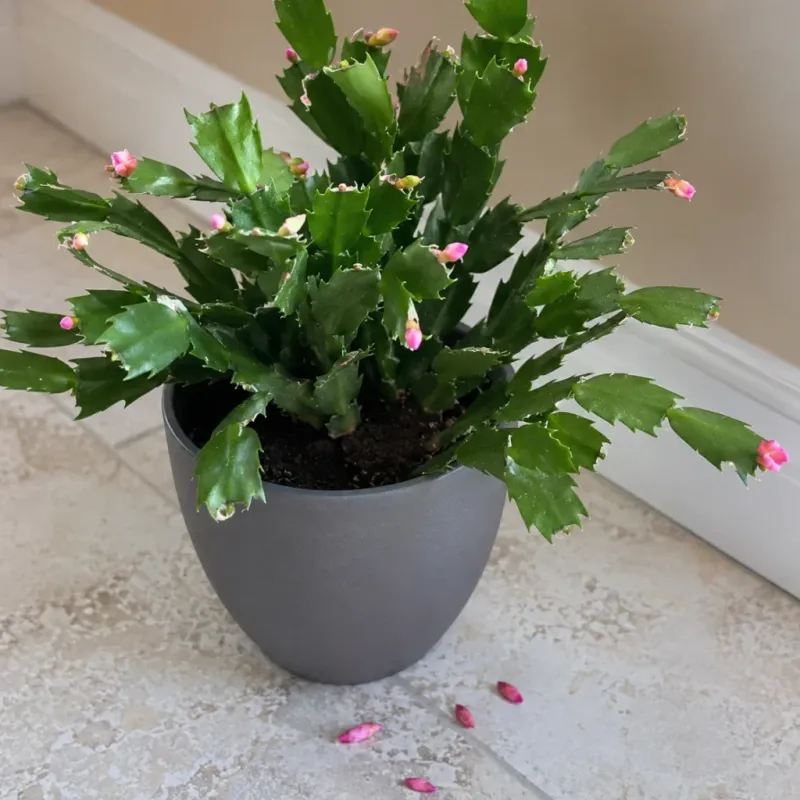
Few things sting like finding a pile of unopened buds on the windowsill. I have been there, and it felt personal. Thankfully, the cause is usually easy to fix next time.
Bud drop is often a reaction to change. Moving the plant from a store to your home, or from one room to another, can trigger it. Cold drafts from doors and warm blasts from heating vents are also common culprits.
Watering swings play a big role. Letting soil go very dry, then flooding it, stresses the plant at a delicate time. Soggy soil can also weaken roots and lead to dropped buds.
Try to pick a spot before buds form and leave the plant there. Many growers even avoid turning the pot once buds appear. Temperatures between 60 and 70 degrees during the day tend to keep flowers happy.
A few fallen buds are normal, especially on a plant loaded with them. If most of them drop, look at what changed in the past week or two. Usually the answer is a move, a draft, or a watering mix-up rather than disease.
8. Give Your Christmas Cactus A Rest After The Last Flower Fades
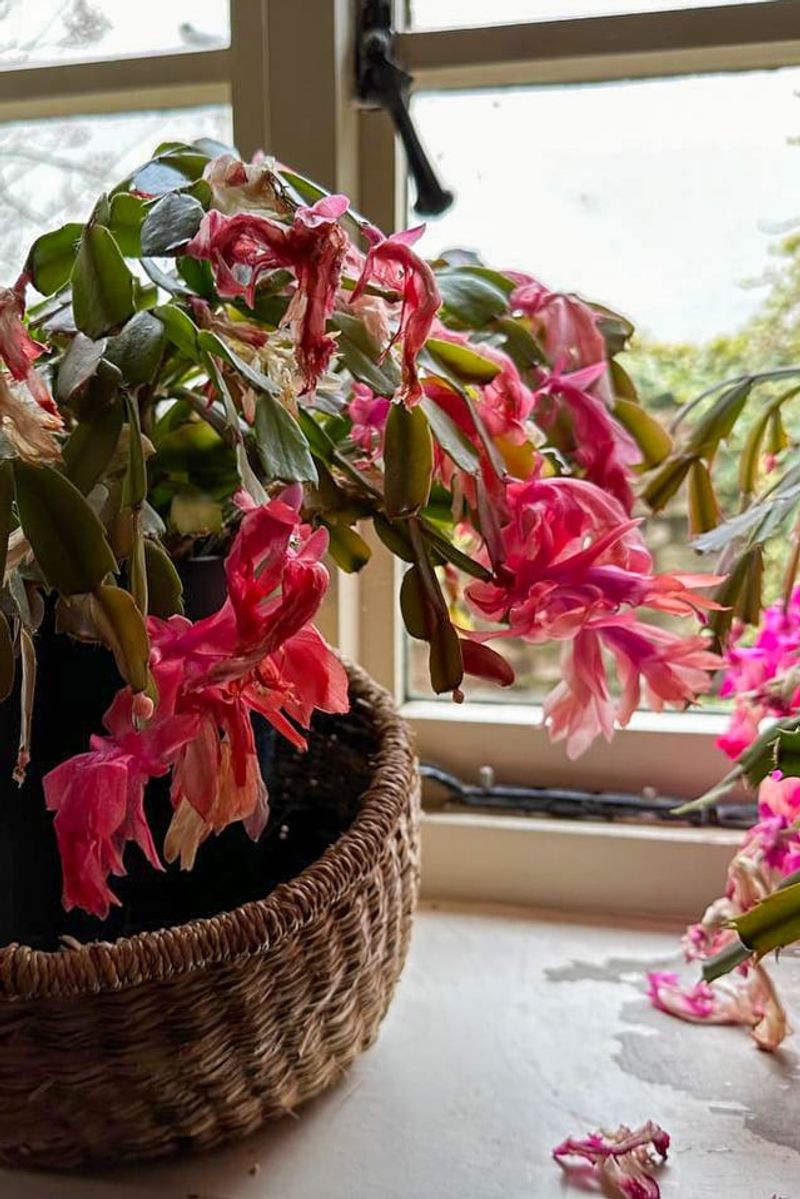
Once the final bloom wilts, your plant deserves a little vacation. After weeks of putting on a show, it needs time to recharge. A short rest sets you up for next year.
For about a month after flowering, water less often. Let the soil dry a bit more between drinks, but do not leave it parched for long. Gently pinch off old flowers to keep the plant tidy.
In spring, new growth returns, and normal watering does too. Water when the top inch of soil feels dry, and feed with a balanced houseplant fertilizer about once a month through summer. Spring is also a great time to prune and repot.
Some Texas gardeners move their plants outdoors for summer. Choose a shady porch or under a tree, since direct afternoon sun can scorch the segments.
Bring the pot inside before nights drop below about 50 degrees, or once fall cooling arrives.
From there, the cycle starts again with that drier fall routine. Many Christmas cacti live for decades and get bigger and showier each year.
A little attention to your watering can today could mean a holiday burst of color for many winters ahead.