Crab-Like Spiders With Spiky Backs Appear In Georgia Gardens During Fall
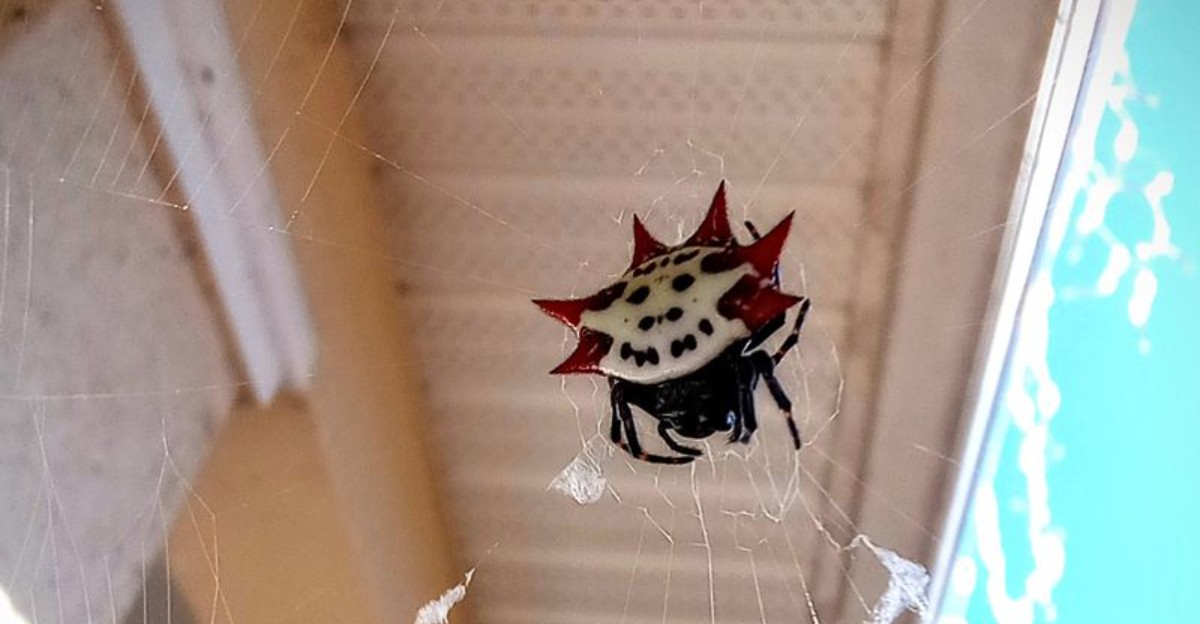
A spider in my fall garden once looked so much like a tiny painted shell that I tried to brush it off as a seed pod. It had six pointed spines and a back as hard as candy.
These little creatures show up across Georgia when the weather cools, and they tend to pick the sunniest gaps between shrubs.
Their round webs often stretch right across the path you use every morning.
I love how something so small can look so dramatic. You can spot white, yellow, or orange ones, often with black dots and red or black spikes.
Most folks have walked face first into one of their webs at least once. That strange little shape hanging in your azaleas might look alarming, but its appearance tells only part of the story.
1. That Spiky Little Shell Hanging In Your Shrubs Has A Name
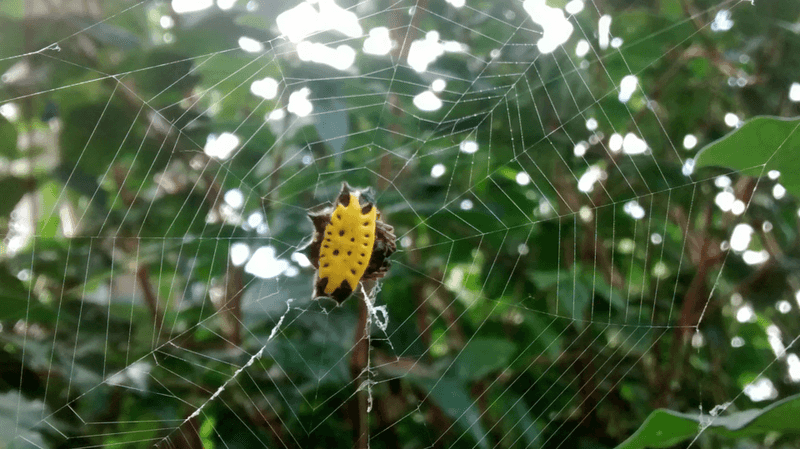
Plenty of gardeners mistake this spider for a bit of plant debris until it moves. What you are seeing is the spinybacked orbweaver, known to scientists as Gasteracantha cancriformis.
People call it by a bunch of fun nicknames too. Crab spider, crablike orbweaver, and jewel box spider all point to the same creature.
The crab comparison comes from its wide, flattened body, which looks more like a tiny crab shell than a typical round spider.
Only the females get noticed most of the time. They measure roughly 0.2 to 0.35 inches long but are wider than they are long, so they look chunky for their size.
Males are much smaller, have tiny bumps instead of real spines, and often go unseen.
Did you know this species ranges across the southern United States, from the Carolinas down through Florida and west into Texas and California? It also lives in Central America, the Caribbean, and parts of South America.
In Georgia, sightings are most common in the southern and coastal counties, though you can find them farther north too. If your garden has shrubs, sunny edges, and lots of flying bugs, you have a good shot at hosting one.
2. Six Pointed Spines Make These Orb Weavers Easy To Recognize
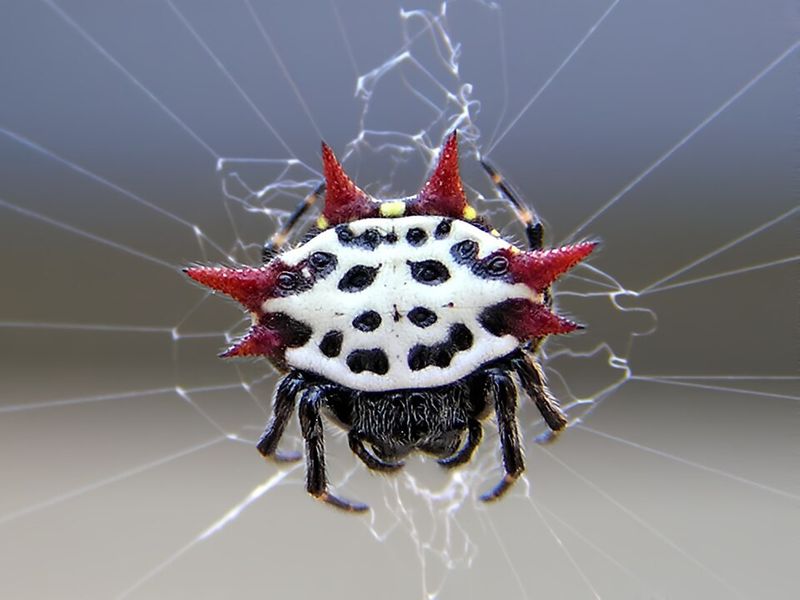
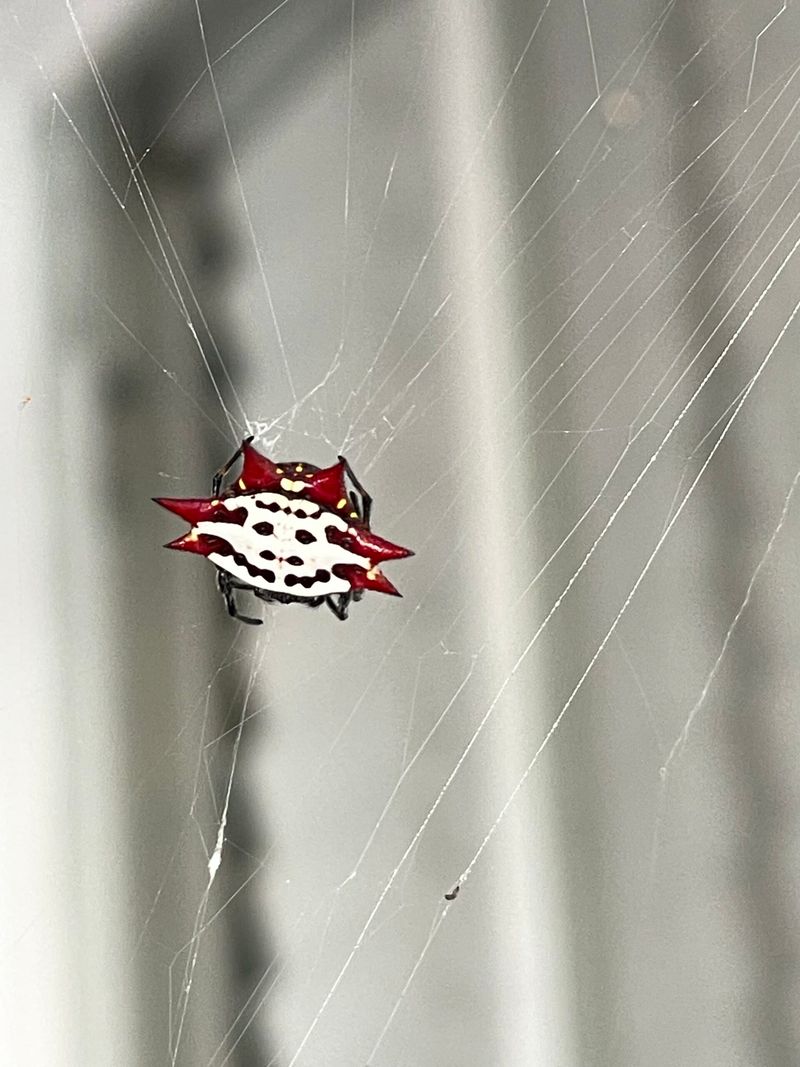
Count the spikes and you have your answer. A female spinybacked orbweaver carries six sharp spines around the edge of her hard, shell-like abdomen.
Her colors are where things get fun. The most common look in the Southeast is a white or pale yellow back with black spots and red spines.
You may also find yellow, orange, or nearly all black versions, with spines that can be red or black.
Those black spots are not random either. Researchers note that they are muscle attachment points on the underside of that tough shell.
Pretty clever design for something smaller than a dime.
So why the spines? Scientists think they help discourage birds and lizards from making a snack out of her.
A mouthful of pointy armor is not very appealing, and the bright colors may act as a warning.
Here is a simple tip for confirming your find. Look at the web center.
This spider usually sits right in the middle, belly facing up, with the spines easy to see.
Snap a quick photo with your phone and zoom in. You will be amazed at the detail on such a tiny animal.
3. Fall Is When The Adult Spiny Orb Weavers Finally Show Off
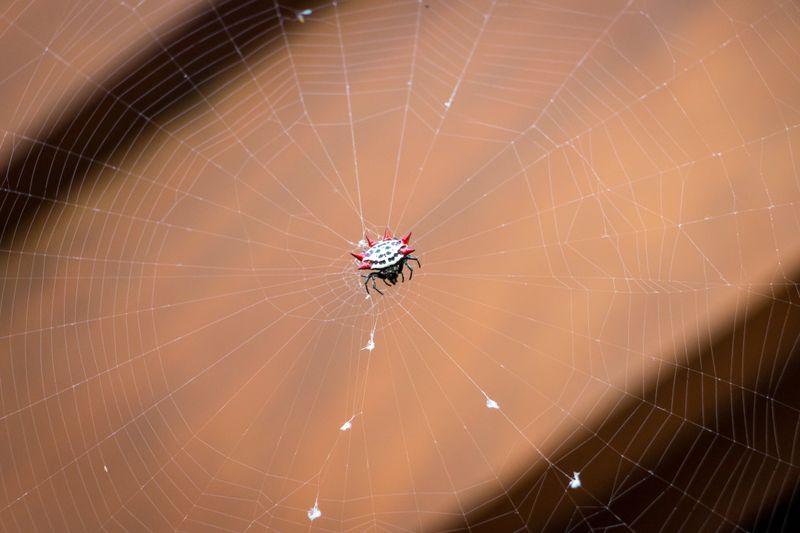
Spring and summer are busy growing seasons for these spiders, even if you never notice them. The young ones start out tiny and spend months eating and molting.
By late summer and fall, they reach adult size. That is the moment they become bright, bold, and hard to miss.
Their webs get bigger too, so your eyes catch them more often while you tidy beds or pick the last peppers.
Florida experts report that adults are most common from about October through January in warm areas. Georgia follows a similar pattern, especially in the south and along the coast, though cold snaps up north can shorten the season.
Nothing unusual is happening when you suddenly see several at once. It is a normal seasonal pattern, not an outbreak.
The spiders were there all along, just too small to spot.
Fall also brings plenty of flying insects that keep these hunters well fed. Warm afternoons and cooler nights suit them nicely.
So if your garden seems full of spiky little jewels in October, that is right on schedule. Enjoy the show while it lasts, because the first hard freezes usually bring it to a close.
4. Bites From These Spiky Spiders Are Rare And Mild
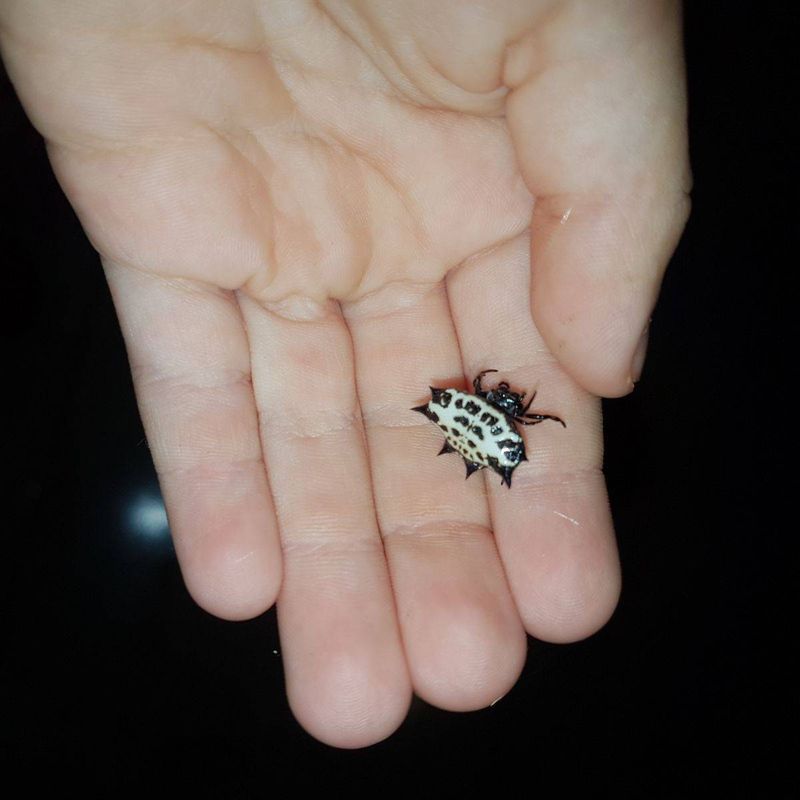
Let me ease your mind right away. Spinybacked orbweavers are not considered dangerous to people or pets.
Like most spiders, they do have venom. It is made for small insects, though, and university experts describe it as no medical concern for humans.
These spiders prefer staying in their webs and rarely try to bite anyone.
A bite usually happens only if a spider gets pressed against skin, like when you grab a branch without looking. Even then, reports describe mild pain, slight redness, or swelling that fades fairly quickly.
If you do get bitten, wash the spot with soap and water and use a cool cloth. Anyone with allergies or unusual swelling should check with a doctor, just to be safe.
Honestly, the bigger surprise is walking into a web. It can feel startling, but the spider usually scrambles away fast.
A few simple habits help a lot. Wear gloves when pruning shrubs in fall, and wave a stick ahead of you on early morning walks through the garden.
Kids love learning to spot webs first, which turns a creepy moment into a fun game of who sees the spider before anyone else.
5. Those Round Webs Catch A Surprising Number Of Garden Pests
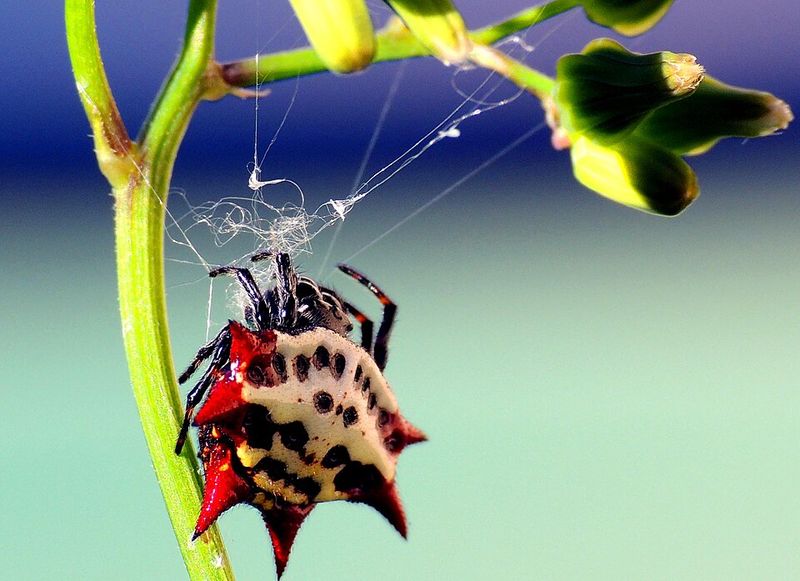
Mosquitoes buzzing around your porch at dusk? One of these spiders might be quietly helping you out.
Spinybacked orbweavers eat small flying insects that land in their sticky webs. Their menu includes flies, mosquitoes, gnats, small moths, whiteflies, and some beetles.
When something gets stuck, the spider rushes over, bites it, and wraps it up for later.
Each spider will not clear your yard of pests alone, of course. A handful of them spread across shrubs and fences can still trim back the number of annoying bugs in a natural way.
That is a great reason to skip broad insecticide sprays in fall. Those sprays harm spiders, bees, and butterflies along with the pests you meant to target.
Many extension services recommend leaving harmless spiders in place.
The females usually rebuild their webs often, sometimes every night. That steady repair work keeps their traps fresh and ready.
Personally, I count each spiky spider as a free garden helper. If you want more natural pest control, plant a mix of native flowers and shrubs.
Diverse plantings bring in all kinds of insects, and that variety supports spiders, birds, and other predators that keep things in balance.
6. Watch For Little Silk Tufts Decorating The Orb Web
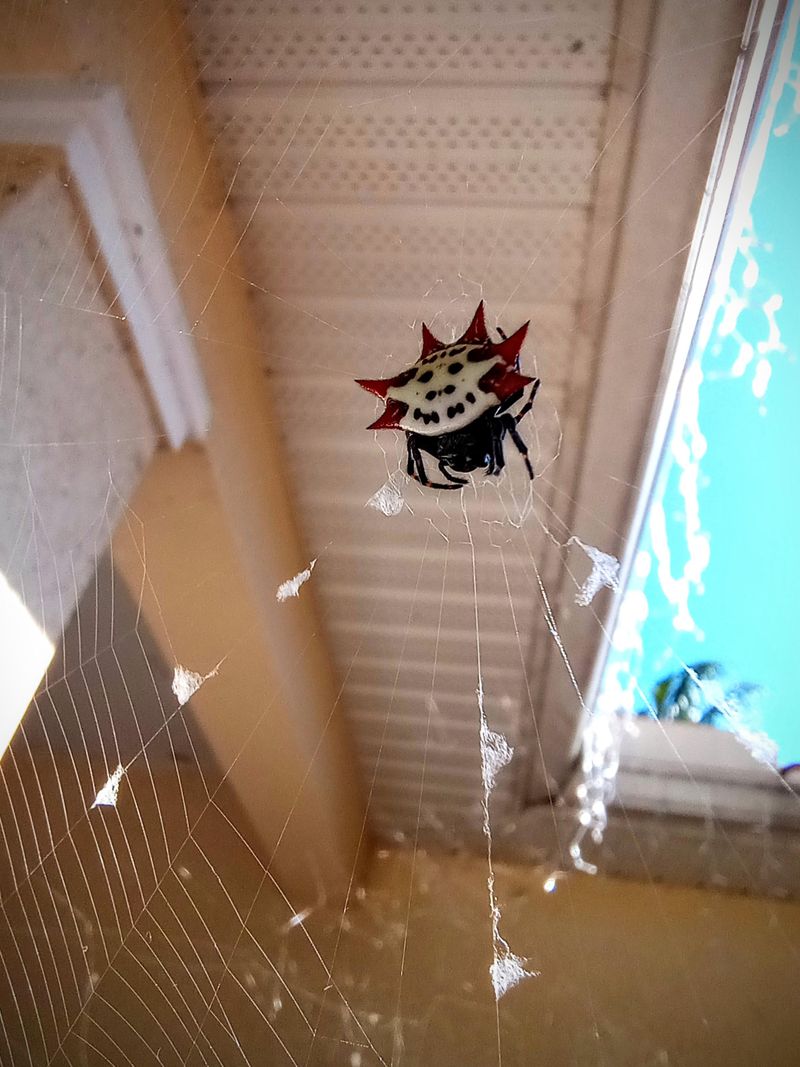
Look closely at one of these webs on a dewy morning. You may spot small fluffy tufts of silk dotted along the outer threads.
These little puffs puzzled scientists for years. A popular idea is that they make the web easier for birds to see, so the birds swerve before crashing through.
That saves the spider a lot of rebuilding work.
Researchers still debate the exact purpose, so think of it as a likely explanation rather than a settled fact. Either way, the tufts are a handy clue for identifying this species.
The web itself is a classic round orb, usually about one to two feet across. The spider often hangs it between shrubs, small trees, fences, or eaves.
It is common for the web to sit anywhere from a few feet to higher up off the ground.
Here is a fun activity for curious kids. Mist a web gently with a spray bottle and watch the threads light up like a tiny necklace.
Do try not to tear it, since the spider depends on it for meals. A quick look and a photo let you enjoy it without causing trouble.
7. Egg Sacs Under Leaves Carry Next Year’s Spiny Spiders
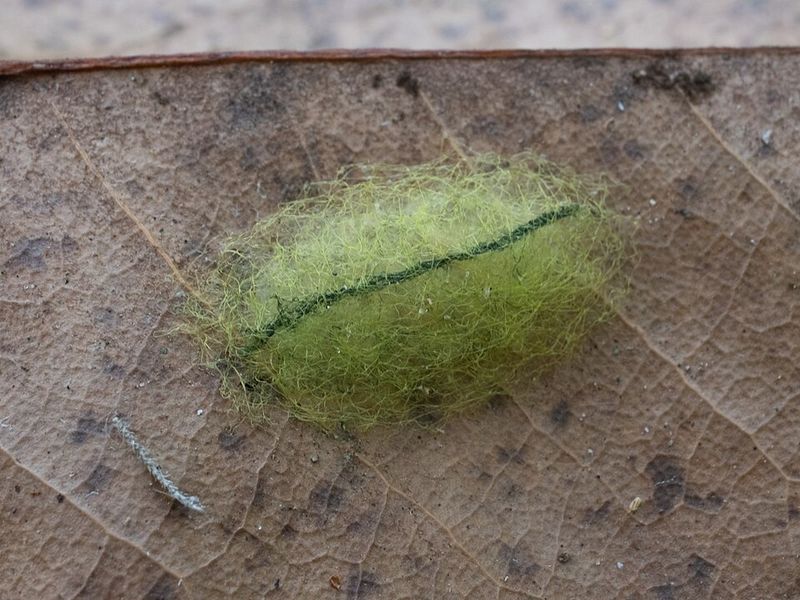
Late in the season, the female’s work turns toward the next generation. After mating, she lays a cluster of eggs, often more than a hundred, inside a fluffy silk sac.
She usually attaches the sac to the underside of a leaf near her web. Some have pale yellow or green threads running along them, which makes them easy to overlook among foliage.
Her lifespan is short. Adults typically finish their life cycle after laying eggs, often around the time cold weather settles in.
The eggs stay behind to continue the story.
Spiderlings hatch and grow over the following months, then show up as tiny versions of the adults. By the next fall, a fresh crop of spiky jewels appears in many of the same yards.
This is a good reason to go easy on fall cleanup. If you find an odd fuzzy bundle under a leaf, consider leaving that branch alone.
Leaving a little natural mess also helps other beneficial insects survive winter. Hollow stems and leaf litter give shelter to bees, beetles, and more.
Your garden will thank you next spring.
8. Let The Jewel Box Spiders Stay And Enjoy The Fall Show
My best advice is simple. Leave them be and enjoy the free nature lesson right outside your door.
These spiders are native to the region and fit naturally into a healthy garden. They catch flying pests, they rarely bite, and they disappear on their own as winter arrives.
If a web blocks a doorway or busy path, you have easy options. Gently move the spider with a stick to a nearby shrub, where it will usually build again.
No chemicals are needed.
Want more of them around? Grow a variety of native shrubs and perennials like beautyberry, goldenrod, and asters.
These attract insects, and insects attract spiders.
Fall is also a great time to share your finds. Apps like iNaturalist let you upload photos so scientists can track where the species shows up.
Your backyard picture could add helpful data.
Kids can keep a small spider journal too. They can note colors, web sizes, and weather each day.
Gardens feel richer when we make room for small wild neighbors. A few spiky orb weavers in October are a sign that your yard is buzzing with life.