8 Paperwhite Mistakes That Stop Blooms in Michigan Homes
The flower bud you are waiting for all winter is already tucked inside the bulb when you buy it. Those buds formed during a warm growing season months before the bulb ever reached a Michigan store shelf.
So why do so many pots end up with tall leaves and zero flowers by January? Truth is, the bulb holds the bloom, but our homes decide whether it opens or quietly fizzles out.
I learned the hard way, with a windowsill of floppy green stems and not one single blossom. Every fall, I still tuck a few bargain bulbs into gravel and hope for that sweet, musky perfume.
Most failures in Michigan come from small habits that feel harmless, like a cozy heat vent or forgotten watering. Which of these sneaky mistakes is quietly stealing the flowers from your kitchen table this year?
1. Dim Corners Leave Paperwhite Stems Leaning And Floppy
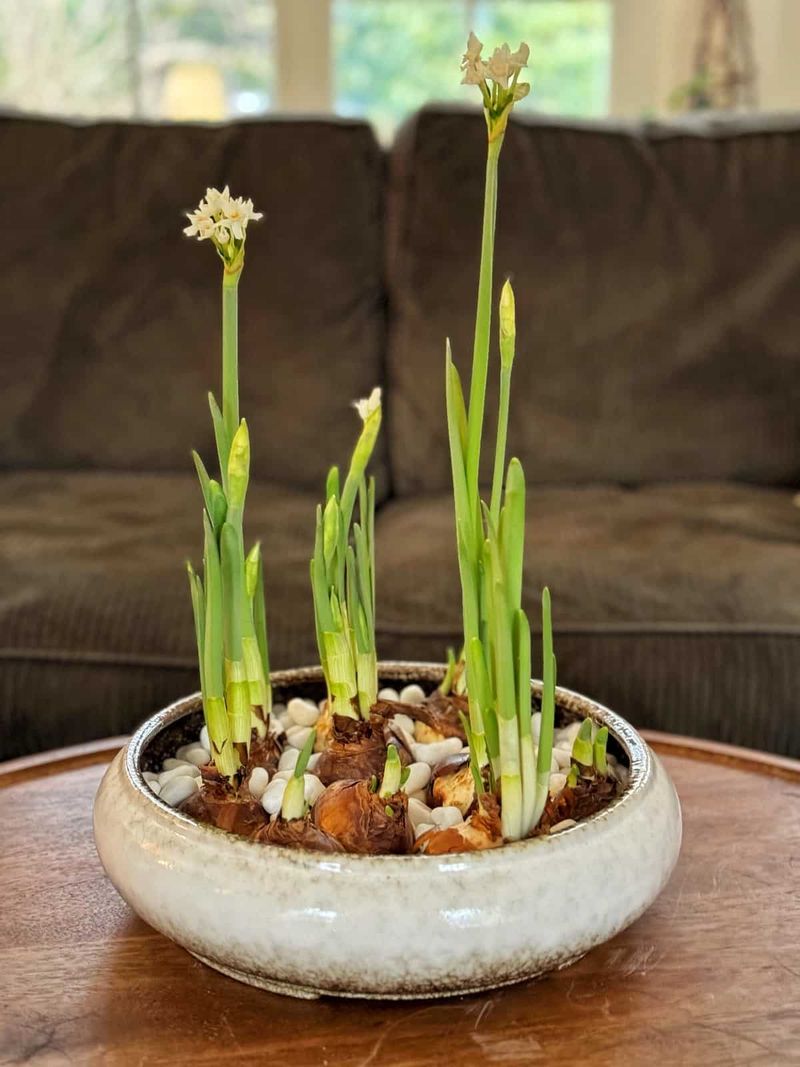
Paperwhites in a dark corner stretch like teenagers reaching for the top shelf, and the results look just as awkward. I once grew a pot on a bookshelf, and the stems flopped over before a single bud opened.
Bulbs already hold their flower buds, but strong light keeps the stems short enough to hold those blooms upright. Weak light makes the plant grow tall and thin while it searches for brighter conditions in the room.
Winter days in Michigan are short and often cloudy, so indoor light drops more than most of us notice. A south or west window usually gives the best chance for sturdy, compact growth through the darkest weeks.
Wait until roots form and green shoots reach a couple of inches before moving the pot into bright light. Before that point, a cool and fairly dim spot works fine while the bulbs settle in and anchor themselves.
Give the container a quarter turn every few days so the stems grow straight instead of leaning toward the glass. That small habit takes seconds and keeps the whole cluster looking balanced from every side of the table.
If your windows face north or sit under deep eaves, a simple LED grow light can fill the gap nicely. Keep it a foot or so above the tips and run it for roughly twelve hours daily.
Floppy stems can still be rescued with a bamboo stake and soft twine tied loosely around the whole bunch. I like using a few twigs from the yard, which look charming and blend in with the white flowers.
2. Paperwhite Bulbs Sitting In Water Start To Rot
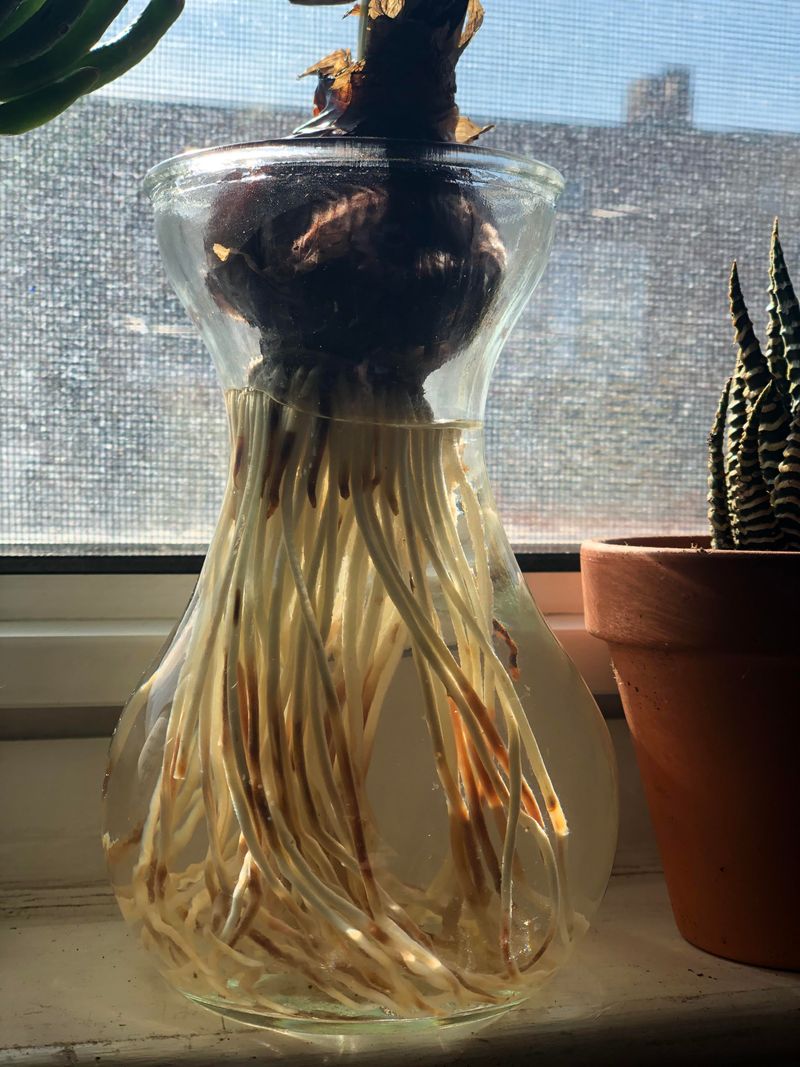
A paperwhite bulb sitting in water smells sour long before it looks bad, and your nose usually notices first. I learned this after topping off a glass vase too generously, then wondering why the base turned mushy and brown.
Roots love water, yet the papery bulb itself needs to stay above the waterline to stay firm and healthy. Extension experts recommend keeping water just below the base so roots can reach down while the bulb stays dry.
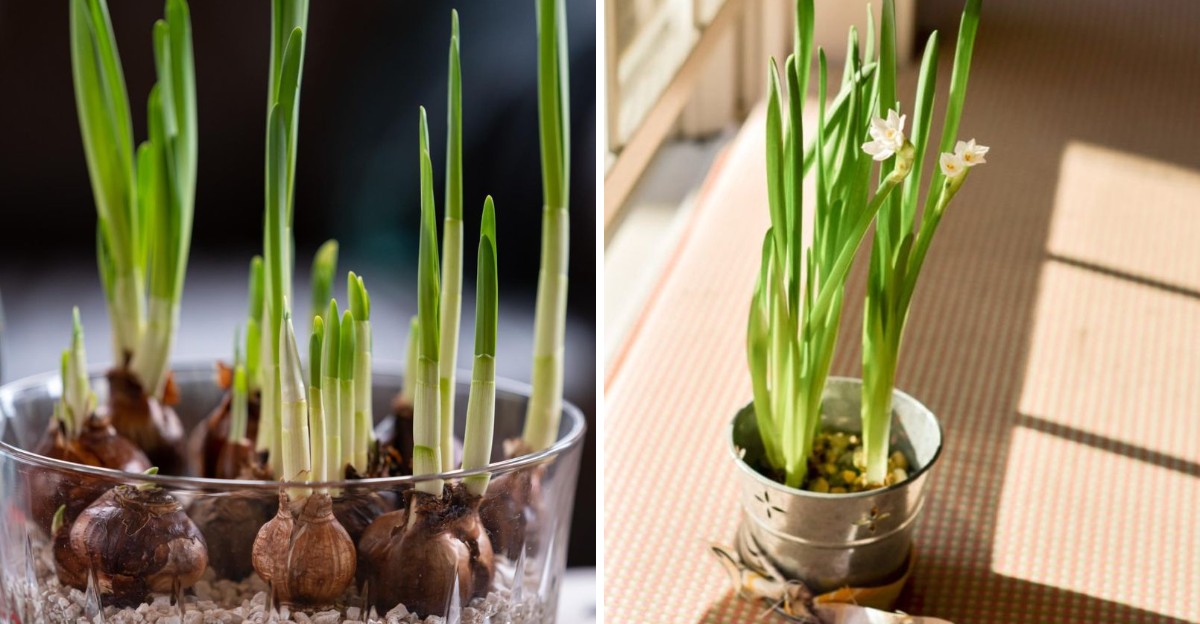
Set the bulbs pointed side up on a layer of pebbles or glass marbles inside a shallow bowl without holes. Then add water until it sits just below the bottom of each bulb, and check the level every couple of days.
Soil growers face a similar risk when their pot lacks drainage holes and water pools quietly at the bottom. A loose potting mix and a container with real holes let extra moisture escape instead of soaking the bulbs.
Watch for warning signs like a soft base or a musty smell drifting up from the bowl. Pull out any mushy bulb right away and refill the bowl with fresh water to protect the remaining bulbs.
Clear glass containers make this job much easier because you can see the waterline and the roots at a glance. Kids love watching those white roots snake through the stones, which turns watering into a fun daily check.
Once the roots grip the pebbles firmly, the bulbs become less likely to float or tip as the stems grow. That steady footing, plus the right water level, sets the stage for a healthy cluster of fragrant blooms.
3. Dry Pebbles Leave Paperwhite Buds Shriveled And Brown
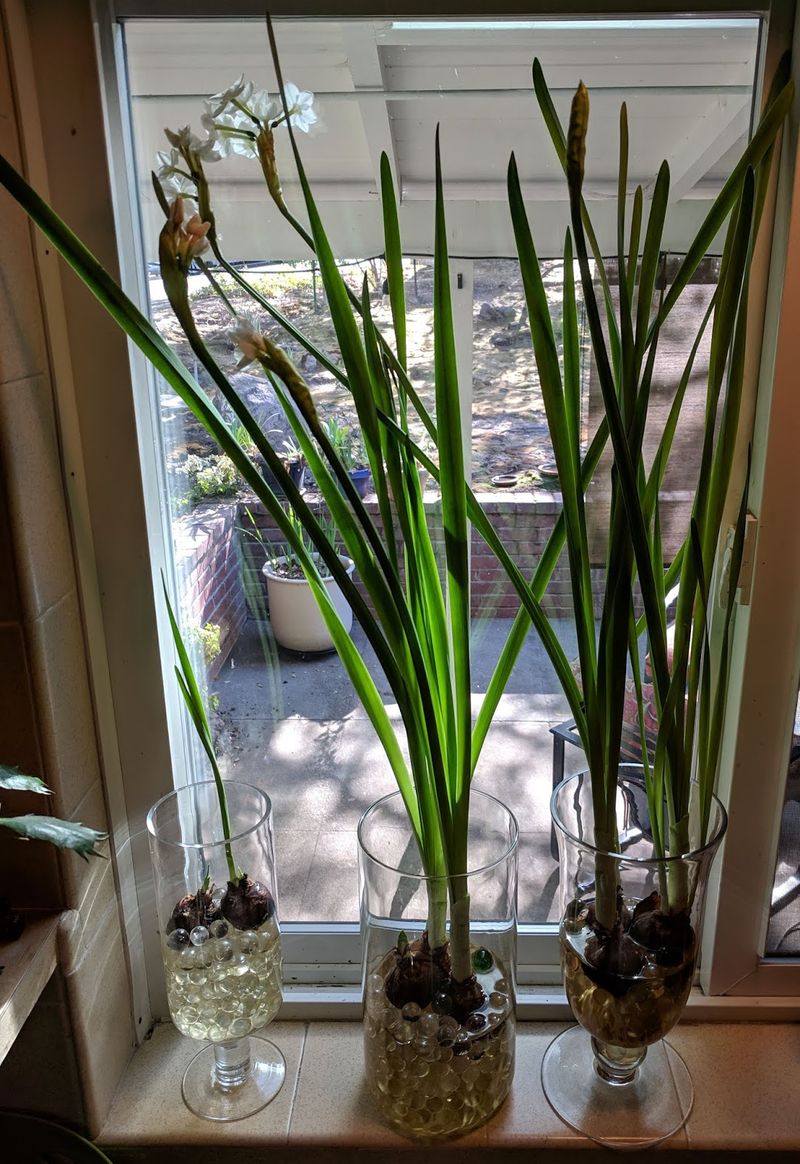
After all that worry about rot, I swung too far the other way and let my bowl go bone dry. The buds were fat and promising on Monday, then papery and brown by the following weekend.
Growing paperwhites drink a surprising amount once their leaves and flower stalks shoot upward toward the light. A bowl that needed water weekly in the first days may need a top-up every day or two later.
Furnace air in a Michigan winter is famously dry, and it pulls moisture from shallow bowls faster than expected. Pebble containers hold only a small reserve, so the water can vanish between busy mornings without anyone noticing.
Roots that dry out stop supporting new growth, and developing buds often stall or shrivel before they open. Once a bud blasts like that, it rarely recovers, so steady moisture matters most during the budding stage.
Make checking part of a routine you already have, like pouring morning coffee or feeding the family dog. Keep the water just below the bulbs, or keep potting soil evenly moist but not soggy to the touch.
A small pitcher with a narrow spout makes refilling easy without splashing water onto the bulbs themselves. I keep one parked right beside my bowl, and it serves as a cheerful reminder every time I walk past.
Soil-grown bulbs are a little more forgiving because the mix holds water longer than a bed of stones. Even so, poke a finger into the top inch every few days and water when it feels dry.
4. Paperwhites Near Heat Vents Grow Tall And Fade Fast
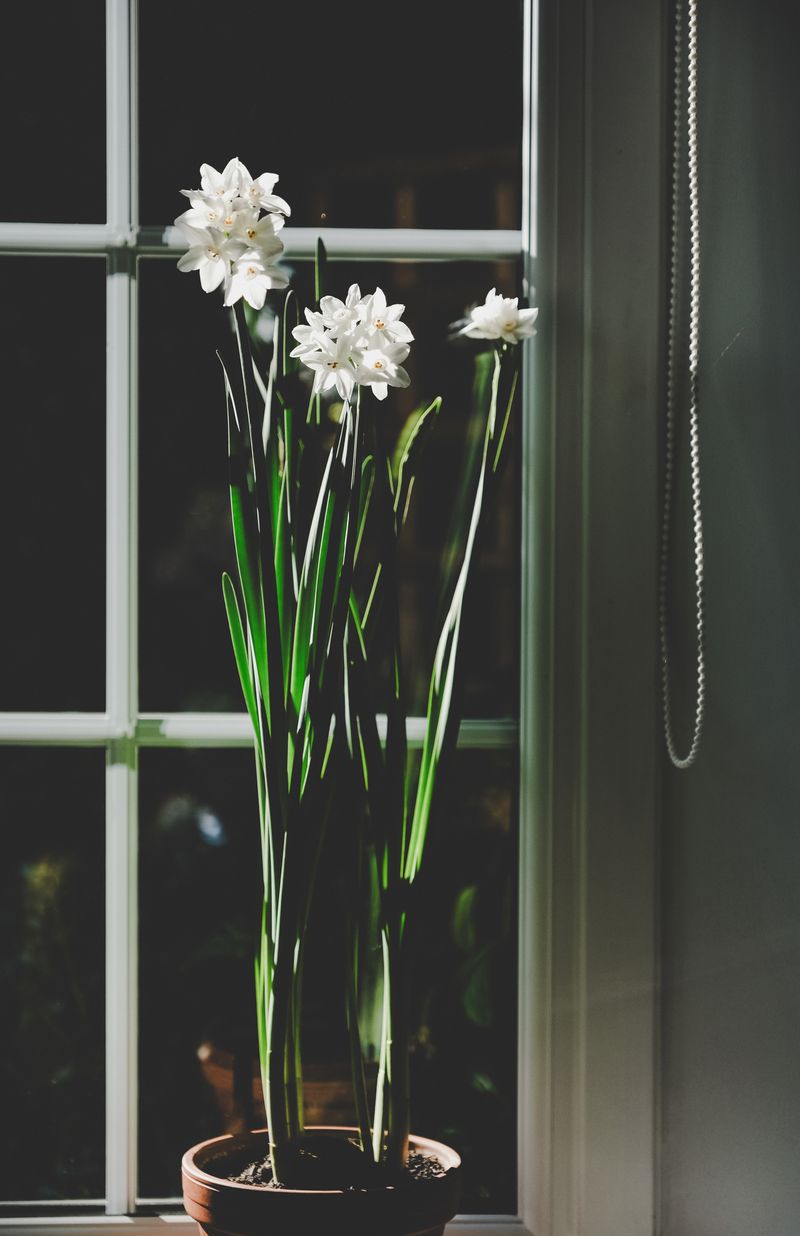
Paperwhites set next to a heat register shoot up so fast you can practically watch them grow by dinnertime. That speedy growth looks exciting at first, but it usually leads to weak stems and flowers that fade quickly.
Extension specialists suggest cooler rooms, roughly 60 to 65 degrees, once green growth appears above the bulbs. Warmer spots push leaves and stems upward rapidly, which often leaves the tall stalks too spindly to stand.
Most of us keep our Michigan houses toasty from November through March, which makes this mistake really easy. Radiators and fireplace mantels create warm pockets that run hotter than the thermostat setting suggests.
Try a cooler room instead, like a bright guest bedroom or an enclosed porch that stays above freezing. I park mine in a chilly mudroom window, and the stems stay noticeably shorter and sturdier than my old batches.
Cool nights help too, so moving the pot away from warm electronics after dark can make a real difference. Even a few degrees lower overnight slows the stretch and keeps the flower clusters nicely compact on their stalks.
Once blooms open, cooler air stretches out the show by days, letting you enjoy that perfume much longer. Warm rooms speed up every stage, so petals brown and wilt well before the holiday guests even arrive.
Just keep them away from icy drafts, because frost on a windowpane can damage tender buds pressed against it. Leave a few inches of space between leaves and glass on the coldest Michigan nights of January.
5. Chilling Paperwhite Bulbs In The Fridge Backfires
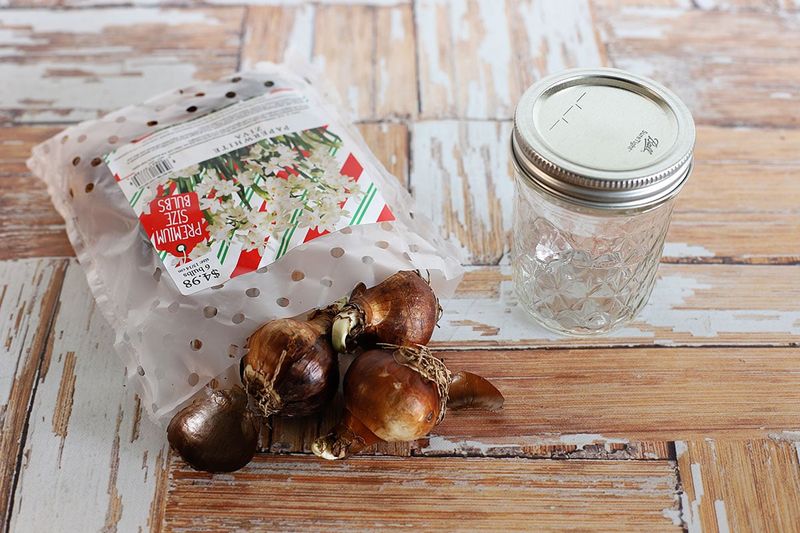
Tulips and daffodils need a long winter chill to bloom, so it feels natural to treat paperwhites the same way. Don’t laugh, but I once refrigerated a whole bag for weeks before learning they need no cold treatment.
Paperwhites come from warm Mediterranean regions, and they are sold ready to grow straight out of the box. Plant them anytime from late fall onward, and most bulbs bloom about four to six weeks after potting.
The fridge adds a hidden problem because apples and many other fruits release a ripening gas called ethylene. That gas can harm the flower bud tucked inside a bulb, leaving you with leaves and no flowers later.
Unplanted bulbs keep best in a cool, dry spot like a basement shelf or an unheated closet with airflow. Mesh bags or open paper sacks let air circulate, which helps prevent mold from forming on the papery skins.
Keep them away from freezing spots like a detached garage, since these bulbs are only hardy in warm zones. Michigan sits mostly in zones 5 and 6, far too cold for paperwhites to handle outdoor winters.
Many gardeners stagger plantings every two weeks for a steady parade of flowers right through February. Pulling just a few bulbs from storage each time keeps the rest dormant and waiting patiently for their turn.
Watch for bulbs that start sprouting in the bag, which is their way of saying they want soil. Plant those first, and save the firm, quiet ones for your next round of indoor blooms during the gray stretch.
6. Soft Or Moldy Paperwhite Bulbs Rarely Produce Flowers
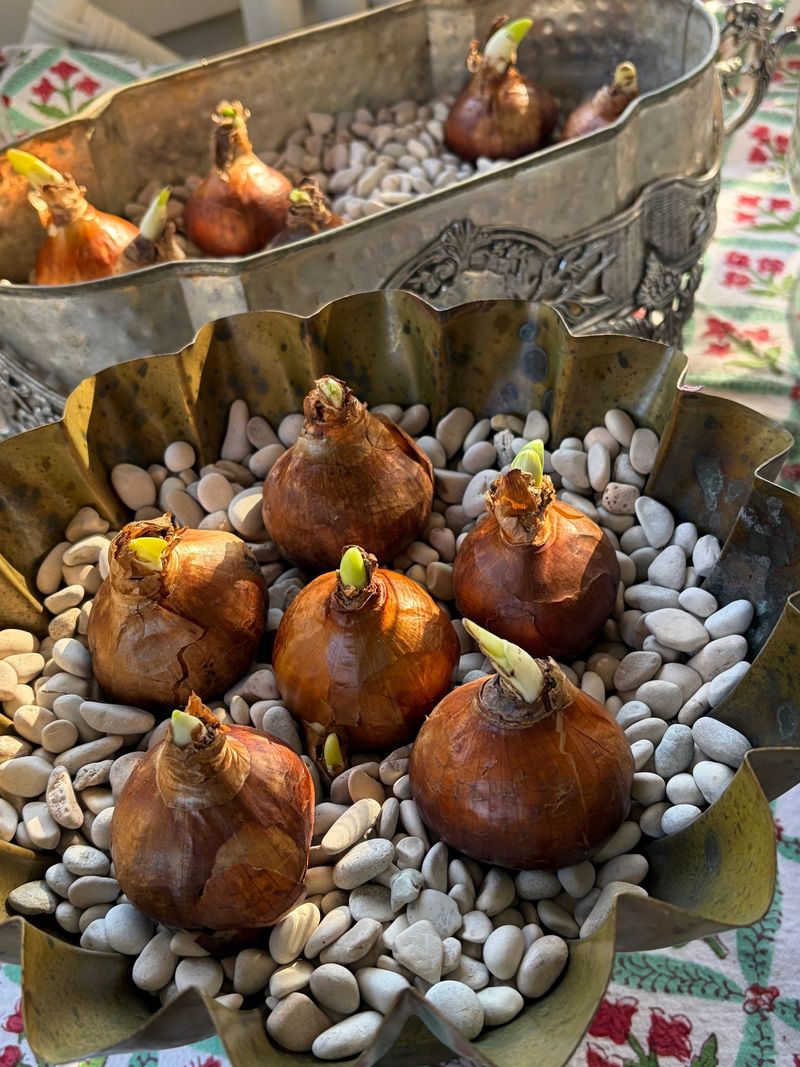
Give a paperwhite bulb a gentle squeeze at the store, and it should feel as firm as a fresh onion. I’m the first to admit I once grabbed a bargain bin bag without checking, and half were mushy.
The bulb carries all the stored food the plant uses to flower, so its condition is critical. Soft spots or fuzzy blue mold usually point to rot that leaves too little healthy tissue for a bloom.
Bigger bulbs tend to deliver more flower stalks, so it pays to choose the plumpest ones you can find. Suppliers often list bulb size in centimeters, and larger grades usually produce several stems with dozens of tiny flowers.
Loose papery skin is normal and nothing to worry about, so leave it in place before planting time. That outer layer protects the bulb, and a little flaking simply comes with the territory for these fragile beauties.
Timing also matters because these bulbs lose vigor if they sit too long between purchase and planting. Many growers suggest potting them within a couple of months, since stored bulbs slowly use up energy and dry out.
Late-season clearance sales can still be worth it if the bulbs feel solid and show no strange smells. I’ve scored lovely blooms from January discounts, but I check every single bulb before it goes home with me.
A quick sniff test helps too, since rot carries a sour odor that healthy bulbs do not have. Toss anything questionable, and your bowl will fill with sturdy green shoots instead of disappointing empty gaps.
7. Fertilizing Paperwhite Bulbs Feeds Leaves Instead Of Flowers
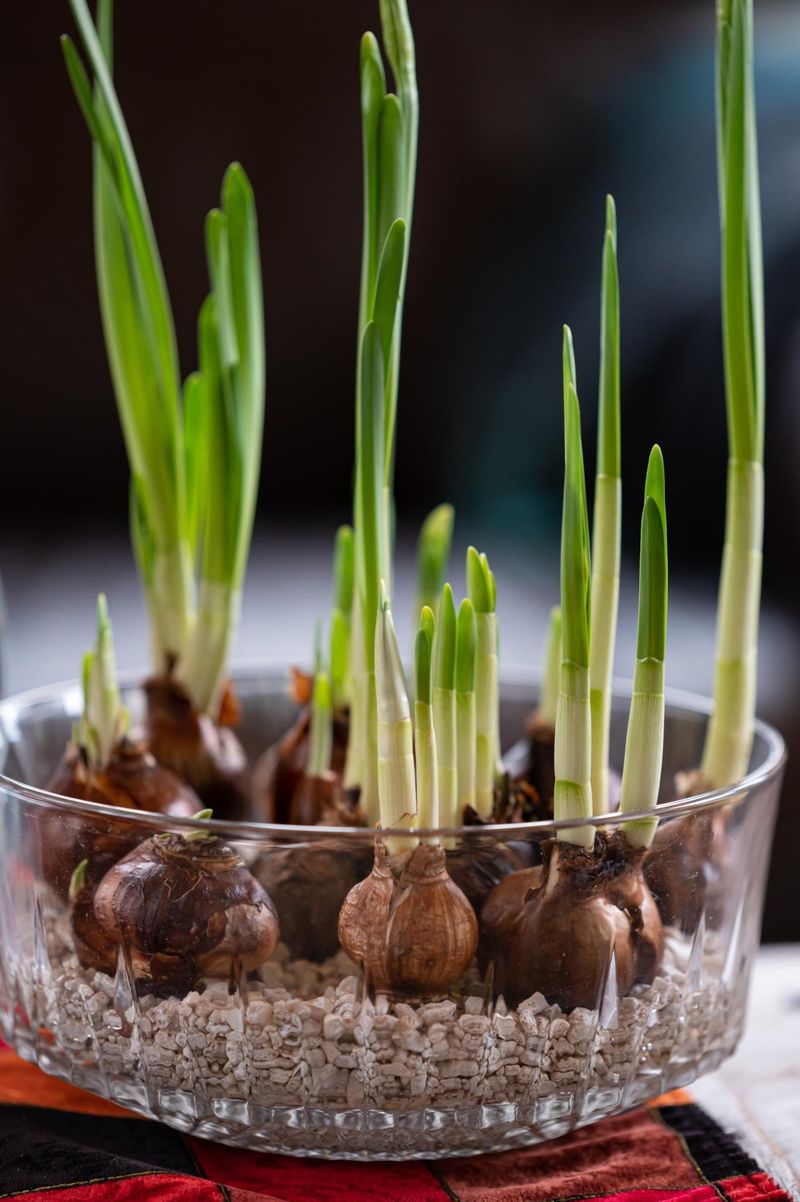
Plant food seems like a kind gesture, but paperwhites are the rare houseplant that wants nothing from the bottle. Every flower they produce this winter was packed inside the bulb before you even carried it home.
Adding fertilizer to forced bulbs usually brings no extra blooms and can push lush leafy growth instead. University extension guides agree that paperwhites forced indoors need only water and decent light to flower well.
Pebble setups are especially sensitive because fertilizer salts collect in that small pool of standing water. Those salts can burn tender roots, and stressed roots struggle to supply the stalks as buds start to swell.
Guilty as charged, I once added a splash of houseplant food and ended up with crusty white residue on every stone. The flowers still opened, but they looked smaller than the batch I left alone in plain tap water.
If your tap water is very hard, filtered or rain water can help prevent mineral crust on the pebbles. Swapping out old water occasionally also keeps the bowl fresher and helps the roots breathe more easily.
Soil-grown bulbs also skip feeding, since the potting mix only needs to hold moisture and anchor the roots. Save your fertilizer for spring houseplants that are actively growing and truly need the extra nutrients.
Paperwhites prove that some plants do their best work when we simply step back and let them be. Keep the light bright and the water steady, and the bulb handles the rest on its own schedule.
8. Spent Paperwhite Bulbs Rarely Bloom Again Indoors
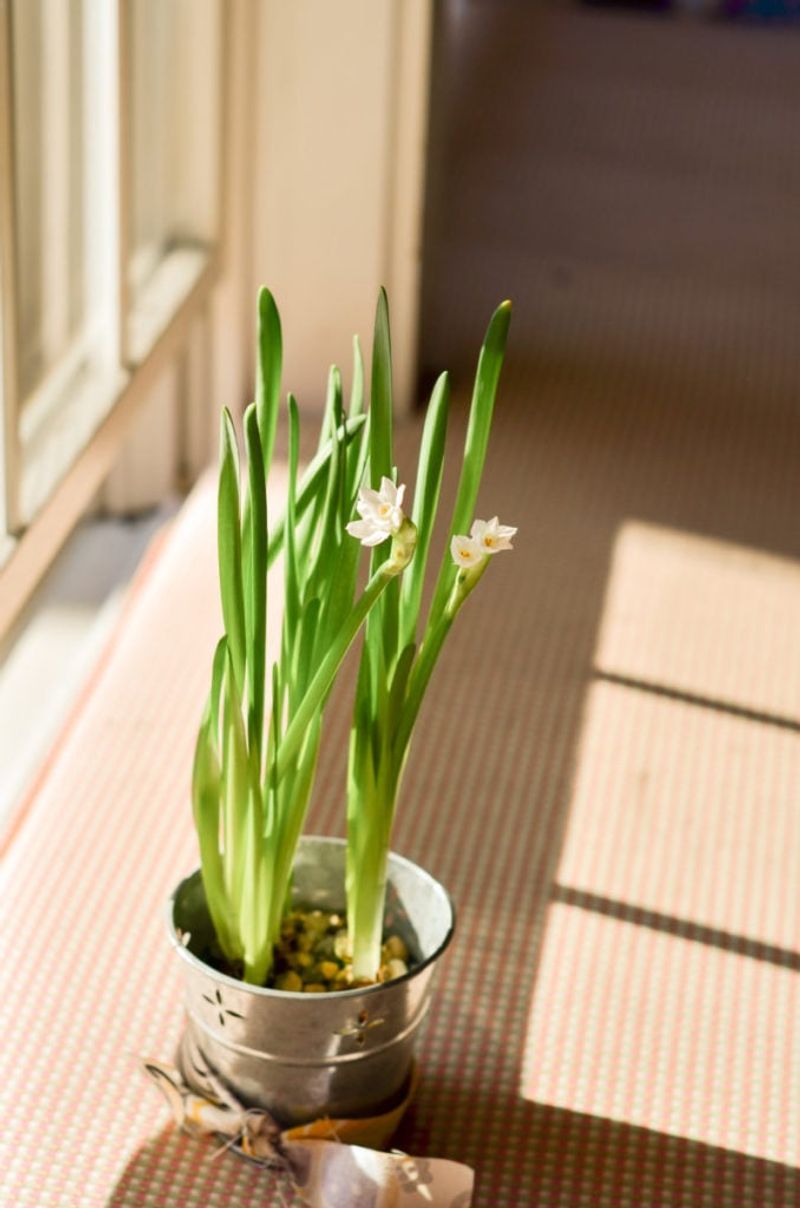
Once the last flowers turn crispy, it’s tempting to save the bulbs and try again next winter. I tried that twice, and all I got was a bowl of skinny leaves and zero fragrant blooms.
Forcing uses up most of the stored energy inside the bulb, and the bulb has little left to rebuild. Most experts recommend composting forced paperwhites after flowering rather than coaxing them through another season indoors.
In warm southern gardens, rated about zones 8 through 10, they can sometimes recover outside over several years. Michigan winters are far too cold for that plan, so planting them in the yard usually ends in disappointment.
Composting the spent bulbs puts their nutrients back into your garden instead of sending them off with the trash. Rinse the pebbles and let them dry, then store them for the next round of fresh bulbs.
Paperwhite bulbs are inexpensive, so buying new ones each fall is one of the cheapest winter treats around. I think of them like a bouquet that lasts for weeks and fills the whole house with perfume.
For steady color all season, start a fresh batch every two or three weeks from November into February. That rotation means one bowl is fading while another is budding, so the windowsill rarely sits empty.
Pets and toddlers should keep their distance, since all parts of narcissus contain compounds that can upset stomachs. Place bowls up high, and you can relax while those starry white clusters brighten the gray months ahead.