What It Means When a Mourning Dove Keeps Visiting Your Michigan Yard
Scientists once found 17,200 bluegrass seeds stuffed inside one bird’s throat pouch. That same bird family can feed its babies a kind of milk, and both parents make it. Nature really does keep a few wild secrets right outside our kitchen windows.
I can’t help but grin every time that soft, sleepy coo floats over my garden fence. Plenty of folks hear it as a sad song. The truth is far more cheerful, and a lot more interesting.
When the same plump, sand-colored visitor shows up day after day, your yard is passing some kind of test. Food, water, safe cover, and calm neighbors all matter to it. Here in Michigan, that test runs nearly all year long.
I have a few strong hunches about it. Now what exactly has your quiet guest figured out about your yard that you haven’t noticed yet?
1. That Soft Cooing Dove Is Sending a Message, Just Not a Sad One
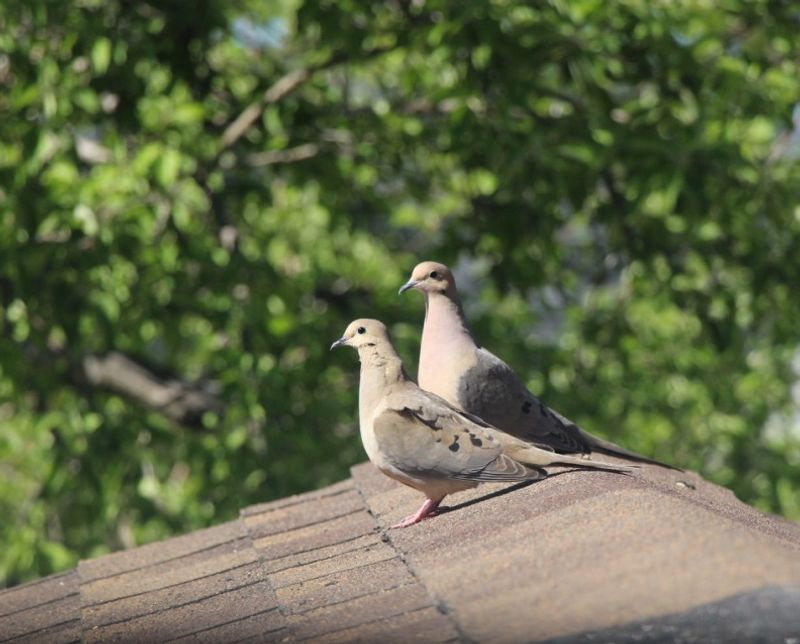
Early mornings in spring are when I hear it most, that low, hollow coo-OO-oo, oo, oo drifting from a fence post or a power line. It sounds like a lullaby with a broken heart. No wonder early settlers named the bird after mourning.
Bird experts tell a much happier story. That famous call is mostly made by males, and it works like a personal ad and a property sign rolled into one. He is telling females he is available and telling other males that this patch is taken.
Watch closely and you may catch him puffing out his throat and bobbing slightly as he calls. A paired male also uses a softer nest coo to help his mate pick a building spot. So the singer on your roof is probably planning a family, not grieving one.
Many people also link these birds to peace, love, or a message from someone they miss. Those meanings are personal and can bring real comfort, so there is nothing wrong with holding onto them.
Just know that from the bird’s point of view, a regular cooing visitor usually means one thing. Your yard has become part of its home turf.
2. A Dove That Keeps Returning Has Found Food, Water, and Safe Cover
Repeat visits are rarely random. Mourning doves are creatures of habit, and they keep coming back to places that check every box on their survival list. Your yard has likely earned a gold star.
So what are they looking for? Mostly four things: seeds on or near the ground, a reliable water source, open spots to feed with a clear view, and nearby trees or shrubs to dash into when danger shows up.
These birds love open and semi-open land, which is why suburban lawns dotted with trees suit them so well.
Mourning doves rank among the most common birds in North America, and they are found across the whole state. Even so, they still pick favorites. A yard with spilled seed, a birdbath, and a tall spruce is a lot more appealing than a bare, busy lot.
I like to think of a regular dove as a free yard inspector. Its steady presence tells you your space offers food, safety, and peace. If you ever stop seeing it, take a look at what changed, whether that is a new outdoor cat, an empty feeder, or a trimmed-back hedge.
3. Spilled Seed Under Your Feeder Is a Mourning Dove Magnet
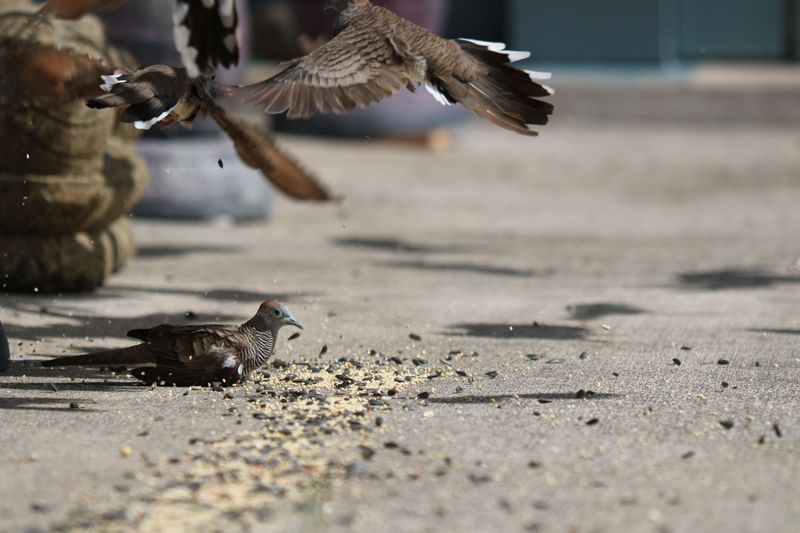
Ever notice the doves ignoring your fancy tube feeder and pecking at the ground below it? There is a good reason for that. These birds are built for walking and gathering, not clinging to tiny perches.
Mourning doves eat almost nothing but seeds, often more than 95 percent of their diet. They gulp them down fast and store them in their crop, a stretchy pouch in the throat. Later, they fly to a safe perch and digest their meal in peace.
Want to roll out the welcome mat? Try these favorites: White proso millet, cracked corn, black oil sunflower seeds, safflower, and hulled sunflower chips. Scatter a small amount on a clean patch of ground, or use a low platform feeder or a wide tray.
Keep it near shrubs so they have a quick escape route. Doves also swallow small bits of grit and gravel to help grind seeds, so a sandy or gravelly spot in your yard is a bonus.
Just offer only what they can finish in a day or so. Old, soggy seed piles can grow mold and attract rodents, which nobody wants hanging around the garden.
4. Flimsy Twig Nests Mean Your Yard Might Be a Dove Nursery
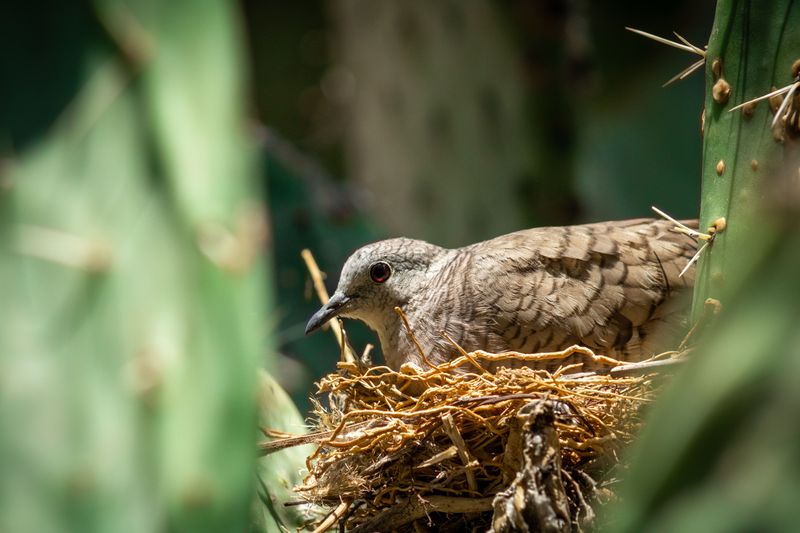
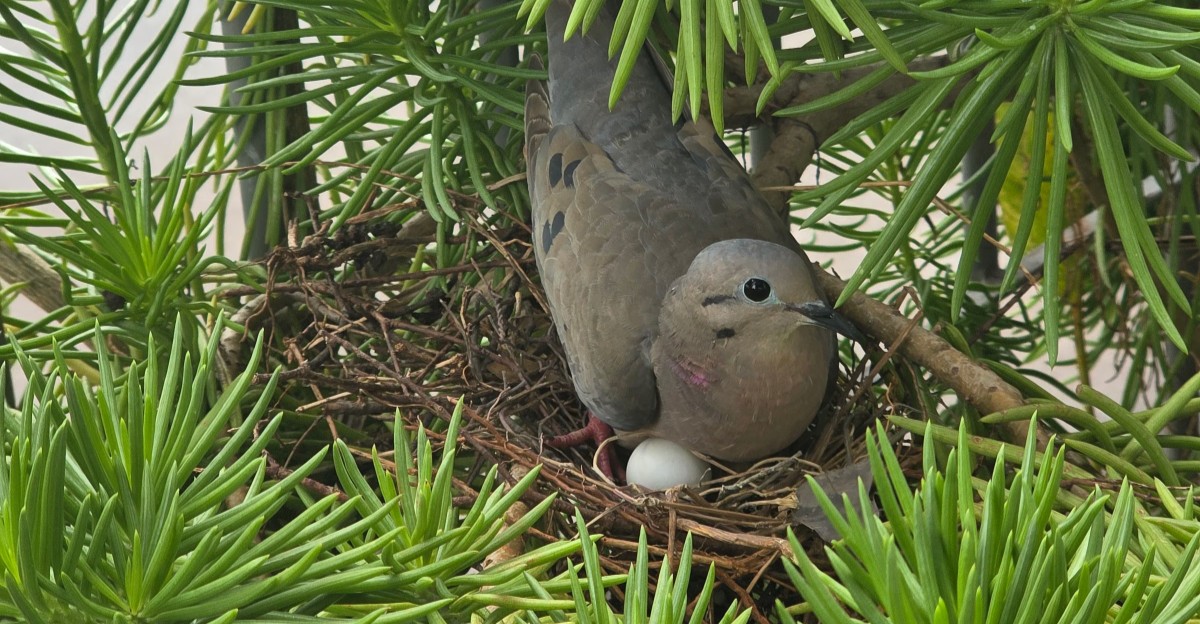
Honestly, mourning doves are not winning any architecture awards. Their nests are thin, loose platforms of twigs, grass, and pine needles, sometimes so sparse you can see the eggs from below. Somehow, it works.
The building process is a real team effort. The male gathers material and often stands on the female’s back to hand it over, and she tucks it into place. A nest can come together in just two to four days.
In Michigan, nesting often runs from April through August, with some pairs starting earlier in mild springs. Many pairs raise two or three broods a season, usually with just two white eggs each time.
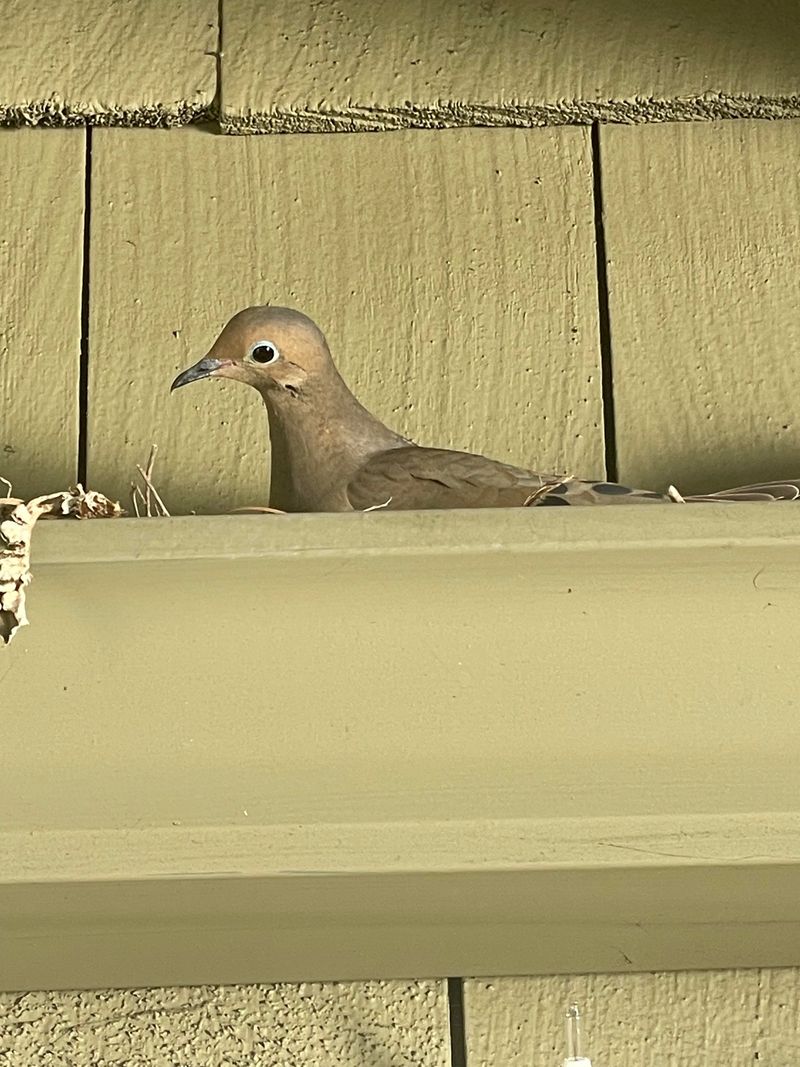
You might find a nest in the fork of a tree, inside a thick shrub, on a porch ledge, or even in a hanging flower basket. If you discover one, give it space and water that basket gently or not at all for a few weeks.
Eggs hatch in about two weeks, and the young leave the nest roughly two weeks after that. Mourning doves are protected by the federal Migratory Bird Treaty Act, so active nests should be left alone.
5. Both Dove Parents Make Milk for Their Fuzzy Squabs
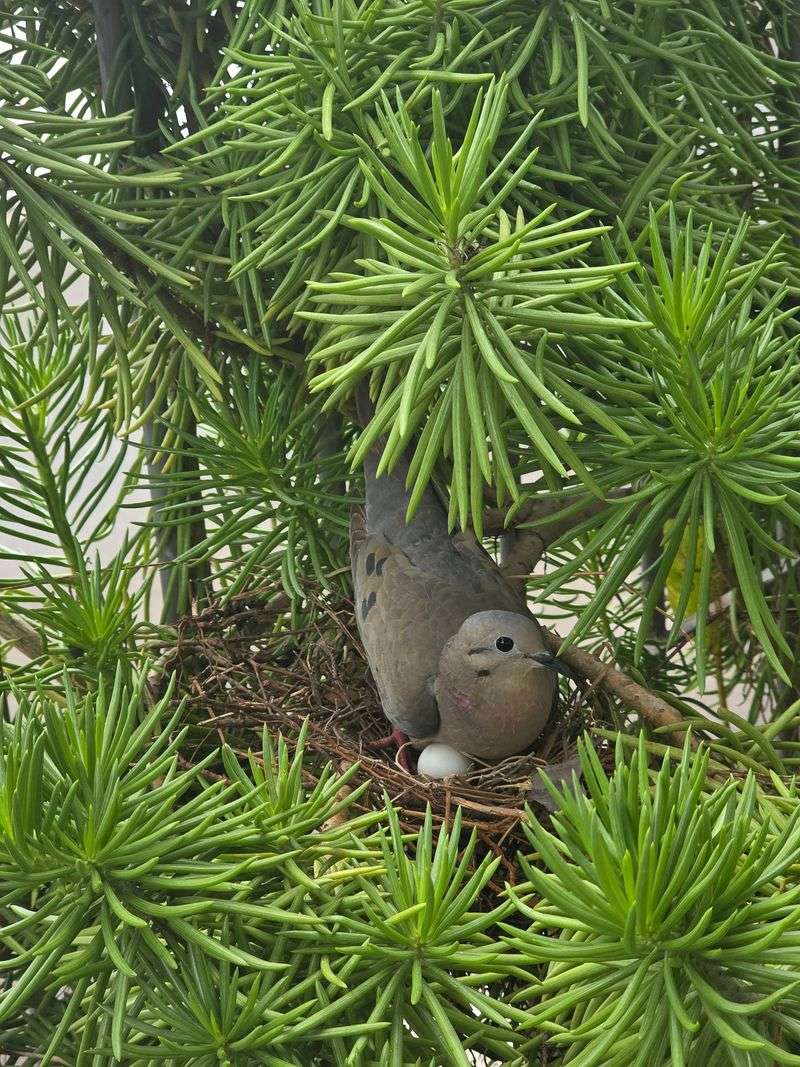
Here is a fact that made me stop mid-weed: baby doves drink milk. Not cow’s milk, of course, but something called crop milk. It is one of the strangest and most wonderful things happening in your backyard.
Both the mother and father produce it. Cells lining their crop swell up and slough off into a thick, cheesy, protein-rich food. The parents bring it back up and feed it to the babies, which are called squabs.
For the first few days, squabs eat almost nothing else. Then the parents slowly mix in softened seeds until the youngsters are ready for a grown-up menu. Only pigeons, doves, flamingos, and some penguins are known to make this kind of baby food.
So if you see two adult doves taking turns near a shrub or ledge, there is a decent chance a nest is tucked inside. Dad usually sits on the eggs during the day, and Mom takes the night shift.
A newly fledged youngster may hop around on the ground looking a little lost, and that is normal. The parents are usually close by and still feeding it, so keep pets inside and let the family handle things.
6. That Whistling Sound When Doves Take Off Is a Built-In Alarm
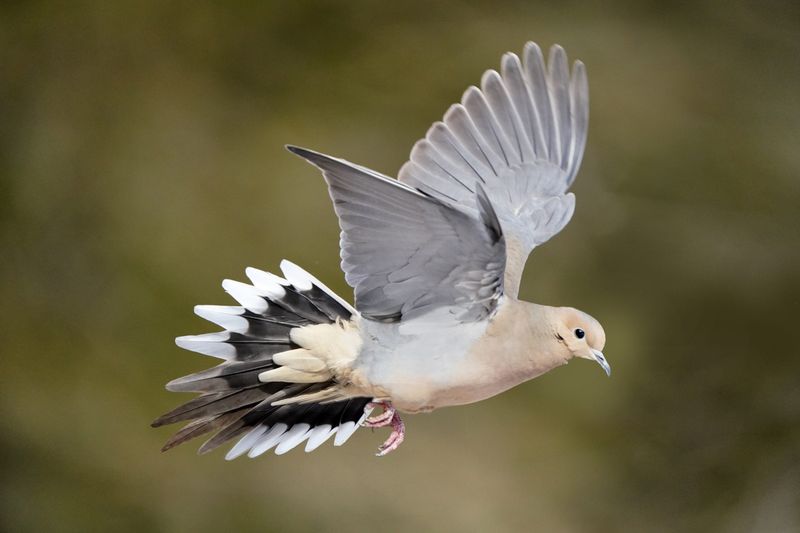
Walk past a group of feeding doves too quickly and you will hear it. A sharp, squeaky whistle bursts into the air as they explode off the ground. It startled me the first few times. That sound does not come from their voices.
It comes from their wing feathers, especially when the birds take off in a hurry. Research has found that other doves pay attention to it and often flee when they hear it, so it seems to act as a handy warning signal.
Once airborne, these birds are surprisingly speedy. Mourning doves can fly at around 55 miles per hour, darting and zigzagging away from hawks. Their pointed tails and slim wings help them steer like little jets.
Here is a practical tip from my own yard. If you want to watch your doves without setting off the alarm, move slowly and keep a steady routine. Over time, they learn your patterns, like watering the tomatoes each evening, and stay calmly in place.
Sudden movements, loud tools, and running pets are what send them whistling into the trees. A little patience earns you a front-row seat.
7. Many Michigan Mourning Doves Stick Around Through Snowy Winters
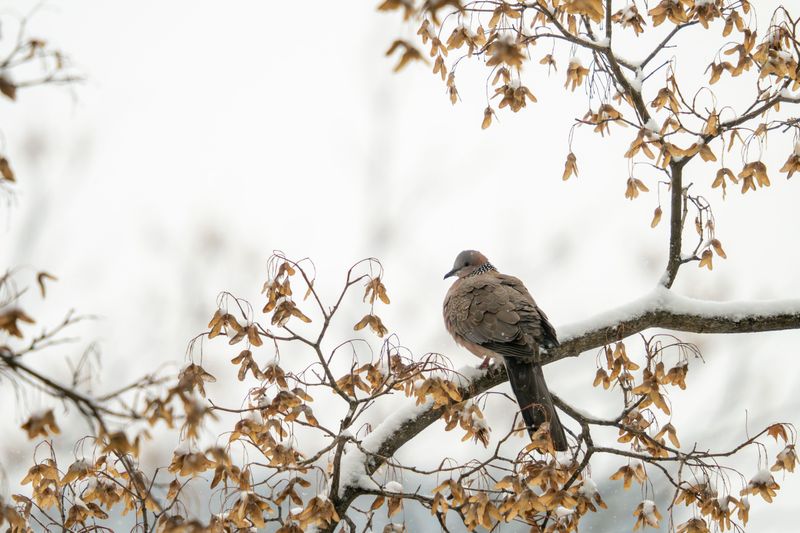
Plump, fluffed up, and perched on a snowy branch, a winter dove looks like a little gray dinner roll. Plenty of them tough out Michigan’s cold months instead of heading south.
Some mourning doves do migrate, especially those nesting farther north. Others stay put, and winter flocks are most common in the southern Lower Peninsula, where food is easier to find. Up in the Upper Peninsula, you will see far fewer once deep snow settles in.
Staying is not easy. Doves sometimes suffer frostbite on their bare toes during bitter cold snaps. They survive by eating heavily, fluffing their feathers for insulation, and roosting together in dense evergreens.
That is where your yard can really help. A steady supply of millet or cracked corn, scattered on a cleared patch of ground or on a covered platform, gives them reliable fuel. Evergreens like white pine, eastern red cedar, and spruce offer shelter from wind.
A heated birdbath is another winter treat, since open water gets scarce once everything freezes. So if a dove keeps showing up in January, take it as a compliment. Your yard is helping it get through the toughest season of the year.
8. Clean Feeders and a Fresh Birdbath Keep Your Dove Visitors Healthy
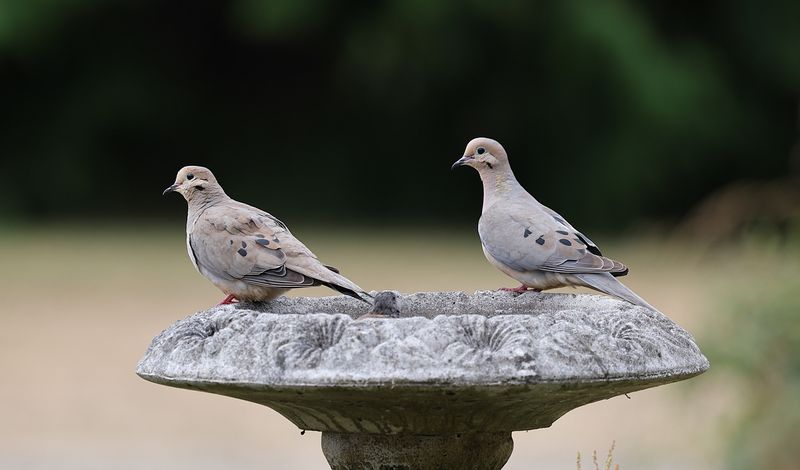
Love your doves? The best gift is a clean place to eat and drink. It sounds simple, yet it makes a huge difference. Mourning doves can catch a parasite disease called trichomoniasis, which spreads through shared food and water.
Scrub feeders and birdbaths every week or two with a mild bleach solution of one part bleach to nine parts water, then rinse well. Change birdbath water every couple of days, and keep it just one to two inches deep.
Outdoor cats are another big worry for ground feeders. Keeping cats indoors and placing feeding spots near shrubs, but not right beside hiding places for predators, gives doves a fair chance.
For long-term appeal, add native plants that offer seeds and cover. Coneflower, goldenrod, black-eyed Susan, switchgrass, and serviceberry are great Michigan-friendly picks. Skip pesticides when you can, since doves eat seeds right off the ground.
One more fun fact: Michigan voters rejected a dove hunting season in 2006, so these birds are not hunted here. A regular dove in your yard means you have built a small, safe haven. Keep it clean, keep it calm, and enjoy the cooing soundtrack all season.