8 Yard Features That May Soon Be Banned In New York Neighborhoods
Since 2015, selling a common hedge shrub with bright red berries has been illegal across New York. Plenty of older yards still hold one, quietly tucked beside the porch or along a fence line.
That shrub is only one example among several yard features now facing laws, proposals, or tighter local rules. Some changes already apply, while others are still bills waiting for lawmakers to vote on them.
I started reading these rules after a friend asked whether her backyard setup could earn her a warning letter. Turns out several things I had in my own yard were already on the official radar.
You might notice a few familiar features in the list ahead, maybe even in your own garden beds. So which ones could change how your New York yard looks next spring, and which are just rumors?
1. Japanese Barberry And Other Invasive Shrubs
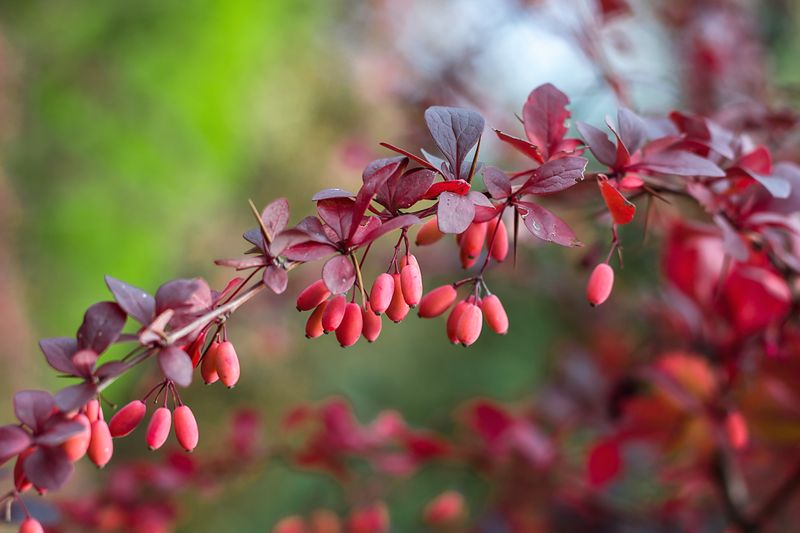
Those cheerful red berries on Japanese barberry hide a tricky secret that most homeowners rarely hear about. The shrub has been on the New York State prohibited invasive species list since March 2015, under rule 6 NYCRR Part 575.
Birds eat the berries and drop seeds into nearby woods, where dense thickets crowd out native plants. Research has also linked barberry thickets to higher tick numbers, which matters for anyone who enjoys hiking.
The prohibited list also includes yellow iris, porcelain berry, Amur cork tree, and several invasive honeysuckle species. Selling, buying, transporting, or introducing these plants is not allowed, so nurseries removed them from their shelves.
Burning bush and Norway maple sit on a separate regulated list, which works a little differently from the full ban. Stores in New York can still sell them, but each one must carry a warning label about environmental harm.
Nassau and Suffolk counties keep their own extra Do Not Sell lists that go beyond the state rules. If you garden on Long Island, New York, checking those county lists before shopping can save you a costly mistake.
I replaced my old barberry hedge with native winterberry, and the robins seem to approve of the swap. Ninebark and serviceberry also make handsome substitutes that feed birds without spreading into nearby forests and fields.
Existing plants in your yard are generally not targeted, but removing them still helps your local woods recover. Cut them in late fall, then watch for new sprouts and pull them while the soil stays soft.
2. Artificial Turf Lawns With PFAS Chemicals

Fake grass stays green all summer, yet a state law signed in late 2022 has put some turf products on notice. That law targets carpets containing PFAS chemicals, and its definition includes artificial turf used outdoors around homes.
PFAS are often called forever chemicals because they break down very slowly in soil, water, and living bodies. The ban on selling PFAS-containing turf is scheduled to begin on December 31, 2026, across the state.
Lawmakers have gone further with Senate Bill S3797, which proposes a pause on new artificial turf installations. That bill was still under consideration at last check, so it is not law yet, and changes remain possible.
New York City has its own proposal, nicknamed the Touch Grass Act, introduced by Councilmember Christopher Marte. It aims to stop the Parks Department from installing artificial grass in city parks, not in private backyards.
I touched a turf patch on a July afternoon once, and honestly it felt like a hot frying pan. Synthetic surfaces can heat up far more than real grass, which makes bare feet and pets pretty unhappy.
If you already have turf, nobody is asking you to tear it out right now under current rules. Planning a new yard, though, you might consider clover, sedges, or low native groundcovers that stay cooler and softer.
Ask any installer for written proof that their product is PFAS-free before signing a contract or paying a deposit. That small step protects your wallet and keeps your yard ahead of the coming regulations in the state.
3. Backyard Deer Feeding Stations And Corn Piles
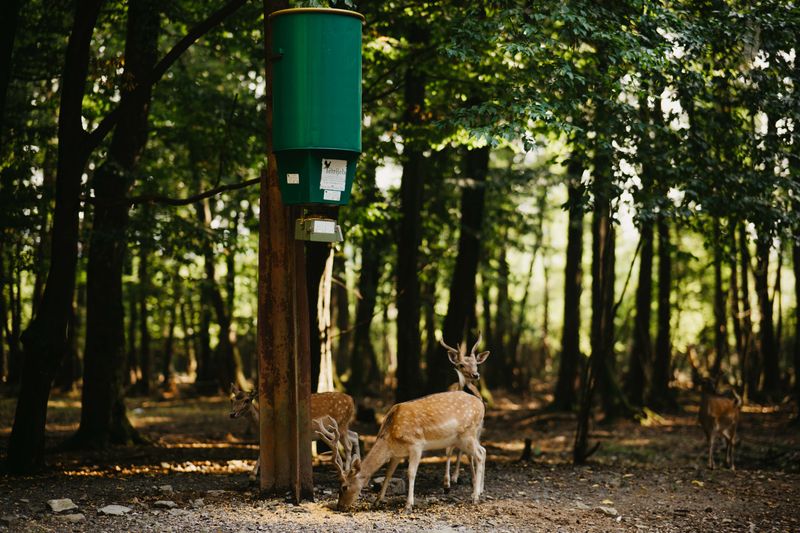
Watching a doe nibble corn at dawn feels magical, but in this state that pile of corn breaks the law. Feeding wild deer or moose on purpose is banned statewide at every time of year, and the state tightened the rules in December 2019.
The rule comes from Environmental Conservation Law 11-0505 and state regulation Part 186, enforced by wildlife officials. Feeding draws deer into tight groups, which can spread diseases like chronic wasting disease much faster between animals.
Crowded deer also cross roads more often, munch on your shrubs, and bring ticks closer to your back door. I learned that last part the hard way after finding deer prints right beside my vegetable beds one morning.
Bird feeders get a fair bit of wiggle room under these rules, which surprises many backyard birders. Deer snacking on spilled seed only counts as a violation if the state already sent you a written warning.
Stores selling deer food or feeding gear must add a label explaining that using it is illegal here. So if you spot deer corn at a farm store, that warning sticker tells you exactly where things stand.
To keep birds happy without inviting deer, hang feeders higher and clean up fallen seed every few days. Baffles and seed trays under feeders also reduce messy spills that tempt hungry deer during the cold months.
Planting native shrubs that deer dislike, like spicebush, gives wildlife cover without becoming an easy buffet. You still get lovely visitors, just ones that do not turn your garden into their nightly salad bar.
4. Oversized Stone Patios And Paved Backyards
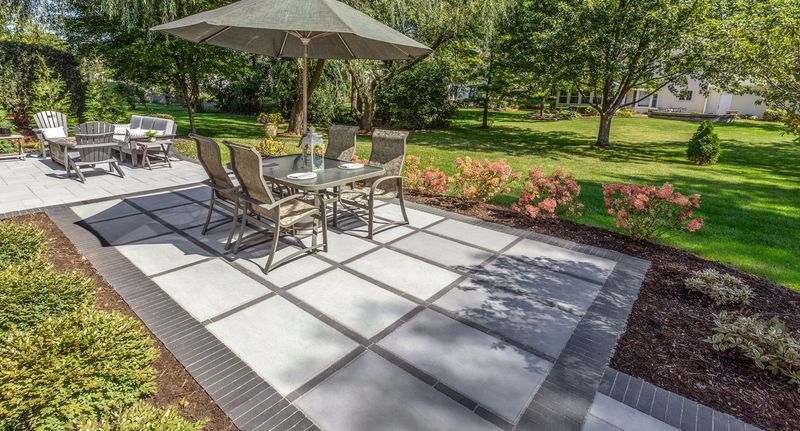
Stone patios look gorgeous in photos, yet adding one too many square feet can land you in zoning trouble. Many towns cap how much of your lot can be covered by buildings, driveways, and hard surfaces.
Suburbs in Westchester, Nassau, and Suffolk counties enforce these lot coverage limits fairly strictly for most homeowners. Residential zones commonly allow somewhere around 25 to 40 percent coverage, though each town sets its own exact number.
A new patio, wide driveway, or big pool deck can push your property over that limit without warning. When that happens, you may need a variance, which means paperwork, fees, and sometimes a public hearing.
New York City has its own Zoning Resolution with rules for lot coverage, open space, and rear yards. Those rules shape how much of a city backyard can disappear under concrete, decks, or new building additions.
Hard surfaces send rainwater rushing into streets and drains instead of letting it soak into the soil slowly. That runoff can flood basements and carry lawn chemicals into nearby streams, which nobody really wants next door.
Before I expanded my own patio, a quick call to the building department saved me from a costly redo. Ask for your zoning district and coverage percentage, then measure everything before you order a single paver.
Permeable pavers, gravel paths, and stepping stones set in thyme can give you outdoor space with less runoff. Some towns treat these materials differently in coverage math, so confirm the local rules before starting your project.
5. Front Yards Paved Over For Car Parking
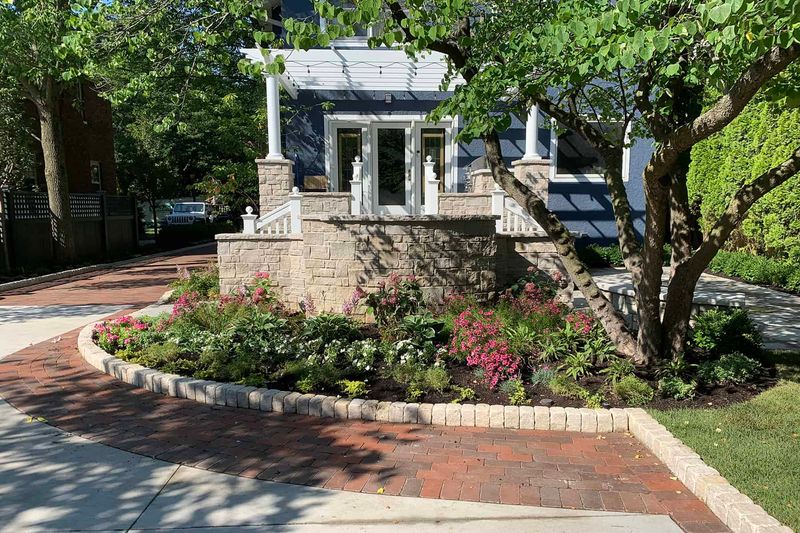
Parking spots in Queens can feel rarer than ripe tomatoes in April, so paving the front yard looks tempting. City zoning rules generally forbid turning an entire front yard into a private parking pad for cars.
Residential districts require part of the front yard to stay unpaved and planted with living green material. Depending on lot width, that share can range from about 20 percent on narrow lots to 50 percent on wider ones.
The Department of Buildings can issue violations for illegal front yard parking, especially in parts of Queens, Brooklyn, and the Bronx. Fines and orders to restore planting can follow, which turns a quick paving job into an expensive headache.
Those planted strips do real work on rainy days, soaking up water that would otherwise flood the sewers. They also cool hot sidewalks a little and give bees a small stopping point along busy city blocks.
I love how a few tough perennials can soften even a tiny concrete-heavy front yard in the city. Native little bluestem, coneflowers, and asters handle sun, salt spray from roads, and the occasional careless foot traffic.
If you inherited a paved front yard, check your zoning before assuming it was legal all along. Removing some concrete and adding a planting bed can bring the space back into compliance and improve curb appeal.
Raised beds alone may not count as planted area, so read the definitions carefully before you build anything. A quick talk with a licensed architect or expediter can clear up confusing rules for your specific lot.
6. Overgrown Weeds On Vacant Property Lots
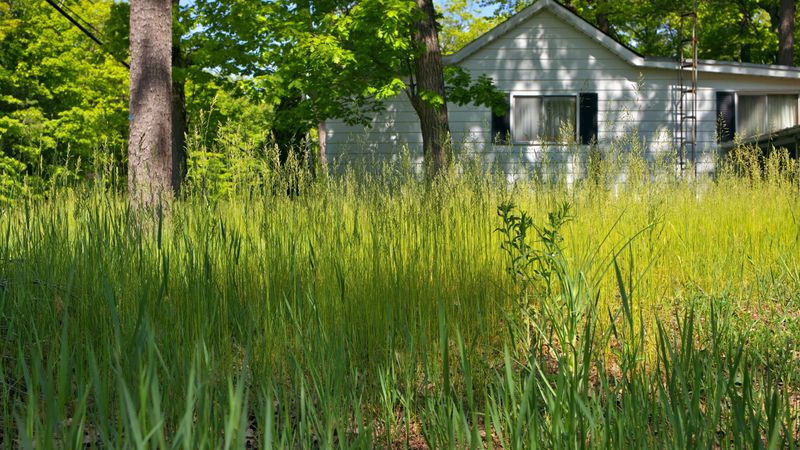
Knee-high weeds around an empty house can make a whole block feel forgotten and a little bit spooky. Communities across the state have pushed back using vacant property rules that hold owners responsible for upkeep.
A model Vacant Property Registration Ordinance gives cities a template for tracking abandoned homes and their neglected yards. Owners usually must register the property, pay fees, and sometimes submit a restoration plan when things fall apart.
Each municipality decides whether to adopt these rules, so details vary from one city to the next. Many towns also have separate property maintenance codes that limit tall grass, trash piles, and unsafe yard structures.
Neglected lots can attract rodents, hide broken glass, and give invasive plants a perfect place to spread. They also lower neighbors’ property values, which explains why local governments take these overgrown yards seriously.
I once helped clean a vacant lot on my street, and the transformation lifted everyone’s mood within a weekend. We hauled trash, cut back brush, and planted a few native shrubs that now bloom every spring.
If you own a second property or are settling a family estate, keep the yard mowed even while empty. Hiring a seasonal lawn service often costs less than fines, registration fees, or emergency cleanups ordered by the city.
Worried about a neglected yard nearby, you can usually report it to your local code enforcement office. A polite call often starts the process faster than complaining online, and it keeps neighborhood relationships calmer too.
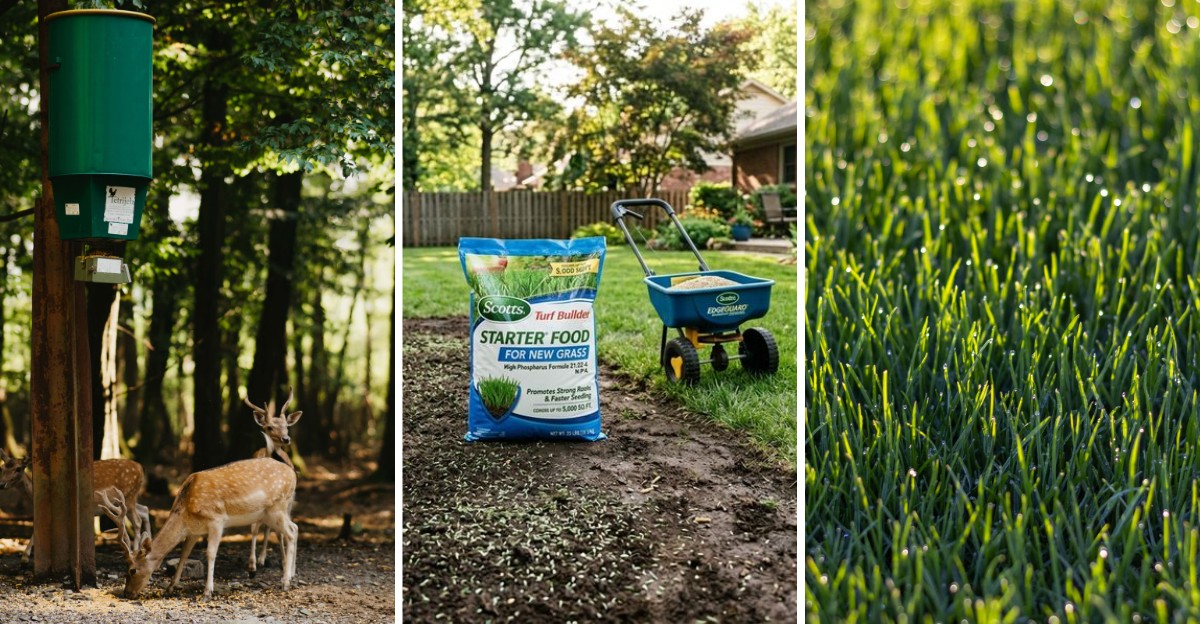
7. Phosphorus Lawn Fertilizer Bags In The Garage
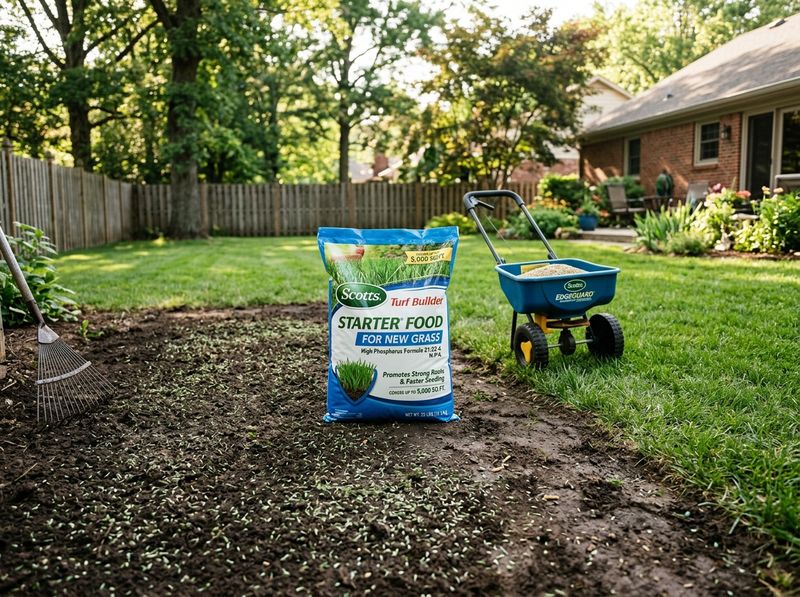
That bag of fertilizer in your garage might carry a middle number that quietly matters a lot here. The second number on the label shows phosphorus, and state law limits using it on established lawns.
The Nutrient Runoff Law restricts phosphorus lawn fertilizer unless a soil test shows your lawn needs it. New lawns being seeded or sodded also get an exception, since young grass sometimes needs that extra boost.
Phosphorus washing off lawns feeds algae blooms in lakes and ponds, turning clear water into green soup. Those blooms can lower oxygen for fish and spoil summer swimming spots that families love to visit.
The law also bars spreading fertilizer between December 1 and April 1, when frozen ground sends nutrients straight into runoff. Keeping fertilizer at least twenty feet from water is required too, unless certain buffers or spreaders are used.
I sent a soil sample to my county Cornell Cooperative Extension office and found my lawn had plenty already. That simple test saved me money and gave me a clear plan instead of guessing every spring.
Grass clippings left on the lawn return nutrients naturally, so skip bagging them whenever you mow. A thin layer of compost in early fall can feed the soil gently without risking a pond full of algae.
Sweeping stray granules off sidewalks and driveways also matters, since pavement sends them right into storm drains. Small habits like these keep your lawn healthy while protecting the water your whole town depends on.
8. HOA Rules Requiring Perfect Grass Lawns
Some homeowners’ associations treat a single clover patch like a crime against the entire neighborhood. A proposed state bill would flip that script by protecting homeowners who choose eco-friendly yards instead of plain grass.
Senate Bill S9133, called the Low Impact Landscaping Rights Act, would stop associations from unreasonably blocking these greener choices.
It covers features like pollinator gardens, rain gardens that slow down stormwater runoff, habitat gardens for wildlife, and natural gardening with native New York plants.
The bill’s supporters point out that uniform turfgrass lawns of bluegrass and fescue offer little help to pollinators. Those lawns often need extra water, mowing, and chemicals, which adds work and cost for busy homeowners.
Remember that this bill is not law unless the governor signs it, so current association rules may apply until then. Check your bylaws before ripping out grass, and ask the board in writing if anything feels unclear to you.
I swapped one corner of my lawn for native plants, and the bumblebee traffic surprised me right away. Black-eyed Susans and wild bergamot now hum with life from midsummer until the first cool nights arrive.
Starting small often wins over skeptical neighbors who worry a natural yard will look messy or unkempt. Clean edges, a tidy path, and a small sign about pollinators show the garden is planned on purpose.
Rain gardens make another easy win, catching roof runoff in a shallow dip planted with water-tolerant natives. Cornell Cooperative Extension offers free guides, so you can design one that fits your soil and your yard.