This Natural November Trick Can Help Thicken Your Texas Lawn
Those crunchy brown piles you bag every fall hold a good share of the minerals your trees pulled from the soil all summer. I used to haul them to the curb by the dozen, sweating and grumbling the whole time.
To my surprise, turf researchers found that shredded leaves can feed a lawn instead of smothering it. Michigan State University tested this for years and saw no harm to the grass. Some plots even greened up faster the next spring.
Texas yards get a front row seat for this. Our oaks, pecans, and maples drop their loads in November, right when warm-season grass is slowing down for winter. The timing feels almost planned.
I can’t imagine going back to my old rake and bag routine now. The best part costs nothing and takes less effort than what you already do. Ready to see what your mower can really do?
That Pile Of Fallen Oak Leaves Is Worth More Than You Think
Every autumn, homeowners across the country send millions of tons of leaves to landfills. The EPA counts yard trimmings as a major part of household waste, and leaves make up a big share of that pile.
I find that a little sad, because those leaves are packed with carbon, small amounts of nitrogen, potassium, and trace minerals.
Trees spent all year pulling those goodies out of the ground. When leaves fall, nature is trying to hand them back.
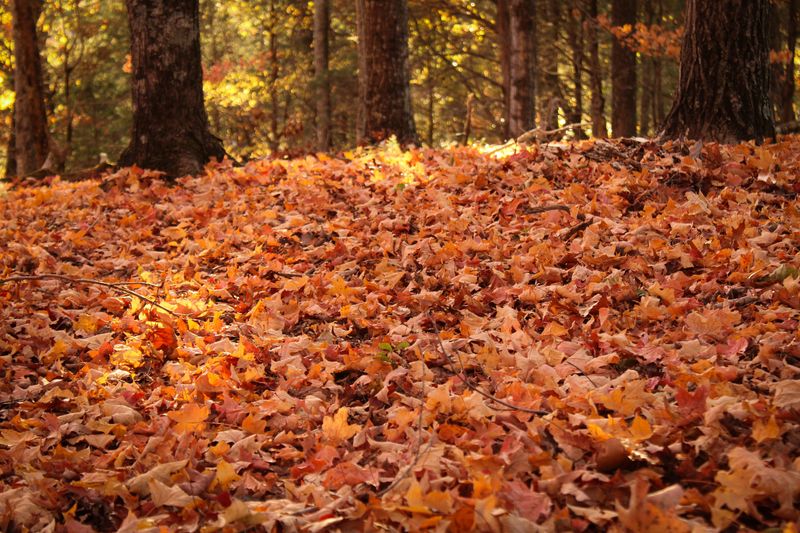
In a forest, nobody rakes. Fallen leaves slowly break down and build the dark, crumbly layer that keeps woodland soil healthy. Your lawn can tap into the same cycle with one small change in habits.
The trick is not leaving whole leaves in thick mats on top of your grass. That can block light and trap moisture. Instead, the goal is to turn them into confetti-sized bits that slip down between grass blades.
Once they reach the soil surface, the real work begins. Worms, fungi, and bacteria get to work, and your turf gets a slow, gentle boost over the cooler months.
Fun fact: a single mature shade tree can drop hundreds of pounds of leaves in one season. That is a lot of free food sitting in your yard.
Your Mulching Mower Does The Heavy Lifting
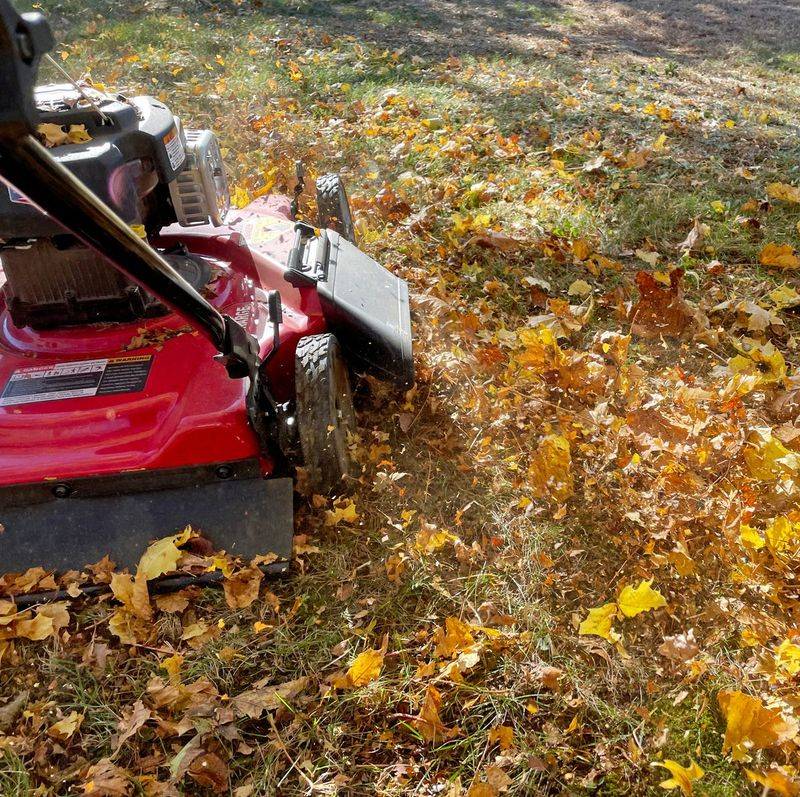
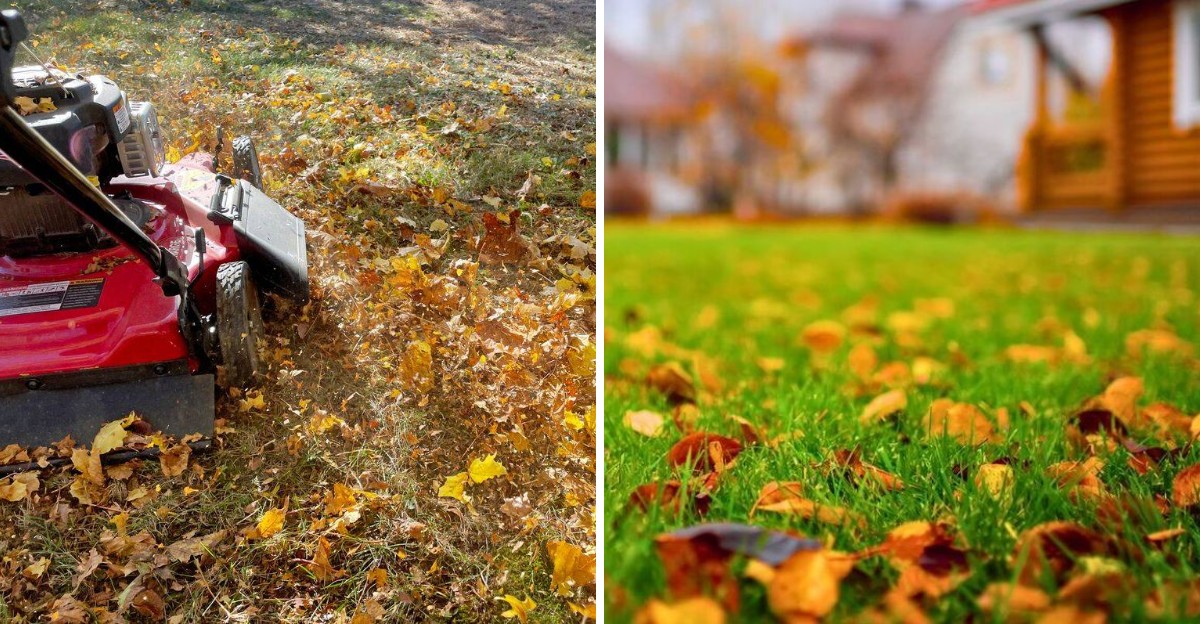
Grab the mower instead of the rake, and you have already cut your fall workload in half. A mulching mower, or a regular mower with a mulching blade, chops leaves into tiny flakes as you go.
Set the deck at your normal mowing height or a notch higher. Leave the bag off and close the side chute if your mower has a mulching plug. Then mow over the leaves the same way you would mow grass.
You want the pieces to be about the size of a dime or smaller. If you can still see lots of big leaf chunks after one pass, mow again in a different direction. Two passes usually do the job.
Personally, I like mowing when leaves are dry and crunchy. Wet leaves clump, stick under the deck, and shred unevenly. A sunny afternoon after a dry spell is ideal.
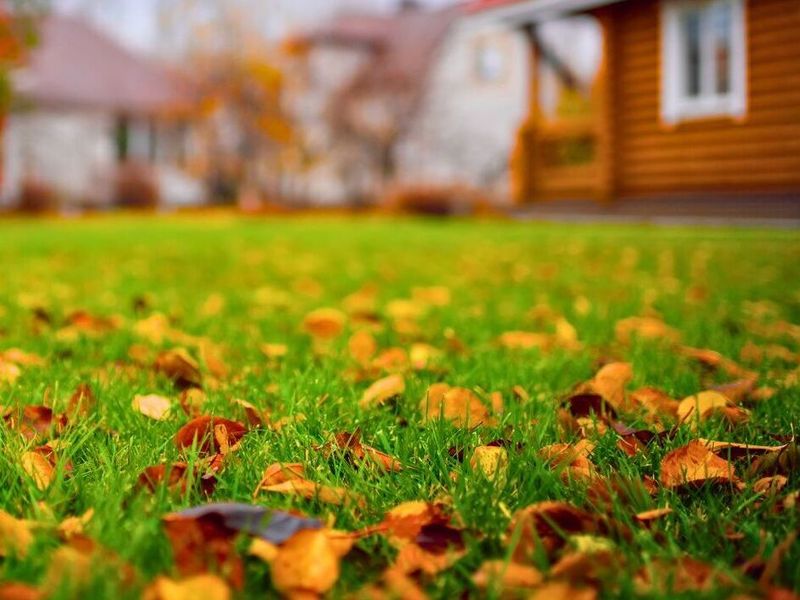
When you finish, take a closer look at the grass. You should see green blades poking through a light sprinkle of brown bits, not a solid brown carpet. That is the sweet spot.
No mulching mower? A standard rotary mower still works well. It just may need an extra pass to get the pieces small enough.
Thin Layers Of Shredded Leaves Keep Grass Blades Breathing
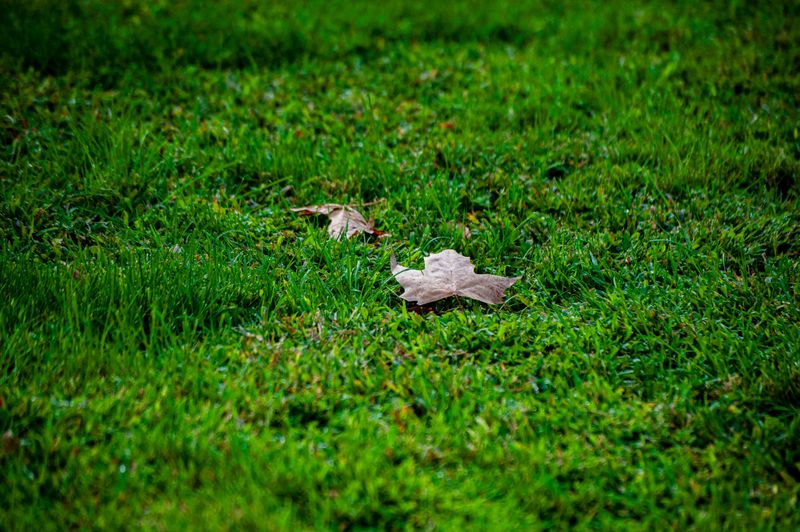
Here is my simple rule of thumb: if you can see at least half of the grass after mowing, you are in good shape. Too many leaves at once can turn a helpful trick into a problem.
Thick, wet leaf mats block sunlight and hold moisture against the grass. In Texas, that can invite fungal trouble like large patch, which loves cool, damp fall weather in St. Augustine and zoysia lawns.
So how do you avoid overdoing it? Mow often while leaves are falling, maybe once a week in heavy drop periods. Smaller, frequent loads break down much faster than one giant pile.
If your yard sits under several big trees, you may end up with more leaves than your lawn can handle. In that case, mulch what you can and move the extra to garden beds or a compost pile.
Some folks bag a portion with the mower and dump those shredded leaves around shrubs. They make an excellent free mulch that holds in moisture and calms weeds.
Watch your lawn after a week or two. The flakes should be mostly gone, settled into the soil. If brown bits are still sitting on top, ease up a little next time.
Earthworms And Soil Microbes Throw A Feast Underground
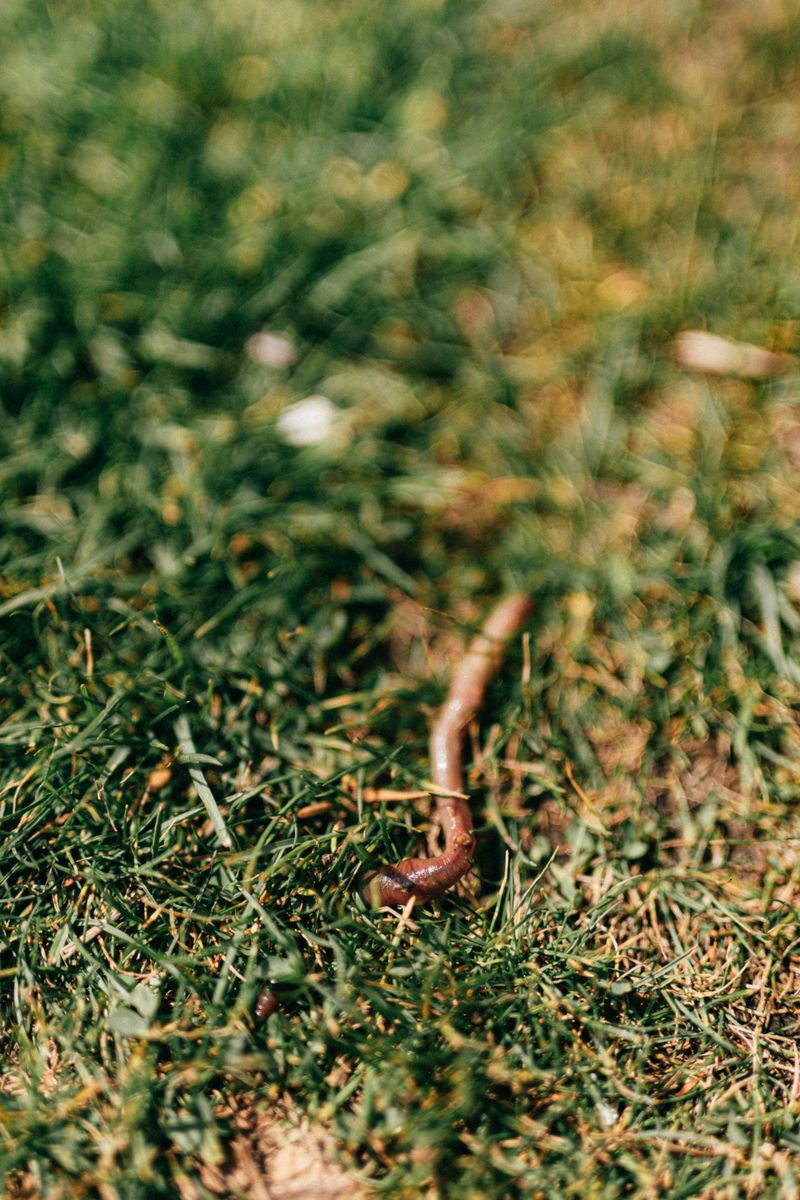
Believe it or not, the busiest part of your yard in November is hidden under your feet. Once shredded leaves hit the soil, an army of tiny workers shows up for dinner.
Earthworms pull leaf bits down into their tunnels. Bacteria and fungi break the tougher pieces apart. Together they turn yesterday’s leaves into organic matter, the dark stuff that makes soil soft and crumbly.
Why does that matter for a thicker lawn? Organic matter acts like a sponge. It helps sandy soil hold water longer and helps heavy clay drain better, both common issues across Texas.
Worm tunnels also open little pathways for air and rain. Roots follow those paths deeper, and deeper roots mean grass that handles summer heat and dry spells more easily.
Texas A&M AgriLife experts often point out that healthy soil is the base of a healthy lawn. Fertilizer can give grass a quick snack, but organic matter builds a pantry that lasts.
I love knowing that my lazy fall mowing is quietly feeding a whole underground neighborhood. You are not just tidying up the yard. You are growing better dirt, one leaf at a time.
Bermuda And St. Augustine Grass Respond Differently In Fall
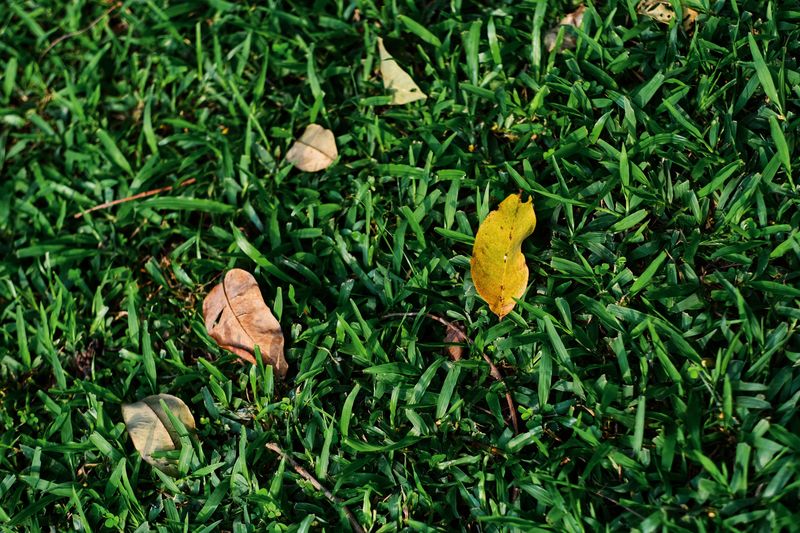
Most Texas lawns run on warm-season grass, and that changes how November works. Bermuda, St. Augustine, zoysia, and buffalograss all slow way down as temperatures cool.
Bermuda often turns tan and goes dormant after the first frost in North and Central Texas. A light leaf mulch on dormant Bermuda rarely causes trouble, since the grass is resting anyway.
St. Augustine is fussier. It is shade-tolerant, so it often grows right under the trees dropping the most leaves. It also stays green longer and can struggle with large patch disease, so keep leaf layers especially thin here.
Down in the Rio Grande Valley and along the coast, grass may stay partly active through winter. Out in the Panhandle, dormancy arrives earlier and lasts longer. Leaf drop timing shifts with these zones too.
The main point is the same for every grass type. Shredded leaves feed the soil slowly over the cool months, so roots wake up in spring with more to work with.
Not sure which grass you have? Your county AgriLife Extension office can help you identify it. Knowing your turf makes every fall decision a little easier.
Skip The Heavy Nitrogen Fertilizer This Late In The Season
Nobody warned me that feeding warm-season grass in late fall could backfire. I once dumped a high-nitrogen fertilizer on my lawn in November and wondered why spring looked so patchy.
Texas A&M AgriLife guidance generally recommends finishing nitrogen applications on warm-season grass several weeks before the first expected frost.
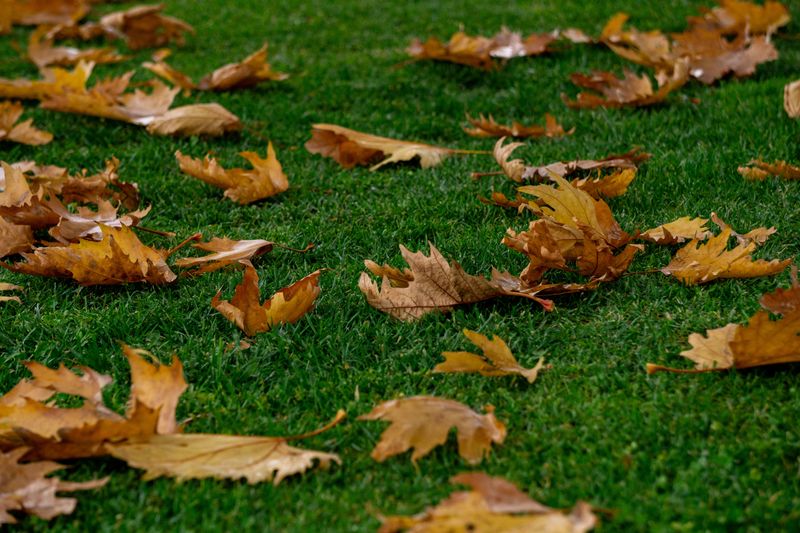
Late nitrogen can push tender growth that frost damages, and it may raise the risk of diseases like large patch.
That is where shredded leaves shine. They release nutrients slowly, at a pace dormant grass can handle. You get soil improvement without forcing growth at the wrong time.
Some research has found that lawns with regular leaf mulching need less fertilizer over the long run. Healthier soil holds onto nutrients better, so less washes away in heavy rain.
If you want to add anything this time of year, consider a soil test first. AgriLife offers affordable testing, and the results tell you exactly what your yard needs.
Save your main feeding for spring, after the grass fully greens up. Mid to late April works for much of the state. Your wallet and your turf will both be happier.
Extra Leaves Make Brilliant Compost And Garden Bed Mulch
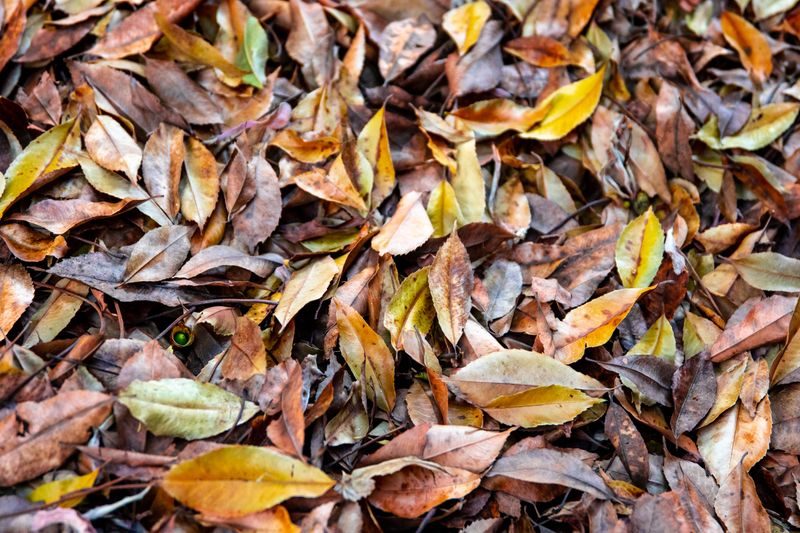
Got more leaves than your lawn can swallow? Lucky you, because gardeners pay good money for what is sitting in your yard right now.
Leaves are a classic brown ingredient for compost. They supply carbon, which balances green materials like grass clippings, coffee grounds, and vegetable scraps. A rough mix of about two or three parts browns to one part greens works well.
Shredding leaves before adding them speeds things up a lot. Whole leaves can mat together and take a year or more to break down. Chopped ones may turn into rich compost by late spring.
You can also spread shredded leaves two to three inches deep around shrubs, perennials, and vegetable beds. That layer keeps soil temperatures steadier on chilly nights and helps hold moisture.
One quick tip from experience: keep mulch a few inches away from tree trunks and plant stems. Piling it right against bark can hold too much moisture.
Some cities across Texas also collect leaves for municipal composting programs. Check with your local solid waste department if you truly cannot use them all. Either way, those leaves get a second life instead of filling a landfill.
A Thicker Spring Lawn Starts With Tonight’s Leaf Pile
You’ll love how easy this becomes once it turns into a habit. Mow, shred, repeat, and let nature handle the rest through winter.
Do not expect overnight miracles, though. Leaf mulching builds soil slowly, and the biggest results show up after a few seasons. Think of it as a savings account for your yard.
To get the most from it, pair this trick with smart basics. Mow at the right height for your grass, water deeply but less often, and aerate compacted spots in late spring or early summer when warm-season grass is actively growing.
Keep an eye out for trouble spots too. Circular brown patches in St. Augustine during cool, wet weather may signal large patch. Thin out leaves there and improve drainage if water tends to sit.
Next November, try leaving one section of your yard leaf-mulched and compare it to a raked area come spring. Watching the difference yourself is half the fun.
I truly believe this is one of the simplest upgrades any Texas homeowner can make. It saves time, cuts waste, and gives your grass a stronger start. Not bad for something that falls right out of the sky.