Will Faded Mums Survive A Texas Summer? 6 Things To Do This Month
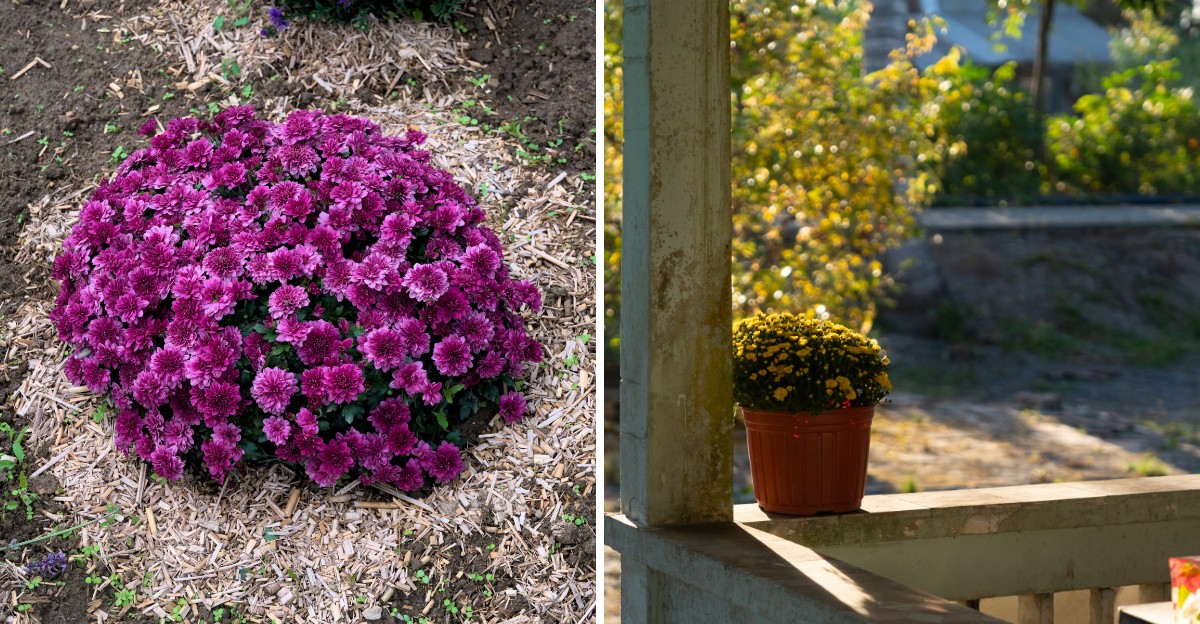
Those cheerful fall pots on your porch bloom because long nights flip a switch inside their buds. Cool autumn air gets the credit, yet darkness does most of the work quietly behind the scenes.
Believe it or not, many of those faded pots are perennials that can return for years with decent care. Plenty of shoppers still toss them into the trash once the last petals turn crispy and brown.
I have to admit that I used to be one of those shoppers every single November in Texas. Our brutal summer heat felt like a test no tired potted plant could possibly pass back then.
To my surprise, a few simple chores this month can tip the odds strongly in favor of your plants. Are you ready to find out whether your faded Texas beauties have another season left in them?
1. Leave Faded Mum Stems Standing Through Winter
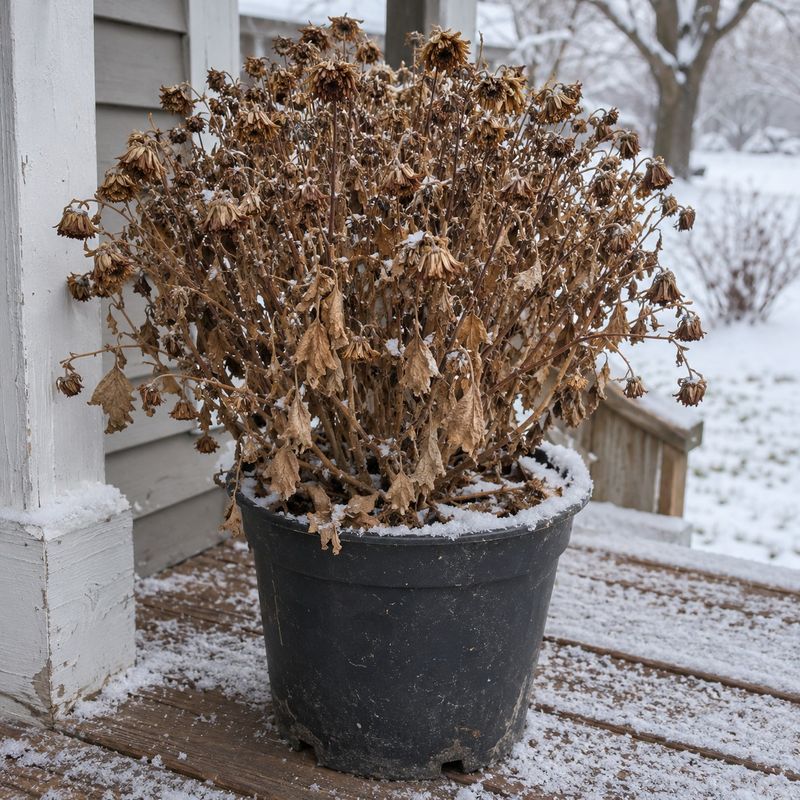
Those brown stems look messy, but they work like a cozy scarf for the crown below. I used to grab my pruners the moment petals faded, and my plants paid the price.
Old foliage traps a little pocket of still air and catches fallen leaves around the base. That extra layer helps shield tender buds hiding at soil level from sudden cold snaps.
Garden mums form next year’s shoots near the crown during winter, so protecting that spot really matters. A plant left alone usually wakes up stronger than one sheared to the ground in fall.
You can still snip off spent flower heads if they bother you or look moldy. Just leave the stems and leaves in place, even when the neighbors give you funny looks.
Birds and helpful insects also appreciate the shelter that standing stems provide during long chilly months. Some beneficial bugs quietly spend the winter tucked inside plant stems and fallen leaf litter nearby.
Mark your calendar for early spring, when fresh green shoots start poking up from the base. That is when you cut old stems to about an inch or two above the soil.
Personally, I tuck a small plant label beside each clump so I remember where they sit. Bare-looking spots are easy to trample or dig into by accident during busy winter chores.
Patience feels strange in a tidy garden, yet it pays off nicely when summer heat arrives. A strong, well-rooted plant handles hot afternoons far better than a stressed one starting from scratch.
2. Tuck Shredded Leaf Mulch Around Chrysanthemum Roots
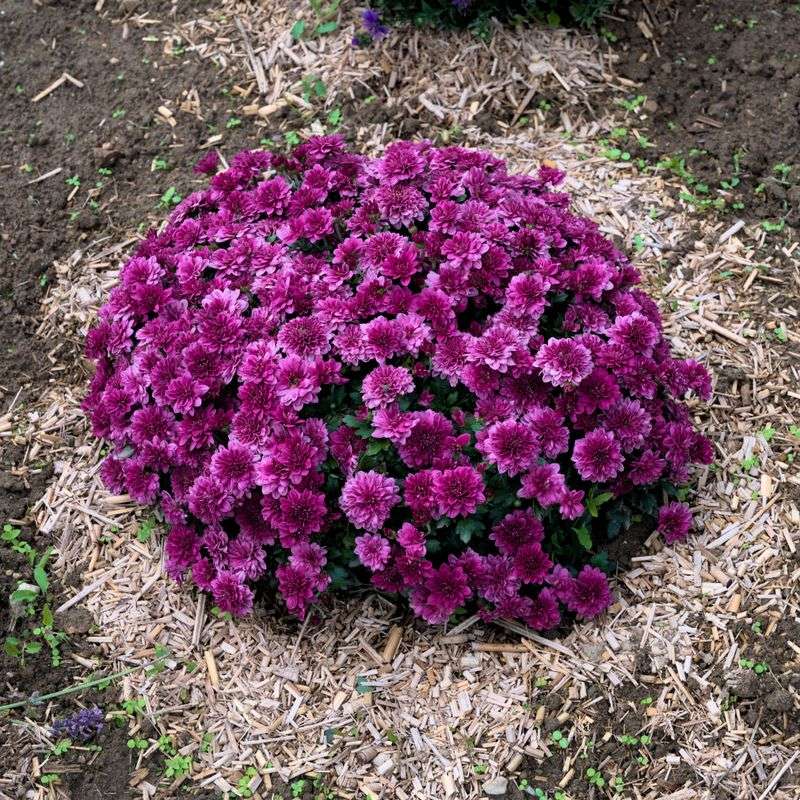
Shallow roots are the soft spot of every garden mum, and they hate bouncing between frozen and thawed. A blanket of mulch keeps soil temperatures steadier, which is exactly what those fibrous roots crave.
Freeze and thaw cycles can heave small plants upward, leaving roots exposed to dry, chilly winter wind. Even in much of Texas, a few sharp swings between warm days and icy nights happen most winters.
Wait until after your first hard frost, then spread two to four inches of organic mulch. In warmer southern areas where frost rarely shows up, late November or early December usually works fine.
Shredded leaves are my favorite choice because they are free and fall right into my lap each autumn. Pine straw or compost also works well and slowly feeds the soil as it breaks down.
Spread the layer a little beyond the edge of the plant so the whole root zone gets covered. Keep a small gap right around the stems, though, because damp mulch piled against them invites rot.
My favorite bonus shows up months later, when this same chore starts paying off in summer. That same mulch can stay in place through spring and helps keep roots cooler once triple-digit days roll in.
Just top it off in late spring if the layer has thinned out from rain and wind. Your mums will thank you with fresher leaves and fewer dramatic wilting tantrums on hot July afternoons.
3. Water Resting Mums Only When The Soil Feels Dry
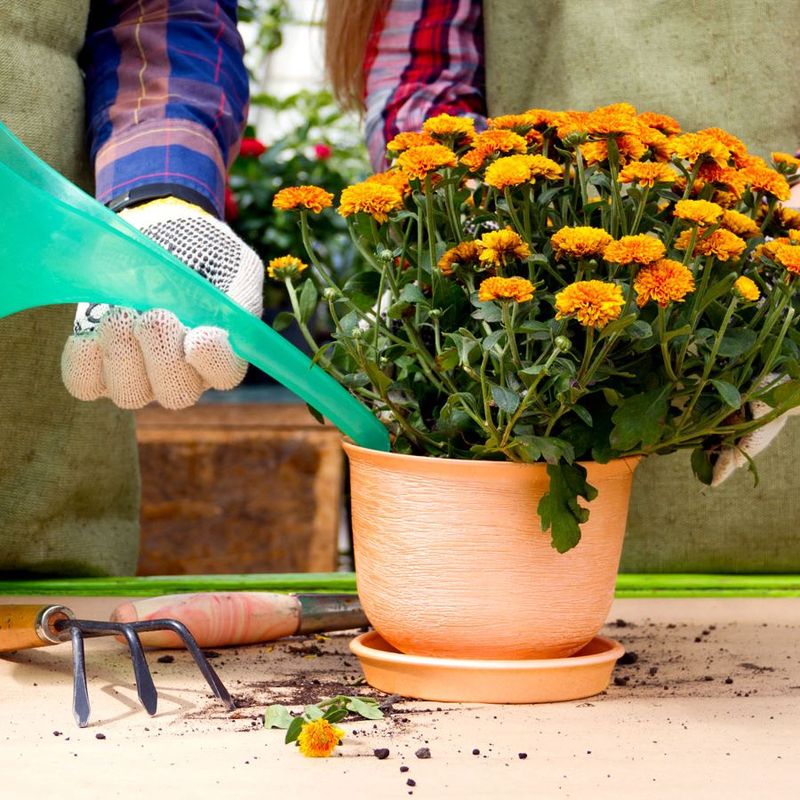
Overwatering harms more wintering mums than cold weather does, at least in my own garden beds. Soggy soil and chilly roots are a rough winter mix that often leads to rot below the surface.
Once blooms fade and growth slows, your plants simply need far less water than they did in September. Their roots are resting, so they sip slowly and gently instead of gulping like they did all summer.
My favorite moisture meter costs nothing at all because it is attached right to my hand. Push a finger one or two inches into the soil and feel for dryness before grabbing the hose.
Water only when that soil feels dry, and then give the plant a slow, thorough drink. Aim for soil that stays lightly moist rather than wet, kind of like a well wrung-out sponge.
Winter rain may handle most of the watering work for you in many parts of the state. Dry, windy stretches still happen, though, and potted mums usually dry out faster than plants in the ground.
Drainage really matters every season, so check that water soaks in instead of puddling around the crown. Heavy clay beds benefit from a little extra compost worked in when you plant or divide in spring.
Healthy roots now mean a sturdier plant when summer finally turns the heat way up next year. Rot-damaged roots rarely recover quickly enough to handle long, blazing afternoons in July and August.
4. Move Potted Mums From Porch Pots Into Garden Beds
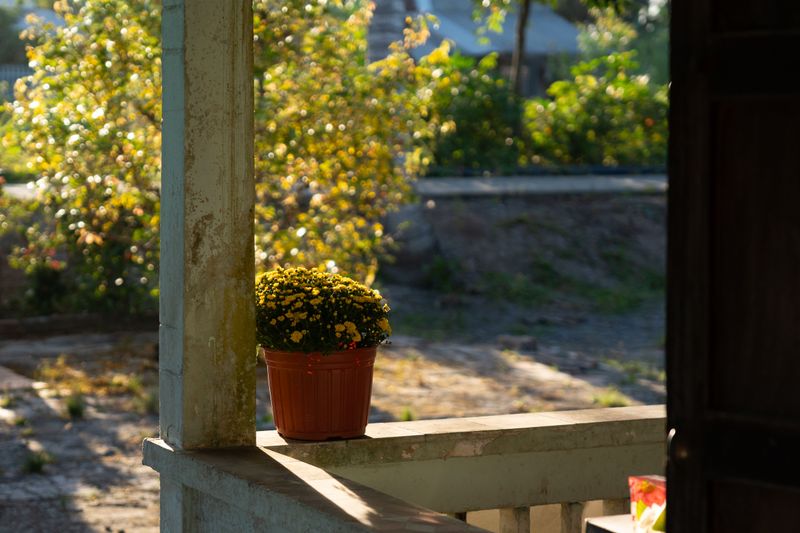
Grocery store mums often come packed so tightly in their pots that roots circle like a tangled ball of yarn. Those cramped plants were grown mainly for a single show, so they need a roomier home to stick around.
Garden soil insulates roots far better than a thin plastic pot sitting on a breezy porch. In a container, cold air hits the roots from every side instead of just from above.
Choose a sunny morning spot that drains well and gets a little afternoon shade if possible. That bit of shelter from late-day sun makes a big difference once summer heat arrives in force.
Gently tease apart circling roots before setting the plant in its hole at the same depth. Water it in well, since even a resting plant needs good contact between its roots and new soil.
If bed space is tight, sink the whole pot into the ground so the rim sits level with the soil. The surrounding earth acts like insulation, and you can easily lift it out again in spring.
Another option works well for gardeners in colder Panhandle towns where hard freezes are more common. An unheated garage or shed that stays between 32 and 50 degrees lets potted plants rest safely.
Check stored pots about once a month and add a splash of water if the soil turns dusty. Bring them back outside once spring weather settles and new shoots start showing at the base.
5. Put The Fertilizer Bag Away Until Spring
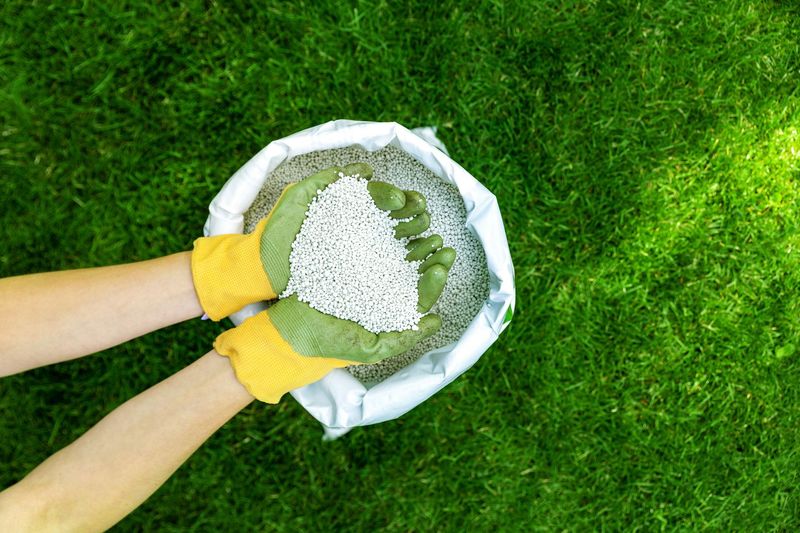
Feeding a sleepy mum in late fall is a bit like handing a toddler candy right before bedtime. All that nitrogen pushes soft new leaves at the worst possible moment, just as cold nights arrive.
Tender growth has no time to toughen up before frost, so it often turns black and mushy. That damage drains energy the plant would rather save for building strong roots and spring shoots.
Garden experts generally suggest stopping fertilizer once flower buds form in late summer or early fall. By now, your mums want rest, and rest does not require a single sprinkle of plant food.
Honestly, leaving the fertilizer bag on the shelf feels oddly lazy to me each year around this time. It turns out that doing nothing is the smartest move you can make for these plants this month.
Resume feeding in early spring, usually around March, when fresh green shoots start pushing up from the crown.
A balanced, slow-release fertilizer gives steady nutrition without causing a sudden flush of weak, floppy growth.
Spring feeding helps plants build the thick roots and sturdy stems they need for the long summer. A well-fed, well-rooted mum has a much better shot at shrugging off long stretches of scorching heat.
Store that bag somewhere dry so it is ready to go when the seasons change again. Clumpy, damp fertilizer can be hard to spread evenly, which makes spring feeding more frustrating than it needs to be.
6. Pick Hardy Sheffield Pink Garden Mums For Next Summer
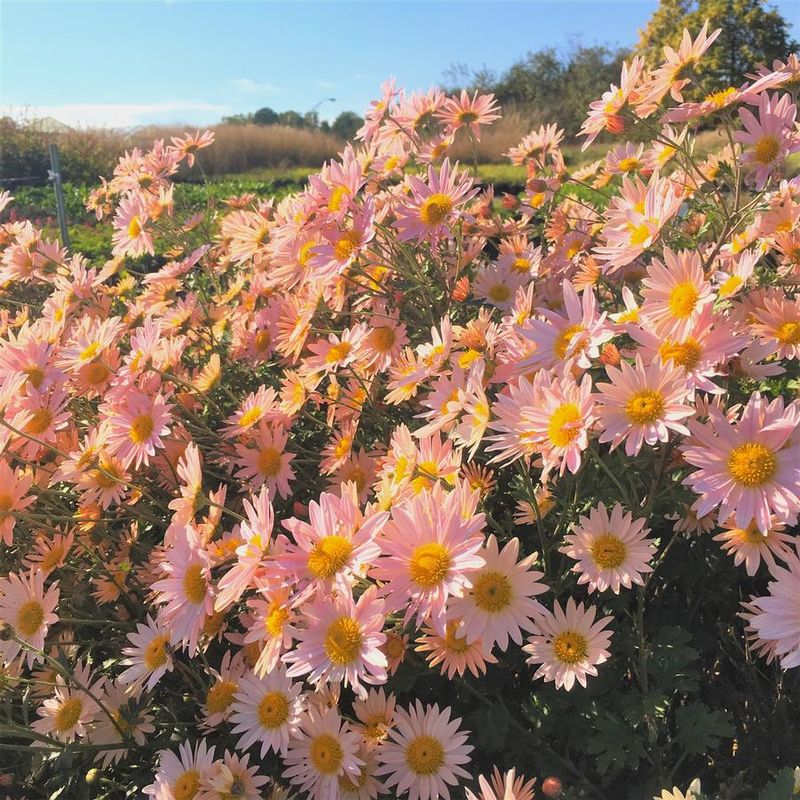
Not every mum on the store shelf was bred to come back, and that surprised me at first. Florist mums are mostly grown for one big indoor show, while garden mums are tough perennials.
Check old plant tags, or ask your local nursery which type you actually brought home this season. That single detail predicts a lot about whether a plant handles a long, hot Texas summer.
Old Southern favorites like ‘Sheffield Pink’ and ‘Clara Curtis’ have earned loyal fans for coming back year after year.
Both spread into wide clumps and bloom in warm pink and peachy shades that butterflies seem to love.
Make a short wish list this month while the colorful plants are still fresh in your memory. Spring is a better time to plant new garden mums, giving roots a few mild months to settle in.
Older clumps also deserve a spot on your calendar for next early spring, usually around March. Dividing them then refreshes tired plants that have grown thin or woody right in the center.
Dig up the clump, then keep the healthy outer pieces with fresh shoots and good roots attached. Replant those young divisions at the same depth and water them well while temperatures are still mild.
So will your faded mums actually survive a Texas summer and come back to bloom next fall? Hardy garden types with steady care and a little afternoon shade often do, and I love watching them return.