The Late-Fall Feeding That Decides How Your Ohio Lawn Greens Up By Spring
Grass blades in a November yard can look half asleep while the roots below keep working at full speed. I find that hidden shift fascinating, because the top of the plant slows down long before the bottom does.
Research from Ohio State University has shown that one well-timed autumn meal can push spring color weeks ahead of an unfed lawn. Turf scientists have studied this for decades, and the results keep pointing the same way.
I’ve been known to pack up the spreader the moment the first leaves start falling. You may have done the same thing, and honestly, nobody blames you for wanting a break.
The trick lives in a short window when the mower is parked but the ground is still soft. Get that timing right, and your yard could be the first green patch on the block next April. What happens down there in the cold is far busier than you’d ever guess from the porch.
Grass Roots Keep Eating Long After The Mower Goes Quiet
Your lawn has a quiet second shift that most people miss. Once air temperatures cool in late fall, top growth slows to a crawl, yet the roots of cool-season grasses keep absorbing nutrients as long as the soil stays above freezing.
Kentucky bluegrass, tall fescue, and perennial ryegrass make up most Ohio lawns, and all of them behave this way. Leaves still capture sunlight on mild days, so the plant keeps making sugars through photosynthesis.
With little energy going into new blades, those sugars head down instead. The grass tucks carbohydrates away in its roots, crowns, and rhizomes like a squirrel filling a hollow log.
That stored energy matters a lot. It helps the plant handle freezing temperatures, and it becomes the fuel that powers the first burst of growth when spring arrives.
A late-fall feeding taps right into this natural rhythm. You are adding nitrogen at the exact moment the plant wants to store it rather than spend it on leafy growth you would have to mow.
I love that the lawn does most of the work here. Your job is simply to stock the pantry while the door is still open, before frozen ground slams it shut for the season.
Stored Nitrogen Is What Paints Your Spring Lawn Green Early
Ohio State turf researchers found something pretty exciting years ago. Lawns that got nitrogen in late fall often greened up earlier in spring than lawns fed only in spring, and they did it with less leafy surge.
The reason comes down to storage. Nitrogen applied after top growth slows gets used to build and hold carbohydrates and proteins inside the plant, instead of pushing out tall blades.
When soil warms in March and April, the grass already has a stocked reserve. It can wake up and color up without waiting for spring fertilizer to dissolve and move into the root zone.
You also get benefits beyond color. Studies have linked late-season nitrogen to better root growth, improved density, and a turf that holds up better against summer stress.
There is a bonus that makes spring easier too. Because the lawn starts strong, many homeowners can trim back or skip a heavy early spring application, which often triggers fast top growth at the expense of roots.
Personally, I think of the fall feeding as the main meal and the spring feeding as an optional snack. That simple shift in thinking changed my whole calendar, and I suspect it could change yours.
Park The Mower First, Then Grab The Fertilizer Spreader
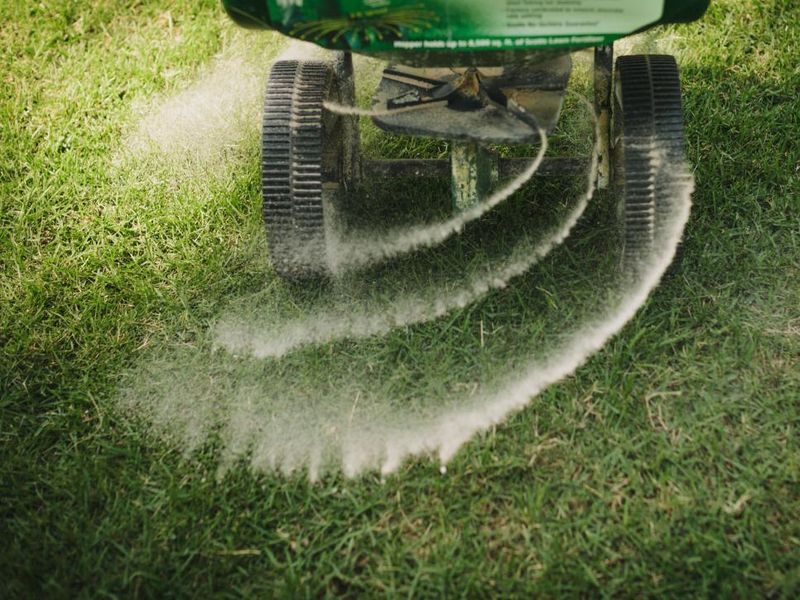
Timing is the whole game with this feeding. The sweet spot arrives after your grass stops needing regular mowing but while blades still show green color and the ground has not frozen.
For much of Ohio, that window usually lands from late October through November. In warmer southern counties near Cincinnati, it may stretch into early December during a mild year.
Northern areas around Toledo and Cleveland often cool sooner, so the window can close earlier there. Lake-effect snow belts may also cover the ground before you expect it.
A handy clue sits right in your garage. If you mowed for the last time a week or two ago and the lawn still looks green, conditions are probably right.
Going too early has a downside. Feeding during active September growth just feeds more blades, though an early fall application around Labor Day is still a helpful separate step.
Going too late carries risk as well. Fertilizer spread on frozen soil cannot soak in, and it can wash away with melting snow or rain.
Watch your local forecast, pick a calm dry day, and aim to finish before a hard freeze settles in.
Nitrogen Beats Fancy Winterizer Labels For Cool-Season Grass
Walk down any garden store aisle in October and you will spot bags labeled winterizer everywhere. Many of them carry a high middle or last number, suggesting extra phosphorus or potassium is the secret.
Research tells a simpler story. Ohio State work points to nitrogen as the main driver of late-fall benefits for cool-season turf, so focus your shopping on that first number.
Potassium does support stress tolerance, but most established lawns already have enough. A soil test is the only reliable way to know if you need more of it.
Phosphorus is a similar case. Mature Ohio lawns rarely need added phosphorus, and extra amounts can run off into streams and lakes, feeding algae blooms like those seen in Lake Erie.
For late fall, a quick-release nitrogen source such as urea often works best. Cold soil slows the microbes that break down slow-release and organic products, so those may not deliver nutrients in time.
Aim for roughly 0.5 to 1 pound of actual nitrogen per 1,000 square feet. Check the label math, since a 46-0-0 bag needs far less product than a 20-0-10 blend to deliver that amount.
Rake Or Mulch Those Fallen Leaves Before Spreading Granules
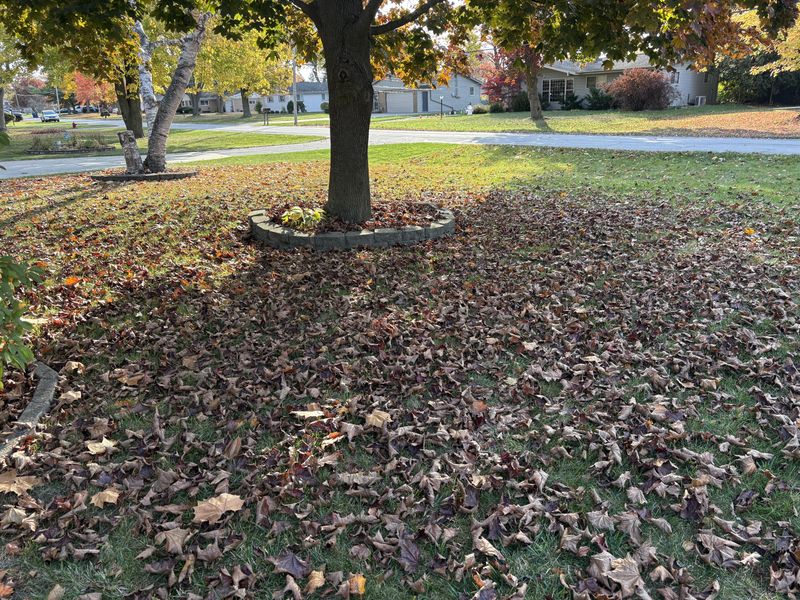
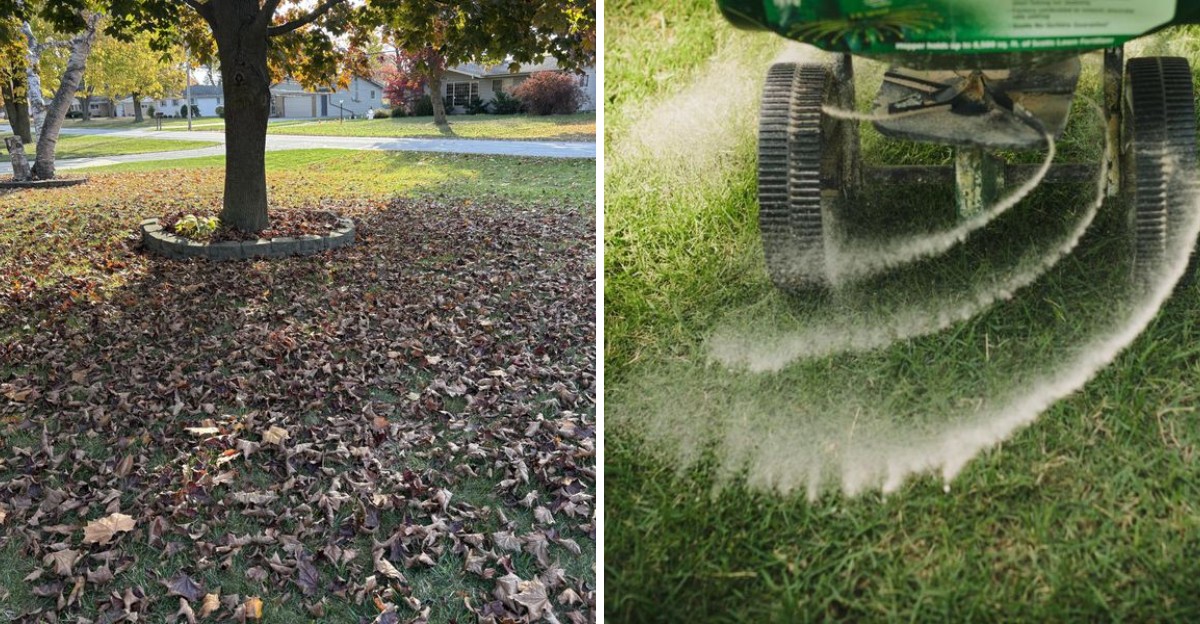
A thick blanket of oak and maple leaves looks cozy, but your grass sees it differently. Heavy leaf cover blocks sunlight, traps moisture, and keeps fertilizer granules from reaching the soil.
Matted leaves left all winter can also encourage snow mold, a fungal problem that shows up as gray or pink patches when snow melts. Clearing the surface first helps prevent that mess.
You do not have to bag every leaf, though. Running a mower over a light layer chops them into small bits that settle between blades and slowly return organic matter to the soil.
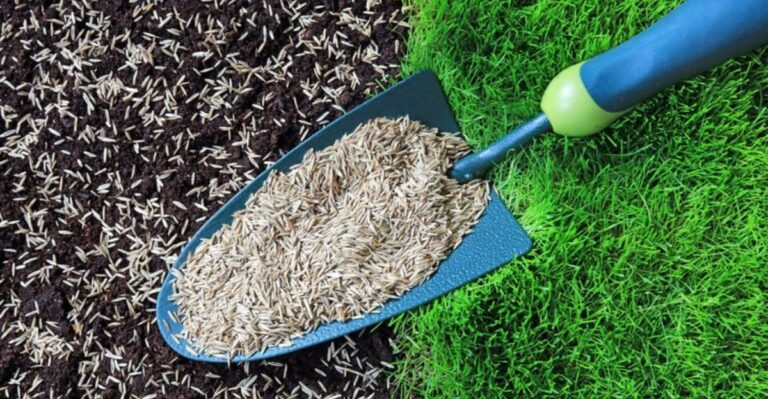
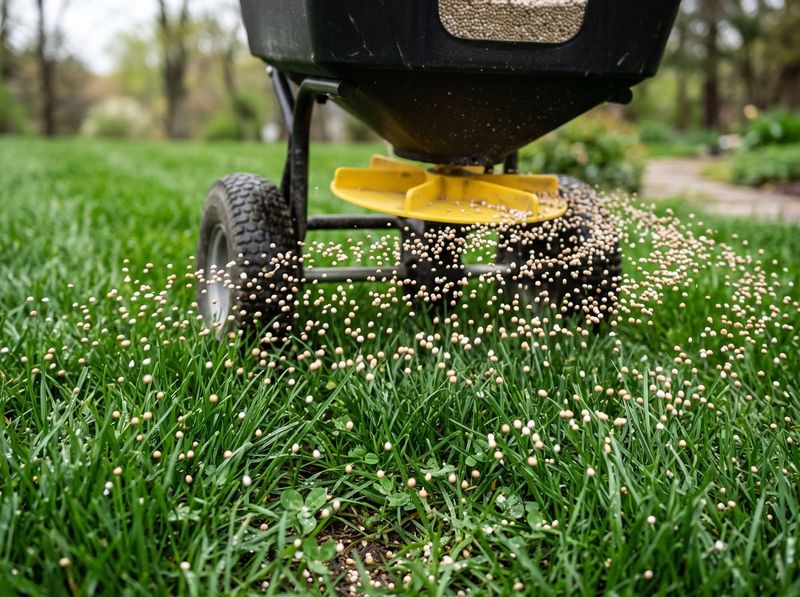
Spread fertilizer evenly with a broadcast or drop spreader. I like to make two passes at half the rate in a crisscross pattern, which helps avoid striped spots of light and dark green next spring.
Sweep stray granules off driveways, sidewalks, and streets right away. Anything left on hard surfaces can wash into storm drains and end up in local waterways.
A light rain or watering afterward helps move nitrogen into the root zone. Skip spreading when heavy rain is forecast, and keep a buffer of several feet from ponds, ditches, and creeks for the sake of local water quality.
Frosty Grass Blades Snap Easily Under Winter Footsteps
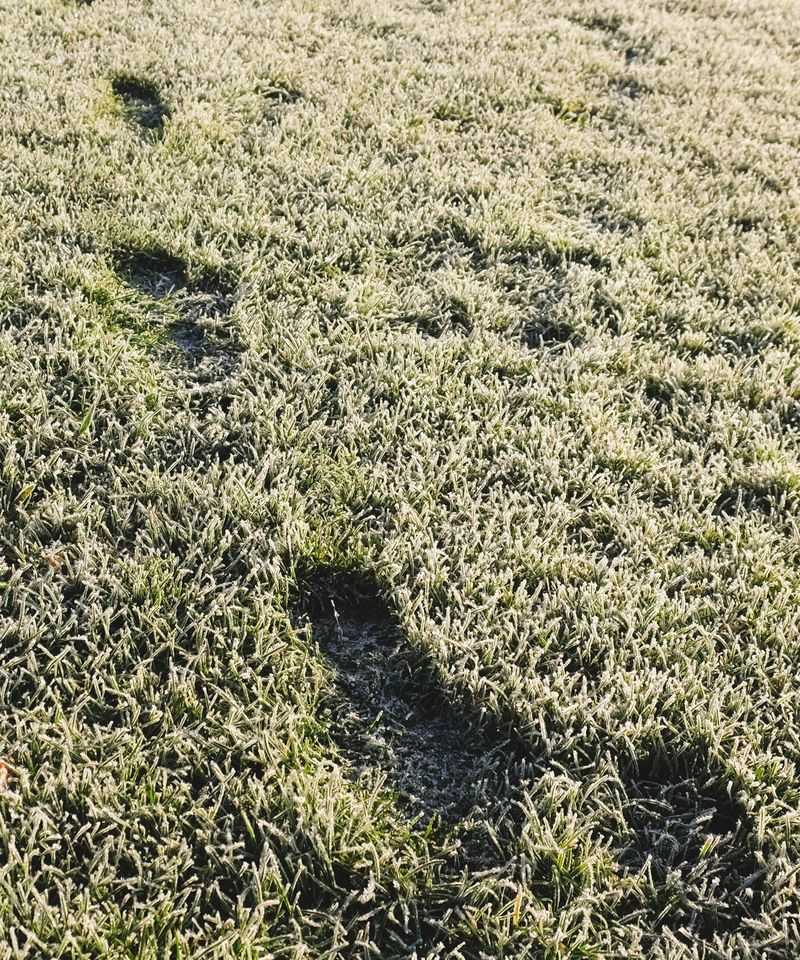
Ever noticed brown footprints appearing on your lawn in spring? Those tracks often trace back to a frosty winter morning when someone took a shortcut across the yard.
Frozen grass blades contain ice crystals that make them brittle. Step on them, and the cells can rupture instead of bending, leaving damage that lingers until new growth fills in.
Try to stick to paths and sidewalks when frost or a hard freeze covers the turf. Kids and pets may need a gentle reminder too, especially on the way to the school bus.
Your final mowing height also plays a role in winter health. Many experts suggest lowering it gradually to around 2 to 2.5 inches so blades are less likely to flop over and mat beneath snow.
Avoid scalping the lawn in one big cut, though. Dropping the deck too quickly stresses the plants right when they are building reserves.
Late fall is also a smart moment for broadleaf weed control. Dandelions and clover are moving sugars down to their roots now, so herbicides often travel with them, giving you better results than a spring spray.
Follow label directions carefully and pick a mild day above about 50 degrees.
A Simple Soil Test Kit Shapes Next Year’s Lawn Plan
Guessing at fertilizer needs is a bit like cooking without tasting. A soil test takes the guesswork away, and late fall is a great time to collect samples while you are already out in the yard.
Grab a trowel or soil probe and take a dozen small cores about three to four inches deep from around the lawn. Mix them in a clean bucket and send a cup of the blend to a lab.
Your county Ohio State University Extension office can point you toward labs and help interpret results. The report will show pH, phosphorus, potassium, and other details that shape your next steps.
Most lawns do best with a pH between about 6.0 and 7.0. If yours runs low, lime can help, and fall is a fine time to apply it.
Results also tell you whether that potassium-heavy winterizer bag is worth buying. Often it is not, and you save money.
Here is my favorite takeaway from all of this. A careful late-fall feeding, a cleared surface, and a little soil knowledge add up to a thicker, earlier green lawn that crowds out weeds next spring.
Mark your calendar for November now, and future you will be grateful.