Bitten by a Copperhead While Raking Leaves in North Carolina? Here’s What to Do
A copperhead can deliver a bite without injecting any venom at all. Doctors call it a dry bite, and nobody can tell one apart from a venomous bite out in the yard.
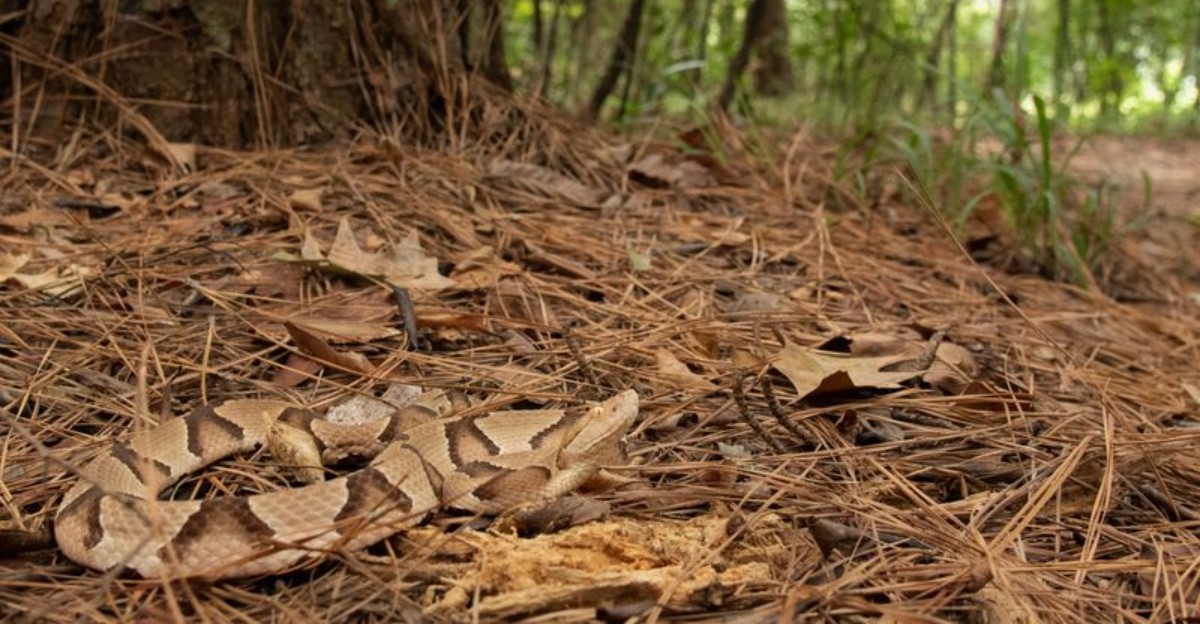
That little fact changes how I look at fall cleanup. Those crunchy leaf piles hide a snake whose copper and tan bands match oak leaves almost perfectly. In North Carolina, this snake causes more bites than any other venomous species.
I love raking season, with the cool air and the earthy smell of damp leaves. Still, I can’t help but think that most of us have no real plan for a surprise strike.
Old stories about ice, knives, and sucking out venom still float around, and many of them cause harm. So what should your hands and feet actually do in those first shaky minutes? The answer is simpler than you might guess, and calmer too.
1. That Sharp Sting Inside Your Leaf Pile Calls for a Few Quick Steps Back
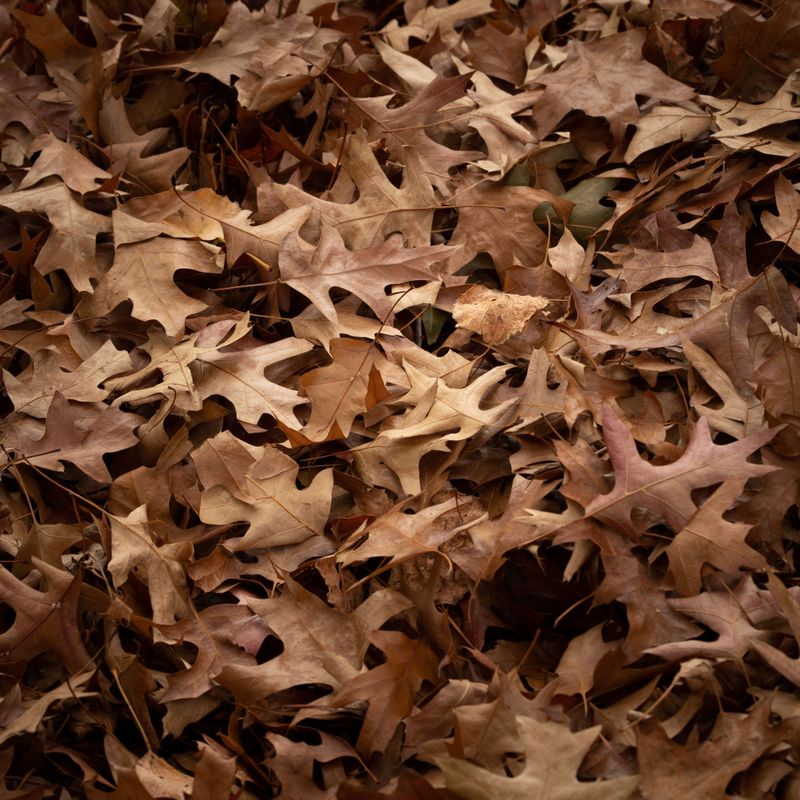
Most copperhead bites start the same way. A hand reaches into leaves, or a foot lands too close, and a startled snake defends itself.
Copperheads wear tan, pinkish, and coppery bodies with dark hourglass-shaped bands. Those bands look narrow along the spine and wide on the sides, which blends right into fallen oak and maple leaves.
In fall, these snakes are often moving toward winter shelter, so leaf piles and woodpiles make tempting stops. Your first job is distance. Step back several feet, slowly and steadily, so the snake has room to leave.
Please skip any urge to swing the rake or chase it. Many bites happen when people try to handle or harm a snake after spotting it. A copperhead is not interested in following you, and it usually crawls away once the threat backs off.
Next, check who else is nearby. Kids and dogs love leaf piles, so move them away from the spot too.
Try to take a slow breath. Copperhead venom is considered the mildest among venomous snakes in the eastern U.S., and serious outcomes are rare. That calm helps you think clearly for the steps that matter most.
A quick glance at the snake is fine if it is safe. A clear look can help doctors later, but your health comes first.
2. Grab Your Phone Before You Grab Anything Else
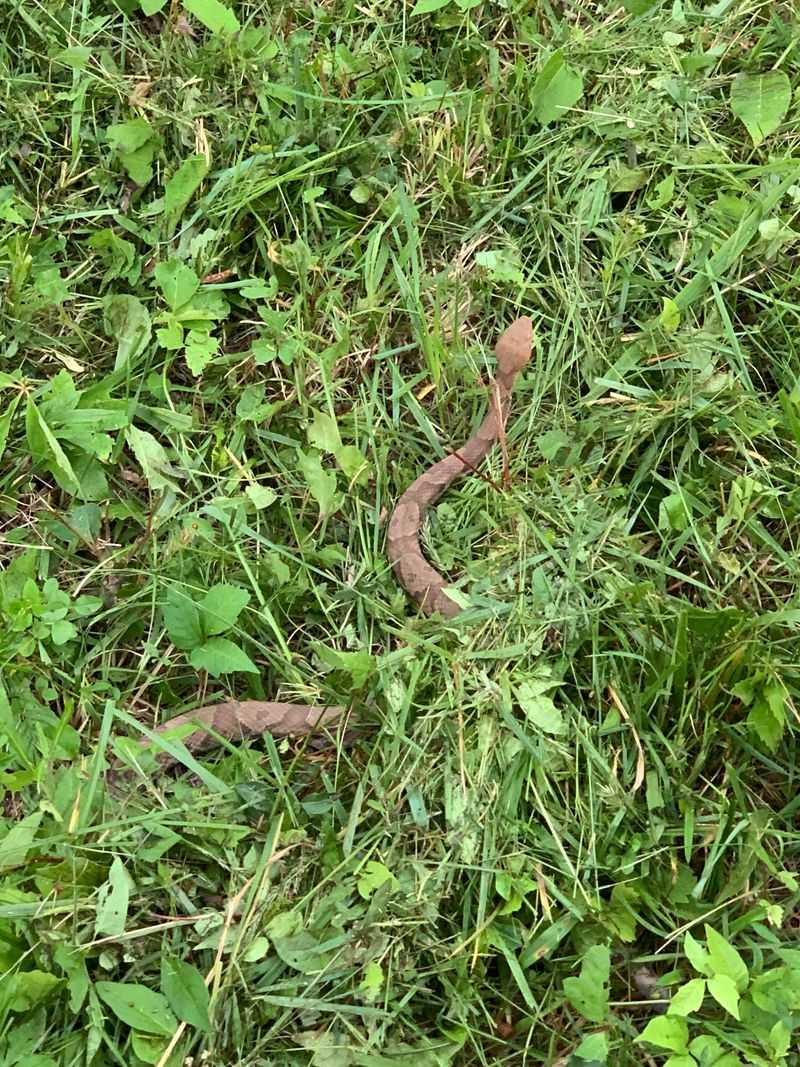
Calling 911 is the single most useful treatment you can give yourself right away. It may feel like overreacting for a small pinch, but every suspected venomous snakebite deserves medical care.
Symptoms can grow over hours. Swelling, bruising, and pain may start mild and then spread up an arm or leg. Waiting to see what happens wastes valuable time.
Even if you are not sure the snake was a copperhead, treat the bite as venomous. Several harmless snakes in our area look similar at a glance, but guessing is risky.
Carolinas Poison Center also offers free expert help at 1-800-222-1222, any time of day. Specialists there handle snakebite calls often and can coach you while help is on the way. Use it as backup support, not as a swap for emergency care.
If someone is with you, let them make the calls. Your job is to sit, stay still, and keep your heart rate down.
Do not drive yourself to the hospital. Pain, nausea, or dizziness can show up suddenly, and that makes driving unsafe. An ambulance crew can also start monitoring you on the way.
Keep your phone close while you wait. Responders may call back with questions about your location or symptoms.
3. A Still Arm or Leg and a Gentle Soap Wash Help While You Wait
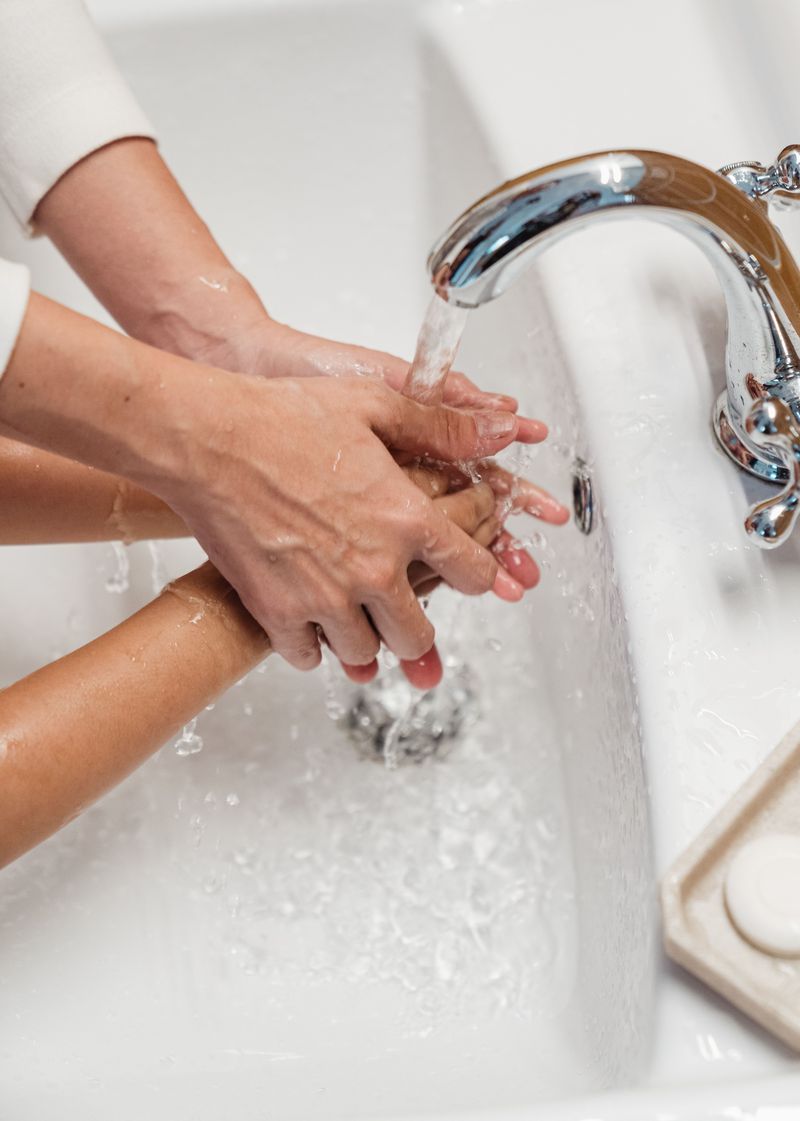
Simple wound care goes a long way here. Rinse the bite softly with soap and clean water, then cover it with a dry, loose bandage.
Keep the bitten limb as still as you can. Rest it around the level of your heart, not high in the air and not dangling low. Sitting or lying down works best.
Movement pumps blood and spreads venom faster through the tissue. So skip pacing, walking back to finish the yard, or hauling bags of leaves to the curb.
Take off rings, watches, bracelets, and even tight sleeves on the bitten side. Copperhead bites often cause fast swelling, and a ring can turn into a painful band within minutes. Shoes may need to come off too if the bite is on a foot.
A helper can grab a pen and trace the edge of the swelling on your skin. Write the time next to the line, then add a new mark every 15 minutes or so.
Doctors love this little map. It shows how quickly the reaction is spreading and helps them decide on treatment.
Each of these steps supports care, but none replaces it. Think of them as ways to keep things steady until trained hands arrive.
4. Old Snakebite Tricks With Ice, Tourniquets, and Knives Belong in the Past
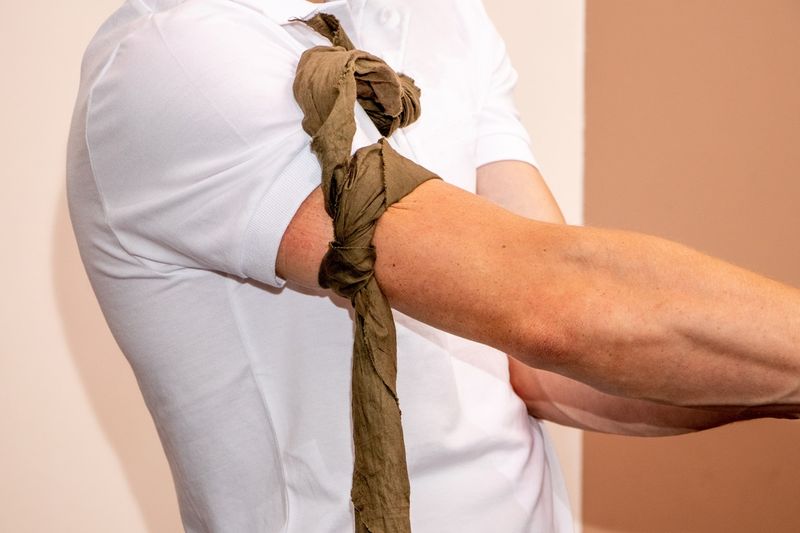
Cowboy movies made snakebite care look dramatic. A quick knife cut, a mouthful of venom spat on the ground, and the hero rides off fine. Real medicine tells a very different story.
Skip the tourniquet. Cutting off blood flow can trap venom in one spot and seriously harm the limb. Leave ice in the freezer. Cold packs can add to tissue damage around the bite.
Do not cut the wound or try to suck out venom. These moves add infection risk and remove almost no venom. Suction gadgets sold online do not help either, according to medical experts.
Avoid aspirin and ibuprofen. These pain relievers can affect bleeding, and copperhead venom may already change how your blood clots. Let the medical team choose pain relief.
Caffeine is another one to pass on for now. Coffee and energy drinks can speed your heart and complicate things.
What about catching the snake for identification? Please do not try. People get bitten a second time this way, and doctors treat based on your symptoms, not the snake in a bucket.
A photo from a safe distance is plenty. Many hospitals in our region see copperhead bites often and know what to look for.
5. Hospital Teams Decide if Copperhead Antivenom Is Needed
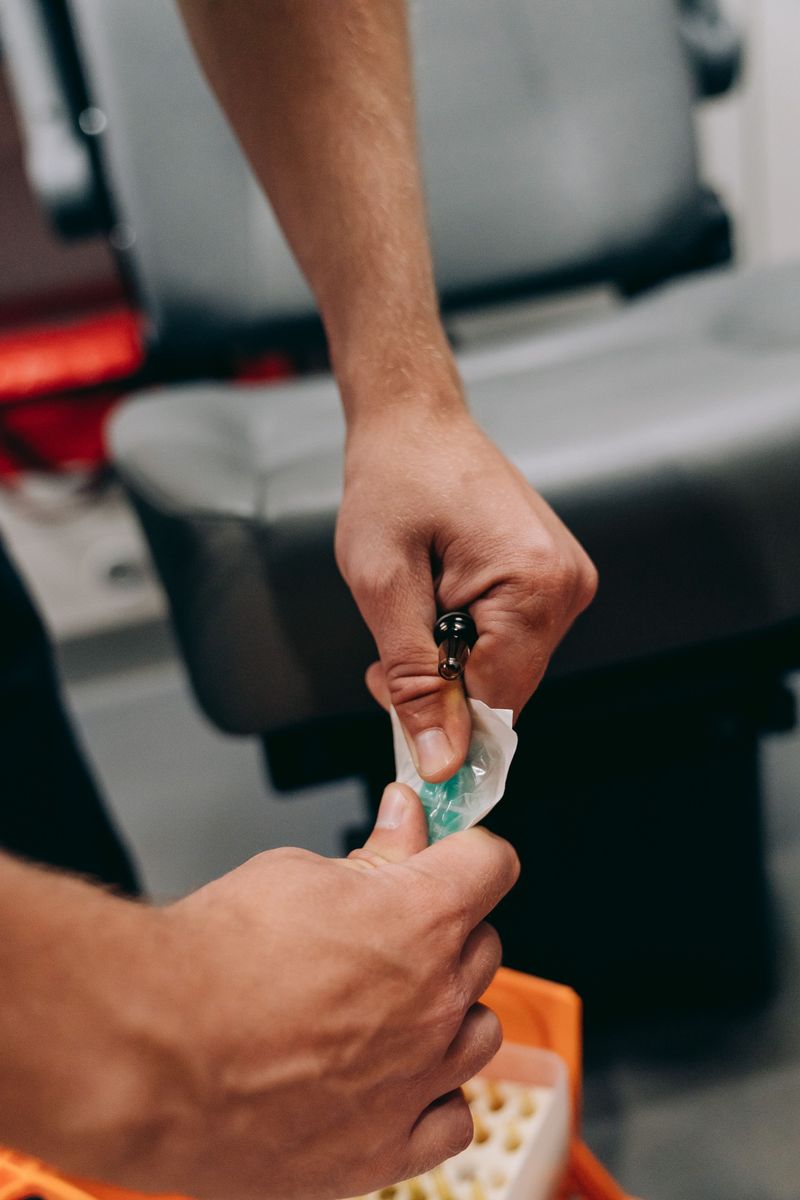
Once you reach the emergency room, things usually slow down in a reassuring way. Doctors check your vital signs, look at the bite, and review any swelling marks drawn by your helper.
Blood tests are common. They show whether the venom is affecting clotting or other body functions.
Some bites turn out to be dry, with little or no venom. You might only have two small punctures and some soreness. Still, staff often watch you for several hours, since symptoms can appear later.
For bites with spreading swelling or other worrying signs, doctors may give antivenom. Two products used in the U.S. are CroFab and Anavip. They help neutralize venom and limit damage to tissue.
Not every copperhead bite needs antivenom. Many patients improve with pain control, limb elevation, and close watching. Research has shown antivenom can help some people recover limb function faster, so doctors weigh each case.
Antivenom can carry a big price tag. Insurance plans generally cover emergency treatment, but it helps to call your provider afterward with questions.
Many people head home within a day or two. Pain and swelling may linger for days or even weeks, so follow-up visits matter.
6. Swelling, Bruising, and Burning Pain Are the Copperhead Bite Signs to Watch
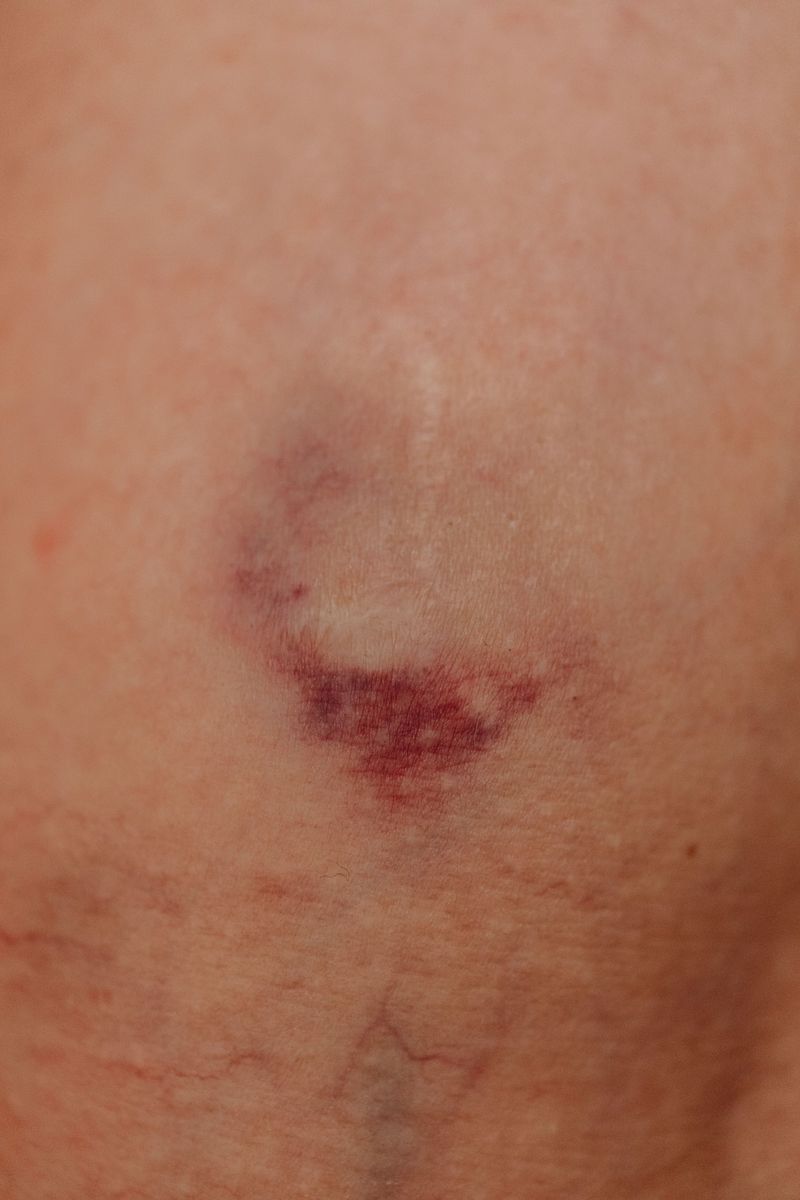
Ask anyone who has been bitten, and the first word is usually pain. Copperhead bites often burn or throb right away, much more than a bee sting.
You may see one or two small puncture marks. Sometimes there is only a scratch, which can fool people into thinking all is well.
Swelling is the classic sign. It can start near the bite and creep upward over several hours. Skin may turn red, purple, or bruised looking.
Some people feel nausea, weakness, a tingly mouth, or lightheadedness. Others notice blisters forming near the wound later on.
Any of these signs means the bite needs ongoing care, but signs are not required to head to the hospital. A dry bite looks mild at first, and so can an early venomous one.
Watch for allergic reactions too. Hives, trouble breathing, or face swelling call for urgent help right away.
Children and older adults may react more strongly because of their size or health. Pets can also be bitten in leaf piles, and dogs often get bitten on the face or legs.
A vet visit is the right call for them. Write down symptoms and times. Those notes help your care team.
7. Gloves, Boots, and a Long-Handled Rake Make Fall Cleanup Safer
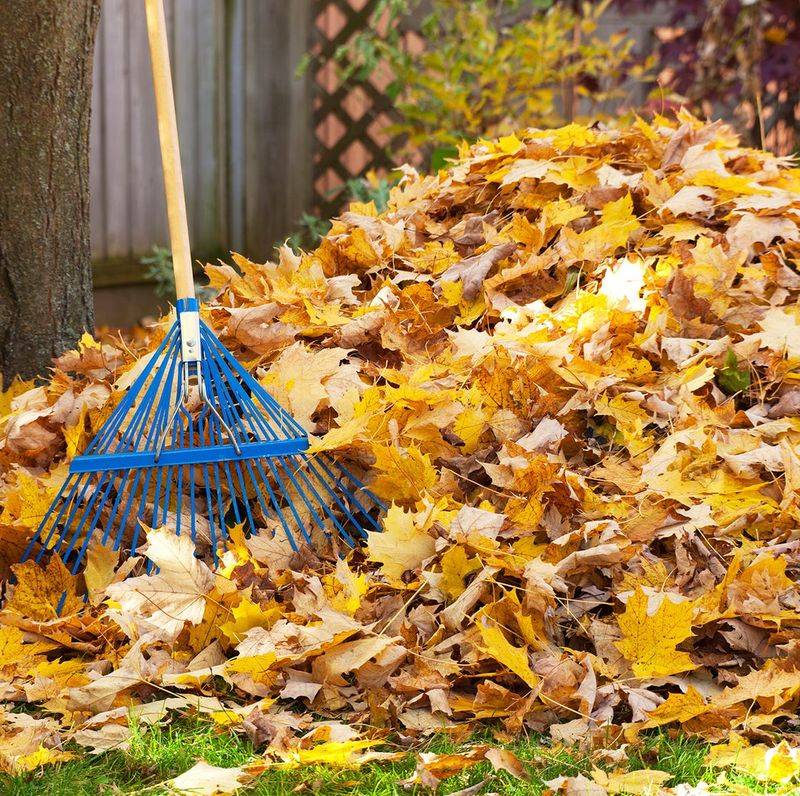
My favorite fall cleanup gear is not fancy. Thick leather gloves, sturdy boots, and long pants handle most of the job.
Many bites land on hands and lower legs. A good pair of gloves and boots adds a real layer between you and a startled snake.
Let the rake go first. Fluff and drag leaves before you scoop them by hand, and use a long-handled tool to lift tarps, boards, or brush. Snakes often reveal themselves when the leaves shift.
Watch where you put your feet and fingers. Avoid reaching blindly under shrubs, decks, or stacked flowerpots.
Copperheads are most active on warm evenings, especially in late summer and early fall. Doing yard work in daylight helps you spot that coppery pattern before it is too close.
A flashlight helps if you work near dusk. Copperheads may move around after dark during warmer months.
Bring kids and pets into the plan. Teach children to step away from any snake and tell an adult. Keep curious dogs leashed or indoors while you rake thick piles.
Across the state, from the mountains to the coast, copperheads share yards with people. A few simple habits help you enjoy the work without the scare.
8. Moving Leaf Piles and Woodpiles Away From Your House Gives Copperheads Fewer Hiding Spots
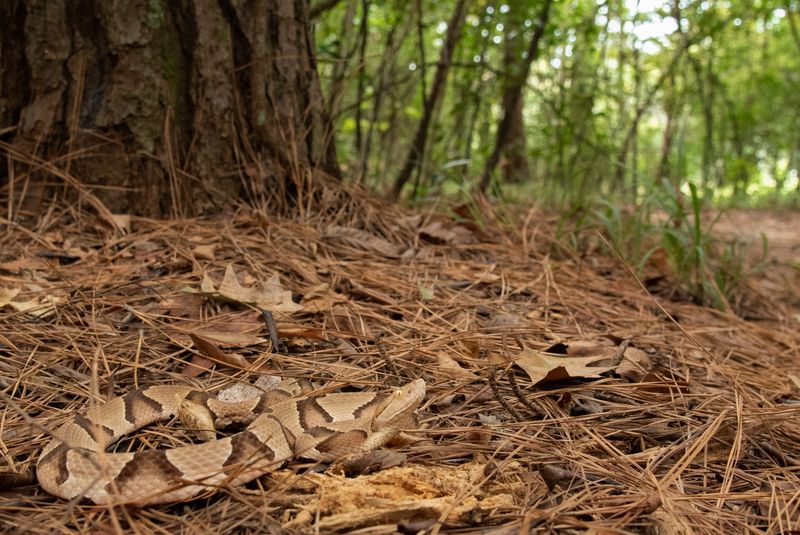
Copperheads are not out to get anyone. They visit yards looking for shelter and food, especially mice and other small critters.
Cover is their favorite thing. Leaf piles, firewood stacks, rock piles, and tall weeds near your home offer perfect hiding spots.
Move leaf piles away from porches, doorways, crawl spaces, and play areas. Leaves still help the soil and wildlife when tucked along a woodland edge or back garden bed. You just want them away from busy paths.
Stack firewood on a raised rack, and keep it some distance from the house. Trim shrubs so you can see the ground beneath them.
Cut down rodents too. Store birdseed and pet food in sealed containers and clean up spilled seed under feeders.
North Carolina Wildlife Resources Commission notes that snakes are an important part of our ecosystem. Copperheads eat many rodents, and cicadas too. Leaving a snake alone and giving it space is usually the best choice.
If one keeps showing up near your door, a licensed wildlife control professional can help. Save the Carolinas Poison Center number in your phone today. Then the next time you rake, you will feel ready rather than rattled.