The Winter Project Ohio Landowners Are Using to Bring Back Barn Owls
A single family of these pale night hunters can eat thousands of rodents in one year. That sounds like a fairy tale for anyone tired of voles tunneling under their garden beds.
Yet in Ohio, this heart-faced bird is listed as threatened. Old wooden barns with open lofts have faded from the countryside, and so have many of the hayfields and meadows where it hunts.
I love that the fix is so down to earth. It involves plywood, a ladder, and a cold Saturday when the garden is asleep anyway. You need to know that state biologists already rely on landowners for this kind of help.
I’ll defend this to the end: one weekend of work for years of quiet pest control is a bargain.
A simple wooden box in the right spot could turn your property into the next home for a ghostly white owl.
1. That Ghostly White Owl Over Your Hayfield Is Rarer Than You Think
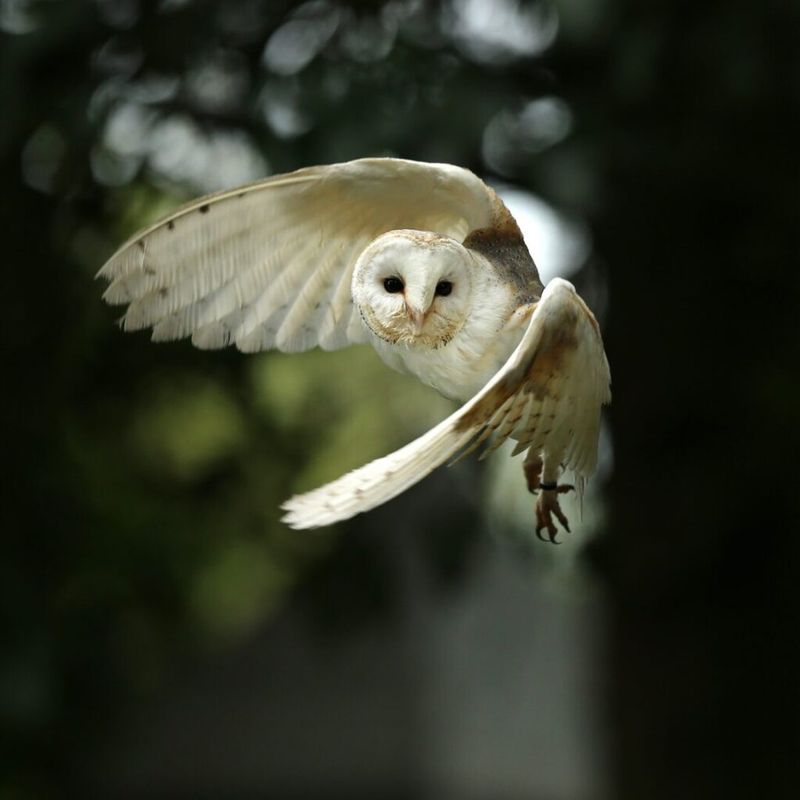
Spotting a barn owl in Ohio feels a bit like finding a four-leaf clover. You might live near one for years and never notice it, because it hunts silently in the dark.
The Ohio Department of Natural Resources lists the barn owl as a threatened species. Numbers fell sharply after the mid-1900s as farming changed across the state.
Large pastures and hayfields gave way to row crops, and many old timber barns were torn down or sealed tight.
That double loss hurt. Barn owls need open grassland to hunt meadow voles, their favorite meal.
They also need sheltered cavities to nest, and they don’t build nests of their own.
Without hollow trees or open lofts, a pair simply has nowhere to raise owlets. Even great hunting ground goes unused if no safe nursery sits nearby.
Biologists see this missing piece as one of the biggest roadblocks to recovery. Food can be found in many rural counties, especially near hay and pasture land.
Homes are the scarce part.
That gap is exactly where everyday landowners step in. Filling it turns out to be surprisingly simple, and it fits neatly into the slowest part of the year.
2. A Wooden Barn Owl Nest Box Is the Project Everyone Is Building
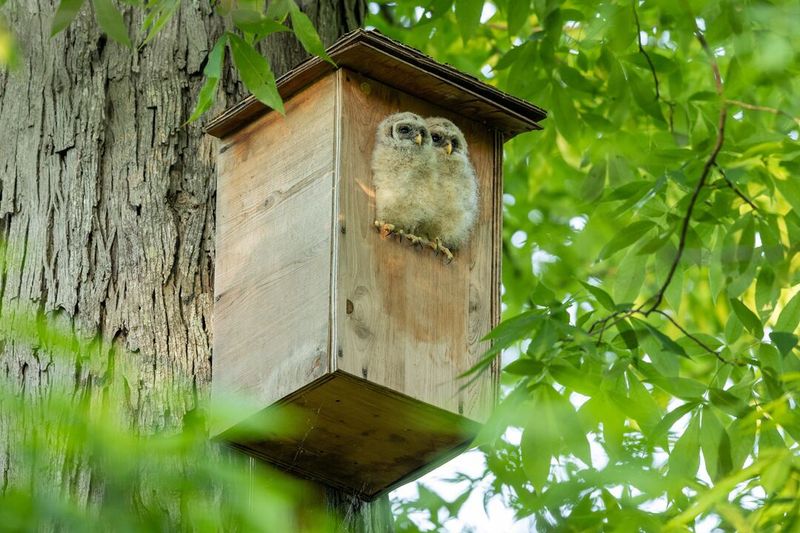
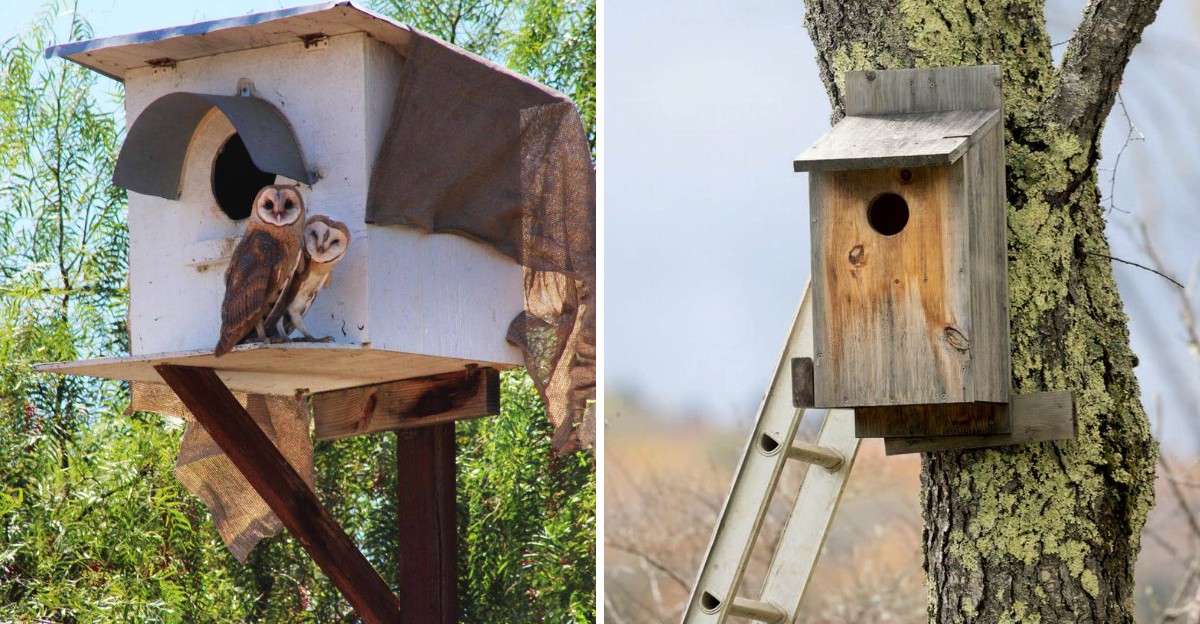
Plywood, screws, and a free afternoon are the heart of this whole comeback story. The winter project is installing barn owl nest boxes in barns, on poles, and on sturdy trees near open land.
ODNR’s Division of Wildlife has placed and maintained nest boxes for years, often working directly with farm families. Biologists have found that a well-placed box can bring barn owls to a property that had good hunting land but no safe nesting spot.
I find it charming how low-tech this is. No fancy gear or special training is required, just careful building and smart placement.
A box works like a stand-in for the hollow sycamores and open haylofts that owls once used. Inside, the pair lays eggs on bare wood or on a bed of their own broken-down pellets.
Over time, that layer becomes a soft, crumbly floor.
Many landowners build one from free plans, while others buy a ready-made box. Either choice can work well if the size and setup are right.
You don’t need a huge farm, either. A few acres beside grassy fields, wet meadows, or hay ground can be enough to tempt a hungry pair.
3. Winter Gives Barn Owls Time to Scout Your New Box
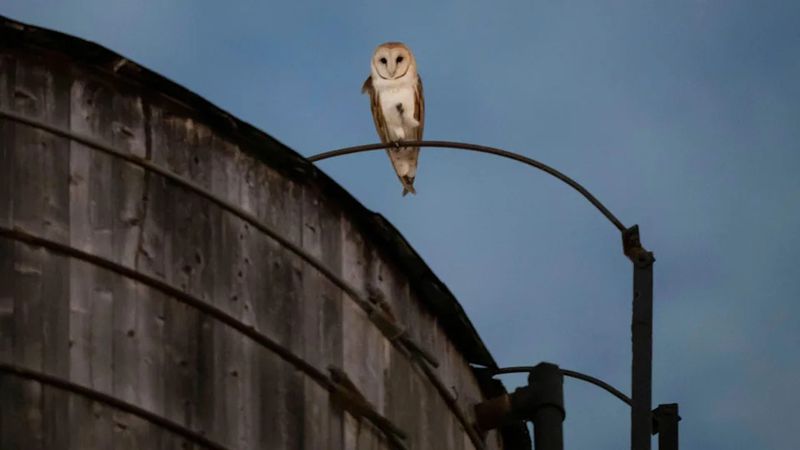
Timing is the secret ingredient here. Barn owls in Ohio may start nesting as early as late winter or early spring, so a box hung in December or January is ready before house-hunting begins.
Owls often like to check out a spot before moving in. A box that has weathered a few weeks outdoors looks less strange and more like part of the landscape.
Winter also suits the people doing the work. Leaves are off the trees, crops are out of the fields, and you can drive a truck across frozen ground without leaving ruts.
Personally, I’d rather climb a ladder in January than in the July heat.
Bare branches help you judge the view, too. You can see exactly how open the surrounding land is and pick a spot with clear flight paths.
One caution matters a lot. Try to finish installing before nesting season starts, and avoid disturbing an occupied site once owls settle in.
If you already have a box, late winter is a fine time to inspect it. Tighten loose screws, patch cracks, and make sure the roof still sheds rain before the spring storms roll through.
4. Thousands of Voles Could Vanish Thanks to One Owl Family
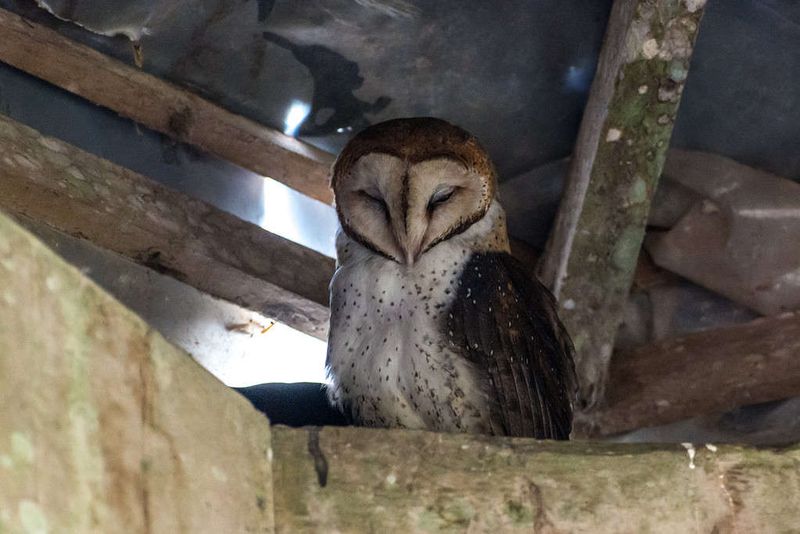
Here’s a number that makes gardeners grin. A barn owl family can eat a few thousand rodents over the course of a year, and much of that menu is meadow voles.
Voles are the little chunky critters that chew tree bark, nibble bulbs, and carve runways through lawns under the snow. Mice and young rats show up on the menu too.
Parent owls bring prey back to the box all night long when chicks are growing. A big brood keeps those adults hunting nearly nonstop during the warm months.
That steady hunting can ease pressure on orchards, hay storage, and vegetable gardens. It also gives you a good reason to cut back on rodent poisons.
Poison matters more than most people realize. Owls that eat poisoned rodents can become sick themselves, which undercuts the whole effort.
Let me be realistic, though. Owls won’t erase every rodent on your land, and populations rise and fall with weather and food supply.
Think of them as a helpful partner in a bigger plan that includes tidy feed storage and good habitat management.
Still, watching a pale owl patrol your fence line beats setting traps any day.
5. Getting the Barn Owl Box Size Right Keeps Owlets Safe
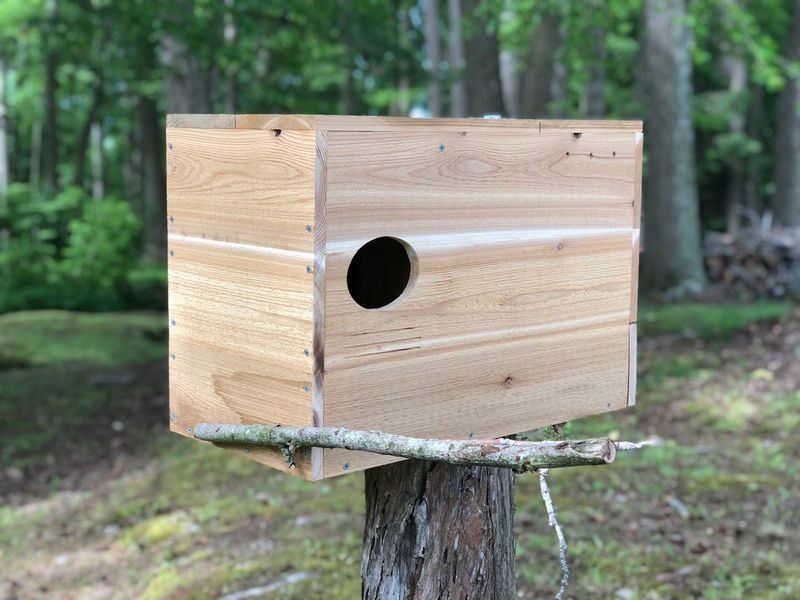
Size makes or breaks a nest box. Barn owls can raise several owlets at once, and those chicks grow fast, so the box needs real elbow room.
Common plans call for a floor of roughly two feet by three feet, or close to it. Height matters as much as width, because young owls need space to stretch and flap.
The entrance hole is the clever part. Many designs place it about 16 inches or more above the floor, so wobbly chicks can’t tumble out before they can fly.
An opening of around six inches wide fits adults nicely.
Use untreated lumber or exterior plywood, since chemical treatments don’t belong around chicks. Add small drainage holes in the floor and a few vent gaps up high for summer airflow.
Skip the nesting material. No straw or wood chips are needed, because the owls make their own layer from pellets.
A hinged side or roof panel helps with cleanout after the season ends. I like boxes with a little roof overhang as well, since it keeps sideways rain off the entrance.
Small details like these can make the difference between an empty box and a busy nursery.
6. Open Grassland Around Your Owl Box Matters Most
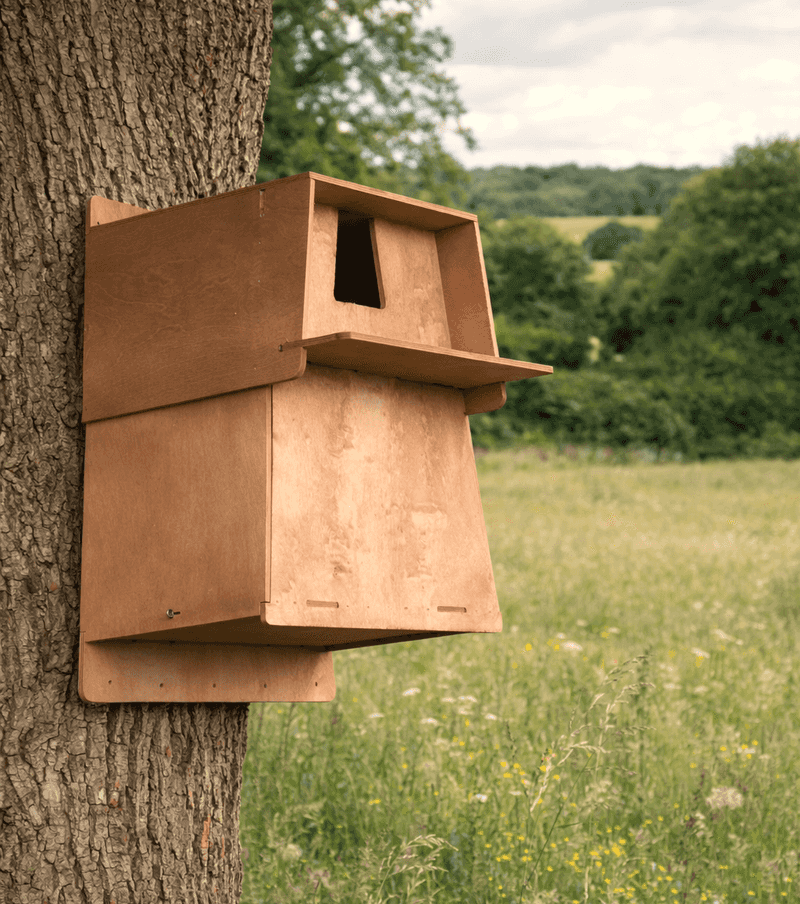
Location beats craftsmanship every time. A beautiful box tucked inside a dense woodlot will likely sit empty, while a plain one beside a grassy field may fill up fast.
Barn owls hunt over open ground like hayfields, pastures, wet meadows, and grassy strips. Placing the box within easy reach of that kind of habitat gives a pair a reason to stay.
Height counts too. Experts often suggest mounting boxes at least 12 to 15 feet up, whether inside a barn wall, on a sturdy pole, or on a large tree trunk.
If you use a pole, add a metal predator guard. Raccoons are skilled climbers and will happily raid eggs.
Facing the hole away from strong prevailing winds keeps the inside drier. Many folks aim it away from the west and northwest in Ohio.
Inside a barn, an outside wall works well. Cut a matching hole through the siding so owls can fly straight in without entering the building.
Want to boost your odds even further? Leave some grassy areas unmowed through summer.
Tall grass shelters voles, and more voles means a better pantry right outside the front door.
7. Ohio Wildlife Biologists Want to Hear About Your Barn Owl Sightings
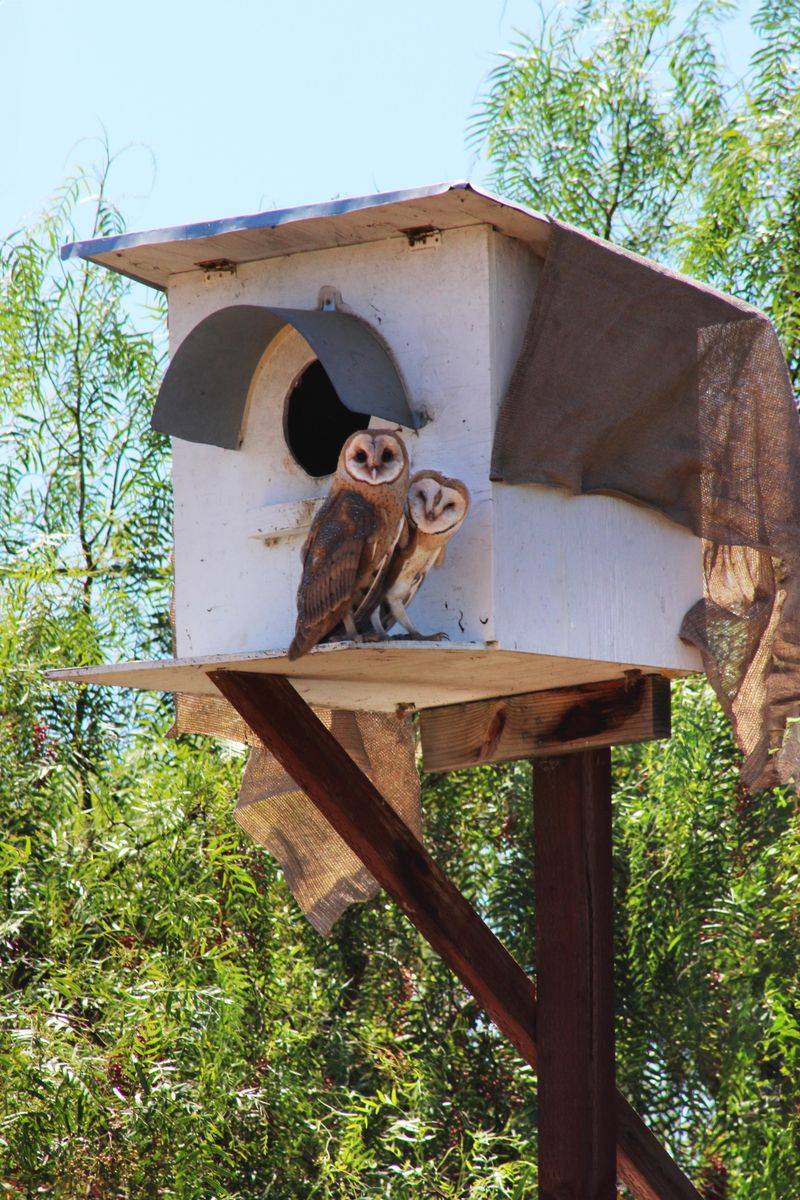
Your eyes and ears are valuable data. ODNR’s Division of Wildlife asks people to report barn owl sightings and nesting activity, because every record helps biologists track where the species is holding on.
Signs are easier to spot than the birds. Look for chalky white droppings below beams, gray furry pellets on barn floors, or raspy screeches at night instead of hoots.
Those pellets are little treasures. They hold tiny bones that reveal exactly what the owls have been eating.
Reach out to your district wildlife office or check the ODNR website for reporting details. Staff can share nest box plans and placement tips too.
Barn owls are protected by state and federal law. You shouldn’t handle owls, eggs, or chicks, and peeking into an active box can cause adults to abandon it.
Watch from a distance instead, ideally at dusk with binoculars. A trail camera aimed at the entrance from a respectful spot can capture amazing moments without bothering anyone.
I think there’s real joy in knowing your report becomes part of a statewide recovery effort. One backyard sighting can help experts decide where future nest boxes are most needed.
8. One Barn Owl Box This Winter Can Help for Years
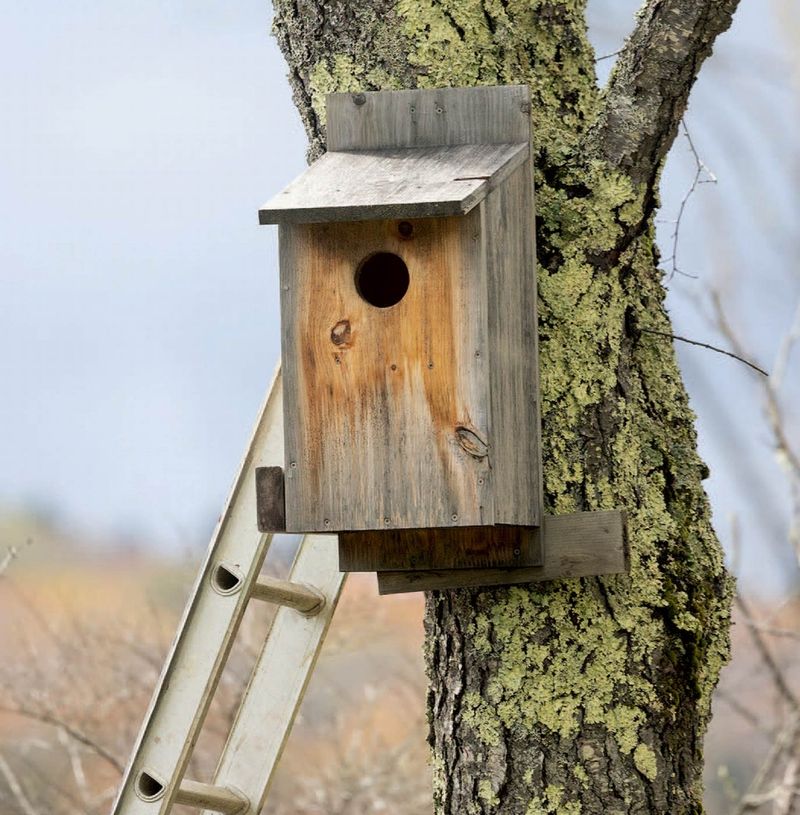
A single weekend of work can pay off season after season. Barn owls often return to the same nesting site year after year when it stays safe and food stays plentiful.
Start small. Build or buy one well-designed box, mount it near open grassland, and add a predator guard if it sits on a pole.
Patience matters here. Some boxes get claimed the first spring, while others take a few years before an owl takes notice.
An empty box isn’t a failure, just a waiting room.
Plan a yearly checkup in late fall or winter, after nesting ends. Clear out wasp nests, check for rot, and leave a thin layer of old pellet material inside.
Cut back on rodent poisons around your property too. Safer food helps the owls you are working so hard to attract.
Talk to neighbors about joining in. Several boxes across nearby farms can create a wider network of homes for young owls searching for territory.
Honestly, few winter chores feel this hopeful. You hang a wooden box in the cold, and someday a pale face might peer back at you from the doorway.