Feeding These 8 Animals in Your Florida Yard Is Actually Illegal
A single marshmallow tossed off a backyard dock can earn you a second-degree misdemeanor under Florida law. Wildlife officers take that kind of snack sharing far more seriously than most homeowners ever expect, believe me.
Several of the creatures wandering past our gardens are protected by rules that ban handouts of any kind. Some rules come from state wildlife codes, while others come from federal laws covering animals in nearby water.
I have to admit, I once thought tossing scraps to a hungry visitor was just a kind gesture.
You might be surprised how quickly a free meal changes an animal’s behavior around your patio and pets.
Fines and warnings are real outcomes for Florida residents who keep that backyard buffet open too long. Which familiar visitors made the list, and could one of them be eyeing your bird feeder right now?
1. Gators Learn Fast When You Hand Them Snacks
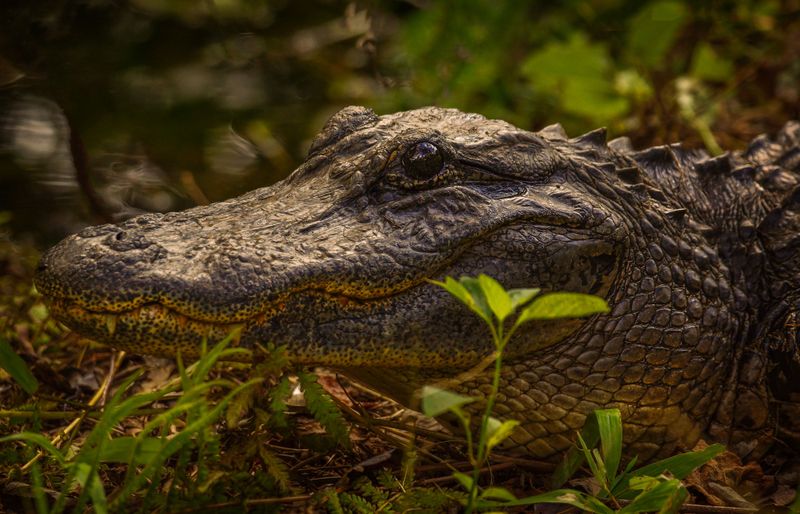
That lazy log drifting past your retention pond has a memory for food that would impress any dog trainer. Once an alligator links people with dinner, it starts approaching docks and lawns expecting another free bite from the next person.
State law makes feeding wild alligators or crocodiles illegal, and a conviction counts as a second-degree misdemeanor. That rule also covers tossing fish scraps into the water near boat ramps or fishing camps.
Personally, I find the reasoning easy to understand once you think about how gators normally behave around us. Wild alligators tend to keep their distance, but fed ones lose that healthy caution and become far bolder.
Bold gators often end up reported to the state’s nuisance alligator program, which sends licensed trappers to remove them. Removed animals are rarely released elsewhere, so a few snacks can cost that reptile its home and future.
You can help by cleaning fish at designated stations instead of rinsing guts off the end of your dock. Keep small dogs leashed near ponds, since splashing pets look a lot like easy prey to a hungry gator.
If an alligator seems overly comfortable around people, call the FWC nuisance alligator hotline at 866-392-4286. Watching from a respectful distance gives you all the thrill of a wildlife encounter without breaking any laws.
I love spotting their bumpy snouts gliding across a lake at sunset, but only from well back on shore. Giving them space keeps both your family and these ancient reptiles a lot safer over the long run.
2. Black Bears Raiding Your Trash Need A Locked Lid Instead
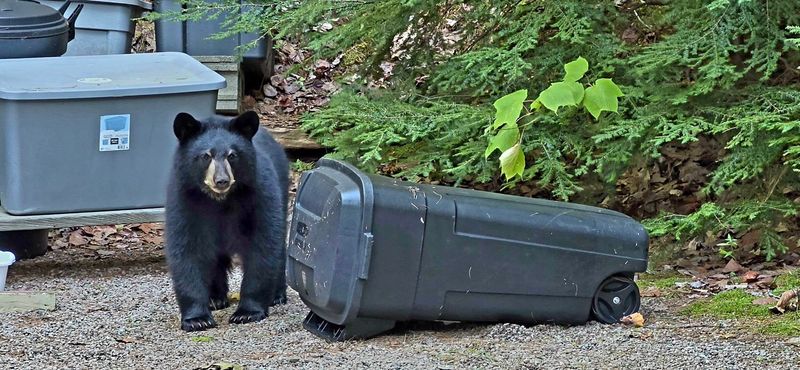
A black bear can sniff out a forgotten bag of birdseed or dog food from more than a mile away. Honestly, that nose makes a poorly secured garbage can about as tempting as a neon diner sign on the highway.
State wildlife rules make it illegal to intentionally feed bears or leave out food that draws them close. Leaving garbage or pet food outside after an official warning can also lead to a citation from FWC officers.
Bears that find easy meals near homes quickly lose their natural shyness and start checking yards on a schedule. Conflict bears are sometimes trapped and removed, so handouts often end badly for the very animal you wanted to help.
Their natural menu leans heavily on plants, especially acorns and saw palmetto berries found in wild forests. Insects and grubs round out the diet, so a healthy woods offers plenty without any help from us.
You need to store trash in a garage or bear-resistant container until the morning of pickup day. Hanging bird feeders well out of reach, or bringing them in at night, also removes a major attraction.
I believe a little prevention beats a midnight surprise on the back porch, especially with kids around. Electric fencing works nicely around chicken coops and beehives if you live near forests where bears roam.
Spotting a bear lumbering across a quiet road is a thrill worth keeping wild and unrewarded. Let them forage naturally, and your yard stays just another place they pass through on the way.
3. Sandhill Cranes Strolling Your Lawn Can Find Their Own Food

That rattling, trumpet-like call echoing over your neighborhood can carry for more than two miles on a calm morning. Florida sandhill cranes stand nearly four feet tall, and I love how they stroll across lawns like tiny dinosaurs.
Feeding them is illegal under state wildlife rules, and the resident subspecies is listed as state threatened. They are also protected under the federal Migratory Bird Treaty Act, which adds another layer of legal protection.
Handouts teach cranes to approach people, and some fed birds become pushy or even aggressive toward children and pets. Fed cranes also wander onto busy roads more often, where collisions with cars are a serious and common problem.
Naturally, these tall birds probe the ground for seeds, insects, worms, and occasionally small frogs or snakes. Your lawn is already a decent buffet, especially after rain brings grubs and earthworms closer to the surface.
You might notice a crane pecking hard at your windows or car mirrors, which often confuses homeowners. Usually the bird is fighting its own reflection, and covering the glass temporarily with screening can help.
Keep spilled birdseed cleaned up, since cranes quickly learn to patrol feeders for whatever drops to the ground. Enjoy them from your window instead, and you’ll probably see a pair raising fuzzy chicks called colts nearby.
Personally, I think watching a crane family march across the grass beats hand-feeding them any day. Their trust in people should stay modest, because a little wariness keeps these graceful birds safer on our streets.
4. Masked Raccoons Raiding Pet Bowls Are Off Limits
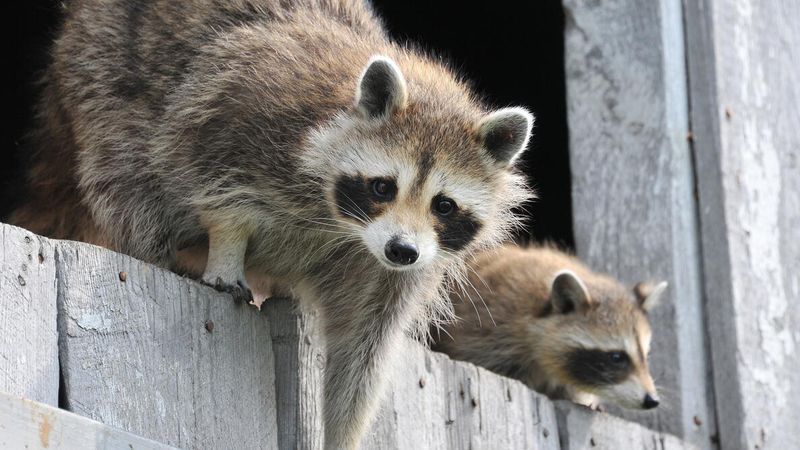
Those tiny hands that look so much like ours are surprisingly good at popping lids off coolers and trash cans. Raccoons are clever little bandits, and one free meal is often all it takes to make them regulars.
State wildlife rules prohibit feeding raccoons in a way that causes them to gather or create a nuisance. Many city parks and local ordinances go further, so check your own county before setting out any leftovers.
Crowded feeding spots spread disease quickly, and raccoons are one of the main carriers of rabies in the state. They can also shed raccoon roundworm eggs in their droppings, which pose a real risk to curious kids and dogs.
I have to admit, a fed raccoon family on the patio looks adorable for about one week. After that, you might find torn porch screens or a whole family of furry tenants living in your attic.
You need to bring pet bowls indoors at night, because kibble left outside is basically a raccoon dinner bell. Bungee cords or locking lids on garbage cans keep those clever paws from flipping the top open.
Pick ripe fruit from your garden promptly, since hungry raccoons happily raid sweet tomatoes and fallen mangoes overnight. If a raccoon seems sick or unusually tame during daylight, keep away and contact local animal control.
Wild raccoons do just fine eating crayfish and insects they find along creeks and wetlands near your home. Let them keep their wild habits, and your yard stays a quiet stop instead of a nightly buffet.
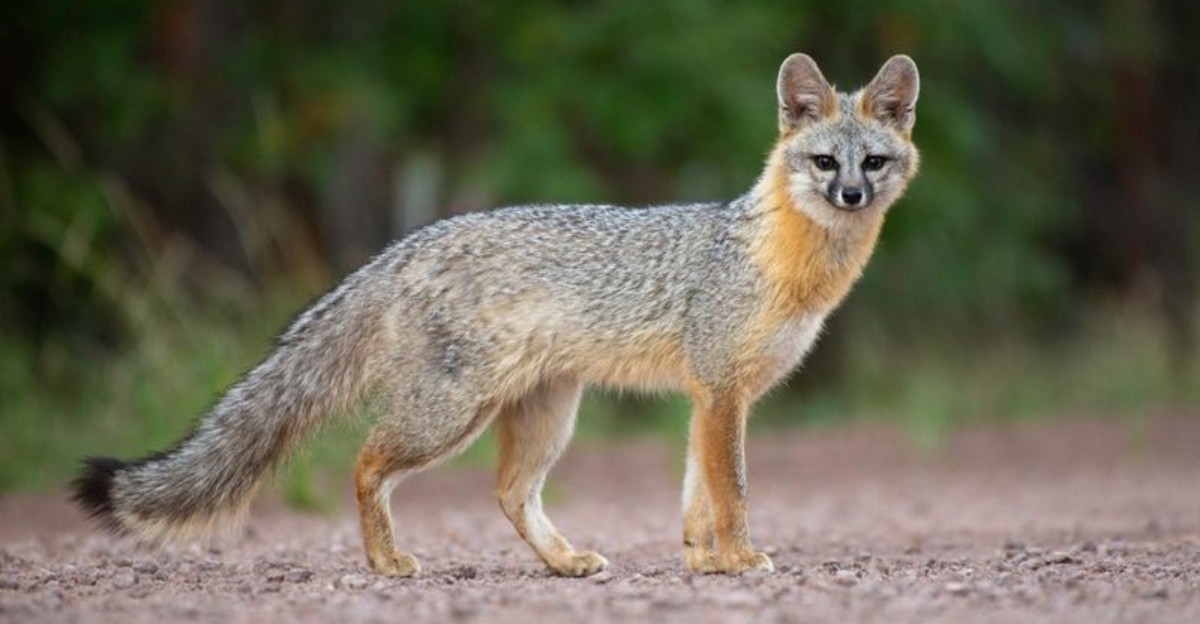
5. Gray Foxes Trotting Through The Yard Do Better Without Handouts
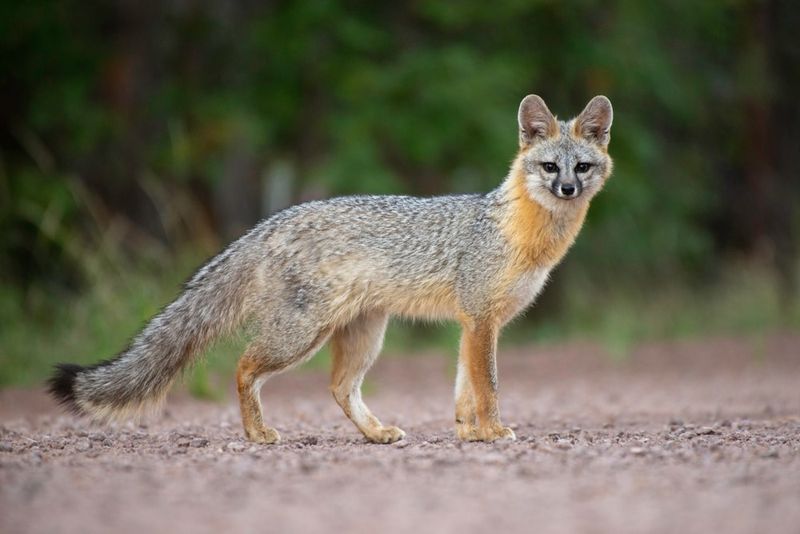
Gray foxes are one of the few members of the dog family that can actually climb trees like a cat. Spotting one perched on a low oak branch at dusk is a memory I still treasure from my garden.
Feeding foxes falls under the same state rule as raccoons, which bans handouts that cause them to gather. Some communities add their own restrictions, so it pays to check before leaving out scraps for that pretty visitor.
Foxes that associate people with food often lose their shyness and start approaching homes during daylight hours. That bold behavior can lead to conflicts with pets and more trips across busy streets where cars pose danger.
Shared feeding spots also help spread mange, a mite infection that leaves foxes with patchy fur and painful itchy skin. Like raccoons, foxes can carry rabies, so keeping a respectful distance protects your family and your dogs.
In the wild, foxes hunt mice, rabbits, and insects, and they snack on berries and persimmons in season. Honestly, they are fantastic free rodent control, which is another great reason to let them hunt naturally.
You need to feed cats indoors, since outdoor cat food is one of the most common fox attractants. Fencing small chicken coops securely and closing gaps under sheds keeps foxes from settling in uninvited.
I believe the best way to love a fox is quietly, from behind the kitchen window with binoculars. Keep them wary, and they will keep visiting on their own terms as truly wild neighbors.
6. Rhesus Monkeys Near Silver Springs Carry Risks You Cannot See
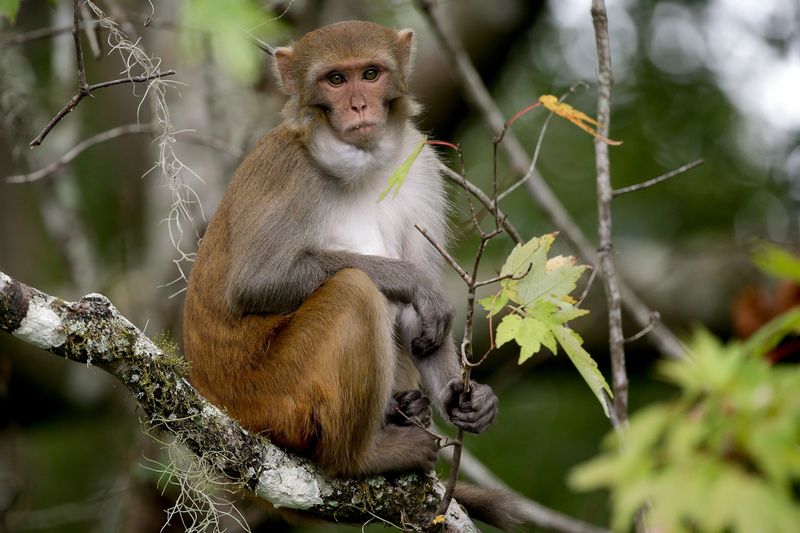
Wild monkeys swinging through Florida oaks sounds like a tall tale, yet a population has lived near Ocala for decades. Rhesus macaques were released along the Silver River in the 1930s, reportedly as a boat tour attraction.
Feeding wild monkeys is illegal under state wildlife rules, and officials take the issue very seriously. Handouts draw macaques toward people, which raises the odds of bites and scratches during tense encounters.
Many of these monkeys carry herpes B virus, which is usually mild for them but serious in humans. Wildlife researchers have found the virus in their saliva, so even a small nip deserves quick medical attention.
I can’t imagine offering a granola bar to an animal with teeth that sharp and a temper that quick. Fed monkeys also learn to raid picnic tables and open car windows while searching for more free snacks.
Most stay near the Silver River, though individuals sometimes wander surprising distances into neighborhoods far from the park. If one shows up near your fruit trees, keep pets inside and report the sighting to FWC.
Their natural diet includes leaves, seeds, fruits, and insects, so they manage well without any help from humans. You can still enjoy watching them from a kayak, provided you stay well back and keep snacks sealed.
Personally, I think spotting one in the treetops is thrilling enough without making it a closer encounter. Let them stay curious from a distance, and everyone stays healthier on both sides of the riverbank.
7. Manatees Drifting Up Your Canal Should Not Get Hose Water
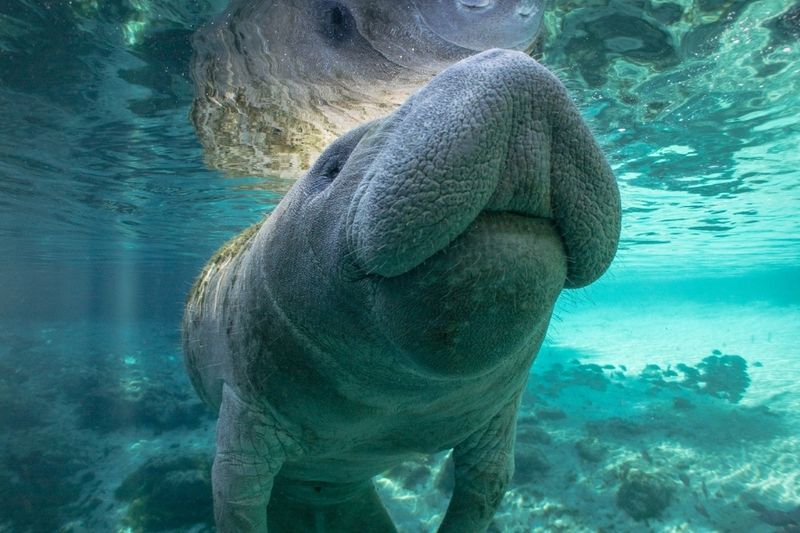
Gentle sea cows sometimes cruise right up to canal docks, nosing around as if they own the waterfront. I have to admit, that whiskered face begging near a garden hose is almost impossible to resist.
Giving manatees food or fresh water is illegal under federal law, along with the state’s manatee sanctuary act. Officials treat it as harassment, and violations can bring steep fines or even possible jail time for offenders.
Hose water seems harmless, but it teaches manatees to hang around docks and marinas full of boat traffic. Boat strikes rank among the leading human-related threats to these slow swimmers, so that lesson costs them dearly.
In the wild, manatees graze mostly on seagrass and other aquatic plants, munching for several hours each day. An adult can eat roughly ten percent of its body weight daily, which no lettuce handout could replace.
You might notice manatees gathering near warm springs and power plant outflows during cooler months, which is perfectly normal behavior. They need that warmth to stay healthy, so give them space instead of offering snacks or a drink.
If your dock sits on a manatee route, slow down in posted zones and watch for swirling footprints on the surface. Report injured or distressed manatees to the FWC Wildlife Alert Hotline at 888-404-3922 right away.
Personally, I love simply watching them surface with a soft snort from the end of the dock. That quiet moment feels special precisely because the animal chose to visit without any bribes involved.
8. Bottlenose Dolphins Near Your Dock Must Stay Wild
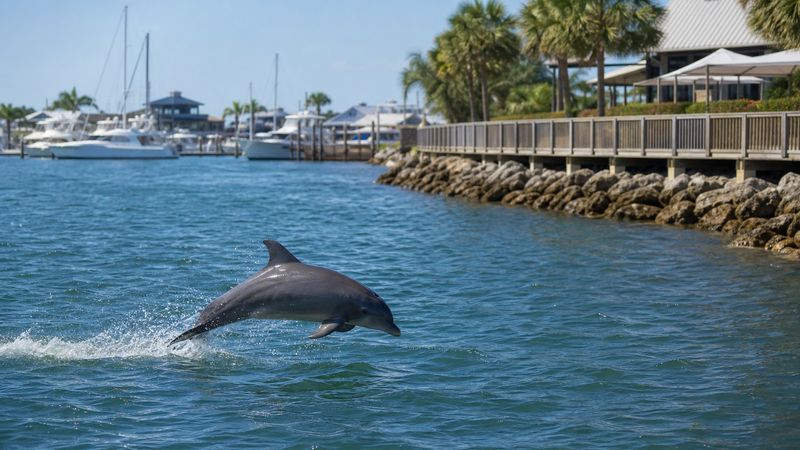
Bottlenose dolphins near busy waterways sometimes swim right up to boats with open mouths, begging like puppies at a picnic. That behavior is learned, and researchers in Sarasota Bay have linked it directly to people handing out fish.
Feeding wild dolphins has been illegal under the federal Marine Mammal Protection Act since the early 1990s. Violators can face hefty fines and possible jail time, and that includes tossing bait scraps from your own dock.
Begging dolphins spend more time near boat propellers and fishing lines, where serious injuries happen far too often. Some swallow hooks or get tangled in monofilament while chasing bait, which can leave them badly hurt.
I believe the saddest part is that fed calves learn begging from their mothers instead of hunting skills. Wild dolphins naturally catch mullet and other local fish using clever teamwork and their remarkable sonar ability.
You need to keep fish scraps in a bucket rather than throwing them overboard after cleaning your catch. If a dolphin approaches while you fish, reel in your line and move to a different spot quietly.
NOAA recommends staying at least fifty yards away, which still offers wonderful views of their arching backs. Binoculars make the experience even better, letting you watch playful leaps without changing how they behave.
What surprises me most is how easily a single sandwich crust can reshape a wild animal’s daily routine. Keep dolphins hungry for the sea instead of your snacks, and they’ll stay wild for generations to come.