Bare Dirt to Blooming Bed? How Arizona Gardeners Plan a Desert Makeover
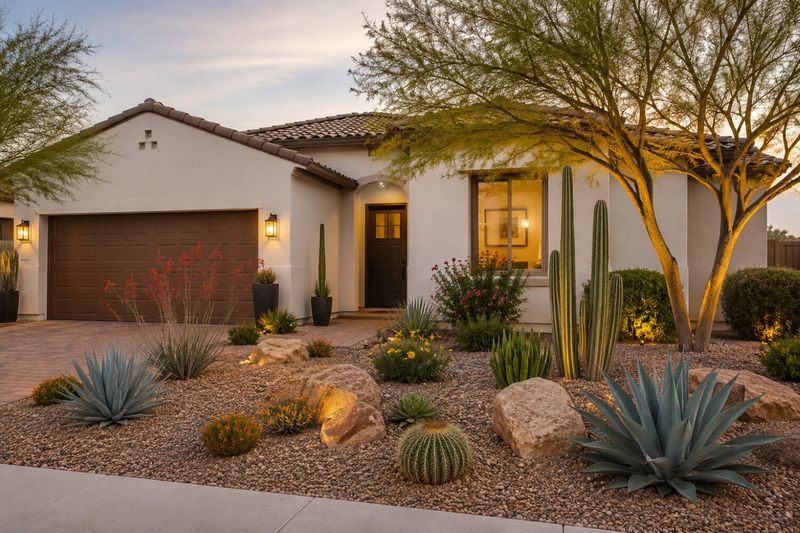
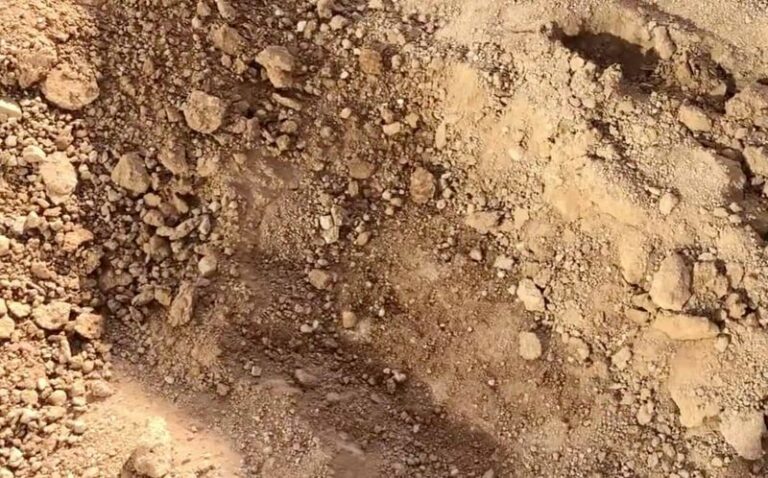
Bare dirt can feel like a blank canvas, yet it also sends dust into the air. Arizona gardeners can turn that patch into something attractive and useful to local wildlife with careful planning.
A blooming bed is a fair goal, though results depend on your site and your care. Let’s walk through the steps, from reading your soil to keeping pests away from the house.
Read The Site Before You Shape The Yard
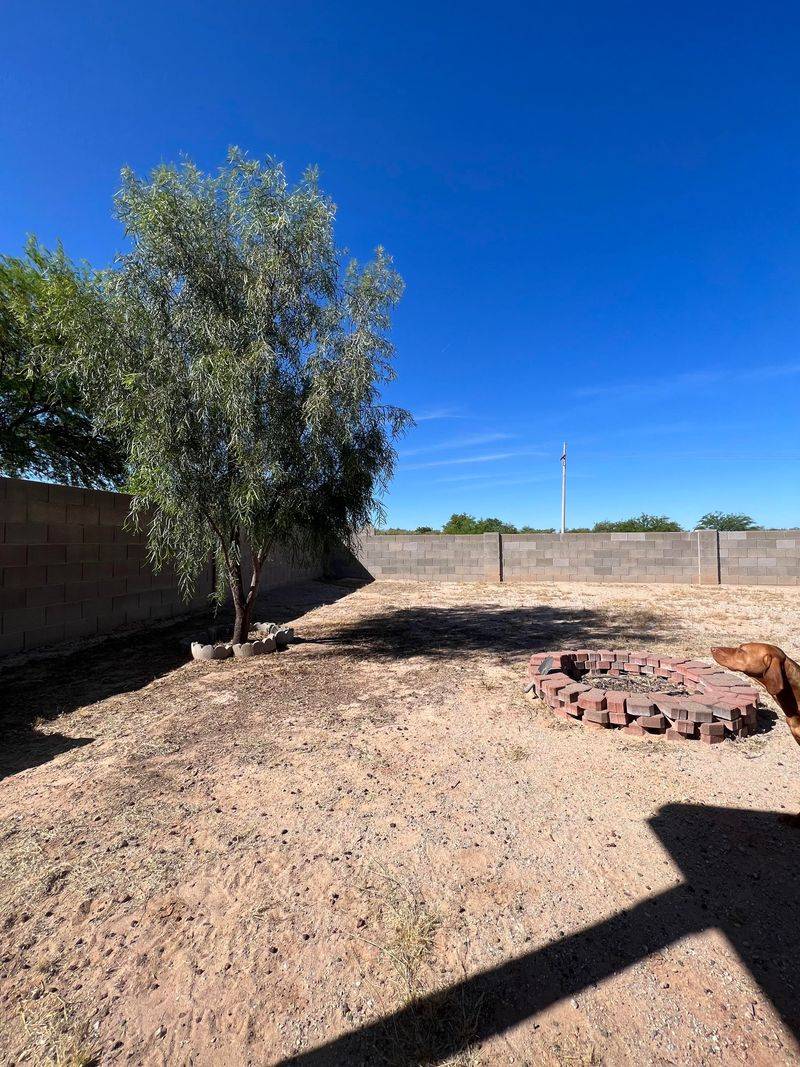
Before buying a single plant, walk your yard in the morning and again late in the afternoon with a notebook. Notice where the sun bakes the soil and where walls throw shade that lasts into the afternoon.
Soil matters just as much as light, so dig a few small holes and look closely at what you find. Sandy ground drains quickly, while clay holds water longer, and that difference will shape how you plan watering later.
Elevation and winter lows change what grows, according to Extension climate zone guidance for the state. A plant happy in Yuma may struggle in Flagstaff, so low desert advice does not fit every yard.
Next, sketch the yard and mark where irrigation lines run and where bare soil sits exposed today. That simple map shows which areas deserve plants and which might do better with another finish.
Not every open patch needs a flower bed, and that is a relief for your time and budget. A bloom-filled border is a fair goal, but results depend on your site and the care you give.
Turf conversion guidance from Extension also starts with planning, so a rough plan is a smart first project. Early October is a fine time to observe and measure before planting season arrives in the low desert.
Choose Plants For The Local Climate And Layout
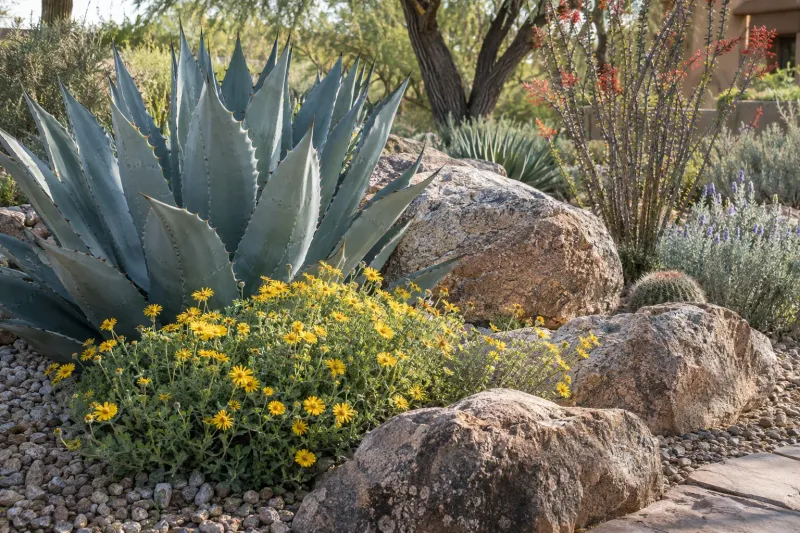
A desert label on a plant tag says very little about your particular yard and its conditions. Look for plants proven in your region, since mountain towns and low desert valleys play by different rules.
Microclimates add another layer, because a west wall radiates heat while a north corner stays cooler. Match each plant to its spot, and you reduce the guesswork that leads to struggling shrubs.
Mature size deserves real attention, since a tiny shrub can grow into a giant that crowds walkways. Check the tag for width and height, then leave room so you rarely need heavy pruning.
Group plants with similar water needs together, which lets you water each zone on its own schedule. Thirsty plants near the patio and tougher ones farther out make a layout that is easier to manage.
In the low desert, October is a common planting window for many woody plants and perennials. Treat that as regional guidance, not a statewide rule, since colder areas follow a very different calendar.
Bloom timing varies with the species and the weather, so treat flowers as a hopeful goal. Ask a local nursery which plants thrive nearby, then pick a few and watch how they perform.
Make Exposed Soil Part Of The Design
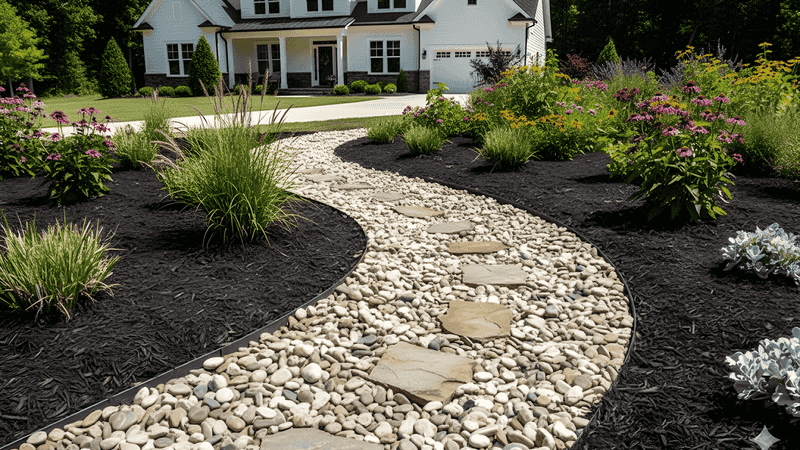
Bare dirt works like a dust factory waiting for the next windy afternoon to come along. Covering or stabilizing open ground can help reduce blowing dust, as city air quality guidance explains today.
Ground-cover plants add living texture and help hold soil in place when a hard rain finally arrives. They need establishment water first, though, so they suit spots you are willing to irrigate for a while.
Organic mulch such as wood chips holds moisture and reduces erosion while it slowly breaks down. You will need to top it up now and then, and it can burn near buildings.
Rock and gravel stay put for years and need no irrigation, which suits dry corners and slopes. They also hold heat, so keep them away from tender plants and consider the glare near windows.
Fire-resistant landscaping guidance reminds homeowners that material choice and distance from the house both matter for safety. Leave a few patches plain if you like, because no single cover wins in every situation.
Test your favorite option on a small patch first and watch how it handles a windy week. Then expand the winner across the yard, adjusting where the material struggles or looks out of place.
Give Trees And Shrubs A Sound Start
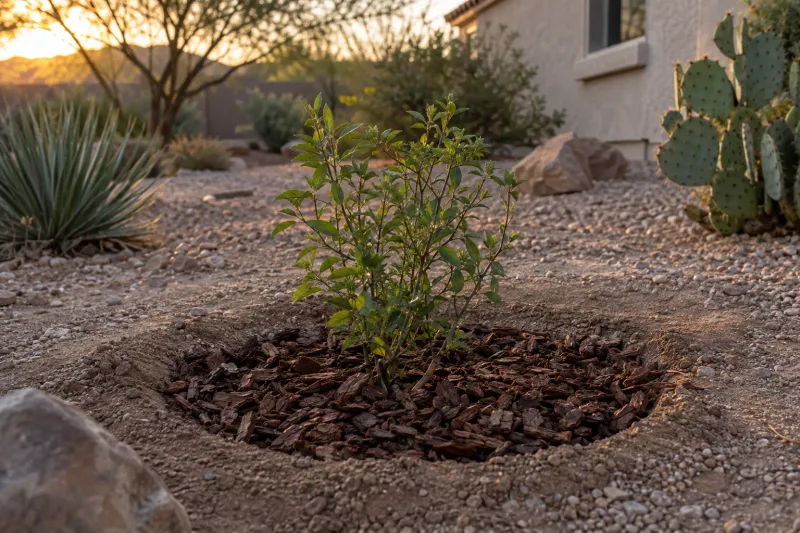
Digging the hole is where a good makeover either gets a strong start or a shaky one. The guidance below is for container trees and shrubs, not a recipe for every plant in your yard.
Extension planting guidelines say to set the plant at or above the surrounding soil grade level. Planting too deep can leave roots soggy and the trunk damp, which invites avoidable trouble later.
Backfill with the native soil you removed from the hole rather than routinely mixing in amendments. Roots then grow outward into the surrounding ground instead of circling inside one rich pocket of soil.
Water the root ball thoroughly after planting so the soil settles and any air pockets close up. Keep that watering going through establishment, then reduce frequency gradually as the plant roots into the site.
The same guidance suggests three to four inches of organic mulch spread over the tilled planting area. Over the exposed root ball, use no more than one inch, and keep mulch away from the trunk.
Cacti and succulents follow different watering rules, so check their specific needs before copying the routine above. A quick look at the plant tag and a local nursery chat can prevent a soggy mistake.
Match Irrigation To Plants And Soil
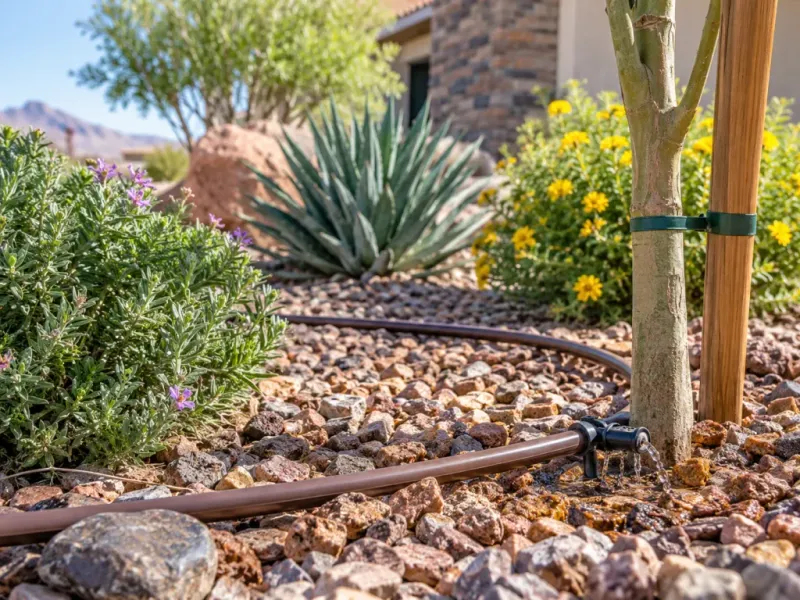
One watering schedule cannot fit every yard, and anyone who hands you a fixed one is guessing. Plant type, soil, rooting depth, weather, and site all change how much water a landscape needs.
New plantings need regular establishment watering, even when the species is native or well adapted to desert conditions. Over time, you can stretch the gaps between watering as roots reach deeper into the soil.
Desert-adapted does not mean no water, and established plants may still want a drink during dry spells. If leaves droop or growth stalls in a long hot stretch, check the soil before changing anything.
Soil type changes everything, since sandy ground drains fast while clay holds moisture and drains slowly. Sandy beds may need more frequent, shorter sessions, while clay often calls for slower applications to avoid runoff.
Try this simple test a day after watering: push a long screwdriver or dig a small hole. Dry soil only a few inches down means the water stayed shallow, while puddles mean runoff.
Cacti and succulents often want less frequent water than other plants, and October warmth still counts. Adjust as nights cool through fall, and keep watching the weather instead of trusting the calendar.
Use Native Plants To Support Habitat
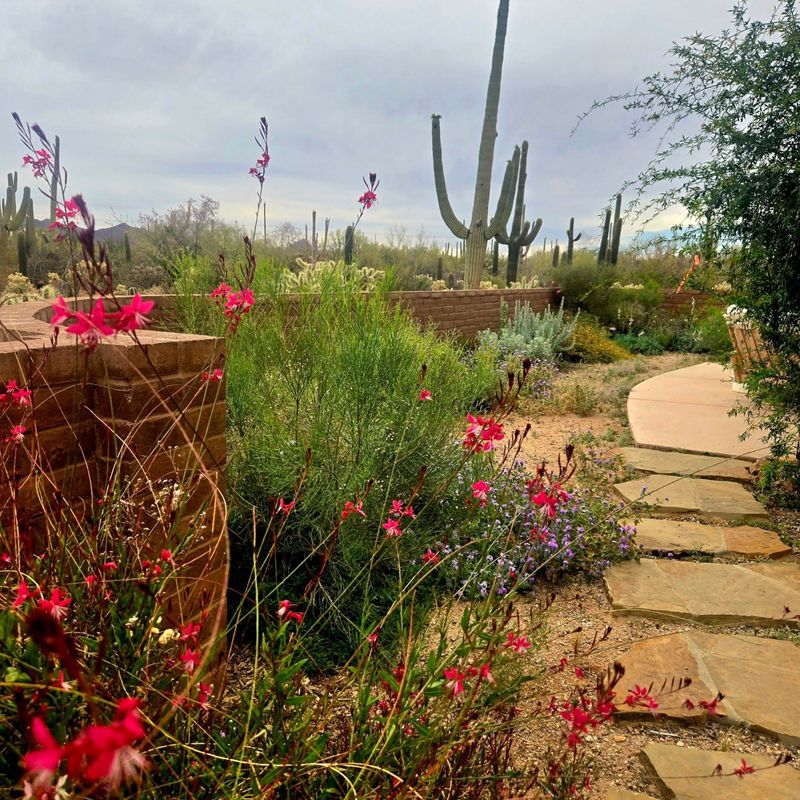
A well-chosen native planting may give local wildlife a place to forage and a path to travel along. Nothing is guaranteed, though, because visits depend on your neighborhood and on what grows around you.
Native plants can supply food and shelter for native animals, according to University of Arizona wildlife habitat guidance. Connected plantings across several neighboring yards may also help animals travel between larger natural areas nearby.
Native plants also attract native insects and microorganisms, and those helpers can contribute to natural pest management. That is a helpful bonus for your beds, but not a promise of a pest-free garden.
Think of habitat as one possible payoff of the makeover, alongside curb appeal and better soil cover. Flowers may draw pollinators, yet bloom timing and visitor numbers shift with weather and plant choice.
Leave a little leaf litter in beds away from the house for insects and soil life. Keep habitat thinking separate from pest prevention, which gets its own rules right next to your walls.
Choose a mix of native species with different shapes and sizes so more creatures find something useful. Ask a local native plant nursery which species suit your elevation and soil before you start shopping.
Manage Home Edges, Pests, And Firewise Choices
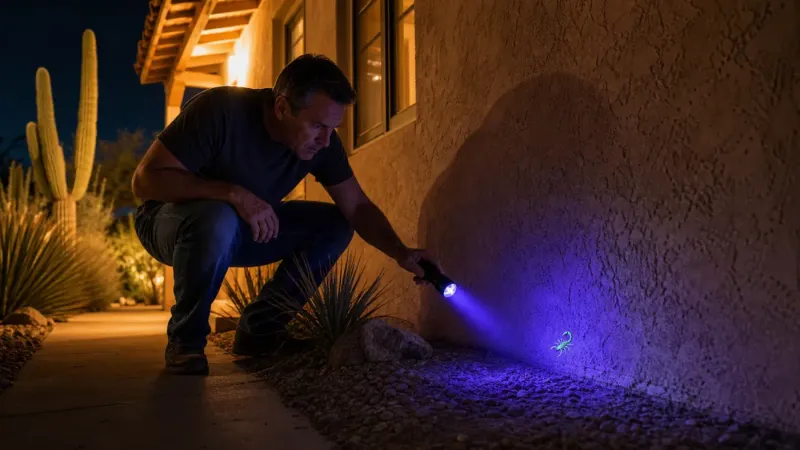
Keep the wild side of your yard a respectful distance from the walls of your home. Habitat goals and household pest prevention are different jobs, and each one needs its own plan.
Scorpions use shelter near buildings, so Extension guidance focuses on clearing debris and stacked materials close to the house. Sealing gaps around doors and utility lines matters too, and it does not mean avoiding every plant.
Mosquitoes breed in standing, nonflowing water, so remove forgotten puddles and empty any buckets or plant saucers. Bats are neat neighbors, but do not count on them to control mosquitoes around your home.
For ticks, Arizona guidance on the brown dog tick points to clutter, tall grass, brush, and leaf litter near homes. Trim and tidy those zones near the house, especially anywhere your dogs like to rest and sleep.
Wildfire exposure matters in many parts of the state, so mulch and plant placement near structures deserves thought. Firewise landscape guidance supports keeping flammable mulch and dense vegetation farther from the house, especially in fire-prone foothills.
No design removes every pest or fire risk, but a tidy edge is a smart finishing touch. A great desert yard keeps its wild heart in the middle and its tidy manners at the door.