The Hunchbacked Jumpers Crowding Indiana Basements This Fall Are Harmless but Hard to Ignore
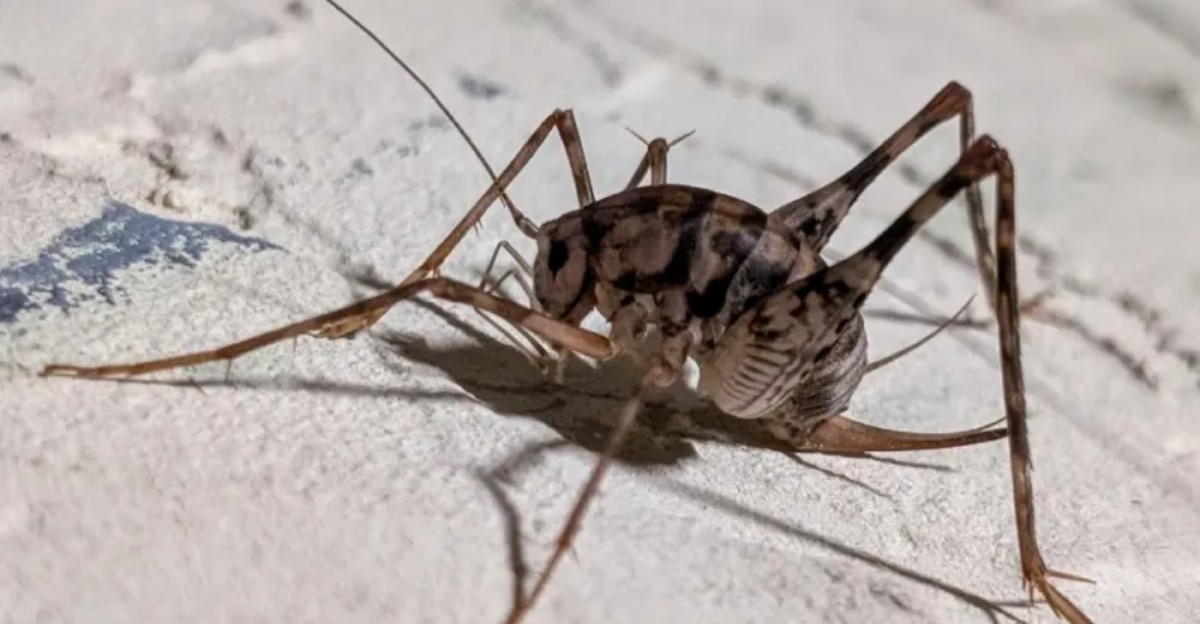
Some of the creepiest-looking critters in your basement cannot make a single sound. They have no wings, no voice, and legs so long they look borrowed from something bigger.
I didn’t expect my first encounter to end with me yelping on the stairs. One flick of the light switch, and a brown blur sailed straight toward my ankles. Across Indiana, plenty of gardeners know that exact jolt this time of year.
Truth is, these leapers have six legs, not eight. They spin no webs and carry no fangs. They mostly want a damp corner and a little peace and quiet.
So why do they pick your basement over the garden shed? The answer says more about your house than about the bugs.
That Leaping Brown Bug by the Water Heater Has Six Legs, Not Eight
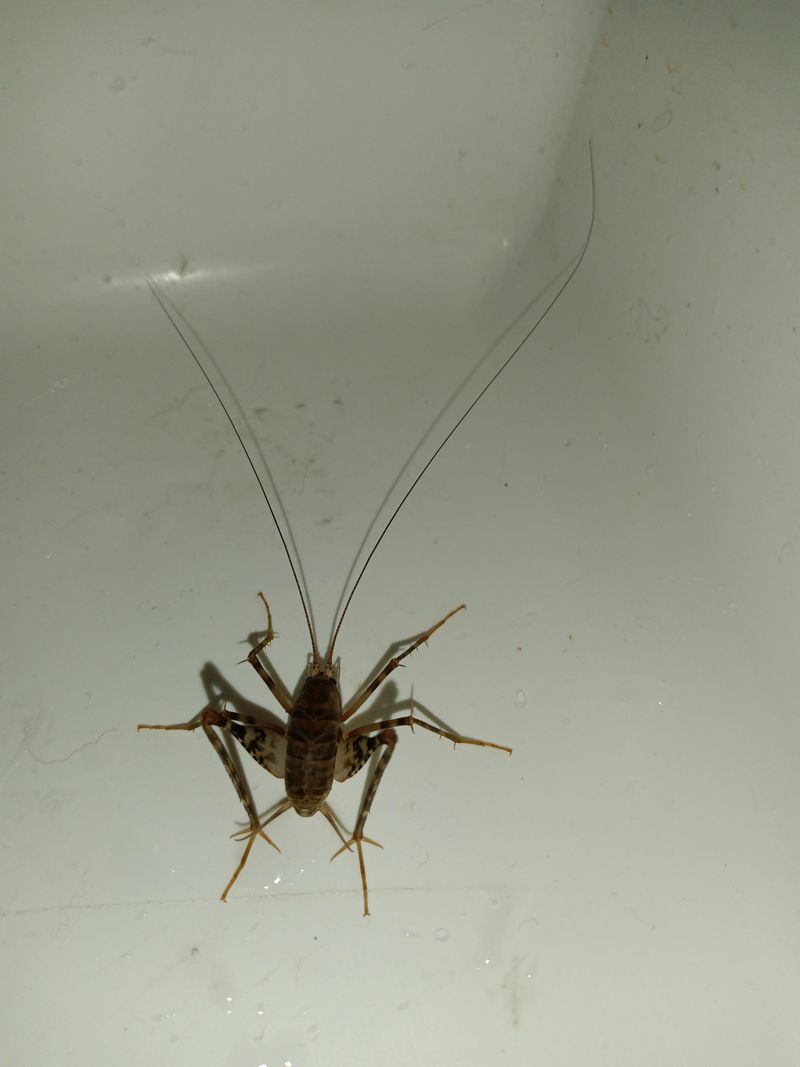
Count the legs next time one freezes on the concrete. You’ll find six, not eight, plus a pair of antennae that can stretch longer than the body itself.
Spiders never carry antennae, and they split their bodies into two main parts. The jumper in your basement has three body sections, like every other insect. Its arched back gives it that hunched, camel-like shape that fools so many people at first glance in dim light.
Those huge back legs are built for launching, not chasing. When a light snaps on or a foot comes near, the insect springs in a random direction to escape. Sometimes that direction happens to be you, which feels personal but is pure bad luck.
I used to swear they were aiming for me. Now I know they simply cannot see well and are panicking. A jump that looks like an attack is really a scramble for cover.
So take a breath before reaching for the heaviest shoe in the room. Once you spot six legs and those long feelers, you can cross spiders off the list. The real identity is a cricket with a strange body plan and a love of shadows.
Camel Crickets Are the Silent Cousins of Your Backyard Chirpers
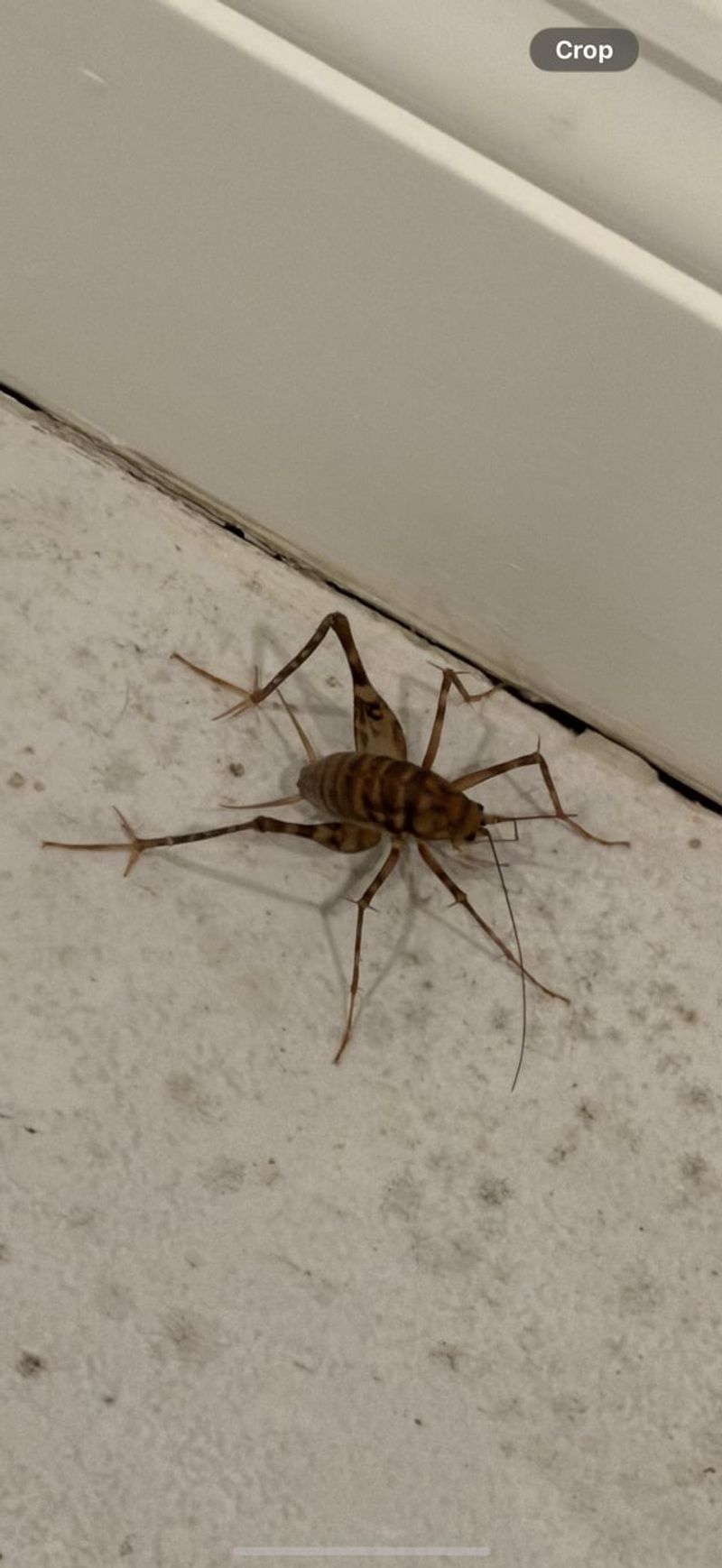
Meet the family Rhaphidophoridae, a mouthful of a name for camel crickets, cave crickets, and spider crickets. Entomologists at Purdue and other extension programs group them together because they share the same humped shape and wingless body.
Bodies usually measure around half an inch to an inch and a half. Add the legs and antennae, and the whole insect can look several inches across. Colors range from pale tan to dark brown, often with mottled bands that blend into concrete and wood.
Here’s my favorite oddity. Unlike field crickets singing in your flower beds each August, camel crickets have no wings and no sound-making organs, so they cannot chirp at all. Your basement can host dozens of them in total silence.
Two main types show up in homes. Native camel crickets have lived in Midwest woods and caves for ages. A greenhouse camel cricket from Asia has also spread through many U.S. homes, and researchers found it often outnumbers the native kinds indoors.
Either way, the treatment plan stays the same. Knowing their name just makes the next encounter a little less spooky and a lot more interesting to talk about over the garden fence.
Cooling Fall Weather Sends Camel Crickets Toward Your Foundation
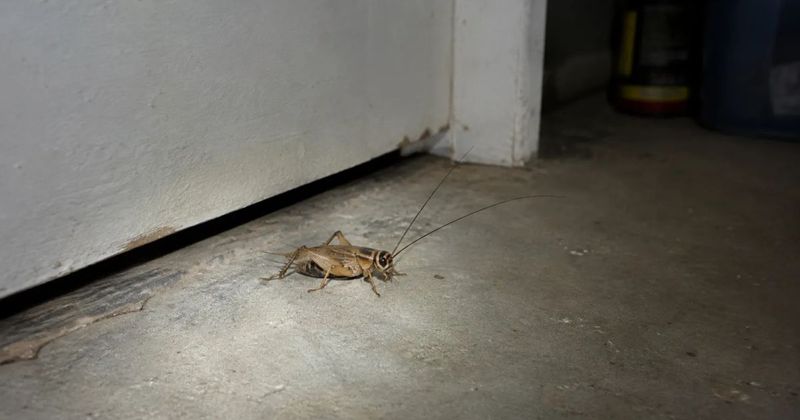
Outdoors, these crickets spend summer under logs, rocks, leaf litter, and mulch. They need cool, damp hiding spots because they dry out fast in heat and sun.
As fall settles over Indiana, nights turn chilly and the ground cover shifts. Cool, moist basements and crawl spaces start to look like ideal real estate. Gaps under doors, loose window wells, and cracks around utility lines become easy front doors.
Every fall, I find a few lingering near my basement drain. The draw is steady humidity and shelter, not food from your kitchen. Some nuisance pest guides also note that numbers peak in late summer and fall as young crickets mature.
Keep in mind that sightings vary from house to house. A home with a damp crawl space in southern Indiana’s hilly, cave-rich country may see far more visitors than a dry slab house up north. Older stone foundations often leak more moisture and offer more cracks.
There’s no evidence of a special statewide surge this year. What you’re seeing is a normal seasonal move indoors. Recognizing that pattern helps you plan, rather than panic, when the first jumper appears.
Spider Crickets Won’t Bite You, but Your Stored Boxes Are Another Story
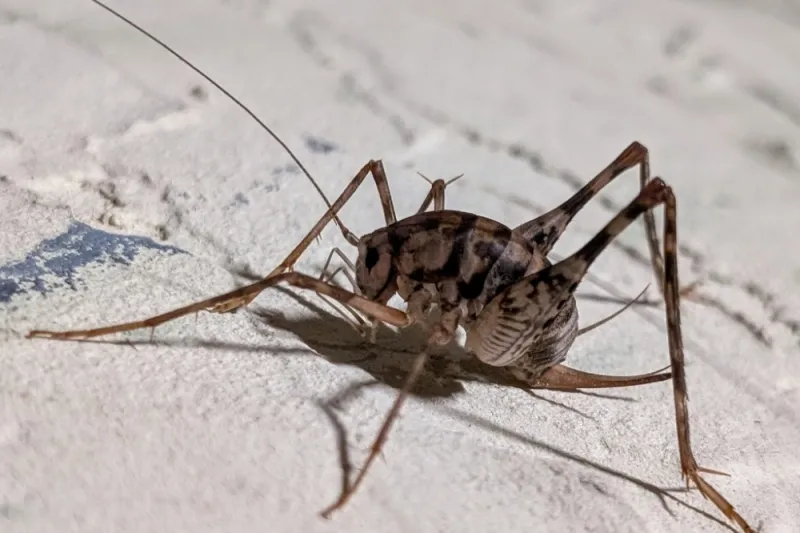
Fair warning, the scariest thing about these insects is the jump. They have no venom, no stinger, and no habit of biting people or pets. Extension entomologists list them as nuisance pests, not health threats.
Their menu is the bigger concern. Camel crickets are scavengers that eat fungi, decaying plant bits, dead insects, and other organic scraps. In a damp basement, that can stretch to cardboard, paper, stored fabrics, and even clothing left in piles.
I’m not proud of this, but I once lost a box of seed catalogs to chewing and mildew. The crickets did not cause the dampness, yet they happily took advantage of it. Large crowds can also leave droppings and stains behind.
Pets sometimes chase and eat them, which is usually harmless. Still, keep an eye on dogs or cats that seem overly interested in one corner.
Store keepsakes, holiday decorations, and garden supplies in sealed plastic bins instead of cardboard. Lift items off the floor with shelving. These small changes protect your belongings and leave hungry crickets with far fewer snacks hiding in your storage area.
A Basement Full of Hunchbacked Crickets Is Really a Moisture Alarm
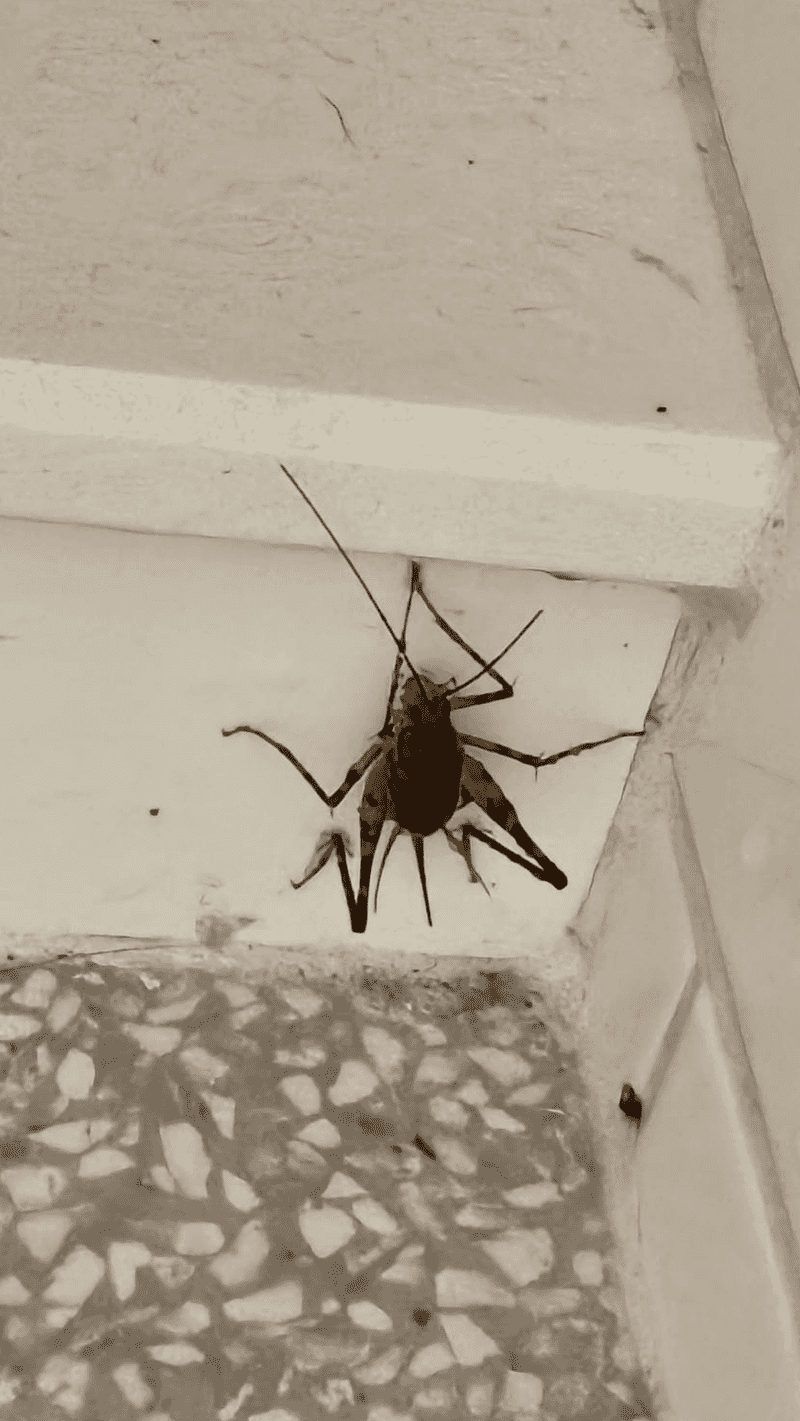
Think of each cricket as a tiny hygrometer with legs. Where they gather, moisture usually lingers, and that tells you something useful about your house.
Look closely at their favorite hangouts. Sweaty cold-water pipes, slow plumbing leaks, sump pits, floor drains, and laundry areas often top the list. Water stains on block walls or a musty smell are strong clues too.
Outside causes matter just as much. Clogged gutters, short downspouts, and soil sloping toward the house can push rainwater against your foundation. Fall rains then soak those walls for weeks.
Not going to lie, fixing my downspouts did more good than any spray ever did. Once the water moved away from the house, the cricket count dropped noticeably over the next season.
Dampness invites more than crickets. Mold, mildew, sowbugs, millipedes, and silverfish enjoy the same conditions. Solving the moisture problem tackles a whole crowd of uninvited guests at once.
Grab a flashlight and walk the basement after a rainy day. Note every damp patch, drip, and puddle you find. That simple list becomes your roadmap for the fixes that actually work.
A Dehumidifier and Sticky Traps Can Quiet the Camel Cricket Crowd
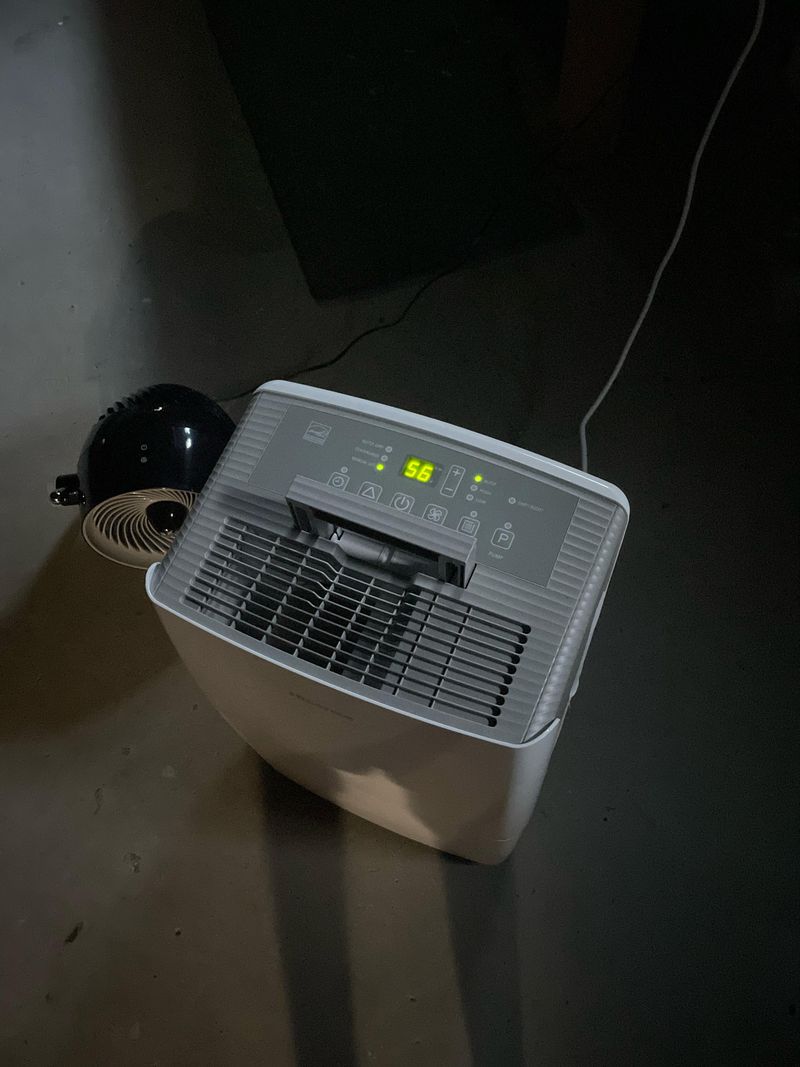
My favorite tool for this job hums quietly in the corner. A dehumidifier set to keep relative humidity near or below 50 percent makes a basement far less welcoming to camel crickets.
Empty the bucket often, or connect a hose to a floor drain. Pair it with a fan in stuffy rooms, and run the dryer vent properly outdoors so laundry steam doesn’t linger.
Sticky glue traps are the next step. Set them along walls, near drains, and behind the water heater, since crickets travel edges and corners. The traps catch plenty and also show you where the hot spots are.
Got a few stragglers? A shop vacuum handles them quickly with no chemicals involved. Empty the canister outside right away.
Insecticides are rarely needed indoors. Extension specialists generally suggest focusing on moisture and sealing first, since sprays alone give only short relief. If you do use a product, choose one labeled for crickets and follow every label direction.
Keep traps away from curious pets and kids. A little patience matters here, too, because cricket numbers often drop over several weeks as the space dries out.
Pull the Mulch Back and Seal Those Foundation Cracks Before Next Fall

Prevention starts in the garden beds hugging your house. Pull mulch, leaf piles, and stacked firewood back at least a foot from the foundation. That dry gap removes the cozy staging area crickets use before moving inside.
Next, grab a tube of caulk. Seal cracks in the foundation, gaps around pipes and cables, and loose spots around basement windows. Add weatherstripping and door sweeps where light shows underneath.
Window wells deserve a look as well. Clear out leaves and consider snug covers so debris and moisture don’t collect against the glass.
Keep gutters clean through leaf season and stretch downspouts several feet from the house. Trim tall grass and dense groundcover near the walls. Outdoor lights can draw other insects that crickets feed on, so switching to yellow bulbs may help a bit.
Indoors, clear clutter and keep storage off the floor. If water keeps returning despite your efforts, call a waterproofing pro or a licensed pest professional for a closer look.
I’ll say this much. A drier, tighter Indiana home makes these harmless jumpers a rare sight, and your basement trips become a lot calmer.