What Your Florida Bird of Paradise Needs in November for Winter Blooms
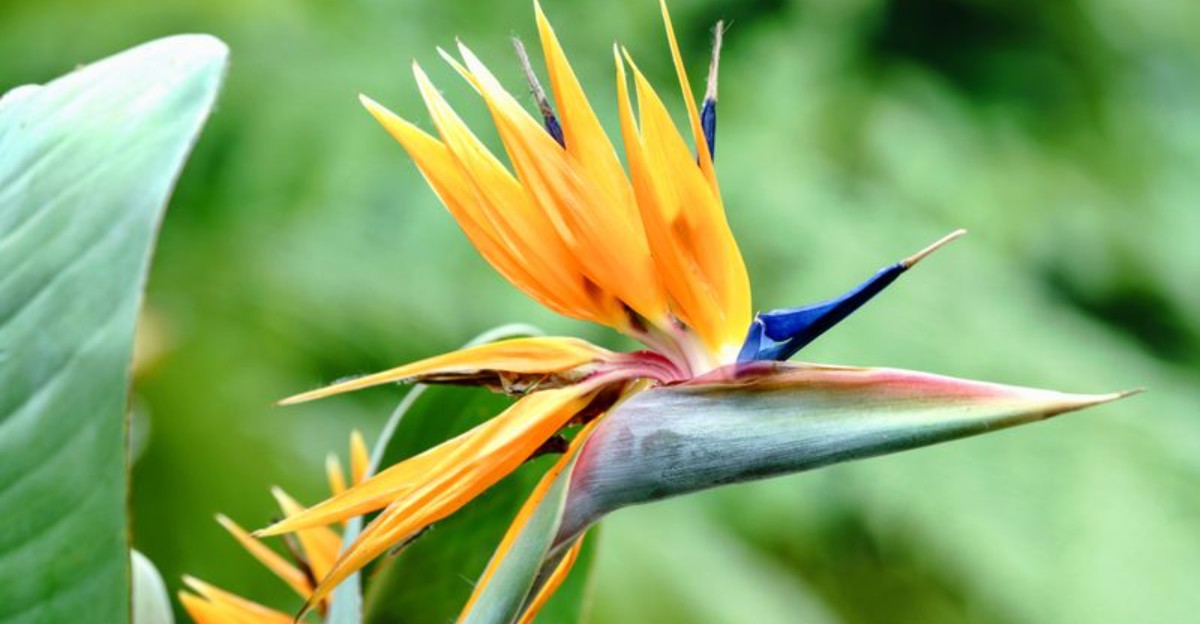
Each flower on this plant pops open like a tiny trapdoor when a sunbird lands on it. The bird’s weight springs the petals apart, and pollen dusts its feet.
We don’t have sunbirds in Florida, yet the show still goes on in our yards. I love how the orange and blue blooms look like a flock frozen in midflight.
Before winter arrives, there’s one thing worth knowing. The care you give in November can decide whether January brings a burst of color or a quiet clump of leaves.
Shorter days, cooler nights, and a few small changes all play a part. Truth be told, the timing makes this one of my favorite garden jobs of the year.
What your plant wants right now is simpler than you might think, and the payoff arrives just as the rest of the yard goes quiet.
Cooler Nights Quietly Wake Up Bird of Paradise Flower Buds
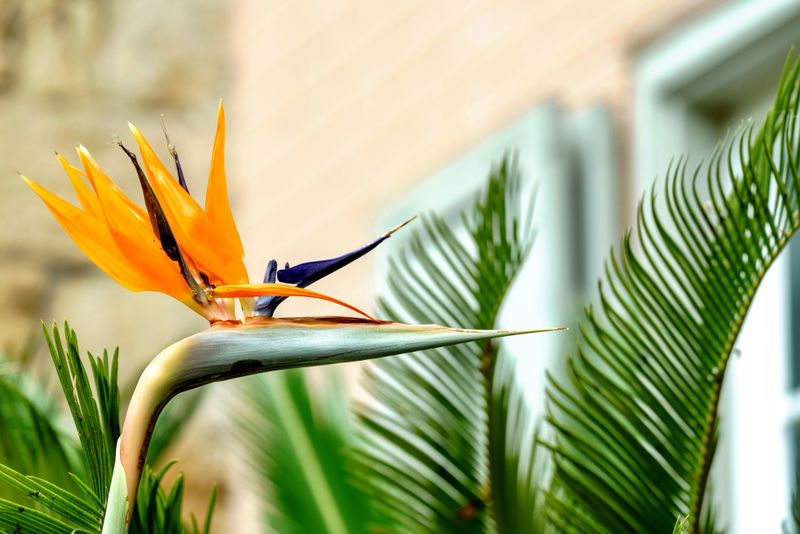
Something sneaky happens inside the clump as Florida nights cool down. Growth slows, and the plant starts tucking energy away for future flowers.
Bird of paradise, or Strelitzia reginae, comes from coastal South Africa. Winters there are mild and dry, a lot like a typical Florida winter in many areas.
That is why so many local plants push out their showiest flowers from fall through spring.
New flower stalks form deep in the leaf bases, often weeks before you spot them. A healthy plant can take a while to turn those hidden buds into the beak-shaped spikes you know.
What you do in November mostly protects that hidden progress.
Your job right now is simple. Keep the plant steady, sunny, and safe from stress.
Big changes, like moving it to a dim corner or dividing it, can slow down bud formation.
I like to walk past my plants every few days this month. Look near the base of the leaves for a stiff green stalk with a pointed tip.
Spotting one early feels like finding a wrapped gift under the tree.
Once you see that stalk, you know your plant is on track. The steps ahead help it finish the job.
Six Hours of Sun Keeps Those Orange Blooms Coming
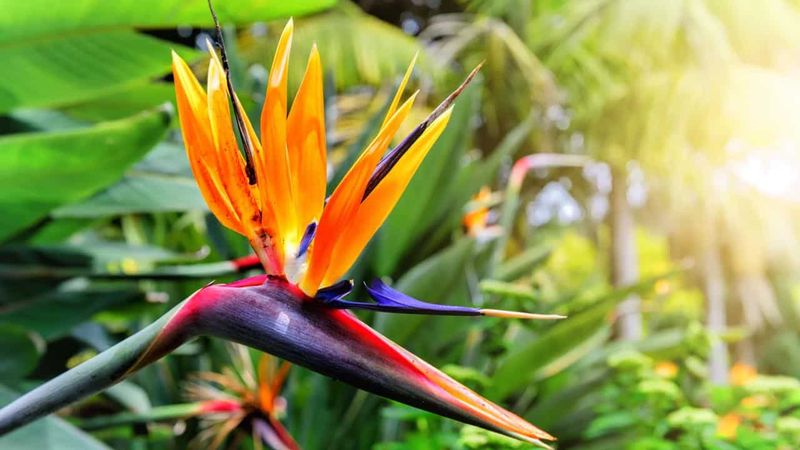
Sunlight is the fuel that powers every orange and blue flower. Without it, your plant will grow leaves happily and skip the blooms.
University of Florida experts note that bird of paradise flowers best in full sun to light shade. Aim for at least six hours of direct light each day.
Plants in deep shade often look lush but stay stubbornly flowerless.
November days are shorter, and the sun sits lower in the sky. A spot that felt bright in July may now sit in the shadow of a fence, tree, or roof.
Take a quick look around noon and again in the afternoon.
Potted plants make this easy to fix. Slide the container to a sunnier patio spot or the south side of the house.
A plant dolly with wheels saves your back when pots get heavy.
In-ground plants need a different approach. You can trim back overhanging branches from nearby shrubs to let more light reach the clump.
Indoor plants have the toughest time this season. Place them near the brightest window you have, ideally facing south or west.
Honestly, an indoor bird of paradise rarely blooms without strong light, so give it the best seat in the house.
Bird of Paradise Roots Want Less Water as the Weather Cools
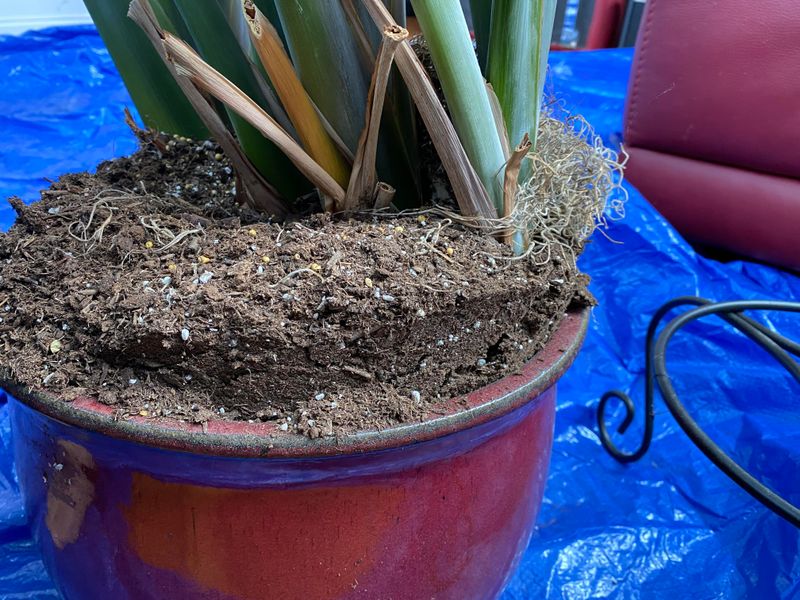
Soggy soil is the quickest way to stall a bird of paradise in winter. Cooler weather means the plant drinks less, even though the leaves look just as big.
Fall is also when much of the state enters its dry season. Rain becomes less frequent, but the plant’s thirst drops too.
That balance makes it easy to overdo the hose.
Try the finger test before you water. Push a finger two or three inches into the soil.
If it feels dry at that depth, give the plant a deep, slow soak, then let it dry out again.
Established plants in the ground usually need very little extra water in winter. Check your irrigation timer, since many systems still run on summer settings in November.
Florida watering rules also limit how often you can irrigate, so check your local schedule.
Containers need a closer eye. Make sure the drainage holes are clear, and empty saucers after watering so roots do not sit in a puddle.
Root rot often shows up as yellow, drooping leaves and a mushy base. Catching soggy soil early saves you a lot of heartache.
When in doubt, wait a day or two.
Ease Off the Fertilizer Bag Around Your Strelitzia
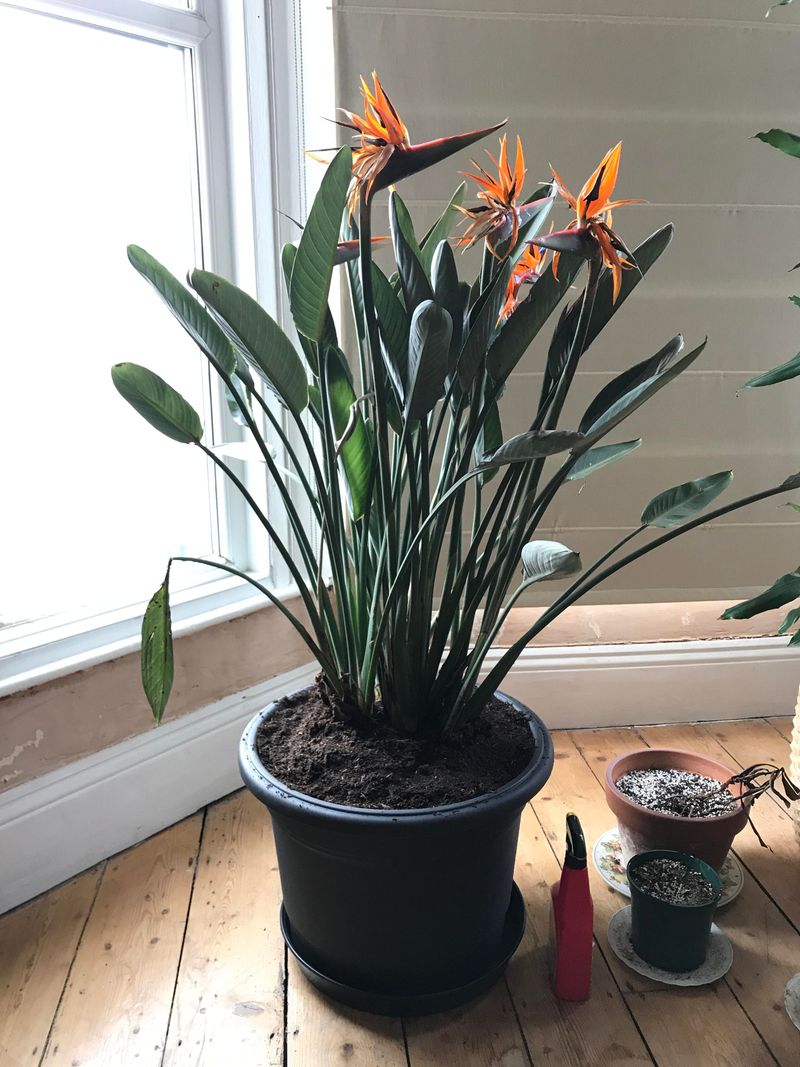
Feeding a bird of paradise in November is a little like snacking before bed. A small amount is fine, but too much just creates problems.
During spring and summer, these plants appreciate regular feeding. As growth slows in fall, most experts suggest cutting back.
Heavy nitrogen now can push floppy new leaves instead of flowers.
A balanced slow-release fertilizer is a solid choice for our yards. Many gardeners give a final light application in early fall, then hold off until spring.
If you use liquid feed on potted plants, stretch it to once every four to six weeks, or pause if you see no new growth.
Some growers like bloom formulas with more phosphorus. Keep in mind that many Florida soils already contain plenty of phosphorus, so a soil test from your county extension office is worth doing first.
It costs little and takes out the guesswork.
Several Florida counties and cities restrict fertilizer use during the summer rainy season. Those rules protect lakes and springs from runoff.
Even in fall, keep granules off sidewalks and driveways.
Leaves with pale stripes or yellow edges may need micronutrients like magnesium or manganese. A palm-style fertilizer often covers those needs nicely.
One Frosty Night Can Ruin Those Developing Flower Spikes
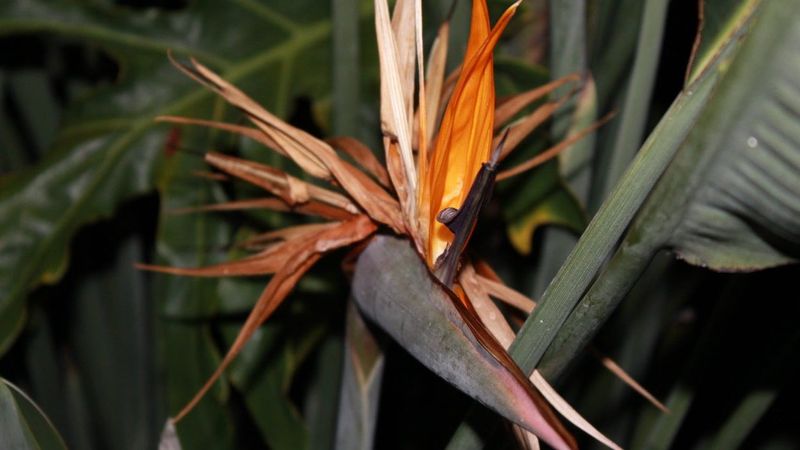
Freezes do not happen often in South Florida, but North and Central Florida see them most winters. A single cold night can scorch tender flower spikes you waited months to see.
Bird of paradise grows best in USDA zones 9b through 11. Mature plants can handle short dips into the upper 20s with some leaf damage.
Flowers and new buds are far more sensitive, and they often brown after frost.
Watch the forecast closely starting in late November. When temperatures near freezing are expected, water the soil a day ahead.
Moist soil holds and releases more heat than dry soil.
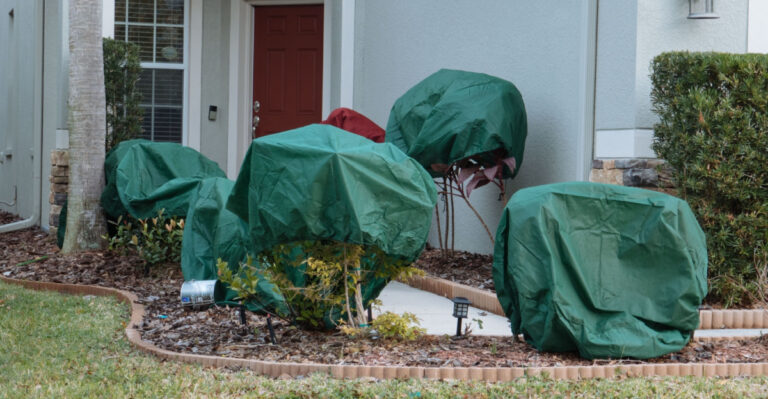
Cover the plant in the evening with frost cloth or an old bedsheet that reaches the ground. That trapped soil warmth is what protects the plant.
Avoid plastic touching the leaves, since it can transfer cold. Remove covers the next morning once it warms up.
Containers give you an easy escape. Roll them into a garage or onto a covered porch during cold snaps.
If leaves do get damaged, hold off on trimming. Those brown leaves help shield the inner growth from the next cold front.
Clean up later, once the danger has passed in spring.
Snip Spent Flower Stalks and Tattered Leaves Close to the Base
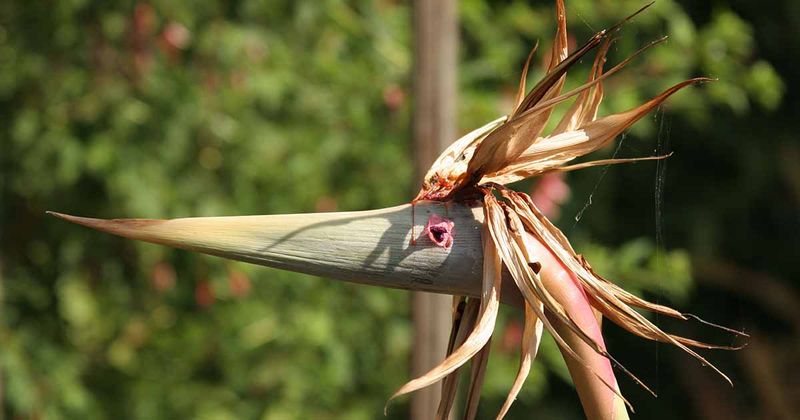
A tidy plant is a happy plant, and November is a great time for light cleanup. Think of it as a quick haircut, not a makeover.
Start with old flower stalks that have turned brown and dry. Follow each one down and cut it as close to the base as you safely can.
Do the same with leaves that are fully brown or broken.
Split leaves are normal and are not a sign of trouble. In the wild, those tears let wind pass through without snapping the stems.
Leave split but green leaves in place, since they still make food for the plant.
Use clean, sharp pruners or a small saw for thick stems. Wiping blades with a household disinfectant between plants helps limit the spread of disease.
Fun fact for curious gardeners. Each flower spike can hold several blooms that open one after another from the same green boat-shaped bract.
Gently lifting a stuck bloom out with your fingers sometimes helps the next one appear.
Skip heavy pruning this time of year. Major thinning or dividing works better in spring and summer when the plant is actively growing and can recover quickly.
A Crowded Bird of Paradise Clump Often Flowers Best
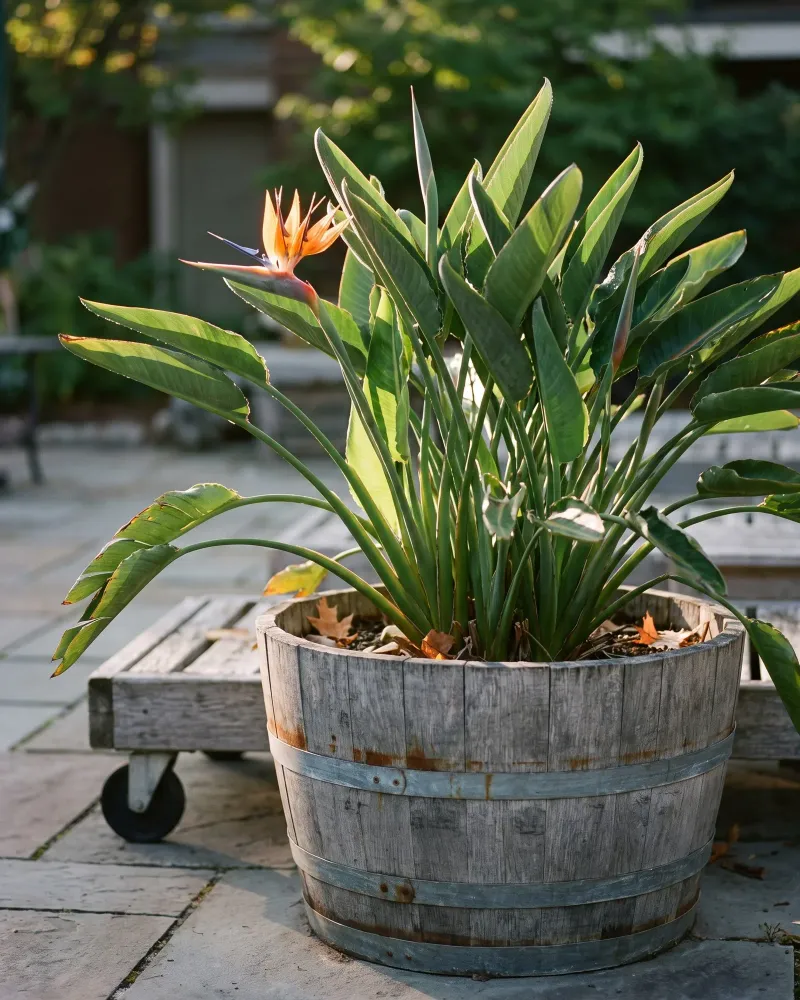
Patience is the secret ingredient nobody puts on the plant tag. Young bird of paradise plants usually need three to five years before they bloom well.
If your plant is still small, that is not a failure. It is simply growing up.
Steady sun, careful watering, and light feeding now set it on the right path.
Many growers notice something surprising with potted plants. A slightly crowded root system often encourages more flowers.
Repotting into a much bigger container can send energy into roots and leaves instead.
Bird of paradise is not considered invasive in Florida, which makes it a safe choice for landscapes. Its sap and seeds can upset pets and people if swallowed, so keep curious dogs from chewing on it.
Here is a quick November checklist to remember. Keep it in sun, water only when the top inches dry, ease off fertilizer, watch for frost, and trim brown stalks.
Then sit back and watch the leaf bases. When that first orange crest peeks out in winter, you will feel like you just won a small prize.
I can’t imagine a better reward for a little careful attention this month.