What You Should And Shouldn’t Do To Live Oaks Before Winter In Florida
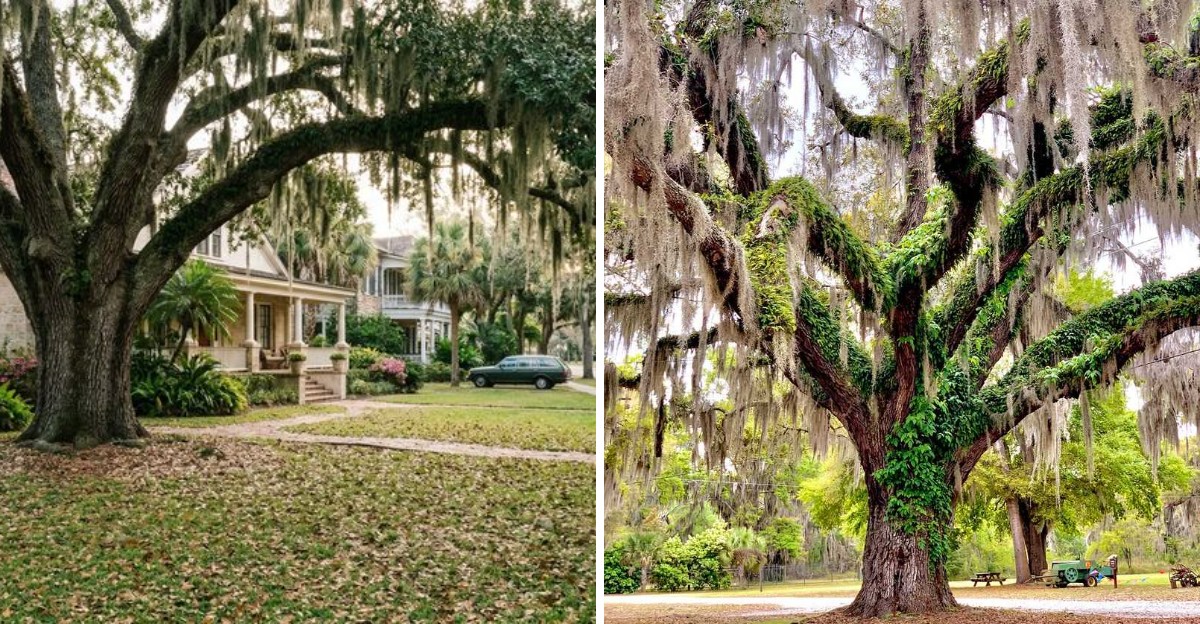
Some of the oldest trees in the South are draped in a fern that curls up brown in dry weather and turns green again within hours of rain. That resurrection fern loves one tree above almost all others.
The tree it clings to can spread its limbs wider than it stands tall. Some famous specimens are thought to be centuries old, and a few have outlived the towns built around them.
I still can’t walk under one without slowing down.
Here in Florida, the cooler months bring a quiet window for care. Bugs slow down, rain eases off, and the tree itself shifts into a calmer pace.
You get a real chance to help it now, or to cause trouble without noticing.
A few smart chores now can help a tree that might outlive your grandkids, while a few careless ones can quietly undo decades of growth.
Those Sprawling Live Oak Limbs Have A Favorite Season For Trimming
Ask any arborist about live oak timing, and you will hear the same advice from Pensacola to Tampa. The cooler stretch from late fall into winter is the friendliest window for structural pruning.
During these months, the tree is growing slowly, and many sap-loving insects are less active. Fresh cuts get time to start sealing before spring growth takes off.
That makes the tree less stressed by the work.
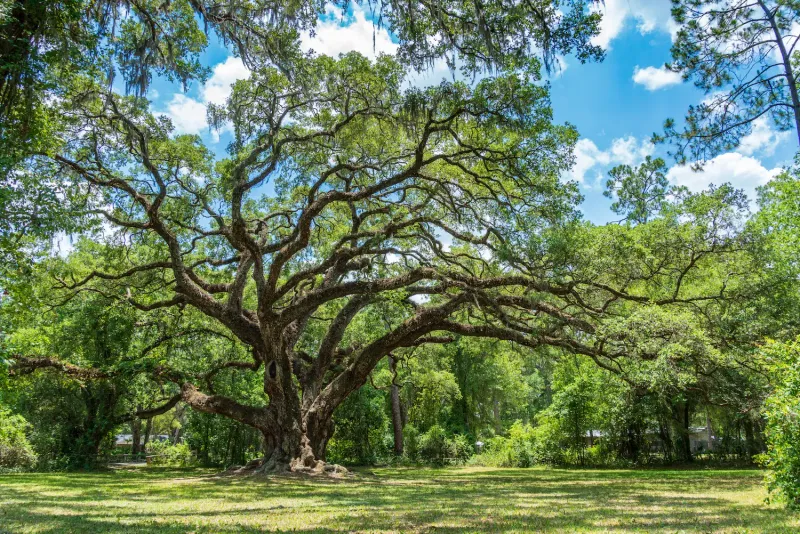
Good pruning on a live oak focuses on structure. Arborists often reduce long, heavy limbs that lean low over roofs or driveways and remove rubbing or crossing branches.
Young trees benefit greatly from training toward one strong central trunk.
Hurricane season also wraps up at the end of November, which makes early winter a smart time to fix weak spots before next summer’s storms. A sturdy, well-spaced canopy lets wind pass through more easily.
Broken or hanging limbs are a different story. Remove those right away, no matter the month, because safety comes first.
For big jobs, hire an ISA Certified Arborist. Live oaks get huge, and ladder work near heavy limbs is risky for homeowners.
A pro can also check whether your city requires a permit before major cuts.
Skip Topping And Lion-Tailing Your Live Oak Canopy
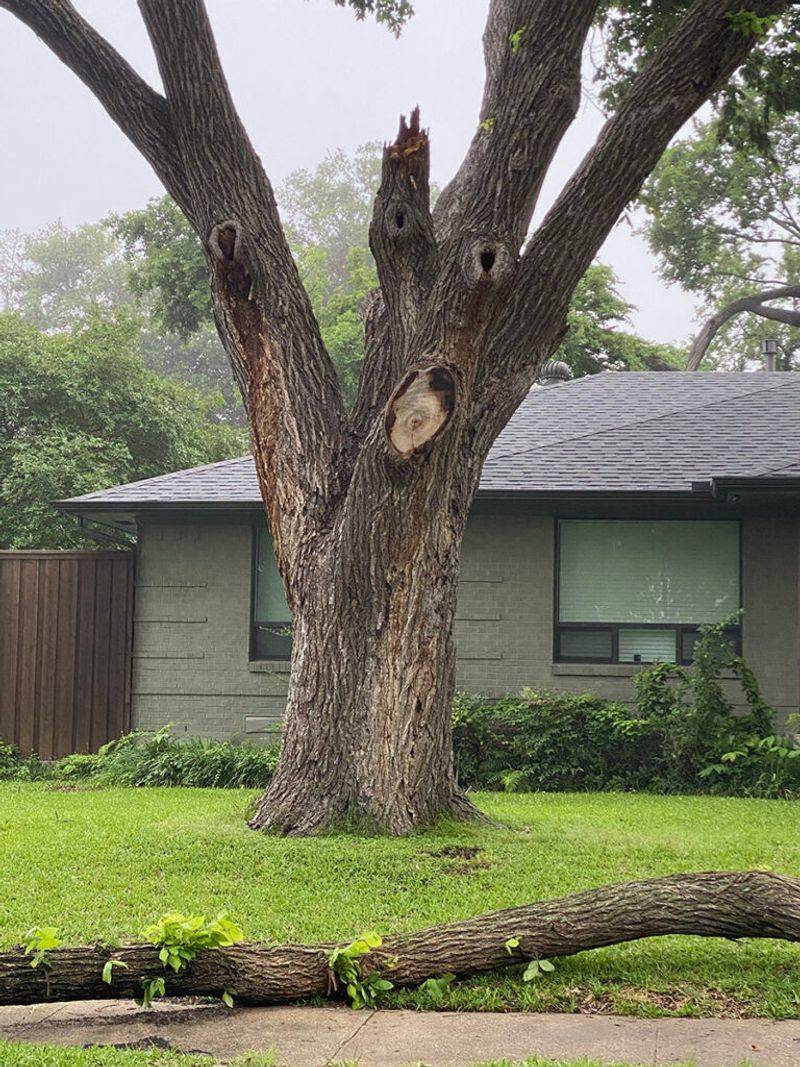
Honestly, few sights make me wince like a once-grand oak chopped into stubs. Topping cuts big limbs back to random points, and it leaves the tree weaker than before.
The tree responds by pushing out clusters of fast sprouts near each cut. Those sprouts attach poorly and can snap in strong winds.
Large open wounds also invite decay into the main limbs.
Lion-tailing is the sneakier cousin. It strips out all the inner branches and leaves foliage only at the tips, like a lion’s tail.
University of Florida research on hurricane damage found that over-thinned trees tend to perform worse in storms, because the weight ends up concentrated at the ends of limbs.
So what should you ask for instead? Request reduction cuts made back to a healthy side branch, plus light thinning that keeps the interior leafy.
A helpful guideline is to remove no more than about 20 to 25 percent of the living canopy in one season. Less is often better for mature trees.
If a tree crew offers to top your oak for a cheap price, politely say no thanks. Your tree will look better and stand stronger for decades.
Young Live Oak Saplings Still Want A Drink When Rain Slows
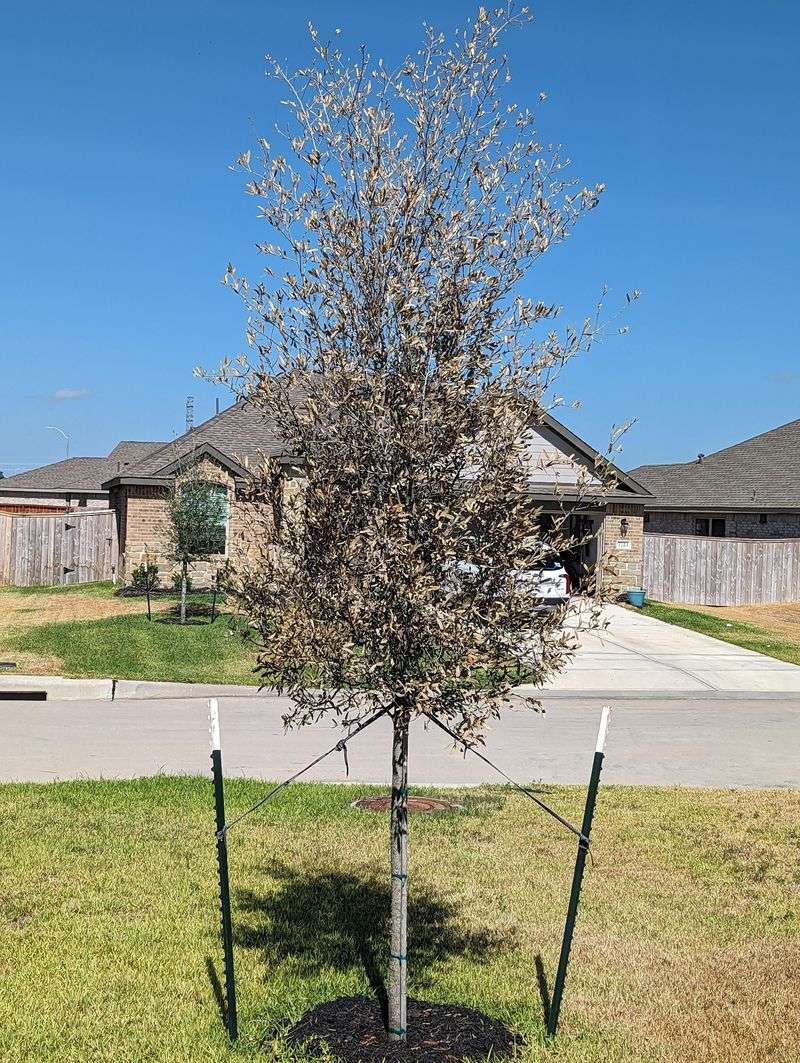
Winter is usually the driest season in much of the state, and that catches new trees off guard. A live oak planted in the last year or two has not grown the wide roots it needs yet.
UF/IFAS guidance suggests frequent watering right after planting, then tapering off as the tree settles in. Larger trees take longer to establish, so a bigger nursery tree may need help for more than a year.
Aim the water at the root ball and just beyond it. A slow trickle from a hose works nicely, since it soaks in rather than running off sandy soil.
Mature oaks are a different story. Once established, they handle dry spells well and rarely need extra irrigation in winter.
In fact, too much water can cause trouble around older trees. Constantly soggy soil can starve roots of oxygen and encourage root rot.
My simple test is pushing a finger or a screwdriver into the soil near the root ball. If the top few inches feel dry and no rain is in the forecast, it is time to water.
If it feels damp, give it a few more days.
A Wide Mulch Ring Keeps Live Oak Roots Comfy
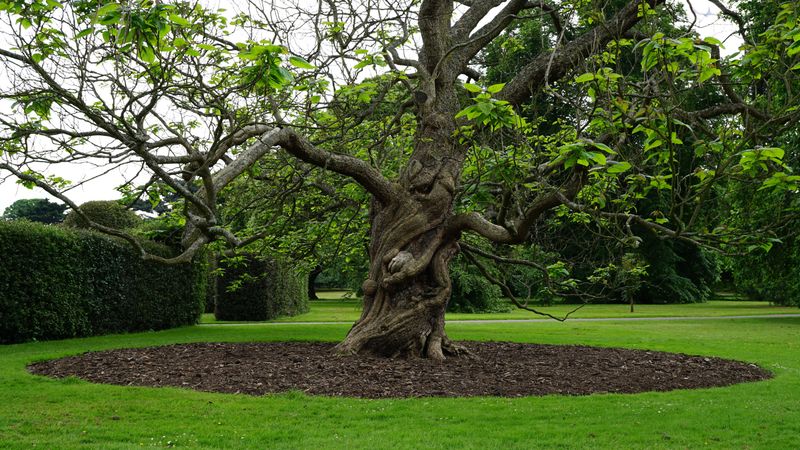
Out in the woods, live oaks grow over a soft carpet of fallen leaves. A good mulch ring copies that natural setup in your yard.
Spread about two to three inches of organic mulch, such as pine bark, pine straw, or shredded leaves, across as much of the root zone as you can. Wider is better than deeper.
Mulch helps hold soil moisture during the dry months. It also evens out soil temperatures on cold nights and keeps lawn mowers and string trimmers away from the bark.
The one rule that matters most is keeping it off the trunk. Leave a gap of several inches so the root flare stays visible.
Mulch volcanoes piled against the bark hold moisture there, which can lead to decay and pest problems.
When choosing mulch, many Florida gardeners skip cypress mulch, since harvesting it can affect wetland forests. Pine products and recycled yard waste are solid options.
Fun bonus, the leaves your oak drops in late winter and early spring make great free mulch. Rake them into the bed instead of bagging them up.
Your tree basically feeds itself that way.
Hold The Fertilizer Bag Away From Your Live Oak This Fall
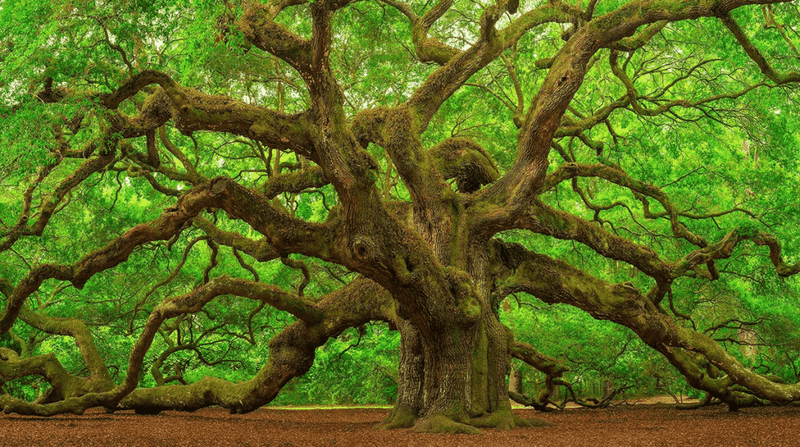
Feeding a tree feels like a kind gesture, right? With live oaks heading into winter, it often does more harm than help.
Fertilizer, especially nitrogen, can push out soft new shoots. That tender growth is easy prey for a cold snap and for sap-sucking pests.
Established oaks in decent soil usually find what they need on their own.
If your tree looks pale or weak, start with a soil test. Your county extension office can point you to UF/IFAS soil testing, which tells you what is actually missing instead of guessing.
When feeding is truly needed, late winter or early spring is the better time. Slow-release products spread across the root zone work best.
Keep local rules in mind too. Many Florida counties and cities restrict fertilizer use near water, and some coastal areas ban nitrogen and phosphorus during the rainy summer months.
These ordinances protect lakes, springs, and bays from algae blooms.
Here is my favorite shortcut. Leaving fallen leaves and mulch in place slowly adds nutrients back to the soil.
That gentle, steady supply suits a slow-growing giant far better than a sudden rush of chemicals.
The Ground Under Your Live Oak Hides Its Most Fragile Part
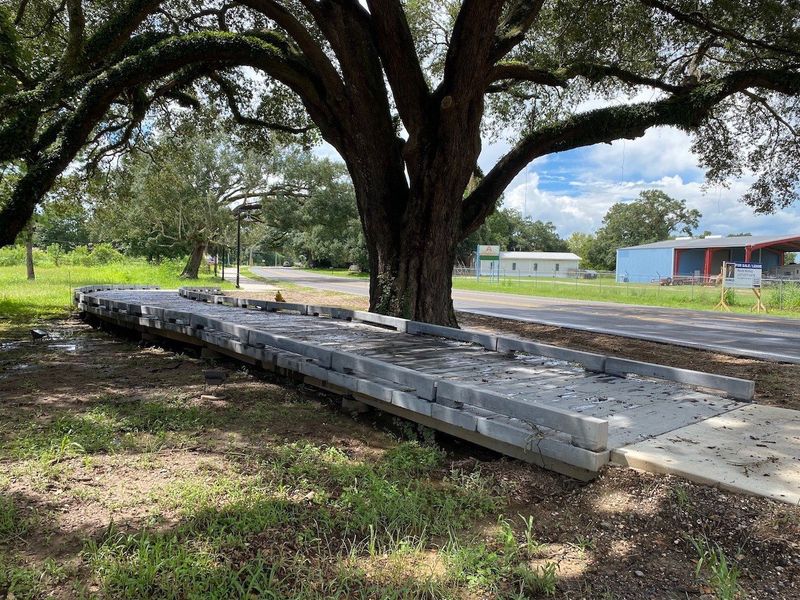
Most of a live oak’s roots live in the top foot or two of soil. They spread far past the edge of the canopy, sometimes two or three times wider.
That means projects you plan for the cooler months can quietly harm your tree. Winter is popular for patios, driveways, and pool installs, and every one of them can crush or cut roots.
Heavy trucks and stacked materials pack the soil down. Compacted soil holds less air and water, and roots struggle to grow through it.
Trenching for pipes or wires can slice through major roots in minutes.
Before work starts, mark off the area under and beyond the canopy with temporary fencing. Ask contractors to keep equipment and supplies outside it.
Also avoid piling extra soil over the roots to level a yard. Even a few inches of fill can smother them over time.
Symptoms of root damage often show up years later as thinning leaves or bare, leafless branches in the crown. By then fixing it is hard.
A quick chat with an arborist before construction can save you a costly removal later and keep your shade tree standing tall.
Spanish Moss On Your Live Oak Is Not The Villain
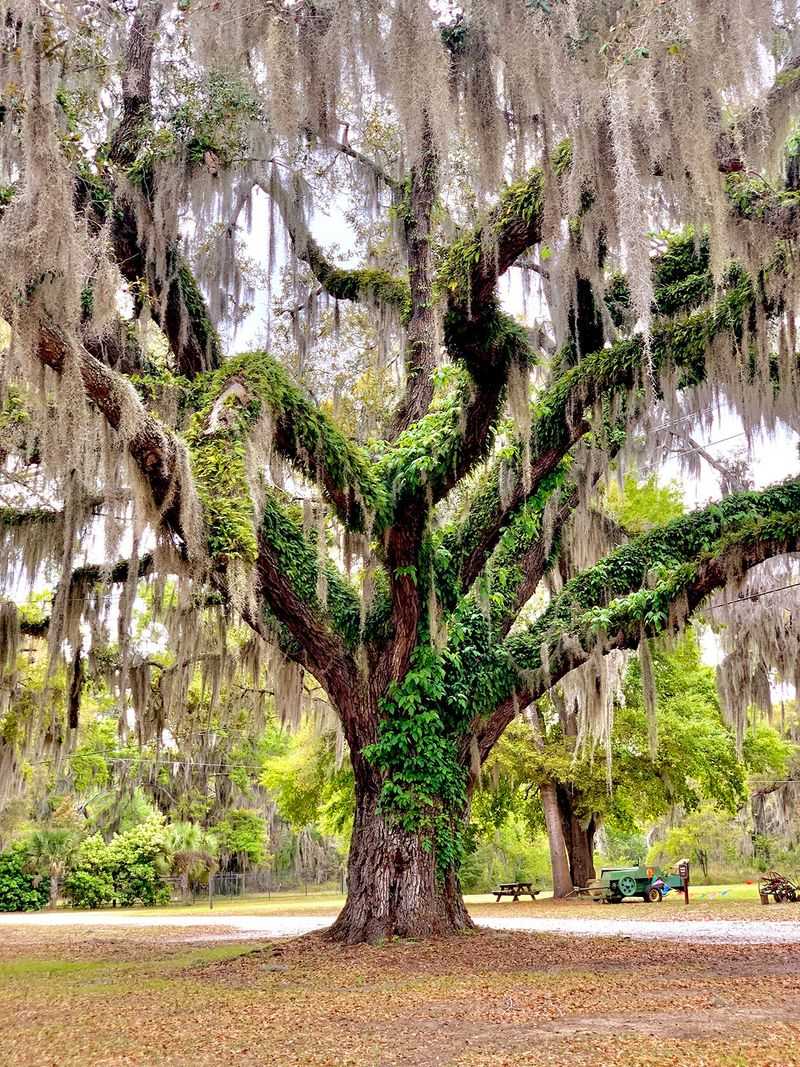
Plenty of homeowners spend cool weekends yanking gray strands out of their oaks. I get it, but Spanish moss is not a parasite.
It is an air plant in the bromeliad family, related to pineapples. It takes water and nutrients from rain, fog, and dust, not from the tree.
Ball moss works the same way.
Both tend to show up more on trees that are already thin, simply because they get more light there. So a heavy load can be a clue to check the tree’s overall health, not proof the moss caused the problem.
Spanish moss also gives shelter to bats, songbirds, and insects. Some birds weave it right into their nests.
Resurrection fern is another friendly passenger. It curls up brown in dry spells, then unfurls green after rain, and it does no harm.
If moss weighs down a low branch over your walkway, pulling some off is fine. Skip harsh sprays, though, since they rarely help and can affect nearby plants.
Instead, spend that time looking for real warning signs. Mushrooms at the base, cracked limbs, or large hollow areas deserve a professional look before the next storm season.
Spring Leaf Drop On Live Oaks Is Normal, So Stay Calm
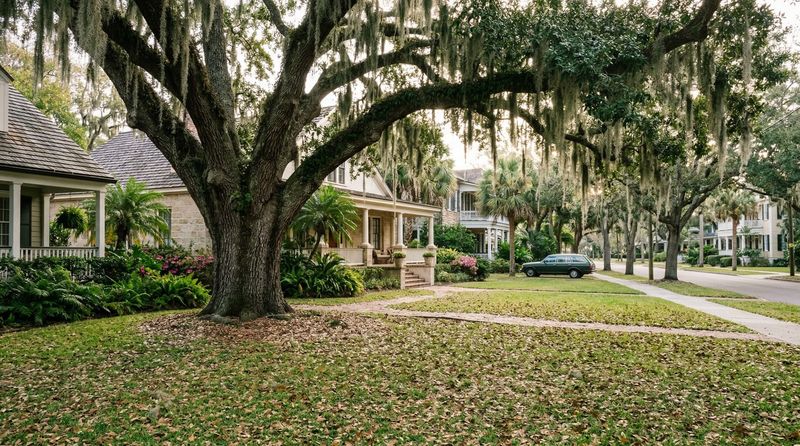
Every year around late winter or early spring, someone panics because their live oak suddenly showers the yard with leaves. Relax, that is part of the plan.
Live oaks are often called evergreen, but they are better described as nearly evergreen. They drop most old leaves just as new ones push out.
For a short spell, the canopy may look thin, then it fills back in fast.
Timing varies across the state. Trees in South Florida may swap leaves earlier, while those in the Panhandle can hold on a bit longer.
Pollen comes next, with dusty tassels coating cars and patios. Allergy sufferers, you have my sympathy.
Mature oaks shrug off most freezes, but a hard frost can scorch tender young saplings. On a forecast freeze, a frost cloth draped to the ground offers small trees a little extra warmth.
Remove it the next morning.
My best takeaway is simple. Prune with care, water young trees, mulch wide, protect the roots, and let the tree do its thing.
A healthy live oak rewards patience with shade, wildlife, and beauty that can easily outlast all of us.