Why Newly Germinated Fescue Turns Yellow in North Carolina and What to Check First
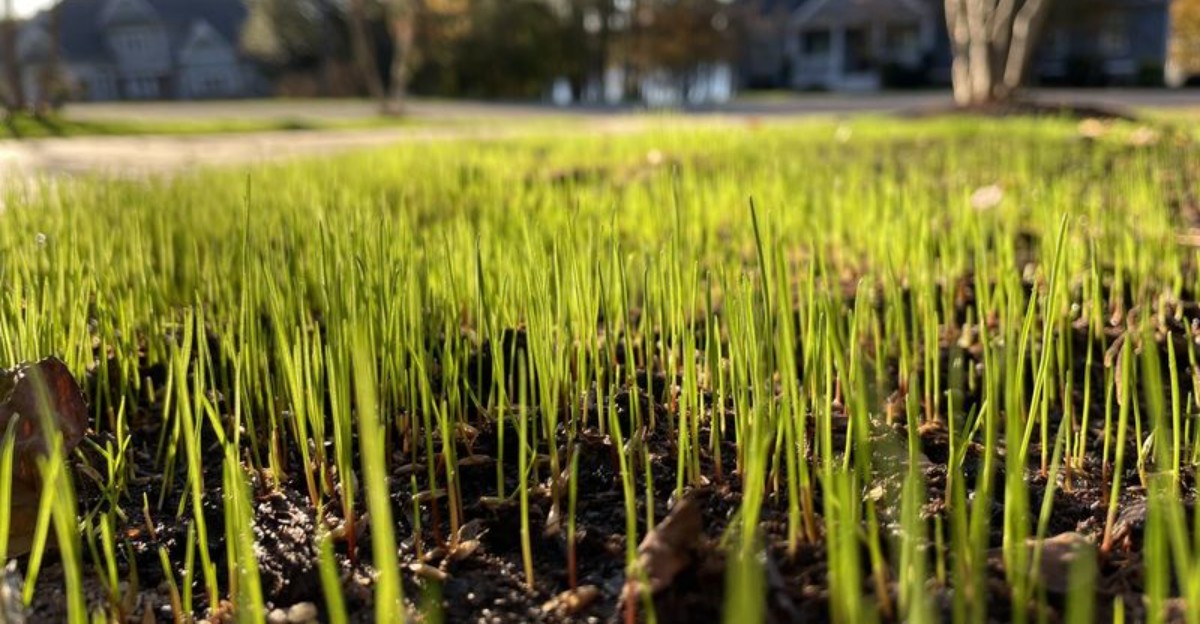
A brand new grass seedling has only a single tiny blade and a root shorter than your fingernail. That little sprout runs mostly on food packed inside the seed itself. Once that stored food runs low, the baby plant has to find everything on its own.
I learned the hard way how fast things can change. One week my seeded lawn looked like soft green fuzz. The next week, parts of it had turned the color of weak lemonade.
Here in North Carolina, fall seeding season brings warm days, cool nights, and plenty of guesswork. Truth is, I panicked and grabbed a bag of fertilizer before checking anything else. That turned out to be the wrong first move.
So what was my lawn really trying to tell me? The answer was hiding right under my sneakers.
That Pale Fescue Seedling Is Sending You a Signal
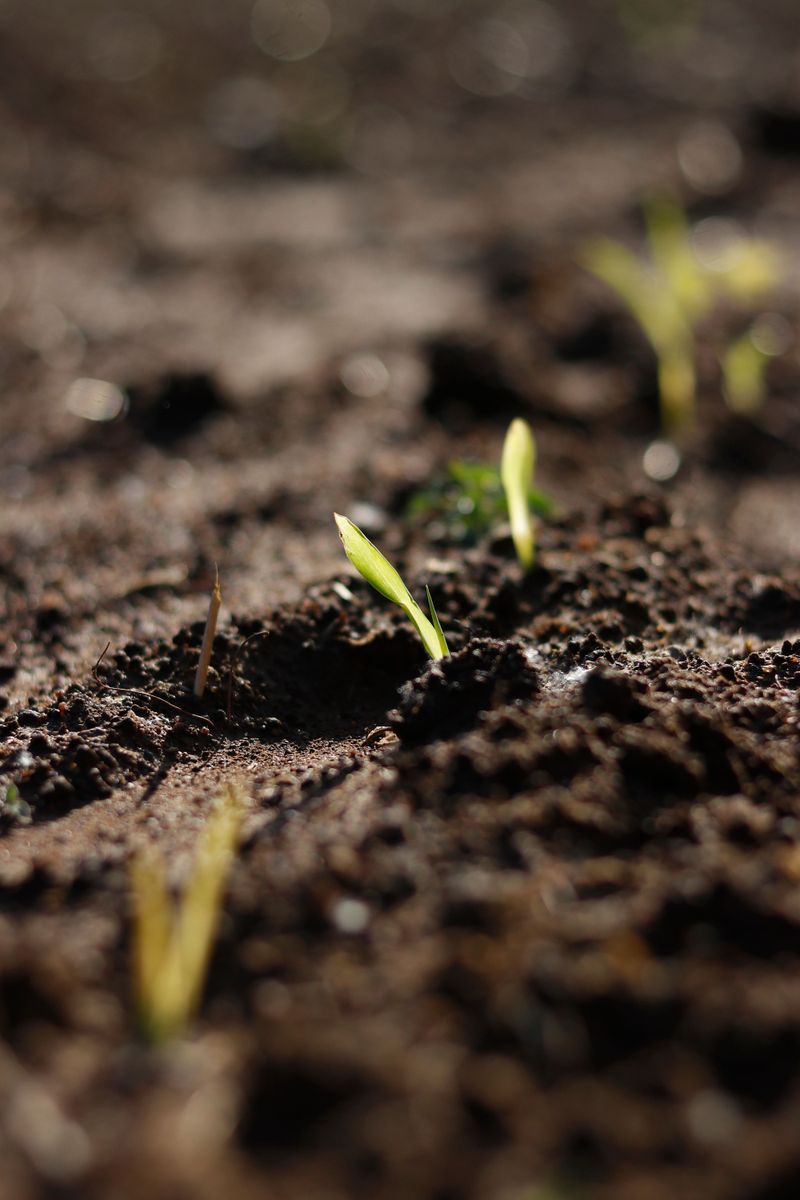
Yellow on a baby grass blade is the plant raising its hand. Something is off, and the seedling is telling you before the problem gets bigger. The color shift means the sprout is making less chlorophyll, the green stuff plants use to turn sunlight into food.
Young fescue is fragile for a simple reason. Its roots are shallow and few, so it has very little backup when life gets rough. A mature lawn can shrug off a dry week or a cold snap, but a two-week-old seedling feels every bump.
Fair warning, some yellowing is fairly normal. When the food stored in the seed runs low, many seedlings look a bit washed out for a short while. Fresh green growth usually returns as the roots start pulling nutrients from the soil.
The trick is reading the pattern. Ask yourself a few quick questions as you walk the yard.
Is the yellow spread evenly or showing up in patches? Is it on the tips, the whole blade, or between green veins? Is the soil soggy, dusty, or just right? Your answers point straight to the most likely cause and save you from guessing.
Push a Screwdriver Into the Seedbed Before Anything Else
Water is the first thing I check now, every single time. Trouble with moisture causes more yellow seedlings than almost anything else. Both too much and too little can do it.
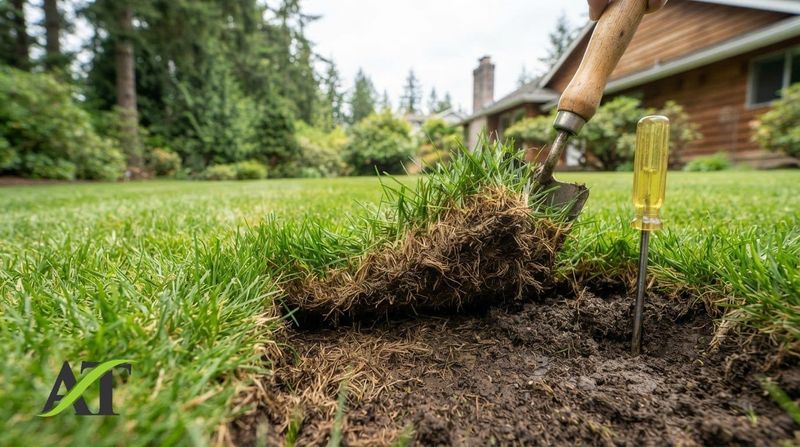
Grab a long screwdriver and push it into the soil. If it slides in easily and comes out muddy with puddles nearby, the roots may be starved for air. Soggy ground pushes oxygen out, and tiny roots begin to struggle fast.
If the screwdriver barely goes in and the surface is crusty, thirst is your culprit. Dry seedlings often fade to a dull yellow, then curl and brown from the tips down.
New seedings need the top inch or so kept steadily moist, not flooded. Light watering once or twice a day often works while seedlings are very young, depending on heat and wind.
As the grass grows taller, switch gradually to deeper, less frequent watering. That teaches roots to chase moisture downward.
Watch low spots, too. Water runs downhill and collects, so yellow patches in dips often mean drowning roots. Meanwhile, the high spots and slopes may be drying out on the very same day.
Hungry Fescue Sprouts Often Need a Little Nitrogen
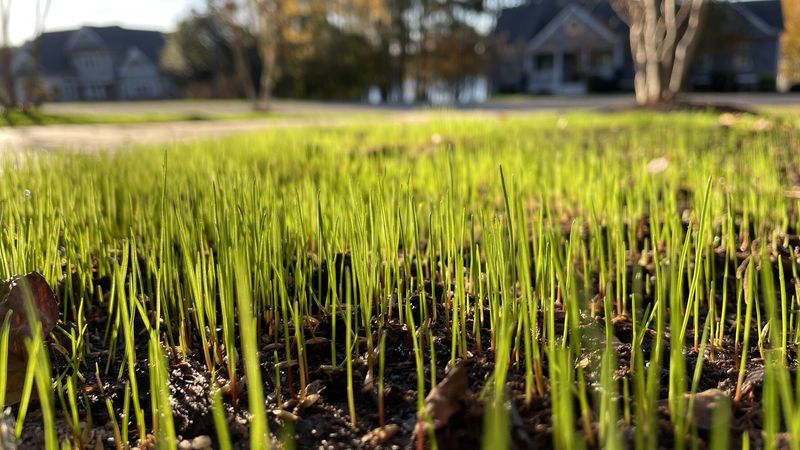
Picky eaters they are not, but fescue seedlings get hungry fast. Once the seed’s stored food is gone, they rely on nutrients in the soil, especially nitrogen.
Nitrogen shortage usually shows up as an even, pale yellow-green across a wide area. Growth slows, and older blades often fade first. If water checks out fine, this is a strong suspect.
Many university extension programs, including NC State, suggest using a starter fertilizer at seeding time. If you skipped that step, a light feeding a few weeks after germination can help.
Go easy, though. Follow the label rate and water it in. Heavy doses of quick-release fertilizer can burn tender roots and turn a mild yellow problem into a brown one.
Iron shortage looks different. With that one, the newest blades yellow while thin green lines stay along the veins. Iron issues are less common on new fescue and often tie back to soil pH.
Not going to lie, I used to fertilize at the first sign of yellow. Now I check water first and feed second. My lawn has been much happier for it.
A Soil Test Can Explain What Your Grass Roots Can’t Reach
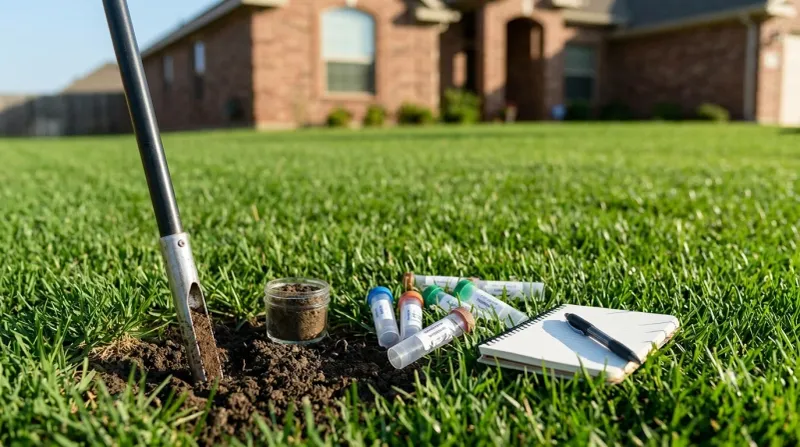
Soil pH sounds like science class, but it matters a lot for young grass. Even when nutrients sit right there in the dirt, the wrong pH can lock them away from tiny roots.
Tall fescue generally does best with soil pH around 5.5 to 6.5. Much of the Southeast has naturally acidic clay soil, so many lawns run low. When pH drops too far, seedlings often look pale no matter how much you feed them.
A soil test takes the guessing out. The North Carolina Department of Agriculture and Consumer Services offers soil testing, and your local NC Cooperative Extension office can point you to sample boxes.
You scoop small samples from several spots about four inches deep, mix them, and send them in the sample box. Results tell you your pH and nutrient levels. They also give lime or fertilizer advice made for your exact lawn.
Lime raises pH slowly, often over months. That means it won’t fix this week’s yellow, but it sets up next season for success.
I’m the first to admit I skipped soil testing for years. Once I finally did it, my lime and fertilizer spending dropped. My seed also started establishing far more evenly.
Cold Nights and Hot Spells Can Stress Young Fescue Blades
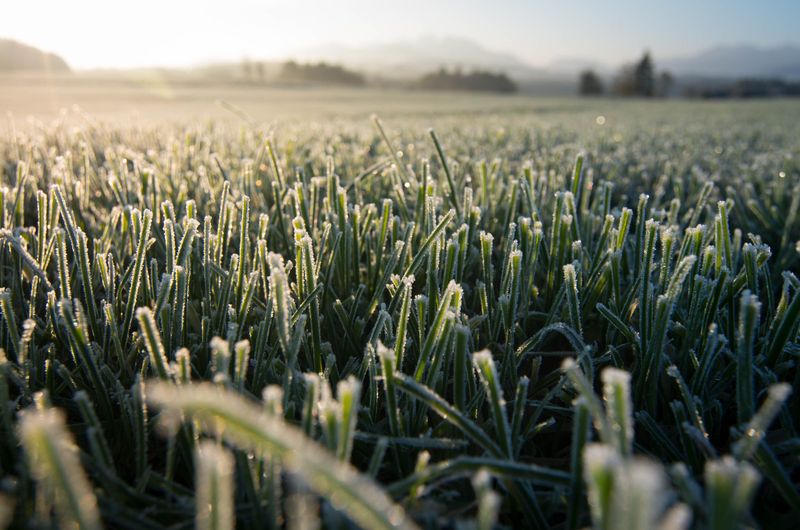
Fescue is a cool-season grass, so it likes mild weather. Seedlings grow best when daytime air sits roughly in the 60s and 70s. Early fall usually delivers that in North Carolina, which is why extension experts favor fall seeding over spring.
Weather swings can still cause trouble. A string of chilly nights slows photosynthesis, and young blades may turn yellow or even a bit purple. That color often fades once a few warmer days return.
Late seedings get hit hardest. Grass sown in late October or November may not build enough roots before winter, so cold stress shows up sooner.
Heat is a different story. Spring-seeded fescue often meets summer before its roots are ready. Hot sun and dry wind can fade seedlings quickly, and many struggle through their first July.
Guilty as charged, I once seeded in May because I was impatient. Most of those sprouts thinned out by August.
You can’t control the weather, but you can control timing. Aim for late summer to early fall. If you must seed in spring, plan extra watering and accept a few thin spots.
Greasy Patches in New Grass Could Mean a Fungus Moved In
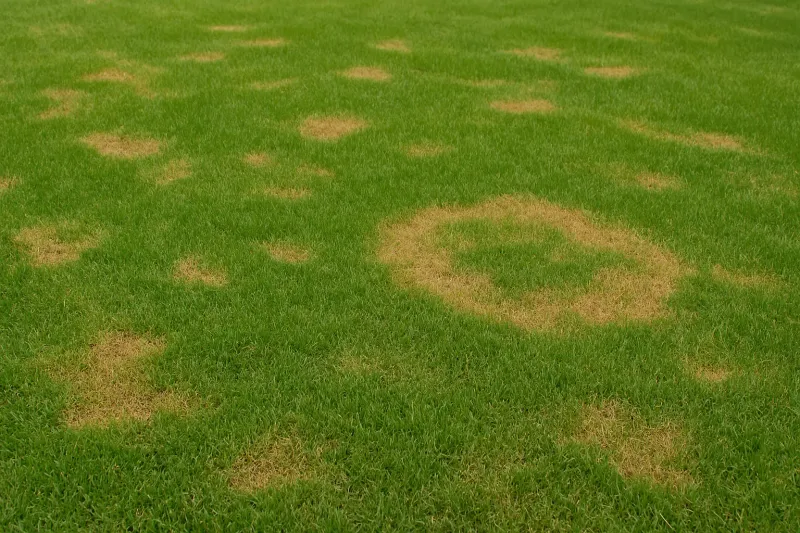
Warm, humid nights and soggy soil are a party invitation for lawn fungi. New seedings are especially easy targets because they are thick, tender, and kept wet.
Pythium blight is one disease to know. NC State Extension notes it attacks new turf in hot, wet weather. Look for small spots that look greasy or water-soaked, sometimes with cottony white threads early in the morning.
Damping-off is another seedling problem caused by several soil fungi. Sprouts may yellow, collapse at the soil line, and fall over in small groups.
Brown patch shows up in warm, muggy stretches as tan or yellow circles. It mostly affects older fescue, but thick young stands can catch it, too.
Your best defense is managing water. Water early in the morning so blades dry by afternoon, and avoid evening watering. Seeding at the recommended rate also helps, because overly crowded grass stays damp.
Trust me on this one, catching fungus early matters. If patches spread quickly, take a sample to your local extension office for a diagnosis. They can tell you if a fungicide makes sense for your situation.
Mower Blades and Fertilizer Spills Can Scorch Tender Grass Tips
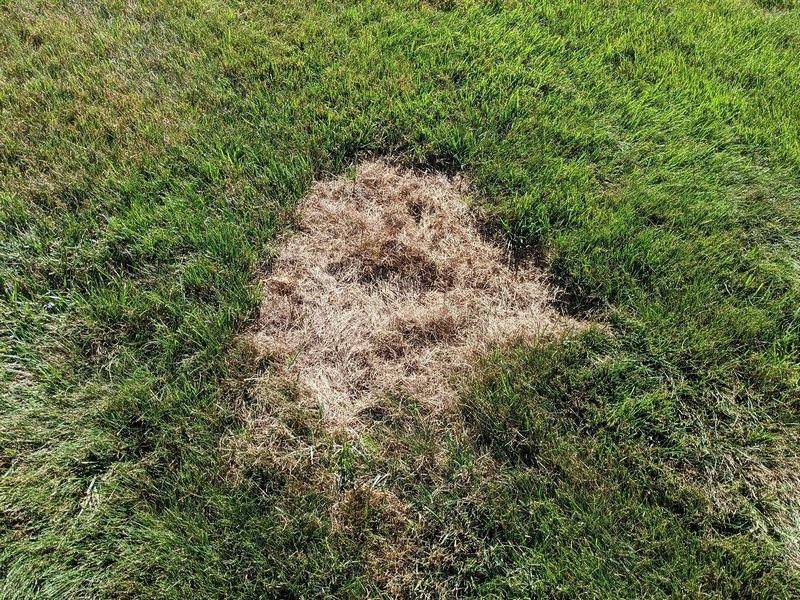
Sometimes the problem is us. I say that with love, because I’ve made every one of these mistakes.
Mowing too early is a big one. Wait until seedlings reach about four inches before the first cut. Then remove no more than a third of the blade height.
Dull mower blades tear grass instead of slicing it cleanly. The ragged tips dry out and turn white or yellow, giving the whole lawn a faded look. Sharpen blades before that first mow.
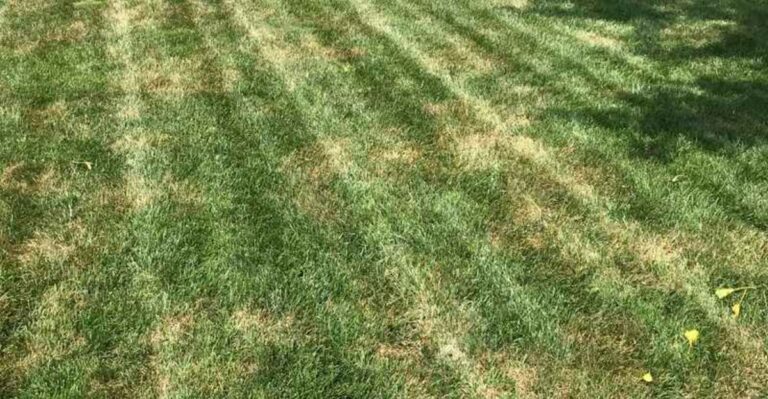
Fertilizer spills are another sneaky cause. A spot where you filled the spreader or turned too slowly can get a heavy dose. That often leaves bright yellow or brown streaks in neat stripes or circles.
Weed killers deserve attention, too. Many common lawn herbicides can harm new seedlings, so read labels carefully. Most say to wait until the new grass has been mowed a few times.
Herbicide drift from a neighbor’s yard or your own driveway spraying can also leave yellow marks near edges.
Burying seed deeper than about a quarter inch may give weak, pale sprouts. Light raking works better than heavy covering.
Steady Care Turns Yellowing Fescue Seedlings Green Again
Patience is the most underrated lawn tool in my shed. Most yellow seedlings bounce back once you find and fix the real cause.
Start with a simple checklist. Test moisture with a screwdriver, look at the yellow pattern, and think back over recent weather, mowing, and feeding.
Fix one thing at a time. If you change watering, fertilizer, and mowing all in the same week, you won’t know what helped.
Keep fallen leaves off new grass in autumn. A layer of wet leaves blocks sunlight, and seedlings underneath can yellow quickly. A gentle rake or a mower with a bagger helps.
Limit foot traffic, too. Kids, pets, and wheelbarrows can crush tender sprouts and pack down the soil.
If some areas thin out, overseed those spots while the soil is still warm. In North Carolina, that window usually closes by mid-October in the Piedmont, and sooner in the mountains.
Finally, jot down what you did and when. Next fall, those notes will be gold. Every season teaches me something new, and my lawn gets a little greener each year because of it.