The North Carolina Fire Ant Quarantine Rule That Covers Sod, Soil, and Potted Plants
A single roll of sod can carry a whole ant colony, queen included, across county lines. That tiny stowaway is the reason a state rule watches over something as ordinary as a bag of dirt.
In North Carolina, most counties now fall under a quarantine that controls how certain garden goods move. I tend to think most gardeners have no idea it exists until a nursery worker mentions a certificate.
Here’s something you might not expect. The rule also covers hay, straw, logs, and even used dirt-moving equipment. Officials care about anything that holds soil, because soil is where these stinging pests build their homes.
I know how annoying it feels to learn about a rule after you have already loaded the truck. So what exactly counts, who needs paperwork, and which bags of potting mix get a free pass?
1. That Roll Of Sod Might Be Carrying More Than Grass
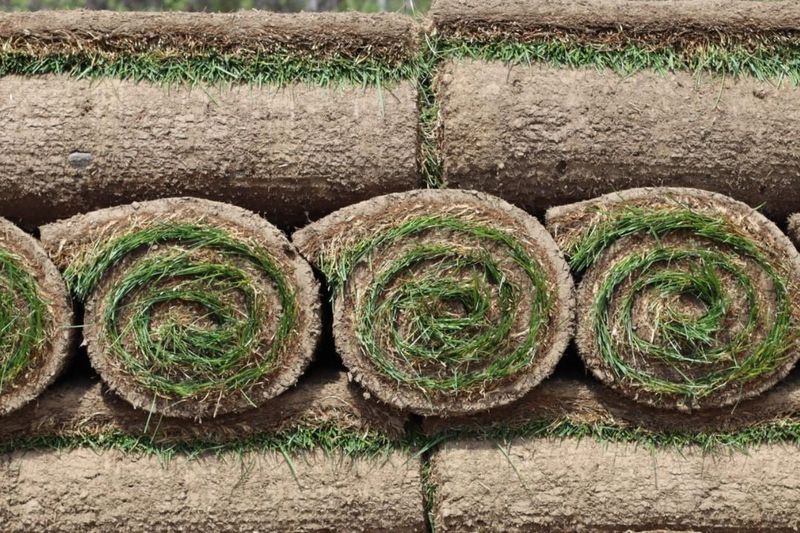
Ants are excellent travelers, but they are lousy walkers. A fire ant colony spreads slowly on its own, so people moving soil give it a huge speed boost.
Imported fire ants arrived in the United States through the port of Mobile, Alabama, decades ago.
They reached southern North Carolina around the 1950s and have crept north and west ever since. Much of that spread happened with help from trucks hauling sod, soil, and nursery plants.
Every one of those items has something in common. Each one holds dirt, and dirt is the perfect hiding place for ants, eggs, and even a queen. A colony tucked into the root ball of a shrub can ride along for hundreds of miles without anyone noticing.
That is why state officials focus on materials rather than on the ants alone. If the soil moves safely, the ants stay put. Stopping that free ride is the entire purpose of the quarantine.
For home gardeners, the lesson is simple. Any plant or landscape material with soil attached deserves a second look before it comes home.
A quick check of the pot, the root ball, or the underside of sod can spare you a stinging surprise later in the season.
2. Sod, Soil, And Potted Plants Top The Regulated List
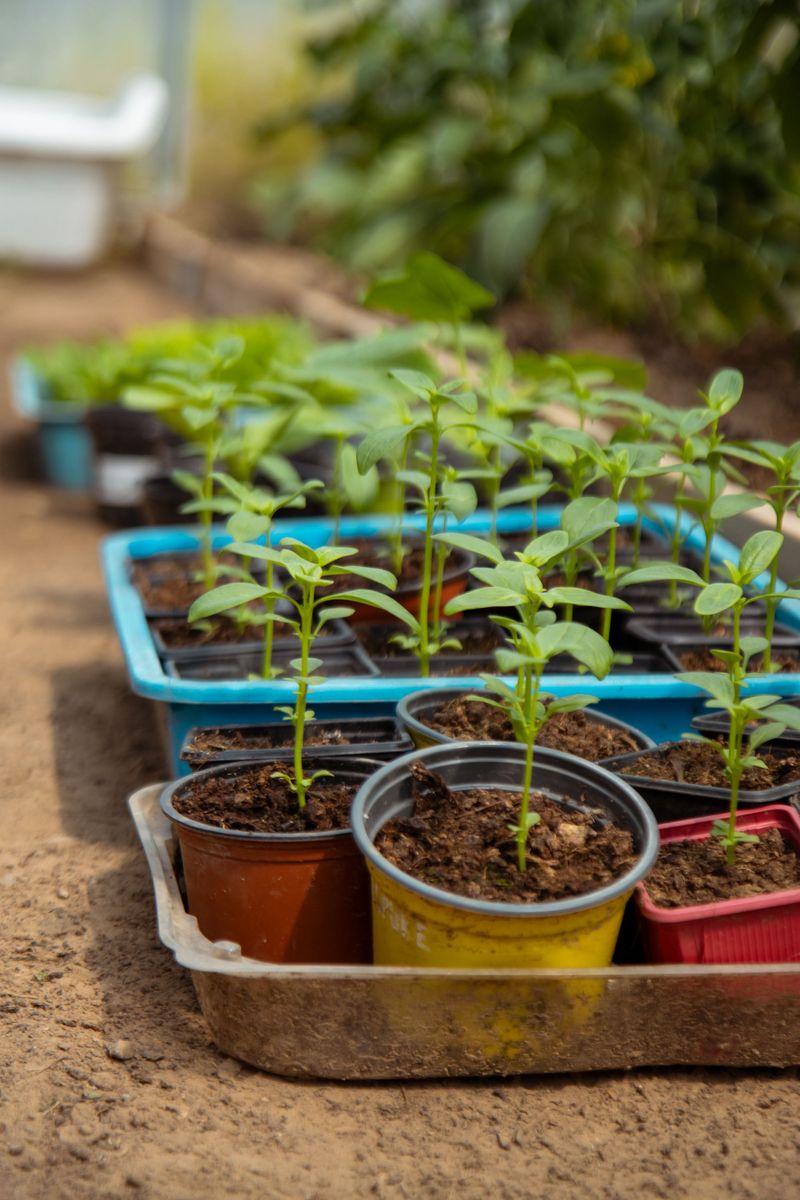
Officials call them regulated articles, which sounds stiff for a pallet of grass. The list itself is easy to understand once you see it.
Under the federal imported fire ant quarantine, which North Carolina follows and enforces, these items need certification before leaving a quarantined area for a non-quarantined one:
Grass sod, soil sold separately or with plants, and plants with roots and soil attached, such as nursery stock. Hay and straw are on the list too. Logs, pulpwood, and stumpwood with soil attached also count.
Used soil-moving equipment, like a backhoe with dried mud in its tracks, is regulated as well. Inspectors can add any other item they judge to be a real risk of carrying ants.
Notice what ties these together. Each one gives ants a place to nest or hide during a trip. A bare-root fruit tree with clean roots raises much less concern than a balled shrub in a wet clump of clay.
If you shop at a licensed nursery inside the quarantine and plant in the same area, you usually face no paperwork. The rule mainly matters when material leaves the zone and heads somewhere fire ants have not settled yet.
3. Most Of The State Now Sits Inside The Fire Ant Zone
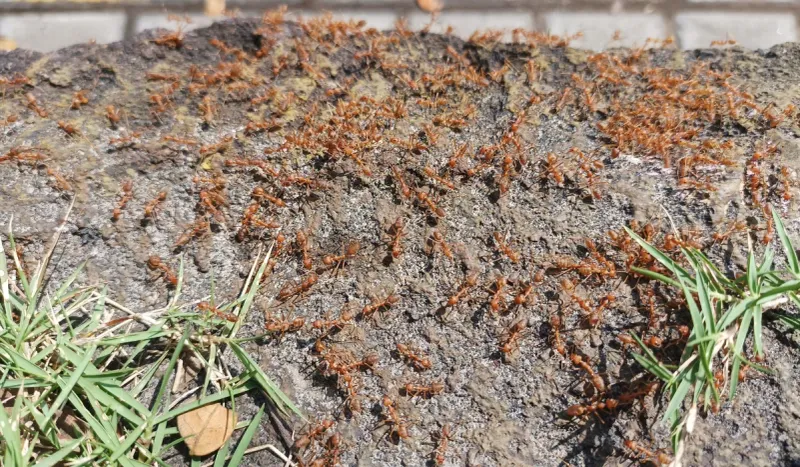
Wondering whether your county is included? Odds are good that it is. According to the North Carolina Department of Agriculture and Consumer Services, the quarantine covers all or part of 81 of the state’s 100 counties as of January 1, 2026.
The Coastal Plain and most of the Piedmont have been inside the zone for years. The boundary keeps creeping toward the western mountains.
Higher, cooler counties in the far west remain mostly outside the quarantine for now. Cold winters slow the ants down, though they do not stop them. Some counties are only partly covered, so a town on one side of a county may be regulated while another is not.
That patchwork is why checking the current map matters. The NCDA&CS Plant Protection Section posts updated county lists and maps online, and federal maps from USDA APHIS show the national picture.
A practical tip from one gardener to another: look up the map before buying sod or bulk soil from a seller in another county.
Mountain gardeners should pay extra attention, since moving material uphill from the Piedmont is exactly the kind of trip the rule is built to control.
4. A Certificate Lets Nursery Plants Leave The Quarantine
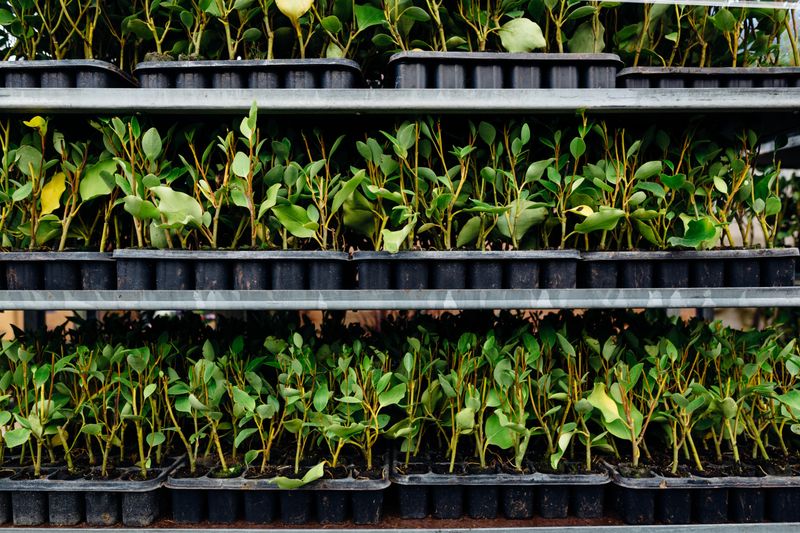
Paperwork is the ticket out. Regulated items moving from a quarantined area into or through a non-quarantined area need a certificate or permit showing they are free of fire ants.
Growers usually earn that certificate in one of two ways. Plants and soil can pass an inspection by state officials, or they can receive an approved treatment.
Treatments often involve labeled insecticides mixed into potting media or applied as a drench to root balls, following federal guidelines.
Sod farms and nurseries that ship regularly often sign compliance agreements with the state. Those agreements spell out how the business treats, inspects, and records its products, which keeps shipments moving smoothly.
The NCDA&CS Plant Protection Section handles inspections and certifications in North Carolina. Calling them is the smartest first step for a grower, landscaper, or hobbyist planning to sell or move material out of the zone.
Skipping this step carries real costs. Uncertified items can receive a stop-sale notice. Shipments may be held, sent back, treated, or disposed of at the owner’s expense.
For a small nursery, one rejected truckload can sting the wallet almost as badly as the ants sting the ankles.
5. Sealed Bags Of Potting Mix Usually Get A Free Pass
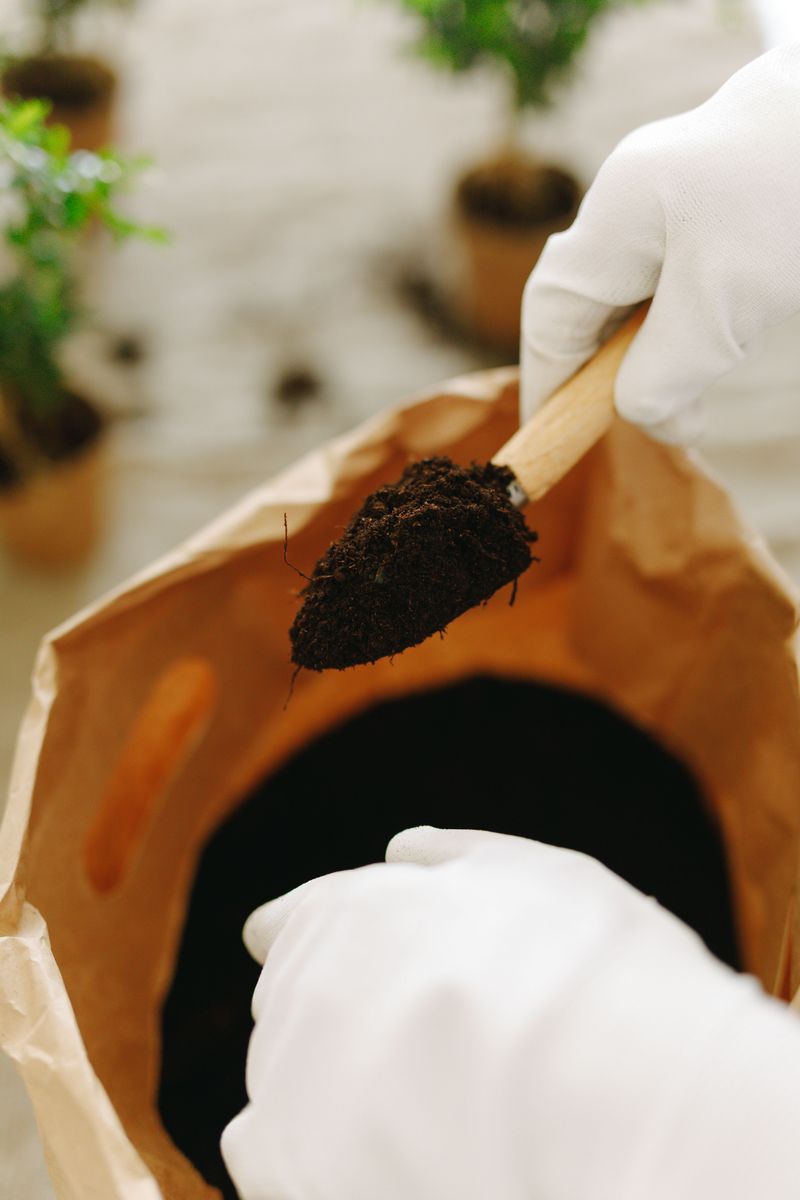
Relax a little next time you grab a bag of potting mix. Not every product with soil in it needs certification.
The quarantine includes several useful exemptions. Commercially prepared and packaged potting soil in its original, unopened container is generally exempt.
Small soil samples of one pound or less, packed so nothing spills, are typically allowed too, which helps people mailing samples for testing.
Some processed organic products also get a break. Dehydrated, ground, pulverized, or compressed compost, along with decomposed manure, humus, and peat, are generally exempt. Processing makes these products a poor home for living colonies.
Used dirt-moving equipment can travel without a permit once it is cleaned of soil. Power washing tracks and buckets before leaving the zone is the usual approach.
There is one catch worth remembering. Exemptions apply to the conditions described, so an opened bag sitting in a damp shed may not count. Rules can change, and inspectors have the final say on risky items.
When in doubt, a short call to the state Plant Protection Section clears things up. That five-minute conversation beats guessing and hoping for the best.
6. Those Fluffy Dirt Mounds Give Fire Ants Away
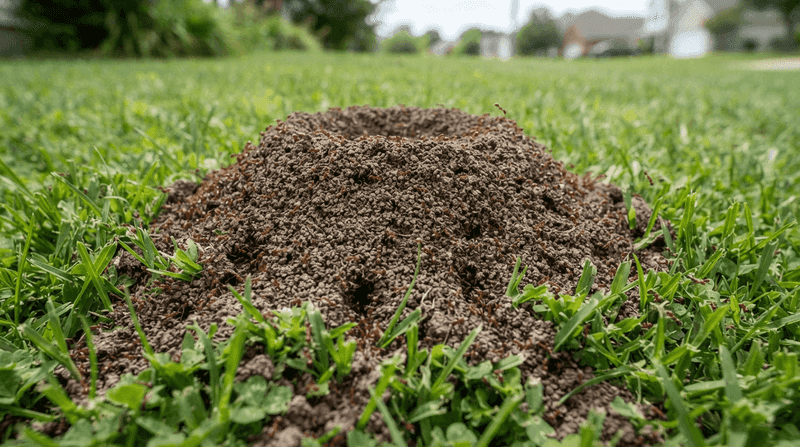
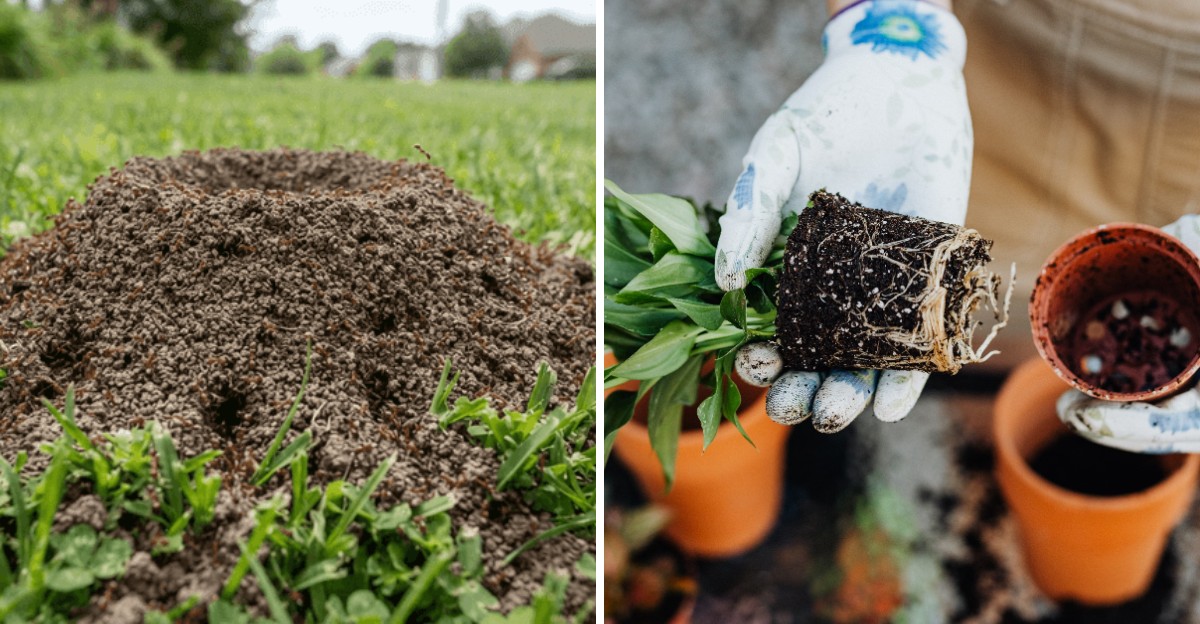
Fire ants build in the sun, and they build fluffy. Their mounds look like small domes of loose, crumbled soil, often after a rain.
Unlike many ants, they rarely leave an obvious hole on top. Workers come and go through underground tunnels instead. In loose soil, mounds can reach about 18 inches tall, though many in lawns stay much smaller.
Disturb one with a stick and the answer arrives fast. Dozens of reddish-brown ants, roughly 1/8 to 1/4 inch long, pour out and climb upward to sting. Workers come in mixed sizes, which helps separate them from many native ants.
Stings burn quickly, and a white pustule often forms within a day. Most people heal on their own, but anyone with signs of a severe allergic reaction needs medical help right away.
Inside a mound you might spot white, rice-like bits. Those are the brood, meaning eggs, larvae, and pupae.
Check new potted plants for the same clues. Ants scurrying from drainage holes after watering are a red flag. Contact your county Cooperative Extension office if you need help confirming what you found.
7. Hay Bales And Straw Can Smuggle Colonies Too
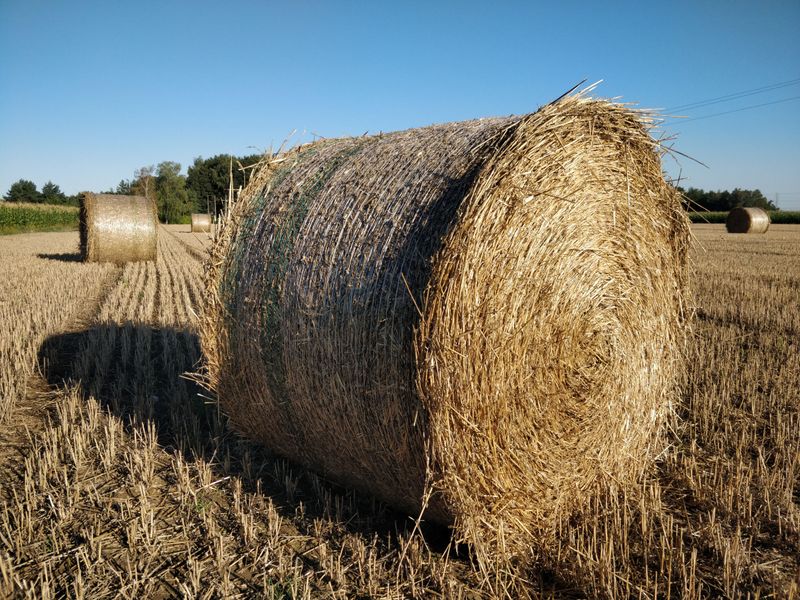
Gardeners love straw for mulching paths and tucking around strawberries. Fire ants appreciate it too, especially bales left sitting on the ground.
Hay and straw appear on the regulated list because bales stored in fields can become nesting spots. Ants move into the bottom layers where moisture collects. When the bale gets loaded and sold, the colony may tag along.
Farmers inside the quarantine shipping hay or straw to non-quarantined areas may need inspection or certification. Bales stored off the ground, on pallets or in barns, generally carry less risk.
For home gardeners, a few habits help. Buy from sellers who store bales up off the soil. Look at the underside of a bale before tossing it in the truck bed. If ants boil out, leave that one behind.
The ants cause farm trouble beyond the garden. Research from extension services shows they can damage crops such as okra and potatoes, harm young livestock and ground-nesting wildlife, and pack into electrical boxes and equipment.
A little inspection at the pickup point protects your mulch, your neighbors, and the pasture down the road from an unwanted colony.
8. A Quick Check Before Planting Keeps Your Yard Ant-Free
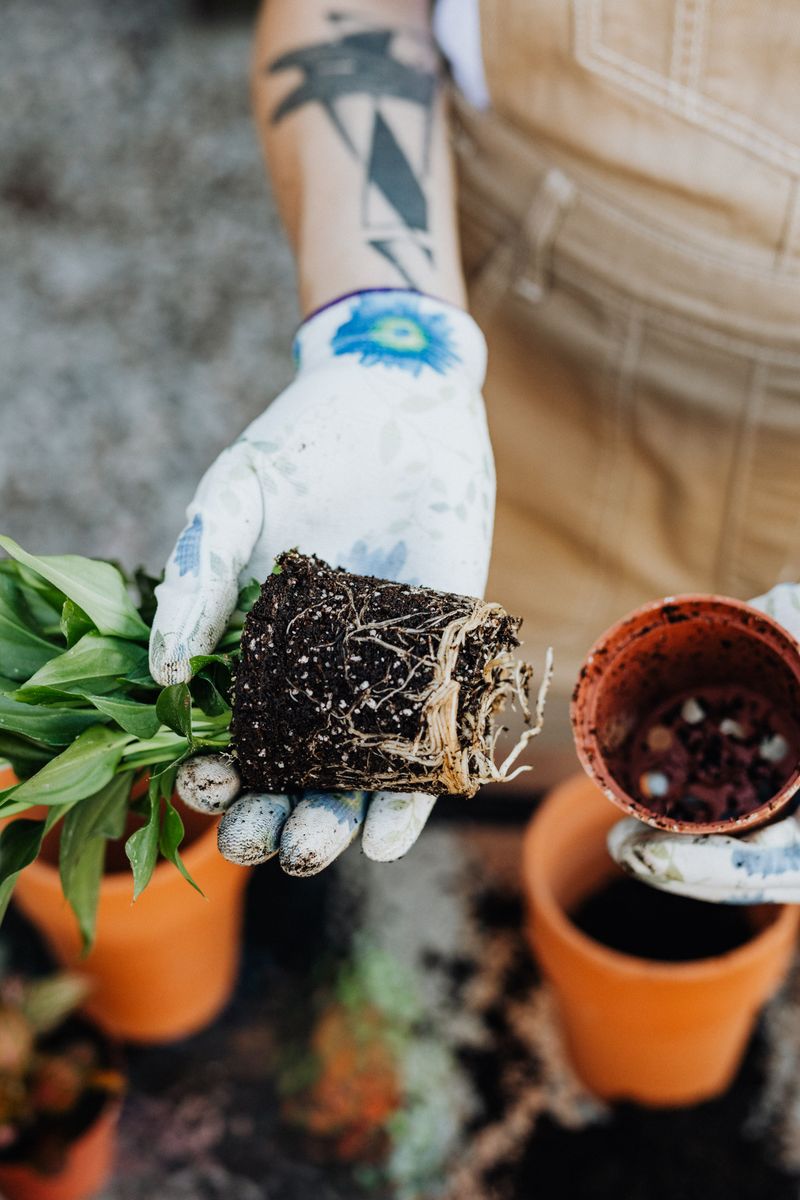
Prevention starts at the checkout counter, not after the first sting. A few small habits make a big difference.
Shop at licensed nurseries and garden centers, especially when buying sod or large container plants. Ask where the sod was grown and whether it carries certification if it is coming from another region. Reputable sellers expect that question.
Before planting, slide a pot off its root ball and look closely. Watch for scurrying reddish ants or white brood in the soil. Gloves are smart here, since stings arrive quickly.
When sharing plants with friends, keep in mind that passing divisions to someone outside the quarantine can still move ants. Bare-rooting divisions, shaking off soil and rinsing roots, reduces that risk a lot.
If colonies show up in your yard, extension experts often suggest a two-step approach. Broadcast a labeled bait in warm weather when ants forage, then treat stubborn mounds individually. Always follow product labels.
The bigger takeaway feels hopeful to me. Every careful purchase and quick inspection slows the ants’ march into new areas. North Carolina gardeners who follow the rule are helping protect yards, farms, and parks far beyond their own fence line.