8 Birds You’re Most Likely To See At A Texas Feeder In Winter
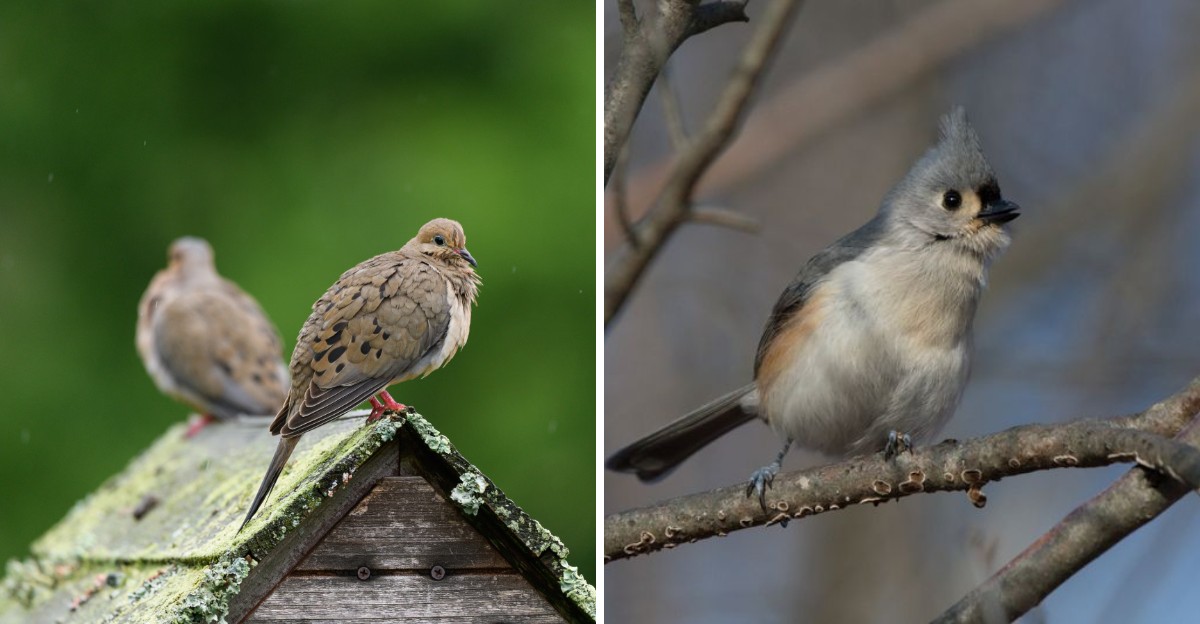
A songbird lighter than two quarters can lower its body temperature overnight to survive a freezing Texas cold snap. I learned that fact while refilling my feeder in a fleece jacket, and I have not stopped thinking about it.
Winter turns backyard feeders into busy little diners, packed with year-round locals and travelers from far northern forests. Some guests arrive in fall from Canada, while others simply grow bolder once natural seeds and insects run low.
Personally, I love how a single sunflower tube can pull in shy sparrows and noisy show-offs on the same morning. You might notice that the same handful of visitors show up again and again across Texas yards each winter.
Some of them wear bright red, while others hide in plain sight under drab winter feathers. So which feathered regulars are most likely tapping at your seed tray when the next cold front rolls through?
1. Northern Cardinal
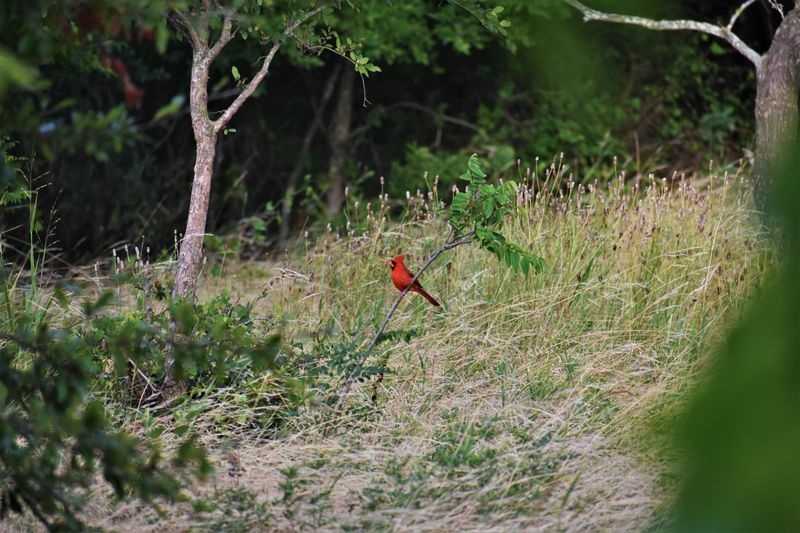
Nothing wakes up a gray January yard faster than a male cardinal glowing red against bare oak branches. His black mask and pointed crest make him look like a tiny superhero who forgot to change clothes.
Females wear warm tan feathers with soft reddish touches along their wings and their pointed crests. Both sexes share a thick orange-red bill built for cracking tough seeds that smaller birds cannot open.
Cardinals live in Texas all year, so your winter regulars may be the same pair nesting nearby next spring. During cold months they often travel in small loose flocks, which means several red birds can appear together.
I have to admit their feeder manners surprised me, since they prefer wide perches over skinny tube ports.
Platform trays and hopper feeders suit them best, especially when placed near shrubs where they can duck for cover.
Black oil sunflower and safflower seeds rank among their favorites, and safflower tends to discourage grackles and squirrels. Cardinals often visit early in the morning and again near dusk, so those hours are prime viewing time.
Believe it or not, female cardinals sing too, and pairs sometimes trade song phrases back and forth like a conversation. That clear whistled birdy-birdy song becomes more common as the days grow longer in late winter.
Males can also pick fights with their own reflections in windows or car mirrors while defending territory. A few decals or a strip of screen on the glass usually calms the drama without bothering the bird.
2. Mourning Dove
That soft, sad hooting outside your bedroom window at sunrise usually belongs to a mourning dove, not an owl. I used to blame owls for that sound for years, until I finally caught a dove calling from the fence.
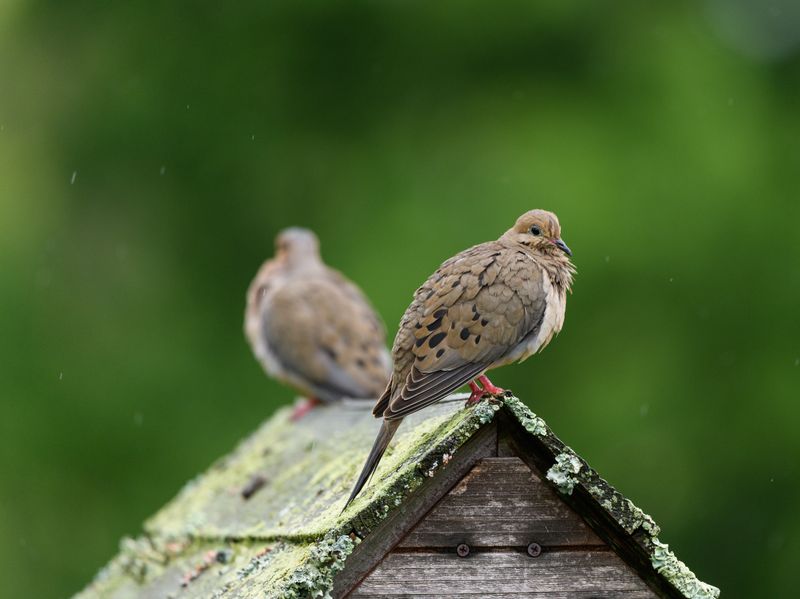
These slender birds wear soft tan feathers with black spots on the wings and a long pointed tail. Look closely and you might spot a thin ring of pale blue skin around each dark eye.
Mourning doves are year-round residents across the state, and northern birds may join them as temperatures drop. Winter flocks can grow surprisingly large, so a dozen or more might shuffle around your patio at once.
Most of their eating happens on the ground, where they peck up seeds that messier birds drop from above. Scattering white proso millet or cracked corn on a low tray keeps them happy and away from your hanging feeders.
Doves stuff seeds into a stretchy pouch in their throat called a crop, then digest the meal later. That handy trick lets them eat fast and fly to a safe perch before a hawk notices them.
Nobody warned me that doves drink differently from most birds, sucking water up like a kid with a straw. A shallow birdbath kept free of ice gives them a reliable sip on chilly mornings when puddles freeze.
Listen as they burst into flight, because their wings make a sharp whistling sound that alerts nearby flockmates.
Placing feeders near a hedge or brushy corner gives these nervous birds a quick escape route when danger appears.
3. Downy Woodpecker
A woodpecker small enough to cling to a weed stem might be the busiest bird at your suet cage. Downy woodpeckers are the smallest woodpeckers in North America, measuring roughly six inches from beak to tail.
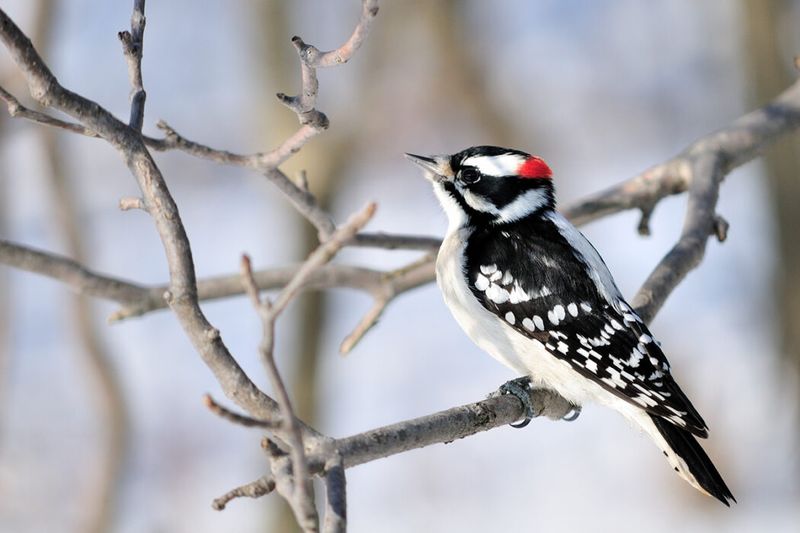
Their black and white pattern includes a wide white stripe down the back and checkered spots on the wings. Males sport a small red patch on the back of the head, while females have no red at all.
Telling a downy from the larger hairy woodpecker can feel tricky, but bill size gives the answer quickly. A downy has a short, stubby bill, while a hairy carries a long bill nearly as long as its head.
Downies live year-round in much of eastern and central Texas, though they become scarce toward the far western deserts. In winter they lean heavily on feeders, since many of the insects they hunt hide deep inside bark.
Suet cakes are their top pick, and I like hanging one near a tree trunk where they feel safer. They also nibble black oil sunflower seeds and shelled peanuts, especially from small wire mesh feeders.
Downies often tag along with chickadees and titmice in mixed winter flocks that wander through neighborhoods together.
Traveling in a group means more eyes watching for hawks, which lets each bird spend more time eating.
Leaving a few old snags or brushy branches in your yard gives them natural places to search for insects. Keep any old snags away from your house and paths, though, so falling limbs stay a safe distance away.
4. Dark-Eyed Junco
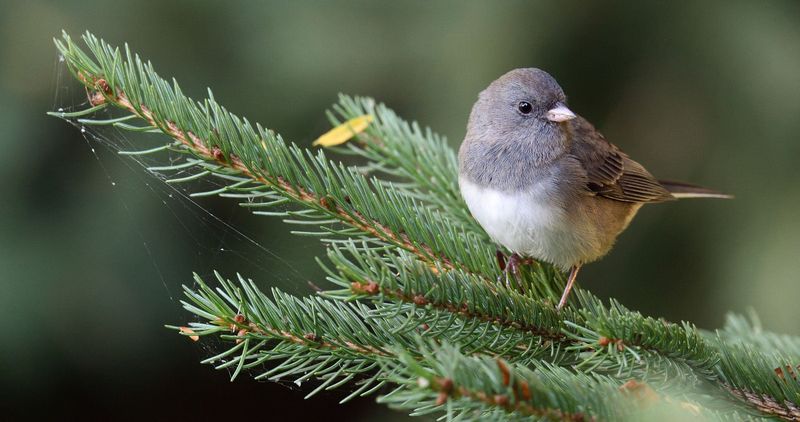
Folks up north call these little gray birds snowbirds, because their arrival often lines up with the first hard freeze. My favorite description of a junco is a gray cloud above with fresh snow below, and it fits perfectly.
Dark-eyed juncos are plump little sparrows with dark slate gray upperparts and clean white bellies underneath. When one flushes from the grass, watch for bright white outer tail feathers flashing on each side.
Several regional forms winter in Texas, and some show rusty backs or pinkish sides instead of plain gray. They are most common in the northern and western parts of the state, with fewer reaching the Gulf Coast.
Juncos usually show up in late fall and stick around until early spring before heading back north to breed. Studies of banded birds show that many juncos return to the same wintering area year after year.
You need to think low when feeding them, because juncos rarely visit hanging feeders and prefer hopping on the ground. Sprinkle white millet or finely cracked corn under shrubs, and they will tidy up every scrap.
Their scientific name, Junco hyemalis, comes from a Latin word meaning of the winter, which feels fitting.
Flocks often follow a pecking order, and you may spot older males chasing younger birds away from the best seeds.
Leaving a brush pile or a patch of unmowed native grass gives them shelter from wind and hungry hawks. I treat that messy corner as a cozy junco hotel, and they check in most winters.
5. Tufted Titmouse
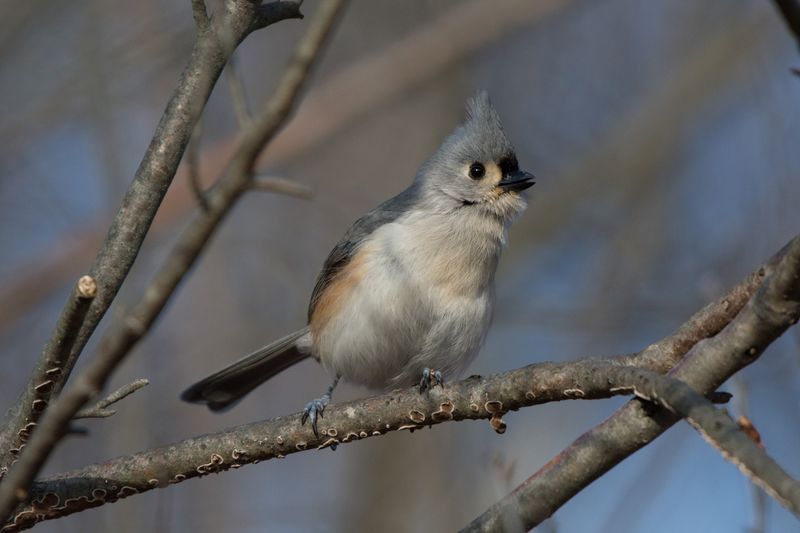
A tiny gray bird with a punk rock crest and huge dark eyes will stare you down through the window.
Titmice act like the neighborhood inspectors, checking every new feeder long before the shyer birds dare to land.
Tufted titmice wear soft gray feathers on top with a warm rusty wash along each pale flank. A small black patch just above the bill gives their face a slightly surprised and curious look.
In much of central Texas, you may see the black-crested titmouse instead, a close cousin with a dark crest. The two species meet and sometimes interbreed in a narrow zone, producing birds with smudgy dark foreheads.
Both kinds live here year-round, and they visit feeders more often once insects and caterpillars disappear in cold weather. Watch one grab a sunflower seed and zip to a branch to hammer it open against the bark.
Black oil sunflower seeds top their wish list, and a block of suet comes in a close second. Titmice also hide extra seeds in bark cracks, saving snacks for later when food runs short.
Their loud whistled song sounds like peter, peter, and it often starts ringing out on mild late winter mornings. Personally, I think it sounds like someone calling a dog who refuses to come back inside.
Titmice nest in tree cavities and old woodpecker holes, so leaving mature trees helps them stick around. A nest box mounted before spring can turn a winter feeder visitor into a summer neighbor raising a family.
6. Carolina Chickadee
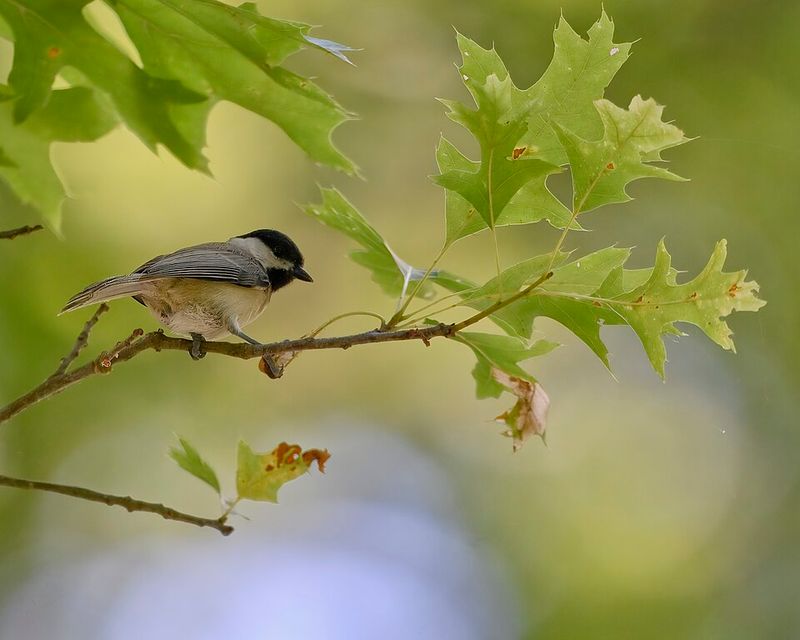
Few birds pack so much attitude into so little body as a Carolina chickadee scolding a cat from a branch. Weighing about a third of an ounce, this bold bird often claims the feeder first after you refill it.
Its black cap and black bib frame bright white cheeks, while the back stays a soft, even gray. Carolina chickadees live year-round across the eastern two-thirds of the state, where they are common backyard birds.
The famous chick-a-dee call works like a coded alarm system, and more dee notes can signal a bigger threat. Other small birds listen in, so a chickadee warning can send the whole feeder crowd diving for cover.
On freezing nights they can drop their body temperature several degrees, a trick that saves precious energy until sunrise.
They also tuck into tree holes or nest boxes overnight, so leaving boxes up through winter gives them shelter.
Sunflower hearts and shelled peanuts suit their tiny bills, and they cling easily to almost any feeder style. Like titmice, they grab one seed at a time and carry it away to eat or hide.
I like how quickly they learn a routine, sometimes waiting on a nearby twig while you fill the feeder. Patient people have even coaxed them to land on an open palm holding a few sunflower seeds.
Chickadees often act as leaders of mixed winter flocks, and other small birds follow their moves through the trees. Attract a chickadee pair, and you may soon notice a parade of extra visitors trailing right behind them.
7. American Goldfinch
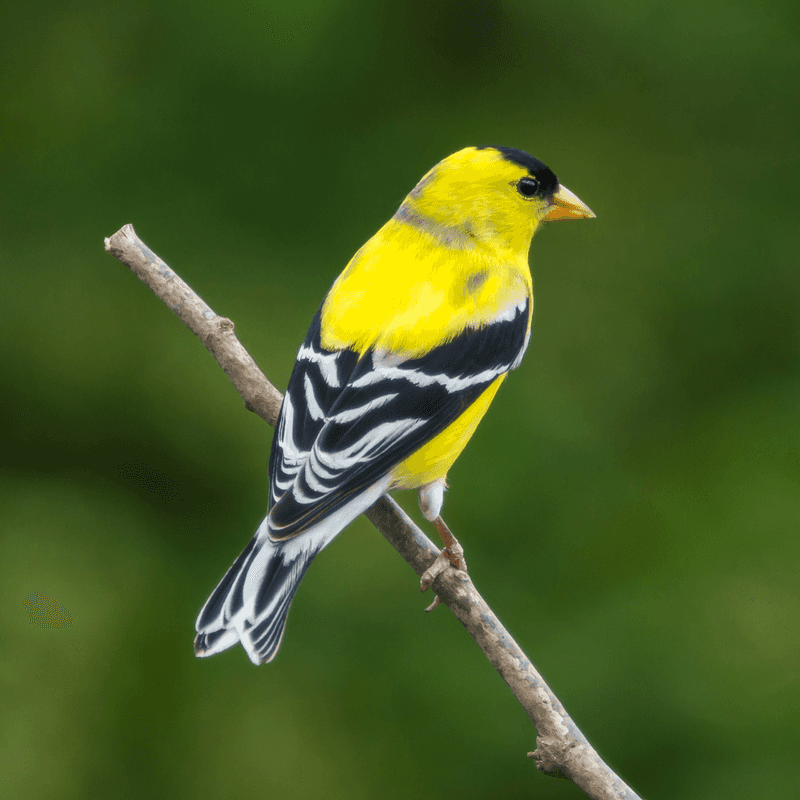
Those plain olive birds crowding your thistle feeder this winter are the same goldfinches that glow lemon yellow in summer.
To my surprise, I spent a whole season thinking they were some mystery sparrow before checking a field guide.
American goldfinches molt their body feathers twice a year, trading bright breeding colors for drab winter clothes each fall. Winter males keep black wings with white bars and often a hint of yellow around the face.
Across most of the state, these finches are winter visitors that arrive in fall and leave again by spring. Numbers swing from year to year, so one winter may bring a handful and the next a noisy crowd.
Their diet is almost all seeds, which makes them one of the most vegetarian songbirds in North America. Nyjer seed in a tube or mesh sock feeder pulls them in, along with hulled sunflower chips.
You need to keep nyjer fresh, because goldfinches will skip seed that has turned stale or clumped from moisture. Buying smaller bags and shaking the feeder after rain helps keep the seed loose and appealing.
Watch them hang upside down on perches, a move learned from picking seeds out of swaying flower heads. In flight they bounce along in waves and often call a cheerful po-ta-to-chip with each dip.
Leaving native coneflowers and sunflowers standing after they fade gives these finches a natural seed buffet through the cold months. I let my garden look a little scruffy until spring, and the goldfinches clearly approve of the plan.
8. White-Throated Sparrow
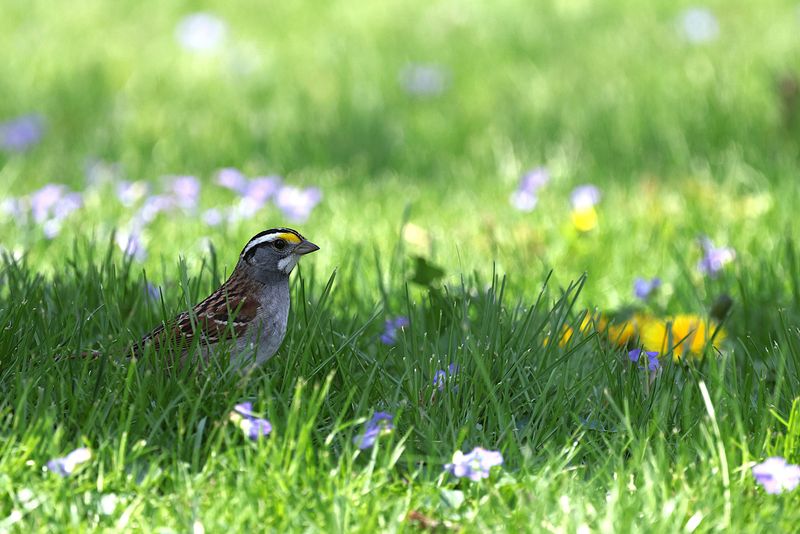
Somewhere under your feeder, a sparrow with a bright white throat may be kicking leaves around like a tiny gardener.
White-throated sparrows scratch with a quick double hop, jumping forward and raking both feet backward at once.
Look for bold head stripes and a small yellow spot between each eye and the bill. Some birds wear crisp white stripes, while others wear tan stripes, and these forms usually pair with the opposite type.
These sparrows breed in Canadian forests and spend winter across much of eastern and central Texas near brushy edges. They typically arrive around October and stay until spring, when longer days push them back north.
I truly believe their whistled song ranks among the sweetest winter sounds you can hear outside your kitchen window. Many people remember it as Oh sweet Canada Canada, and the birds often practice it before heading north.
Ground feeding suits them best, so scatter white millet or black oil sunflower seeds on a low platform. Keeping that tray within a few feet of thick shrubs lets them dart for safety when hawks cruise by.
Leaving fallen leaves under shrubs instead of bagging them gives these sparrows a natural place to hunt for seeds.
That leaf layer also shelters overwintering insects, which become handy protein for many birds once spring arrives.
On frosty mornings you may see them puffed up like fluffy tennis balls, trapping warm air beneath their feathers. That round, puffy look is a smart heating trick, not a sign that something is wrong.