What Really Causes Sooty Mold on Arizona Citrus and Shade Trees
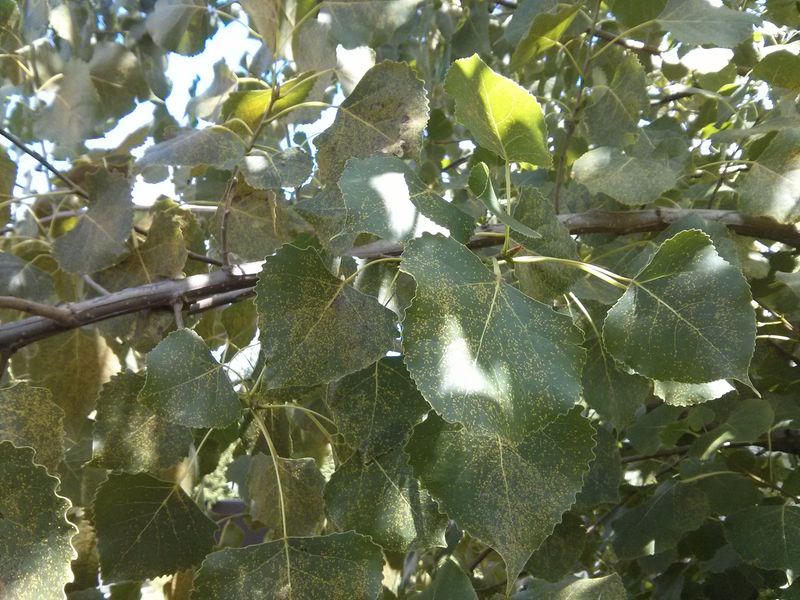
A black crust on a leaf can look like soot from a tiny chimney. Many Arizona gardeners spot it on citrus or shade trees and worry right away.
The tree is often not the real source of the trouble. A little detective work can show you where the clue points.
Sooty Mold Usually Grows on Honeydew
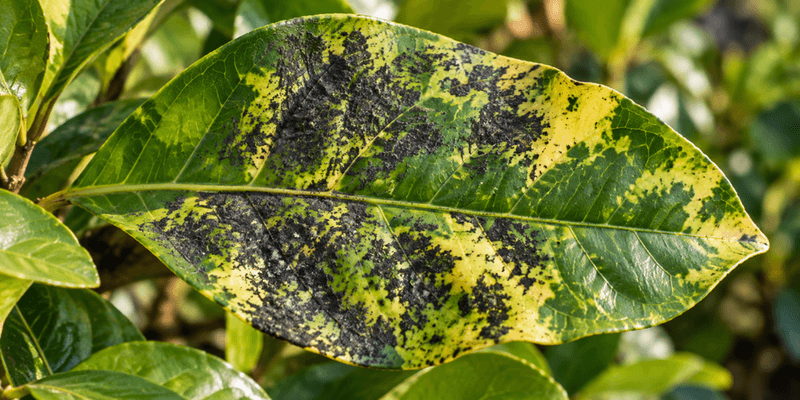
Sooty mold is usually a clue, not the culprit. Sap-feeding insects such as aphids, mealybugs, soft scales, and whiteflies excrete sugary honeydew, and the fungi grow on that sticky film, as University of Maryland Extension explains.
The mold sits on the surface. It is not a fungus that infects the leaf or the tree.
University of Arizona guidance for home citrus links the black, sooty powder to honeydew from aphids, mealybugs, or scale, and it advises preventing the insect feeding in its home citrus diagnosis guide.
That is why scrubbing alone often gives only a short-lived fix. If honeydew keeps arriving, the coating can return.
Removing the food source matters more than chasing the black color.
Keep one caution in mind. A black coating is not automatically sooty mold.
If you cannot find stickiness or insects, widen your thinking instead of forcing the honeydew story onto the tree.
The Insects May Be Above the Blackened Leaves
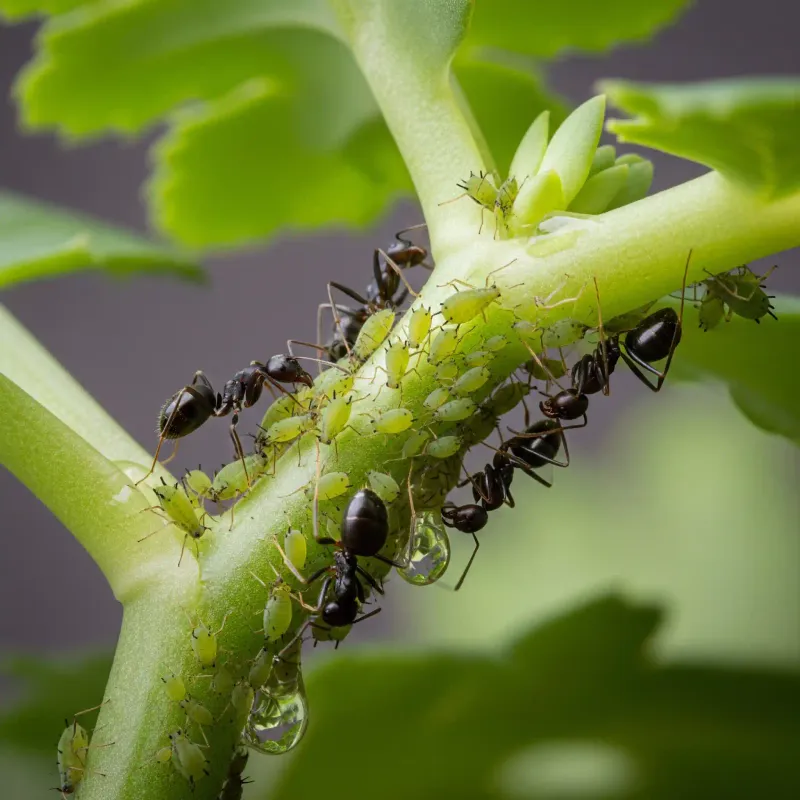
Honeydew drips, so the culprits may not live where the black film shows up. Lower leaves, fruit, branches, and even patio furniture or sidewalks below can catch the sticky drops, so the coated spot may be far from the insects.
Start with a slow walk around the tree. Look for glossy or tacky surfaces, then flip leaves to check the undersides.
UC IPM lists aphids, several scales, mealybugs, whiteflies, and ants as things to look for on citrus in its citrus leaf damage guide.
Then look up. Check branches and canopy above the coating, since the source can sit higher on the same tree or on a neighboring one.
Ants climbing the trunk are a useful hint. They often feed on honeydew and may protect the insects making it.
Ants alone do not tell you which pest you have, so keep looking until you find the producer.
Arizona’s Dry Conditions Do Not Rule It Out
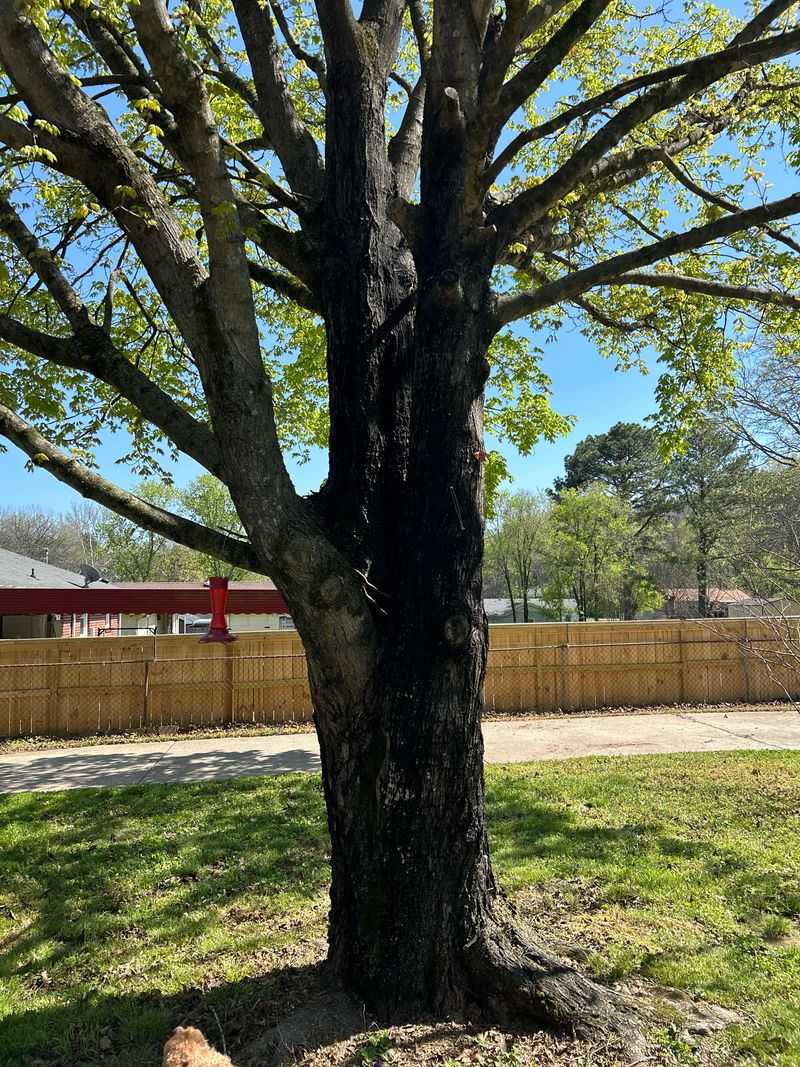
Our desert climate can make you think sooty mold is a problem for somewhere else. University of Arizona home citrus guidance does say sooty mold usually does not appear under dry desert conditions.
That note belongs to that home citrus guidance. It is a general pattern, not a promise.
It does not prove sooty mold cannot occur on a particular tree or anywhere in the state.
So if you see a black coating, do not dismiss it just because it is dry outside. Check for sticky honeydew and for the insects that make it, and compare what you find with the University of Arizona citrus diagnosis guide.
There is no need to invent a weather or watering trigger either. Nothing in the guidance names one.
Treat what you actually see on your tree as the better evidence.
Consider Other Causes When the Clues Do Not Fit
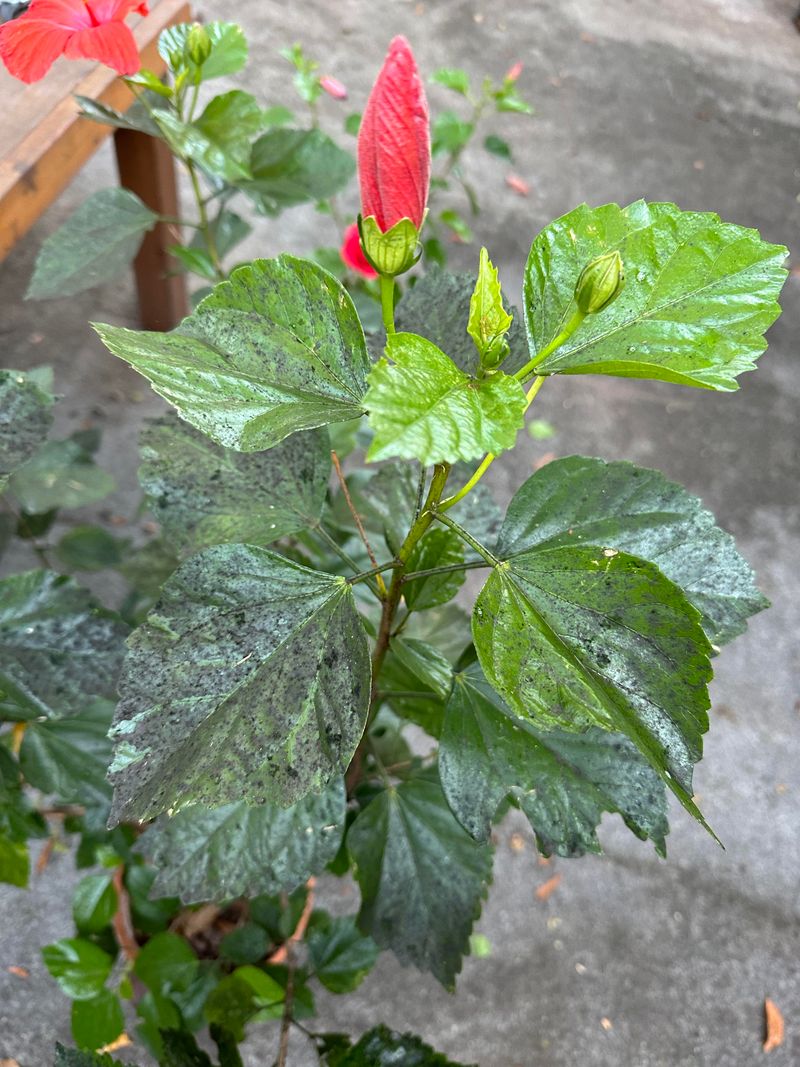
Suppose you find no sticky film and no insects anywhere. Then widen the search.
Not every black coating is sooty mold, and not every case comes from insects.
A Florida plant pathology circular describes sooty molds growing on plant exudates, including glandular hairs on hibiscus and resinous exudates on conifers, even without an infestation. So a plant can feed these fungi on its own.
If you cannot confirm what the coating is, a local Extension office can help you identify it before you treat anything.
Do not jump to citrus greening either. A black coating is not a sign of that disease.
The Arizona homeowner guide to citrus greening describes different symptoms, such as leaf mottling, and says finding an Asian citrus psyllid does not prove the disease is present. If you suspect greening, contact the authorities it lists.
Heavy Growth Can Shade Leaves
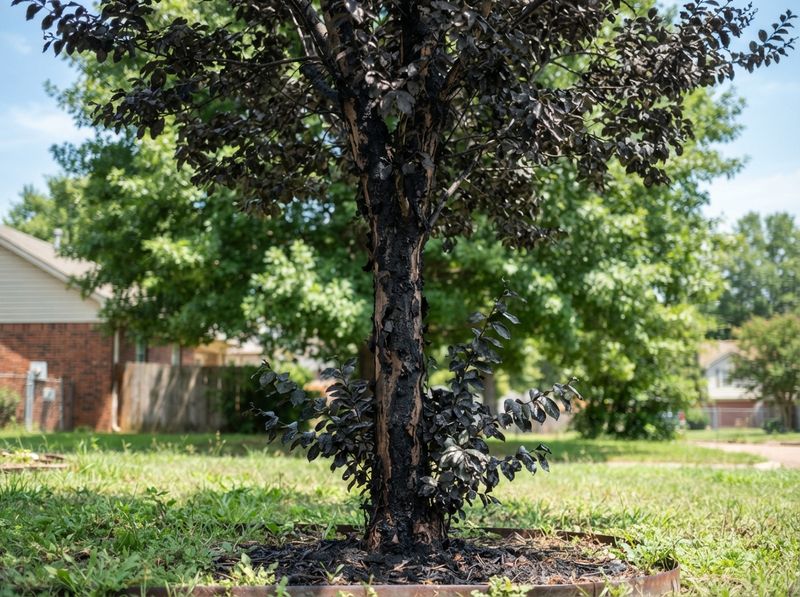
Sooty mold can look alarming, yet it grows on top of the leaf rather than inside it. It does not infect plant tissue.
Heavy coatings are another story. A thick layer can shade leaves and indirectly interfere with photosynthesis, which is how the plant makes its food, according to University of Maryland Extension.
Light deposits are different. A few dark patches do not show that a fungal disease is attacking your tree.
They mostly tell you honeydew landed there.
A simple test helps. If the coating is thick and covers most of the leaves in a section, take it seriously and look harder for the source.
If it is a light dusting, observe it for a while and keep checking.
Wash Deposits and Protect Natural Enemies
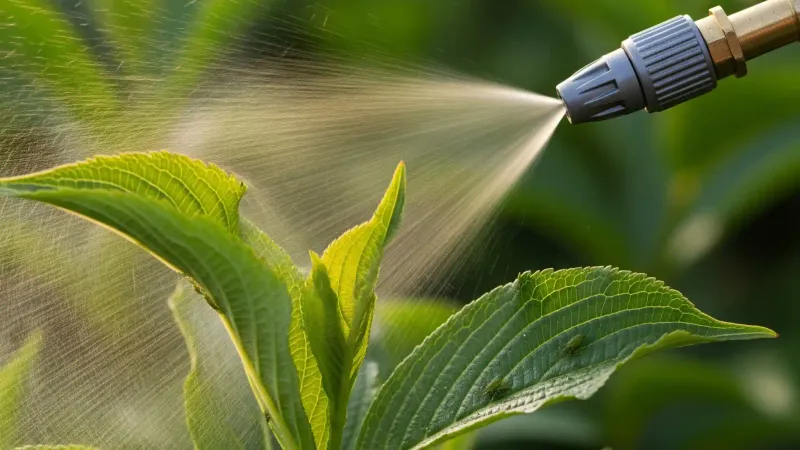
Water is a good first move. University of Arizona guidance says sooty mold can be washed from foliage, so rinse reachable leaves with plain water.
For stubborn spots the guide mentions a mild soap solution, but plain water is the safer habit, since household dish soaps and detergents can injure foliage, as Colorado State Extension notes. Do not treat dish detergent as a homemade pesticide.
Washing cleans the leaves but does not stop honeydew from arriving. Once the leaves are rinsed, look again to identify the pest and judge how many there are.
For aphids on sturdy plants, a forceful water spray can knock them off. UC IPM aphid guidance also encourages preserving natural enemies such as lady beetles, which help keep numbers down.
Skip the water blast on delicate growth, and keep it to the places where it fits.
Treat Identified Pests With Care
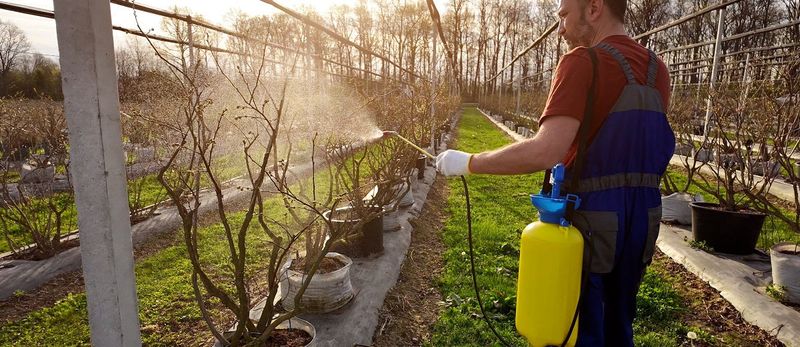
If water and patience are not enough, slow down before you spray. Target the pest you actually identified, and follow the product label.
Consider the plant’s condition and the weather too. Broad-spectrum products can harm pollinators and beneficial insects, a caution raised in the University of Arizona insecticide guide.
Spraying the whole tree out of frustration is a poor plan. It may miss the real source and hurt helpful insects.
Oil sprays come with their own cautions about temperature and moisture, as UC IPM explains. Its citrus thresholds come from California, so do not treat them as universal Arizona directions.
When unsure, ask your local Extension office.
Follow the Clues Before Choosing a Treatment
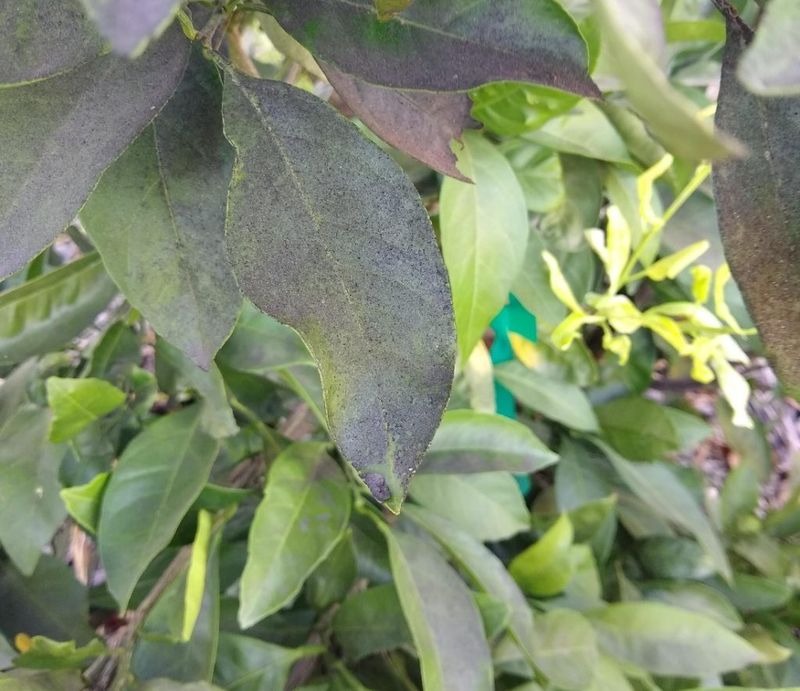
Start by asking whether the coating is sooty mold at all. If it is black, powdery, and sits on a sticky surface, it probably is, and it is a clue rather than the cause.
Next, search the plant and the canopy above it for honeydew and the insects behind it, as Maryland Extension suggests. Keep in mind that Arizona citrus guidance says sooty mold usually does not appear in dry desert conditions, so confirm what you see.
If nothing fits, broaden the diagnosis. Plant exudates can feed sooty molds too, so a lack of insects does not mean you missed something.
Match your response to what you find. Wash, watch, or treat a named pest with care, rather than scrubbing or spraying by reflex.
The black film is only the tree’s way of pointing you to the real story.