The Fuzzy Caterpillar Lurking in Virginia Gardens Packs One of the Worst Stings in America
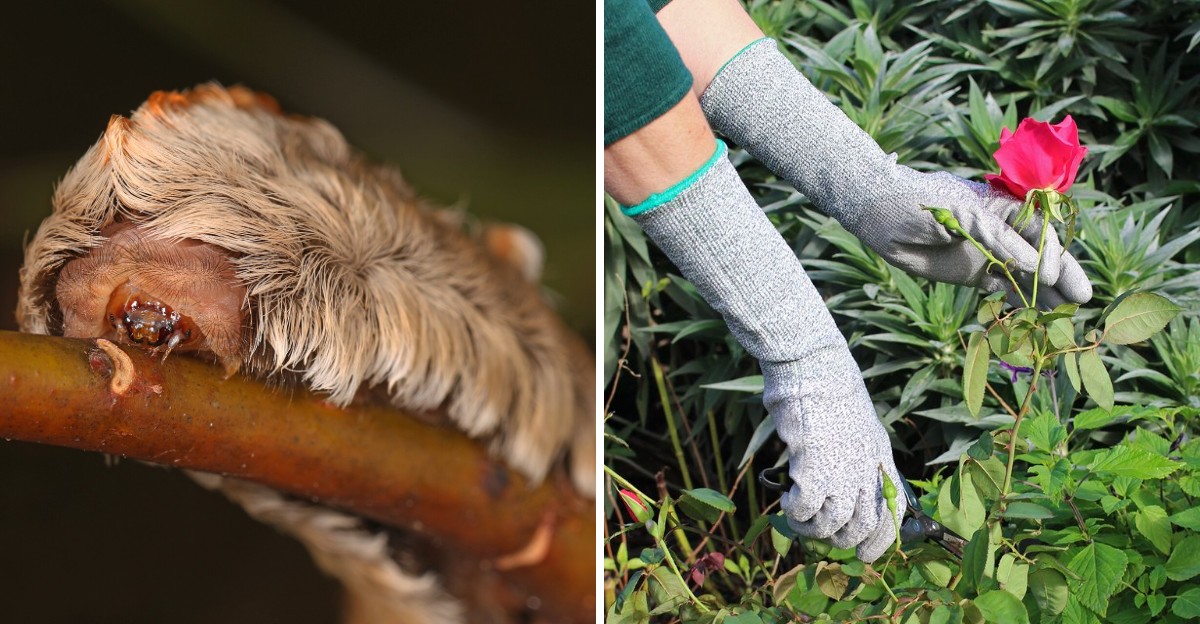
A creature no bigger than your thumb can send a grown adult to the emergency room. It looks like a tiny wig someone dropped on a leaf, soft and tawny and almost cute.
People who have brushed one describe the pain as throbbing and burning. Some compare it to a broken bone. The ache can climb up an arm within minutes and linger for hours.
I am surprised how often this fuzzball turns up in ordinary places across Virginia. Oak branches, shady shrubs, rose canes, and even porch railings can host one.
You might pass right by it while pulling weeds or reaching for a ripe tomato in a Virginia backyard.
After I learned what hides under all that fluff, I started looking at every hairy caterpillar a little differently. What makes something so soft feel so terrible, and how do you keep your hands safe this season?
That Tiny Furry Wig on Your Oak Leaf Has a Secret
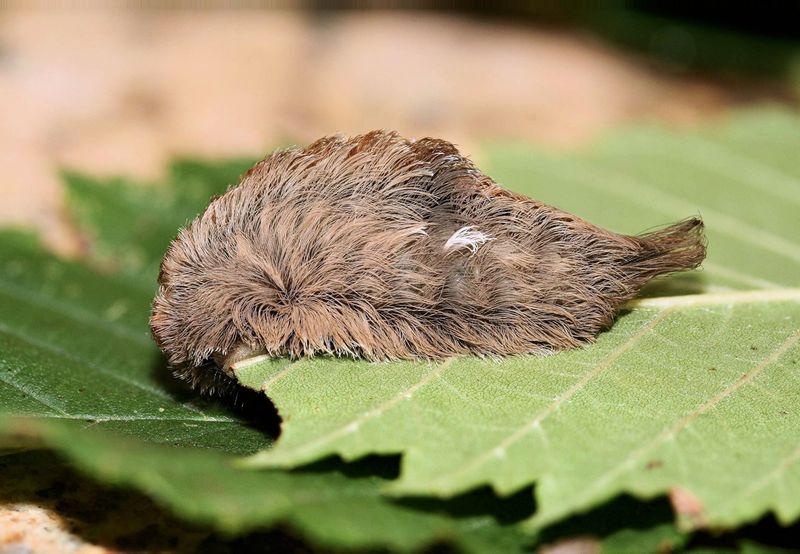
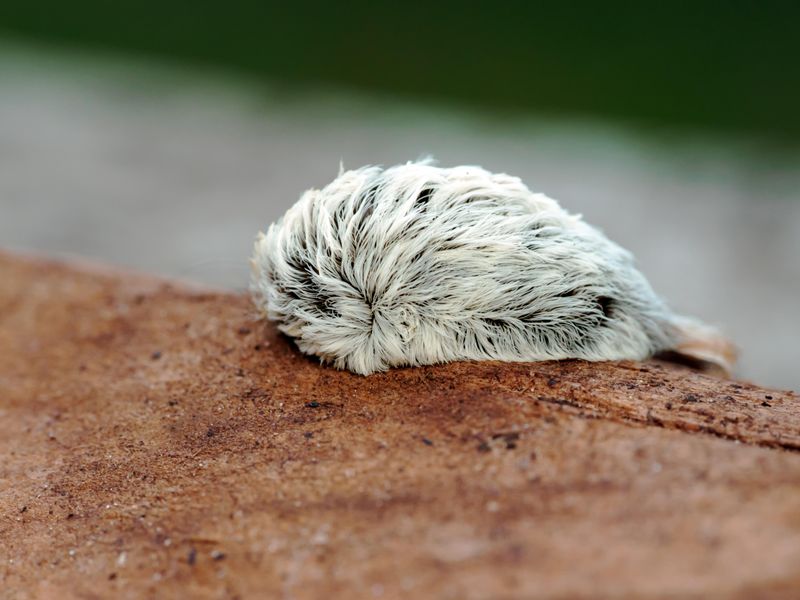
Gardeners have called it a toupee, a tuft of cat fur, and a walking cotton ball. Its real name is the puss caterpillar, also known as the asp or woolly slug.
It grows into the southern flannel moth, Megalopyge opercularis. Entomologists count it among the most venomous caterpillars in the United States.
Size is part of the trick. Full-grown larvae usually measure about one to one and a half inches long.
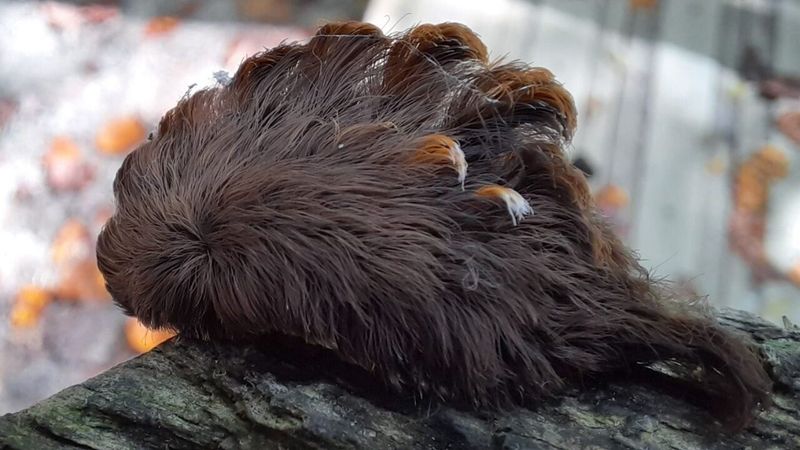
Their coats range from creamy tan and gold to gray or rusty brown, often with a darker streak along the back.
The hair looks combed into a neat little crest. Many people say it seems soft enough to pet, which is exactly the problem.
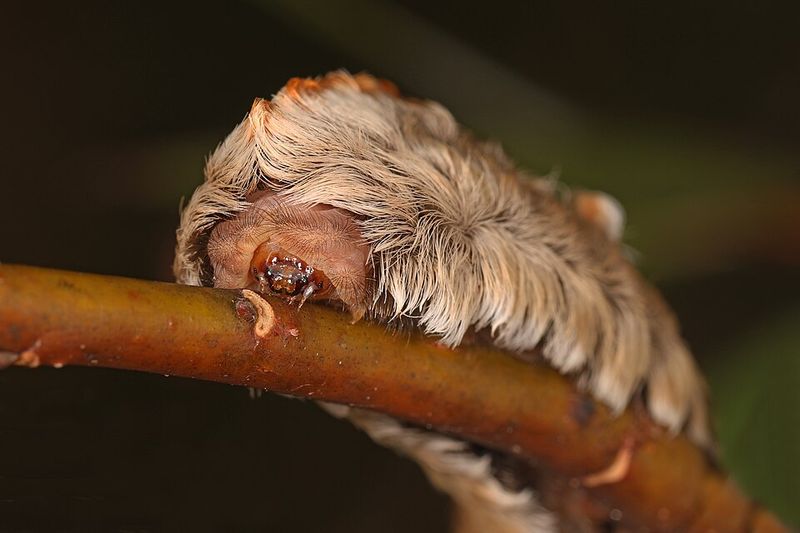
You rarely see the head or legs from above. The body is hidden under that teardrop-shaped fluff, so it can pass for a seed tuft or a bit of lint.
Kids are often the ones who get stung, because the caterpillar looks so friendly. A quick family talk before summer yard work can save a lot of tears.
Fun fact: the genus name Megalopyge roughly means large rump, a nod to the moth’s hefty, furry body.
Hidden Venom Spines Sit Beneath All That Caterpillar Fluff
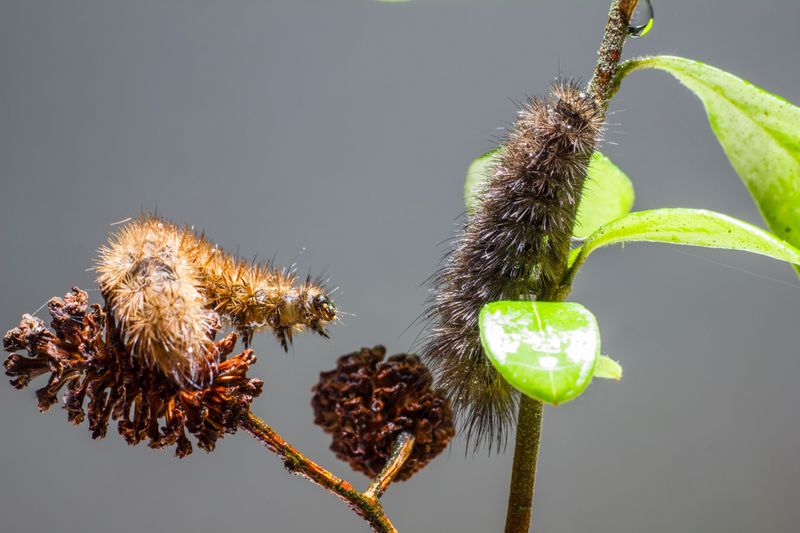
Under the silky outer coat sits a layer of short, stiff spines. Each one connects to a venom gland, according to university extension specialists.
When skin presses against the caterpillar, those hollow spines snap off and lodge in place. Venom then flows into the tissue almost instantly.
Reports gathered by poison centers and medical references describe a sharp, throbbing, burning pain. Many victims say it outranks a bee or wasp sting by a wide margin.
The hurt often spreads beyond the contact spot. Pain may travel up an arm toward the armpit, where lymph nodes can feel sore and swollen.
On the skin, you might see a grid-like pattern of red dots. That pattern is a telltale sign, since it matches where the spines punched in.
Most people recover within a day or so, though some deal with discomfort and itching longer. Reactions vary with how much contact happened and how sensitive the person is.
I find it wild that something with no teeth or stinger can cause this much trouble. Its defense is passive, so the caterpillar only causes harm when touched. Leaving it alone is the simplest protection you have.
Grab the Packing Tape Before You Reach for Ice

Speed and calm matter most in the first few minutes after a sting. Medical sources like the MSD Manual and university extensions share similar steps.
First, do not crush or rub the caterpillar against your skin. Flick it off with a stick, a leaf, or a gloved hand.
Next, press a strip of sticky tape over the area and peel it away. Packing tape, duct tape, or cellophane tape can lift out broken spines you cannot see. Repeat with fresh tape a few times. Then wash the spot gently with soap and water.
A cold pack wrapped in a thin towel helps calm the burning and swelling. Hold it on for short stretches rather than pressing ice straight onto bare skin.
Some people find relief with a baking soda paste or calamine lotion. Over-the-counter hydrocortisone cream can ease itching once the sharp pain settles.
An oral antihistamine may help with hives, but check with a doctor or pharmacist first, especially for children.
Calling Poison Control at 1-800-222-1222 is a smart move for guidance. Keep a roll of tape in your garden bucket. That little habit costs nothing.
Swollen Glands or Trouble Breathing Mean a Doctor Visit
Most stings stay local and fade with home care. A few cases, though, turn into whole-body reactions that need professional help.
Watch for nausea, vomiting, headache, fever, muscle cramps, or belly pain. Swollen glands and spreading numbness are also red flags.
Trouble breathing, chest tightness, or a racing heart call for emergency care right away. Rare cases have involved low blood pressure and symptoms resembling shock.
Children and people with allergies or asthma deserve extra caution. Their smaller bodies or sensitive systems can respond more strongly.
Snap a photo of the caterpillar if you can do so safely. Doctors and poison specialists find it helpful for confirming what caused the reaction.
Signs of infection can appear later too. Increasing redness, warmth, pus, or red streaks a few days after a sting deserve a call to your doctor.
I would rather overreact once than ignore a warning sign. Trust your gut if something feels off, and get checked.
Write the Poison Control number on your fridge or save it in your phone. Experts answer around the clock, and the call is free and confidential.
Oaks, Elms, and Rose Bushes Make Cozy Caterpillar Hangouts

Look up at your shade trees and you may be looking at a puss caterpillar buffet. This native insect feeds on many trees and shrubs.
Favorite hosts include oaks, elms, sycamores, hackberries, maples, and citrus in warmer states. Roses, hollies, and assorted ornamental shrubs also show up on host lists.
The species ranges across the Southeast and up into Virginia, where it turns up in woods, parks, and home landscapes. Coastal and southern parts of the state tend to see it more often.
Caterpillars usually rest on the undersides of leaves. They also wander onto fences, picnic tables, walls, and railings near host plants.
Brushing past a low branch is a common way people get stung. Pruning, weeding under shrubs, and grabbing a handrail are other risky moments.
You might notice them more after a windy day. Some drop from trees and land on patios or play equipment.
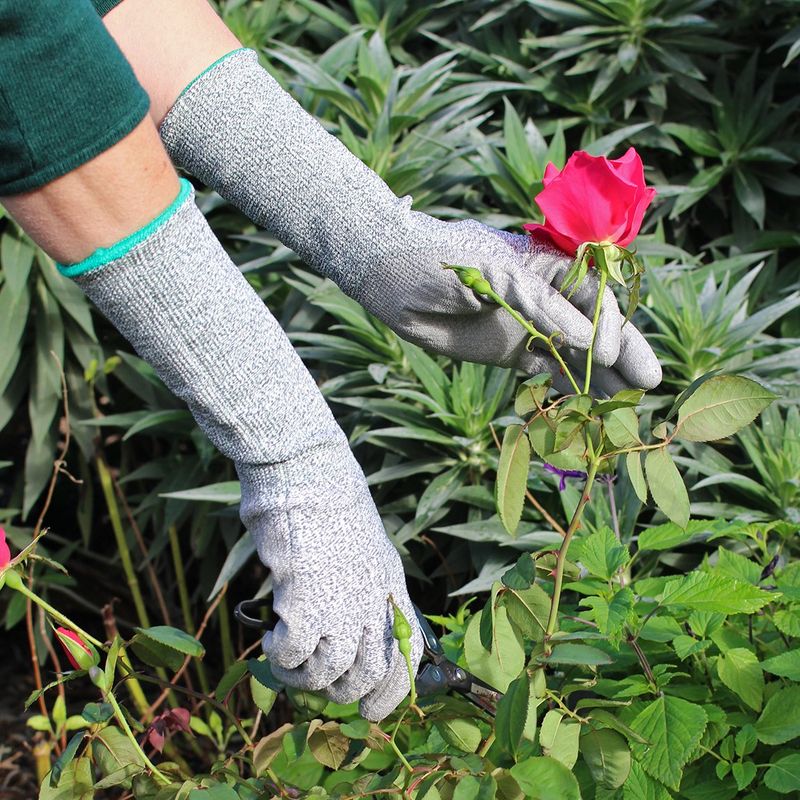
Do a quick scan before tucking your hands into dense foliage. Gloves and long sleeves add an easy layer of protection. Check swing sets and benches under oak canopies too. Little hands find these spots first.
Summer and Early Fall Bring Two Rounds of Fuzzy Visitors
Timing makes a big difference with this insect. In the warmer parts of its range, the puss caterpillar produces two generations each year.
Sightings often peak around midsummer and again in early fall. In Virginia, the cooler climate can shift timing a bit compared with Florida or Texas.
Adult moths lay eggs on host leaves, and young caterpillars start small and pale. They grow fluffier and more noticeable as they mature over several weeks.
Full-grown larvae spin tough, oval cocoons. Some cocoons have a little hinged lid that lets the moth push out later.
Fall caterpillars typically spend winter inside those cocoons. You may find them stuck to bark, twigs, or the sides of sheds and houses.
Even empty cocoons and shed skins can hold loose spines. Use gloves or a scraper if you want to remove one.
The adult southern flannel moth is a fuzzy, yellowish creature with wavy wings. It does not sting, so you can admire it at your porch light.
Mark late summer and early fall on your calendar. Those are prime weeks for extra caution outdoors.
Let Wasps and Birds Handle the Puss Caterpillar Patrol
Spraying your whole yard over a few fuzzy caterpillars rarely makes sense. Virginia forestry and extension experts generally advise leaving them alone.
Populations usually stay low thanks to natural enemies. Parasitic wasps and flies lay eggs in the caterpillars, and some predators feed on them.
Broad insecticide sprays harm those helpers along with pollinators. That can backfire and leave you with more pests later.
If one sits in a busy spot, move it rather than spraying. Use a stick or long tongs to lift it onto a tree away from walkways.
Wear thick gloves if you need to handle leaves nearby. Toss any removed caterpillar into a sealed jar of soapy water if relocation is not an option.
Heavy infestations are uncommon on home trees. When they do happen, a certified arborist or your local extension office can recommend targeted options.
I have come to appreciate this hands-off approach. The garden handles a lot of its own pest control when we give it room.
A healthy mix of native plants supports the birds and beneficial insects that keep caterpillar numbers in check.
Gloves, Long Sleeves, and a Quick Look Keep Your Garden Sting Free
A few simple habits go a long way toward a pain-free season. None of them require special gear or much time.
Wear sturdy gloves and long sleeves when pruning or weeding under trees. Shake out jackets, hats, and gloves left outside before putting them on.
Teach children a clear rule: look at fuzzy caterpillars, but do not touch. Show them photos so they recognize the puss caterpillar and its cousins.
Other stinging species live in Virginia too. The saddleback, io moth, and hag moth caterpillars can all deliver painful stings.
Treat any very hairy or spiky caterpillar with respect. Woolly bears are mostly harmless, but guessing wrong is not worth the risk.
Keep a small kit in your shed with tape, gloves, and a cold pack. Save the Poison Control number where you can grab it quickly.
Check railings and outdoor furniture near oaks and elms during summer and early fall. A two-second glance prevents most surprises.
I still enjoy spotting these odd little furballs. Now I simply admire them from a respectful distance and let them finish their journey to mothhood.