These Venomous Minnesota Creatures Are Looking For A Warm Place To Spend Winter
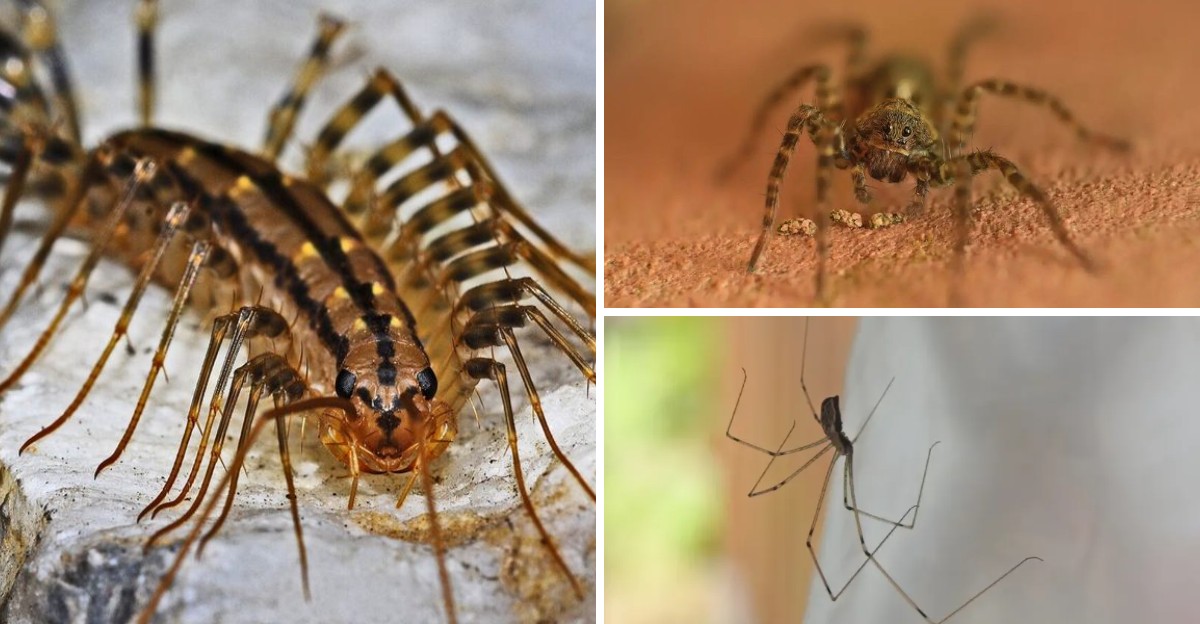
Some spiders in my basement have learned that a cozy furnace room beats a frozen woodpile every single November.
Nearly all spiders carry venom, though very few are harmful to people, and they are surprisingly good at slipping through gaps.
Across Minnesota, cold snaps push many small hunters toward foundations and garage corners each autumn as daylight shrinks. One shy snake heads somewhere very different every fall, sliding deep into rocky bluffs below the frost line.
I skipped my usual fall cleanup one year and found pale silk sacs tucked behind every stacked flowerpot. You might notice similar clues in your shed, especially near cardboard boxes and forgotten garden gloves.
Most of these neighbors are more helpful than harmful, quietly eating pests that bother our gardens and homes. Which Minnesota visitors deserve a spot in your basement this winter, and which ones should stay outdoors?
1. Northern Black Widow Spiders Hide In Quiet Woodpiles
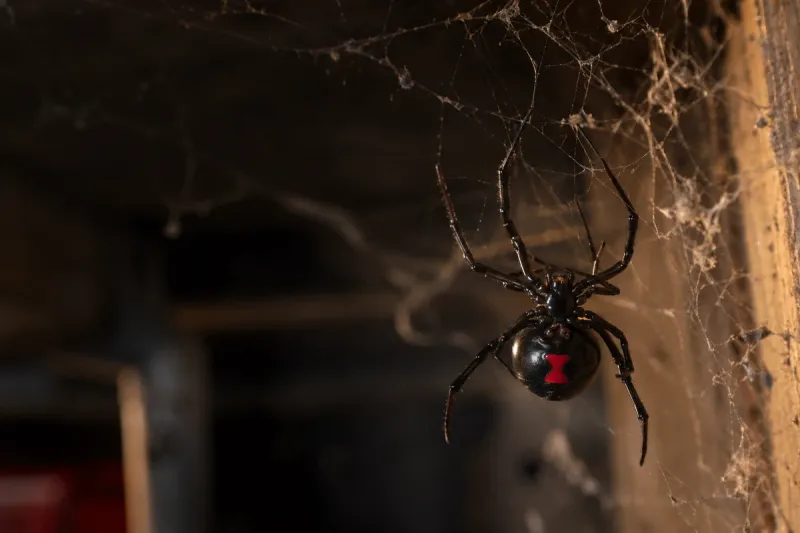
That glossy black body with a red hourglass underneath looks like a warning label designed by nature itself. Northern black widows, Latrodectus variolus, live in parts of Minnesota, though most of us rarely meet one.
Their hourglass is often split into two red marks, which helps separate them from the southern species. Females carry a neurotoxic venom that can cause painful muscle cramps, so medical care is wise after bites.
Serious outcomes are rare for healthy adults, yet children and older folks should get checked quickly by a doctor. I treat any shiny black spider with respect and keep my bare hands well away from it.
As temperatures fall, these spiders tuck themselves into sheltered spots like woodpiles and loose stone walls near the yard. Some wander into garages or sheds, where cluttered corners and stacked pots offer dim, undisturbed hiding places.
Black widows build messy, tough webs low to the ground, often in a corner where insects crawl past. Spotting that strong, sticky tangle near a basement window well is a smart cue to look more closely.
You build your best defense by wearing thick gloves whenever you move firewood or old flowerpots in autumn. Stack wood off the ground and away from the house, which leaves fewer cozy gaps near your door.
Shaking out boots and garden gloves stored in the shed takes two seconds and saves a lot of worry. A tidy garage gives these shy spiders fewer reasons to stay, and they rarely bite unless pressed.
2. Yellow Sac Spiders Climb Indoor Walls At Night
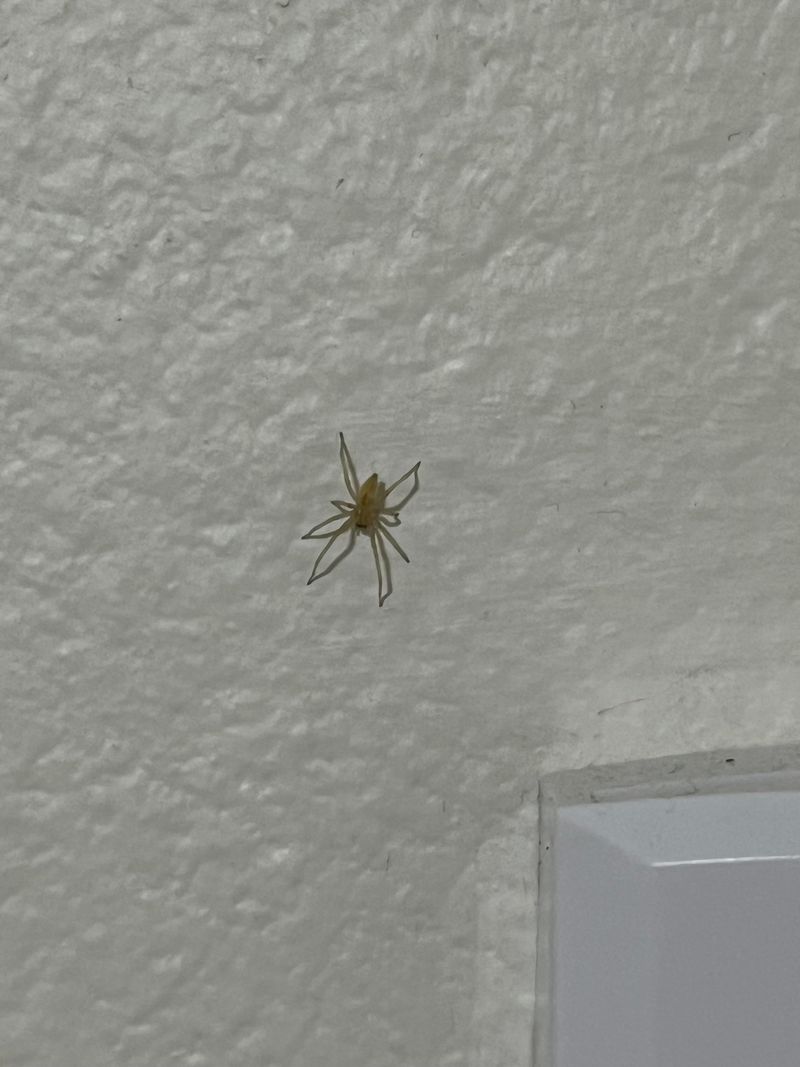
Pale yellow and barely the size of a fingernail, this spider seems too small to cause any real trouble. Yellow sac spiders, Cheiracanthium species, are among the more common biting spiders found inside homes across the Upper Midwest.
They skip web building and instead spin tiny silk pouches in ceiling corners or behind picture frames. Each pouch works like a sleeping bag during the day, and the spider heads out hunting after dark.
Many people notice them in fall, when outdoor insect prey gets scarce and cooler nights push them inside. University of Minnesota Extension notes they often wander across walls and ceilings while searching for small insects.
Their bite can sting and cause redness or swelling, though serious skin damage is uncommon according to recent research. Older claims blamed them for severe wounds, but scientists now think those reports were often exaggerated or misdiagnosed.
I found one on my bedroom curtain once and calmly moved it outside with a glass and paper. You can do the same, since squashing them on light walls leaves a messy yellowish smudge behind.
Sealing gaps around window frames and door sweeps helps keep these wanderers outdoors where they belong in autumn. Shaking out clothes left on the floor is another easy habit, because bites often happen when spiders get trapped.
Vacuuming the little silk sacs from ceiling corners removes resting spiders without any sprays or harsh chemicals. A quick monthly sweep with a long duster keeps those pale hideouts from piling up over the colder months.
3. House Centipedes Race Across Damp Basement Floors
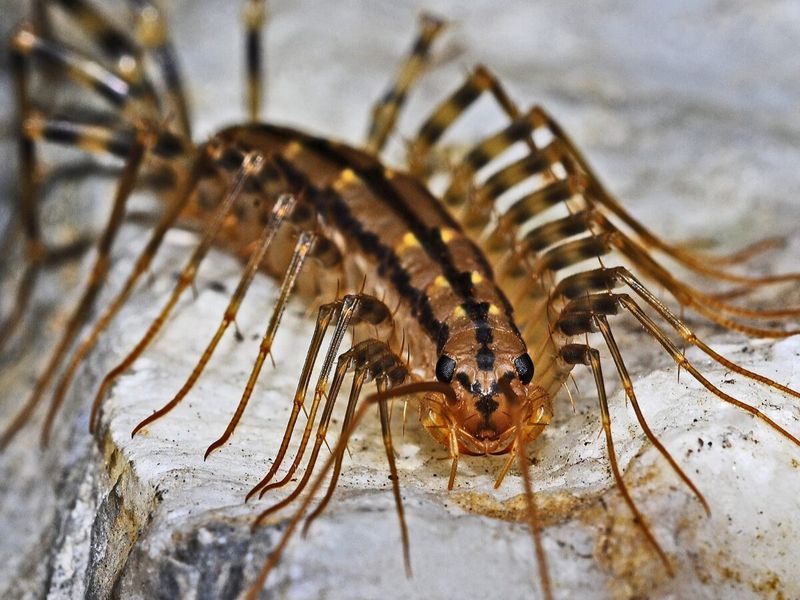
Fifteen pairs of long, wiggly legs moving at full speed can make even brave gardeners shriek and jump backward. House centipedes, Scutigera coleoptrata, rank among the fastest critters you will ever see dash across a bathroom floor.
They carry venom in modified front legs called forcipules, which they use to grab silverfish and other small household pests. Bites on people are uncommon and usually feel like a mild bee sting with some brief redness.
Unlike many critters on this list, house centipedes can live indoors all year without heading outside at all. Winter just makes them easier to spot, since they gather where moisture lingers near pipes and floor drains.
I used to grab a shoe whenever one appeared, but now I mostly leave them alone to patrol. They clean up cockroaches and silverfish that I would much rather not share my basement with anyway.
If they bother you, lowering humidity is the smartest move, because these centipedes dry out quickly in dry air. Running a dehumidifier and fixing leaky pipes makes your basement far less inviting for them and their prey.
Clearing cardboard boxes and damp clutter from floor corners removes the hiding spots they rely on during daylight. Sticky traps along baseboards can help you measure how many are around before you decide on bigger steps.
Seeing a few each winter is normal, and it often means other bugs are living in your house too. Treat that sighting as a friendly clue to check for moisture problems before spring rains arrive again.
4. Timber Rattlesnakes Retreat Into Southeast Minnesota Bluffs
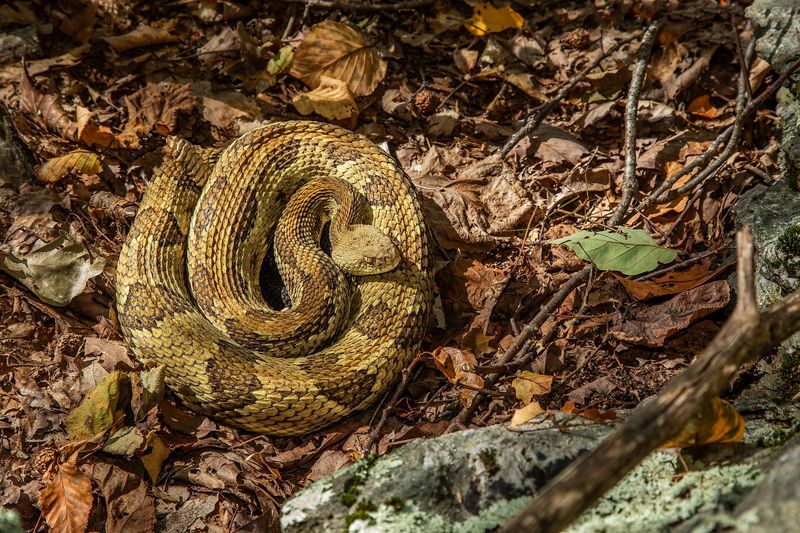
Only a small corner of the state hosts a rattlesnake, and it lives among steep limestone bluffs near the Mississippi. The timber rattlesnake, Crotalus horridus, is a heavy-bodied snake with dark crossbands and a rattle that buzzes when disturbed.
Unlike the spiders here, these snakes do not want your warm basement or garage during the cold months. They seek deep rock crevices below the frost line, often sharing dens with other rattlers and even different snakes.
Many return to the same den year after year, sometimes traveling a mile or more each spring and fall. Researchers in the Driftless Area have tracked this loyalty, which makes protecting den sites especially important for the species.
The species is listed as threatened by the state, so harming or collecting one is illegal without a permit. Their venom is potent, yet bites are rare because these snakes prefer staying still and hidden over striking.
I hiked a bluff prairie in Winona County once and felt thrilled just knowing one might be nearby. You can enjoy those trails safely by staying on paths and watching carefully where you place your hands.
Rattlesnakes usually settle into dens by October, so winter hikers in the region are unlikely to meet one outside. If you do see one in warmer months, give it plenty of space and let it move along peacefully.
Homeowners near the bluffs can reduce visits by clearing brush piles and stacked lumber close to the house. Trained relocation helpers can assist when a snake settles near a doorway, keeping both people and snakes safer.
5. Wolf Spiders Wander Into Garages As Nights Cool
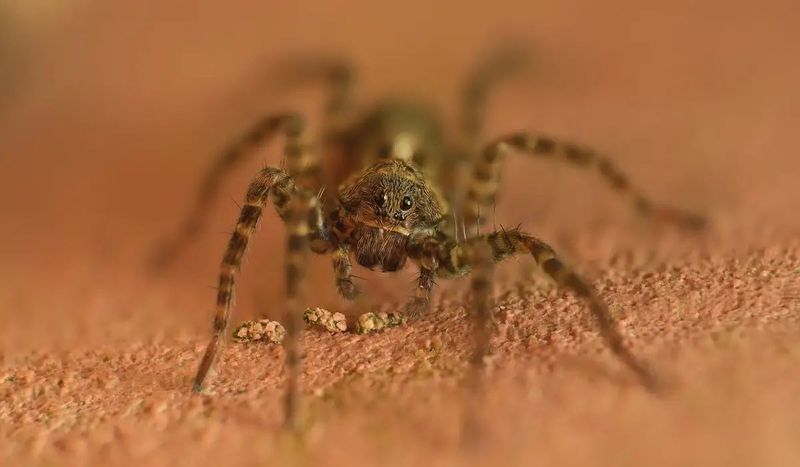
Shine a flashlight across your lawn on a warm night, and dozens of tiny green sparkles may glint back. Those gleams come from wolf spider eyes, which reflect light like a cat’s eyes caught in car headlights.
Wolf spiders belong to the family Lycosidae, and they hunt on the ground instead of waiting in sticky webs. Their bite can sting and itch, much like a bee sting, but medical problems for people are uncommon.
Most wolf spiders spend winter outdoors, sheltering under leaf litter or inside small burrows in the soil. A few wander into garages and basements during fall, usually by accident while chasing prey along foundation walls.
I love watching mother wolf spiders carry their babies piled on their backs like a fuzzy brown backpack. That quirky parenting habit makes them one of my favorite garden hunters, even if they startle me sometimes.
Leaving some leaf litter in flower beds gives them a natural place to overwinter far from your door. In return, they help control garden pests like cutworms and beetles that chew on your spring seedlings.
Weatherstripping garage doors and sealing foundation cracks keeps more of them outdoors where they do their best work. Moving mulch and woodpiles a few feet away from your siding also cuts down on accidental indoor visitors.
When one appears in your basement, scoop it gently into a jar and release it near the garden. Wolf spiders struggle to find enough food indoors, so they often fare better back outside under the leaves.
6. American House Spiders Spin Cobwebs In Quiet Corners
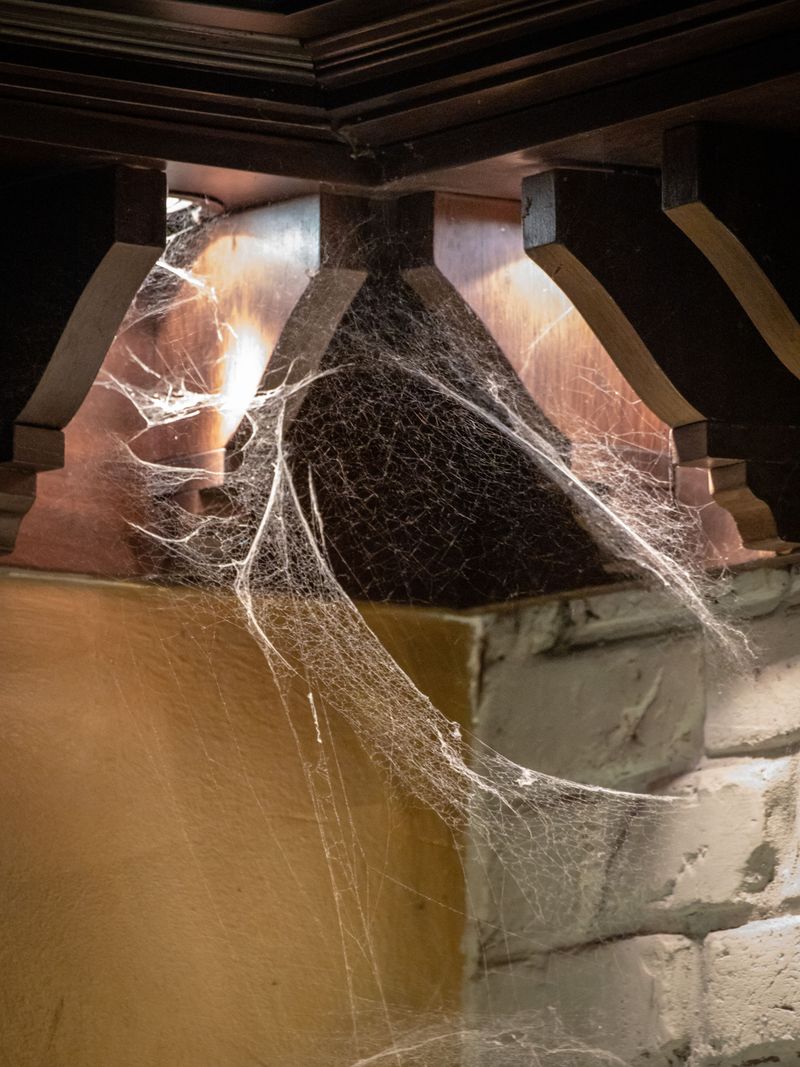
Those dusty cobwebs gathering above your basement stairs are probably the handiwork of one patient little homebody. The American house spider, Parasteatoda tepidariorum, is one of the most common spiders found inside North American homes.
It is a cobweb spider and a distant cousin of the black widow, but its venom is weak for people. Bites are rare and usually cause only mild itching or redness, similar to a small mosquito bite.
These spiders often live indoors year-round, but outdoor relatives seek sheltered buildings as autumn temperatures drop. They slip through gaps around windows and doors, settling into quiet basements and dim attic spaces for winter.
Their brownish bodies have a rounded abdomen with mottled markings, making them easy to confuse with black widows. Look for the missing red hourglass, which quickly tells you that you are dealing with a mild-mannered roommate.
I let a few stay in my garage, since they snag flies and mosquitoes that sneak inside. You might appreciate that free pest control too, especially during spring when flies bump against every window pane.
Webs in living spaces can be removed with a broom or vacuum, which also collects any egg sacs. Each egg sac can hold hundreds of eggs, so clearing them early keeps future populations smaller and more manageable.
Reducing outdoor lights near entryways helps too, because bright bulbs attract the insects these spiders love to catch. Switching to yellow bulbs draws fewer bugs, so spiders find fewer reasons to set up shop near doors.
7. Long-Bodied Cellar Spiders Dangle From Basement Ceilings
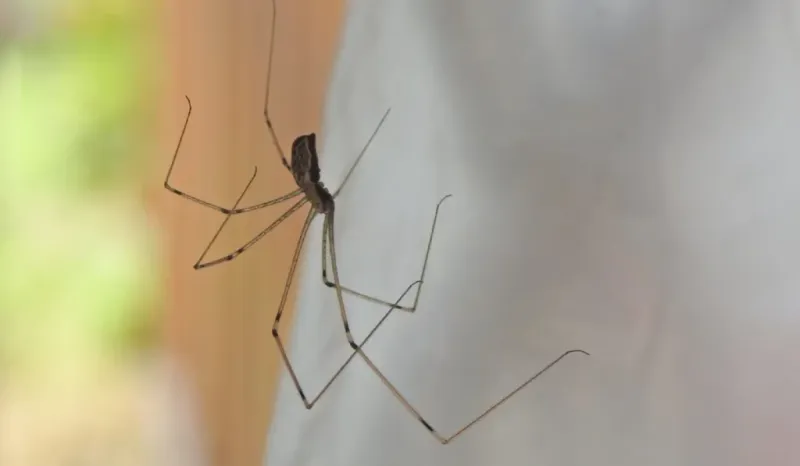
Those wobbly, long-legged spiders that shake their webs when bothered have a clever trick for confusing predators. Long-bodied cellar spiders, Pholcus phalangioides, vibrate so fast that they blur, making them harder for enemies to target.
Many people call them daddy long-legs, though that name also belongs to harvestmen, which are not spiders. Cellar spiders do have venom, but their bites on people are rare and cause little more than mild irritation.
You may have heard the myth that they hold the strongest venom yet cannot pierce human skin. Scientists have debunked that tale, and research shows their venom is quite weak for people.
These spiders thrive in damp, dark places like basements and crawl spaces that stay above freezing all winter. They build loose, messy webs in ceiling corners and rarely leave them unless food runs short.
I find them oddly charming, especially when one hunts down a much larger house spider in my laundry room. Cellar spiders often invade other spider webs, mimicking trapped insects to lure the owner close enough to grab.
If webs pile up, a vacuum with a long hose attachment clears them quickly without harsh sprays. Lowering basement humidity with a dehumidifier also makes the space less appealing, since these spiders prefer moisture and stillness.
Leaving one or two in a utility room can trim the population of other spiders through the cold months. You get a quiet helper that asks for nothing more than a dusty corner and a few gnats.
8. Paper Wasp Queens Sneak Into Attics For Winter
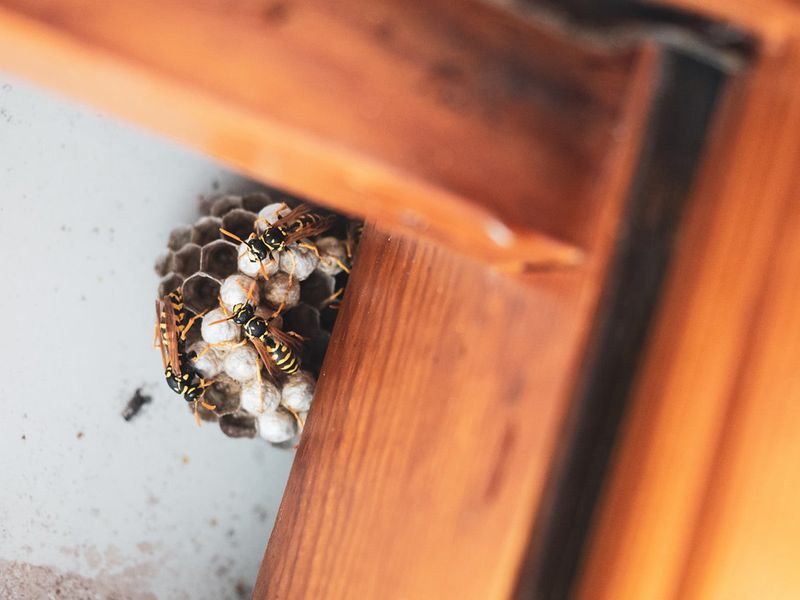
A sluggish wasp crawling across your window on a sunny January afternoon can feel like a real puzzle. Chances are good it is a paper wasp queen, roused early by indoor warmth from her hidden winter nap.
Paper wasps, including the common Polistes fuscatus, build open umbrella-shaped nests under eaves and deck railings. Their sting packs real venom and hurts quite a bit, so people with allergies should stay especially cautious around them.
Worker wasps and the old queen do not survive the freezing nights of autumn in Minnesota. Newly mated queens search for protected spots like wall voids and gaps along rooflines before the hard cold arrives.
Those queens stay dormant until spring warmth signals time to build fresh nests and raise new workers. If one wanders into a living room, she is usually confused by heat and heading toward the light.
I scoop drowsy queens into a cup and set them in my unheated shed, where they can rest. You can also vacuum them gently, which handles the problem without spraying chemicals near your family.
Late fall is a smart time to caulk gaps around siding and attic vents before queens settle in. Knocking down empty old nests during winter is safe, since paper wasps rarely reuse a nest the next season.
Leaving a few nests in quiet garden corners next summer can help, because paper wasps hunt caterpillars on plants. Gardeners often find fewer chewed cabbage and tomato leaves when these busy wasps patrol nearby beds.